Categories
1 Minute-Read

PM Modi highlights India’s West Asia concerns

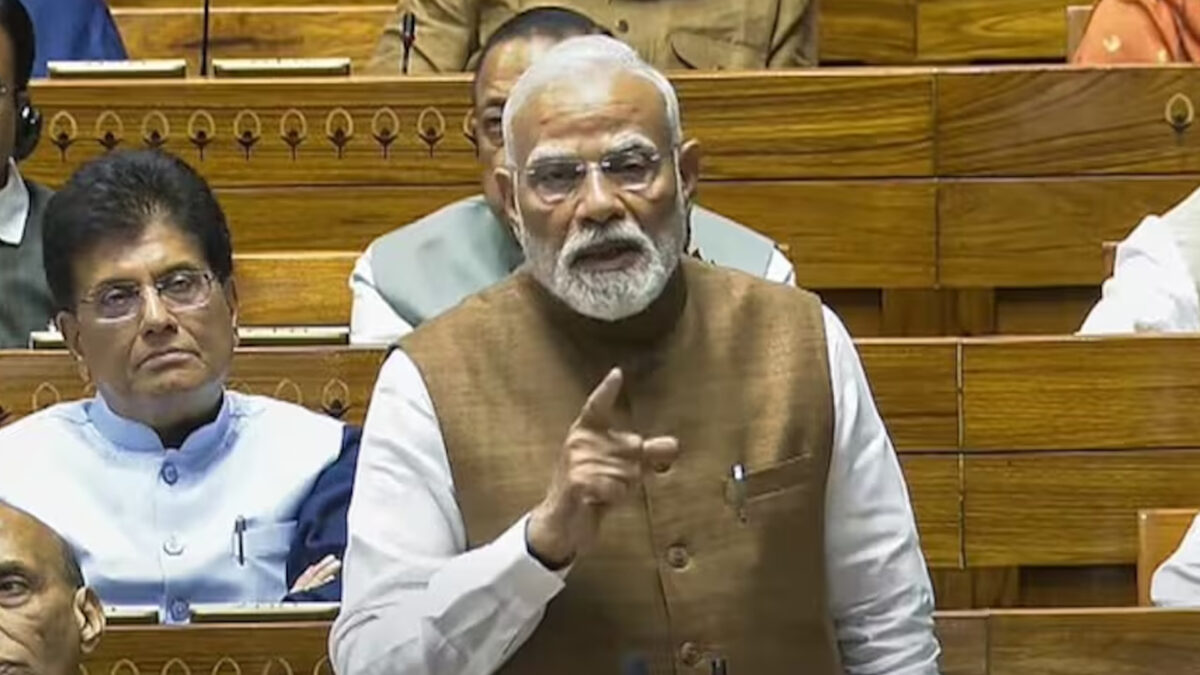
Prime Minister Narendra Modi on Monday told the Lok Sabha that the ongoing West Asia conflict poses serious challenges for India. He highlighted risks to energy security, trade routes, and the safety of millions of Indians in the region.

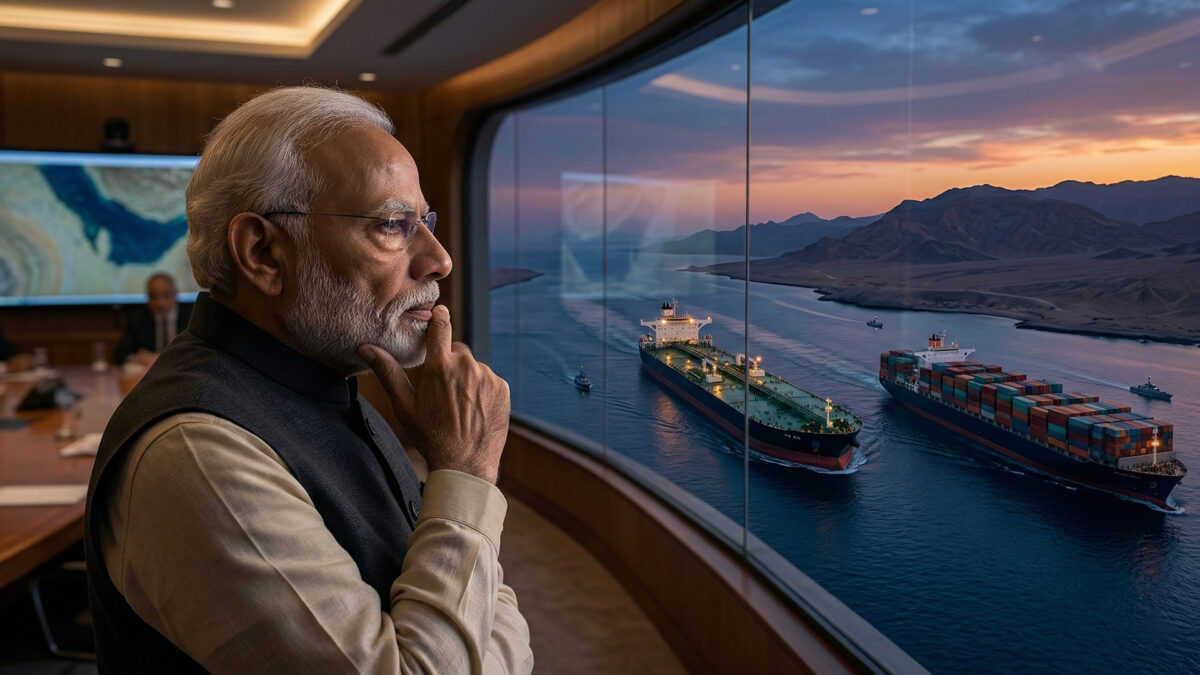
PM Modi emphasized measures such as 24×7 helplines, control rooms, and advisories to protect citizens abroad. The Strait of Hormuz was flagged as a critical route, with any disruption potentially affecting India’s fuel supplies.

Domestically, strategic reserves of LPG, crude, coal, and fertilizers are being monitored. Modi urged unity, resilience, and proactive diplomacy amid global uncertainty.

Categories
1 Minute-Read

PM Modi unveils ₹10,800 cr projects in Kerala

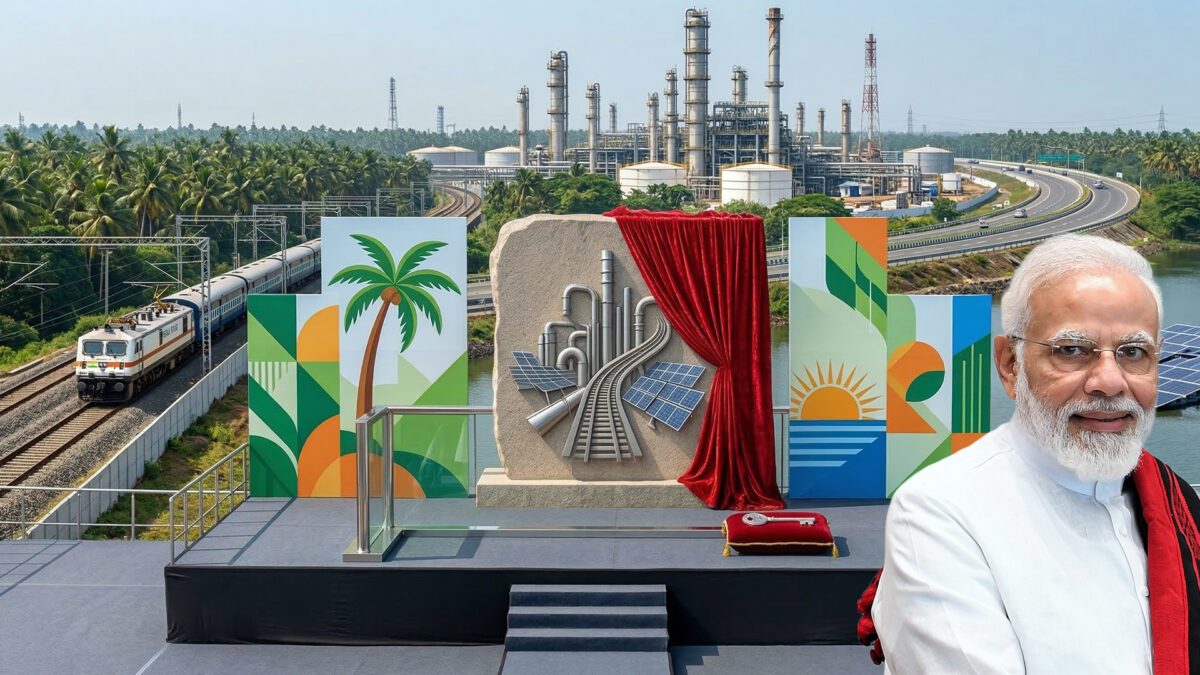
Prime Minister Narendra Modi on Tuesday inaugurated and laid the foundation stone for development projects worth ₹10,800 crore in Ernakulam, Kerala. The initiatives aim to improve infrastructure, boost industries and strengthen transport and energy sectors in the state.

Among the major projects is a polypropylene unit at the Kochi Refinery of Bharat Petroleum Corporation Limited, expected to support petrochemical industries and create jobs. The Prime Minister also inaugurated road projects, including the widening of stretches of National Highway 66, and launched a floating solar power project at West Kallada to promote renewable energy in Kerala.

Categories
Leaders

PM Modi urges peace, flags economic risks in Gulf

Prime Minister Narendra Modi held a telephone call with Benjamin Netanyahu on Monday, urging an “early cessation of hostilities” and emphasising that the safety of civilians must be a priority as tensions soar in West Asia following US–Israel strikes on Iran.

In his message on social media platform X, Modi said he had conveyed India’s concerns over the ongoing violence and called for de‑escalation to protect non‑combatants caught in the crossfire. He reiterated that India wants hostilities to end quickly and urged all sides to prioritise peace and civilian security.

The call comes amid growing concerns over trade and energy flows. India imports a significant portion of its crude oil and LPG from West Asia, and instability in the region, especially near strategic chokepoints like the Strait of Hormuz, could affect fuel costs, shipping schedules, and supply chains.

PM Modi also spoke with Sheikh Mohamed bin Zayed Al Nahyan, President of the United Arab Emirates, condemning recent attacks on the UAE and expressing India’s solidarity, while thanking UAE leadership for looking after the large Indian expatriate community.

Although direct trade with Iran has declined due to sanctions, India continues to export agricultural products, machinery, and pharmaceuticals, while importing dry fruits, chemicals, and glassware. Analysts warn that escalating conflict could disrupt these trade flows, affecting businesses and exporters dependent on Gulf markets.

India’s government is closely monitoring the economic fallout, including potential delays at ports, shipping disruptions, and volatility in energy prices. The PM’s outreach reflects India’s dual focus: advocating for peace to protect civilians and ensuring continuity of critical trade and energy interests.

PM Modi’s calls to regional leaders signal proactive diplomacy, combining humanitarian concerns with strategic economic foresight as businesses watch the Gulf situation for its impact on energy, logistics, and trade stability.

Also Read: GST collections rise to ₹1.83 lakh cr in February

Categories
Beyond

New Micron chip plant worth ₹22,500 cr in Gujarat

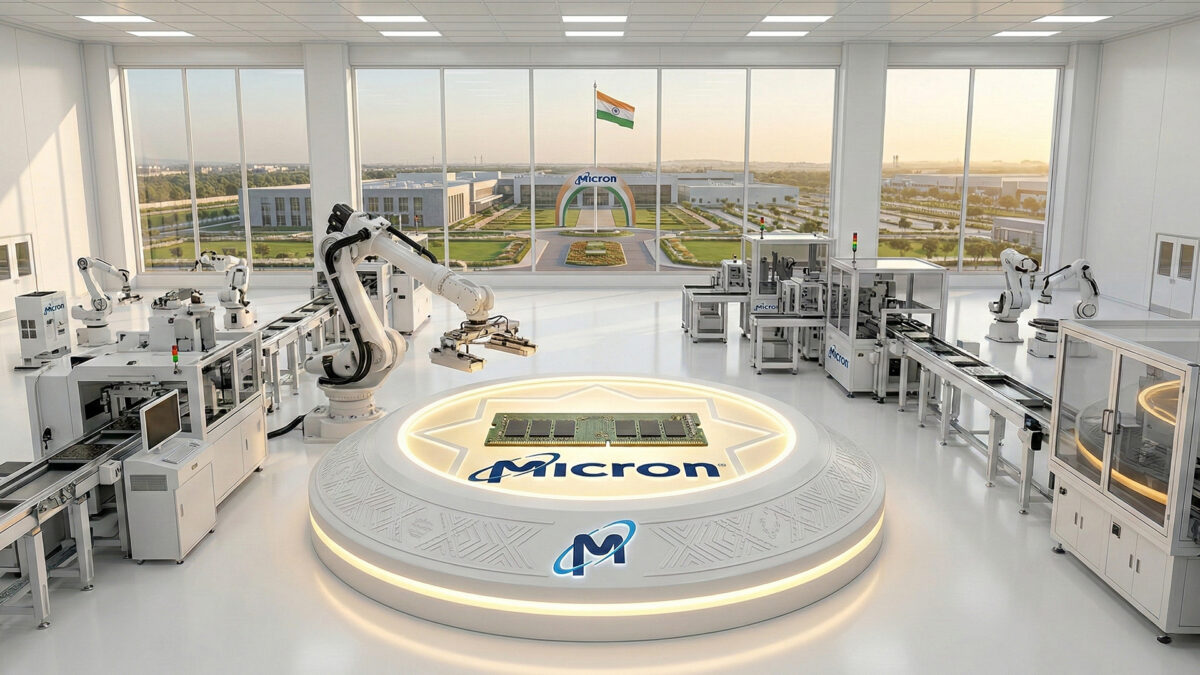
A major semiconductor facility set up by Micron Technology in Sanand, Gujarat, was started on Friday. This was inaugurated by Prime Minister Narendra Modi, thus marking a significant step in India’s push to become a global electronics manufacturing hub.

The new plant, built with an investment of over ₹22,500 crore, will assemble, test and package semiconductor memory products such as DRAM and NAND chips. These components are widely used in smartphones, laptops, data centres and emerging technologies like artificial intelligence.

The facility is part of the government’s broader semiconductor strategy aimed at reducing India’s dependence on imported chips and strengthening its position in the global supply chain. Officials described it as one of the first large-scale semiconductor projects to begin operations under the national semiconductor mission.

Spread across a large industrial site in Sanand, the plant is expected to generate thousands of jobs over time. Around 2,000 people are already employed, and the workforce is likely to grow significantly as production ramps up. The project is also expected to create indirect employment in logistics, services and ancillary industries.

At the inauguration, Modi said the plant reflects growing global confidence in India’s manufacturing ecosystem. He highlighted the government’s efforts to attract high-tech investments and build a robust semiconductor base in the country.

Industry experts see the Micron facility as a crucial milestone. While India has traditionally relied on other countries for semiconductor production, projects like this are seen as laying the groundwork for a stronger domestic electronics sector.

The chips produced in Gujarat will serve both Indian and international markets, helping integrate the country more deeply into global technology value chains. As demand for memory and data storage continues to rise worldwide, the Sanand plant could play an important role in supporting next-generation digital infrastructure.

Also Read: Fino Payments Bank CEO arrested in GST case

Categories
Beyond

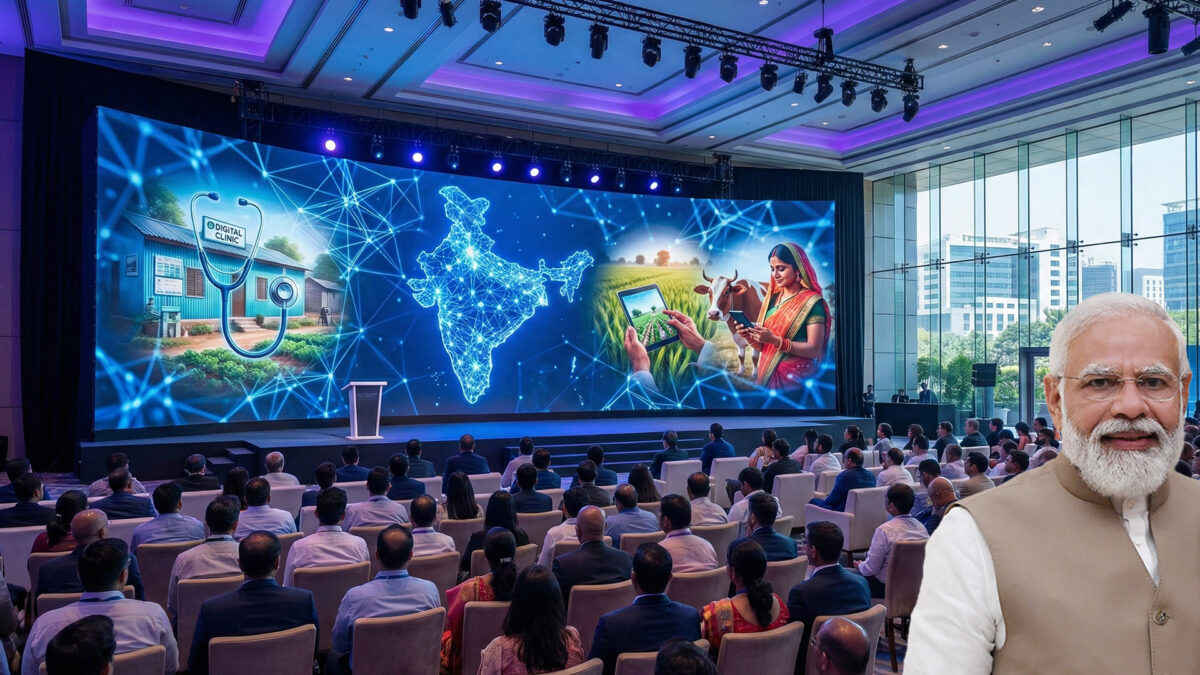
PM Modi says India ready to lead global AI era

Prime Minister Narendra Modi has positioned India as a major force in the rapidly evolving global artificial intelligence landscape, describing AI as a “civilisational inflection point” that will reshape economies, governance and daily life.

Speaking at the India AI Impact Summit, he said India’s AI strategy is built on inclusion, innovation and technological self-reliance, with a focus on ensuring that the benefits of the technology reach all sections of society. He underlined that AI should not remain in the hands of a few countries or corporations but must serve humanity at large.

The Prime Minister highlighted that India’s digital public infrastructure has created a strong foundation for developing affordable and scalable AI solutions. This model, he said, can support not only domestic growth but also offer pathways for other developing nations.

Addressing concerns over job losses, Modi said the emphasis is on skilling and reskilling the workforce to prepare for new opportunities in an AI-driven economy. Rather than replacing human effort, he noted, AI will enhance productivity and improve outcomes in sectors such as healthcare, agriculture, education and public service delivery.

He also pointed to India’s young talent pool, vibrant startup ecosystem and expanding computing capacity as key strengths that will help the country transition from being a technology adopter to a global technology creator.

Calling for responsible innovation, the Prime Minister stressed the importance of ethical, transparent and bias-free AI systems. He urged greater international cooperation to develop frameworks that ensure safety, trust and equitable access.

The summit brought together policymakers, industry leaders and researchers from across the world, reflecting India’s ambition to shape the global AI agenda while using the technology as a tool for inclusive growth and social transformation.

Also Read: Adani Ports ties up with Marseille Fos for IMEC corridor

Categories
Corporate

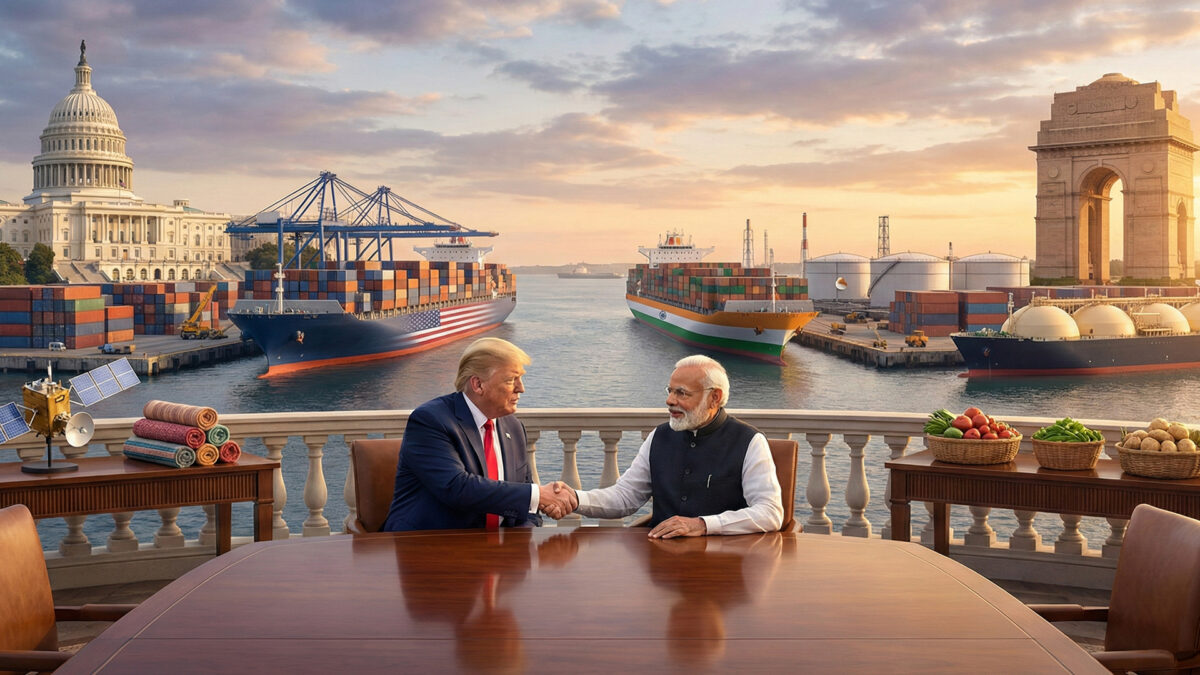
Trump announces India–US trade deal

US President Donald Trump has said that the United States and India have agreed on a new trade deal that would change how goods move between the two countries. As per Trump’s statement, American products would be allowed into India without paying any tariffs, while Indian exports to the US would attract an 18% charge.

Trump said the move is aimed at making trade more balanced and fair for American businesses. He claimed that US companies have long faced higher duties in India and that the new arrangement would open up greater opportunities for American manufacturers, farmers, and technology firms.

Under the proposed deal, India would continue to export to the US, but at a fixed tariff rate of 18%. Trump described this as a reasonable level that still allows Indian goods access to the American market while offering better protection to US industries and jobs.

The announcement comes amid ongoing global trade uncertainty and renewed focus on protecting domestic industries. India and the US are among each other’s key trading partners, with strong links in sectors such as IT services, pharmaceuticals, energy, defence, and manufacturing.

However, no official confirmation or detailed response has yet come from the Indian government. Trade analysts say the impact of the deal, if finalised, could be uneven. While US exporters may gain from duty-free access to India, Indian exporters, especially in labour-intensive sectors, could see higher costs and tighter margins in the US market.

Also Read: India–US deal cheer lifts Sensex 2,250 points, Nifty above 25,750

Categories
Leaders

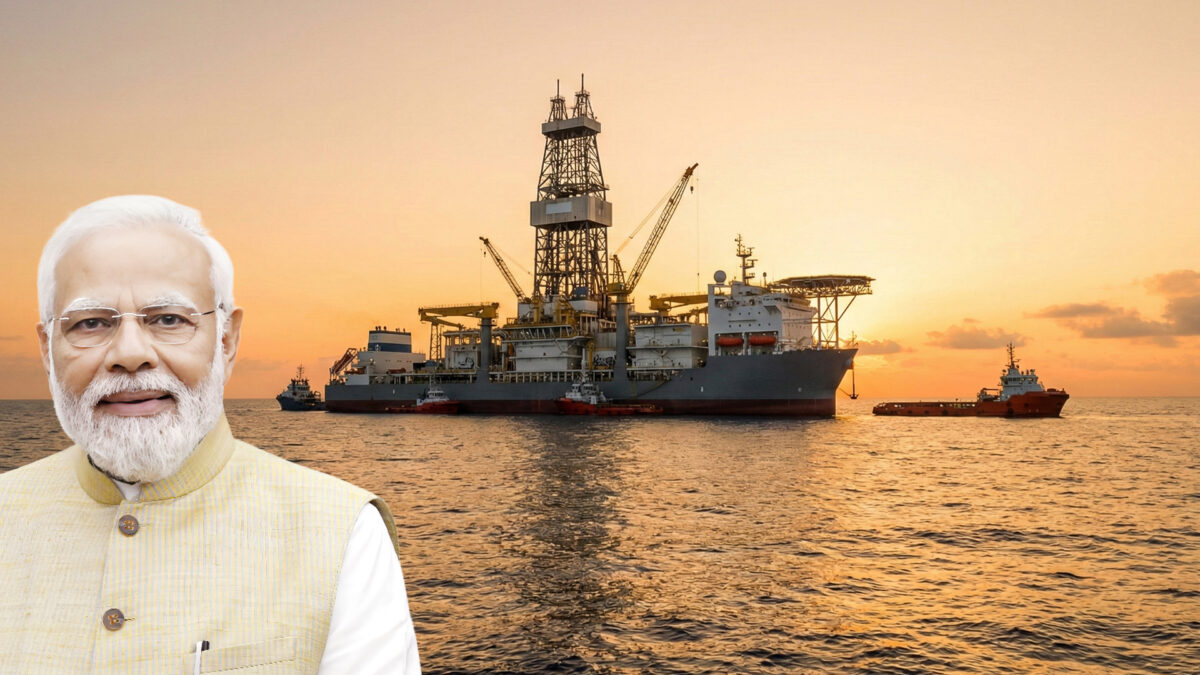
PM Modi offers $500bn energy deal at IEW 2026

Prime Minister Narendra Modi on Tuesday said India’s energy sector offers $500 billion worth of investment opportunities, inviting global companies to partner in the country’s growth journey. Speaking at India Energy Week 2026, he said rising demand, policy reforms and long-term planning make India a key destination for energy investments.

He highlighted opportunities across oil and gas exploration, refining, pipelines, natural gas and LNG infrastructure. He affirmed India plans to attract $100 billion in oil and gas investments by 2030, while expanding exploration acreage to nearly one million square kilometres.

PM Modi noted that India already ranks among the world’s top refining hubs and is working to further increase capacity to meet domestic and export demand. He also underlined the government’s focus on raising the share of natural gas in the energy mix through new terminals and transport networks.

Modi said consistent reforms, stable policies and a growing economy are helping India move towards energy security and self-reliance, while offering strong returns to investors.

Also Read: Reliance, ONGC partner to share offshore energy assets

Categories
Leaders

PM Modi to inaugurate India AI Impact Summit

India is gearing up to host the India AI Impact Summit 2026 in New Delhi from February 15 to 20, 2026, with Prime Minister Narendra Modi set to inaugurate the event. The summit aims to position India as a global hub for AI dialogue, focusing on ethical, economic, and social implications of artificial intelligence.

The summit has confirmed participation from representatives of more than 100 countries, including 15–20 heads of state and over 50 government ministers. The event highlights a strong representation from the Global South, reflecting India’s vision for inclusive global cooperation in AI.

Industry participation will be extensive, with over 100 CEOs of leading tech companies confirmed. Notable attendees include Bill Gates, Nvidia’s Jensen Huang, DeepMind’s Demis Hassabis, Adobe’s Shantanu Narayen, Salesforce’s Marc Benioff, and Anthropic CEO Dario Amodei. Discussions are ongoing to involve additional leaders from OpenAI, Microsoft, Intel, and other technology giants.

The summit programme includes a leaders’ plenary, a CEO roundtable, and a Prime Minister-hosted official dinner, alongside the 8th ministerial council meeting of the Global Partnership on Artificial Intelligence. An Innovation Festival and AI Impact Expo will showcase cutting-edge AI solutions for healthcare, agriculture, governance, and education.

Seven dedicated working groups have been set up to focus on key areas like AI for economic growth and social good, safe and trustworthy AI, inclusive technology access, human capital development, and democratizing AI resources. These groups aim to develop actionable frameworks for responsible and ethical AI use.

Organisers emphasise that the summit will produce tangible outcomes, including collaborative statements and governance guidelines, reinforcing a shared approach to AI innovation, safety, and global cooperation. The event is expected to strengthen India’s role as a global leader in shaping the future of artificial intelligence.

Also Read: India moves up to 4th spot in global economy rankings