Categories
Corporate

IndiGo to hire over 1,000 pilots

India’s largest airline, IndiGo, has announced plans to hire more than 1,000 pilots after facing a major crew shortage in December last year.

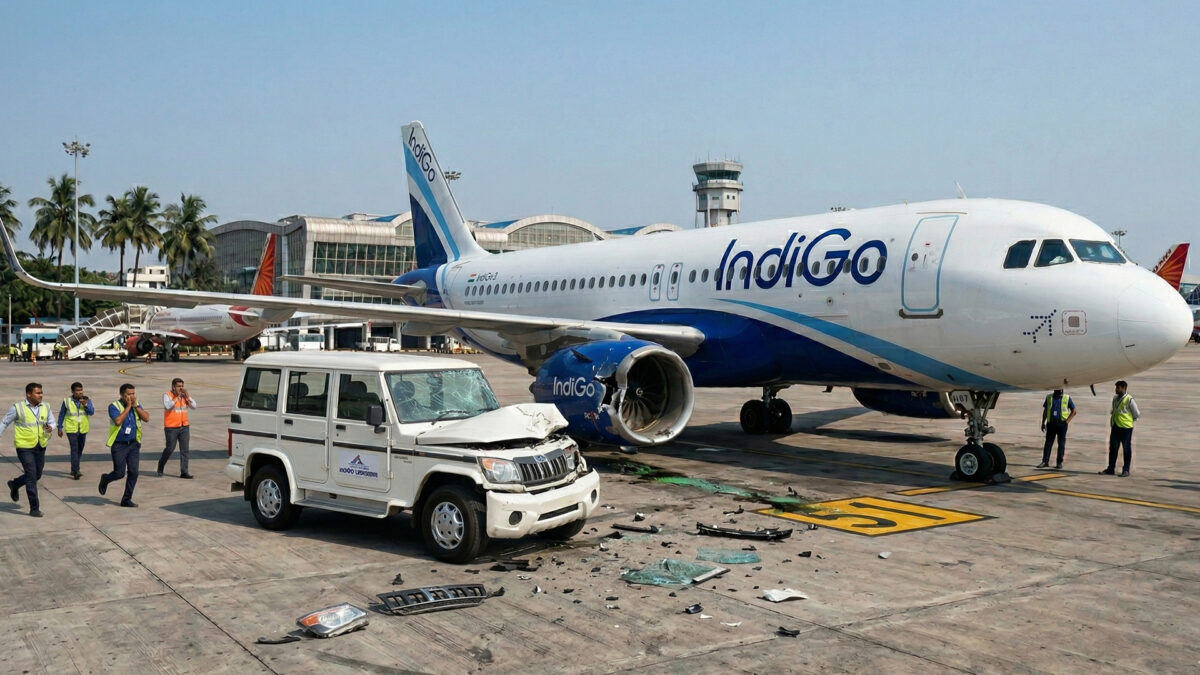
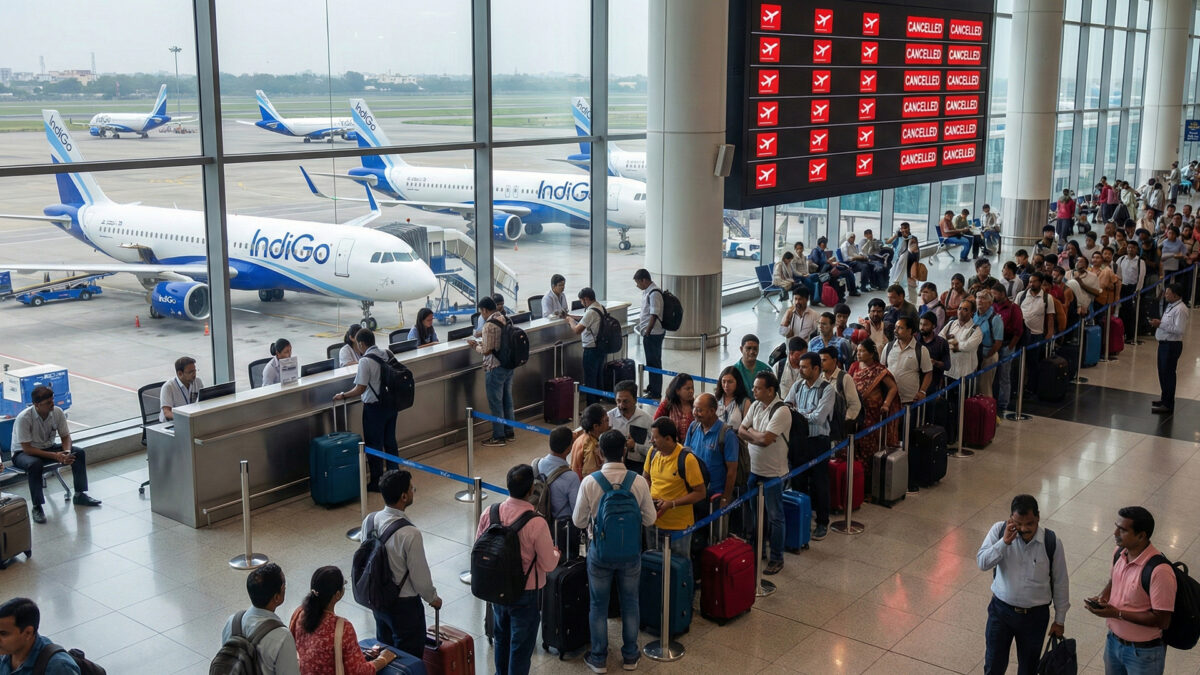
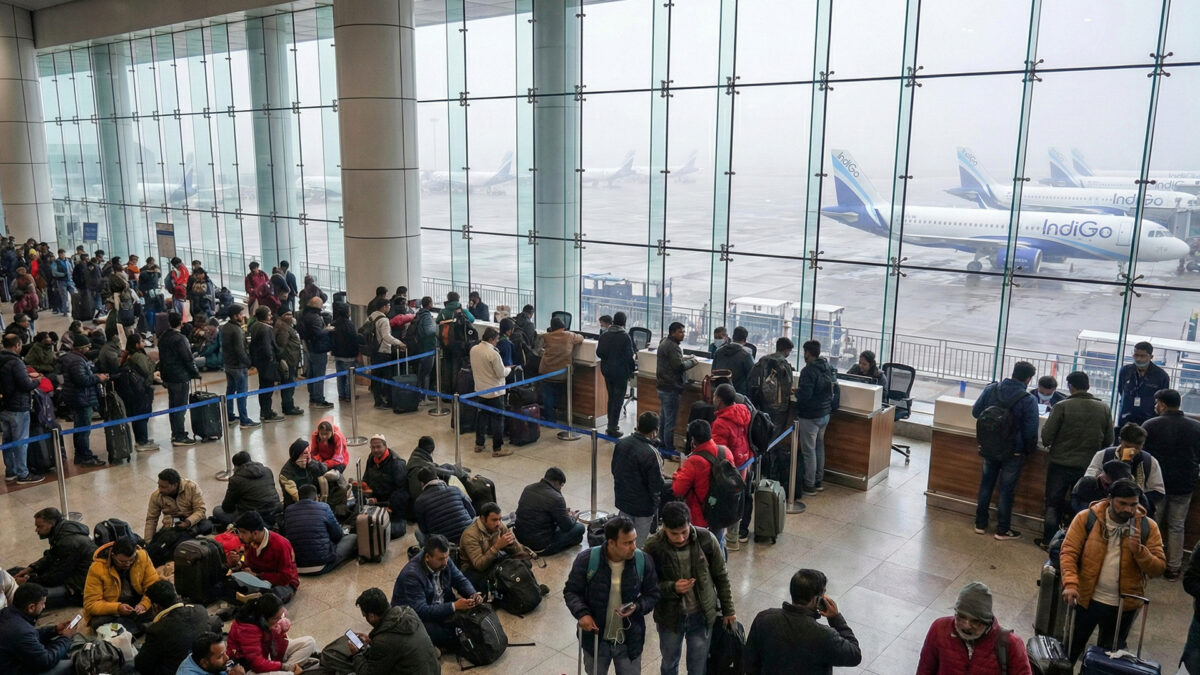
In December 2025, the airline had to cancel thousands of flights within a week after new pilot duty and rest rules came into force. The stricter regulations reduced the number of hours pilots could fly, leading to an unexpected shortage of available crew. Many passengers were affected as flights were delayed or cancelled.

Following the disruption, the Directorate General of Civil Aviation (DGCA) reviewed the situation. The regulator found that IndiGo had not fully prepared for the impact of the new rules. The airline’s tight scheduling and limited standby crew left little room to manage sudden changes.

To prevent such issues in the future, IndiGo has decided to significantly increase its pilot strength. The hiring drive will include trainee first officers, experienced first officers, and captains. The airline is also accepting applications from pilots who may not yet have experience flying its Airbus A320 aircraft, expanding the pool of eligible candidates.

In addition to hiring, IndiGo has made changes to its operations. It has increased the number of standby pilots and added extra buffer time to its flight schedules. These steps are meant to ensure smoother operations even if unexpected challenges arise.

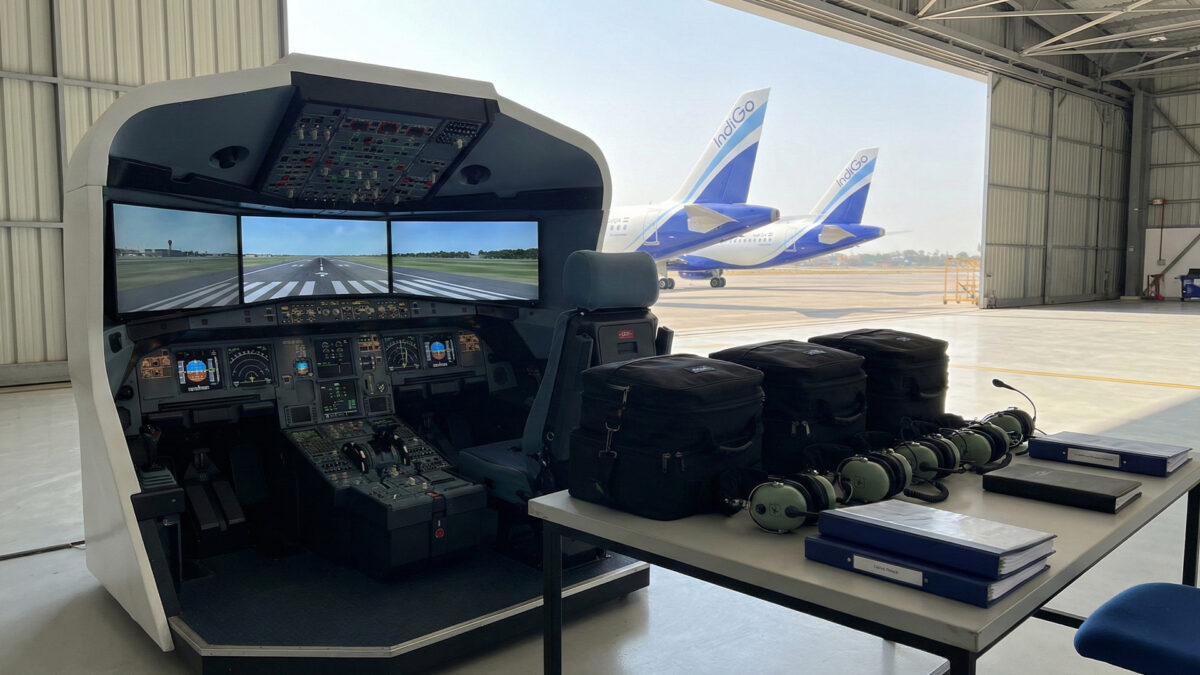
Pilot training takes time. New trainee pilots may need several months before they are ready to operate regular flights. At the same time, IndiGo continues to add new aircraft to its fleet, increasing the demand for trained cockpit crew.

Also Read: Indian Hotels reports ₹954 cr Q3 profit, ₹2,842 cr revenue

Categories
1 Minute-Read

IndiGo faces CCI probe after ₹22 cr flight disruptions

India’s largest airline, IndiGo, is under a detailed CCI investigation following widespread December 2025 flight cancellations that affected 9.82 lakh passengers.

The airline reportedly spent ₹22 crore on refunds, rebookings, and passenger facilitation. The CCI is examining whether IndiGo abused its 65% domestic market dominance, restricting services and harming competition.

The probe comes alongside DGCA fines of ₹22.20 crore and directives for a ₹50-crore bank guarantee. Following the announcement, IndiGo shares fell nearly 4%, reflecting investor concern over regulatory and operational risks.

Categories
1 Minute-Read

IndiGo shares fall 4% on weak Q3 earnings

IndiGo’s stock dipped 4% after reporting a 77.5% year-on-year decline in Q3FY26 consolidated profit, mainly due to one-off expenses linked to labour law compliance and operational disruptions.

Revenue increased by over 6%, driven by steady passenger traffic; however, margins were under pressure. Analysts note that while near-term results are weak, demand recovery and the airline’s dominant market position could support long-term growth.

Brokers continue to recommend holding or buying, citing strong fundamentals despite the short-term profit hit and ongoing cost challenges.

Categories
Beyond

DGCA fines IndiGo ₹22.2 cr for Dec. flight disruptions

India’s aviation regulator, the Directorate General of Civil Aviation (DGCA), has imposed a ₹22.2 crore penalty on IndiGo Airlines for large-scale flight disruptions that occurred in December, triggering widespread passenger inconvenience and renewed debate over airline accountability.

The action follows a detailed inquiry ordered by the DGCA after IndiGo faced severe operational breakdowns during the first week of December. Over a span of three days, the airline cancelled more than 2,500 flights and delayed nearly 1,900 services, leaving over three lakh passengers stranded across major airports. The disruption coincided with the implementation of revised Flight Duty Time Limitation (FDTL) norms for pilots, which aim to reduce fatigue and enhance flight safety.

According to the DGCA, the crisis was not caused by a single factor but by systemic planning failures. The regulator cited over-ambitious scheduling, insufficient buffer in crew and aircraft deployment, weaknesses in operational software systems, and inadequate preparedness for the new duty norms. These shortcomings, it said, exposed gaps in IndiGo’s management oversight and operational control mechanisms.

Of the total fine, ₹1.8 crore relates to one-time violations of aviation safety and operational rules. The remaining ₹20.4 crore was levied for continued non-compliance over several weeks, during which IndiGo sought repeated exemptions from full implementation of the revised duty norms while continuing to operate a dense flight schedule.

In addition to the monetary penalty, the DGCA issued warnings to senior IndiGo executives, including top management, for failing to anticipate and manage the operational fallout. The regulator also directed changes in responsibility within the airline’s operations control structure.

To ensure long-term corrective action, IndiGo has been asked to submit a ₹50 crore bank guarantee under a Systemic Reform Assurance Plan. The guarantee will be released in phases, subject to DGCA verification of improvements in crew planning, fatigue management, digital systems, leadership oversight, and governance practices.

The penalty has sparked mixed reactions across the aviation sector. While some pilots’ bodies and experts argue the fine is inadequate given the scale of passenger hardship, others point out that existing laws limit the DGCA’s ability to impose harsher financial penalties.

Also Read: EU and Mercosur seal major trade deal

Categories
Corporate

IndiGo races to hire pilots before DGCA deadline

India’s largest airline, IndiGo, is racing against time to hire more pilots and crew members to meet new safety rules set by the aviation regulator, the Directorate General of Civil Aviation (DGCA). The airline must comply with these rules by February 10, failing which it could face operational restrictions.

The new DGCA norms focus on Flight Duty Time Limitations (FDTL). These rules reduce how long pilots can work and increase mandatory rest periods. The aim is to improve safety and reduce pilot fatigue. However, these changes mean airlines now need more pilots to operate the same number of flights.

To meet the requirement, IndiGo has launched an aggressive hiring drive. It is offering attractive incentives to experienced pilots from other airlines. These include joining bonuses of up to ₹50 lakh, preferred home base postings, and assured flying hours during the initial months. In some cases, long-term contracts may carry benefits worth up to ₹1.25 crore if pilots stay with the airline for a fixed period.

IndiGo has also introduced referral bonuses for its existing staff. Employees who recommend pilots that successfully join the airline before the deadline can earn between ₹50,000 and ₹75,000 per referral. The airline plans to induct around 100 pilots in January alone to strengthen its workforce.

Apart from hiring, IndiGo has increased several pilot allowances from January 1. These include higher payments for night flying, domestic layovers, deadhead duties, and a newly introduced allowance for aircraft tail swaps. Under the revised structure, captains will earn ₹2,000 per hour for night flying, while first officers will get ₹1,000 per hour.

Despite having a pilot strength of over 5,000, IndiGo says the new rules require additional manpower to ensure smooth operations without flight cancellations or delays. The DGCA has provided limited and temporary relief by allowing some flexibility in night-duty rules until February 10. However, this comes with strict conditions, including regular reporting on crew deployment and scheduling practices.

Also Read: Adani plans ₹1.5 lakh cr investment in Kutch

Categories
1 Minute-Read

IndiGo’s domestic market share drops to 63.6% in November

IndiGo’s share of India’s domestic aviation market fell to 63.6% in November, down from 65.6% in October, following widespread operational disruptions, delays, and aircraft shortages.

Aviation regulator data shows the airline was asked to trim its winter schedule by 10% to stabilise operations. Despite retaining a clear market lead, the decline allowed competitors to gain ground.

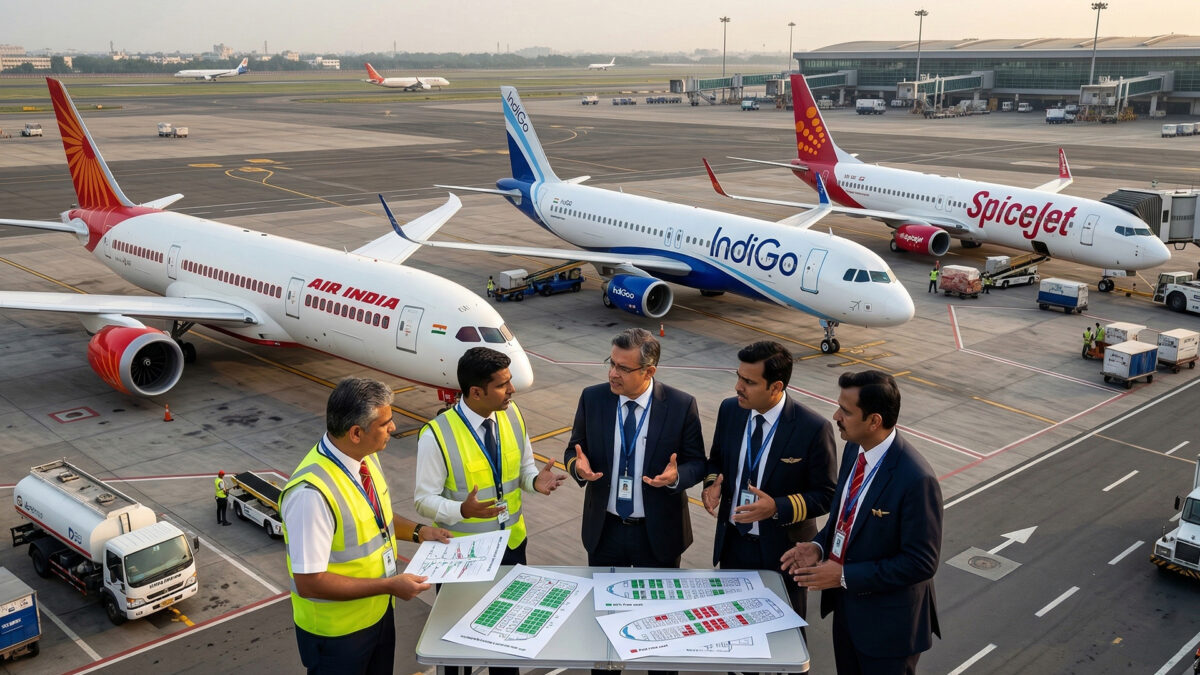
The Air India Group increased its share to 26.7%, while SpiceJet rose to 3.7%. Passenger traffic continued to grow overall, but service challenges and higher complaints impacted IndiGo’s dominance, highlighting intensifying competition in the domestic airline sector.

Categories
Beyond

DGCA submits probe report on IndiGo disruptions

The Directorate General of Civil Aviation (DGCA) has submitted its investigation report into the recent large-scale flight disruptions at IndiGo to the Ministry of Civil Aviation. The report follows weeks of scrutiny after thousands of passengers were affected by widespread cancellations and delays across the airline’s domestic network earlier this month.

A four-member committee was set up by the aviation regulator on December 5 to examine what led to the operational breakdown. The panel reviewed IndiGo’s crew planning systems, roster management, compliance with revised Flight Duty Time Limitation (FDTL) norms, and overall preparedness for schedule changes during the busy travel season. The findings of the report have been kept confidential while the government studies the recommendations.

IndiGo, India’s largest airline by market share, faced severe disruption when a large number of flights were cancelled within a short period, followed by prolonged delays over several days. The airline informed the regulator that challenges in forecasting pilot and cabin crew availability, along with training and rostering gaps, contributed to the crisis. These issues reportedly escalated after new duty time rules came into force.

In response to the situation, the DGCA had earlier ordered a temporary reduction in IndiGo’s winter schedule and issued show-cause notices to senior executives, including top management, seeking explanations for the failures. The regulator also stressed that airlines must ensure full operational readiness before implementing schedule expansions.

With the probe report now submitted, officials have indicated that strict action could follow. Possible measures include financial penalties, tighter regulatory oversight, and directions to strengthen internal systems to prevent recurrence. The government has signalled that accountability will be enforced to protect passenger interests and ensure operational discipline.

Also Read: Gujarat Kidney IPO subscribed 5×, allotment due

Categories
1 Minute-Read

IndiGo cancels 67 flights as fog disrupts operations

IndiGo cancelled 67 flights across multiple airports as dense fog and adverse winter weather disrupted operations.

The airline said most cancellations were due to forecasted low visibility, with only a few linked to operational reasons. Airports affected included Chandigarh, Dehradun, Agartala, Varanasi, and Bengaluru. The disruptions come during the official fog season, when early-morning visibility often drops sharply.

IndiGo has faced operational pressure in recent weeks, prompting closer monitoring by the aviation regulator, DGCA. The airline advised passengers to check flight status regularly and plan for delays, stressing that safety remains its top priority.

Categories
1 Minute-Read

IndiGo to pay ₹5 billion after flight cancellations

India’s IndiGo airline will pay over ₹5 billion ($55 million) to passengers affected by mass flight cancellations earlier this month.

Around 4,500 flights were cancelled between December 3–5 due to staffing shortages and challenges in complying with new pilot duty and rest regulations.

Tens of thousands of travelers faced disruptions, prompting the aviation regulator to cut IndiGo’s domestic winter schedule by 10 per cent. The airline said it will prioritise compensating passengers whose flights were cancelled within 24 hours of departure.

The disruptions have impacted IndiGo’s operational capacity and revenue projections, while it works to stabilise schedules and prevent further cancellations.

Categories
Beyond

IndiGo moves court for ₹900 crore refund

IndiGo has launched a legal challenge seeking over ₹900 crore in customs duty refunds, claiming the government’s taxation on aircraft parts returned from overseas repairs is unfair. The airline says it faces double taxation, paying GST on repairs abroad while being charged customs duty again when the same parts are re‑imported into India.

The airline explained that sending parts overseas for repair qualifies as a service, which is taxed under GST. IndiGo paid the tax under the reverse charge mechanism. However, when the repaired parts returned to India, customs authorities treated them as fresh imports, demanding additional duty. The airline argues this approach is unjust, effectively taxing the same transaction twice – first as a service, then as an import of goods.

The case was initially listed before a Delhi High Court bench of Justices Prathiba M Singh and Shail Jain. However, Justice Jain recused herself, citing a conflict of interest, as her son is employed as a pilot with IndiGo. The matter will now be heard by a different bench.

IndiGo stated that it had paid the disputed customs duties “under protest” to avoid delays in returning critical aircraft parts to service. The airline also pointed to previous tribunal and court rulings suggesting that re‑imported parts should not face double levies once GST has been discharged. Customs authorities, however, rejected refund claims, asking the airline to reassess each bill of entry, a process IndiGo says is impractical.

Alongside this case, IndiGo is contesting a GST demand of ₹58.75 crore for the financial year 2020–21. The airline has clarified that these disputes are unlikely to affect operations materially.

This case could have wide implications for the aviation sector and other businesses dealing with imported goods and overseas repairs. The Delhi High Court’s ruling may set an important precedent on how GST and customs duty interact for re‑imported parts, potentially shaping tax practices for years to come.

Also Read: Disney and OpenAI deal brings iconic characters to Sora