Categories
1 Minute-Read

IndiGo to pay ₹5 billion after flight cancellations

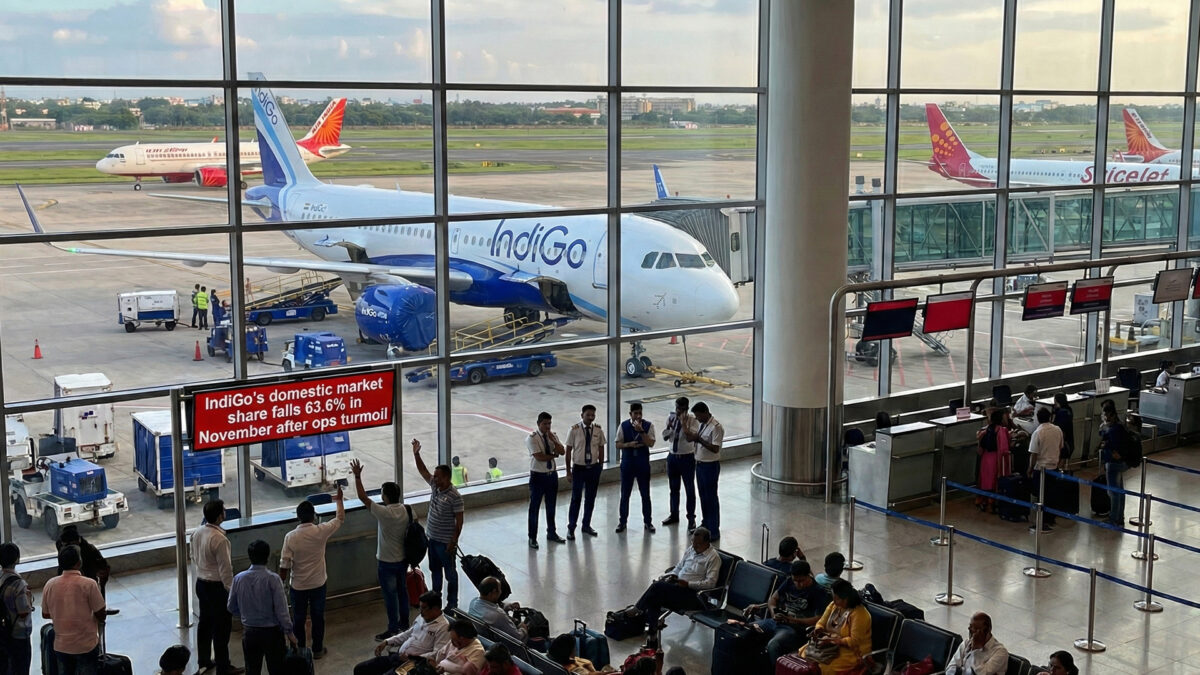
India’s IndiGo airline will pay over ₹5 billion ($55 million) to passengers affected by mass flight cancellations earlier this month.

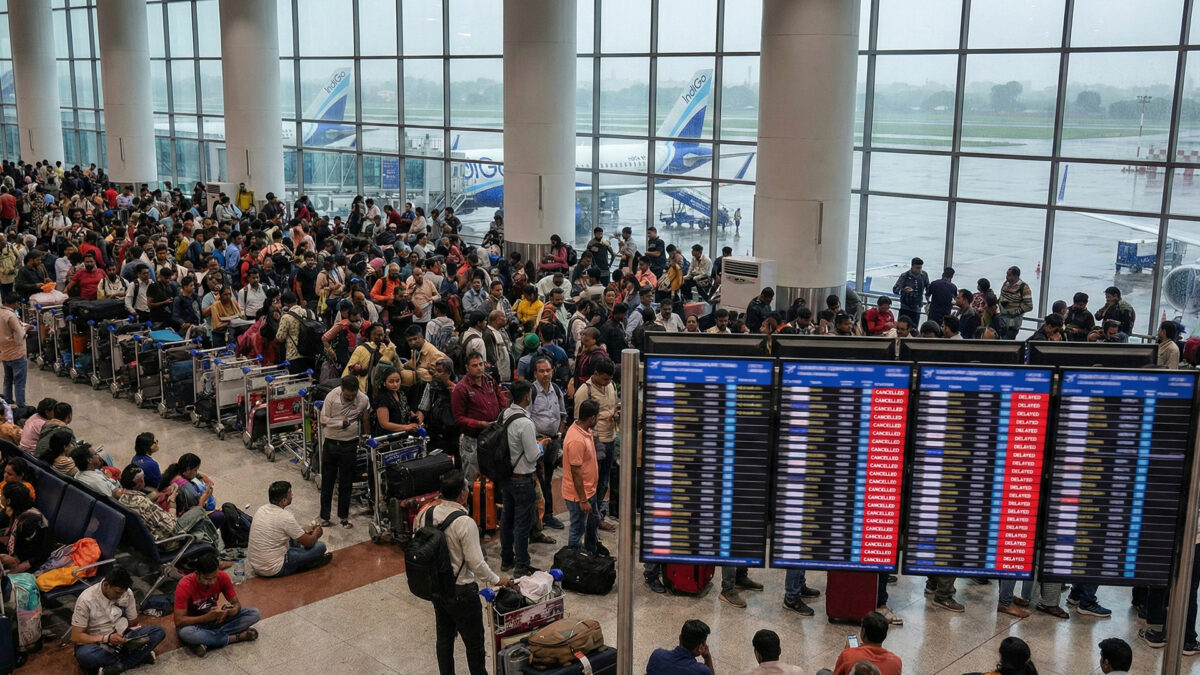
Around 4,500 flights were cancelled between December 3–5 due to staffing shortages and challenges in complying with new pilot duty and rest regulations.

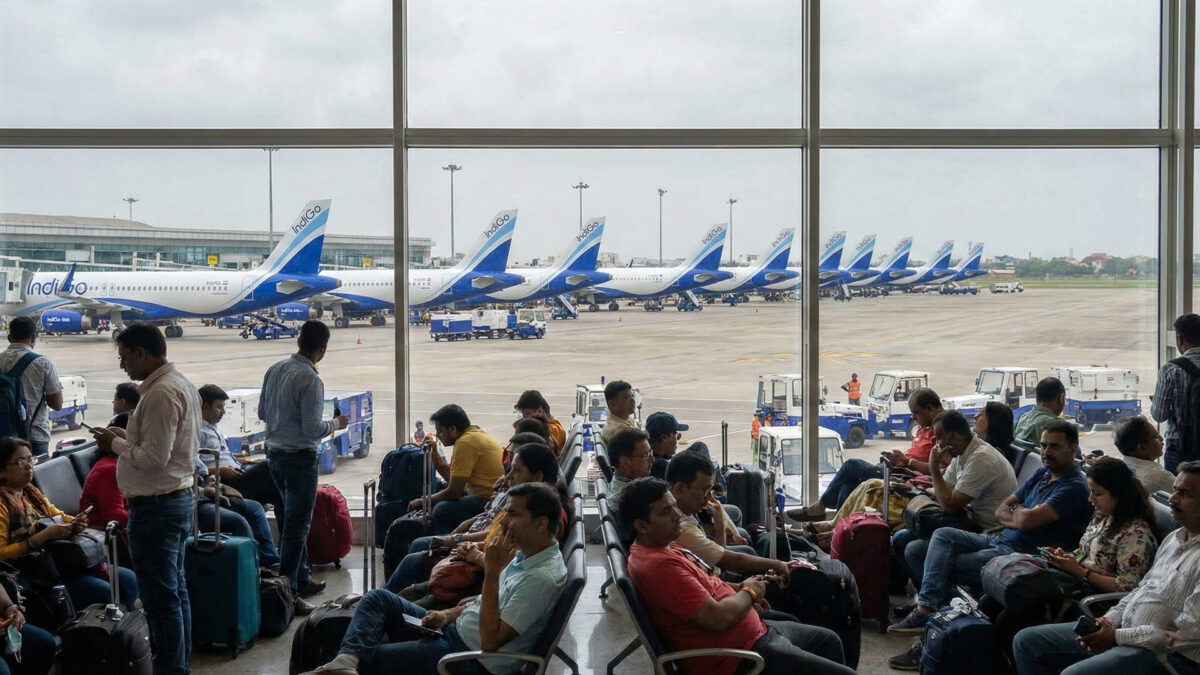
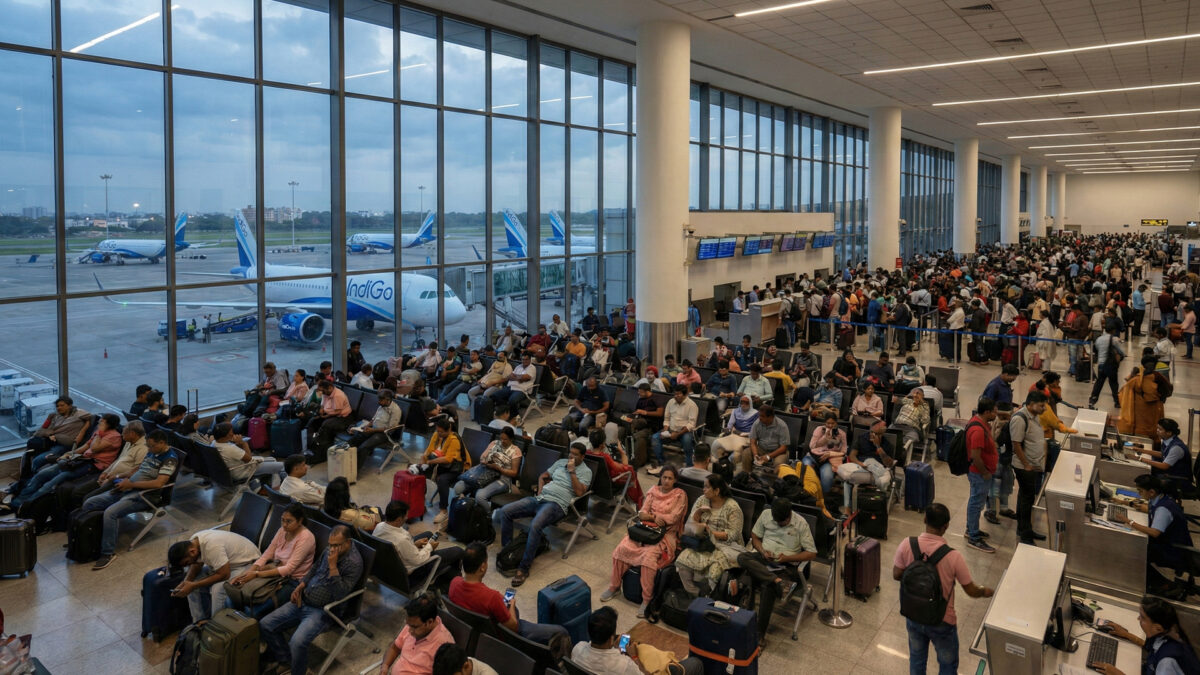
Tens of thousands of travelers faced disruptions, prompting the aviation regulator to cut IndiGo’s domestic winter schedule by 10 per cent. The airline said it will prioritise compensating passengers whose flights were cancelled within 24 hours of departure.

The disruptions have impacted IndiGo’s operational capacity and revenue projections, while it works to stabilise schedules and prevent further cancellations.

Categories
Beyond

IndiGo moves court for ₹900 crore refund

IndiGo has launched a legal challenge seeking over ₹900 crore in customs duty refunds, claiming the government’s taxation on aircraft parts returned from overseas repairs is unfair. The airline says it faces double taxation, paying GST on repairs abroad while being charged customs duty again when the same parts are re‑imported into India.

The airline explained that sending parts overseas for repair qualifies as a service, which is taxed under GST. IndiGo paid the tax under the reverse charge mechanism. However, when the repaired parts returned to India, customs authorities treated them as fresh imports, demanding additional duty. The airline argues this approach is unjust, effectively taxing the same transaction twice – first as a service, then as an import of goods.

The case was initially listed before a Delhi High Court bench of Justices Prathiba M Singh and Shail Jain. However, Justice Jain recused herself, citing a conflict of interest, as her son is employed as a pilot with IndiGo. The matter will now be heard by a different bench.

IndiGo stated that it had paid the disputed customs duties “under protest” to avoid delays in returning critical aircraft parts to service. The airline also pointed to previous tribunal and court rulings suggesting that re‑imported parts should not face double levies once GST has been discharged. Customs authorities, however, rejected refund claims, asking the airline to reassess each bill of entry, a process IndiGo says is impractical.

Alongside this case, IndiGo is contesting a GST demand of ₹58.75 crore for the financial year 2020–21. The airline has clarified that these disputes are unlikely to affect operations materially.

This case could have wide implications for the aviation sector and other businesses dealing with imported goods and overseas repairs. The Delhi High Court’s ruling may set an important precedent on how GST and customs duty interact for re‑imported parts, potentially shaping tax practices for years to come.

Also Read: Disney and OpenAI deal brings iconic characters to Sora

Categories
1 Minute-Read

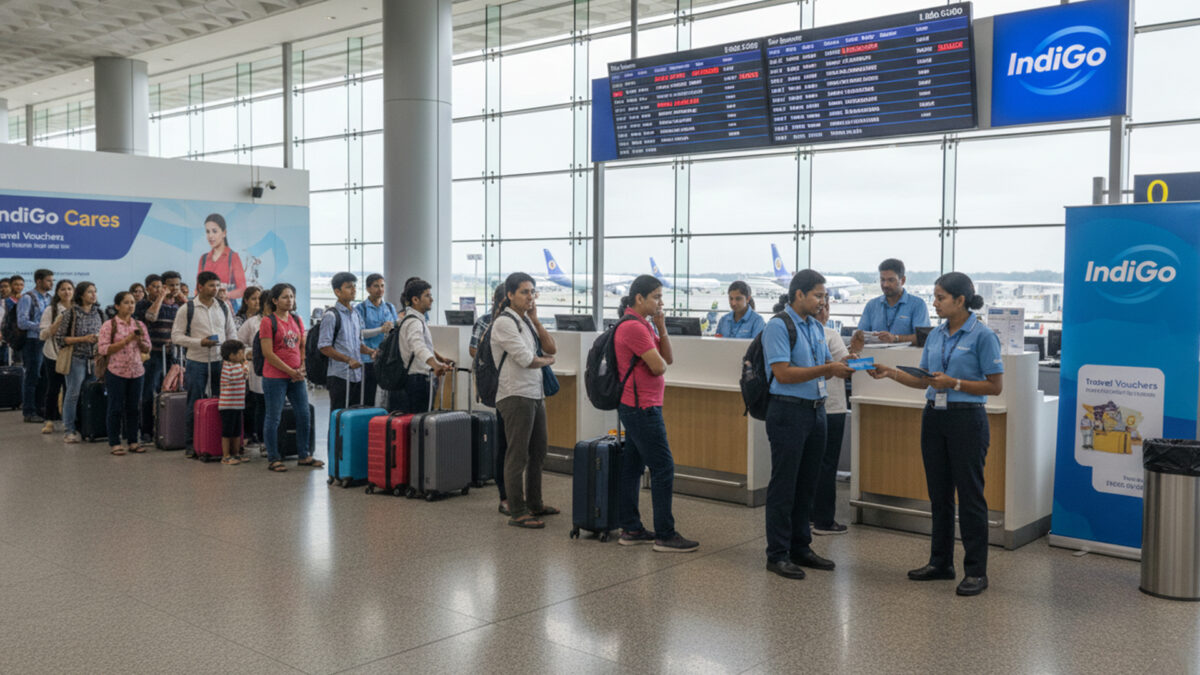
IndiGo offers Rs 10,000 vouchers to passengers

IndiGo will issue Rs 10,000 travel vouchers to passengers severely affected by flight delays and cancellations between December 3 and 5.

The vouchers, valid for 12 months, can be used on any IndiGo flight. This offer is in addition to government-mandated compensation, which ranges from Rs 5,000 to Rs 10,000 for cancellations made less than 24 hours before departure.

Refunds for most cancelled flights have already been processed. IndiGo has gradually restored normal flight operations and said the vouchers are intended to rebuild trust and compensate customers impacted by the disruptions.

Categories
1 Minute-Read

IndiGo’s 10% cut barely trims flights

IndiGo’s planned 10% reduction in its winter schedule results in only a 2.35% drop in actual flights because the airline had not been using its full permitted capacity.

The DGCA had allowed IndiGo around 2,145 daily departures, but it consistently operated below 2,000 flights per day over the past year.

This means the mandated cut brings daily flights down only slightly, to about 1,931. Analysts estimate a revenue impact of ₹1,200–1,400 crore, or roughly 1.3–1.7% of annual earnings.

Overall, the headline cut appears steep, but its operational impact around IndiGo is limited.

Categories
Beyond

CCI likely to probe IndiGo after flight chaos

IndiGo is facing fresh regulatory and legal trouble as the Competition Commission of India (CCI) is likely to launch a formal inquiry into the airline’s business practices. The move comes after IndiGo cancelled more than 5,000 flights in recent weeks due to severe crew shortages and operational disruptions.

The CCI is examining whether IndiGo, which holds nearly 65% of India’s domestic aviation market, may have misused its dominant market position and caused inconvenience to passengers by limiting services or imposing unfair conditions. If the regulator finds a prima facie case, a detailed antitrust investigation could follow.

At the same time, the Directorate General of Civil Aviation (DGCA) has intensified its scrutiny of the airline. The aviation regulator issued a show-cause notice to senior management after repeated flight disruptions linked to the implementation of new pilot duty and rest norms.

Adding to pressure, the Indian government has ordered airlines, including IndiGo, to cut flight operations by 5–10% to stabilise schedules and reduce passenger inconvenience. This has brought IndiGo’s stock into sharp focus in the markets.

If the CCI proceeds with a full probe and finds violations, IndiGo could face financial penalties, operational restrictions, and tighter regulatory oversight. The situation has raised wider concerns about India’s dependence on a single dominant airline and the need for stronger competition in the aviation sector.

Also Read: Neochem Bio shares spike 10% on market debut

Categories
Corporate

IndiGo shares fall 7%, government reallocates slots

Shares of InterGlobe Aviation, the parent company of IndiGo, dropped nearly 7% on Monday, marking a seventh consecutive session of losses as investors reacted to ongoing operational turmoil and government intervention. The sell-off has wiped out over ₹30,000 crore in market capitalization, highlighting investor concerns over the airline’s ability to manage its operations and regulatory compliance.

The government has directed IndiGo to reduce about 5% of its daily flights, around 110 flights. amid widespread cancellations and delays. These freed slots are set to be reassigned to other carriers to ease passenger inconvenience during the busy winter season. Between December 1 and 8, IndiGo canceled more than 7.3 lakh bookings, issuing refunds totaling nearly ₹745 crore.

Civil Aviation Minister K Ram Mohan Naidu confirmed the curtailment, noting that the measure aims to prevent over-reliance on a single airline, which currently operates about 2,200 flights daily. The Directorate General of Civil Aviation (DGCA) has warned that further cuts may follow if operations remain inconsistent, and top executives, including the CEO and COO, may be summoned to explain operational lapses.

Analysts say the combination of operational disruptions, regulatory scrutiny, and potential penalties has significantly undermined investor confidence. Brokerages have revised price targets downward, while some caution that further volatility is likely until IndiGo stabilizes operations and restores passenger trust. Despite its dominant market share, the airline’s stock performance underscores the risks of operational and regulatory shocks in India’s aviation sector.

Also Read: Rupee slips, hovers around ₹90 against US dollar

Categories
Corporate

IndiGo slumps 7% as flight chaos hits harder

IndiGo, the airline in its peak of focus now, saw its shares drop sharply this week after major flight disruptions and regulatory scrutiny rattled investors. On December 8, 2025, the stock fell nearly 7%, adding to losses seen earlier in the week.

The problems began after new flight duty rules for pilots came into effect. These rules regulate how many hours pilots can fly and how much rest they must get. IndiGo struggled to adjust its crew schedules to comply with the changes, leading to a shortage of available pilots. The result was massive flight cancellations and delays. On December 5 alone, over 1,000 flights were cancelled, causing inconvenience for thousands of passengers and a hit to the airline’s reputation.

The Directorate General of Civil Aviation (DGCA), India’s aviation regulator, has launched a probe into the airline’s operations and issued a show-cause notice to IndiGo’s CEO. The DGCA has now extended the deadline for IndiGo to respond, giving the airline some time to stabilise operations.

IndiGo has set up a “Crisis Management Group” with top executives to manage the situation. The airline is working to adjust flight schedules, revise crew rosters, and restore on-time performance. Reports suggest that flight operations are gradually improving, with on-time performance recovering from a low of 30% back to around 75%.

Despite the short-term challenges, some analysts see a silver lining. Jefferies, a global brokerage firm, has maintained a “buy” rating on IndiGo. The firm believes the airline still has strong market dominance in India and potential for international growth. According to Jefferies, shares could rise by more than 30% once operations stabilise and normal schedules resume.

Investors are being advised to watch whether IndiGo can successfully meet the DGCA deadline and maintain operational improvements. Costs for fuel and crew, along with regulatory oversight, remain key risks in the short term.

While the airline faces immediate hurdles, experts say IndiGo’s long-term fundamentals remain strong. Once the disruptions are resolved, the company is expected to recover and continue its growth trajectory, making this period potentially a buying opportunity for investors.

Also Read: Eternal sees ₹1,535 cr block deal shake stock

Categories
1 Minute-Read

Air India follows Government directive, caps ticket prices

Air India has introduced fare caps on domestic flights following a government directive after IndiGo canceled hundreds of flights, leaving travelers stranded.

Economy-class fares are now limited to ₹7,500 for flights under 500 km, ₹12,000 for 500–1,000 km, ₹15,000 for 1,000–1,500 km, and ₹18,000 for flights over 1,500 km, excluding taxes.

Air India and Air India Express started applying caps from December 4, and passengers who booked above the limits will receive refunds.

The move aims to protect travelers and ensure price stability amid the ongoing aviation disruption.

Categories
Beyond

DGCA gives IndiGo final 24‑hour response deadline

The Directorate General of Civil Aviation (DGCA) has given IndiGo a final 24‑hour extension to respond to a show-cause notice issued on 6 December, amid widespread flight cancellations and operational disruptions across the country. The airline is now required to submit its detailed response by 6 pm on Monday, failing which the regulator may proceed ex parte, relying solely on the available records to take further action.

The notice follows scrutiny over IndiGo’s handling of its flight operations after the implementation of the revised Flight Duty Time Limitations (FDTL) norms. The DGCA highlighted significant lapses in planning, oversight, and resource management, which contributed to widespread cancellations and delays. In addition, the regulator flagged shortcomings in passenger support, including delays in providing refunds, assistance with rebooking, and updates regarding affected flights, citing violations of passenger-rights regulations.

IndiGo has taken several measures to mitigate the impact on passengers. The airline has automatically refunded cancelled flights and waived rescheduling and cancellation charges for journeys between 5 and 15 December. By Saturday, IndiGo had processed around ₹610 crore in refunds and returned approximately 3,000 lost baggage items, according to company sources. The airline also indicated that its operations are gradually stabilizing, with plans to restore most services, targeting about 1,650 flights per day by 10 December under revised rosters.

The DGCA’s show-cause notice underscores the regulator’s focus on compliance with operational and safety norms, particularly regarding pilot duty hours and adequate resource planning. Industry experts note that this marks a critical moment for IndiGo, which remains India’s largest carrier by market share, to demonstrate robust corrective action and rebuild passenger confidence.

The airline’s management has expressed commitment to fully cooperating with the DGCA and ensuring uninterrupted services. The next 24 hours are expected to be decisive, as the regulator evaluates whether IndiGo’s response addresses operational shortcomings and safeguards passenger interests.

Also Read: Ex-Apple engineer unveils XR chip

Categories
Corporate

IndiGo’s operational crisis enters Day 5, over 1000 flights affected

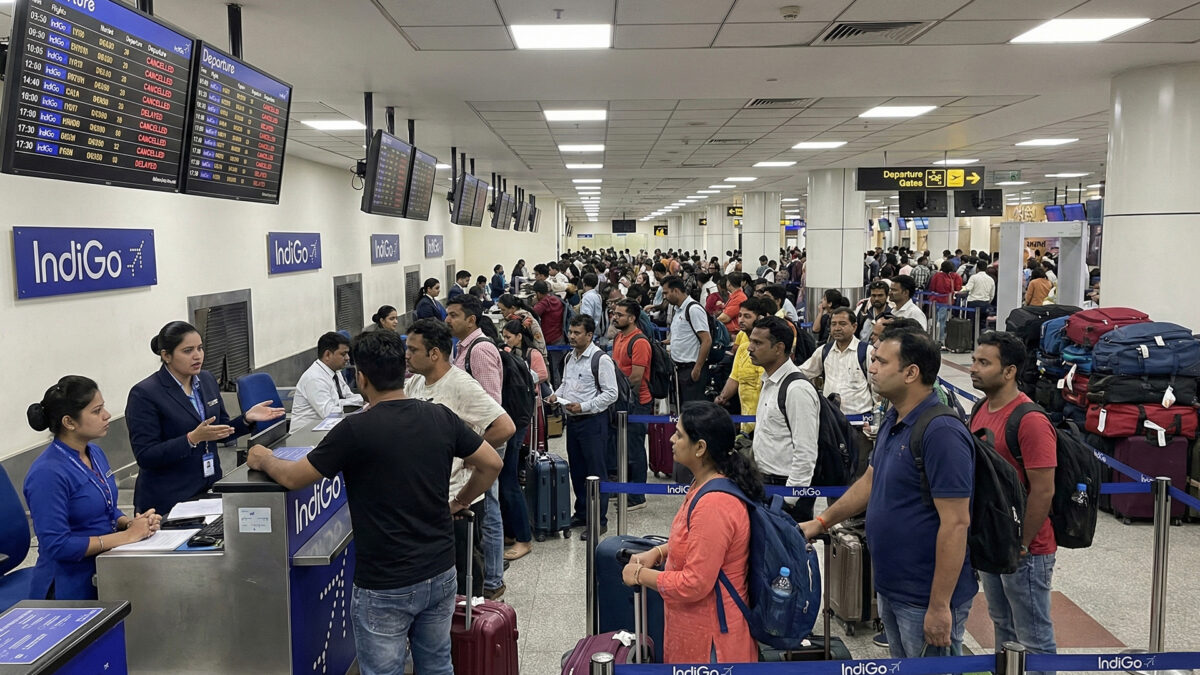
IndiGo, India’s largest airline by market share, is navigating one of its most prolonged operational disruptions in recent years, as widespread flight delays and cancellations entered their fifth consecutive day afftecting more than 1000 fights across India. What began as a roster and crew-duty alignment issue early in the week has now evolved into a sustained operational challenge affecting its nationwide network and prompting close regulatory scrutiny.

According to industry sources, the disruptions stem from a combination of crew shortages, last-minute duty realignments, and the airline’s ongoing transition to new Flight Duty Time Limitations (FDTL) norms. The Directorate General of Civil Aviation (DGCA) has sought detailed explanations from the carrier, asking IndiGo to map out corrective plans that ensure network stability, adequate crew availability, and compliance with staffing benchmarks during high-traffic periods.

Operational metrics have been under pressure, with dozens of cancellations and significant delays across major metros including Delhi, Mumbai, Bengaluru, Hyderabad, and Kolkata. The extended strain has forced IndiGo to reassign aircraft, redesign flight rotations, and stagger departures in an effort to restore punctuality. However, the cascading effect of earlier delays has continued to disrupt the airline’s tight turnaround model, leading to network-wide congestion.

From a corporate standpoint, the situation has raised questions around workforce planning, seasonal capacity management, and the airline’s preparedness for regulatory transitions. Analysts note that IndiGo’s scale—operating over 2,000 daily flights—makes it particularly vulnerable to systemic shocks, where localized crew shortages can ripple across the network.

The airline has issued multiple public statements acknowledging the disruption, saying it is “working around the clock” to stabilise operations. It has deployed additional staff for passenger handling, strengthened customer communication, and activated contingency rostering teams. IndiGo is also believed to be evaluating medium-term structural adjustments to prevent a repeat of this week’s events.

Despite the corrective measures underway, IndiGo’s recovery curve remains gradual, with residual delays expected to persist until crew schedules are fully realigned. The carrier has enhanced operational oversight, activated crisis-management protocols, and is coordinating closely with airport operators to streamline passenger handling. Analysts note that while IndiGo has historically demonstrated strong operational resilience, this episode highlights the growing importance of agile workforce planning and scenario-based scheduling models—especially as regulatory frameworks evolve.

As operations gradually stabilise, IndiGo’s management is expected to conduct an internal review to assess staffing buffers, duty roster flexibility, and long-term preparedness for similar disruptions. The outcome, coupled with DGCA guidance, will likely shape the airline’s operational strategy in the coming months, marking this week’s disruptions as a pivotal moment for its network management capabilities and service reliability.

Also Read: Purple Wave Infocom ₹31.45 cr IPO opens modestly