Categories
Beyond

India’s industrial growth rockets 7.8% in December

India’s industrial sector showed a strong revival in December 2025, with industrial output rising 7.8% year-on-year, marking the fastest growth in over two years, according to official data released on January 28. This growth rate exceeds analysts’ expectations and signals a broad-based improvement across industry.

The Index of Industrial Production (IIP), which measures the performance of manufacturing, mining, and electricity sectors, revealed that manufacturing led the expansion, growing by 8.1%. Key segments such as computers, electronics, optical products, and motor vehicles contributed significantly to the uptick.

Mining output also improved, rising 6.8%, while electricity production rebounded with a 6.3% increase, reversing the slight decline seen in November. Together, these sectors helped drive overall industrial growth and indicate robust industrial activity across the economy.

On a use-based basis, infrastructure and construction goods led the growth, supported by strong performance in consumer durables, capital goods, and intermediate goods. This indicates healthy domestic demand as well as ongoing investment activity in the industrial space.

Compared to November’s growth of 7.2%, December’s figures show a clear acceleration, underlining the momentum in factory production and industrial output toward the end of 2025. However, cumulative growth for the April–December period remains lower than the same period last year, reflecting uneven activity earlier in 2025.

Economists see December’s strong growth as a positive signal for India’s economic momentum in early 2026. The data suggest that industrial production is rebounding, supported by robust manufacturing and improving infrastructure-related activity, which could further boost employment and investment in the sector.

Also Read: Elon Musk hits back at Vinod Khosla over racism claims

Categories
Beyond

India LNG buyers put long-term deals on hold

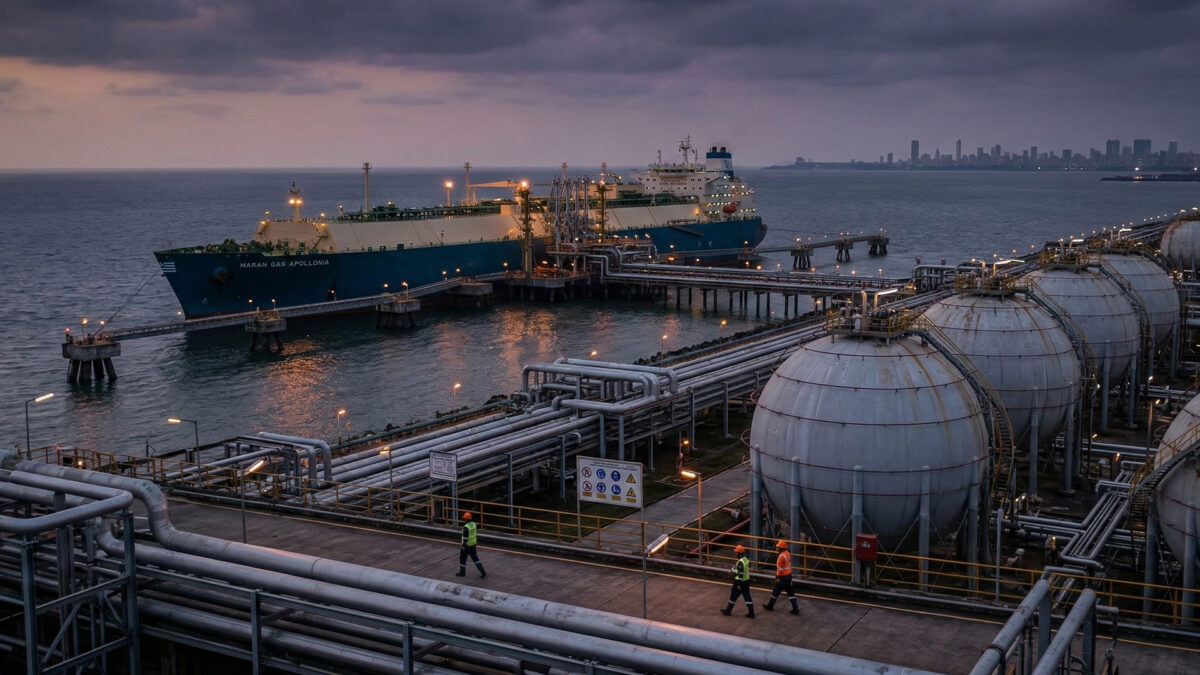
India’s liquefied natural gas (LNG) importers are deliberately slowing down long-term purchase agreements as they anticipate a sharp rise in global gas supply over the next few years. Key buyers, including state-run companies such as GAIL India and Bharat Petroleum, believe that waiting could help them secure better prices and more flexible contract terms once new LNG projects come online worldwide.

According to industry observers, global LNG supply is expected to expand significantly toward the end of this decade, driven by large projects in the United States, Qatar, and other major gas-producing regions. This surge could increase global capacity by nearly 50% by around 2030, potentially easing prices that have remained volatile since the energy shock triggered by the Russia-Ukraine conflict.

Indian buyers have been in discussions with LNG suppliers for more than a year but have avoided finalising long-term commitments. Instead, they are focusing on short-term and spot market purchases while keeping future options open. Many importers are reportedly looking at contracts that would begin closer to 2028, when the expected supply wave is likely to peak.

The cautious approach also reflects India’s struggle to raise the share of natural gas in its overall energy mix. Despite a government target of increasing gas usage to 15% by 2030, consumption has remained largely flat since 2020. High LNG prices have made gas less attractive compared to coal and other fuels, particularly for power generation and industrial use.

If LNG prices ease as expected, demand could pick up across city gas distribution networks, refineries, and petrochemical plants, helping India gradually expand gas usage. Until then, importers appear content to wait, betting that patience will strengthen their negotiating position in a rapidly changing global gas market.

In the near term, Indian companies are relatively comfortable, having secured enough LNG through contracts signed in 2024 and 2025 to meet immediate demand. This has reduced the urgency to lock in fresh long-term supply at current price levels.

Also Read: India-EU FTA sealed after 20 years

Categories
Beyond

India to cut EU car import duties

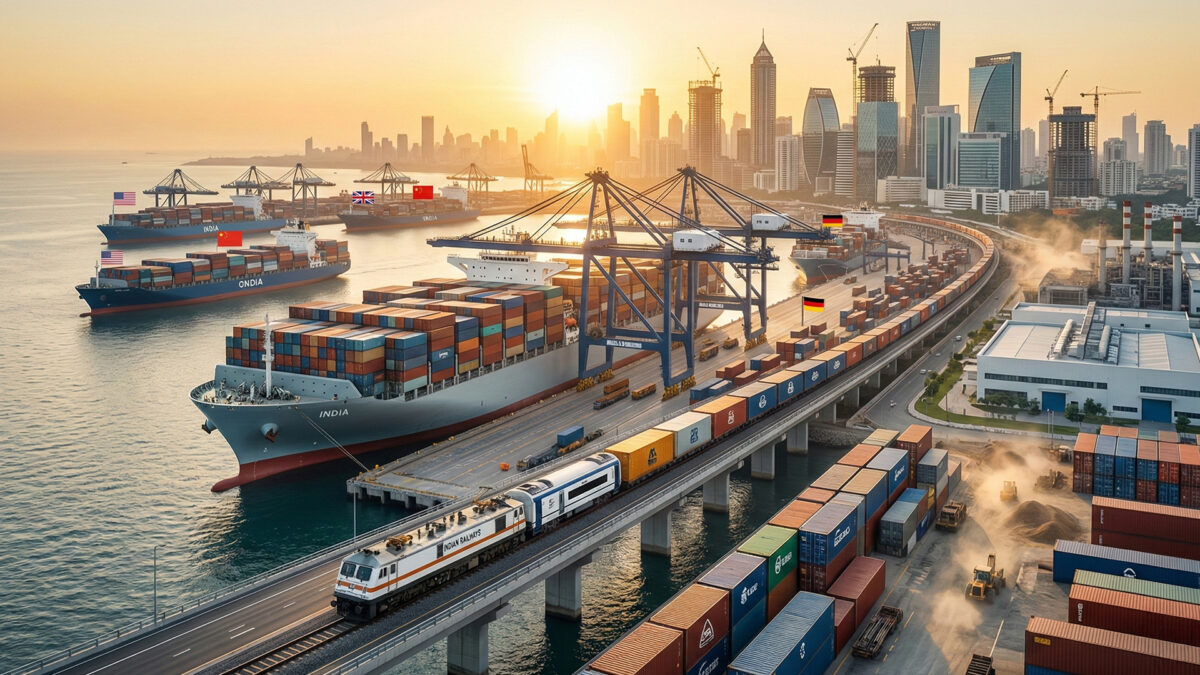
India is likely to sharply reduce import duties on cars coming from the European Union as part of a comprehensive free trade agreement that is close to being finalised, sources said. The proposed move would bring down tariffs from the current levels of up to 110 per cent to around 40 per cent, marking a significant shift in India’s long-standing protectionist policy for the automobile sector.

The tariff cut is expected to play a crucial role in concluding the India-EU free trade agreement, negotiations for which have been ongoing for nearly 20 years. Officials familiar with the discussions indicate that both sides are keen to seal the deal, with an announcement possible during an upcoming India-EU summit.

Initially, the lower tariffs are likely to apply to a limited number of imported cars, particularly higher-priced models. Over time, duties could be reduced further through a phased approach. European auto majors such as BMW, Mercedes-Benz and Volkswagen are expected to benefit, as high import taxes have so far restricted their sales volumes in the Indian market.

India’s government has traditionally used steep import duties to protect domestic carmakers and encourage manufacturing within the country. To balance domestic interests, the proposed agreement is expected to include safeguards, including delayed tariff cuts for electric vehicles, allowing Indian EV manufacturers time to strengthen their production base.

India is one of the world’s fastest-growing car markets, but imported vehicles make up only a small share due to high costs. A reduction in tariffs could make premium European cars more accessible to Indian consumers while increasing competition in the sector.

Also Read: Qure.ai wins $8 million grant from Gates foundation

Categories
Beyond

India-EU trade mega deal inches closer

India and the European Union are close to concluding a comprehensive free trade agreement (FTA), marking a major milestone in bilateral economic relations after years of negotiations. The deal is expected to be announced around the upcoming India-EU Summit on January 27, 2026, subject to formal approvals on both sides, including ratification by the European Parliament.

The proposed pact is among the most ambitious trade agreements pursued by India, covering goods, services, investment, and regulatory cooperation. Bilateral trade between India and the EU stood at an estimated $136–$190 billion in 2024–25, and the agreement is expected to provide a significant boost by lowering tariffs and easing market access for businesses on both sides.

India has taken a cautious approach during the talks, drawing clear red lines around sensitive sectors such as agriculture and dairy to protect domestic producers and rural livelihoods. It has also sought gradual tariff reductions in manufacturing to prevent sudden pressure on local industries, while aiming to attract European investment and strengthen India’s role in global supply chains.

The EU has pushed for wider access for its industrial goods, including automobiles and auto components, as well as greater opportunities in services. Climate-related trade measures have emerged as a key area of negotiation, particularly the EU’s Carbon Border Adjustment Mechanism (CBAM) and sustainability standards linked to its Green Deal. India has raised concerns that these measures could function as non-tariff barriers for energy-intensive exports, while the EU maintains they are essential to ensure fair competition and meet climate goals.

If finalised, the agreement is expected to improve export prospects for Indian sectors such as textiles, apparel, leather, engineering goods, and services, while offering European firms a larger and more predictable market in India. The deal also carries strategic weight, coming at a time when global trade is increasingly fragmented and economies are looking to diversify partnerships.

Also Read: Infosys to recruit 20,000 freshers in FY27

Categories
Beyond

India weighs joining Trump’s Gaza peace board

India is evaluating an invitation to participate in a US-backed international board aimed at overseeing Gaza’s reconstruction and post-conflict economic stabilization. The proposed Gaza Board of Peace is designed to coordinate funding, infrastructure rebuilding, and governance reforms, creating a platform for global and regional investors to engage in reconstruction projects.

The initiative, proposed by former US President Donald Trump, has already secured commitments from Israel, the United Arab Emirates, and several other Arab and Islamic countries, signaling potential for broad international collaboration. The board is expected to facilitate financial mobilization, infrastructure development, and humanitarian aid delivery, presenting opportunities for private and public sector partnerships in the region.

Indian authorities are reviewing the strategic and economic implications of joining the board. Participation could allow India to contribute to rebuilding efforts while gaining influence in regional development projects and strengthening diplomatic ties with Middle Eastern partners. Officials have noted that alignment with India’s long-standing position on West Asia and humanitarian diplomacy will be key factors in the final decision.

The board is expected to complement, or potentially run alongside, existing United Nations-led reconstruction and economic development frameworks, raising questions about coordination and governance. International observers suggest that effective implementation could unlock billions in aid and investment for Gaza, creating avenues for companies and development agencies to engage in infrastructure, energy, and logistics projects.

New Delhi’s decision will weigh geopolitical considerations alongside economic opportunities, balancing its global diplomatic stance with the potential to participate in a high-profile reconstruction and investment initiative.

Also Read: AI may replace engineers soon, says Anthropic CEO

Categories
Beyond

India-EU on the verge of a game-changing deal

Negotiations between India and the European Union are moving steadily toward a landmark free trade agreement. Ursula von der Leyen, European Commission President, described the prospective pact as historic, with wide-reaching benefits for businesses, workers, and consumers in both regions.

The agreement would connect nearly 2 billion people and cover about a quarter of the world’s GDP. It is expected to make it easier for Indian companies to enter European markets while giving European businesses greater access to India’s growing economy. Key areas include clean technologies, digital services, healthcare, and sustainable manufacturing.

Von der Leyen is expected to visit New Delhi later this month to finalise talks ahead of the India-EU summit, where progress toward signing the deal is likely to be formally announced. Leaders emphasised that political momentum is strong, although challenges such as tariffs, regulatory differences, and sensitive sectors remain to be resolved.

The India-EU trade talks, which began in 2007 and were revived in 2022, aim to deepen economic cooperation and remove barriers in goods, services, and investment. Observers say a successful agreement would be a major boost for Indian exporters and European investors alike, strengthening the long-term partnership between the two regions.

Also Read: China’s economy grows 5% in 2025

Categories
Leaders

S4Capital chief praises India at WEF 2026, Davos

At the World Economic Forum (WEF) 2026 in Davos, global advertising veteran Sir Martin Sorrell offered strong praise for India’s economic performance and political leadership, describing the country as a rare “pocket of growth” in an otherwise uncertain global environment.

Speaking on the sidelines of the annual summit, the S4Capital chairman said Prime Minister Narendra Modi is “on fire”, crediting his leadership for sustaining India’s growth momentum at a time when several major economies are struggling to expand. Sorrell pointed out that India is expected to grow at around 6 percent, significantly higher than the global average, which remains below 3 percent.

Comparing India with other major economies, Sorrell noted that growth in the United States is likely to remain in the range of 2.6 to 2.8 percent, while China is projected to grow at about 5 percent. Against this backdrop, India stands out as one of the fastest-growing large economies, strengthening its appeal to global investors and businesses looking for stability and scale.

Sorrell said India’s strong economic fundamentals, combined with its demographic advantage and expanding digital ecosystem, make it an attractive alternative within Asia. He described the country as a “beacon of growth” and a natural destination for companies seeking long-term opportunities amid geopolitical and economic uncertainty.

The S4Capital chief also highlighted the growing visibility of Indian corporate leaders at Davos, noting that executives from leading Indian groups are increasingly confident, outward-looking, and active on the global stage. According to him, this rising presence reflects India’s growing influence in global business and policy discussions.

On the diplomatic front, Sorrell praised Modi’s handling of international relationships, particularly with the United States, saying the prime minister has managed global expectations effectively while strengthening India’s brand abroad. Drawing from his background in branding and communications, Sorrell said India’s current global positioning is strong and largely positive.

Also Read: Sun Pharma linked to possible $10 bn Organon buyout

Categories
Beyond

India’s power utilities make ₹2,701 cr profit after

India’s electricity distribution companies (DISCOMs) have recorded a net profit of ₹2,701 crore in FY25, marking a significant turnaround after years of heavy losses. In FY24, these utilities had reported a combined loss of ₹25,553 crore, and the sector had faced even larger deficits in previous years.

Union Power Minister Manohar Lal welcomed the results, calling them a “new chapter” for the sector. He highlighted that a financially healthy power distribution system is essential for India’s economic growth and development goals.

The turnaround is mainly attributed to several policy and operational reforms. Programs like the Revamped Distribution Sector Scheme (RDSS) helped modernize infrastructure, install smart meters, and improve efficiency. New rules for electricity tariffs and subsidies also made cost recovery more transparent and reliable.

Efficiency has improved significantly. Technical and commercial losses, energy lost or not billed, have dropped from 22.6% in 2013–14 to 15% in FY25. The gap between the cost of supply and revenue earned narrowed to just ₹0.06 per unit, compared with ₹0.78 per unit a decade ago.

Financial management has also strengthened. Outstanding dues to power generators fell dramatically by 96%, from ₹1.39 lakh crore in 2022 to ₹4,927 crore in January 2026. The average payment cycle for utilities shortened from 178 days in FY21 to 113 days in FY25, ensuring smoother cash flow and timely payments.

Also Read: Sandeep Bakhshi gets reappointed as ICICI Bank CEO

Categories
Beyond

Fresh electronics projects to bring ₹41,800 cr investment, jobs

India’s ambition to become a global electronics manufacturing hub received a fresh boost as the Centre approved 22 new electronics component manufacturing projects under the Electronics Components Manufacturing Scheme (ECMS). The decision is expected to strengthen domestic supply chains, create jobs, and reduce the country’s dependence on imported components.

Together, these newly cleared projects are likely to bring in investments of about ₹41,863 crore and generate electronics production worth nearly ₹2.6 lakh crore in the coming years. More importantly, the initiative is expected to create close to 34,000 direct jobs, offering fresh opportunities for skilled and semi-skilled workers across the country.

This round marks the third set of approvals under the ECMS. With this, the total number of projects sanctioned so far has risen to 46, pushing overall committed investments beyond ₹54,500 crore. The government sees component manufacturing as the missing link in India’s electronics growth story, which has so far been driven largely by assembly operations.

The approved projects cover 11 critical component categories that form the backbone of modern electronics. These include printed circuit boards, display and camera sub-assemblies, connectors, enclosures, capacitors, lithium-ion battery cells and materials used in advanced batteries. Such components are essential for products ranging from smartphones and consumer electronics to electric vehicles, telecom equipment and IT hardware.

Several leading Indian and global companies will be setting up or expanding facilities under the scheme. Manufacturing units are planned across states such as Tamil Nadu, Karnataka, Maharashtra, Uttar Pradesh, Andhra Pradesh, Haryana, Rajasthan and Madhya Pradesh, helping spread industrial growth beyond a few established hubs.

Union Electronics and IT Minister Ashwini Vaishnaw said the focus on components is crucial for building a resilient and competitive electronics ecosystem. He underlined that deeper manufacturing and design capabilities would allow India to move up the value chain and compete globally.

The latest approvals signal the government’s continued push to make electronics manufacturing a long-term growth engine—one that delivers jobs, attracts investment and positions India as a trusted global supply base.

Also Read: Indian Bank shares jump as Q3 FY26 business grows 13.4%

Categories
1 Minute-Read

India’s first bullet train set for 2027 launch

India will roll out its first bullet train on August 15, 2027, Union Railway Minister Ashwini Vaishnaw has announced.

The high-speed service will operate on the 508-km Mumbai–Ahmedabad corridor, connecting key cities such as Ahmedabad, Vadodara, Surat, Vapi, Thane and Mumbai.

Designed to run at speeds of up to 320 kmph, the bullet train will reduce travel time between Mumbai and Ahmedabad to less than three hours.

The project will be launched in phases, with select stretches opening first before full operations begin.