Categories
Technology

Apple opens iOS 27 Public Beta to iPhone users

Apple has released the public beta of iOS 27, allowing iPhone users to test its latest software before the official rollout later this year. The update introduces several artificial intelligence (AI) features, a redesigned interface and a more capable Siri, giving users an early glimpse of the next generation of iPhone software.

The standout feature is the upgraded Siri, which is now powered by Apple Intelligence. The virtual assistant can better understand natural conversations, remember previous requests and carry out more complex tasks across apps. Apple says the improvements are aimed at making Siri more useful in everyday interactions while keeping user data secure.

iOS 27 also brings a refreshed look to the iPhone with smoother animations, redesigned menus and more customisation options. Core apps such as Phone, Messages, Photos and Camera have received updates to improve navigation and simplify routine tasks.

The update includes AI-powered writing tools that can summarise, rewrite and proofread text. Users will also find smarter search functions, improved image editing and better organisation across the system. Apple said most AI processing happens directly on the device, while more advanced tasks are handled through its Private Cloud Compute system to protect user privacy.

The public beta is available through Apple’s Beta Software Program and can be downloaded by users with supported iPhone models. The company recommends backing up devices before installing the beta, as pre-release software may contain bugs and unexpected issues.

Some of the advanced Apple Intelligence features will only be available on newer iPhone models with compatible hardware, while older supported devices will receive the standard iOS 27 improvements.

Apple is expected to continue refining the software through additional beta updates over the coming weeks before the stable version is released alongside its next iPhone lineup later this year.

Also Read: SBI funds IPO opens as investors eye long-term growth
Categories
1 Minute-Read

Apple sues OpenAI over alleged trade secrets theft

Apple has filed a lawsuit against OpenAI and two former employees, alleging they misused confidential company information related to its hardware development.

The tech giant claims the employees copied sensitive trade secrets before leaving Apple and later used the knowledge while working on OpenAI’s AI hardware initiatives. Apple is seeking damages and a court order to prevent the alleged use of its proprietary information.

OpenAI has denied any wrongdoing and said it will contest the claims. The case adds to growing legal disputes as technology companies race to develop next-generation AI-powered hardware.

Categories
Corporate

Apple, Broadcom sign $30 bn US chipmaking deal

Apple has announced a $30 billion agreement with Broadcom to manufacture advanced chips in the United States, marking one of its biggest investments yet in domestic semiconductor production. The multi-year deal is aimed at expanding Apple’s US supply chain while reducing dependence on overseas manufacturing.

Under the partnership, Broadcom will produce a range of high-performance chips at its American facilities. These components are expected to power future Apple devices, including iPhones, Macs, iPads and other products. The agreement supports Apple’s broader strategy of securing a stable supply of critical semiconductors while investing in advanced manufacturing within the country.

The announcement comes as global technology companies continue to diversify supply chains following recent disruptions caused by geopolitical tensions and chip shortages. By sourcing more components from the US, Apple hopes to improve supply reliability and strengthen long-term manufacturing resilience.

The investment also aligns with the US government’s push to boost domestic semiconductor production. Washington has encouraged companies to expand local manufacturing through incentives aimed at reducing reliance on foreign chip suppliers and strengthening national technological capabilities.

Apple said the partnership with Broadcom will support innovation, create high-skilled jobs and help develop next-generation semiconductor technologies. The company has increasingly focused on designing its own chips, and the latest agreement is expected to further strengthen its hardware ecosystem.

Broadcom, one of Apple’s key suppliers, is expected to play a central role in manufacturing specialised components that support wireless connectivity and other advanced technologies used across Apple’s product lineup. The company said the investment would expand its manufacturing capabilities and reinforce its long-standing relationship with Apple.

Also Read: US dollar holds firm after Fed minutes

Categories
Technology

Apple brings back card payments In India

Apple has restarted credit and debit card payments for App Store and iCloud purchases in India after a gap of nearly five years, following compliance with the Reserve Bank of India’s (RBI) card tokenisation requirements. The move brings relief to users who had been depending mainly on UPI, net banking and Apple Account balance for digital purchases.

The company has begun a phased rollout, allowing eligible Visa and Mastercard users to add their cards to Apple Accounts. These cards can now be used for App Store transactions, subscriptions such as iCloud+ and Apple Music, and other Apple services.

Apple had removed card payments from its Indian services after RBI introduced stricter rules for recurring online transactions. The regulations required companies to use tokenised card data instead of storing customers’ actual card details. They also introduced additional requirements around payment authorisation and data handling.

To meet these requirements, Apple adjusted its payment systems to align with India’s regulatory framework. Under the tokenisation system, card details are replaced with secure digital tokens, reducing the risk of exposing sensitive financial information during transactions.

The return of card payments is also being viewed as a possible step towards Apple’s long-awaited entry into India’s digital payments market with Apple Pay. However, the company still needs to complete discussions with banks and secure necessary approvals before any official launch.

For Indian Apple users, the change means more flexibility while paying for apps, subscriptions and digital services. Card users who prefer credit or debit cards for rewards, expense tracking or automatic payments will now have another option alongside UPI and other existing payment methods.

The development highlights how global technology companies are adapting their payment platforms to meet India’s evolving digital payment rules, while regulators continue to prioritise security and consumer protection.

Also Read: Samsung posts 19-fold profit rise, AI fears hit stock

Categories
Technology

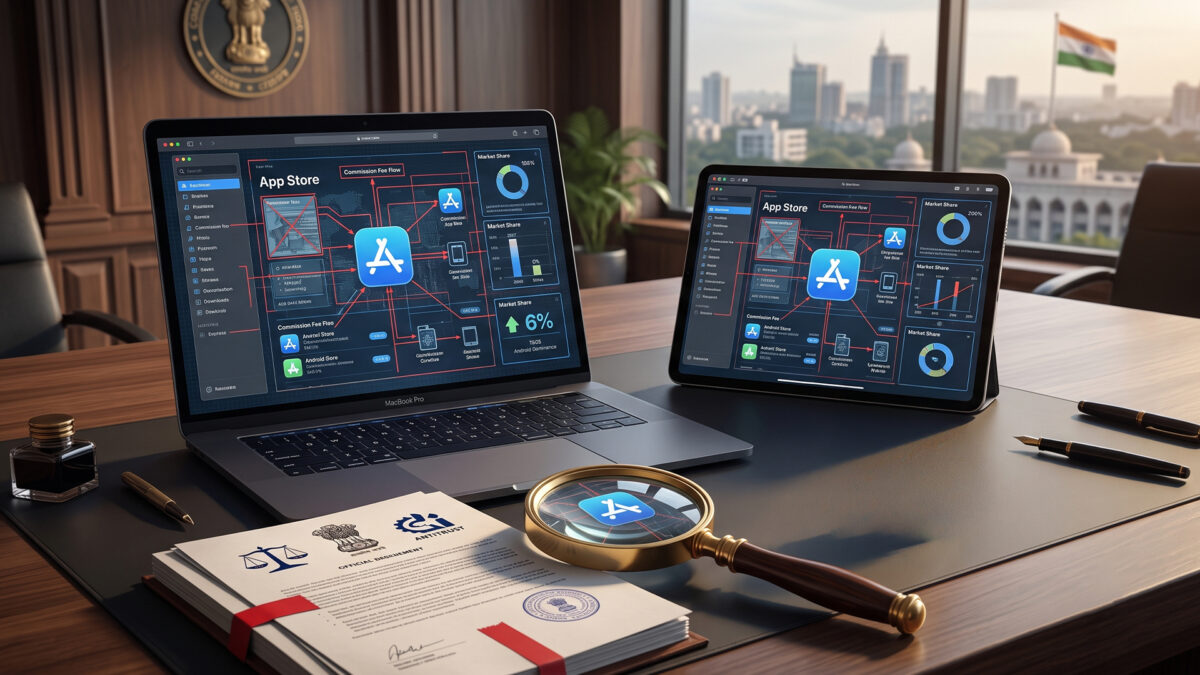
Apple challenges CCI App Store findings

Apple has challenged the findings of the Competition Commission of India (CCI) in its investigation into the company’s App Store practices, taking the matter to the National Company Law Appellate Tribunal (NCLAT).

The technology giant has objected to the CCI’s investigation report, which alleged that Apple abused its dominant position by imposing restrictive conditions on app developers and requiring them to use its in-app payment system. The regulator’s findings could pave the way for further action against the company.

In its appeal, Apple argued that the investigation was not based on an independent assessment of the Indian market. It claimed the report was largely a “copy-paste exercise”, relying heavily on findings from similar antitrust cases in other countries instead of examining India’s unique market conditions.

Apple also maintained that it does not dominate India’s smartphone market, pointing to strong competition from Android device makers. The company said its App Store policies are intended to protect users by ensuring privacy, security and a consistent experience for developers and customers.

The CCI’s probe began after complaints from app developers, who alleged that Apple’s rules limited competition and forced them to use the company’s payment system while paying commissions on digital transactions.

The case is being closely watched by the technology industry, as its outcome could influence how global digital platforms operate in India. If regulators uphold the findings, Apple may have to modify some of its App Store policies for Indian developers.

The tribunal will now examine Apple’s appeal before deciding whether the CCI’s investigation was conducted fairly and whether its findings should stand. The case marks another chapter in India’s growing scrutiny of large technology companies and their business practices in the country’s expanding digital economy.

Also Read: Dr Reddy’s biologics unit in Hyderabad gets USFDA notice

Categories
Technology

Apple hikes MacBook, iPad prices

Apple has increased the prices of several MacBooks, iPads and other devices, saying soaring memory and storage chip costs driven by the artificial intelligence (AI) boom have made the move unavoidable.

The price revision affects multiple markets, including India, where some Apple products have become significantly more expensive. However, the company has not increased iPhone prices for now, although industry experts believe they could also rise later this year.

Apple said the sharp increase in the cost of memory components is the main reason behind the hike. As AI companies invest billions of dollars in building data centres, chipmakers are prioritising high-end AI hardware, reducing the supply of memory chips used in consumer electronics. This has pushed up prices across the industry.

The company had absorbed much of the additional cost over the past year, but said it was no longer sustainable. Several MacBook, iPad, HomePod and Apple TV models now carry higher price tags, with Indian customers among those seeing some of the steepest increases.

Industry analysts say Apple is unlikely to be the only company raising prices. Other laptop and smartphone manufacturers could follow if memory shortages continue, as demand for AI infrastructure keeps growing.

The development highlights how the AI revolution is beginning to affect everyday consumers. While artificial intelligence is creating new opportunities, it is also increasing competition for key components, making devices such as laptops and tablets more expensive.

For buyers planning to upgrade their devices, the latest hike means spending more than expected. Analysts advise consumers to compare configurations carefully and look for festive offers or exchange deals, as further price increases cannot be ruled out if component costs remain elevated.

Apple’s decision signals a broader shift in the technology industry, where the rapid expansion of AI is reshaping supply chains and influencing the prices consumers pay for everyday gadgets.

Also Read: Trump urges OpenAI to delay GPT-5, GPT-6 rollout

Categories
Leaders

Apple bets on design revival under John Ternus

Apple is preparing for a significant leadership transition, and industry observers believe the company’s next chapter could be shaped by a renewed emphasis on product design. As John Ternus gets ready to succeed Tim Cook as chief executive officer on September 1, reports suggest one of his top priorities will be revitalising Apple’s once-celebrated design culture.

According to technology analyst Mark Gurman, Ternus is expected to place greater focus on product engineering, industrial design and innovation, areas that many believe have received less attention in recent years as Apple concentrated on operational efficiency and financial performance.

For decades, Apple’s design team was considered the creative force behind iconic products such as the iMac, iPod, iPhone and iPad. However, the department’s influence reportedly declined following the departure of legendary designer Jony Ive and several other senior design leaders. Over time, the team lost some of its prominence within Apple’s leadership structure.

Ternus, who currently serves as Apple’s senior vice-president of hardware engineering, is already familiar with the challenges facing the design organisation. Reports indicate that he assumed direct oversight of the design group last year, signalling his intention to play a more active role in shaping Apple’s future products.

The incoming CEO to strengthen the design department’s position within the company and potentially appoint new leadership to help restore its influence. The goal, according to reports, is to ensure that design once again becomes a central pillar of Apple’s product strategy rather than a supporting function.

The anticipated shift comes at a crucial time for Apple as competition intensifies across smartphones, artificial intelligence, wearables and next-generation computing devices. Industry experts believe distinctive design and user experience could play a key role in helping the company stand out in an increasingly crowded technology market.

While no immediate product changes have been announced, expectations are growing that the Ternus era could bring a stronger emphasis on bold ideas, fresh aesthetics and breakthrough innovation.

Also Read: Sun Pharma buys Innovcare In ₹271-cr deal

Categories
Beyond

Apple may raise prices a memory costs surge

Apple could increase the prices of future iPhones and other devices as rising memory chip costs begin to put pressure on the company’s manufacturing expenses.

According to recent reports, the sharp growth in artificial intelligence (AI) applications has triggered an unprecedented demand for high-performance memory chips, particularly DRAM and advanced storage components. As technology companies race to build AI-powered products and data centres, supplies of these critical chips have become increasingly tight.

The shortage has led to higher prices for memory components, a key part of smartphones, laptops and tablets. Industry analysts believe Apple may eventually pass some of these additional costs on to consumers, especially if chip prices continue to climb in the coming months.

Apple Chief Executive Officer Tim Cook recently acknowledged that memory markets are becoming more challenging as AI adoption accelerates across industries. The company is closely monitoring supply conditions while working with suppliers to secure enough components for its upcoming products.

The growing popularity of AI-powered features is changing the technology landscape. New smartphones and computers require larger amounts of memory to handle advanced AI tools, voice assistants and on-device processing capabilities. This has increased competition for memory chips among technology firms worldwide.

Market experts say the situation could affect not only Apple but also other major electronics manufacturers. Companies producing smartphones, personal computers and AI servers are all competing for the same pool of advanced memory components, creating further pressure on supply chains.

Consumers may not see immediate price hikes, but analysts warn that future product launches could carry higher price tags if component costs remain elevated. Apple’s expected AI-focused devices, including next-generation iPhones and Mac computers, may be particularly affected because they require more powerful hardware to support advanced features.

For now, Apple continues to focus on securing supplies, but the global AI boom is increasingly reshaping the economics of the technology industry and the prices consumers ultimately pay.

Also Read: Gold slips to ₹1.51 lakh, silver at ₹2.64 lakh

Categories
Technology

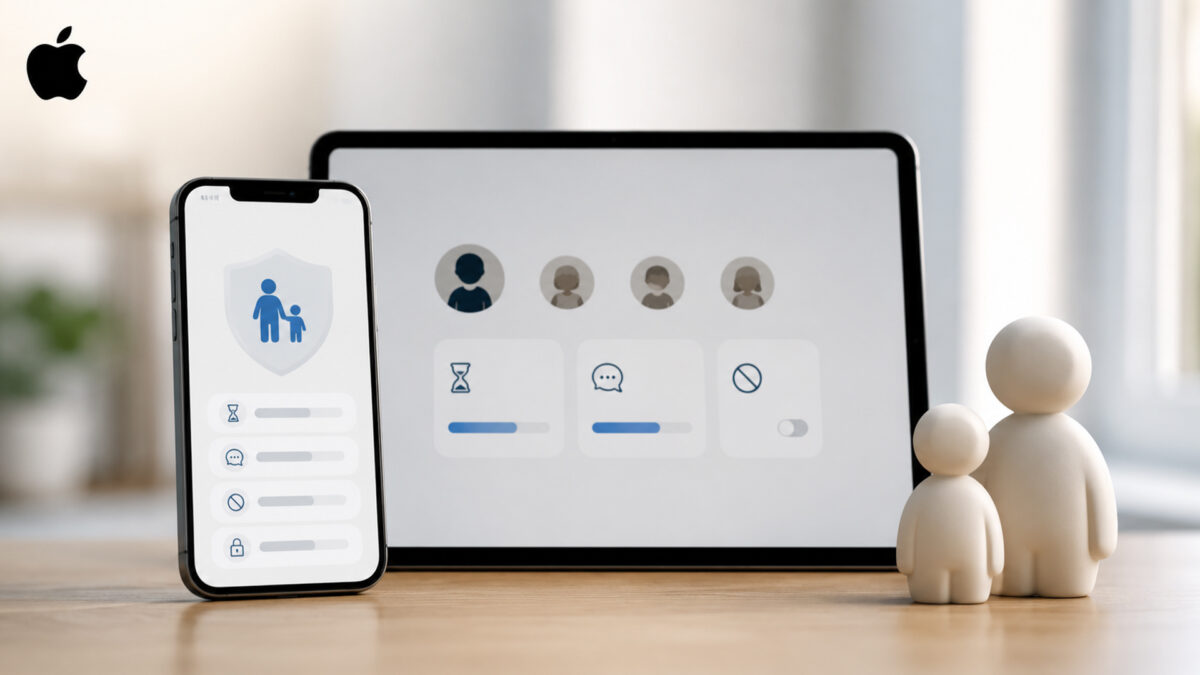
Apple brings new child safety tools

Apple has announced a range of new child safety and parental control features for iPhone, iPad and Mac users, aiming to make digital experiences safer for children while giving parents more oversight and flexibility. The updates were unveiled at the company’s Worldwide Developers Conference (WWDC) 2026.

A major change is the introduction of simplified child account creation. Parents will now be able to set up child accounts more easily and activate age-appropriate protections from the start. Apple said the move is designed to ensure that safety settings are enabled as soon as a device is configured for a child.

The company is also expanding age-based content protections across its ecosystem. Developers will gain access to tools that allow apps to provide age-appropriate experiences without requiring children to share sensitive personal information. Apple said this approach is intended to balance safety with user privacy.

Among the new features is improved parental approval for contacts and communications. Parents will have greater control over who can communicate with their children through Apple’s communication services, helping reduce unwanted interactions.

Apple is also enhancing protections against inappropriate content. Updated safeguards will automatically intervene when children are exposed to sensitive or explicit material, while maintaining privacy by processing much of the information directly on the device.

Another key update focuses on app ratings and age classifications. Parents will receive clearer information about applications and their suitability for different age groups, making it easier to decide which apps their children can access.

The company is further strengthening family management tools by improving screen-time controls and simplifying the process of managing multiple child accounts within a household. These enhancements are designed to help parents monitor usage patterns and establish healthier digital habits.

Apple said the new child safety features reflect growing concerns among families, educators and policymakers about online risks facing younger users. The company emphasised that the updates aim to protect children without compromising privacy, a principle that remains central to its approach.

Also Read: Anant Ambani gets 94.4% support for RIL executive role

Categories
Beyond

Apple shares India financial data in CCI probe

Apple has agreed to provide financial details of its India operations to the Competition Commission of India (CCI), marking a significant development in a long-running antitrust investigation into the company’s App Store business practices. The decision is expected to help the regulator move the case closer to a final ruling.

The investigation began after complaints that Apple abused its dominant position in the market for app distribution on iPhones. The CCI’s probe examined Apple’s App Store policies, including its requirement that developers use the company’s in-app payment system for digital purchases. Critics argue that these rules limit competition and increase costs for app developers.

Apple has consistently denied any wrongdoing and has maintained that its App Store policies are designed to protect user privacy, security and the overall customer experience. The company had previously resisted sharing detailed financial information, arguing that legal issues related to India’s competition law needed to be resolved first.

However, following directions from the courts and repeated requests from the regulator, Apple has now agreed to submit India-specific financial data. The information is considered important because it will help the CCI assess the company’s revenues and determine any financial penalties if violations are ultimately established.

The case is being closely watched by technology companies, app developers and regulators around the world. India is one of Apple’s fastest-growing markets, and any decision could have implications for how digital platforms operate in the country

While the investigation is yet to reach its final stage, Apple’s agreement to provide the requested financial information removes a major hurdle and is expected to accelerate the regulator’s review.

Also Read: Cabinet clears ₹10,000 cr ATF support fund