
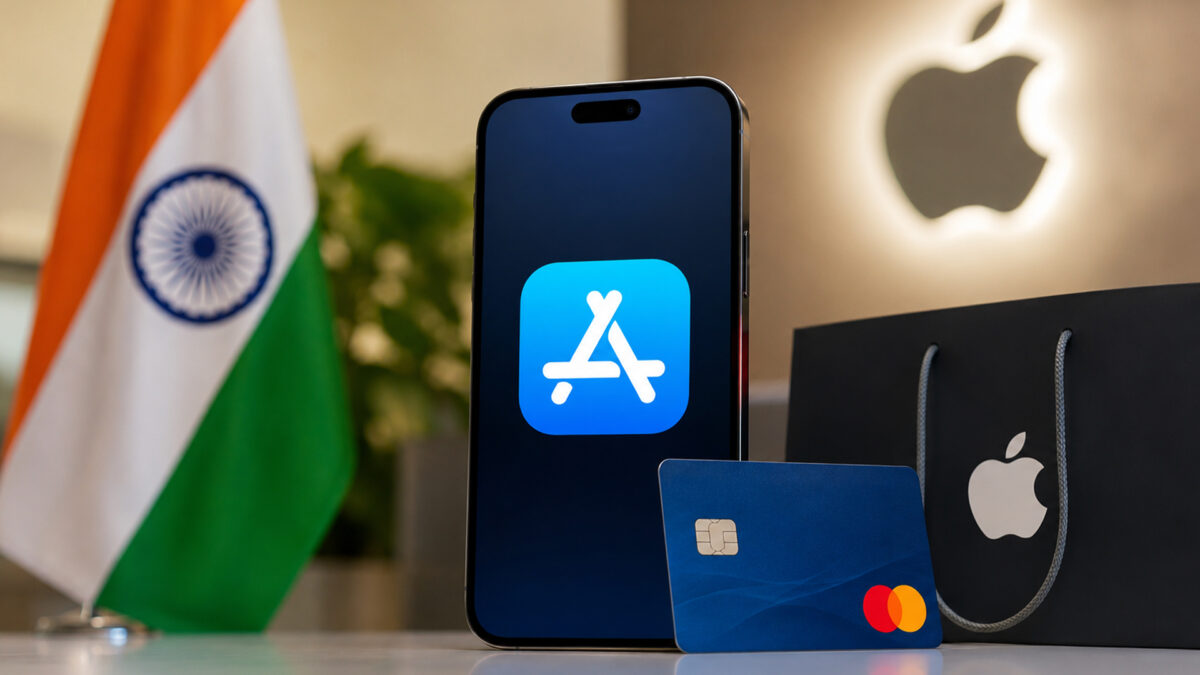
Apple has restarted credit and debit card payments for App Store and iCloud purchases in India after a gap of nearly five years, following compliance with the Reserve Bank of India’s (RBI) card tokenisation requirements. The move brings relief to users who had been depending mainly on UPI, net banking and Apple Account balance for digital purchases.
The company has begun a phased rollout, allowing eligible Visa and Mastercard users to add their cards to Apple Accounts. These cards can now be used for App Store transactions, subscriptions such as iCloud+ and Apple Music, and other Apple services.
Apple had removed card payments from its Indian services after RBI introduced stricter rules for recurring online transactions. The regulations required companies to use tokenised card data instead of storing customers’ actual card details. They also introduced additional requirements around payment authorisation and data handling.
To meet these requirements, Apple adjusted its payment systems to align with India’s regulatory framework. Under the tokenisation system, card details are replaced with secure digital tokens, reducing the risk of exposing sensitive financial information during transactions.
The return of card payments is also being viewed as a possible step towards Apple’s long-awaited entry into India’s digital payments market with Apple Pay. However, the company still needs to complete discussions with banks and secure necessary approvals before any official launch.
For Indian Apple users, the change means more flexibility while paying for apps, subscriptions and digital services. Card users who prefer credit or debit cards for rewards, expense tracking or automatic payments will now have another option alongside UPI and other existing payment methods.
The development highlights how global technology companies are adapting their payment platforms to meet India’s evolving digital payment rules, while regulators continue to prioritise security and consumer protection.
Also Read: Samsung posts 19-fold profit rise, AI fears hit stock