Categories
Leaders

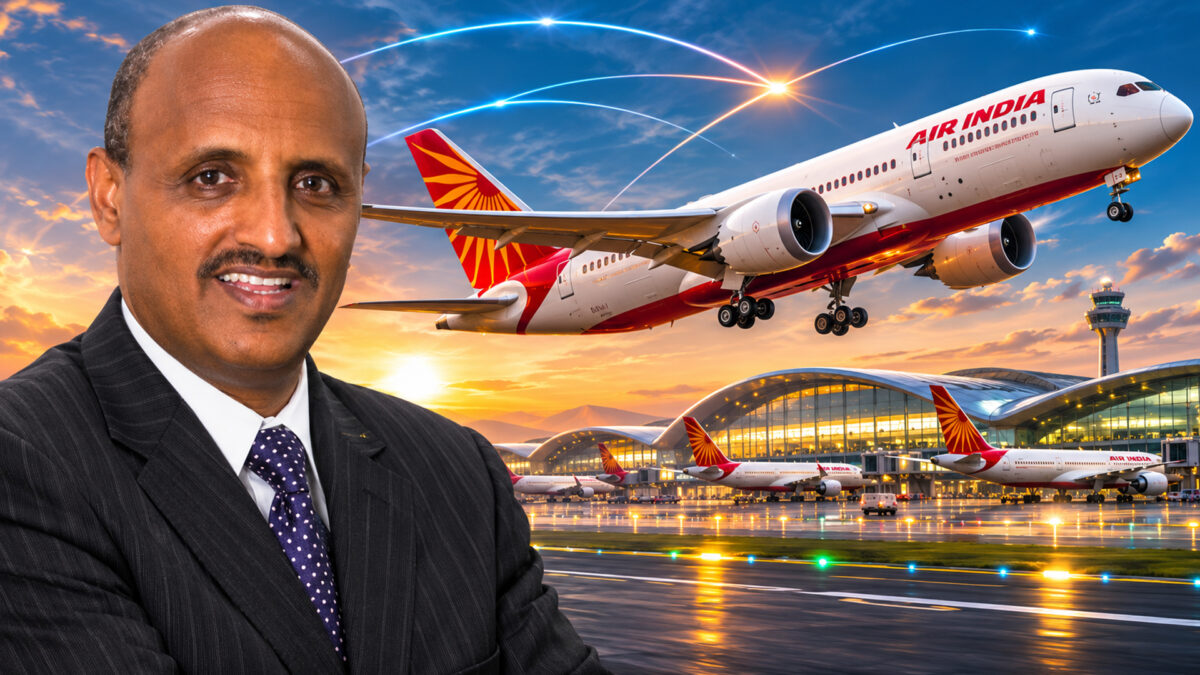
Air India CEO targets bigger global footprint

Air India is preparing for a bigger international presence, with plans to increase its orders for wide-body aircraft as the Tata Group-owned airline looks to regain market share from foreign carriers and strengthen its position in global aviation. Chief Executive Officer and Managing Director Tewolde Gebremariam outlined the airline’s long-term ambitions at the Aviation India and South Asia 2026 conference in New Delhi on November 3. He indicated that Air India was in discussions with aircraft manufacturers Airbus and Boeing to explore additional wide-body aircraft orders.

The proposed expansion comes despite the airline already having a substantial aircraft order book. Air India has placed orders for around 600 aircraft, including approximately 80 wide-body jets. However, its management believes the existing commitments may not be sufficient to support the airline’s international growth ambitions.

The airline is also considering changes to its flight network, developing additional international hubs and cutting operating costs as it works towards returning to profitability.

“We want to increase our order of wide-bodies. Our network and our strategy demand more,” Gebremariam said, underlining the importance of expanding long-haul capacity.

Wide-body aircraft, which typically have two aisles and greater passenger capacity, are particularly important for long-distance international routes. They allow airlines to connect major cities across continents while carrying more passengers and cargo. For Air India, a larger fleet could help introduce additional international services, improve connectivity and compete more effectively with established global airlines.

The airline currently operates 61 wide-body aircraft, while around 10 of the 80 wide-body jets in its existing order book have reportedly been delivered. Its fleet includes Airbus A350s and Boeing 787 and 777 aircraft. The airline is also evaluating the economics of operating older aircraft, which can involve higher maintenance and fuel expenses.

The expansion strategy is closely linked to Air India’s ambition to recover international passenger traffic that currently flows through foreign airlines, particularly major aviation hubs in West Asia and Southeast Asia.

A significant number of Indian travellers flying to Europe, North America and other international destinations use connecting services offered by overseas carriers. Airlines based in Dubai, Doha, Singapore and Kuala Lumpur have benefited from their established networks and convenient connections.

Gebremariam wants Air India to capture a larger share of this traffic by offering more direct international flights and improving connections between overseas destinations through India.

The airline is also looking to increase international-to-international connecting passengers. This means attracting travellers who fly into an Indian airport from one country and continue to another international destination without entering India as their final destination.

Building this segment will require a stronger long-haul fleet, better airport infrastructure, convenient flight schedules and an extensive international network.

“We have been punching below our weight in the market. That is going to change,” the CEO said, signalling a more aggressive approach towards international expansion.

The expansion will also involve a rethink of Air India’s hub strategy. Geopolitical tensions and restrictions on the use of Pakistani airspace have affected several long-haul routes, particularly those operating from Delhi. Disruptions in parts of the Gulf region have added further pressure on international flight operations.

To address these challenges, the airline is considering shifting a larger share of its Europe and North America services to Mumbai. Routes from Mumbai are relatively less affected by the airspace restrictions to India’s west, making the city a more practical departure point for certain long-haul destinations.

Delhi, meanwhile, could see greater connectivity with regions such as Southeast Asia, East Asia and Australia, where flights are less affected by the current disruptions. Air India is also exploring Bengaluru as a potential third operational hub.

The proposed changes are aimed at making its international network more efficient while reducing the impact of geopolitical developments on flight schedules, operating expenses and passenger connectivity.

However, expanding the fleet and network is only one part of the airline’s turnaround plan. Bringing down costs and improving operational efficiency remain equally important priorities.

Air India reported a consolidated loss of more than Rs 22,000 crore in the financial year 2025-26, more than double the loss recorded in the previous financial year. Higher jet fuel prices, airspace restrictions, operational challenges and the financial impact of the June 2025 Air India Flight AI 171 crash have added to the airline’s difficulties.

Gebremariam has made it clear that improving profitability cannot be postponed indefinitely. He said he was even more impatient than the shareholders to see Air India become profitable and expressed confidence that the airline could achieve the goal through higher revenues and better cost management.

Since taking charge, the CEO has established a cross-functional team to identify savings across the organisation. The airline is also looking at closer operational integration between Air India and its low-cost subsidiary, Air India Express.

Sharing corporate functions, improving operational coordination and using resources more efficiently are among the measures being considered. The objective is to reduce duplication, control expenses and create stronger business synergies across the airline group.

The strategy also involves positioning the two brands to serve different passenger segments. Air India will focus on full-service international and domestic operations, while Air India Express will continue to strengthen its presence in the low-cost aviation market.

For the Tata Group, the airline’s international ambitions represent a long-term investment rather than an immediate expansion exercise. Tata owns approximately 75% of Air India, while Singapore Airlines holds the remaining stake.

Air India’s transformation began after the airline returned to Tata Group ownership in January 2022. The group subsequently placed a major aircraft order with Airbus and Boeing, initially covering 470 aircraft, before expanding its commitments to around 600 planes.

The transformation programme has also included upgrading aircraft interiors, introducing a new brand identity, investing in technology and consolidating the group’s airline operations. Its four-airline structure was reorganised into two principal brands, Air India and Air India Express.

Gebremariam now faces the task of taking these initiatives into the next phase. His experience leading Ethiopian Airlines, which developed into Africa’s largest carrier and established Addis Ababa as a major international aviation hub, is expected to be relevant to Air India’s ambitions.

India is already the world’s third-largest aviation market, after the United States and China. Its growing passenger base and large overseas diaspora offer significant opportunities for domestic airlines to expand international operations.

Air India’s challenge will be to convert that demand into sustainable business growth while competing with established international carriers.

With additional wide-body aircraft under consideration, a possible third hub in Bengaluru and a renewed focus on operational efficiency, the airline is preparing for a larger role in global aviation. Whether these plans translate into stronger market share and consistent profitability will depend on how effectively it manages expansion alongside its financial and operational challenges.
 

Categories
Leaders

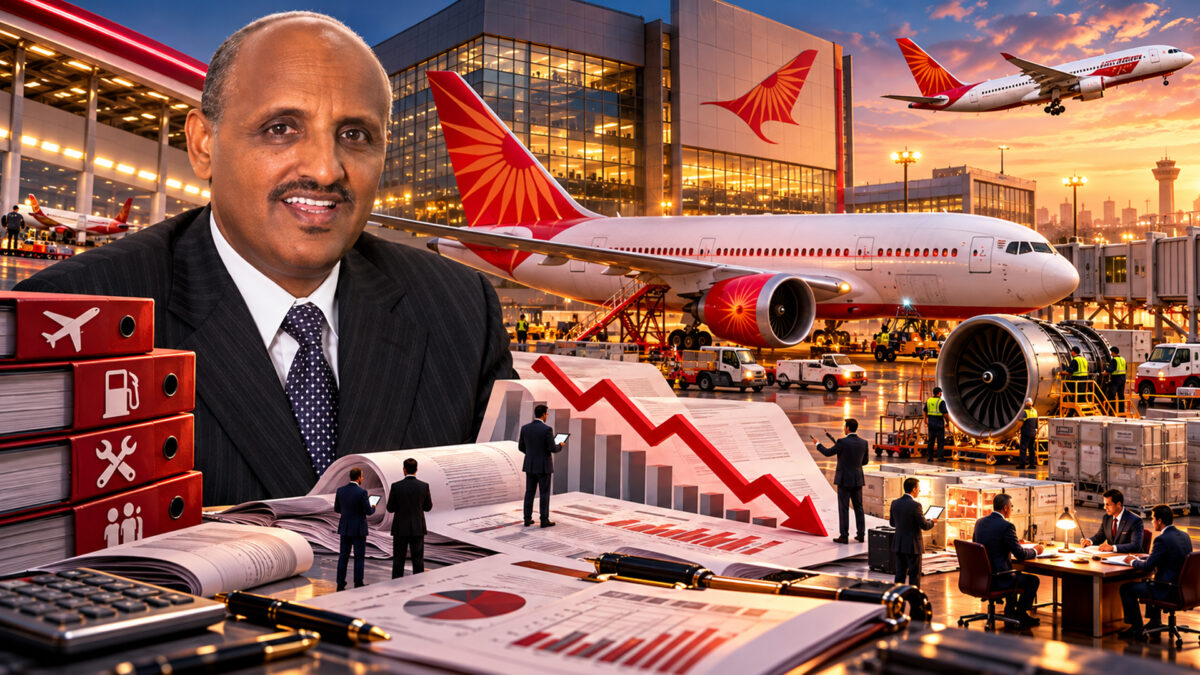
Air India sets up cost-saving team amid record losses

Air India has launched a fresh cost-cutting drive as its new chief executive, Tewolde Gebremariam, looks to bring the loss-making airline back on track. The airline has formed a dedicated team to identify savings across its operations, tightened spending approvals and plans to reward employees who suggest practical ways to reduce costs or increase revenue.

The measures come at a difficult time for the Tata Group-owned airline. Air India reported a consolidated loss of ₹22,238 crore in the financial year ended March 2026, more than double the ₹10,859 crore loss recorded a year earlier. Its total income also declined, falling to ₹71,870 crore from ₹78,636 crore in FY25.

Gebremariam, who took charge as chief executive officer and managing director on October 1, has asked employees to make cost awareness part of their everyday work. In a message to staff, he said every rupee saved could be reinvested in areas that matter to the airline, including operational performance and customer experience.

The initiative reflects a shift in focus from expansion alone to building a more efficient and financially sustainable airline. Air India has been investing heavily in aircraft, cabin upgrades, technology and customer service as it works to compete with established international carriers. The challenge now is to manage those investments while reducing losses.

A full-time, multidisciplinary team has been established to review expenditure across the organisation. The group will examine spending across departments and identify opportunities to improve efficiency, reduce waste and make better use of existing resources.

The team is expected to look at several areas, including procurement, supplier contracts, internal processes and the use of staff and equipment. Renegotiating contracts, improving resource utilisation and bringing certain outsourced activities in-house are among the options being considered.

Air India is also preparing to introduce PRABHAV – The Value Creator Award, an initiative designed to encourage employees to come forward with cost-saving and revenue-generating ideas.

The airline wants suggestions from staff who understand the practical challenges of daily operations. Employees may be able to identify unnecessary steps in a process, reduce waste, improve the use of equipment or find more efficient ways to purchase goods and services.

Ideas that are implemented will be rewarded, according to the company’s communication to employees. The programme will also encourage staff to identify new revenue opportunities and generate greater value from the airline’s existing products and services.

Gebremariam has stressed that cost reduction cannot be left to a single committee. The airline needs participation across departments, with employees taking responsibility for spending decisions and looking for more effective ways to complete their work.

The approach could help Air India find savings that are difficult to identify through central reviews alone. However, the impact will depend on whether the ideas lead to measurable improvements without affecting flight operations, safety or passenger service.

The airline has also tightened its approval process for Staff On Duty (SOD) arrangements. Under the revised system, effective October 1, approvals must pass through the head of department, the chief experience officer and the CEO.

The change is intended to bring greater scrutiny, transparency and accountability to spending decisions. It also gives senior management closer oversight of expenditure at a time when the airline is under pressure to improve its financial position.

The controls are part of a wider effort to make spending more disciplined across Air India’s operations. The company must balance the need to save money with the demands of running a large airline, where aircraft maintenance, training, staffing, airport operations and passenger support are essential costs.

Air India’s financial challenges are not limited to internal spending. High aviation turbine fuel prices, airspace restrictions and conflict-related disruption in West Asia have increased pressure on airlines.

Restrictions on the use of Pakistani airspace have forced Indian carriers to take longer routes on some international services. The conflict in the Middle East has also disrupted flight operations, leading to route changes, cancellations and reduced services on some routes.

Longer journeys can increase fuel consumption and crew-related costs, while disruptions can affect aircraft utilisation and schedules. These pressures make cost control more difficult, particularly for an airline operating an extensive international network.

Air India is also dealing with the impact of the fatal crash of flight AI171 in June 2025, which killed 260 people. The airline has faced increased scrutiny over safety and compliance, making operational reliability and restoring passenger confidence important priorities alongside financial recovery.

Reports have also indicated that Air India is seeking around $1.5 billion in fresh equity funding from its owners, Tata Sons and Singapore Airlines. The airline has been working to manage aircraft-related costs, with shortages of seats and other components delaying some cabin upgrades. It is also looking at ways to adjust aircraft delivery schedules to conserve resources.

Gebremariam brings extensive aviation experience to the role. He previously led Ethiopian Airlines for 11 years as group CEO and helped expand it into one of Africa’s largest and most profitable airline groups.

At Air India, he inherits an ambitious transformation programme that includes fleet renewal, improved cabins, technology investments and changes to the airline’s operations. The company returned to private ownership in 2022 after the Tata Group acquired it from the government, but it has yet to report a profit since the takeover.

The latest cost-saving drive suggests that Air India’s next phase will place greater emphasis on efficiency and financial discipline. The aim is not simply to spend less, but to ensure that money is used where it delivers the greatest benefit to passengers and the business.

The results will take time to emerge. The key test will be whether Air India can reduce operating costs, improve revenue and strengthen safety and service standards while continuing its transformation into a competitive global airline.


Categories
Leaders

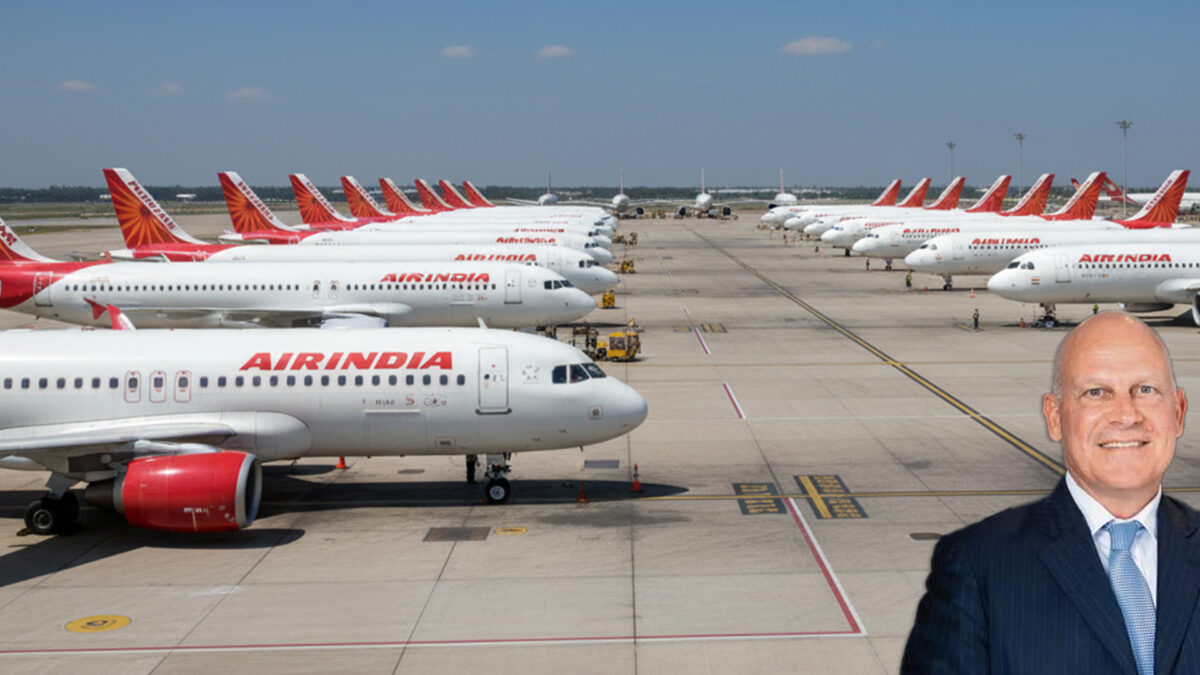
Air India CEO Campbell Wilson steps down

Air India CEO Campbell Wilson has stepped down from his role, marking a significant leadership change at the Tata Group-owned airline as it continues its turnaround journey.

Wilson, who took over in 2022 following Air India’s return to the Tata Group, resigned before completing his term. According to reports, he will remain in the position for a short transition period until a successor is appointed.

His departure comes at a time when Air India is facing multiple challenges, including financial losses, operational disruptions, and supply constraints. The airline has also been dealing with delays in aircraft deliveries and rising costs, which have slowed its recovery plans.

During his tenure, Wilson led several key initiatives aimed at reviving the airline. These included restructuring operations, improving service quality, and placing large aircraft orders to modernise the fleet. Air India also worked on integrating its various businesses and strengthening its global network.

Despite these efforts, the turnaround has been complex and gradual, with external factors such as geopolitical tensions and airspace restrictions adding pressure on operations.

The Tata Group is now expected to begin the search for a new CEO to lead the next phase of Air India’s transformation. The focus will likely remain on improving efficiency, stabilising finances, and enhancing the customer experience.

Wilson’s exit comes at a crucial time for the airline, as it continues to rebuild its position in a highly competitive aviation market. The upcoming leadership transition is expected to play a key role in shaping Air India’s future direction.

Also Read: JSA boosts team with senior hires