Categories
Corporate

Sensex rises over 450 points, Nifty crosses 26,100

Indian equity markets opened on a strong note on Monday, December 22, with benchmark indices posting solid gains in early trade. The BSE Sensex rose over 450 points, while the NSE Nifty 50 moved past the 26,100 level, supported by positive global cues and broad-based buying across sectors.

Market sentiment remained upbeat as investors returned to equities after recent volatility. Buying interest was seen across large-cap, midcap and select small-cap stocks, indicating improved confidence. All major Nifty sectoral indices were trading in positive territory, led by financials, information technology, metals and capital goods stocks.

Heavyweight stocks played a key role in lifting the benchmarks. Shares of Shriram Finance, Infosys, Hindalco, Tata Steel and Trent emerged as some of the top gainers, rising between 2 and 3 percent in early trade. Strength in banking and financial stocks further supported the rally, as investors bet on stable interest rates and improving liquidity conditions.

On the downside, a few stocks showed mild weakness despite the overall positive trend. Mahindra & Mahindra, SBI, Tata Consumer Products and Max Healthcare were among the stocks trading slightly lower, though losses remained limited due to strong broader market sentiment.

The rally was driven by a combination of factors, including firm global markets, a recovery in the rupee, and renewed foreign investor interest. Expectations of supportive global monetary conditions and easing inflation pressures also helped improve risk appetite among investors.

Market participants said the strong opening reflects optimism ahead of year-end, with investors selectively adding quality stocks after recent corrections. Analysts, however, advised caution at higher levels and suggested tracking global developments and upcoming macroeconomic data for further direction.

Also Read: Fortis Healthcare to acquire Bengaluru’s People Tree Hospital for ₹430 cr
Categories
Corporate

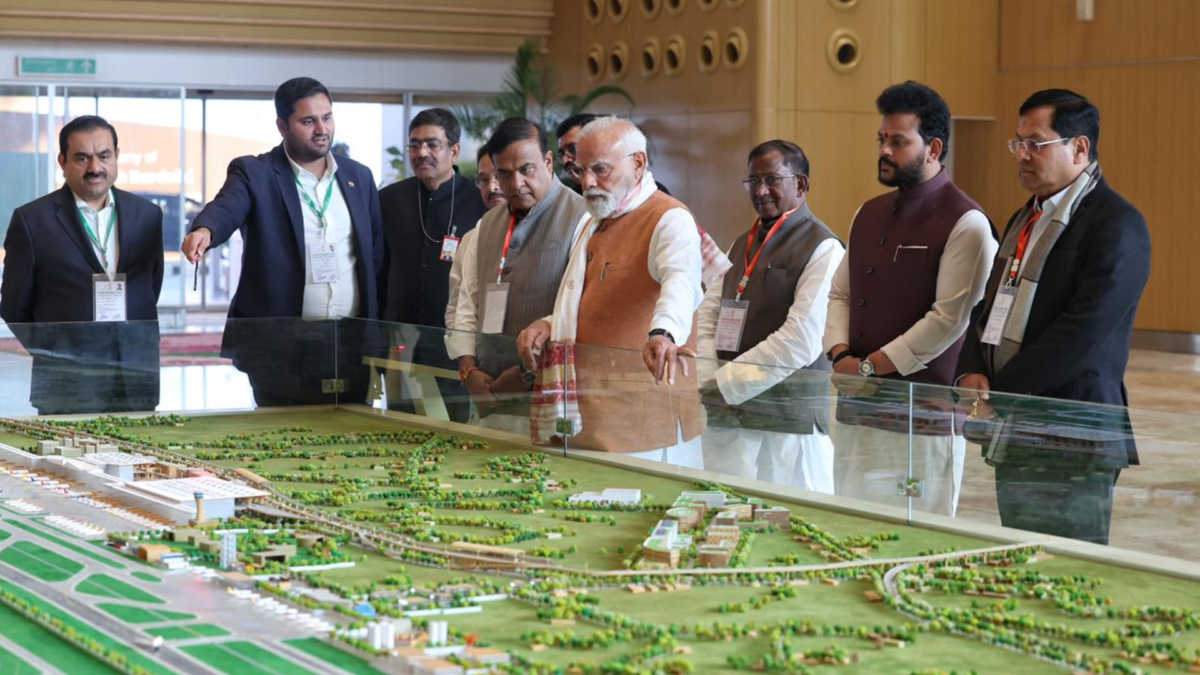
PM Modi inaugurates Adani-operated new terminal at Guwahati Airport

Prime Minister Narendra Modi inaugurated the newly built terminal at Lokapriya Gopinath Bordoloi International Airport in Guwahati, on 19 December, marking a major milestone in Assam’s aviation infrastructure.

Developed by Guwahati International Airport Limited and operated by Adani Airport Holdings Limited, the terminal strengthens Adani’s growing airport portfolio while enhancing Assam’s role in regional and national connectivity.

The project has been completed in less than a year, from design unveiling to inauguration, highlighting the speed and scale of airport infrastructure delivery in India. It features DigiYatra-enabled passenger processing, smart check-in facilities and spacious waiting areas aimed at improving travel experience. Commercial operations are expected to begin by the end of February after final operational readiness checks.

Designed as a blend of modern architecture and regional identity, the terminal named “The Bamboo Orchids”, draws inspiration from Assam’s kopou phool (foxtail orchid) and indigenous bamboo varieties from the Northeast. About 140 metric tonnes of locally sourced bamboo have been used in its construction, highlighting sustainable and culturally rooted design.

Once fully operational, the terminal will be able to handle 13.1 million passengers annually by 2032. Currently, Guwahati Airport serves over 6.5 million passengers a year and ranks among the top 10 busiest airports in India, acting as a key hub for all eight Northeastern states.

Addressing the gathering, the Prime Minister said the new terminal reflects Assam’s growing importance as India’s eastern gateway under the Act East policy, supporting economic growth and regional connectivity.

The airport’s overall expansion involves an investment of around ₹5,000 crore, including plans for cargo facilities and maintenance, repair and overhaul (MRO) services. These developments are expected to boost trade, tourism and employment across the region.

Also Read: Adani banks on ‘group of airports’ policy to boost NMIA

Categories
Corporate

Adani banks on ‘group of airports’ policy to boost NMIA

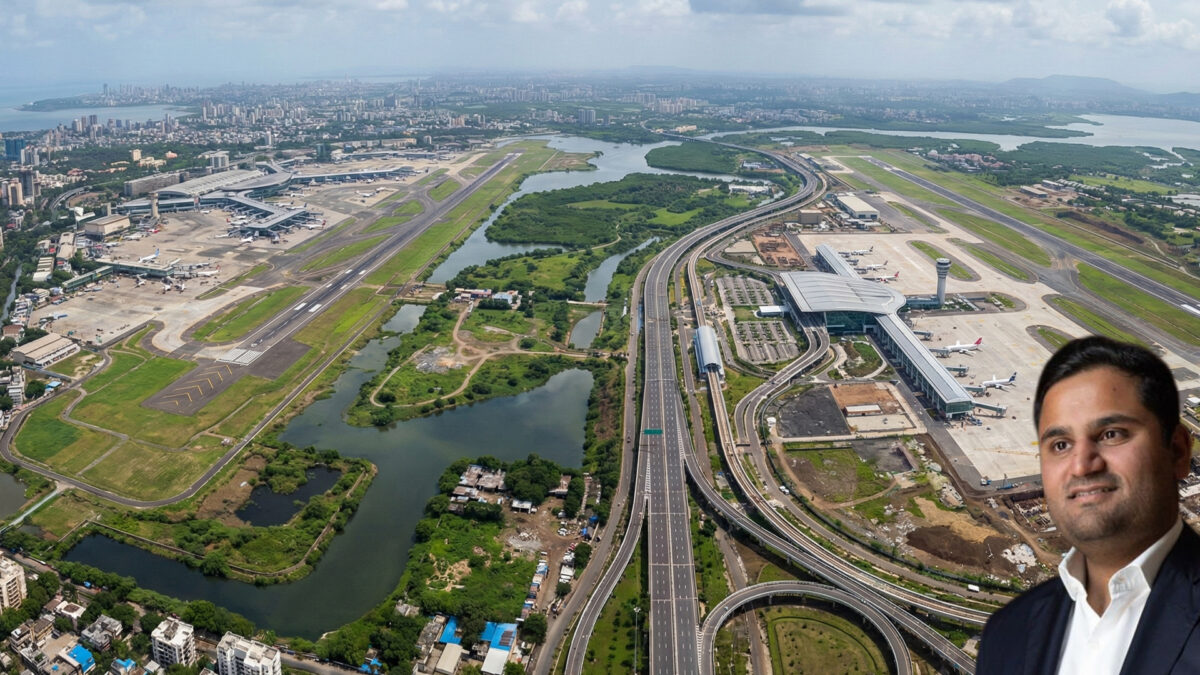
Adani Airports Holdings Ltd is placing strong emphasis on the Centre’s ‘group of airports’ policy to scale up operations at the upcoming Navi Mumbai International Airport (NMIA), which is scheduled to begin commercial services on December 25. The policy allows two or more airports in a region to be managed as a single system, enabling coordinated capacity planning, tariff alignment and smoother distribution of air traffic.

Jeet Adani, director at Adani Airports, said NMIA is not just an additional airport but a structural solution to Mumbai’s long-standing aviation constraints. Mumbai’s Chhatrapati Shivaji Maharaj International Airport (CSMIA) operates with a single runway and has been handling traffic well beyond its designed capacity, particularly during peak hours. By integrating NMIA and CSMIA under the group-of-airports framework, authorities aim to ease congestion while supporting sustained growth in passenger and cargo traffic.

One of the key elements under review is a unified tariff structure for both airports. This would ensure that airlines and passengers are not discouraged from using NMIA due to cost differences, enabling a more balanced distribution of flights. The integrated approach is also expected to help airlines plan schedules more efficiently across the two airports.

In its initial phase, NMIA will operate for limited hours with a modest number of flights, gradually expanding to round-the-clock operations. International flights are expected to follow in the later stages. The airport will also take over general aviation and business jet operations currently handled at Mumbai airport, freeing up valuable slots at CSMIA for commercial flights and improving overall safety and efficiency.

Beyond aviation, NMIA is being positioned as a major economic hub for the Mumbai Metropolitan Region. Adani Airports plans to develop commercial infrastructure around the airport, including logistics, retail and support services, which are expected to generate significant employment opportunities.

With the group-of-airports policy at its core, NMIA is envisioned as a long-term solution that will not only decongest Mumbai’s overburdened airport but also future-proof the region’s aviation growth for decades to come.

Also Read: Nvidia acquires SchedMD, launches open-source Nemotron 3 AI

Categories
Corporate

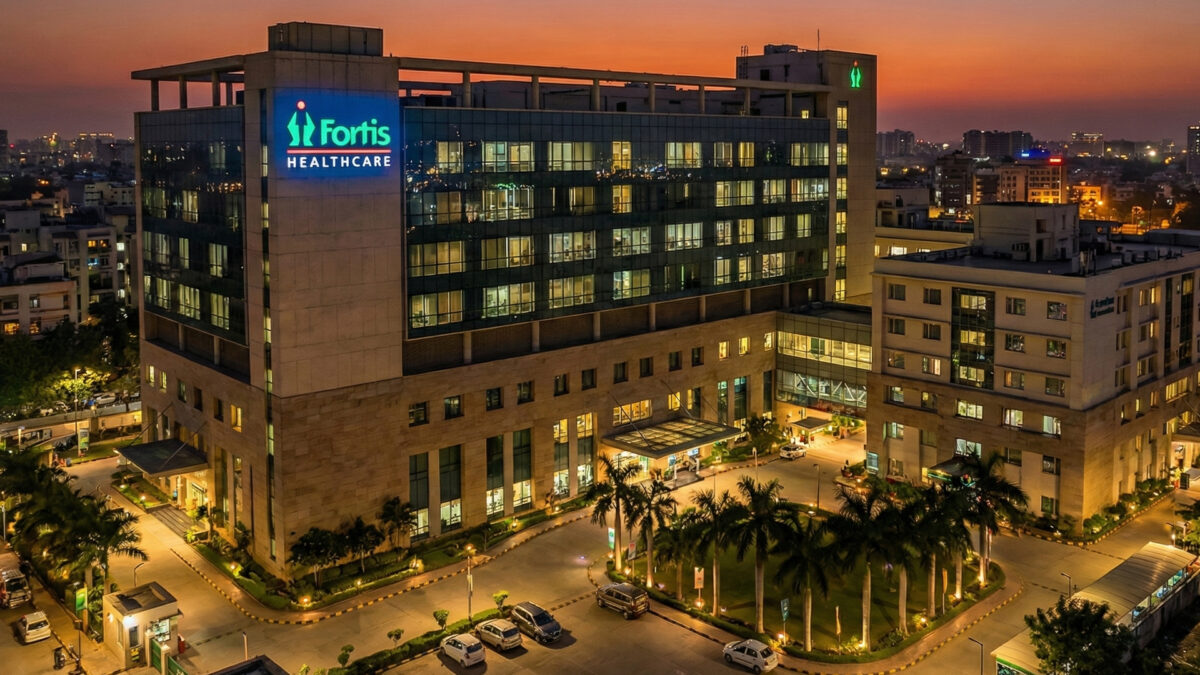
Fortis Healthcare to acquire Bengaluru’s People Tree Hospital for ₹430 cr
Fortis Healthcare has announced that it will acquire People Tree Hospital in Bengaluru for ₹430 crore. The purchase will be made through its wholly owned subsidiary, International Hospital Limited, which will take full ownership of TMI Healthcare Private Limited, the company that runs the hospital.

People Tree Hospital is a 125-bed, multi-specialty hospital located in Yeshwanthpur, Bengaluru. It is accredited by the National Accreditation Board for Hospitals (NABH) and offers treatment in areas such as heart care, orthopaedics, brain and nerve care, kidney treatment, gastroenterology and critical care. The hospital reported revenue of about ₹74 crore in the last financial year.

The deal includes the hospital building, the land on which it stands and an additional nearby land parcel. This extra land will allow Fortis to expand the hospital in the future. Fortis plans to invest around ₹410 crore over the next three years to upgrade the facility. This money will be used to add more beds, improve medical equipment and introduce new services, including radiation therapy for cancer care. After expansion, the hospital is expected to have more than 300 beds.

Fortis said the acquisition is part of its plan to strengthen its presence in key cities. Bengaluru is an important market for the company. At present, Fortis operates seven hospitals in the city, with around 900 beds across owned and managed facilities. With the addition of People Tree Hospital and future investments, Fortis aims to increase its total bed capacity in Bengaluru to over 1,500 beds.

The company believes the deal will help improve patient care by sharing medical expertise and resources across its hospitals in the city. The transaction is expected to be completed by the end of January 2026, after receiving required approvals.

The acquisition highlights Fortis Healthcare’s focus on growing its hospital network and improving access to quality healthcare in fast-growing urban centres.

Also Read: Piramal exits Shriram Life as Sanlam raises stake for ₹600 cr

Categories
Corporate

Nvidia acquires SchedMD, launches open-source Nemotron 3 AI

Nvidia is making a strong push into open-source artificial intelligence by acquiring SchedMD, the company behind the widely used Slurm workload manager, and unveiling a new family of AI models called Nemotron 3. These moves aim to expand access to AI tools for developers, researchers, and enterprises.

SchedMD develops Slurm, an open-source system that manages computing tasks across clusters and supercomputers. Nvidia’s acquisition will integrate Slurm into its AI and high-performance computing systems, but the company has assured users that Slurm will remain open-source and hardware-neutral. This ensures that research institutions and businesses can continue using and customizing the software freely.

Alongside this, Nvidia introduced Nemotron 3, which includes three models: Nano, Super, and Ultra. Nano is designed for efficient execution of smaller tasks, Super supports applications with multiple AI agents, and Ultra handles complex workloads requiring high performance. Nvidia has also released datasets, frameworks, and tools to help developers train, test, and adapt these models.

A key feature of Nemotron 3 is transparency. Nvidia is providing not just the model weights but also training data and the development framework. This openness allows developers to customize the models for different applications and contribute to their improvement.

The Nemotron 3 models are designed to deliver higher accuracy and faster performance while being flexible enough for deployment on cloud platforms and integration with popular open-source environments.

By combining Slurm’s infrastructure with open-source AI models, Nvidia is strengthening its role in the AI ecosystem. The company aims to foster collaboration, innovation, and accessibility, supporting developers and enterprises in building AI applications more efficiently and transparently.

Also Read: Google launches Pixel upgrade program in India

Categories
Corporate

Piramal exits Shriram Life as Sanlam raises stake for ₹600 cr

Piramal Finance Ltd has decided to exit the life insurance business by selling its entire 14.72 per cent stake in Shriram Life Insurance Company to Sanlam Emerging Markets (Mauritius) Ltd for ₹600 crore. The transaction marks a clear strategic shift by Piramal Finance to monetise non-core assets and concentrate on its core lending and financial services operations.

The deal has been signed through a share purchase agreement and is expected to be completed by the quarter ending March 31, 2026, subject to approvals from regulators, including the Insurance Regulatory and Development Authority of India (IRDAI) and other statutory bodies.

Shriram Life Insurance is a joint venture between the Shriram Group and Sanlam, the South Africa-based financial services major. Prior to the transaction, Shriram Capital was the largest shareholder with about 47 per cent stake, while Sanlam Emerging Markets held nearly 23 per cent. With the acquisition of Piramal Finance’s holding, Sanlam’s stake in Shriram Life will increase to around 38 per cent, strengthening its position as a long-term partner in the venture.

Piramal Finance said the divestment is in line with its ongoing efforts to streamline its portfolio and redeploy capital into businesses that offer higher strategic and financial returns. The company has been steadily reducing exposure to investments that are not directly aligned with its primary focus areas.

The insurance venture contributed only marginally to Piramal Finance’s earnings. In the last financial year, dividend income from Shriram Life Insurance accounted for a very small fraction of the company’s overall revenue, reinforcing the decision to exit the business.

For Sanlam, the transaction underlines its confidence in India’s fast-growing life insurance market. With an increased stake, the group is expected to play a more active role in supporting Shriram Life’s growth plans, especially in semi-urban and rural markets where the insurer has a strong distribution network and customer base.

The deal also comes amid rising foreign interest in India’s insurance sector, following regulatory reforms that allow higher foreign direct investment. Analysts say such transactions reflect a broader trend of consolidation and capital realignment in financial services, as companies sharpen their strategic priorities.

Also Read: SAT grants interim relief to Avadhut Sathe Trading Academy

Categories
Corporate

Kingfisher airlines staff get Rs 312 cr dues after 12 years

Former employees of defunct Kingfisher Airlines will finally receive long-pending dues worth about Rs 312 crore, more than 12 years after the airline shut operations in 2012.

The Enforcement Directorate (ED) has released the amount to the official liquidator following an order by the Debts Recovery Tribunal in Chennai.

The funds were recovered from the sale of assets attached during investigations against the airline and its promoter, Vijay Mallya. The payout will cover unpaid salaries, provident fund contributions and other statutory benefits, bringing long-awaited relief to thousands of former staff.

Categories
Corporate

Nike struggles in China as sales slide persists

Nike, one of the world’s leading sportswear brands, is facing growing challenges in China, a market that has long been key to its global growth. For the sixth straight quarter, sales in China have fallen, signaling that the company’s efforts to revive growth are not yet working. Footwear revenue dropped nearly 20%, while online sales fell sharply, by about 36%.

The slowdown comes despite Nike’s attempts to refresh its product lineup and clear out older stock. The company has reduced discounts and promotions to encourage full-price purchases, but this approach has weighed on profit margins.

China now accounts for around 15% of Nike’s total revenue, but the market is becoming increasingly competitive. Local brands such as Anta and Li‑Ning are gaining ground, offering popular and affordable alternatives that are drawing consumers away from international labels like Nike. High tariffs and excess inventory have also put pressure on the company’s profits.

Nike executives have described the Chinese market as complex and dynamic, noting that a clear timeline for a turnaround is not yet visible. Analysts say part of the weak sales is by design, as Nike works to sell slow-moving inventory before new launches. However, they also note that the company will need fresh strategies to regain market share and consumer attention.

The ongoing slowdown has affected investor confidence, with Nike’s share price showing signs of stress this year. The company’s leadership acknowledges that a reset in strategy is required, focusing on better stock management, targeted marketing, and addressing local competition.

As Nike navigates this difficult period, the coming months will be critical in determining whether the brand can stabilize its performance in China, restore growth, and compete effectively against rising domestic competitors.

Also Read: Trump strikes drug price deal with 9 pharma giants

Categories
Corporate

Trump strikes drug price deal with 9 pharma giants

On December 19, 2025, US President Donald Trump announced landmark agreements with nine leading pharmaceutical companies to reduce the cost of prescription medicines in the United States. The companies involved include Amgen, Boehringer Ingelheim, Bristol Myers Squibb, Genentech (Roche), Gilead Sciences, GSK, Merck, Novartis, and Sanofi.

Under these deals, participating companies have agreed to lower prices for drugs purchased under Medicaid and for patients paying out of pocket, bringing US prices closer to those in other wealthy nations. The agreements also introduce “most‑favoured‑nation” pricing, ensuring new medicines sold in the US will not be priced higher than in comparable countries.

As part of the initiative, the administration plans to launch TrumpRx.gov in January 2026, an online platform that will allow patients to access discounted drugs directly from manufacturers. The platform targets individuals without insurance or those facing high out-of-pocket costs, offering a more affordable route to essential medications.

Some companies have also pledged additional support. For instance, Bristol Myers Squibb will provide its widely used blood thinner, Eliquis, for free to Medicaid recipients. Others will donate raw materials and emergency medical supplies to a national reserve.

In exchange for these concessions, the pharmaceutical firms receive a three-year exemption from potential new tariffs that had previously been under consideration. The Trump administration describes these agreements as a major step toward tackling the high cost of medicines in the US, which historically remains higher than in most other developed nations.

However, experts have cautioned that while these deals may lower costs for some patients, especially the uninsured or low-income, the majority of Americans with standard health insurance may see limited immediate savings.

This move follows earlier agreements earlier in 2025 with Pfizer, AstraZeneca, Eli Lilly, and Novo Nordisk, reflecting a broader strategy by the administration to negotiate drug prices directly with manufacturers rather than imposing strict price controls.

With TrumpRx.gov and these pricing deals, the administration aims to make prescription drugs more affordable and accessible, signaling a major policy push on one of the US’s most pressing healthcare issues.

Also Read: Indian Pharma stocks up 5% after US Biosecure Act

Categories
Corporate

SAT grants interim relief to Avadhut Sathe Trading Academy

The Securities Appellate Tribunal (SAT) has granted interim relief to Avadhut Sathe Trading Academy Private Limited and its promoters, Avadhut Sathe and Gauri Avadhut Sathe, in a case challenging an interim order passed by the Securities and Exchange Board of India (SEBI). The tribunal has allowed the academy to withdraw limited funds for essential expenses and fixed the next hearing for January 9, 2026.

SEBI, in its interim order issued earlier this month, had impounded ₹546 crore and barred the academy and its promoters from accessing the securities market. The market regulator alleged that the academy was effectively providing unregistered investment advisory and research analyst services while presenting itself as a stock market education and training platform. SEBI also directed banks to freeze the accounts of the academy and its promoters.

Challenging the order before SAT, the academy argued that the action was passed without giving it a prior hearing and had severely disrupted its operations. During the hearing, the tribunal considered the academy’s request to release funds to meet routine operational costs, including salaries, rent, and other basic expenses.

SAT allowed the withdrawal of up to ₹2.25 crore from the frozen accounts for one month to meet essential expenses. The tribunal, however, did not accept the academy’s higher request for funds, noting objections raised over expenses such as advertising and large seminar-related costs, which were not considered critical at this stage.

The tribunal has asked SEBI to file its detailed response to the appeal within six weeks. Until the next hearing, the interim directions of SEBI will continue to remain in force, except for the limited relief granted for operational expenses.

SEBI has maintained that its order was based on evidence gathered during investigations, including searches conducted earlier this year. The regulator has claimed that the academy made misleading claims about trading success and engaged in activities that fall under regulated investment advisory services without proper registration.

The case has drawn attention to the regulatory scrutiny of stock market training platforms and the fine line between education and investment advice. The outcome of the January hearing is expected to be closely watched, as it could have wider implications for similar entities operating in the financial education space.

Also Read: TikTok US joint venture limits ByteDance stake