Categories
Corporate

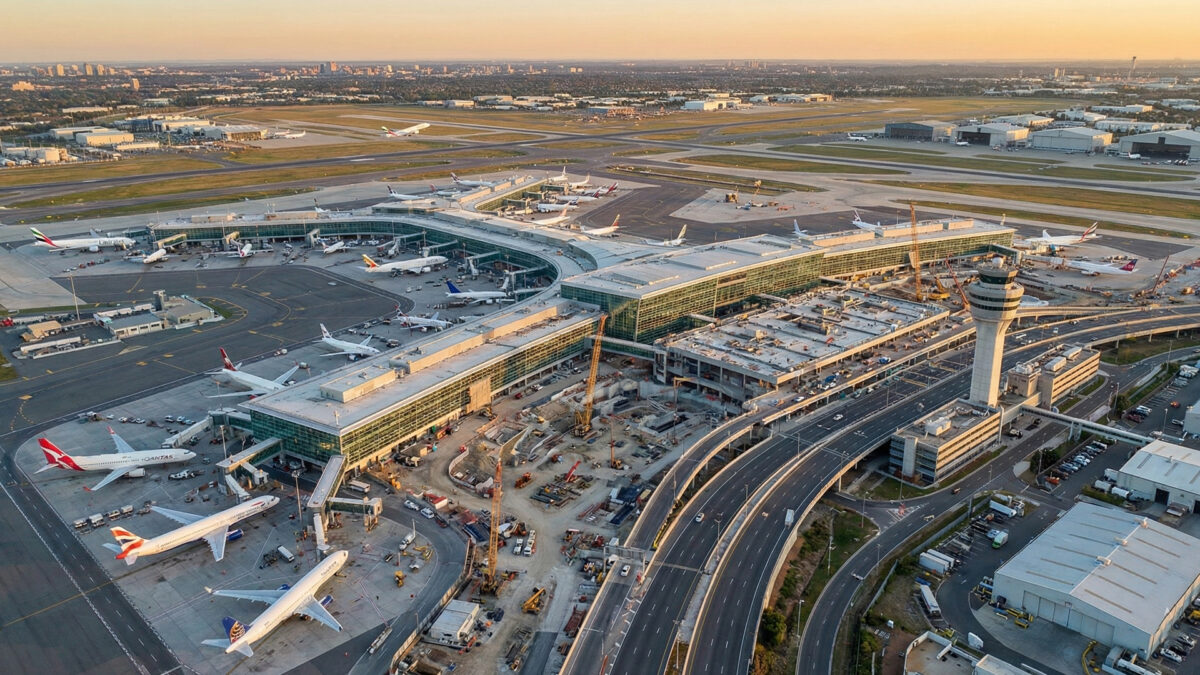
Adani Airports to invest $11 billion, eye 11 new airports

Adani Group is set to expand its airports business with an investment of $11 billion (around ₹1 lakh crore) over the next five years. The money will be used to improve existing airports, build new terminals, runways, and provide better services for passengers.

Adani Airports already runs seven airports in India, including Mumbai and Ahmedabad, and is preparing to start operations at Navi Mumbai International Airport soon.

The group plans to bid for 11 airports that the government will lease to private operators in the next round of privatisation. The aim is to grow its presence in India’s fast-growing air travel market.

On the financial side, Adani Airports is considering bringing in a partner before its initial public offering (IPO), likely around 2028. The company is already making profits from operations but needs more investment to continue expanding.

The group confirmed it does not plan to start an airline, focusing instead on airport infrastructure, maintenance, and passenger services.

With this expansion, Adani Airports aims to strengthen its position as one of India’s largest airport operators, ready to meet the growing demand for air travel.

Also Read: Vodafone Idea shares up 4% on Rs 3,300 cr fundraise
Categories
Corporate

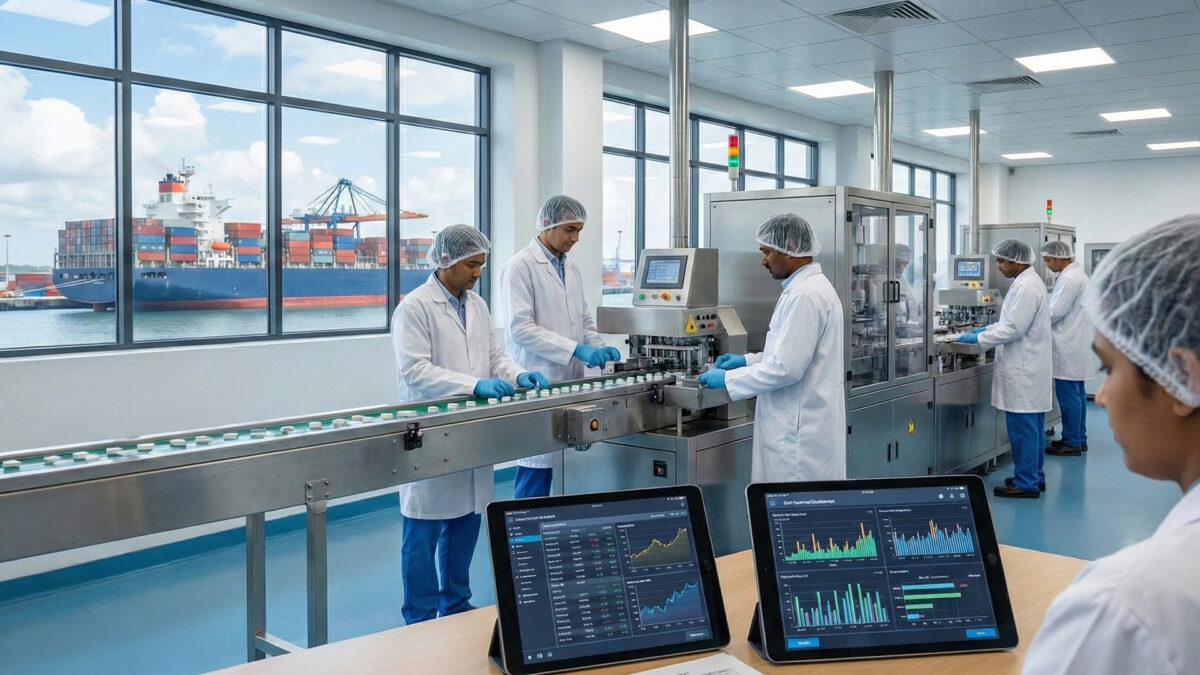
Indian Pharma stocks up 5% after US Biosecure Act

Indian pharmaceutical stocks rose sharply on Friday after the US Senate passed the Biosecure Act, part of the 2026 National Defense Authorization Act (NDAA). The new law aims to make the US biotechnology and pharmaceutical supply chains safer by limiting the use of equipment and services from companies linked to countries of concern, especially China.

The legislation bars US federal agencies from buying or contracting biotech products from companies considered risky. Experts believe this will shift demand toward trusted global suppliers, creating opportunities for Indian drugmakers and contract development and manufacturing organisations (CDMOs).

Following the news, Wockhardt emerged as the top gainer, with shares jumping nearly 5%. Laurus Labs and Divi’s Laboratories also saw significant increases. Other companies, including Ajanta Pharma, Biocon, Piramal Pharma, Aurobindo Pharma, and Cipla, recorded smaller gains. The Nifty Pharma index moved higher during mid‑day trading.

Analysts said Indian pharmaceutical companies could benefit as global buyers look for alternatives to Chinese suppliers. India’s CDMOs and generic drug manufacturers have established international approvals and large-scale manufacturing capacity, making them ideal partners for overseas contracts.

The Biosecure Act received strong bipartisan support in the US Senate, passing with 77 votes in favour and 20 against. It now goes to the White House for the president’s approval. While the full impact may take time, industry watchers expect Indian pharma exports to see steady growth as supply chains adjust.

Investors see this as a positive step for India’s pharmaceutical sector, which has long been a major player in global generics and contract manufacturing. The rally highlights confidence that new US rules could open more export opportunities and strengthen India’s role in international biotech and pharma markets.

The development is also part of a broader global trend toward more secure and diversified supply chains. For Indian companies, the Biosecure Act could mark a significant boost in overseas demand over the coming years.

Also Read: Ukraine to receive €90B EU loan, Russian assets omitted

Categories
Corporate

Nifty tops 25,900, Sensex up 448 points, ending 4-day slump

The stock markets rebounded on Friday, breaking a four-day losing streak, as investors were encouraged by positive global cues. The Sensex ended the session at 91,845, up 448 points, while the Nifty50 rose to 25,915, signaling renewed confidence among market participants.

Broad-based buying lifted both midcap and smallcap stocks. Leading sectors included auto, pharma, oil & gas, realty, telecom, and healthcare, each gaining roughly 0.5–1 percent. The recovery was supported by strong technical indicators and optimism in global markets.

Among individual stocks, Shriram Finance, Max Healthcare, Bharat Electronics, Power Grid Corporation, and Tata Motors Passenger Vehicles were the top gainers, helping the indices recover. On the other hand, HCL Technologies, Adani Enterprises, Hindalco, JSW Steel, and Kotak Mahindra Bank were the biggest laggards, pulling down some of the market momentum.

GIFT Nifty, which provides an early indicator for Indian markets, suggested a positive start ahead of the session, reflecting optimism from US and Asian markets. Positive trends in global equities, along with steady buying in domestic sectors, contributed to the strong finish.

Market analysts said the rally was driven by a combination of technical support levels being tested successfully and a pick-up in investor sentiment after the recent correction. They also noted that sector-specific gains, particularly in pharma and auto, helped strengthen the overall market.

Also Read: Sensex up 460 Points, Nifty near 26,000 as markets open firm

Categories
Corporate

Vodafone Idea shares up 4% on Rs 3,300 cr fundraise

Vodafone Idea shares gained nearly 4 percent in trade after its subsidiary raised Rs 3,300 crore through Non-Convertible Debentures (NCDs), signalling improved market confidence in the telecom operator.

The fundraise was carried out by Vodafone Idea Telecom Infrastructure Limited, a wholly owned arm of the company. The NCDs, which are unlisted, unsecured and unrated, saw strong demand from institutional investors, including NBFCs, alternative investment funds and foreign investors, indicating healthy appetite despite the company’s financial challenges.

According to regulatory disclosures, the money raised will be used by the subsidiary to meet its payment obligations to Vodafone Idea, helping the parent company strengthen liquidity. The improved cash position is expected to support capital expenditure and network expansion, which remain critical for improving service quality and competitiveness.

Market participants view the successful bond issue as a positive step in Vodafone Idea’s ongoing efforts to stabilise operations and strengthen its balance sheet, leading to renewed buying interest in the stock.

Also Read: Reliance Consumer acquires majority stake in Udhaiyams Agro Foods

Categories
Corporate

Reliance Consumer acquires majority stake in Udhaiyams Agro Foods

Reliance Consumer Products Ltd (RCPL), the FMCG division of Reliance Industries, has bought a majority stake in Udhaiyams Agro Foods, a well-known Chennai-based food company. The acquisition, completed on 18 December 2025, is aimed at strengthening Reliance’s presence in India’s packaged food and nutrition market.

Udhaiyams has been in the business for over 30 years and is recognized for staples, pulses, ready-to-cook breakfast mixes, snacks, and spices. The brand enjoys strong loyalty in Tamil Nadu and neighboring states, supported by a robust regional distribution network. With this deal, RCPL now owns more than 70% of the company, while the original promoters, S. Sudhakar and S. Dinakar, retain a minority stake and will continue managing operations.

The move is part of Reliance Consumer’s broader strategy to grow its branded staples portfolio and compete with established players like Tata Consumer Products, MTR, and iD Fresh Foods. By acquiring Udhaiyams, the company plans to bring a popular regional brand to a national audience, offering traditional Indian food products at high quality and affordable prices.

T. Krishnakumar, Director at RCPL, called Udhaiyams “a household name in Tamil Nadu” and said the partnership will help expand its reach and strengthen RCPL’s overall FMCG portfolio.

Industry experts see this acquisition as part of a wider consolidation trend in India’s consumer sector, where large companies are investing in regional and heritage brands to tap into local loyalty and scale operations nationally.

With Reliance’s backing, Udhaiyams is expected to grow beyond South India, leveraging RCPL’s distribution network and resources to reach new markets while preserving its legacy and regional identity.

Also Read: Coursera, Udemy merge to create $2.5B global learning hub

Categories
Corporate

Coursera, Udemy merge to create $2.5B global learning hub

Coursera and Udemy, two of the world’s leading online learning platforms, are joining forces in a $2.5 billion all‑stock merger. The deal, approved by both companies’ boards, is expected to close in the second half of 2026, once regulatory and shareholder approvals are in place.

Under the agreement, Udemy shareholders will receive 0.8 Coursera shares for each Udemy share. After the merger, Coursera investors will own about 59 percent of the combined company, while Udemy shareholders will hold 41 percent. The merged platform will operate under the Coursera name and remain headquartered in Mountain View, California. Coursera CEO Greg Hart will lead the new entity, with co‑founder Andrew Ng continuing as Chairman.

The merger aims to address the growing global demand for AI‑driven skills. Coursera brings university-backed programs and enterprise credentials, while Udemy adds a wide range of instructor-led courses and flexible learning options. Together, they hope to create a comprehensive platform that serves learners, educators, and organizations worldwide.

The companies expect the combined entity to generate over $1.5 billion in annual revenue and achieve $115 million in cost savings within two years. They also plan to accelerate AI-focused courses and personalised learning experiences, helping students and professionals stay ahead in a rapidly changing job market.

Leaders say the merger will offer more opportunities for learners and businesses while positioning the platform as a global leader in online education. The deal reflects the trend of consolidation in the education tech sector as companies aim to meet the evolving needs of the workforce.

Also Read: Accenture sees 6% revenue rise on strong AI demand

Categories
Corporate

$4.5B MUFG deal could redefine Shriram Finance future

Shriram Finance Ltd., a leading Indian non‑banking financial company, is in the spotlight as talks advance with Japan’s Mitsubishi UFJ Financial Group (MUFG) for a significant investment. The NBFC has scheduled a press conference on 22 December 2025 to update investors and the public on its strategic plans amid market speculation about the deal.

Reports suggest MUFG is considering acquiring a 20% stake in Shriram Finance through a capital infusion of around $4.45–5 billion, one of the largest foreign investments in India’s financial sector in recent years. This investment could value the company at $22–25 billion, signalling strong international confidence in India’s growing retail and consumer finance market.

The proposed deal is expected to boost Shriram Finance’s capital base, enabling it to expand its lending operations, strengthen its financial stability, and explore new growth avenues. Market watchers say the partnership could also help the NBFC deepen relationships with global financial institutions.

Ahead of the press conference, Shriram Finance’s board will meet on 19 December to consider the MUFG investment along with other fundraising options like rights issues or preferential share allotments. However, the company has emphasised that no binding agreement has been signed yet. Regulatory filings confirm that any material developments will be disclosed to the stock exchanges in line with SEBI norms.

Investor interest has surged in the company’s shares, reflecting optimism about the potential investment. Analysts see MUFG’s move as a major endorsement of Shriram Finance’s business model and India’s credit growth story.

While the final deal remains tentative, the upcoming board meeting and press conference are expected to provide clarity. The financial world is closely watching, as this investment could mark a milestone for foreign participation in India’s NBFC sector, combining growth potential with international expertise.

Also Read: Jared Isaacman named NASA Chief

Categories
Corporate

Accenture sees 6% revenue rise on strong AI demand

Accenture reported stronger-than-expected revenue for the first quarter of its 2026 financial year, driven by high demand for AI-related services and broader digital transformation projects.

The global IT consulting firm posted $18.74 billion in revenue for the quarter ended November 30, 2025, beating analysts’ estimate of $18.52 billion and marking roughly 6 percent growth from last year. The results were at the top end of the company’s guided range, which forecast local-currency growth of 1 percent to 5 percent.

The performance reflects continued enterprise spending on technology, especially AI solutions that help businesses automate tasks and improve efficiency. New client bookings rose about 10 percent in local currency to $20.9 billion, including 33 contracts over $100 million each. Advanced AI bookings alone reached $2.2 billion, nearly double the same period last year.

CEO Julie Sweet said the results confirm Accenture’s strategy of helping clients scale digital and AI capabilities. As AI demand matures beyond pilots, integrating it into broader services highlights its growing importance in the company’s growth strategy.

Despite the strong AI growth, Accenture said it will stop separate reporting of AI revenue and bookings. The company explained that AI is now integrated across most client projects, making standalone reporting less meaningful. This shows how central generative and advanced AI has become in its consulting and managed services.

Accenture also exceeded its own operating margin guidance, closing the quarter with around a 17 percent margin compared with projections of 15.7 percent to 15.9 percent. The company maintained its full-year local-currency revenue growth forecast of 2 percent to 5 percent and expects second-quarter revenue between $17.3 billion and $18 billion.

Also Read: $4.5B MUFG deal could redefine Shriram Finance future

Categories
Corporate

The Bank of Japan raises rates to 30-year high

The Bank of Japan (BoJ) raised its key short-term interest rate by 25 basis points to 0.75 percent on Friday, the highest level in 30 years. This marks a major shift from decades of ultra-low and negative rates, a policy aimed at stimulating growth and fighting deflation. The decision was unanimous and widely anticipated by markets.

Japan has been grappling with persistent inflation. Core consumer prices recently hovered around 3 percent, above the BoJ’s long-standing 2 percent target. The rate hike is part of an effort to normalize monetary policy while ensuring that inflation remains under control.

BoJ Governor Kazuo Ueda said the central bank will make future decisions based on economic data, including activity, prices, and financial stability. He added that even with the current increase, real interest rates are still negative, leaving room for further adjustments if needed.

Financial markets reacted quickly. The Japanese yen weakened against the US dollar, while Japan’s stock market, the Nikkei 225, maintained its gains. Government bond yields rose, reflecting expectations of continued tightening. Global bond markets, particularly in Europe, also saw modest increases in yields.

Investors worldwide are closely watching the BoJ’s move. Higher Japanese rates could make the “yen carry trade” less attractive. This trade, where investors borrow yen at low rates to invest in higher-yielding overseas assets, has been a key factor in global currency flows. A reduction in carry trades may create more volatility in foreign exchange and financial markets.

The BoJ’s decision highlights the challenges of balancing inflation control with economic growth in Japan, an economy facing structural pressures like a shrinking workforce. Analysts expect the central bank to monitor upcoming economic data carefully to determine the pace of future rate hikes.

This historic decision signals that Japan is moving toward a more conventional monetary stance, ending an era of ultra-cheap money that has defined the country’s economic policy for decades. Markets and policymakers globally will watch closely for any ripple effects in currencies, investment flows, and borrowing costs.

Also Read: Vodafone Idea shares up 4% on Rs 3,300 cr fundraise

Categories
Corporate

Sensex up 460 Points, Nifty near 26,000 as markets open firm

The Nifty 50 hovered near the 26,000 mark in early trade, while the Sensex climbed about 460 points, as Indian equities began the December 19 session on a firm note supported by positive global cues.

Market sentiment improved after overseas markets moved higher, supported by easing concerns over interest rates following encouraging economic data from the United States. Asian markets also traded in the green, helping lift domestic investor confidence.

On the stock-specific front, Ola Electric Mobility and Atul were among the top gainers, posting sharp early gains. Heavyweights such as Bharti Airtel and Reliance Industries also traded higher, supporting the benchmark indices. Midcap and smallcap stocks saw modest buying interest, pointing to broader market participation.

Meanwhile, ONGC, Mahindra & Mahindra, Cipla, Eicher Motors, and JSW Steel were among the stocks trading lower, limiting further upside in the indices.

Overall, positive global signals and easing inflation concerns helped Indian markets begin the day on a firm footing, with investors cautiously optimistic about near-term trends.

Also Read: Sensex slips 78 points, Nifty ends flat