Categories
Beyond

Gold up ₹1,070, Silver jumps ₹1,900

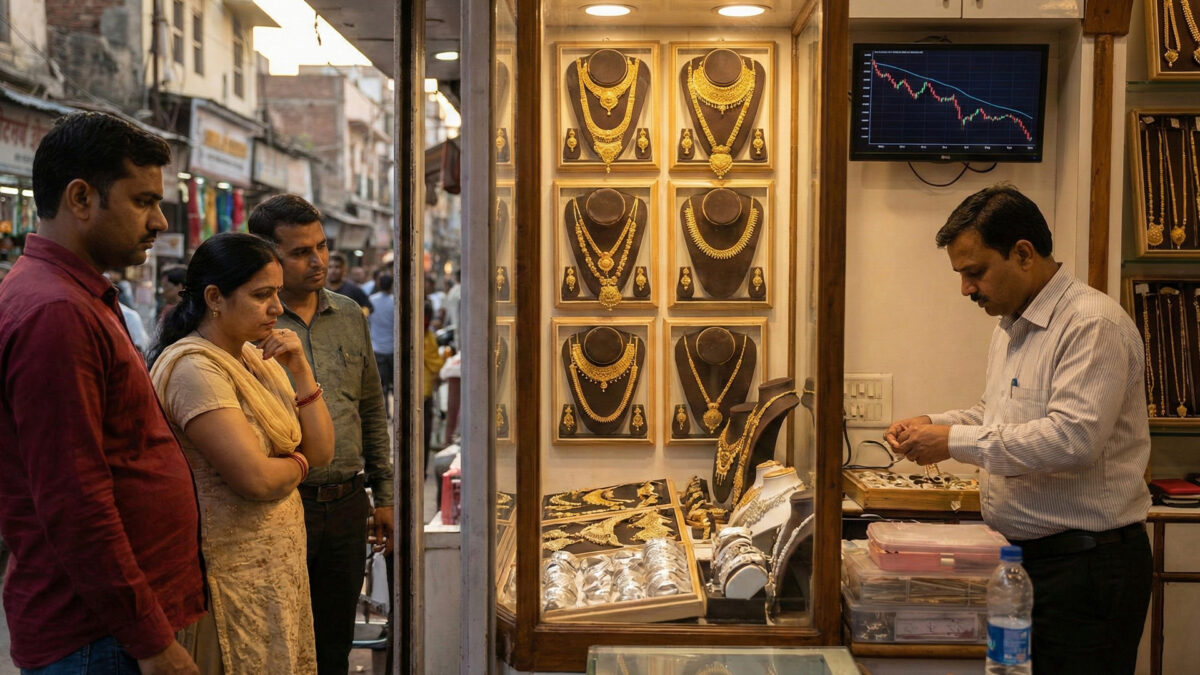
Gold and silver prices in India rose sharply on Tuesday as global markets increasingly bet on a possible US Federal Reserve rate cut in December. On the Multi Commodity Exchange (MCX), gold futures gained about ₹1,070 to reach ₹1,24,924 per 10 grams, marking a strong upward move. Silver futures also surged, rising nearly ₹1,900 to about ₹1,56,380 per kilogram.

In the international market, spot gold slipped slightly after a strong rally the previous day, but overall sentiment remains positive. A firm U.S. dollar, currently near six-month highs, acted as a mild drag, yet investors continued to show preference for precious metals on expectations of lower interest rates ahead.

Investor confidence in a December rate cut has strengthened significantly. Market indicators now reflect an estimated 81% probability of the Federal Reserve trimming rates, up from about 40% just a week earlier. Lower interest rates typically boost demand for gold, as they reduce the opportunity cost of holding non-yielding assets.

However, some US Federal Reserve officials remain cautious. A few policymakers have suggested that it may be premature to ease monetary policy, warning that cutting rates too soon could pose risks to economic stability.

In India’s physical bullion market, prices also moved higher across major cities. In Delhi, 22-carat gold is trading around ₹93,176 per 8 grams, while 24-carat gold is priced at roughly ₹1,00,224 per 8 grams. Mumbai, Chennai and Hyderabad reported similar firming in rates.

Also Read: Sensex up 110 pts, Nifty nears 26,000
Categories
Beyond

India’s GDP to grow 6.5% in FY26

India’s economy is on track for a healthy growth of 6.5% in the next fiscal year (FY26), according to ratings agency S&P Global, which expects growth to rise slightly to 6.7% in FY27. The agency says a mix of government policies, strong household demand, and a good monsoon are helping keep the economy on a steady path.

S&P highlighted that recent tax relief has given middle-class households more money to spend. The government raised the income tax rebate ceiling from ₹7 lakh to ₹12 lakh, freeing up roughly ₹1 lakh crore in extra spending power. Along with cuts in GST on many goods and a lower interest rate, these steps are encouraging people to buy more and businesses to invest.

The monsoon has also helped, boosting farm incomes and rural spending, which are important for the broader economy. At the same time, inflation is expected to stay low, around 3.2%, meaning people’s money retains its value, supporting further consumption.

While domestic demand is strong, S&P warns that India faces challenges from global trade uncertainties. Rising U.S. tariffs and slow demand from some major economies could affect Indian exporters. Companies that rely heavily on foreign markets might feel the impact if global conditions don’t improve.

S&P also noted that, to maintain long-term growth, India needs to revive investment in infrastructure and industry. Trade deals with major economies, especially the U.S., could help by attracting investment and creating jobs in sectors that export goods and services.

Overall, S&P’s outlook paints a positive picture of India’s economy. Growth is being driven mainly by people spending more at home, supported by government policies and favorable weather. But experts say that keeping the momentum will require a balance between domestic demand and global competitiveness.

Also Read: Apple, Amazon, Meta oppose Jio-Vi 6 GHz auction

Categories
Beyond

Gold dips to ₹1.23 lakh, Silver falls to ₹1.51 lakh

Gold and silver prices in India softened at the start of the week, reflecting a shift in market sentiment as investors grew doubtful about the chances of a policy rate cut in the upcoming RBI meeting. After several weeks of steady gains, bullion prices showed a mild pullback, signalling a more cautious mood among traders.

In the domestic market, 24-carat gold was quoted at around ₹1,23,146 per 10 grams for 999 purity in the evening trade on November 21. The metal had touched its recent peak earlier in the month, climbing to ₹1,26,554 per 10 grams on November 13, before gradually cooling. The latest decline suggests that buyers are now waiting for clearer cues from the central bank on whether monetary conditions will ease next month. A rate cut typically boosts gold demand by lowering opportunity costs, but the fading likelihood of such a move has slowed retail and wholesale interest.

Globally, the sentiment was also muted. Gold prices in the international spot market hovered close to US$4,056 per ounce, slipping slightly from the previous session. This global softness added to the downward pressure seen in domestic benchmarks.

Silver followed a similar direction but showed a sharper drop. Widely used in both industry and jewellery, silver was priced at ₹1,51,129 per kilogram for 999 purity in the evening session on November 21. This marked a significant fall from the afternoon price, where it traded near ₹1,55,840 per kilogram, indicating nearly a 2% decline within hours. In the global market, silver was trading just above US$50 per ounce, staying relatively subdued.

The combined movement of gold and silver highlights how sensitive bullion markets have become to policy expectations. With inflation still being watched closely and global monetary trends shifting, traders appear unwilling to take aggressive positions until the RBI clarifies its stance.

Also Read: Sensex rises 100 points, Nifty tops 26,100

Categories
Beyond

RBI, ECB to link UPI with Europe’s instant payments

India’s Reserve Bank (RBI) is teaming up with the European Central Bank (ECB) to connect the country’s Unified Payments Interface (UPI) with Europe’s instant payment system, TARGET Instant Payment Settlement (TIPS). The partnership aims to make sending money between India and the euro‑zone quicker, cheaper, and more convenient.

The project is being implemented through NPCI International Payments Ltd (NIPL), the global arm of India’s National Payments Corporation (NPCI). Once operational, the link will benefit Indian travellers, exporters, fintech companies, and businesses by streamlining international payments and reducing transaction costs.

The initiative is part of a wider global push, backed by the G20, to make cross‑border payments faster, more transparent, and affordable. India has already extended UPI to countries like Singapore and is now exploring Europe as the next major market for its digital payments network.

Officials say that technical integration, settlement arrangements, and risk management systems are still being finalised. The rollout will be phased, ensuring compliance with regulatory, currency conversion, and cross-border payment rules.

Also Read: Rupee hits record low above ₹89

Categories
Beyond

Rupee hits record low above ₹89

he Indian rupee tumbled past ₹89 against the US dollar on Friday, marking its lowest level ever and recording the steepest single-day fall since May.

Market watchers point to several factors driving the slide. A strong dollar, fueled by upbeat US economic data and diminishing chances of a Fed rate cut, has put pressure on emerging-market currencies. US sanctions on certain Indian firms involved in Iranian oil transactions have further spooked investors.

Domestically, a widening trade deficit, slowing exports, and surging imports, especially gold, are straining the currency. Foreign capital outflows, with investors pulling billions from Indian equities this year, have compounded the weakness.

Analysts expect the rupee could test ₹90 or higher if these pressures continue. The Reserve Bank of India intervened after the ₹89 threshold was breached, though its governor reiterated there is no fixed target for the rupee.

For businesses, a weaker rupee raises import costs, especially for oil, machinery, and technology, while exporters face a mixed picture due to global demand constraints. Consumers may also feel the impact as imported goods, overseas travel, and dollar-denominated payments become costlier.

The rupee’s historic slide highlights India’s exposure to global market volatility and domestic trade pressures. Without a shift in these dynamics, analysts warn the currency could remain under pressure in the near term, keeping businesses and markets on alert.

Also Read: Centre reshuffles top bureaucrats across key ministries

Categories
Beyond

Centre reshuffles top bureaucrats across key ministries

The central government has carried out a major reshuffle of top bureaucrats, shifting several senior officers to key ministries.

Amit Agrawal, a 1993‑batch IAS officer of the Chhattisgarh cadre, has been appointed Secretary of the Department of Telecommunications (DoT). He was previously Secretary of the Department of Pharmaceuticals and has held important roles, including leading the Unique Identification Authority of India (UIDAI) and serving in the Ministry of Electronics & IT. Agrawal’s appointment comes at a critical time as India pushes to expand telecom networks, strengthen regulatory frameworks, and promote indigenous technology.

Neeraj Mittal, 1992‑batch IAS officer (Tamil Nadu cadre), who has been leading the telecom department since September 2023, will now serve as Secretary of the Ministry of Petroleum & Natural Gas (MoPNG). During his tenure at DoT, he oversaw major initiatives such as the rollout of around 1 lakh 4G sites by BSNL and efforts to develop India’s homegrown telecom technology stack.

Other notable changes include Manoj Joshi taking over the Department of Pharmaceuticals, V. Vidyavathi moving from Tourism to the Department of Empowerment of Persons with Disabilities, and Srivatsa Krishna becoming the new Tourism Secretary. Atish Chandra will become Secretary of Agriculture & Farmers Welfare from February 2026, and Sunil Paliwal has been appointed Chairman of the Inland Waterways Authority of India with Secretary-level rank.

The reshuffle aims to place experienced officers in crucial ministries to strengthen governance, accelerate policy implementation, and support India’s priority sectors, including telecom, energy, health, and infrastructure.

Also Read: Microsoft AI chief flags risks of superintelligence

Categories
Beyond

Sensex slips 401 points, Nifty ends at 26,068

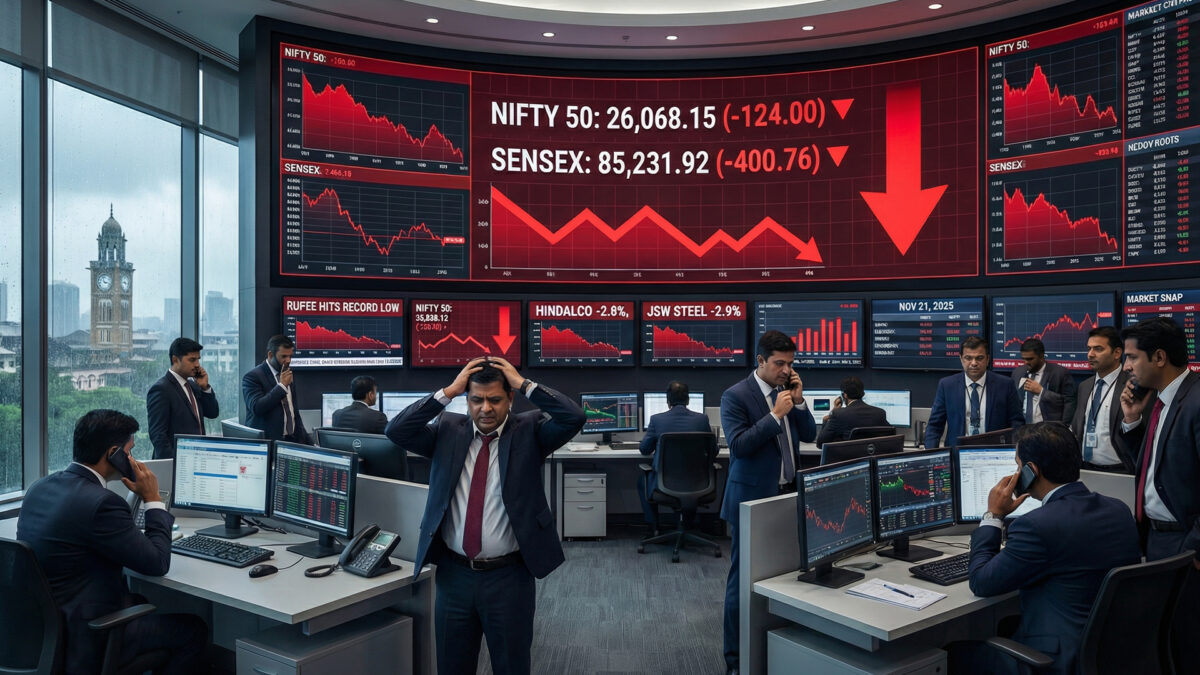
The Indian stock market ended Friday’s session in the red, with the Sensex falling 400.76 points to 85,231.92 and the Nifty 50 declining 124 points to 26,068.15, as investors booked profits near record levels and global cues turned weak.

The biggest support for the Nifty came from autos and FMCG, with Maruti Suzuki, Tata Consumer Products, Max Healthcare, Mahindra & Mahindra, and IndiGo emerging as the day’s top gainers, posting modest but steady rises. However, their gains were overshadowed by sharp losses in metals and financials. JSW Steel, Hindalco, and Tata Steel were among the worst performers, each dropping over 2–3%, while heavyweight names like Bajaj Finance and HCL Technologies also ended with notable cuts, contributing to the benchmark’s decline.

With metal, realty, and PSU bank indices slipping the most, analysts said the market’s pullback reflects a healthy breather after recent highs. Global rate-cut uncertainty and a softer rupee also added to the cautious mood.

Also Read: Sensex falls 300 points, Nifty slips below 26,100

Categories
Beyond

India aims to match US in chipmaking by 2032

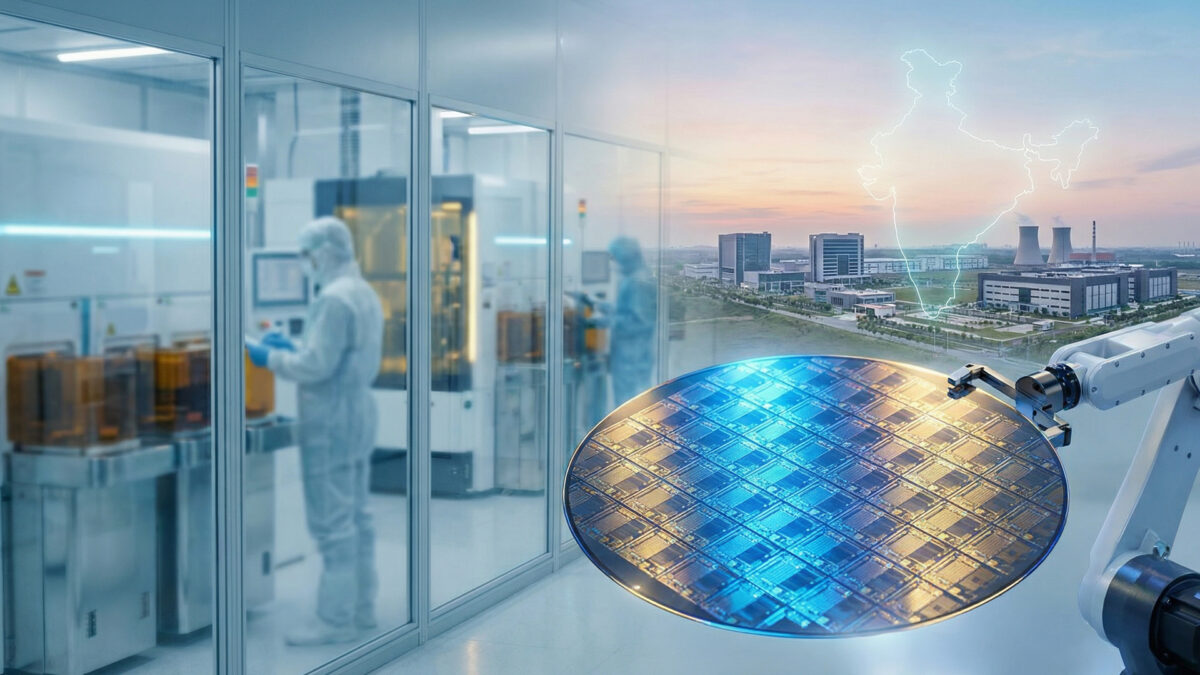
Union Minister Ashwini Vaishnaw has said that India’s semiconductor industry will be on par with the United States by 2031–2032, supported by the government’s $10-billion chipmaking incentive programme.

Speaking about the progress made in the past three years, the minister said India has created the essential foundation for a complete semiconductor ecosystem. This includes manufacturing facilities, advanced packaging units, testing centres and growing capabilities in chip design.

Vaishnaw said three semiconductor plants approved by the government are on track to begin commercial production early next year. Global and domestic companies such as Micron Technology and the Tata Group are already setting up major facilities in the country.

According to the minister, India’s strengths lie in its large engineering talent pool and rapidly developing design expertise. He described the global chip competition as a “fair race” and said India is now moving at the right pace to catch up with leading nations.

He added that the worldwide push for “digital sovereignty”, where countries aim to control their own technology supply chains, further supports India’s long-term semiconductor goals.

Also Read: NHAI opens public investment route for national highways

Categories
Beyond

NHAI opens public investment route for national highways

The National Highways Authority of India (NHAI) has taken a major step to involve ordinary citizens in the country’s road-building story. It has launched a new company called Raajmarg Infra Investment Managers Pvt Ltd (RIIMPL), which will run a fresh public investment platform known as the Raajmarg Infra Investment Trust (RIIT).

This means that for the first time, people who use highways every day can also invest in them,  just like buying units of a mutual fund  and earn returns from toll revenues.

To guide this new initiative, some of India’s biggest financial institutions have joined hands. The list includes State Bank of India, Punjab National Bank, HDFC Bank, ICICI Bank, Axis Bank, IndusInd Bank, Yes Bank, NaBFID, and Bajaj Finserv Ventures. Together, they will help NHAI run this trust professionally and transparently.

NHAI’s Finance Member, NRVVMK Rajendra Kumar, has been appointed as the Managing Director and CEO of RIIMPL, reflecting the agency’s commitment to strong leadership from day one.

NHAI’s chairman, Santosh Kumar Yadav, described this as a natural next step in India’s road monetisation journey. Over the years, NHAI has developed a reputation for successfully converting highway assets into long-term revenue streams. It has already monetised assets worth nearly ₹49,000 crore through the toll-operate-transfer model and raised about ₹43,600 crore through private InvITs.

Now, with RIIT, a similar opportunity is being opened up for the public. NHAI plans to place around 1,500 km of fully built, operational national highways into this trust over the next three to five years. Since these roads are already generating toll income, the InvIT offers a stable investment option for retail buyers.

RIIMPL will run the trust according to strict SEBI InvIT regulations, ensuring transparency, accountability, and investor protection at every step.

If everything goes according to plan, the first public issue of units is expected in February 2026, allowing everyday investors, not just large funds, to buy a piece of India’s highway network.

Also Read: US removes 200+ food tariffs, India, Brazil gain big

Categories
Beyond

US removes 200+ food tariffs, India, Brazil gain big

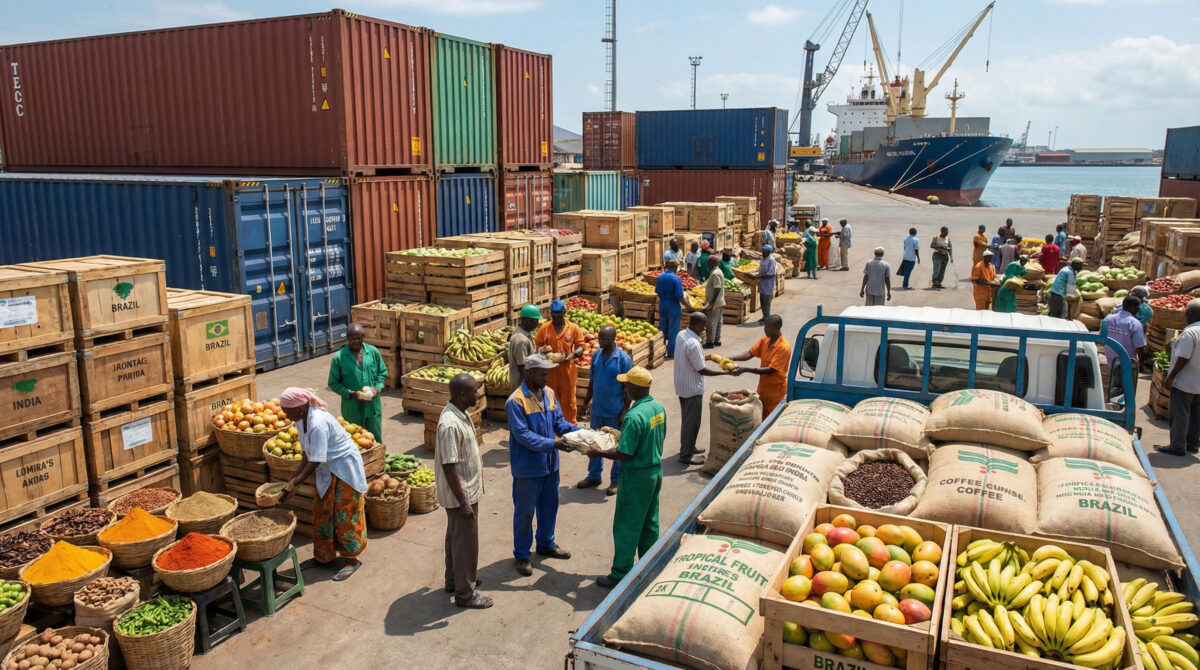
The US has lifted tariffs on more than 200 food and farm products in a major policy shift aimed at lowering grocery prices and improving food supply. The decision, approved by President Donald Trump and effective from November 13, removes duties on items such as tea, coffee, spices, nuts, fruits, vegetables, and processed foods.

For India, the move is a significant boost. Exporters of tea, coffee, spices, cashews, ready-to-eat foods, and certain fruits and roots are expected to gain the most. Industry estimates suggest that India could see additional export earnings of USD 2.5–3 billion as products that earlier faced higher tariffs now become more competitive in the country’s. market. Officials say the decision restores a fair trade environment after Indian goods were subjected to steep duties in recent years.

However, experts caution that India may not benefit equally across all categories. For example, items such as bananas, tomatoes, and juices, also covered under the tariff rollback, are sectors where India has limited export share. Exporters also point out that gains will depend on logistics, pricing, and the ability to meet strict US. food safety standards.

The tariff changes also offer relief to Brazil. Earlier this year, the US imposed heavy duties, up to 40 percent, on Brazilian beef, coffee, cocoa and tropical fruits. Those penalties have now been partially reversed. The rollback, which is retroactive, may even qualify Brazilian exporters for refunds on earlier shipments. While some tariffs remain on a few items, Brazilian officials have welcomed the decision as a positive step toward stabilizing trade ties with Washington.

For American consumers, the tariff removal is expected to help bring down food inflation, one of the key economic concerns in the US. The administration believes that cheaper imports will reduce pressure on household budgets in the coming months.

Also Read: Reliance halts Russian oil for Jamnagar export refinery