Categories
Corporate

LIC OFS sees strong demand, subscription hits 2.27x

The government’s offer for sale (OFS) in Life Insurance Corporation of India (LIC) received a strong response from investors, with the issue getting subscribed more than twice by the time bidding closed on Wednesday. The Centre ultimately sold 82.22 crore shares, representing a 6.5% stake in the country’s largest insurance company.

The LIC OFS helped the government raise around ₹31,552 crore, making it one of the biggest equity stake sales in India. Strong demand, particularly from institutional investors, allowed the government to exercise the greenshoe option and expand the size of the transaction beyond the initial 2.5% stake on offer.

The final offering included a base issue of around 31.62 crore shares and an additional 50.59 crore shares through the oversubscription or greenshoe option. Overall, investors placed bids for about 187.15 crore shares, resulting in subscription of roughly 2.27 times the shares offered.

The government had fixed the floor price for the LIC OFS at ₹382 per share. This represented a significant discount to LIC’s market price before the stake sale was announced and was intended to make the offering attractive to investors.

The non-retail category received particularly strong interest. The segment, which covered about 74 crore shares, received bids for nearly 129.48 crore shares and was subscribed around 1.57 times based on the initial clearing calculations. The final allotment price was subsequently fixed at ₹383.69 per share, slightly above the floor price.

Retail investors, however, showed a more cautious response. The retail portion consisted of about 8.22 crore shares, against which bids were received for around 5.76 crore shares. This translated into subscription of roughly 70%. Retail investors were offered an additional discount, with the applicable price set ₹10 below the non-retail clearing price.

The contrasting response from institutional and retail investors highlights an important feature of the LIC share sale. While large investors appeared comfortable taking exposure to the stock at a discounted valuation, individual investors were more measured, even with the additional price benefit.

The OFS was initially planned as a sale of 2.5% of LIC by the government. However, the Centre had retained the option to sell another 4% through the greenshoe mechanism if demand was strong. The government eventually used the option in full, taking the total stake sold to 6.5%.

The transaction also has a larger significance for LIC’s shareholding structure. Before the OFS, the government owned around 96.5% of the insurer. Following the sale, its holding has come down to about 90%, while public shareholding in LIC has risen to 10%. This meets an important minimum public shareholding milestone ahead of schedule.

For the government, the LIC OFS is not merely a fund-raising exercise. It is also part of its broader disinvestment and asset-monetisation strategy. The successful completion of the transaction gives the Centre greater flexibility in managing its remaining stake in LIC while increasing the proportion of shares available to public investors.

LIC’s journey in the capital market began with its blockbuster initial public offering in May 2022. The ₹20,500-crore IPO was the largest public issue in India at the time. The government had sold a 3.5% stake through that IPO, although the original plan had been to dilute a larger portion.

The latest OFS therefore marks another major step in the government’s efforts to broaden LIC’s public ownership. It also increases the stock’s free float, potentially improving liquidity and participation in the market over time.

For LIC, the stake sale comes at a time when investors are closely watching the insurer’s financial performance, growth prospects and ability to compete in an increasingly competitive insurance market. The company remains one of India’s most recognisable financial brands, with a vast customer base and a dominant position in the life insurance sector.

The immediate market reaction, however, could remain sensitive to the additional supply of LIC shares entering the public market. A large OFS can create short-term pressure on a stock as investors adjust to the increased supply. LIC shares had already come under pressure after the government announced the discounted stake sale.

At the same time, the strong institutional participation provides a measure of confidence in the offering. The government’s ability to sell the full 6.5% stake and raise more than ₹31,500 crore indicates that investors were willing to absorb a substantial block of LIC shares at the offered valuation.

 

Categories
Corporate

Sensex rises 370 points, Nifty ends above 24,600

Indian equity markets ended higher on Thursday, August 6, as the Sensex gained 374 points, or 0.48%, to close at 78,785, while the Nifty 50 rose 0.05% to settle at 24,636. The Nifty managed to stay above the closely watched 24,600 level, although the market remained largely range-bound through the session.

The broader market showed a mixed trend. The Nifty Midcap 100 fell 0.44%, while the Nifty Smallcap 100 gained 0.48%, indicating that investors continued to favour select stocks rather than make broad-based bets.

Among individual stocks, Navin Fluorine International emerged as one of the day’s strongest performers. The stock jumped 13.3% after the specialty chemicals company reported better-than-expected June-quarter earnings.

Neuland Laboratories was another major gainer, rising 8.2%, also helped by its strong quarterly performance. Investors responded positively to the companies’ earnings, showing once again how quarterly results can drive stock-specific moves even when the broader market is subdued.

Tata Technologies also made a strong comeback after two consecutive sessions of losses. Its shares climbed 6.3% to ₹801, giving the stock a much-needed recovery during Thursday’s trading session.

Defence stocks were another bright spot. Mazagon Dock Shipbuilders gained 6.3% to ₹2,530, while Hindustan Aeronautics, ideaForge Technology, MTAR Technologies, TechEra Engineering, Bharat Dynamics, Garden Reach Shipbuilders & Engineers and Zen Technologies each advanced more than 3%.

Other notable gainers included Finolex Cables, Apar Industries, Tata Capital, JM Financial, Aditya Infotech, State Bank of India, Indian Bank, Chalet Hotels, Biocon, Rail Vikas Nigam and Gland Pharma, which rose more than 2.5% each.

On the other side, Firstsource Solutions was the biggest loser among the stocks tracked by Mint, plunging 13.4% to ₹294. The sharp fall weighed on the stock after its recent performance and came amid selling pressure across select counters.

Blue Star, Saregama India and Cemindia Projects also faced heavy selling, with each stock declining more than 4%.

HFCL slipped 4% to ₹203 as investors booked profits following its recent rally. The movement was a reminder that stocks that rise sharply over a short period can face selling when traders choose to lock in gains.

Bikaji Foods International also declined 4% to ₹624. Other notable losers included Power Grid Corporation, Great Eastern Shipping, Go Digit General Insurance, Gabriel India, Blue Dart Express, Lodha Developers and BSE, all of which fell more than 3%.

The broader market remained focused on developments in West Asia, particularly the possibility of a diplomatic agreement involving Iran and Oman.

Reports suggested that Iran had moved closer to an agreement with Oman on reopening the Strait of Hormuz, a critical route for global oil shipments. US officials have also indicated that negotiations with Iran could be nearing a deal.

For Indian investors, this development is important because any disruption in the Strait of Hormuz can have a direct impact on crude oil supplies and prices. India imports a substantial portion of its crude requirement, making oil prices a key factor for the country’s inflation, current account balance and corporate profitability.

Crude oil prices stabilised on Thursday after declining for three consecutive sessions. The improvement in diplomatic prospects helped ease fears of a prolonged supply disruption.

Lower crude prices are generally positive for Indian equities. They can reduce the country’s import bill and ease pressure on the rupee. Companies in sectors such as aviation, paints, chemicals and logistics can also benefit when fuel and input costs remain under control.

The sectoral performance reflected the cautious mood. Nifty PSU Bank, Chemicals, Oil & Gas and Consumer Durables witnessed buying interest, while Realty, Media, Auto and Metal stocks ended lower.

The mixed performance showed that investors were still selective. Rather than chasing the broader market, traders appeared more comfortable with companies showing strong earnings or those benefiting from specific sectoral developments.

The market also had to contend with weekly expiry-related volatility. According to brokerage firm Lemonn, buying near important support levels helped the Nifty recover from its intraday lows, while selective gains across some sectors helped offset weakness in banking and IT stocks.

The Nifty’s ability to remain above 24,600 will remain important in the near term. A sustained recovery above this level could improve sentiment, while a failure to hold it could bring renewed selling pressure.

Investors will also closely track crude oil prices, developments in the US-Iran negotiations and corporate earnings for further direction.

Thursday’s session showed that the Indian stock market is still being driven by a delicate balance of domestic earnings and global geopolitical developments. The Sensex managed a meaningful 374-point recovery, but the nearly flat Nifty showed that investors remain unwilling to take aggressive positions.

For now, the market’s message is fairly clear: investors are ready to buy, but only when they see a reason. Strong quarterly results lifted stocks such as Navin Fluorine, Neuland Laboratories and Tata Technologies, while profit booking and weak sentiment dragged down Firstsource Solutions, HFCL and Bikaji Foods.

With crude oil prices easing and hopes of progress on the US-Iran front improving, the immediate pressure on Indian equities has reduced. However, investors are likely to remain cautious until there is greater clarity on whether the diplomatic efforts can deliver a lasting resolution.

The next few trading sessions could therefore be crucial for determining whether the Nifty can build on its support above 24,600 or slip back into a period of consolidation.

Categories
Corporate

MV Electrosystems shares make strong 22% market debut

MV Electrosystems made a strong debut on the stock market on Thursday, August 6, giving investors who received shares in its initial public offering (IPO) an immediate gain of more than 22%. The railway electrical and power electronics company listed its shares at ₹520 apiece on the National Stock Exchange (NSE), compared with its IPO issue price of ₹425.

The NSE listing represented a 22.35% premium over the issue price. On the BSE, the shares opened at ₹519, translating into a 22.12% gain. The stock then attracted further buying interest during the session, rising as high as ₹586 on the BSE, or about 37.9% above the IPO price.

The strong market debut came after an exceptionally strong response to the MV Electrosystems IPO. The ₹290-crore public issue was subscribed 188.85 times by the time bidding closed on August 3. Investors placed bids for more than 753 million shares against about 3.99 million shares available for subscription, according to exchange data.

The enthusiasm was visible across investor categories. The qualified institutional buyers’ (QIB) portion was subscribed 90.47 times, while the non-institutional investor category saw subscription of 374.58 times. Retail investors also showed strong interest, with their portion subscribed 205.42 times.

For retail investors who secured one lot, the listing translated into a sizeable paper gain. The IPO lot consisted of 34 shares, requiring an investment of ₹14,450 at the upper end of the price band. At the NSE listing price of ₹520, that investment was worth ₹17,680, giving an immediate gain of ₹3,230 per lot.

The IPO had a price band of ₹400 to ₹425 per share and consisted entirely of a fresh issue. There was no offer-for-sale (OFS) component, meaning the entire ₹290 crore raised was intended to go into the company rather than provide an exit for existing shareholders.

According to the company’s offer documents, the funds are intended to support long-term working capital requirements, research, design and development of new power electronics equipment and general corporate purposes. The fresh capital could therefore help MV Electrosystems expand its operations as demand grows across India’s railway and infrastructure sectors.

MV Electrosystems operates in a specialised segment of the railway industry. The Mumbai-based company designs, develops, assembles and manufactures electrical and power electronics equipment used in railway rolling stock. Its product portfolio includes propulsion systems for electric locomotives, switchgear panels and other railway electrical components.

One of the factors attracting investor attention is the company’s exposure to India’s railway modernisation and electrification programme. Analysts have pointed to its position in areas such as railway electrification, propulsion systems, power electronics and industrial automation as potential long-term growth drivers.

Before the listing, analysts had also highlighted the company’s order book. MV Electrosystems had an order book of ₹921.64 crore as of June 30, 2026, providing visibility for future revenue, according to Mint’s report. The company’s presence in specialised railway equipment could allow it to benefit from continued spending on railway infrastructure and electrification.

The IPO had also attracted ₹130.5 crore from anchor investors ahead of the public issue. The anchor allocation included several institutional investors and investment funds, adding to the confidence surrounding the offering.

Interestingly, the stock’s actual debut was somewhat more conservative than the expectations built up in the grey market. Before listing, the IPO’s grey market premium (GMP) had indicated an estimated listing price of around ₹534, implying a premium of nearly 26% over the issue price. The actual NSE listing at ₹520 was therefore slightly below that expectation, but it still delivered a healthy opening gain.

The listing also highlights the difference between IPO excitement and long-term investment performance. A heavily subscribed IPO can create strong demand when trading begins, but the initial listing premium does not automatically guarantee sustained gains. Analysts have advised investors to look beyond the first-day movement and track earnings, order execution, margins and future growth.

For investors who received an allotment, the sharp opening gain offered an opportunity to lock in profits. At the same time, those considering buying MV Electrosystems shares after listing may need to assess whether the company’s fundamentals justify the higher market valuation following the strong debut.

By the time of the initial trading session, MV Electrosystems had reached a market valuation of around ₹1,588.67 crore, according to PTI data reported by Rediff.

Overall, MV Electrosystems’ stock market debut has given India’s IPO market another closely watched listing. The combination of a 188.85-times subscription, strong institutional and retail participation, a ₹290-crore fresh issue and a 22% listing premium reflects the high investor appetite for companies linked to railway infrastructure and specialised engineering.

The bigger test, however, begins after the debut. Investors will now watch whether MV Electrosystems can convert its strong order book and sector opportunity into sustained revenue growth and profitability.

Categories
Technology

OnePlus phones vanish from western markets

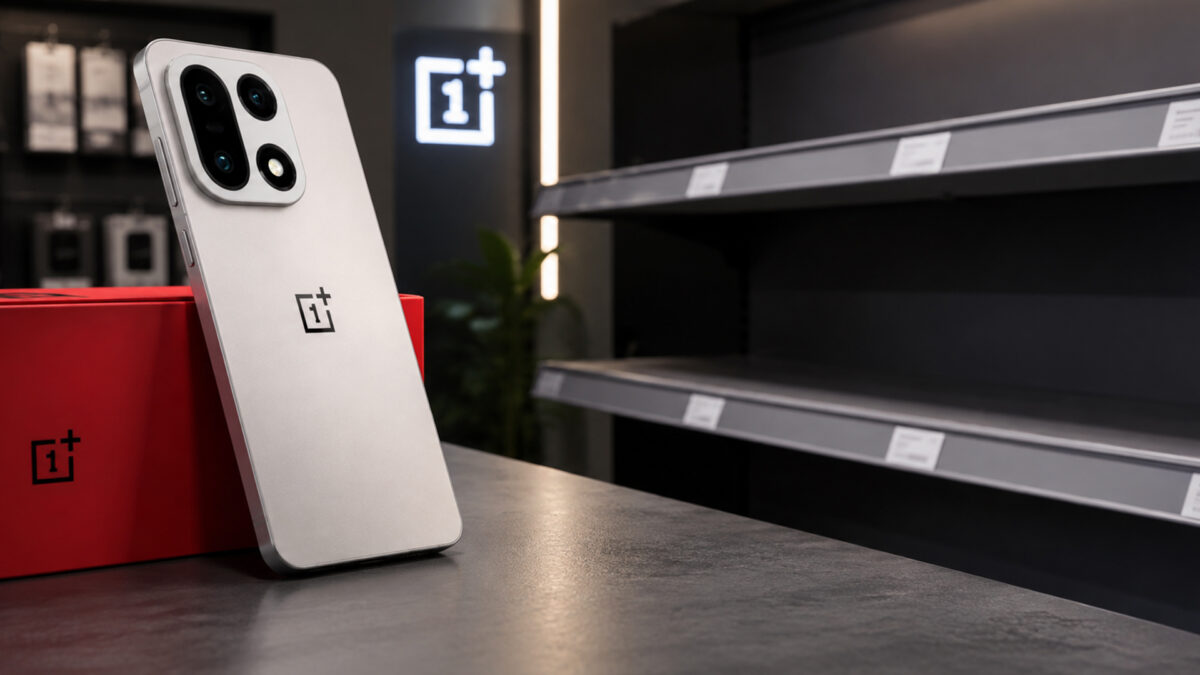
OnePlus has reached another major milestone in its retreat from Western smartphone markets, with its phones now effectively unavailable through the company’s official online stores in the US, Canada and Mexico.

The development comes just weeks after OnePlus confirmed that it would stop launching new products in Europe and North America. The company’s decision has already signalled the end of an important chapter for the smartphone brand, which built its reputation by offering high-end hardware at comparatively aggressive prices.

The latest stock situation makes the withdrawal more visible to consumers. According to PhoneArena, OnePlus devices including the OnePlus 15, OnePlus 15R and other products are no longer available for purchase through the company’s official US website. Business Standard also reported that OnePlus smartphones have gone out of stock across the company’s official websites in the US, Canada and Mexico.

For customers, the message is fairly simple: once the remaining inventory is gone, there will be no new OnePlus phones arriving through official channels in these markets.

OnePlus entered the global smartphone scene with a disruptive formula, powerful specifications, premium design and relatively competitive pricing. Its early “flagship killer” positioning helped it attract a loyal following among Android enthusiasts.

Over time, however, the smartphone market became increasingly competitive. Apple and Samsung continued to dominate premium segments, while Chinese brands such as Xiaomi, Oppo and others competed aggressively on price and features.

OnePlus also became more closely integrated with Oppo, its parent company. The two brands have increasingly shared technology, hardware development and software foundations. That relationship has now become particularly important as Oppo reshapes its global smartphone strategy.

In July, OnePlus officially announced that it would “conclude product rollouts” in Europe and North America. The company described the decision as part of a broader global strategy adjustment rather than an immediate shutdown of support for existing customers.

For people who already own a OnePlus smartphone, the company has offered some reassurance.

OnePlus says existing devices will continue to receive scheduled software updates and security patches. Warranty coverage and customer support will also continue according to applicable terms.

This means the end of new sales does not immediately make existing OnePlus phones obsolete.

The company has also outlined a significant software change. Eligible devices are expected to have the option to move from OxygenOS to Oppo’s ColorOS as part of the transition. OnePlus has indicated that the change will take place in the coming months.

That could be an emotional change for long-time OnePlus users. OxygenOS was one of the features that helped distinguish OnePlus phones from many other Android smartphones, particularly among users who preferred a relatively clean and responsive interface.

The immediate future of the brand remains focused on markets where it continues to have a presence. In India, OnePlus has specifically rejected reports that its operations are being shut down and has said its local business continues as usual. The company has also told users and the media to rely on official information rather than unverified speculation.

This distinction is important for Indian consumers. The current US and European stock-out should not automatically be interpreted as a OnePlus exit from India.

At the same time, the Western withdrawal represents a significant strategic shift. OnePlus will no longer be competing for new smartphone buyers in two of the world’s most important technology markets.

The disappearance of models such as the OnePlus 15 and 15R from official stores therefore represents more than a temporary inventory shortage. It is the practical result of a decision already announced by the company.

For OnePlus fans in the US and Europe, the brand that once challenged established smartphone giants is now entering a very different phase. Existing phones will continue to receive support, but buyers looking for a new OnePlus device will increasingly have to look beyond official sales channels — or consider other Android brands.

Categories
Beyond

Rupee falls 9 paise to 95.17 against dollar

The Indian rupee weakened in early trade on Thursday, falling 9 paise to ₹95.17 against the US dollar as a firm greenback and continued foreign investor selling put pressure on the currency.

The rupee opened at ₹95.13 against the dollar in the interbank foreign exchange market before slipping further to ₹95.17. It had closed at ₹95.08 on Wednesday, marking a nine-paise decline in early trading on Thursday.

The movement came after the rupee had staged a strong recovery in the previous session. On Wednesday, the currency gained 26 paise and ended at ₹95.11 against the dollar in another market reading, supported by softer crude oil prices and improved sentiment in global markets.

The rupee’s latest weakness shows how quickly sentiment in the foreign exchange market can change. While lower oil prices are helping India’s import bill, the currency continues to face pressure from dollar demand, foreign portfolio outflows and uncertainty in global markets.

Crude oil prices remain an important factor for the Indian currency. India imports a large portion of its crude requirements, which means a rise in oil prices increases demand for dollars and can put additional pressure on the rupee.

Brent crude was trading around $79.29 a barrel in early trade, down 0.20%. The recent decline in oil prices has offered some relief to oil-importing economies such as India and has helped the rupee recover from its recent lows.

However, the benefit from cheaper crude has been partly offset by a stronger US dollar. The dollar index, which measures the greenback against six major currencies, was up 0.05% at 99.72.

A stronger dollar tends to weigh on emerging-market currencies because investors often move towards dollar-denominated assets when global uncertainty rises. This can increase demand for the US currency and make it harder for the rupee to strengthen.

Foreign investor activity is another pressure point. Foreign institutional investors sold Indian equities worth ₹943.42 crore on a net basis on Wednesday, according to exchange data. Such capital outflows can add to dollar demand as overseas investors convert their rupee proceeds into foreign currency.

The currency movement also came despite a positive start for Indian equities. The Sensex rose more than 200 points in early trade, while the Nifty 50 also opened higher. The mixed performance of stocks and the rupee reflects the competing factors currently influencing domestic financial markets.

Global geopolitical developments remain another major variable. Investors are closely watching developments in the Middle East, particularly the situation around the Strait of Hormuz. Any improvement in diplomatic efforts could keep crude oil prices under control and support the rupee. However, a fresh escalation could push oil higher and increase demand for safe-haven assets such as the US dollar.

The Reserve Bank of India also remains an important player in the currency market. The central bank has been closely monitoring movements in the rupee, inflation and capital flows. Its policy decisions and foreign exchange management can influence market expectations and help limit excessive volatility.

For the Indian economy, the rupee’s performance matters beyond the currency market. A weaker rupee can raise the cost of imported crude, electronics, machinery and other goods. It can also make overseas education and foreign travel more expensive for Indian consumers.

Exporters, however, can benefit from a weaker domestic currency because foreign earnings translate into a larger rupee value. Companies with substantial dollar revenues may therefore see some advantage when the rupee declines.

The currency has shown some signs of stabilisation after coming under pressure earlier this year. The rupee had strengthened sharply in the previous session and briefly moved below the ₹95 level, helped by lower crude prices and improved foreign exchange conditions.

Still, analysts remain cautious about a sustained recovery. The currency has lost significant ground against the dollar this year, and global factors continue to dominate near-term trading.

For now, traders are likely to keep a close watch on crude oil, the dollar index, foreign fund flows and geopolitical developments. Any sharp change in these factors could quickly influence the rupee’s direction.

The immediate focus remains on whether the currency can hold around the ₹95-per-dollar level. A sustained move below that mark could improve sentiment, while renewed dollar demand and geopolitical stress could push the rupee towards weaker levels.

The latest fall therefore appears less like a major reversal and more like a reminder of the fragile balance facing the Indian currency. With global markets still navigating uncertainty, the rupee is likely to remain sensitive to every major shift in oil prices, capital flows and dollar sentiment.

Categories
Leaders

Tewolde Gebremariam named Air India CEO, MD

Air India has chosen an aviation veteran with a reputation for turning around complex airline operations to lead its next phase of growth. Tewolde Gebremariam, the former chief executive of Ethiopian Airlines Group, has been appointed Chief Executive Officer and Managing Director of Air India, succeeding Campbell Wilson.

The appointment was announced by the Air India board on August 5, following a months-long search for a new leader. The airline said it evaluated both internal and international candidates before selecting Gebremariam, citing his experience in airline turnarounds, operational excellence, safety, international expansion and profitable growth.

The change comes at an important moment for Air India. The Tata Group-owned airline has completed several major steps in its transformation since returning to Tata ownership in 2022, including the merger with Vistara, a major fleet modernisation programme and changes to its corporate structure. It is now attempting to turn those investments into a more reliable and financially stronger global carrier.

Gebremariam brings a long track record in building an international airline. He spent more than three decades with Ethiopian Airlines, joining the carrier in 1985 and rising through several commercial and operational roles. He became Group CEO in 2011 and remained in the position until 2022. During his tenure, Ethiopian Airlines expanded dramatically, with revenue increasing more than fourfold and its fleet nearly tripling, according to Air India.

Under his leadership, Ethiopian Airlines developed into Africa’s largest airline group and built a strong international network centred on Addis Ababa. Gebremariam was closely involved in expanding long-haul routes, strengthening hub operations and developing aviation infrastructure, including maintenance, repair and overhaul facilities and training capabilities.

That experience is particularly relevant to Air India, which is trying to build a stronger global hub-and-spoke network while upgrading its fleet and passenger experience. Air India has said its new CEO will be expected to focus on operational reliability, engineering standards, safety, employee development and customer service alongside expansion.

For passengers, some of these changes could eventually be visible in everyday aspects of flying. Air India has said it wants to improve on-time performance, modernise aircraft cabins, raise hospitality standards and offer more seamless international connectivity. The airline is also looking to strengthen its position as a major global aviation hub connecting India with key international markets.

The appointment also comes against a difficult financial backdrop. Air India Group recorded a loss of more than $2 billion in fiscal 2025-26, according to Singapore Airlines, which owns a 25.1% stake in the group. The airline is therefore facing the challenge of balancing ambitious fleet and network plans with the need to control costs and improve profitability.

The timing is also significant because Air India has faced heightened scrutiny following last year’s fatal crash, which killed 260 people. The accident increased pressure on the airline to strengthen safety, operational discipline and regulatory compliance. Gebremariam’s experience in managing crises, including the COVID-19 pandemic and the aftermath of the 2019 Boeing 737 MAX crash involving Ethiopian Airlines, is expected to be an important part of his leadership profile.

Tata Sons Chairman N Chandrasekaran said Air India had completed its initial stabilisation, integration and fleet commitments under Wilson and was now entering a “critical execution and expansion era”. He said Gebremariam’s experience in building an efficient and profitable airline would be valuable as Air India works towards becoming a leading global carrier.

Gebremariam, for his part, described the appointment as an honour and said Air India’s legacy and India’s economic potential made the opportunity particularly significant. He said he looked forward to working with the board, employees, government and industry partners to improve operational reliability, strengthen Indian hospitality and deliver sustainable long-term growth.

The appointment marks the end of Campbell Wilson’s tenure as the central figure in Tata’s initial Air India revival. Wilson, a former Singapore Airlines executive, took over in 2022 after the Tata Group acquired Air India from the government. During his tenure, he oversaw the airline’s brand transformation, fleet modernisation and the complex integration of Air India and Vistara. He announced his resignation in April 2026 and is expected to remain through the transition period, with his tenure running until September 30.

The next phase will arguably be more demanding than the first. Air India now has to convert a large-scale transformation programme into consistent performance on the ground and in the air. That means better punctuality, dependable operations, stronger safety systems, improved customer experience and, ultimately, sustainable profits.

Gebremariam’s record suggests that he understands the scale of such a task. But Air India’s challenges are different from those faced by Ethiopian Airlines, and its transformation involves a much larger and more competitive aviation market.

His immediate challenge will be to bring together people, aircraft, routes, technology and operational systems into one dependable airline. For Air India, the appointment is therefore not simply a change at the top. It is a bet that experience gained from building one of Africa’s strongest carriers can help the Maharaja regain a stronger place in global aviation.

Categories
Beyond

Gold holds above ₹1.45 lakh, silver nears ₹2.4 lakh

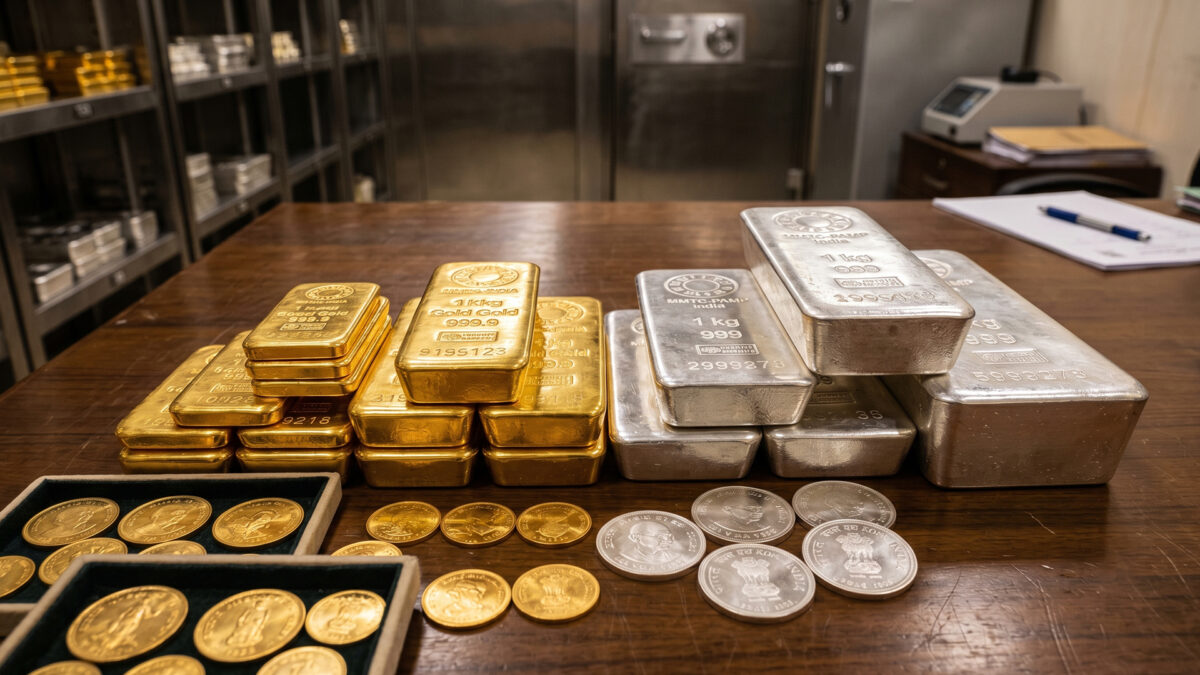
Gold and silver prices remained elevated in India on Thursday, August 6, with the yellow metal holding above ₹1.45 lakh per 10 grams and silver moving close to ₹2.40 lakh per kg. The precious metals market remained firm as investors continued to track global interest rate expectations, currency movements and geopolitical developments.

In the retail market, 24-carat gold was priced at ₹1,45,760 per 10 grams in Mumbai, Bengaluru, Kolkata, Hyderabad and Chennai. Delhi recorded a slightly higher rate of ₹1,45,910 per 10 grams. The 22-carat gold rate stood at ₹1,33,610 per 10 grams in most of these cities, while Delhi quoted ₹1,33,760.

Silver prices were broadly uniform across major cities. The metal was priced at ₹2,40,100 per kg, or ₹24,010 per 100 grams, in Delhi, Mumbai, Bengaluru, Kolkata, Hyderabad and Chennai.

The latest movement comes as investors continue to watch global interest rate expectations, currency movements and geopolitical developments for clues about the next direction of precious metals.

On the Multi Commodity Exchange, gold futures were trading around ₹1.49 lakh per 10 grams, up 0.58%, while silver futures gained about 0.25% to ₹2.28 lakh per kg at the time of the report. The domestic futures market remained relatively firm despite some pressure on international bullion prices.

Internationally, gold prices extended their gains for a fourth straight session on Thursday and touched a seven-week high. Spot gold rose 0.5% to $4,265.22 an ounce, its highest level since June 18. The rally was supported by a weaker US dollar, falling Treasury yields and expectations of progress in talks involving Iran and Oman over the Strait of Hormuz.

A softer dollar generally makes gold cheaper for buyers holding other currencies, which can support demand. Lower bond yields can also make non-yielding assets such as gold more attractive to investors.

Gold continues to draw attention because of its traditional role as a safe-haven asset. Investors often turn to bullion when uncertainty rises around interest rates, inflation, currencies or geopolitical risks. However, the current rally is being shaped by several factors rather than a single trigger.

Expectations around US monetary policy remain particularly important. Traders are closely watching economic data for clues about the Federal Reserve’s next interest-rate decision. Any change in expectations for US rates could influence the dollar, bond yields and gold prices.

The Indian rupee is another key factor for domestic buyers. Since international gold prices are quoted in US dollars, changes in the rupee-dollar exchange rate can affect domestic gold rates even when global prices remain relatively stable.

Investors are also monitoring crude oil prices and developments around the Strait of Hormuz. Any improvement in geopolitical tensions could reduce concerns over energy supplies and inflation. At the same time, a sharp movement in oil prices could influence inflation expectations and central bank policy.

For consumers, the latest retail rates show only a small difference between major Indian cities. Delhi remained the costliest among the listed markets for 24K gold at ₹1,45,910 per 10 grams. Mumbai, Bengaluru, Kolkata, Hyderabad and Chennai were at ₹1,45,760.

For 22K gold, Delhi was at ₹1,33,760 per 10 grams, while the other five cities quoted ₹1,33,610.

The distinction between 24K and 22K gold is important for jewellery buyers. While 24K represents the highest purity commonly traded, 22K gold is widely used for jewellery because the addition of other metals makes it stronger and more suitable for everyday use.

Retail jewellery prices may not exactly match headline bullion rates. Jewellers typically factor in making charges, taxes, procurement costs and their own margins when calculating the final price. Buyers should therefore compare the complete jewellery bill rather than relying only on the quoted gold rate.

Silver has also remained firmly in focus. At ₹2.40 lakh per kg in the retail market, the metal continues to trade at elevated levels. Unlike gold, silver has a significant industrial demand component, with the metal widely used in electronics, renewable energy equipment and other industrial applications.

This means silver prices can respond not only to investor demand but also to expectations for global economic growth and manufacturing activity.

For now, both gold and silver remain sensitive to the same broad themes, US interest rates, the dollar, geopolitical developments, crude oil prices and global economic data.

For Indian investors and consumers, the elevated prices underline the importance of checking purity, comparing rates and considering the purpose of the purchase before making a decision. With global markets still responding quickly to economic and geopolitical signals, precious metal prices could remain volatile in the near term.

Categories
Beyond

RBI targets early FY28 for plastic notes rollout

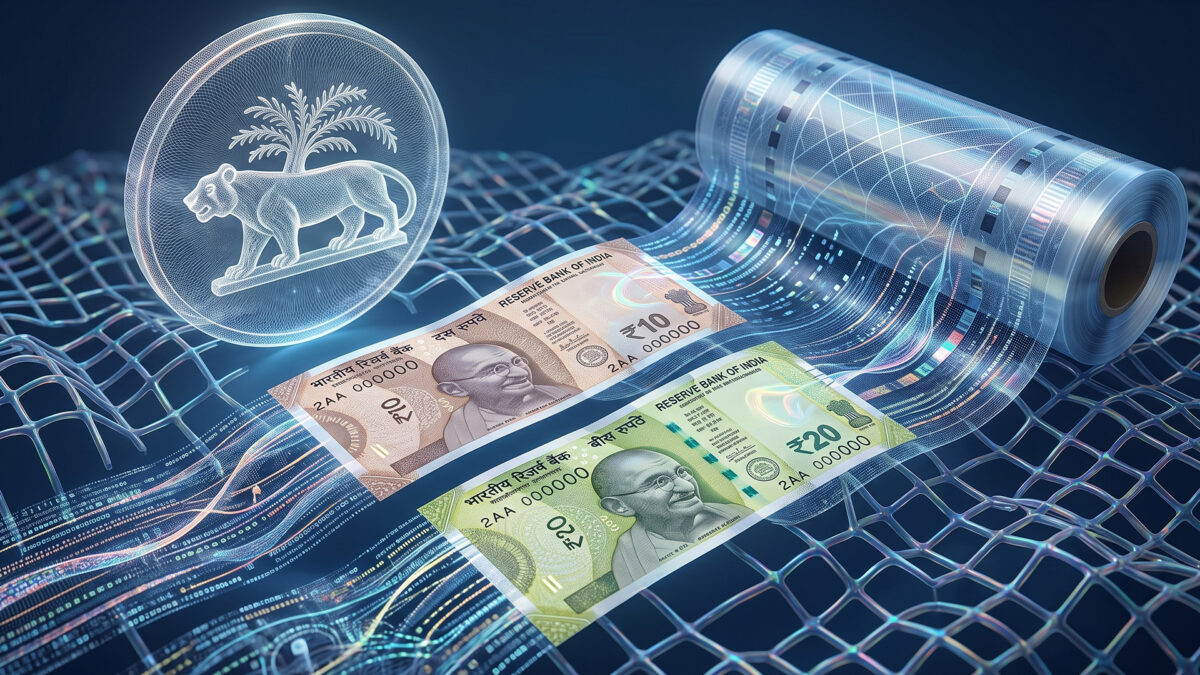
India is moving closer to introducing plastic currency, with Reserve Bank of India (RBI) Governor Sanjay Malhotra saying the central bank is targeting the circulation of polymer banknotes from the beginning of the next financial year. If the ongoing field trials and operational preparations go as planned, Indians could start seeing polymer ₹10 and ₹20 notes from early FY28, which begins in April 2027.

The announcement marks a significant step in India’s long-running plan to introduce polymer currency. The RBI has been examining the possibility of using plastic-based notes for years, but the latest update suggests that the proposal has now moved beyond an initial assessment and into a structured testing phase.

Speaking to reporters after the RBI’s monetary policy announcement on Wednesday, Malhotra said the central bank would first evaluate the results of the ongoing pilot before making a final decision on wider circulation. The RBI does not want to rush the transition and will test how the new banknotes perform in real-world Indian conditions.

The initial trial will focus on the ₹10 and ₹20 denominations. The government has approved the RBI’s proposal to conduct field trials involving one billion polymer notes of each denomination, taking the total to two billion notes. The exercise will allow the central bank to examine durability, performance, printing efficiency, security and how easily the notes can be handled in everyday transactions.

The choice of ₹10 and ₹20 notes is deliberate. These are among the most frequently handled denominations in the Indian currency system and tend to wear out faster because they change hands repeatedly. According to the latest information, the two denominations together account for nearly 25% of the total volume of banknotes in circulation, while representing only around 1.4% of the total value. This gives the RBI an opportunity to conduct a large-scale test without exposing the currency system to significant financial risk.

Polymer banknotes are made from a thin, flexible plastic material instead of traditional cotton-based paper. Their biggest advantage is durability. They are more resistant to moisture, dirt and tearing and can remain usable for much longer than conventional paper currency. This could be particularly useful for low-value notes, which are frequently damaged and withdrawn from circulation.

For the RBI, longer-lasting currency could also mean fewer notes needing to be replaced. That could eventually reduce the cost and logistical burden associated with printing, transporting and withdrawing worn-out banknotes. However, the central bank will have to establish whether those advantages hold up under India’s varied climate and heavy cash usage before deciding on a wider rollout.

Security is another important part of the experiment. Polymer currency can accommodate features such as transparent windows and other anti-counterfeiting elements that are difficult to reproduce. The RBI will therefore examine whether polymer notes can provide stronger protection against counterfeit currency while remaining easy for the public and banks to authenticate.

The initial introduction is also designed to minimise disruption to India’s cash infrastructure. ₹10 and ₹20 notes are mainly distributed through bank branches rather than ATMs, allowing the RBI to test the new currency without immediately requiring major changes to ATM networks. A move to polymer notes in higher denominations could be more complicated because existing machines may need software upgrades, recalibration or other modifications to recognise and process the new notes.

Importantly, the arrival of polymer currency will not mean that India’s existing paper notes suddenly become invalid. The government has clarified that there is currently no proposal to completely replace paper banknotes. If the pilot succeeds, polymer notes are expected to circulate alongside conventional currency.

India’s move towards plastic money is not entirely new. The RBI has explored polymer currency for more than a decade. Earlier trials and proposals were considered in select cities, including Mysore and Cochin, while a separate proposal discussed in 2009 was eventually shelved because of technical challenges. The latest programme therefore represents another attempt to determine whether polymer banknotes can work effectively on a much larger scale in India.

The current approach is cautious. Rather than immediately replacing paper currency, the RBI will first put millions of polymer notes through real-world use. Their durability, security, public acceptance, printing process and overall performance will be closely assessed. The experience will then help determine whether polymer banknotes should be introduced in other denominations.

If the ₹10 and ₹20 trials are successful, the RBI could eventually consider extending polymer currency to higher-value denominations such as ₹100 and ₹500. But that decision is still some distance away and will depend on the results of the pilot.

For ordinary Indians, the change may initially seem small — a ₹10 or ₹20 note that feels different in the hand. But behind that simple change is a larger attempt to modernise India’s currency management system, make banknotes last longer and reduce the constant cycle of replacing worn-out cash.

For now, the key date to watch is April 2027, when the RBI is targeting the beginning of circulation of polymer notes, provided the trials and preparations remain on track.

Categories
Corporate

L&T bags ₹15,000 cr ADNOC offshore contract

Larsen & Toubro (L&T) has won an ultra-mega offshore contract worth more than ₹15,000 crore from ADNOC Offshore in the United Arab Emirates, marking another major breakthrough for the Indian engineering and construction company in the Middle East.

The order has been secured by L&T Energy Hydrocarbon Offshore (LTEH Offshore), which will execute the project as the lead member of a consortium. The contract covers a wide range of activities, including engineering, procurement, construction, installation and commissioning.

L&T has classified the contract as an “ultra-mega” order, a category reserved for projects valued above ₹15,000 crore. The company has not disclosed the exact value of the award.

The project involves the development of offshore facilities along with modifications and upgrades to existing infrastructure. L&T will be responsible for a substantial portion of the project execution, giving its offshore hydrocarbon business another sizeable assignment in the Gulf region.

A key component of the contract will be fabrication work. A significant share of the fabrication is expected to be carried out at L&T’s dedicated facilities before the structures and equipment are transported for offshore installation. This will allow the company to use its integrated engineering and fabrication capabilities throughout the project.

The latest order further strengthens L&T’s long-standing relationship with ADNOC Offshore, the offshore exploration and production arm of Abu Dhabi National Oil Company. L&T has previously delivered several major projects for energy companies in the Middle East, making the region an important market for its hydrocarbon business.

The contract comes as the UAE continues to invest in its oil and gas infrastructure. Despite the global shift towards renewable energy and cleaner fuels, hydrocarbons remain a major part of the Gulf economy. Existing offshore fields require continuous expansion, maintenance and modernisation to maintain production capacity and improve operational efficiency.

For L&T, the new project provides greater visibility for its international order book. Large EPC contracts are typically executed over multiple years, providing companies with a steady pipeline of engineering, construction and commissioning work.

The award also highlights the growing international reach of L&T’s energy business. The company has developed capabilities covering the entire offshore project cycle, from front-end engineering and procurement to fabrication, transportation, installation and commissioning.

Offshore oil and gas projects are among the most technically demanding assignments in the engineering sector. They require specialised equipment, extensive project planning, strict safety standards and the ability to coordinate activities across onshore fabrication yards and offshore locations.

L&T’s experience in handling such complex projects has helped it build a strong presence in the international EPC market. Its fabrication facilities and marine capabilities allow the company to manage large offshore structures and equipment before they are installed at sea.

The ADNOC order is also expected to support L&T’s broader strategy of expanding its presence in international markets. While India remains a key market for the company across infrastructure, technology and energy, overseas projects provide geographical diversification and access to large-scale investment opportunities.

The Middle East has emerged as a particularly important market for Indian engineering companies. Governments and energy producers across the region are continuing to invest in infrastructure, oil and gas production, petrochemicals and newer energy technologies. L&T’s established presence gives it an advantage when competing for these projects.

The company’s latest win also comes at a time when investors are closely tracking its order inflows. A strong order book is important for L&T because it provides visibility into future revenue and supports long-term growth. However, the eventual financial benefit will depend on project execution, costs, timelines and margins.

L&T shares responded positively to the announcement, gaining during trading after the company disclosed the contract. The market reaction reflected investor interest in the size of the order and its potential contribution to the company’s future business pipeline.

Beyond its immediate financial impact, the project strengthens L&T’s credentials as a global engineering and construction company. Winning a contract of this scale from a major UAE energy company demonstrates the ability of an Indian company to compete for complex projects in highly competitive international markets.

The contract is also significant for L&T Energy Hydrocarbon Offshore, which has been expanding its capabilities in offshore engineering, fabrication and construction. Projects involving both new offshore facilities and upgrades to existing assets provide the company with an opportunity to leverage its experience across different stages of the energy value chain.

For ADNOC Offshore, the project forms part of the UAE’s broader effort to strengthen and modernise its offshore energy infrastructure. For L&T, it adds another substantial international project to its pipeline and deepens its relationship with one of the region’s major energy players.

The latest order could also open the door to further opportunities in the Gulf. As ADNOC and other regional energy companies continue investing in offshore assets, companies with proven engineering, procurement and construction capabilities are likely to remain in demand.

The ₹15,000-crore-plus contract therefore represents more than a single order for L&T. It reinforces the company’s position in the Middle East, strengthens its international EPC portfolio and showcases the growing global footprint of Indian engineering expertise.

Categories
Uncategorized

Airtel posts ₹8,167 cr Q1 profit, up 37%

Bharti Airtel has started the financial year on a strong note, with the telecom major reporting a 37.3% year-on-year jump in consolidated net profit to ₹8,167 crore for the April-June quarter of FY27. The performance was driven by higher-paying customers, stronger revenue, rising average revenue per user (ARPU) and continued growth across its India business.

The company’s consolidated revenue from operations rose 18.4% year-on-year to ₹58,539 crore in the first quarter. Revenue was also up 5.7% from ₹55,383 crore in the previous quarter, while net profit increased 11.5% sequentially from ₹7,325 crore.

The results underline a significant shift in Airtel’s strategy: instead of chasing subscriber numbers alone, the company is increasingly focusing on customers who generate higher revenue. This premiumisation of its subscriber base has helped Airtel improve its financial performance even in a highly competitive Indian telecom market.

A key indicator of this trend was Airtel’s ARPU, or average revenue per user. ARPU increased to ₹264 in Q1 FY27 from ₹250 in the same quarter last year and ₹257 in the previous quarter. The figure remains considerably higher than Reliance Jio’s reported ARPU of around ₹215.6.

For a telecom company, ARPU is closely watched because it shows how much revenue is being generated from each customer. Airtel’s continued improvement suggests that users are moving towards higher-value plans and services.

The strongest growth came from the postpaid segment. Airtel added a record one million postpaid customers during the quarter, taking its total postpaid subscriber base beyond 30 million. The company also added five million smartphone customers during the quarter.

Bharti Airtel Executive Vice-Chairman Gopal Vittal said the company’s postpaid strategy continued to produce strong results, with the latest quarter recording its highest-ever postpaid additions.

The company’s India business remained the main engine of growth. Revenue from India operations increased 9.7% year-on-year to ₹41,214 crore, compared with ₹37,584 crore a year earlier. The growth came from the continued premiumisation of its mobile customer base as well as momentum in its homes and enterprise businesses.

Mobile services generated ₹29,928 crore, accounting for about 73% of Airtel’s total revenue. India business net income rose to ₹7,261.5 crore from ₹5,292 crore in Q1 FY26.

Airtel’s subscriber base in India crossed 491.8 million by the end of June, up 12.8% from a year earlier. The company, however, remains behind market leader Reliance Jio, which had around 533.3 million subscribers.

The quality of Airtel’s customer base is also changing. Its smartphone data customer base increased by 21.1 million over the past year to 301.8 million. These customers now account for around 80% of Airtel’s India subscriber base.

Data usage is rising rapidly as well. Average data consumption per Airtel customer increased 27.7% year-on-year to 34.4 GB during the June quarter, compared with 26.9 GB a year earlier. The increase reflects growing dependence on mobile internet for video, social media, digital payments, work and other everyday services.

The improvement was not limited to revenue. Airtel’s consolidated earnings before interest, tax, depreciation and amortisation, or EBITDA, rose 19% year-on-year to ₹33,599 crore. Its consolidated EBITDA margin stood at 57.4%, while the India business delivered an EBITDA margin of 60.1%.

Airtel also made progress in reducing its debt burden. Net debt declined 35% to ₹81,852 crore in Q1 FY27 from ₹1.25 trillion a year earlier. Lower debt gives the company greater financial flexibility as it continues investing in network infrastructure, 5G and digital services.

The company spent around ₹13,386 crore on capital expenditure during the quarter, including ₹9,698 crore for its India operations. Such investments remain important as data consumption grows and telecom companies expand their 5G networks and capacity.

Airtel also increased its stake in Airtel Africa to more than 79% following a share-swap transaction. The move reflects the company’s confidence in Africa’s long-term growth prospects and adds another important component to its international operations.

However, the quarterly numbers were not entirely free of complications. Airtel recorded an exceptional charge of ₹353.4 crore related to a proposed settlement of a commercial dispute involving one of its subsidiaries. This was partly offset by a ₹389.8 crore benefit following a favourable order connected with business losses from earlier years.

Airtel’s latest earnings also come as competition in India’s telecom sector remains intense. With Reliance Jio continuing to lead in subscriber numbers, Airtel’s strategy is increasingly centred on improving customer value rather than simply expanding its user base.

The company’s focus on premium customers, postpaid growth, smartphone adoption and rising data consumption is helping it build a stronger revenue base. At the same time, investments in 5G, broadband, enterprise services and digital platforms could provide additional avenues for growth.