Categories
Corporate

Jeff Bezos plans $100 bn AI manufacturing fund

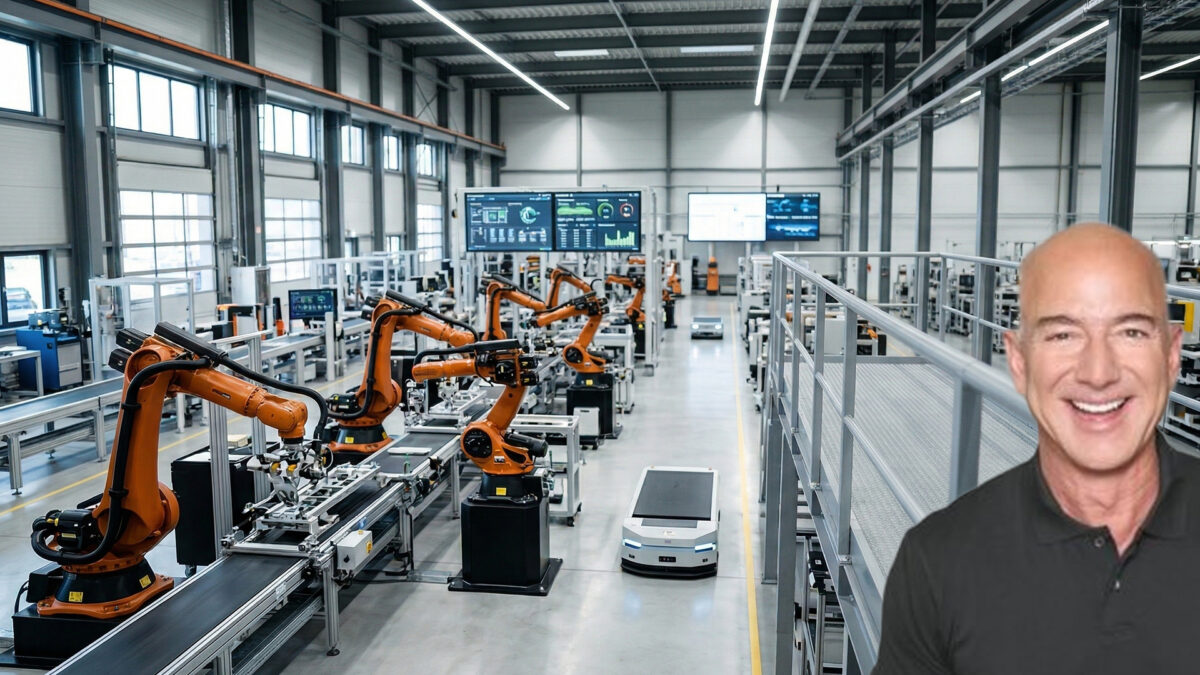
Jeff Bezos is planning a major push into the manufacturing sector, with reports saying he wants to raise around $100 billion for a new investment fund focused on artificial intelligence (AI).

The idea is to use this fund to buy manufacturing companies and upgrade them with modern technology. By using AI, these firms could improve efficiency, cut costs and speed up production processes that are still largely manual or outdated.

Bezos is said to be in early talks with large global investors, including sovereign wealth funds and major asset managers, to raise money for the project. If successful, the fund could become one of the largest of its kind in the world.

The plan is to target key industries such as semiconductors, defence and aerospace — sectors where advanced manufacturing plays a crucial role. These industries are seen as important for future economic growth and technological leadership.

This move shows Bezos’s growing interest in AI beyond the tech sector. While AI has already transformed areas like e-commerce and cloud computing, manufacturing is now being seen as the next big opportunity. Applying AI in factories could help companies design products faster, reduce waste and improve overall productivity.

Bezos is also linked to a separate AI initiative that focuses on simulating real-world processes. Such technology could be used to test and improve manufacturing systems before they are used in real life, making production more efficient and reliable.

Experts believe this approach could bring major changes to traditional industries, many of which have been slow to adopt new technology. By combining investment with AI-driven upgrades, the plan aims to modernise factories and make them more competitive globally.

Also Read: ₹1,842 crore CMPDI IPO opens to muted demand

 

Categories
Corporate

₹1,842 crore CMPDI IPO opens to muted demand
The ₹1,842 crore initial public offering (IPO) of Central Mine Planning and Design Institute (CMPDI) opened for subscription on March 20, but saw a slow response from investors on the first day. The issue was subscribed only about 4% by the end of Day 1, reflecting a cautious mood in the market.

CMPDI is a subsidiary of Coal India and provides consultancy and planning services for coal and mineral exploration projects. The IPO is entirely an offer for sale (OFS), which means the company will not receive any funds from it. Instead, Coal India is selling part of its stake and will receive the proceeds.

The price band for the IPO has been set between ₹163 and ₹172 per share. Investors can apply for the issue until March 24, and the company is expected to list on stock exchanges soon after.

Initial signals from the market suggest limited excitement. The grey market premium (GMP) indicates a possible listing gain of around 2%, pointing to moderate investor interest rather than strong demand.

Experts say the slow start is partly due to current market conditions. In recent months, several IPOs have not performed well after listing, making investors more careful about new investments. As a result, many are taking a wait-and-watch approach before committing funds.

However, CMPDI’s connection with Coal India and its role in India’s energy sector could support demand in the coming days. The company has a stable business model and has reported consistent financial performance over the years. Its services are important for planning and developing coal mining projects, which remain crucial for the country’s energy needs.

Also Read: Flipkart CFO steps down ahead of IPO

Categories
Leaders

Flipkart CFO steps down ahead of IPO

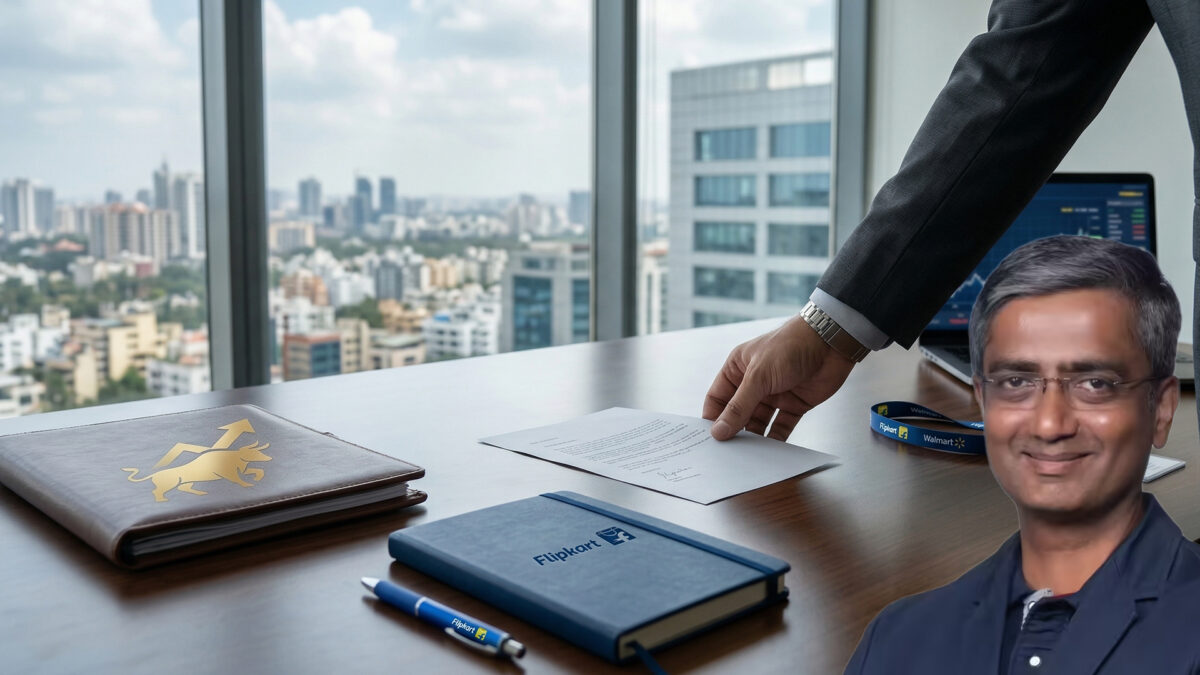
Sriram Venkataraman has stepped down as Chief Financial Officer of Flipkart, marking an important leadership change at a time when the company is preparing for its initial public offering (IPO).

The company said he will stay on for some time to help with a smooth transition, though it has not shared specific reasons for his decision to leave. His exit comes after nearly a decade at Flipkart, where he played a key role in building and managing the company’s financial operations.

During his time at Flipkart, Venkataraman held several senior roles and became CFO in 2018. He was closely involved in major business decisions and helped guide the company through rapid growth in India’s competitive e-commerce market.

Following his departure, Ravi Iyer, who currently handles finance for Flipkart’s marketplace business, is expected to take on broader responsibilities for now. The company may look for a permanent replacement in the coming months.

The timing of this leadership change is significant. Flipkart is actively working towards a public listing in India, which is expected to be one of the biggest IPOs in the country’s tech sector. As part of these preparations, the company has already shifted its holding structure from Singapore to India, a move seen as a key step for listing on local stock exchanges.

Flipkart, owned by Walmart, is one of India’s largest online retailers and a major competitor to Amazon. It has been steadily expanding its business while also focusing on improving profitability ahead of going public.

Also Read: Elon Musk liable for misleading Twitter investors


Categories
Beyond

Premium petrol price hiked by over ₹2 per litre

Oil companies in India have increased the price of premium petrol by more than ₹2 per litre. The hike applies only to high-quality fuel variants, while the prices of regular petrol and diesel have been left unchanged.

Premium petrol, sold under names like XP95, Speed, and Power, is mainly used in high-end or performance vehicles. Depending on the city and brand, prices have gone up by around ₹2 to ₹2.35 per litre.

Officials said the increase is due to rising global crude oil prices. Ongoing tensions in oil-producing regions have pushed up international oil rates, making it more expensive for companies to supply fuel. To manage these higher costs, companies have chosen to raise prices only for premium petrol instead of increasing rates for all fuels.

The government has said that this decision will not affect the “common man” because most people use regular petrol or diesel, whose prices remain the same. By limiting the hike to premium fuel, authorities aim to avoid putting pressure on household budgets and everyday expenses.

This move also helps oil companies recover some of their rising costs without causing a wider increase in fuel prices. Industry experts say this is a balanced approach, as it targets a smaller group of users who are less sensitive to price changes.

In several cities, the price of premium petrol has now crossed ₹110 per litre after the hike. However, there are no concerns about fuel shortages, and supply remains steady across the country.

The increase comes after a long period during which fuel prices remained stable despite global market fluctuations.

Also Read: Amazon buys Rivr to test stair-climbing robots for deliveries

Categories
Leaders

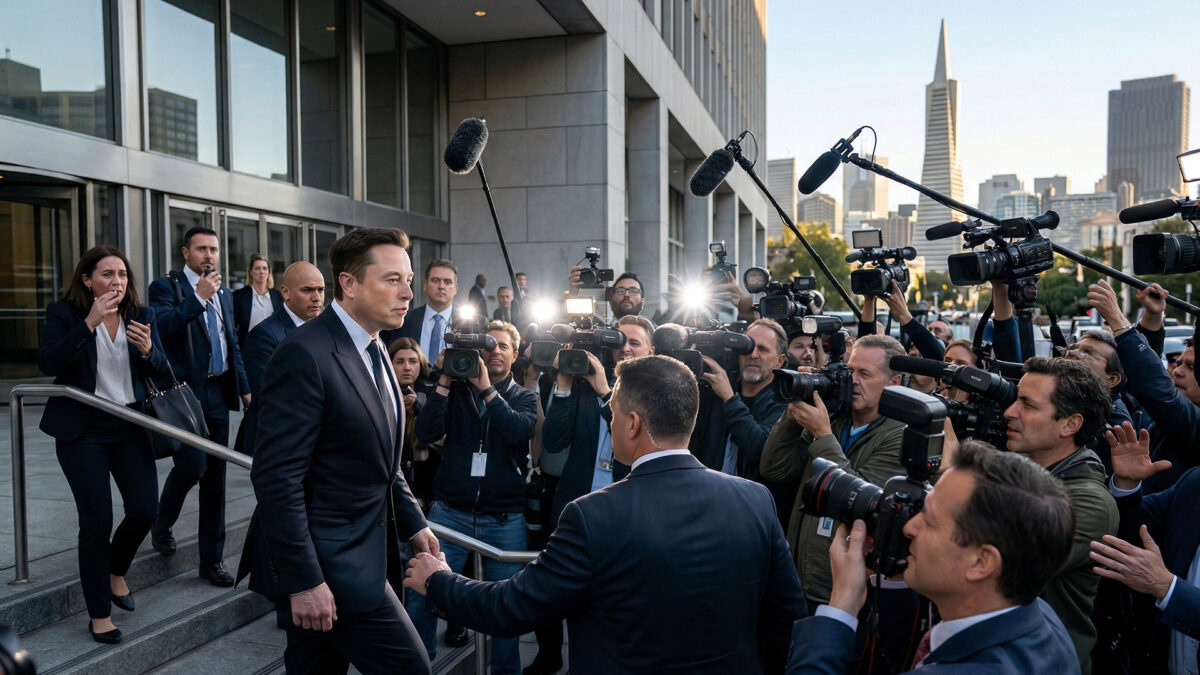
Elon Musk liable for misleading Twitter investors

A US jury has ruled that Elon Musk is liable for misleading investors during his high-profile $44 billion takeover of Twitter in 2022. The decision comes after a long-running legal battle brought by shareholders who claimed his public statements caused confusion and financial losses.

The case focused mainly on a series of tweets Musk posted in May 2022, including one where he said the deal was “on hold” due to concerns about fake or spam accounts on the platform. According to the jury, these statements were inaccurate and had a direct impact on Twitter’s share price, which fluctuated sharply at the time.

Investors argued that such posts influenced market sentiment and led some shareholders to sell their stock at lower prices, resulting in losses. The jury agreed that Musk’s comments were misleading and played a role in affecting investor decisions during a critical phase of the acquisition.

However, the ruling stopped short of fully backing claims that Musk carried out a deliberate fraud scheme. While he was found responsible for making misleading statements, the jury did not conclude that he intentionally planned to deceive investors on a large scale.

The lawsuit also claimed that Musk’s repeated criticism of Twitter’s business, particularly his focus on the number of bot accounts — was an attempt to renegotiate the deal or lower the purchase price. Musk had initially tried to back out of the acquisition before eventually completing it later in 2022 at the agreed value.

Also Read: OpenAI merges ChatGPT, Codex, Atlas

Categories
Corporate

Amazon buys Rivr to test stair-climbing robots for deliveries

Amazon has acquired Swiss robotics startup Rivr as it looks to strengthen its delivery network using automation. The deal, for which financial details were not shared, focuses on improving the “last-mile”, the final and often most challenging step of delivering packages to customers.

Rivr, based in Zurich, has developed delivery robots designed to handle real-world obstacles that typically limit automation. Unlike traditional wheeled robots, Rivr’s machines can climb stairs, move over uneven surfaces, and navigate tight urban spaces. This makes them better suited for reaching customers’ doorsteps directly, especially in cities and apartment complexes.

The robots use a mix of wheels and leg-like movements, allowing them to travel efficiently while still adapting to complex terrain. They are designed to carry packages from delivery vans to homes, potentially reducing the physical workload for human delivery workers and speeding up the process.

Amazon has been investing in robotics for years, especially inside its warehouses. With this acquisition, the company is now focusing more on applying advanced automation to outdoor delivery. The goal is to make deliveries faster, more efficient, and less dependent on manual labour, particularly in areas where logistics can be difficult.

The timing of the deal reflects growing interest in solving last-mile challenges, which remain one of the most expensive parts of e-commerce operations. While Amazon has tested delivery robots before, scaling them has been difficult due to issues like navigation and safety. Rivr’s technology could help overcome some of these hurdles.

Such robots could play a key role in the future of deliveries, especially in densely populated cities where traditional methods face delays. However, large-scale deployment is likely to take time, as companies test the technology in real-world conditions.

Also Read: Zetwerk gears up for IPO filing, eyes $4 billion valuation

Categories
Corporate

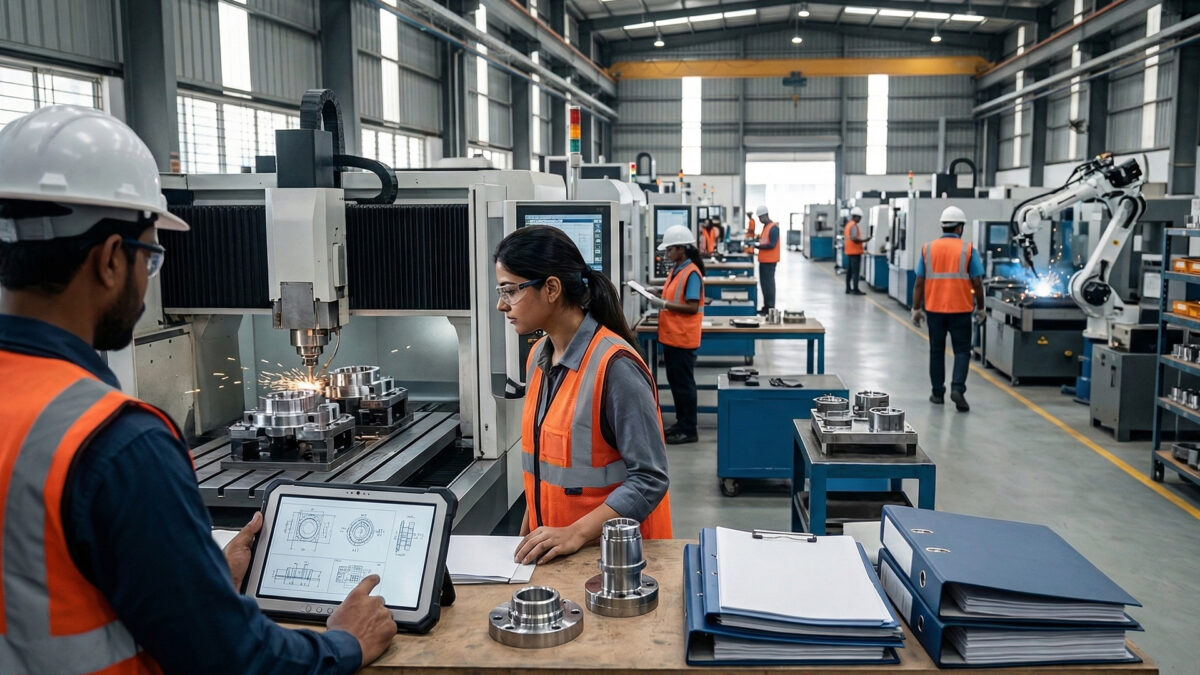
Zetwerk gears up for IPO filing, eyes $4 billion valuation

Zetwerk, a fast-growing manufacturing startup based in Bengaluru, is preparing to move closer to the public markets. According to people familiar with the matter, the company is likely to confidentially file its IPO papers within the next couple of weeks.

The company is aiming to raise as much as $550 million through the offering and is targeting a valuation of around $4 billion. A portion of the IPO is expected to come from fresh shares issued by the company, while existing investors may also sell part of their holdings.

By choosing the confidential filing route, Zetwerk is keeping its options open. This approach allows companies to test investor interest and delay the public launch if market conditions are not favourable. The actual IPO is expected sometime later in 2026, depending on how the markets perform.

Founded in 2018, Zetwerk has quickly built a strong presence in the manufacturing space. It connects businesses with suppliers and helps produce components across sectors such as consumer electronics, aerospace, and defence. Over the years, it has expanded beyond India, with operations in the US, Mexico, and parts of Europe, serving large global clients.

The IPO plans come at a time when the broader market is showing mixed signals. While last year saw a strong run of public listings, 2026 has been more uncertain, with some companies facing muted investor response. This makes pricing and timing especially important for companies planning to go public.

Zetwerk’s growth reflects a larger trend in global manufacturing. As companies look to diversify supply chains beyond China, India has emerged as an attractive alternative. Startups like Zetwerk are benefiting from this shift by positioning themselves as key players in the supply ecosystem.

The company last raised funds in 2024 at a valuation of just over $3 billion, so its IPO target suggests a significant step up. If successful, the listing could be one of the notable public market debuts from India’s manufacturing-tech space.

Also Read: RNFI, Jio Bank enable cardless cash via UPI


Categories
1 Minute-Read

HDFC Bank sacks 3 executives over compliance lapses

HDFC Bank has fired three senior executives after an internal probe found lapses in client onboarding and alleged mis-selling of Credit Suisse AT1 bonds at its DIFC branch in Dubai. Regulators had earlier flagged compliance issues and restricted the branch from adding new clients.

The bank said it conducted a detailed review and took corrective steps, including tightening controls and making leadership changes. The AT1 bonds, considered high-risk, had lost value during the Credit Suisse crisis.

HDFC Bank said it remains committed to strong governance and will work with regulators while focusing on rebuilding customer trust.

Categories
Technology

OpenAI merges ChatGPT, Codex, Atlas

OpenAI is planning a major consolidation of its AI products into a single desktop “superapp” that will combine ChatGPT, the Codex coding assistant, and the Atlas AI‑powered browser into one integrated application. The goal is to simplify workflows, improve performance, and offer a more seamless experience for desktop users.

The company has been developing multiple standalone tools in parallel, but feedback from both users and internal teams highlighted that managing separate apps created fragmentation and slowed feature improvements. OpenAI leaders now believe a unified desktop platform will allow the AI to perform a wide range of tasks, from general conversation and productivity to coding, web research, and data analysis, without users having to switch between different apps.

The superapp will leverage agentic AI capabilities, meaning it can take autonomous actions on behalf of users, such as generating code, analysing data, and navigating complex workflows. According to insiders, the project is being led by Fidji Simo, OpenAI’s Chief of Applications, who explained that consolidating products is necessary to maintain quality and focus. Greg Brockman, OpenAI’s President, will oversee the product development and organisational changes required for the new platform.

Currently, the mobile ChatGPT app will remain unchanged. The superapp effort is focused solely on desktop users, where integrated workflows and multi-tasking capabilities are most beneficial. OpenAI has not announced a release date or pricing details for the app, and the name of the platform is also yet to be confirmed.

The initiative reflects a shift in OpenAI’s approach, moving from a portfolio of specialised tools toward a single, comprehensive platform aimed at improving user engagement, enhancing AI performance, and streamlining the overall experience for professional and personal desktop users alike.

The move is part of OpenAI’s strategy to stay competitive in the rapidly evolving AI market, where rivals like Anthropic and others are expanding enterprise-focused AI tools. Consolidating multiple AI products into one desktop platform could make it easier for developers, businesses, and everyday users to access advanced AI features without juggling different applications.

Also Read: SBI Mutual Fund to raise ₹13,000 cr via IPO

Categories
Corporate

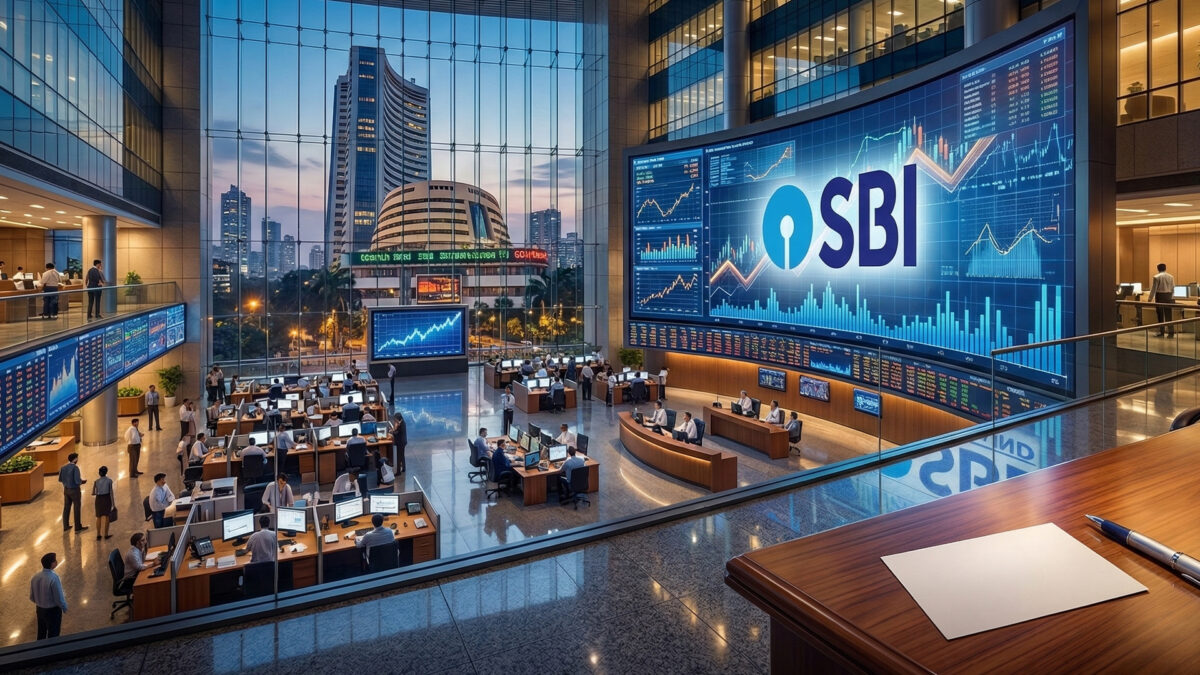
SBI Mutual Fund to raise ₹13,000 cr via IPO

India’s largest mutual fund, SBI Mutual Fund, is gearing up for a massive ₹13,000 crore IPO, aiming to bring a part of its business to the stock market. The company has filed its Draft Red Herring Prospectus (DRHP) with the Securities and Exchange Board of India (SEBI), a key step toward making its shares publicly tradable.

Unlike many IPOs, this one is an offer-for-sale, meaning SBI and its French partner Amundi will sell a slice of their holdings instead of issuing new shares. SBI is expected to offload about 6.3 % of its stake, while Amundi will sell around 3.7 %, together totaling 10 % of the company. The proceeds will go entirely to the selling shareholders.

The IPO is expected to value SBI Mutual Fund between ₹1.3 lakh crore and ₹1.5 lakh crore, making it one of the largest public listings in India’s financial services sector. Analysts say it reflects growing investor interest in mutual funds and confidence in India’s booming asset management market.

SBI Mutual Fund manages huge pools of money, with assets under management running into lakhs of crore, and holds more than 15 % of the Indian market. Its wide network and trusted brand have made it a favorite among retail and institutional investors alike.

This IPO will be the third big listing from the SBI group, after SBI Life Insurance and SBI Cards & Payment Services went public successfully. Experts believe the listing could attract strong demand, especially from investors looking to gain exposure to India’s largest asset manager.

A mix of domestic and international banks will handle the IPO, which is now awaiting regulatory approvals.

Also Read: Manipal Hospitals plans ₹11,000 cr IPO