Categories
Beyond

India adds new nuclear submarine INS Aridhaman

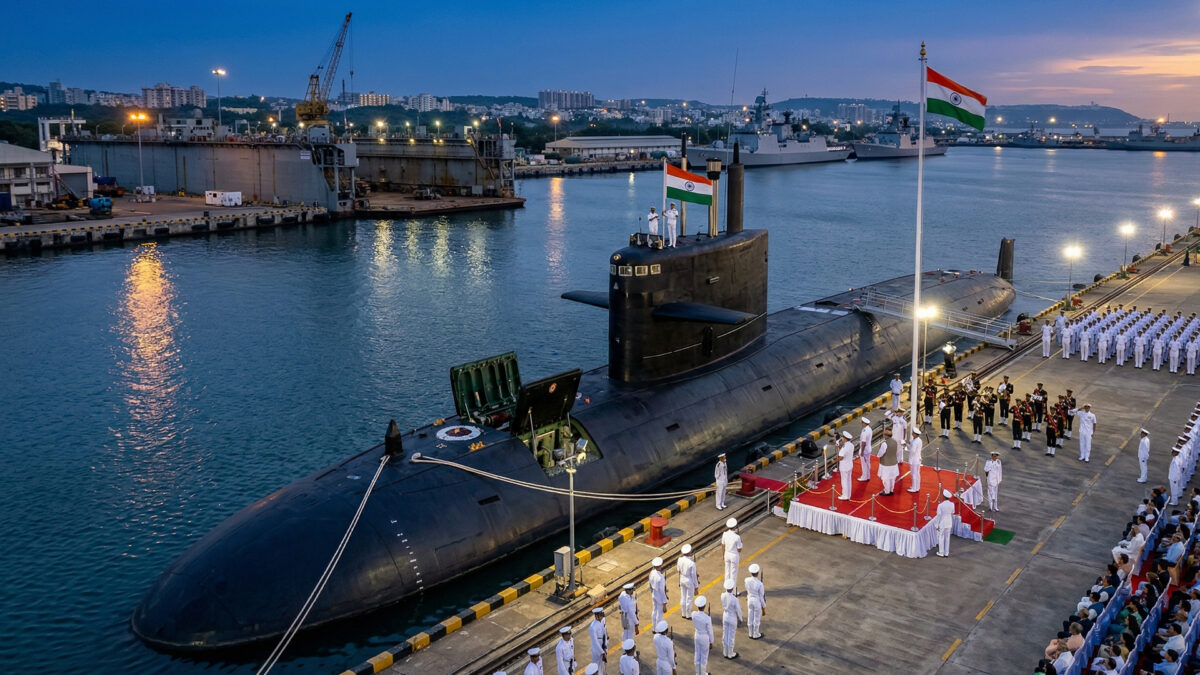
India has added a new nuclear-powered submarine, INS Aridhaman, to its navy, boosting its defence strength. The submarine was officially commissioned in Visakhapatnam on Friday in the presence of Defence Minister Rajnath Singh.

INS Aridhaman is India’s third nuclear-powered ballistic missile submarine, after INS Arihant and INS Arighaat. It has been built in India under a secret defence programme, showing the country’s growing ability to develop advanced military technology on its own.

The submarine is bigger, quieter, and more advanced than the earlier ones. Because it runs on nuclear power, it can stay underwater for long periods without coming up, making it difficult for enemies to detect.

INS Aridhaman can carry nuclear-capable missiles like K-15 and K-4, which can strike targets from long distances. This adds to India’s nuclear triad — the ability to launch nuclear weapons from land, air, and sea.

This submarine plays an important role in India’s second-strike capability. This means that even if the country is attacked first, it can still respond with a strong counterattack. Submarines like INS Aridhaman are hard to find underwater, making them a reliable part of this defence system.

The project also highlights India’s push for self-reliance in defence manufacturing. Much of the submarine was built in the country, especially at the Ship Building Centre in Visakhapatnam.

This strengthens India’s position in the Indian Ocean region, where strategic competition is increasing. With three such submarines, India is moving closer to maintaining continuous patrols at sea for better security.

Also Read: US proposes $1.5 trillion defence budget
Categories
Corporate

OpenAI acquires popular tech show TBPN

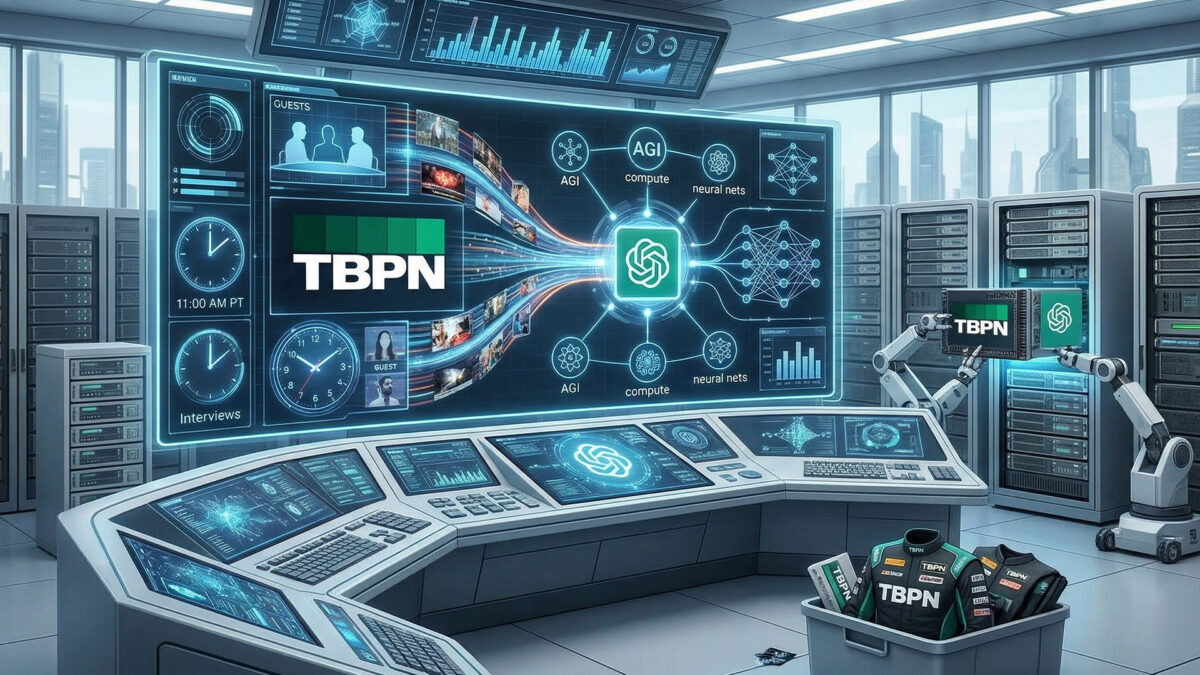
OpenAI, the company behind ChatGPT, has made an unexpected move into media by acquiring Technology Business Programming Network (TBPN), a widely followed tech and business talk show. The acquisition marks OpenAI’s first venture into content production, signaling its interest in shaping conversations around technology, artificial intelligence, and business trends.

TBPN, founded by John Coogan and Jordi Hays, began as a niche Silicon Valley show but quickly attracted a global audience. The program streams daily on platforms like YouTube and X (formerly Twitter), with episodes featuring interviews with top tech executives, including Meta’s Mark Zuckerberg and Microsoft’s Satya Nadella. Before the acquisition, the show drew around 70,000 viewers per episode and was generating modest revenue, estimated to be in the tens of millions annually.

OpenAI has assured that TBPN will retain editorial independence, meaning the hosts and production team will continue to select topics and guests without interference. However, the show will now report to Chris Lehane, OpenAI’s chief global affairs officer, and will support the company’s broader communications and marketing efforts.

Industry analysts say the acquisition is unusual because tech firms typically buy software, infrastructure, or AI startups, not media outlets. By owning a platform that regularly hosts voices from across the tech sector, OpenAI gains a continuous forum to engage with the public on AI and technology, going beyond traditional press releases or interviews.

The move also comes as OpenAI prepares for a potential IPO, highlighting its desire to communicate directly with a wider audience about the impact of AI on society, business, and culture. While financial terms were not disclosed, reports suggest the deal could be worth hundreds of millions of dollars.

Some critics, however, have raised concerns about whether true editorial independence can be maintained when a major industry player owns the outlet it covers. OpenAI maintains that TBPN will continue to operate with autonomy, aiming to foster constructive discussions on technology rather than promotional content.

Also Read: US proposes $1.5 trillion defence budget

Categories
Beyond

US proposes $1.5 trillion defence budget
The White House has asked Congress to approve a $1.5 trillion defence budget for the US fiscal year 2027. This is one of the largest proposed increases in US military spending ever and comes while the country is involved in war with Iran and handling other global security issues.

If approved, the new budget would be more than 40% higher than last year’s defence spending. The administration says the increase is needed to support ongoing military operations, rebuild weapons stockpiles, and strengthen the country’s armed forces.

The proposed plan includes expanding the navy, producing more ammunition, and improving missile defence systems. Some of the spending would be included as “supplemental” funds that can be passed through separate congressional procedures.

To balance part of the increased defence costs, the White House plans to cut about $73 billion from non-defence programs, around 10% of domestic spending. These cuts would affect areas like education, climate initiatives, housing, and other federal services. Officials say these reductions are necessary to prioritize wartime needs.

The plan still needs Congress’s approval. Lawmakers are expected to debate the budget, make changes, and decide the final amount. Republicans generally support higher defence spending but may argue over how much, while Democrats have raised concerns about cuts to domestic programs.

Experts also warn that such a large defence budget could increase the federal debt, which is already over $39 trillion. Supporters argue, however, that the increase is important to ensure US national security and support allies during a time of global instability.

Also Read: Emami to take over Axiom Ayurveda in ₹200 cr deal

Categories
Corporate

Emami to take over Axiom Ayurveda in ₹200 cr deal

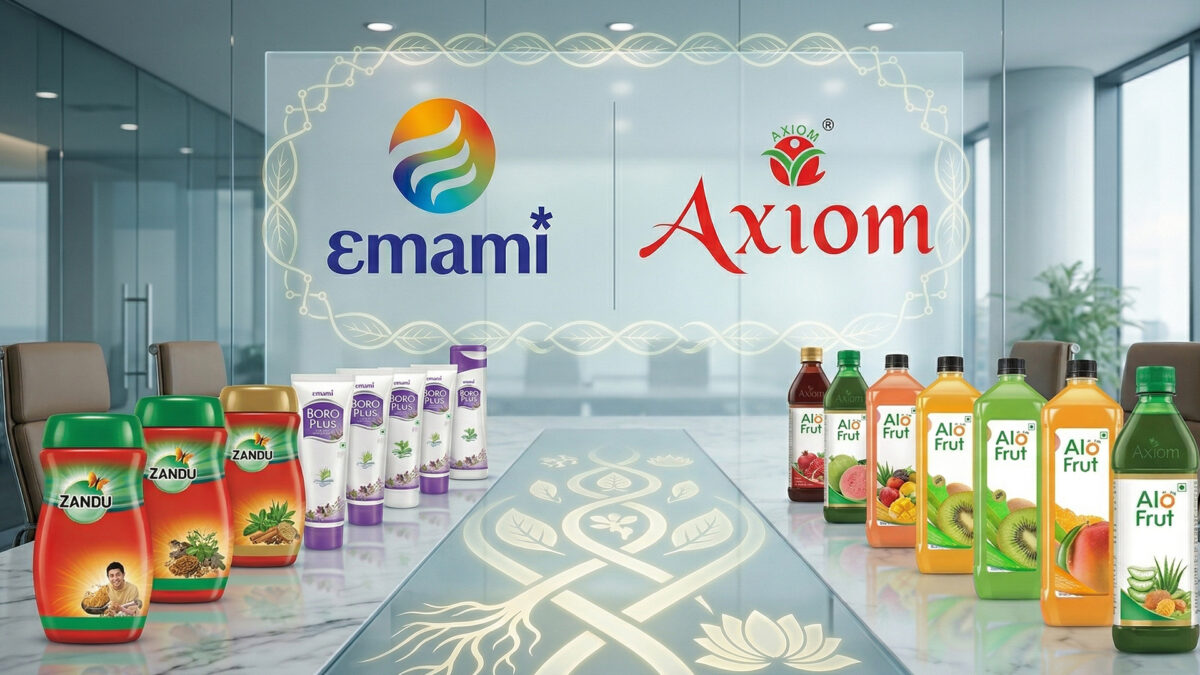
Emami Ltd, the Kolkata-based FMCG company, has announced it will acquire the remaining 73.5% stake in Axiom Ayurveda Pvt Ltd for up to ₹200 crore, making the ayurveda-focused company its wholly owned subsidiary. Earlier, Emami had acquired a 26.5% stake in Axiom, and this move completes its takeover, aiming to expand its presence in the fast-growing health and wellness segment.

The board of Emami approved the acquisition on March 31, 2026, and a definitive agreement was signed on April 1. The deal reflects Emami’s strategy to diversify into emerging consumer categories, particularly products with natural and functional benefits.

Axiom Ayurveda is known for its aloe vera-based beverages, including the popular “AloFrut” brand, which blends aloe pulp with fruit juices. In addition to aloe vera drinks, the company produces ayurvedic juices, energy drinks, mocktails, and some personal care products. These offerings account for around 15–20% of its branded business.

In the financial year 2024–25, Axiom reported a consolidated turnover of roughly ₹107 crore. Following the acquisition, Emami expects the business to grow substantially, with projections suggesting revenue could reach around ₹180 crore in the current fiscal year.

Industry analysts say the acquisition will allow Emami to leverage Axiom’s existing product portfolio, distribution network, and brand recognition. The company aims to accelerate innovation, expand market reach, and capitalize on the increasing demand for healthier, functional beverages in India.

This acquisition underscores Emami’s broader strategy to strengthen its foothold in wellness-driven segments beyond its traditional personal care business. By fully integrating Axiom Ayurveda, Emami is positioned to tap into the growing consumer preference for natural, nutritious, and functional products, particularly in the beverage space.

Also Read: Emirates NBD gets RBI nod to acquire RBL Bank

Categories
Corporate

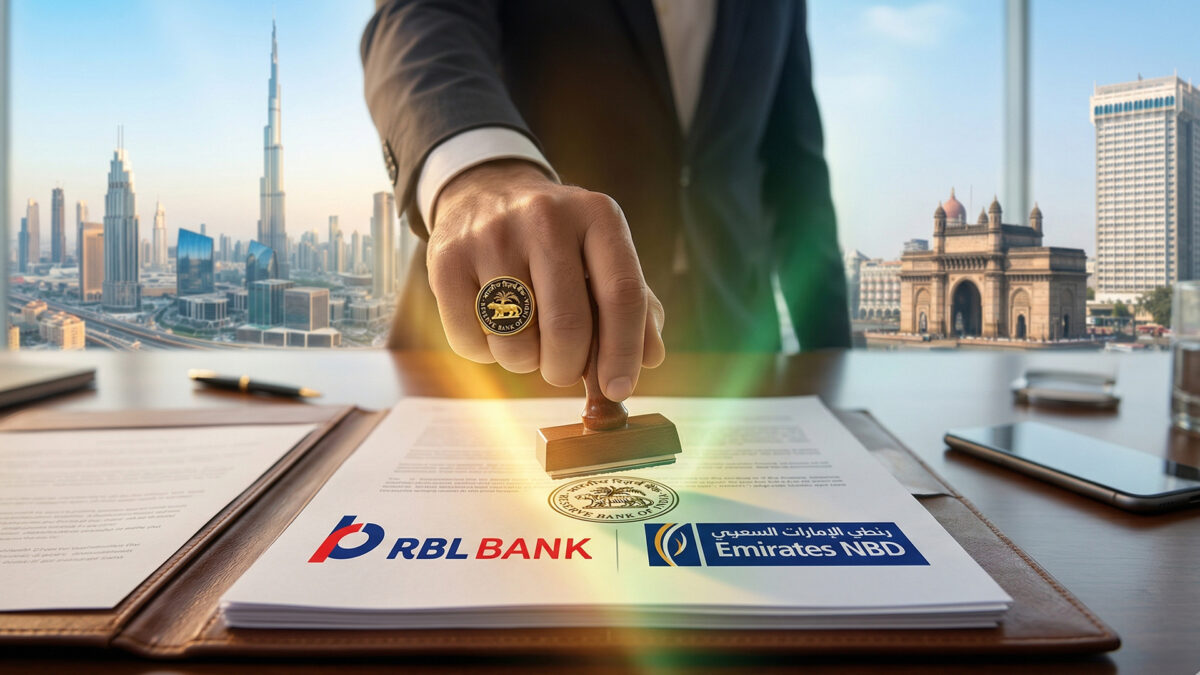
Emirates NBD gets RBI nod to acquire RBL Bank

Emirates NBD Bank has secured approval from the Reserve Bank of India (RBI) to acquire a controlling stake in Mumbai‑based RBL Bank, signaling a landmark foreign investment in India’s banking sector. Under RBI’s approval, Emirates NBD can hold up to 74 % of RBL Bank’s paid-up capital, though voting rights remain capped at 26 % in line with Indian banking regulations.

The acquisition, first announced in October 2025, involves a $3 billion strategic investment through a preferential share issuance. Emirates NBD has already received regulatory clearance in its home country, and India’s competition authority had approved the deal earlier this year. Once completed, the transaction would become one of the largest cross-border banking acquisitions in India.

With RBI’s nod, RBL Bank will now move forward with a mandatory open offer to public shareholders, which requires approval from the Securities and Exchange Board of India (Sebi). The open offer would allow Emirates NBD to acquire an additional 26 % of RBL Bank’s voting share capital, in line with takeover regulations, further consolidating its stake.

After completion, RBL Bank will be reclassified as a foreign bank subsidiary, with Emirates NBD as its parent. The RBI has granted temporary regulatory relaxations during the transition, including exemptions from certain governance norms and rules for board meetings and branch integration.

The approval is valid for one year and remains subject to additional statutory clearances, including compliance with the Foreign Exchange Management Act (FEMA), Sebi rules, and government approvals for foreign direct investment beyond 49 %.

Also Read: Sundar Pichai to address Stanford graduates

Categories
1 Minute-Read

FDA clears new daily weight-loss pill ‘Foundayo’

The US Food and Drug Administration has approved ‘Foundayo’ (orforglipron), a new daily oral weight-loss pill by Eli Lilly for adults struggling with obesity or related health conditions.

Unlike many existing treatments, Foundayo can be taken any time of day without food restrictions. Clinical trials showed significant weight loss compared to a placebo, though some users experienced nausea and digestive side effects.

The pill will start shipping on April 6, giving patients a simpler alternative to injectable therapies, with insurance coverage varying by provider.

Categories
Beyond

Trump announces 100% tariffs on imported drugs

President Donald Trump has unveiled a bold plan to slap up to 100% tariffs on imported pharmaceutical products. The move is intended to pressure drugmakers to cut prices and invest in US manufacturing.

The policy primarily targets branded and patented medicines, along with essential ingredients. Generic drugs, which account for most prescriptions, are expected to be largely exempt initially to avoid supply disruptions.

Under the plan, companies can escape the full 100% duty by joining government pricing programs or relocating production to the United States. A transitional tariff of around 20% could apply while companies build domestic facilities, but duties could jump if deadlines aren’t met.

Officials say the tariffs aim to address high US drug prices, which are far above global averages, and to reduce reliance on foreign supply chains that could threaten medicine access in emergencies.

Several major pharmaceutical firms have already negotiated temporary exemptions, agreeing to lower prices or expand US operations to avoid penalties.

The announcement coincides with adjustments to tariffs on metals, reflecting a broader push to reshape US trade policy and support local industries.

Also Read: Russia offers more oil, gas to India

Categories
Beyond

Russia offers more oil, gas to India

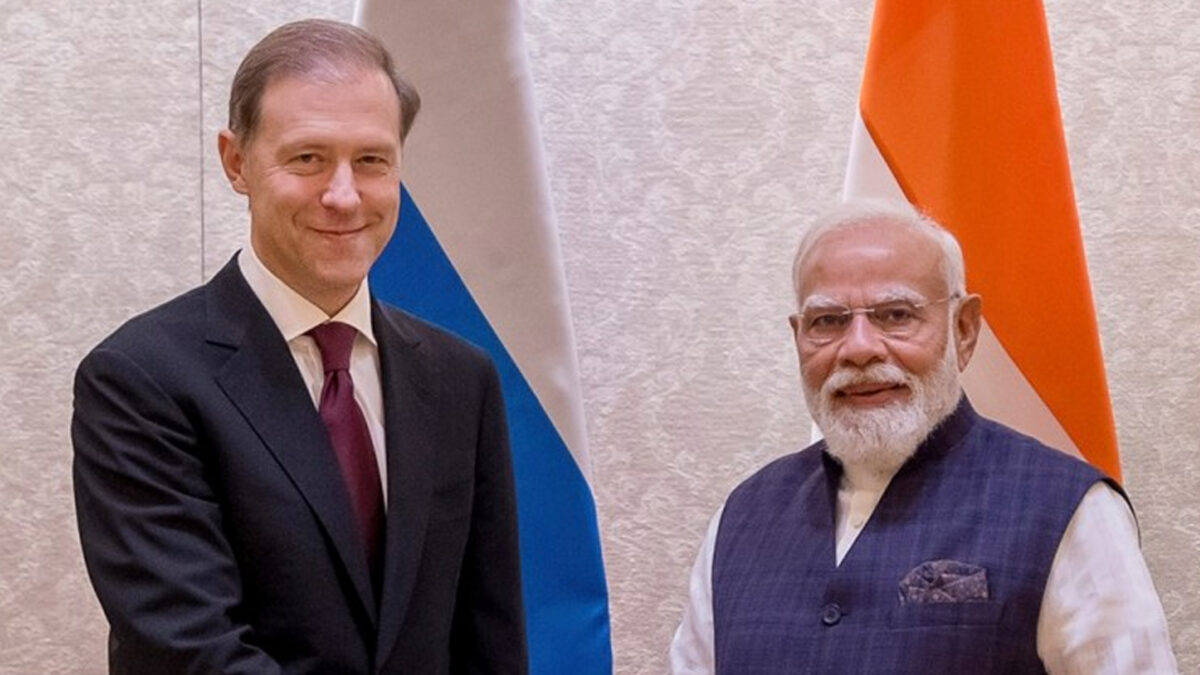
India and Russia have held high-level talks to strengthen their partnership, with a key focus on increasing the supply of oil and natural gas. The discussions took place in New Delhi between Russian Deputy Prime Minister Denis Manturov and Prime Minister Narendra Modi, along with other senior officials.

During the meeting, Russia предложed to expand its supply of crude oil and liquefied natural gas (LNG) to India. The move is aimed at supporting India’s growing energy demand at a time when global markets are facing uncertainty due to geopolitical tensions, particularly in West Asia.

India relies heavily on imports to meet its energy needs, making stable supply arrangements crucial. In recent years, Russia has emerged as one of India’s top suppliers of oil, and both countries are now looking to deepen this relationship further.

The talks were not limited to energy alone. Both sides discussed ways to improve cooperation in trade, fertilisers, and technology. Russia has been increasing its fertiliser exports to India and has expressed its willingness to continue meeting the country’s requirements.

Progress on ongoing nuclear energy projects, including the Kudankulam Nuclear Power Plant, was also reviewed. In addition, both nations explored opportunities for collaboration in areas such as innovation, critical minerals, and industrial development.

The discussions also covered broader economic ties and ways to expand bilateral trade. Leaders подчеркнули the importance of maintaining strong cooperation in a rapidly changing global environment.

Russia’s offer to supply more oil and gas is expected to help India secure its energy needs and manage price fluctuations. At the same time, it allows Russia to strengthen trade ties with one of its key partners.

Also Read: Google expands AI video tools

Categories
1 Minute-Read

GRSE stock upper circuit, surges 20%

Shares of Garden Reach Shipbuilders & Engineers (GRSE) jumped nearly 20%, hitting the upper circuit after the company reported strong financial results. The defence PSU posted record revenue of around ₹6,400 crore, showing solid growth over the previous year.

The rally was also supported by rising investor interest in defence stocks, driven by increasing government focus and global tensions. GRSE’s delivery of several warships to the Indian Navy further boosted confidence in the company’s performance.

While the sharp rise highlights strong momentum, analysts say the stock may see some volatility in the short term despite a positive long-term outlook.

Categories
Beyond

Karnataka to charge lifetime road tax on EVs

In a major policy shift, the Karnataka government has decided to introduce a lifetime road tax on electric vehicles (EVs), including electric cars, by withdrawing the tax exemptions that were earlier in place. The move is expected to increase the cost of owning an electric car in the state.

Under the new rules, electric two-wheelers will continue to remain exempt from road tax, offering some relief to buyers in that segment. However, electric cars and other larger EVs will now attract a one-time tax at the time of registration.

The tax will depend on the price of the vehicle. Electric cars priced up to ₹10 lakh are likely to be taxed at around 5%, those between ₹10 lakh and ₹25 lakh may face an 8% tax, and vehicles above ₹25 lakh could attract up to 10%. This means buyers will have to pay more upfront when purchasing an electric car.

The decision marks a change in Karnataka’s earlier approach, where incentives and tax exemptions were used to encourage people to switch to cleaner, electric mobility. The state had been considered one of the early supporters of EV adoption in India.

While the government is expected to gain additional revenue from this move, the decision has raised concerns among industry experts and buyers. Many believe that higher costs could discourage people from choosing electric cars, especially at a time when the shift to greener transport is being actively promoted.

At the same time, keeping tax exemptions for electric two-wheelers suggests that the government still wants to support more affordable and widely used EV options. Two-wheelers make up a large share of vehicle sales, and this relief could help maintain momentum in that segment.

The decision has also sparked debate, with some questioning whether reducing incentives for electric cars could slow down the transition to environmentally friendly vehicles.

Also Read: Google unveils ‘Vids’ AI video Tool