Categories
Beyond

Karnataka to charge lifetime road tax on EVs

In a major policy shift, the Karnataka government has decided to introduce a lifetime road tax on electric vehicles (EVs), including electric cars, by withdrawing the tax exemptions that were earlier in place. The move is expected to increase the cost of owning an electric car in the state.

Under the new rules, electric two-wheelers will continue to remain exempt from road tax, offering some relief to buyers in that segment. However, electric cars and other larger EVs will now attract a one-time tax at the time of registration.

The tax will depend on the price of the vehicle. Electric cars priced up to ₹10 lakh are likely to be taxed at around 5%, those between ₹10 lakh and ₹25 lakh may face an 8% tax, and vehicles above ₹25 lakh could attract up to 10%. This means buyers will have to pay more upfront when purchasing an electric car.

The decision marks a change in Karnataka’s earlier approach, where incentives and tax exemptions were used to encourage people to switch to cleaner, electric mobility. The state had been considered one of the early supporters of EV adoption in India.

While the government is expected to gain additional revenue from this move, the decision has raised concerns among industry experts and buyers. Many believe that higher costs could discourage people from choosing electric cars, especially at a time when the shift to greener transport is being actively promoted.

At the same time, keeping tax exemptions for electric two-wheelers suggests that the government still wants to support more affordable and widely used EV options. Two-wheelers make up a large share of vehicle sales, and this relief could help maintain momentum in that segment.

The decision has also sparked debate, with some questioning whether reducing incentives for electric cars could slow down the transition to environmentally friendly vehicles.

Also Read: Google unveils ‘Vids’ AI video Tool

Categories
Technology

Google expands AI video tools

Google has rolled out new updates to its video creation platform, Google Vids, making it easier for users to create videos using artificial intelligence. The tool is designed to help people turn simple ideas into complete videos without needing advanced editing skills or specialised software.

With the latest features, users can generate videos using text prompts. By entering a short description, the platform can automatically create a video with visuals, voiceovers, and transitions. This significantly reduces the time and effort usually required to produce video content.

One of the key highlights of the update is the introduction of AI-generated avatars. These digital presenters can deliver scripts and explain content, allowing users to create professional-looking videos without appearing on camera. The avatars can be customised in terms of appearance and voice, making the videos more engaging and personalised.

Google Vids also includes AI-powered voiceovers and background music. Users can add narration and soundtracks that match the tone of their videos without needing external tools. This makes the overall process more seamless and beginner-friendly.

Another useful addition is built-in screen recording. Users can record their screens and directly convert those recordings into polished videos within the platform. This feature is especially helpful for creating tutorials, training videos, and presentations. The tool also allows easy sharing, including direct uploads to platforms like YouTube.

The launch of these features is part of Google’s broader effort to bring AI into everyday tools and improve productivity. By simplifying video creation, the company aims to support individuals, businesses, and content creators in producing high-quality videos quickly.

Also Read: Myntra CEO Nandita Sinha steps down

Categories
Beyond

Gold slips to ₹1,48,960, Silver at ₹2,49,900

Gold and silver prices saw a slight decline across India on April 3, with small variations observed in different cities. The fall comes amid ongoing fluctuations in the global bullion market and cautious investor sentiment.

According to the latest data, gold prices dropped marginally by about ₹10 to ₹1,48,960 per 10 grams in the futures market. Silver prices also slipped by ₹100, trading around ₹2,49,900 per kilogram. While the decline is minor, it reflects the current unstable trend in precious metal prices.

In retail markets, gold prices differ across major cities due to local taxes, transportation costs, and demand. In Chennai, 24-carat gold is priced at around ₹7,350 per gram, while 22-carat gold is near ₹6,740 per gram. In Mumbai and Delhi, 24-carat gold is slightly lower, hovering around ₹7,200–₹7,300 per gram, with 22-carat gold priced between ₹6,600 and ₹6,700 per gram. Similar trends are seen in cities like Kolkata and Bengaluru, where prices remain close to these levels with minor differences.

Silver prices also vary regionally but remain broadly aligned with national trends. In most major cities, silver is trading close to ₹75,000–₹76,000 per kilogram in retail markets, depending on local demand and supply conditions.

The recent dip in prices is mainly linked to global factors such as a stronger US dollar and uncertainty around interest rates. When the dollar strengthens, gold becomes more expensive for buyers using other currencies, which can reduce demand and push prices down.

Despite the small decline, gold continues to trade at relatively high levels, supported by steady demand from investors and jewellers. Silver, which is influenced by both industrial use and investment demand, is also experiencing price swings.

Also Read: Centre puts 60% free airline seat rule on hold

Categories
Leaders

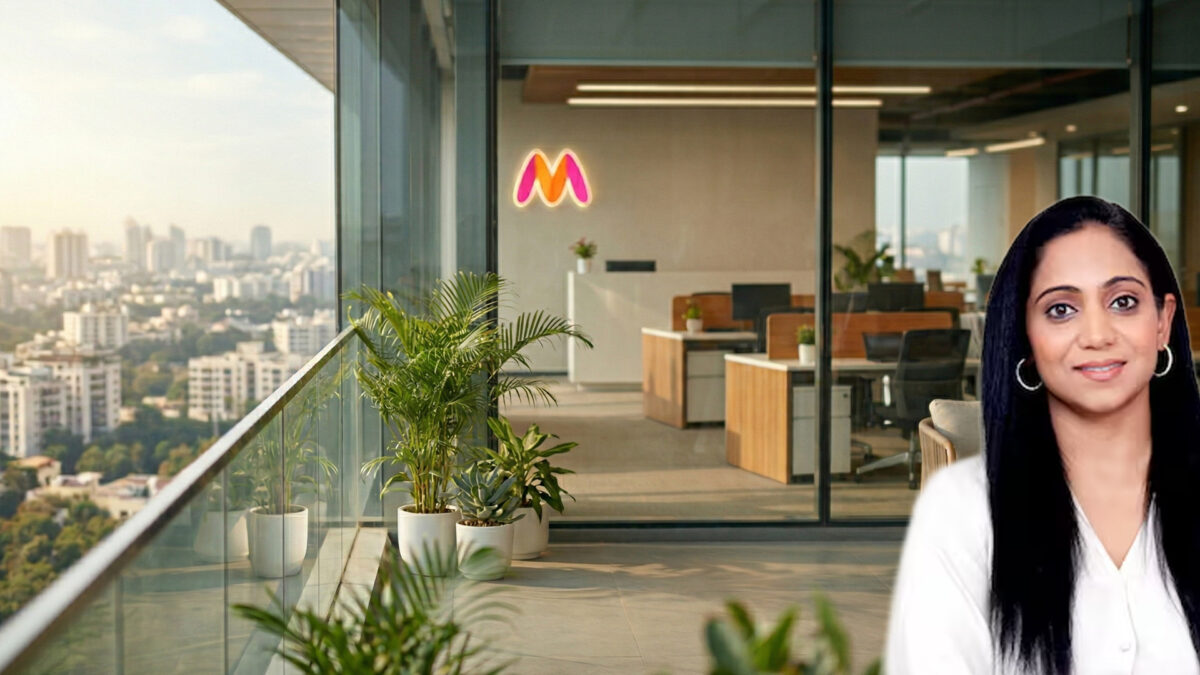
Myntra CEO Nandita Sinha steps down

Nandita Sinha, CEO of Myntra, is set to step down from her role, marking a key leadership change at the Flipkart-owned fashion platform. The transition is expected to take place in the coming weeks, according to sources familiar with the matter.

Sharon Pais, who currently leads Flipkart Fashion, is likely to succeed Sinha. Pais has been a long-time member of the Flipkart group and previously held senior roles at Myntra, making her a natural choice to take over the position.

Sinha has been with the Flipkart group for over a decade and became Myntra’s CEO in 2022. During her tenure, she focused on strengthening the company’s growth and improving its financial performance. Under her leadership, Myntra reported steady gains in revenue and worked towards achieving profitability in a competitive online fashion market.

Her departure comes at a time when Flipkart is preparing for a potential initial public offering (IPO) and undergoing broader leadership changes. Several senior executives have exited the group in recent months, indicating an ongoing restructuring at the top level.

Myntra continues to be a crucial part of Flipkart’s business, particularly in the fashion segment, where it competes with major players like Amazon Fashion, AJIO, and Nykaa Fashion. The platform remains one of the leading online destinations for fashion and lifestyle products in India.

Also Read: Government shifts 16.68 lakh emails to Zoho cloud

Categories
Beyond

Government shifts 16.68 lakh emails to Zoho cloud

The Central government has transitioned 16.68 lakh official email accounts to a cloud platform developed by Zoho Corporation, spending approximately ₹180 crore to upgrade its digital communication infrastructure.

The migration, carried out by the National Informatics Centre (NIC), marks a shift from the older email system to a more advanced and scalable cloud-based solution. The initiative is intended to strengthen security, improve efficiency, and support the government’s growing digital needs.

A key objective behind the move is to enhance control over official data. By adopting a domestically developed platform hosted within India, the government aims to ensure that sensitive information remains secure and under national jurisdiction. This aligns with broader efforts to promote digital self-reliance and reduce dependence on global technology providers.

The new system goes beyond basic email services, offering integrated tools such as file sharing, collaboration features, and communication support. These additions are expected to help government departments work more efficiently and coordinate better across functions.

To avoid disruptions, the migration was implemented in phases. A significant number of accounts had already been transferred earlier, and the latest figures indicate the continued expansion of the project across departments.

The initiative is part of a larger plan to modernise government IT systems through secure cloud adoption. Zoho was chosen as the technology partner following a formal selection process, while NIC continues to manage and oversee the platform’s operations.

Also Read: Centre puts 60% free airline seat rule on hold

Categories
Beyond

Centre puts 60% free airline seat rule on hold

The Centre has put on hold its directive that required airlines to offer at least 60% of seats for free selection, following strong objections from the aviation industry. The rule, which was expected to come into effect later this month, aimed to make air travel more affordable and transparent for passengers.

The policy was introduced to reduce additional charges levied on travellers for choosing seats. Under the proposed rule, a majority of seats on every flight would have been available at no extra cost, limiting airlines’ ability to charge for seat selection except for premium options.

However, airlines pushed back against the move, arguing that seat selection fees are an important part of their ancillary revenue. They warned that restricting this income stream could disrupt their pricing strategies and financial stability. According to industry players, such a mandate could eventually lead to higher base fares, shifting the burden back onto passengers in a different way.

Airlines also highlighted that India follows a deregulated aviation market, where ticket pricing and related services are largely determined by market forces. They expressed concerns that imposing such rules could interfere with this system and create operational challenges.

In response, the government decided to suspend the order for now and review the proposal in detail. Officials indicated that the decision was taken to balance passenger interests with the financial health of airlines, especially at a time when the sector is dealing with rising fuel costs and other expenses.

While the pause brings relief to airlines, it means passengers will continue to pay for preferred seat selection under existing practices. The anticipated benefit of wider access to free seats will have to wait until a final decision is made.

Also Read: India’s GST crosses ₹2 lakh cr in March

Categories
Corporate

Sensex jumps 1,750 points, Nifty50 surges above 22,700

The Indian stock market rebounded sharply on April 2, 2026, with the BSE Sensex climbing 1,750 points to close at 63,420, while the Nifty50 surged above 22,700. Investors were buoyed by a stronger rupee and renewed buying interest in select sectors, trimming losses from earlier in the session.

Markets had opened under pressure, with early declines triggered by geopolitical concerns and weak sectoral cues. Banking, pharmaceuticals, and IT stocks initially dragged indices down, but value buying gradually returned, lifting sentiment.

Among Sensex gainers, Tata Power, Indigo, Reliance Industries, Hindustan Unilever, and Maruti Suzuki recorded strong gains, reflecting investor confidence in energy, transport, and consumer staples. On the other hand, Infosys, Dr Reddy’s Laboratories, HDFC Bank, and Tata Consultancy Services were the major laggards, offsetting some of the rally.

On the broader market, Nifty midcaps and smallcaps also recovered, supported by selective buying in industrial and FMCG stocks. Analysts said the rebound was partly fueled by the rupee’s appreciation, which eased import cost pressures and improved investor confidence in export-oriented sectors.

Despite the strong close, market participants remain cautious. Global cues, crude oil volatility, and foreign fund flows continue to influence trading sentiment.

Also Read: Rupee jumps to 93.53 after RBI action

Categories
Beyond

India’s GST crosses ₹2 lakh cr in March

India’s Goods and Services Tax (GST) collections reached ₹2,00,064 crore in March 2026, marking one of the highest monthly revenue figures in recent years. This represents an 8.8% increase compared with March last year, signaling continued economic activity as the country closes the financial year.

The growth comes from both domestic sales and imports. Domestic GST rose by about 5.9%, while GST from imports jumped 17.8%, reflecting higher trade volumes. Net collections, which is the revenue retained by the government after refunds, stood at ₹1.78 lakh crore, up 8.2% year-on-year. Total GST refunds paid in March increased by nearly 14%, slightly reducing net receipts but supporting businesses.

For the full 2025‑26 fiscal year, gross GST collections reached around ₹22.27 lakh crore, up 8.3% from the previous year. Officials say this steady growth shows better tax compliance, robust consumer demand, and strong business activity across sectors.

Economists noted that the sharp rise in import-related GST indicates expanding trade, while the rise in domestic collections points to healthy consumer spending. The performance also comes after recent adjustments in GST rates under reform efforts, which could have affected monthly collections earlier in the year.

Also Read: Oil rises 4% on Trump’s Iran strike warning

Categories
1 Minute-Read

Vodafone Idea sees subscriber growth after 5 years

Telecom operator Vodafone Idea (Vi) has recorded a net increase in subscribers for the first time in nearly five years.

In February 2026, Vi added around 22,000 wireless users, taking its total base to 198.4 million, according to TRAI. Analysts attribute the modest growth to network expansion, including 4G and 5G upgrades, and government relief on AGR dues, easing financial pressures.

Despite this, Vi’s growth remains far behind rivals Reliance Jio and Bharti Airtel, which added millions of users. The gain signals a potential stabilisation, but continued investment will be key to sustaining momentum in the competitive telecom market.

Categories
Leaders

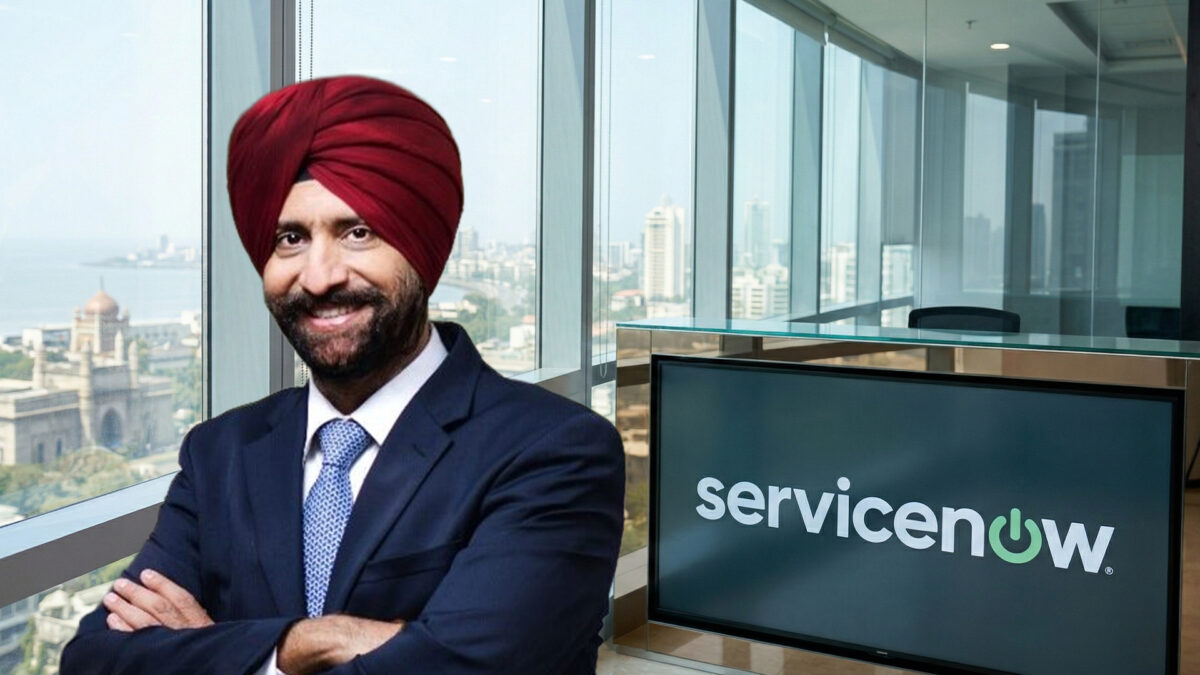
Kulmeet Bawa named ServiceNow India MD

ServiceNow has appointed Kulmeet Bawa as the Managing Director (MD) and Group Vice President (GVP) for its India and SAARC operations, effective April 6, 2026. He will be based in New Delhi and lead the company’s growth strategy in one of its fastest-growing markets.

Bawa has over 20 years of experience in the technology and software industry. He previously worked at SAP, where he served as Global Chief Revenue Officer and also led SAP India as President and MD. Before that, he headed South Asia operations at Adobe, managing business growth across the region.

Before entering the corporate world, Bawa spent 12 years as a Cavalry officer in the Indian Army, an experience he says shaped his leadership and strategic thinking. ServiceNow highlighted that his combined military and corporate experience makes him well-suited to guide the company in a complex and competitive market.

In his new role, Bawa will focus on expanding ServiceNow’s presence, enhancing customer engagement, and helping enterprises adopt digital solutions and workflow automation. His appointment comes at a time when demand for cloud-based enterprise platforms and digital transformation is rising rapidly in India and neighboring SAARC countries.

Adrian Johnston, President of ServiceNow Asia Pacific, said India is a key market for the company and praised Bawa’s experience and leadership as ideal for this next phase of growth.

Bawa succeeds Ganesh Lakshminarayanan, who has moved to a leadership role at Tata Communications. With Bawa at the helm, ServiceNow aims to strengthen its footprint in the region and support businesses in leveraging digital technology to improve efficiency and innovation.

Bawa said he is excited to work with ServiceNow’s customers and partners to help enterprises across India and SAARC harness the potential of digital platforms.

Also Read: Amazon Cloud facility damaged in Bahrain strike