Categories
Beyond

India’s first $10bn green ammonia venture in Andhra

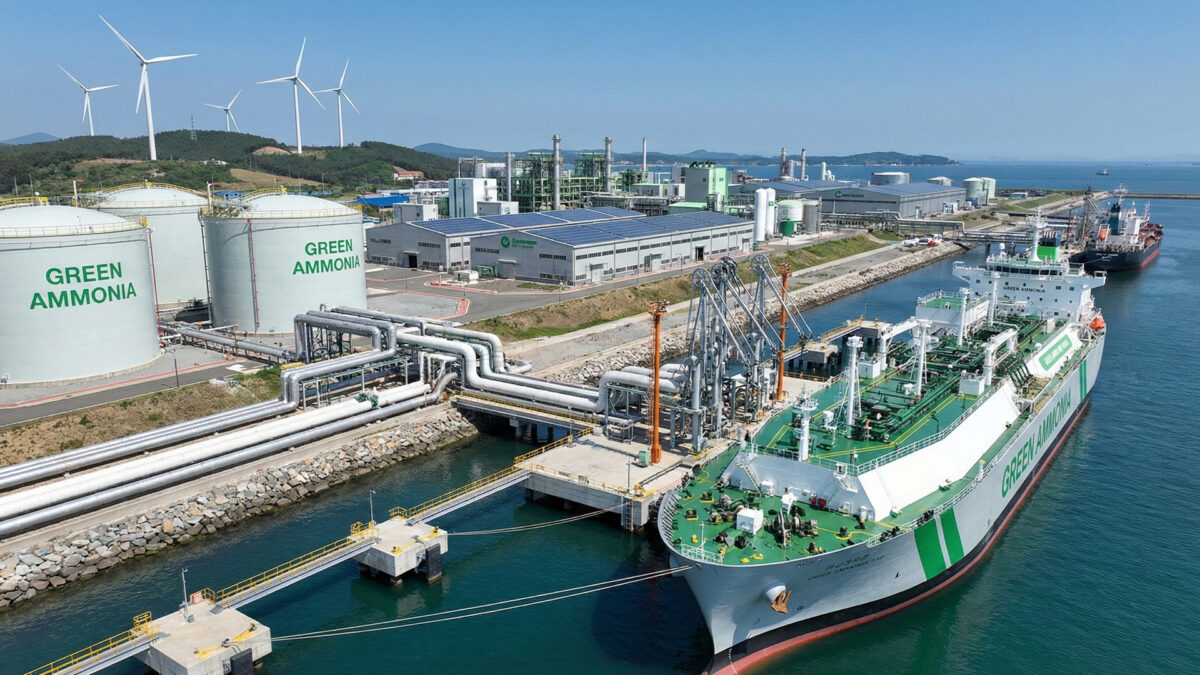
Andhra Pradesh has launched India’s first green ammonia project, marking a significant investment in the country’s clean energy and industrial landscape. The $10‑billion facility, developed by AM Green, is set up near Kakinada Port on a brownfield site formerly used for ammonia‑urea production. Chief Minister N. Chandrababu Naidu and Deputy CM Pawan Kalyan inaugurated the project, emphasizing its potential to drive economic growth and sustainable industrial development.

At full capacity, the complex will produce 1.5 million tonnes of green ammonia annually, making it the largest facility of its kind in the world. Commissioning is planned in phases: 0.5 million tonnes per year by 2027, scaling to 1 million tonnes in 2028, and reaching full output by 2030.

The facility integrates large-scale renewable energy infrastructure, including 7.5 GW of solar and wind power, 1,950 MW of electrolyser capacity for green hydrogen, and 2 GW of continuous renewable energy supported by pumped hydro storage. These capabilities will make the project not only a clean energy milestone but also a strategic hub for industrial hydrogen-based exports.

The venture is expected to generate up to 8,000 jobs during construction, with additional long-term employment in sectors such as renewable energy operations, logistics, port management, and storage. AM Green has already secured supply agreements with Germany’s Uniper and is exploring partnerships with companies in Japan and Singapore, signaling strong international interest.

The project aligns with Andhra Pradesh’s Integrated Clean Energy Policy, 2024, reinforcing the state’s position as a leader in renewable energy and clean fuel exports. Analysts note that this initiative could significantly boost India’s presence in the global green ammonia market, a sector increasingly critical for shipping, power generation, and as a carrier of green hydrogen.

Also Read: US-Taiwan strike $250 billion trade deal
Categories
Beyond

US-Taiwan strike $250 billion trade deal
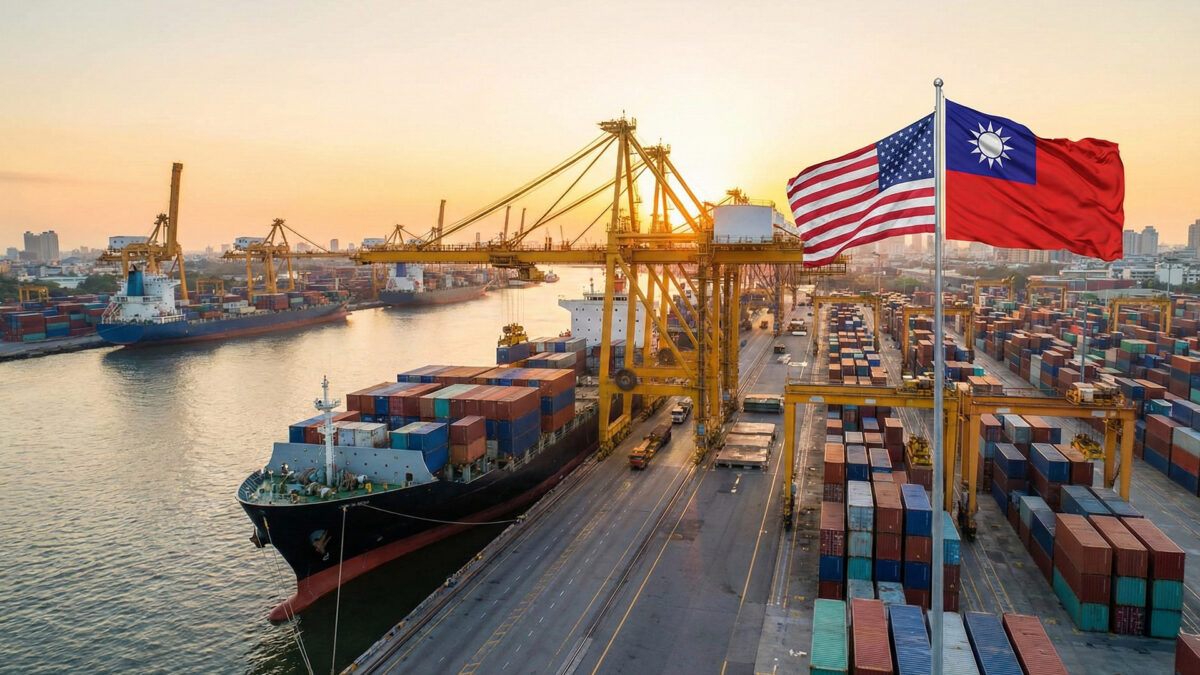
The United States and Taiwan have reached a landmark trade agreement worth $250 billion, aiming to strengthen economic ties and boost high-tech investment. The deal reduces tariffs on Taiwanese goods entering the US and secures substantial commitments from Taiwanese companies to invest in American industries, especially semiconductors, artificial intelligence, and energy.

Under the agreement, the US tariff on most Taiwanese imports will drop from 20% to 15%, bringing Taiwan’s trade treatment closer to that of other major Asia-Pacific partners, including Japan and South Korea. Certain goods, such as generic medicines and aircraft parts, will be fully exempt from tariffs. These measures are designed to encourage the expansion of Taiwanese production in the US while making imports more affordable for American consumers.

A major focus of the pact is strengthening domestic semiconductor manufacturing. The US Commerce Department described the deal as a strategic move to “reshore” advanced chip production and create high-tech industrial zones in the country. Taiwanese firms investing in US production facilities will benefit from favorable tariff treatment and support for establishing cutting-edge technology hubs.

The agreement is particularly significant for Taiwan Semiconductor Manufacturing Company (TSMC), which plans to expand its US operations, including new facilities in Arizona. This expansion aligns with Taiwan’s broader commitment to invest in American industries, supporting jobs and innovation in critical technology sectors.

While the pact has been welcomed in Taipei and Washington, China has criticized the agreement, reiterating its opposition to moves that it sees as undermining the “one-China” principle. Beijing has called on the US to adhere to its stance on Taiwan.

The deal still needs approval from Taiwan’s legislature and comes amid legal discussions in the US regarding presidential authority over tariffs. Analysts say that, once implemented, the agreement could reshape the global semiconductor supply chain, strengthen U.S.-Taiwan economic relations, and attract billions in investment, benefiting both countries’ technology and energy sectors.

Also Read: Grasim appoints Sachin Sahay as Birla Opus CEO

Categories
Corporate

L&T wins major petronet LNG project

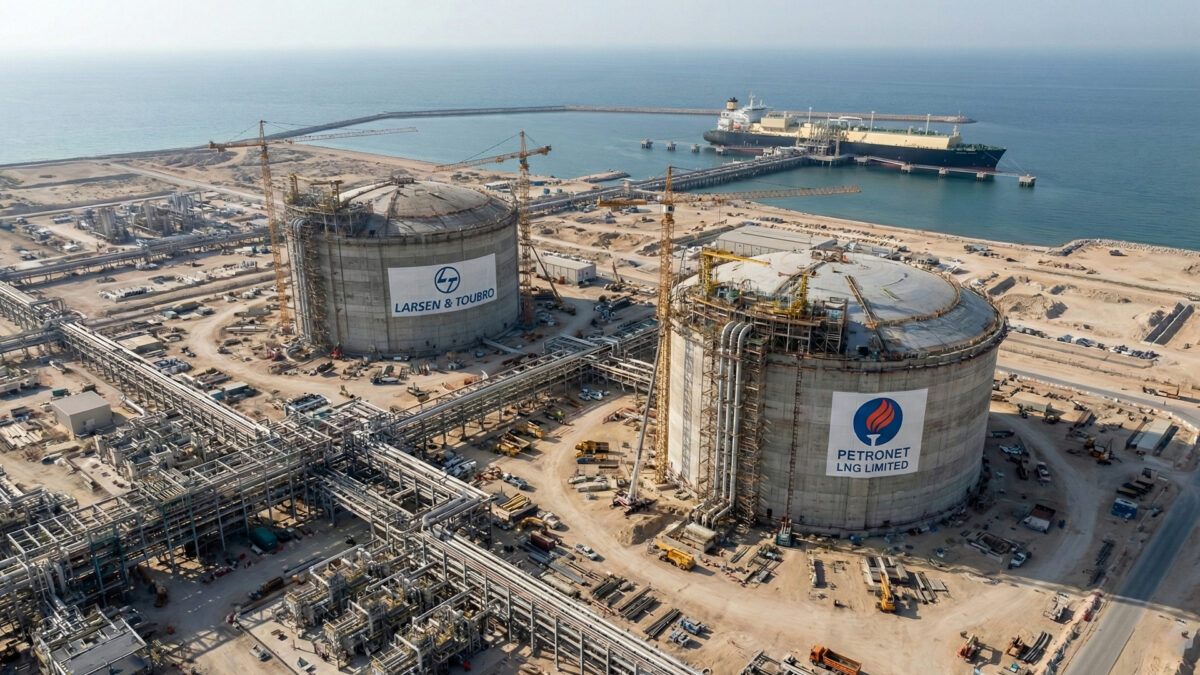
Engineering and construction major Larsen & Toubro (L&T) has secured a large order from Petronet LNG for a key petrochemical project in Gujarat, strengthening its position in India’s energy infrastructure space. The contract has been awarded to L&T’s Hydrocarbon Onshore business and falls under the company’s “large” order category, which typically implies a value ranging between ₹2,500 crore and ₹5,000 crore.

Petronet LNG is a joint venture promoted by four state-run energy majors — ONGC, Indian Oil Corporation, GAIL (India) and Bharat Petroleum Corporation. The company has commissioned L&T to execute the project at its Dahej Petrochemical Complex on a lump sum turnkey basis, covering engineering, procurement, construction and commissioning.

As part of the project scope, L&T will build advanced cryogenic storage infrastructure to support downstream petrochemical operations. This includes a 170,000 cubic metre LNG/ethane double-wall storage tank and a 140,000 cubic metre propane double-wall storage tank. In addition, the company will develop associated facilities for handling, storage and dispatch of ethane and propane, which are essential feedstocks for petrochemical manufacturing.

The Dahej facility is being developed as India’s first integrated petrochemical complex to leverage “cold energy utilisation” from an LNG terminal. This innovative approach is expected to improve energy efficiency by using the cold energy released during LNG regasification in downstream petrochemical processes. The project will support the production of polypropylene through propane dehydrogenation (PDH) units, helping reduce India’s dependence on imported polymers.

L&T said the order reflects its strong capabilities in executing complex hydrocarbon projects that require high levels of technical expertise, safety compliance and timely delivery. The company has a long track record in building large-scale oil, gas and petrochemical infrastructure in India and overseas.

The contract win is also aligned with India’s broader push to expand domestic petrochemical capacity and strengthen value addition within the country. Market participants view the order as a positive development for L&T, reinforcing its robust order book and steady flow of large domestic projects.

Also Read:  Grasim appoints Sachin Sahay as Birla Opus CEO

Categories
Leaders

Grasim appoints Sachin Sahay as Birla Opus CEO

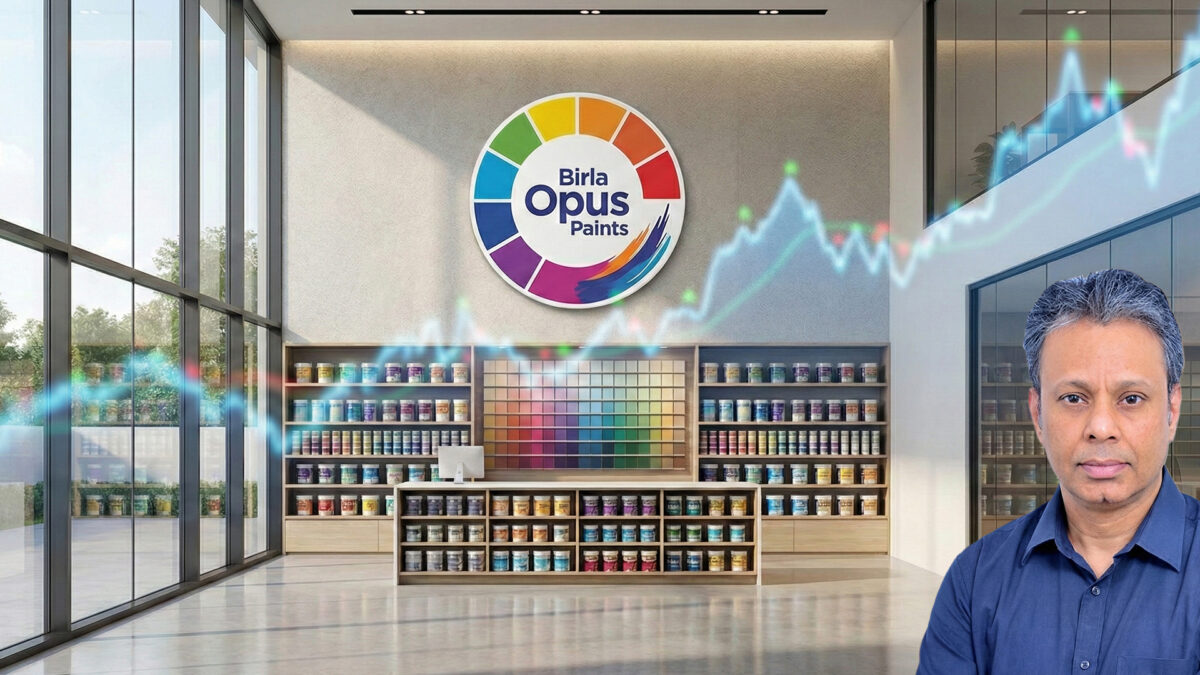
Grasim Industries has named Sachin Sahay as the new CEO of its decorative paints business, Birla Opus Paints, effective February 16, 2026. The appointment comes at a critical juncture as the company looks to strengthen its presence in India’s fiercely competitive paints market.

Sahay, a seasoned professional with over 30 years of experience, joins Grasim from ITC Ltd, where he led sales and marketing initiatives, expanded distribution networks, and drove strategic growth in the fast-moving consumer goods sector. His expertise is expected to help Birla Opus scale operations, enhance brand reach, and compete with established players like Asian Paints.

He takes over from Rakshit Hargave, who recently left the company to join Britannia Industries as CEO. Since its launch in February 2024, Birla Opus Paints has invested heavily in manufacturing capacity and aggressive market strategies to capture share from rivals, quickly establishing itself as a challenger in the decorative paints segment.

The market responded positively to the news, with Grasim shares rising modestly, signaling investor confidence in the new leadership. Analysts say Sahay’s appointment could be pivotal in shaping the company’s next phase of growth, particularly as it seeks to expand distribution in urban and rural markets and consolidate its brand identity.

Industry watchers will be closely monitoring how Sahay’s experience and strategic vision influence Birla Opus’s growth trajectory in an increasingly crowded and competitive paints industry.

Also Read: Nvidia’s H200 chip blocked in China

Categories
Corporate

Nvidia’s H200 chip blocked in China

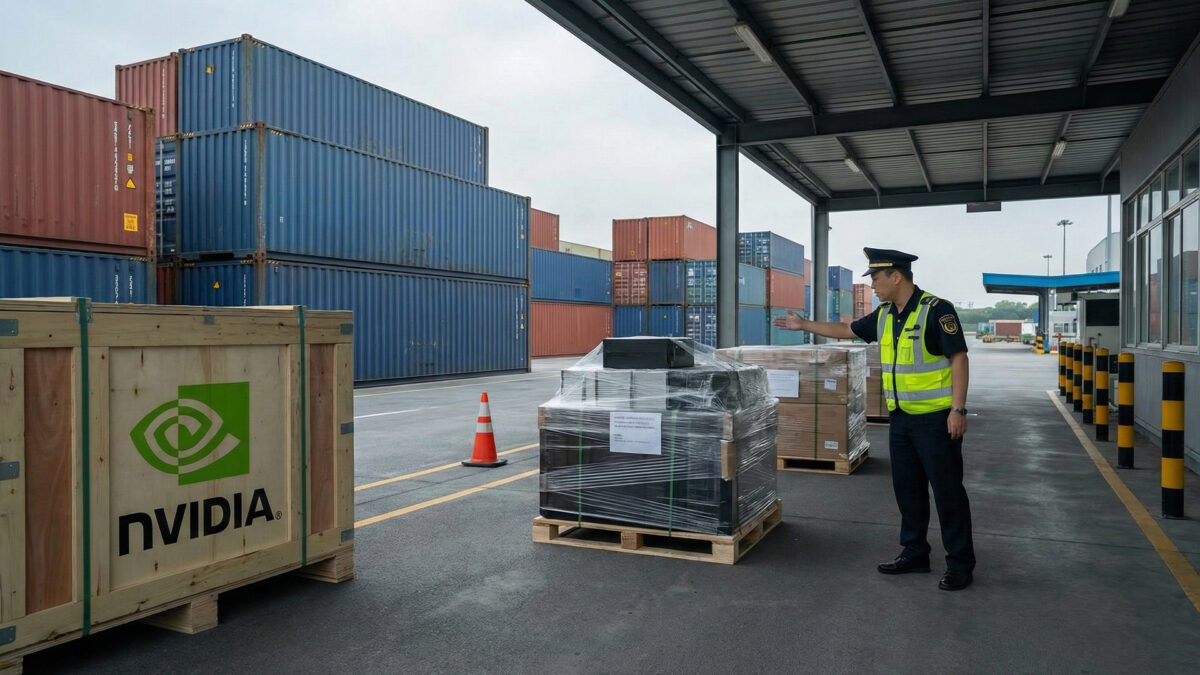
Nvidia, led by CEO Jensen Huang, has run into an unexpected hurdle in China, as customs authorities have blocked shipments of the company’s advanced H200 artificial intelligence (AI) chip. The sudden move has forced suppliers to pause production, creating uncertainty for Chinese tech companies eager to use the processor.

The H200 chip, one of Nvidia’s most powerful AI products, had been cleared for export by the US government, and Huang’s team was preparing to start shipments as early as March. Nvidia had also ramped up component production to meet strong demand from Chinese clients.

However, Chinese customs recently informed logistics agents that the H200 would not be allowed into the country. Officials did not give a reason, leaving the company and its partners uncertain whether the block is temporary or part of a broader policy.

Many components made for the H200 are highly specialised and cannot easily be repurposed, prompting suppliers to halt production to avoid building unsellable inventory. Chinese authorities have also reportedly advised local tech firms to avoid buying the chips unless essential, further dampening demand.

Neither Nvidia nor Chinese officials have publicly commented on the blockage. For Huang and his team, the future of H200 shipments to China remains uncertain as the global AI chip trade faces growing complexity.

Also Read: Reliance Industries Q3 revenue up 10% on digital, O2C strength

Categories
Corporate

Reliance Industries Q3 revenue up 10% on digital, O2C strength

Reliance Industries Ltd (RIL) delivered a steady financial performance in the third quarter of FY26, reporting a 10 per cent rise in consolidated revenue compared to the same period last year.

The growth was largely driven by strong momentum in its digital services, oil-to-chemicals (O2C) and retail businesses, helping the company navigate challenges in its oil and gas exploration segment.

For the October–December quarter, RIL posted consolidated revenue of nearly ₹2.9 lakh crore. Net profit rose marginally by about 1.6 per cent year-on-year to around ₹22,300 crore, while EBITDA increased by about 6 per cent, reflecting stable operating performance across key verticals.

The digital services arm, led by Jio Platforms, remained a major growth engine. Jio recorded healthy increases in revenue and operating profit, supported by strong subscriber additions, rising data consumption and continued expansion of its 5G and home broadband services. The company benefited from higher average revenue per user and growing adoption of digital offerings.

The oil-to-chemicals business also reported a solid quarter. Revenue and earnings improved on the back of better refining margins, higher fuel demand and efficient operations across refineries and petrochemical plants. Despite a challenging global environment, the segment delivered stable performance and contributed meaningfully to overall earnings.

Reliance Retail continued to expand its footprint and recorded over 8 per cent growth in revenue during the quarter. However, profitability in the retail business remained under pressure due to higher operating costs, competitive pricing and the impact of regulatory changes affecting margins.

In contrast, the oil and gas exploration and production segment faced headwinds. Lower production from mature fields and softer price realisations weighed on the segment’s performance, partially offsetting gains from other businesses.

Commenting on the results, Chairman and Managing Director Mukesh Ambani said the company’s diversified business model helped deliver consistent performance despite global uncertainties. He highlighted the continued strength of consumer-facing and downstream businesses as key pillars of growth.

Also Read: Zerodha CEO slams market closure on BMC poll day

Categories
Leaders

Zerodha CEO slams market closure on BMC poll day

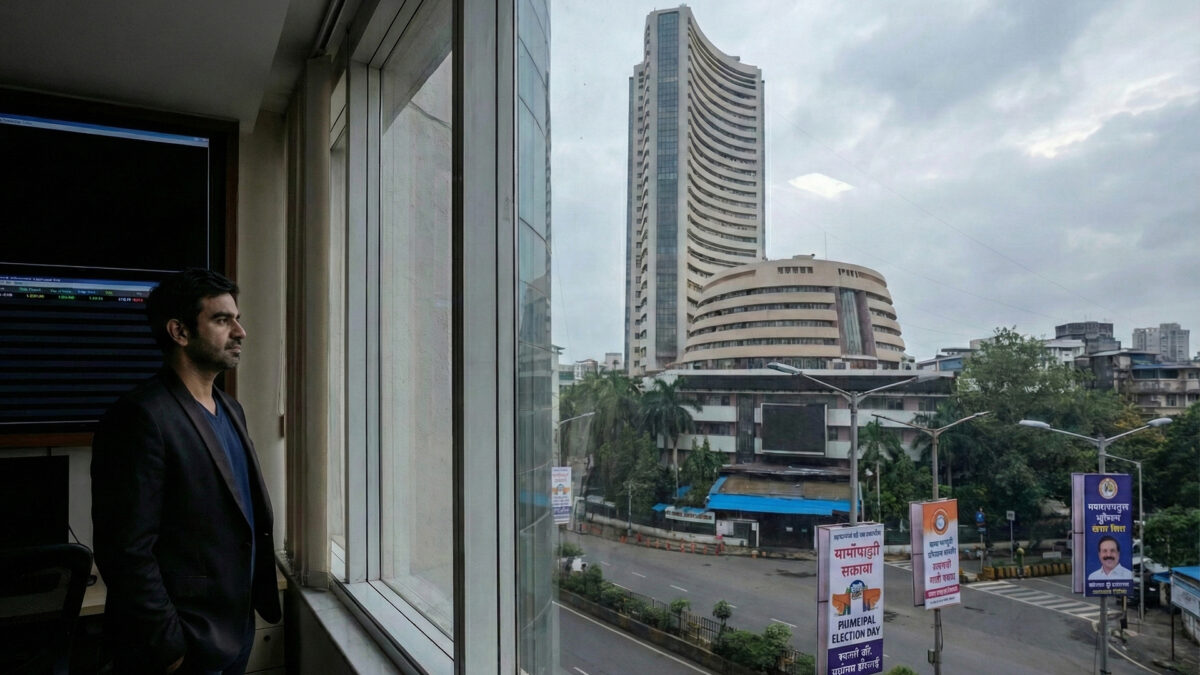
Zerodha CEO Nithin Kamath has criticised the closure of India’s stock markets on January 15, calling it a case of poor planning and a lack of understanding of global market linkages. Trading on the Bombay Stock Exchange (BSE) and National Stock Exchange (NSE) was suspended for the day as Maharashtra declared a public holiday for the Brihanmumbai Municipal Corporation (BMC) elections.

In a post on social media platform X, Kamath questioned why a city-level civic election should halt national stock market operations. He highlighted that Indian markets are deeply connected to global financial systems, with significant participation from foreign investors. Shutting exchanges, he said, sends the wrong signal to international markets and disrupts trading continuity.

Kamath warned that such decisions fail to account for “second-order effects” — broader consequences like lost trading opportunities, market inefficiency, and inconvenience to domestic and global investors. Quoting legendary investor Charlie Munger, he added, “Show me the incentive and I will show you the outcome,” suggesting that outdated practices persist because there is little motivation to change them.

Market analysts echoed Kamath’s concerns, noting that frequent or unnecessary market holidays can affect investor confidence at a time when India aims to attract long-term global capital. They said consistency in market operations is critical for both domestic and international investors.

The market shutdown came amid a volatile start to 2026 for Indian equities, following a challenging 2025 marked by global uncertainties. Trading resumed on January 16, with investors hoping markets quickly regain momentum after the brief disruption.

Also Read: Soumith Chintala named CTO of Thinking Machines Lab

Categories
Corporate

Moody’s improves outlook for 3 key Adani firms

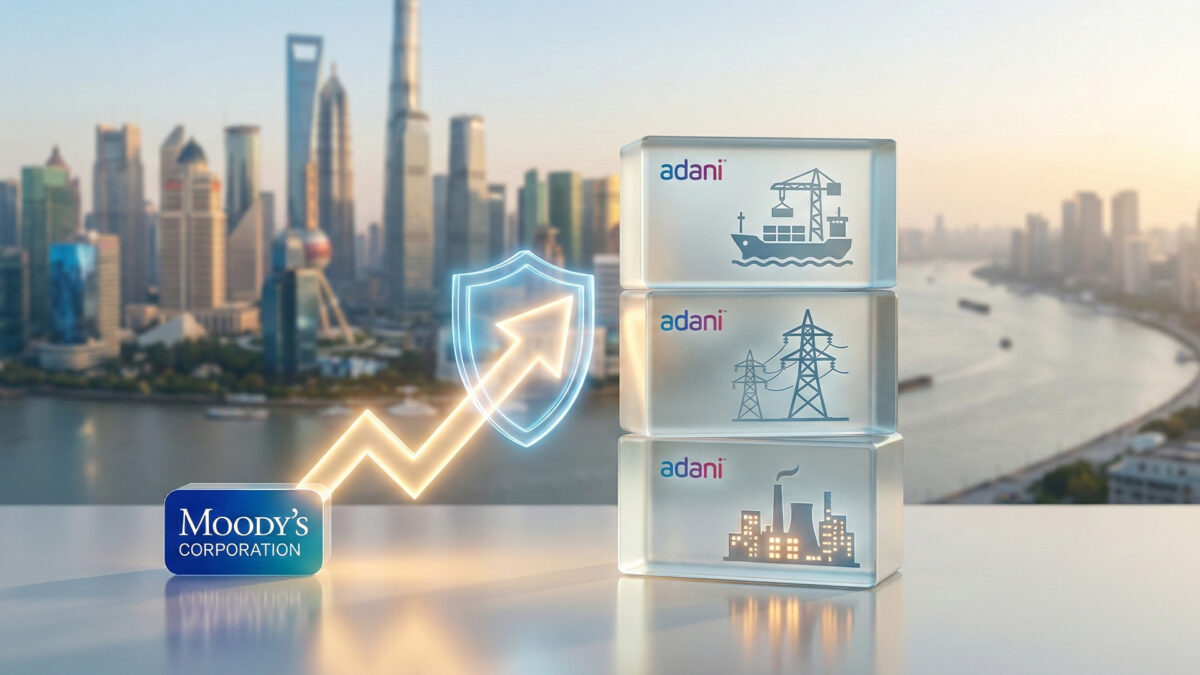
Global credit rating agency Moody’s Investors Service has improved the outlook for three major Adani Group companies, changing it from negative to stable. The companies covered under the upgrade are Adani Ports and Special Economic Zone (APSEZ), Adani Transmission Step-One Limited, and Adani Electricity Mumbai Limited. Moody’s has also reaffirmed their investment-grade credit rating at Baa3.

The outlook upgrade comes after Moody’s reviewed the companies’ financial position and found improvements in liquidity, cash flow management, and overall financial stability. According to the agency, these companies are now better placed to meet their debt obligations over the next 12 to 18 months, supported by adequate access to funding.

Moody’s said Adani Ports, one of India’s largest port operators, benefits from flexible capital expenditure plans, diversified operations, and strong access to capital markets. These factors provide comfort on its ability to manage debt while continuing expansion plans.

For Adani Transmission Step-One and Adani Electricity Mumbai, the rating agency highlighted the stable and predictable nature of their revenues. As regulated utility businesses, both companies enjoy steady cash flows, which support their credit strength and liquidity position.

Reacting to the development, the Adani Group said the improved outlook reflects confidence in its financial discipline, governance standards, and long-term business strategy. The group added that the rating action underlines its continued focus on infrastructure development and nation-building, which remain central to its operations.

The upgrade is seen as a positive signal for the Adani Group, especially after a period of heightened scrutiny and cautious sentiment from global investors. A stable outlook suggests that Moody’s does not expect any immediate deterioration in the financial health of these companies.

However, Moody’s also noted that it will continue to closely monitor the group’s financial policies, debt levels, and execution of expansion plans. Any significant weakening in liquidity, aggressive debt-funded growth, or adverse regulatory developments could impact future ratings.

Also Read: Gates Foundation announces $9 billion spending plan

Categories
Beyond

Asian markets rise for fourth week on tech boost

Asian stock markets are heading for their fourth straight week of gains, supported mainly by strong performance in technology and semiconductor stocks. Investors have shown renewed confidence in tech shares after encouraging earnings and positive outlooks linked to artificial intelligence (AI) demand.

A key driver of the rally has been Taiwan Semiconductor Manufacturing Company (TSMC), the world’s largest contract chipmaker. The company reported better-than-expected results and gave an optimistic outlook, pointing to continued strong demand for advanced chips used in AI applications. This lifted TSMC’s shares sharply and boosted confidence across global chip and technology stocks.

Following TSMC’s results, tech stocks in several Asian markets moved higher. South Korean shares, which have a large exposure to semiconductor companies, saw notable gains. Technology-heavy indices across the region also advanced, reflecting strong investor interest in AI-linked businesses.

The positive mood in Asia followed a recovery on Wall Street, where US markets stabilised after recent volatility. Gains in major U.S. technology stocks helped improve overall global sentiment, encouraging investors to take on more risk.

Other asset classes showed mixed movement. Bond markets were largely steady, while US Treasury yields eased slightly after data showed fewer Americans filing for unemployment benefits, suggesting resilience in the US labour market. Oil prices stabilised after recent declines, while traditional safe-haven assets such as gold edged lower as investors moved towards equities.

Despite the recent rally, market participants remain cautious about potential risks, including global economic uncertainty, interest-rate expectations, and geopolitical developments. However, strong earnings from major technology companies have helped offset some of these concerns.

Analysts note that technology stocks, which had faced pressure earlier due to profit-taking and sector rotation, are once again attracting buyers. The renewed focus on AI growth and solid corporate earnings has strengthened the case for further gains, at least in the near term.

Also Read: Jio financial Q3 profit at ₹269 crore

Categories
Corporate

Jio financial Q3 profit at ₹269 crore

Jio Financial Services Ltd reported a net profit of ₹269 crore for the third quarter ended December 31, 2025, supported by strong growth across its core businesses such as lending, payments and asset management.

The company’s total income more than doubled year-on-year to about ₹901 crore, reflecting higher activity in its operating segments. Income from core businesses now accounts for over half of total net income, a sharp rise from around one-fifth in the same period last year, showing improved diversification beyond treasury income.

The lending business continued to expand rapidly. Assets under management rose to ₹19,049 crore, nearly 4.5 times higher than a year ago, while loan disbursements almost doubled. This led to a strong increase in interest income and operating profit before provisions.

In the payments segment, transaction volumes and customer activity grew steadily, resulting in a sharp rise in fee and commission income. The company’s payments ecosystem also benefited from a wider user base.

Jio Payments Bank posted significant growth, with income rising multiple times compared to last year. Customer deposits and the number of active users also increased, reflecting higher adoption of digital banking services.

Also Read: Angel One Q3 profit dips to ₹269 crore