Categories
Corporate

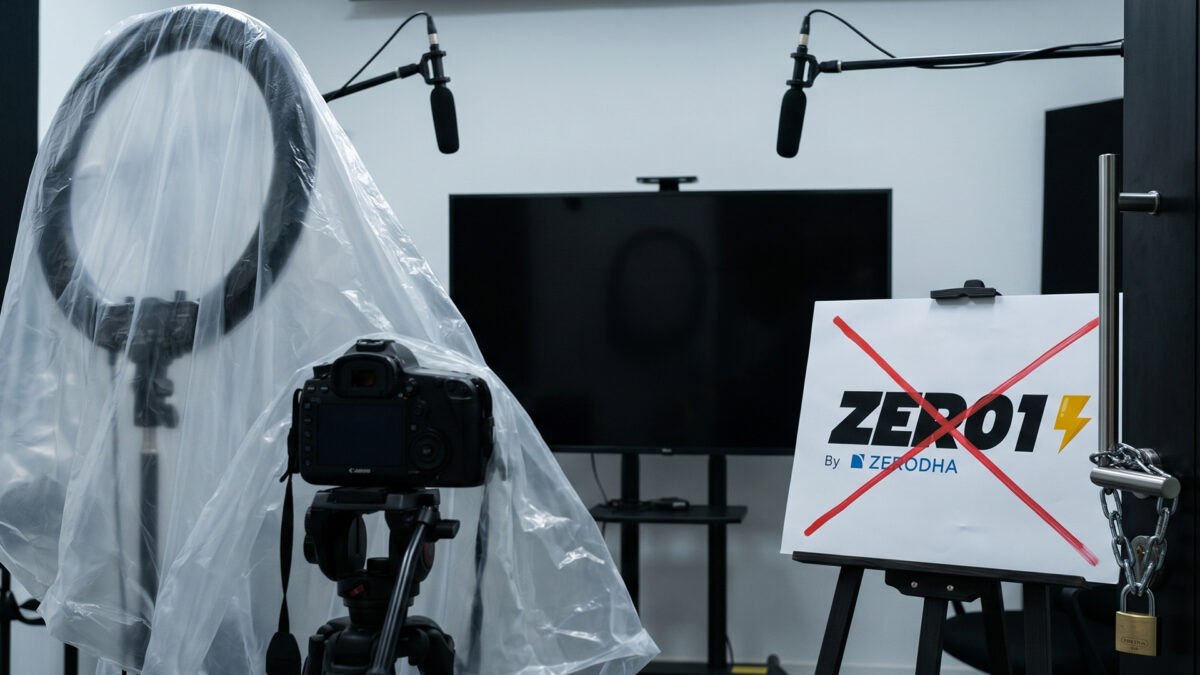
Zerodha closes Zero1 creator platform

Zerodha has shut down Zero1, its creator-focused content platform, bringing an end to a unique venture that worked with digital creators to produce educational content on finance and other subjects. The company said the move was driven by regulatory uncertainty.

Zero1 was launched as an effort to build meaningful, long-form content in areas such as investing, money management, health and climate. Unlike many short-form influencer channels, the platform aimed to create well-researched content through partnerships with creators who already had strong online audiences.

The initiative had attracted attention for trying a different model — giving creators access to Zerodha’s resources, production support and distribution network while allowing them creative freedom. It was seen as a fresh attempt to combine content creation with education.

However, Zerodha has now decided to discontinue the platform. The company said Zero1 had performed well and reached a wide audience, but changing regulations and uncertainty around creator-led financial content made the model difficult to continue.

The closure comes at a time when regulators are increasing scrutiny of online financial advice, influencer promotions and unregistered investment recommendations. Fintech companies and creators are facing growing pressure to ensure that content does not cross into misleading or unauthorised advice.

Going forward, Zerodha plans to focus on producing content internally rather than through outside creator partnerships. This means the company will continue its education efforts, but with tighter editorial control and direct oversight.

The move is significant because Zero1 had emerged as a rare example of a structured creator network backed by a major financial company. It also reflected how brands were beginning to treat creators as long-term partners rather than just marketing channels.

For creators who were part of the network, the shutdown closes a platform that offered funding, professional support and credibility. For the wider industry, it raises questions about how future partnerships between finance companies and influencers will evolve.

Also Read: Tamil Nadu sees record 84% voting in assembly polls

Categories
Leaders

Nithin Kamath questions banking app permissions

Nithin Kamath, co-founder and CEO of Zerodha, has raised concerns over the permissions sought by several mobile banking applications, saying he does not use net banking apps because many of them request access to personal data that he considers unnecessary.

In a post on the social media platform X (Twitter), Kamath said many banking apps ask for permissions such as access to SMS messages, phone data and contact lists. He described these requirements as “invasive” and questioned why such access is needed for basic banking services.

Kamath said the demand for such permissions does not make sense and may pose privacy risks for users. According to him, financial apps should ideally follow global cybersecurity practices, where applications only request the minimum permissions required to function.

Because of these concerns, Kamath said he prefers not to install or use net banking apps on his smartphone. His comments highlight the growing debate around data privacy and how financial technology platforms handle sensitive user information.

He also pointed out that digital platforms should focus on protecting user privacy while still ensuring security. Kamath noted that unnecessary permissions could make users uncomfortable and reduce trust in financial apps.

Referring to his own company’s approach, Kamath said Zerodha’s trading platforms are designed to function without requesting unnecessary permissions from users’ devices. He said this approach is intended to ensure that user data remains protected while still offering secure services.

His remarks triggered discussions online, with many social media users sharing similar concerns about the level of access requested by banking and financial apps. Some users agreed that certain permissions appear excessive for basic transactions and account management.

At the same time, others noted that banks may request access to features like SMS to enable security measures such as transaction alerts, device verification or fraud detection.

Also Read: Roche expands AI computing with Nvidia chips

Categories
Leaders

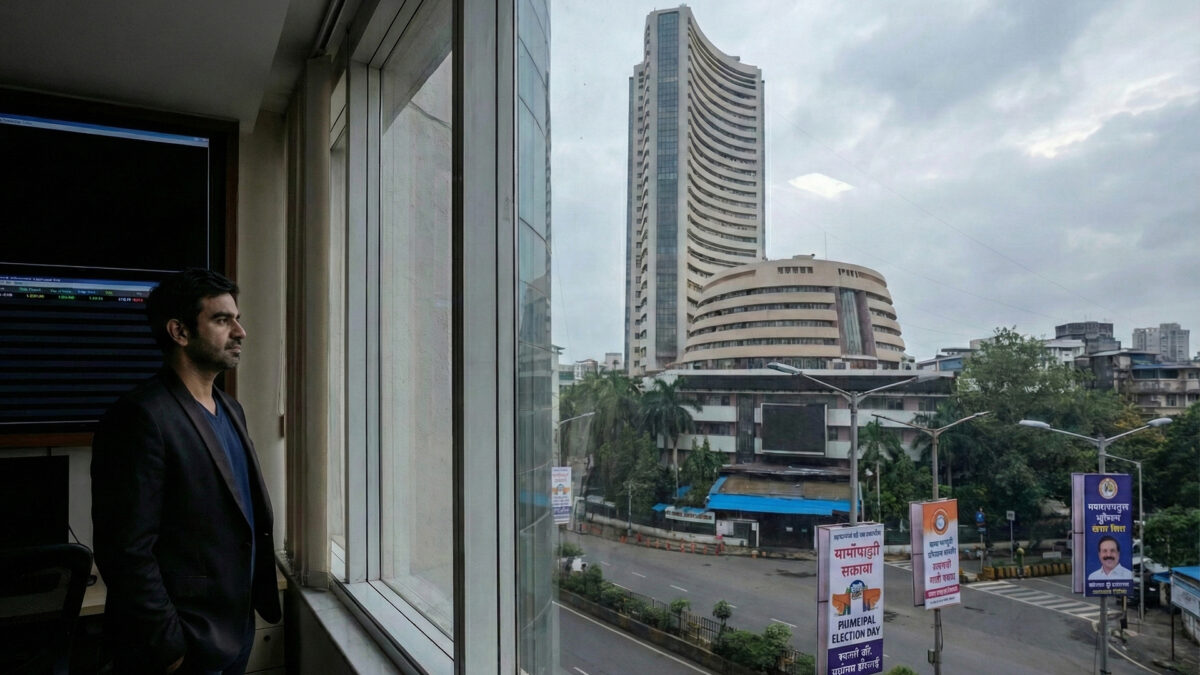
Zerodha CEO slams market closure on BMC poll day

Zerodha CEO Nithin Kamath has criticised the closure of India’s stock markets on January 15, calling it a case of poor planning and a lack of understanding of global market linkages. Trading on the Bombay Stock Exchange (BSE) and National Stock Exchange (NSE) was suspended for the day as Maharashtra declared a public holiday for the Brihanmumbai Municipal Corporation (BMC) elections.

In a post on social media platform X, Kamath questioned why a city-level civic election should halt national stock market operations. He highlighted that Indian markets are deeply connected to global financial systems, with significant participation from foreign investors. Shutting exchanges, he said, sends the wrong signal to international markets and disrupts trading continuity.

Kamath warned that such decisions fail to account for “second-order effects” — broader consequences like lost trading opportunities, market inefficiency, and inconvenience to domestic and global investors. Quoting legendary investor Charlie Munger, he added, “Show me the incentive and I will show you the outcome,” suggesting that outdated practices persist because there is little motivation to change them.

Market analysts echoed Kamath’s concerns, noting that frequent or unnecessary market holidays can affect investor confidence at a time when India aims to attract long-term global capital. They said consistency in market operations is critical for both domestic and international investors.

The market shutdown came amid a volatile start to 2026 for Indian equities, following a challenging 2025 marked by global uncertainties. Trading resumed on January 16, with investors hoping markets quickly regain momentum after the brief disruption.

Also Read: Soumith Chintala named CTO of Thinking Machines Lab