Categories
Beyond

Gold at ₹1,56,590, Silver slips to ₹2,84,900

Gold and silver prices slipped slightly in early trade on Monday, reflecting cautious sentiment in the bullion market. Ten grams of 24-carat gold fell by ₹10 to ₹1,56,590 in major cities such as Mumbai and Kolkata. Prices were marginally higher in Chennai, while Delhi saw rates close to the national average. 22-carat gold also eased by ₹10, trading at around ₹1,43,540 per ten grams.


Categories
1 Minute-Read

Financial bids received for IDBI Bank privatisation

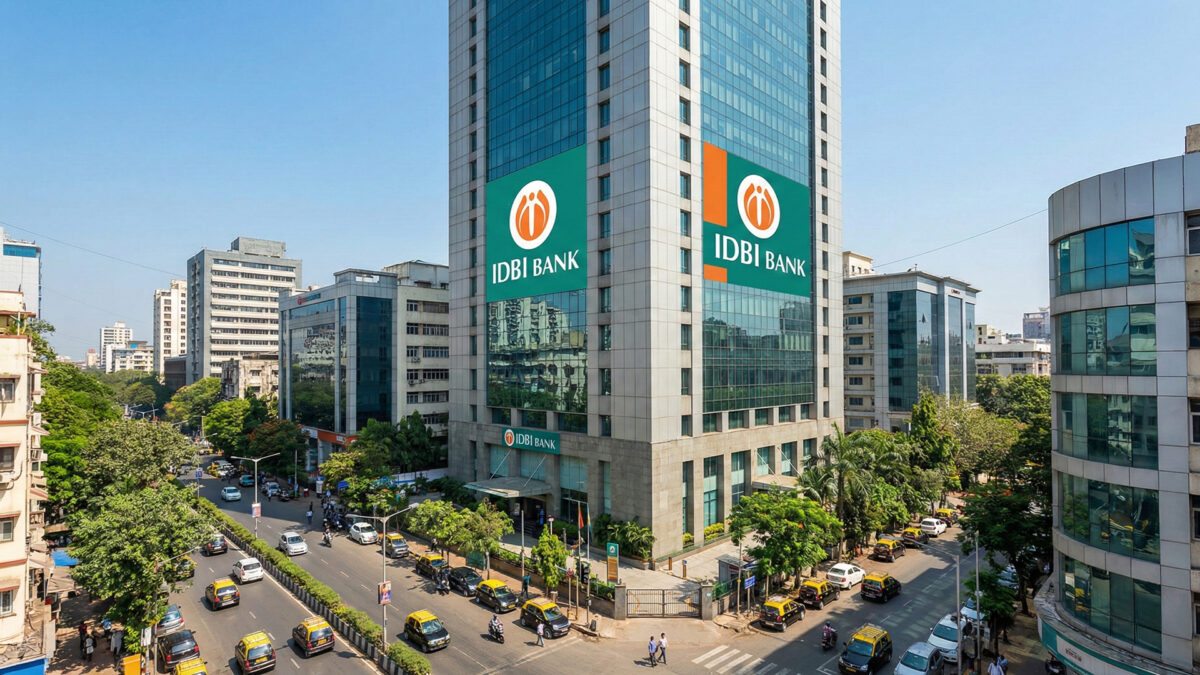
The government has received financial bids for the strategic privatisation of IDBI Bank, marking a key step in the disinvestment process, the Department of Investment and Public Asset Management (DIPAM) said.

The bids, including from Kotak Mahindra Bank, Fairfax India Holdings, and Emirates NBD, cover the 60.72% stake held by the Centre and LIC. These offers will now be evaluated as per procedure to select a preferred bidder, followed by regulatory approvals.

The move aligns with the government’s broader plan to reduce its stake in non-core sectors and raise revenue.

Categories
Corporate

Mahindra to invest ₹15,000 cr in Maharashtra plant

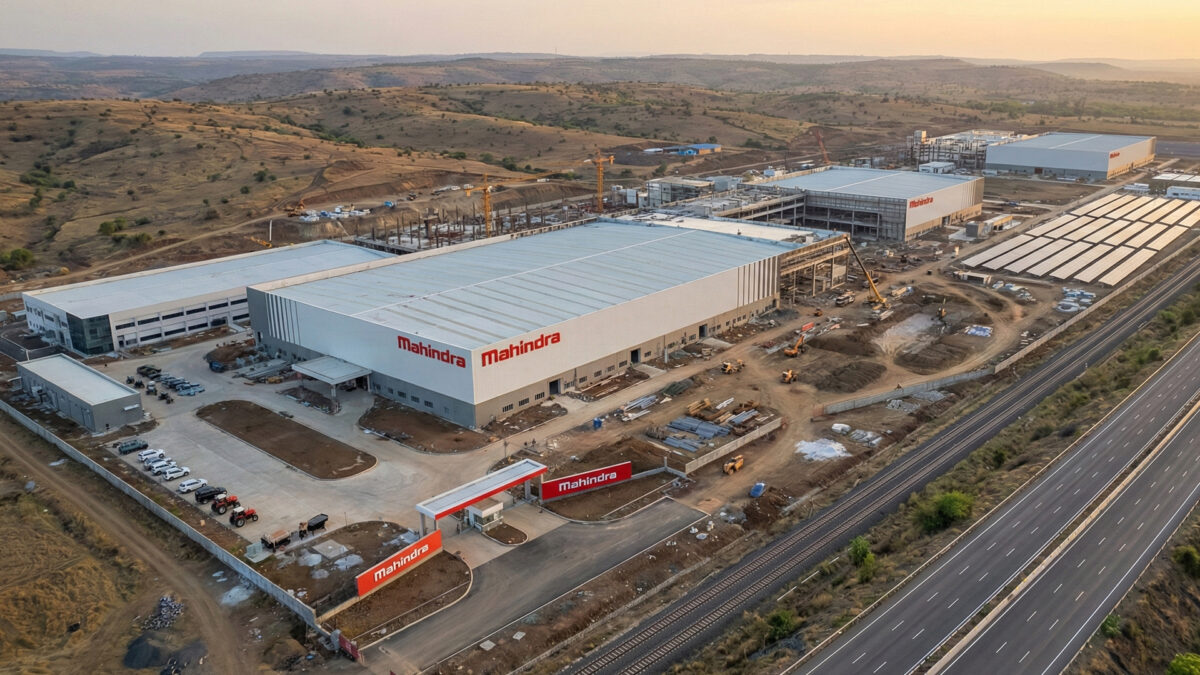
Mahindra & Mahindra (M&M) is set to invest ₹15,000 crore to establish India’s largest integrated automobile and tractor manufacturing facility in Nagpur, Maharashtra. The announcement came at the Advantage Vidarbha investment summit, underlining the region’s growing importance as a hub for industrial development.

The new facility will span 1,500 acres, complemented by a 150‑acre supplier park in Chhatrapati Sambhajinagar (Aurangabad). The park will supply parts to the Nagpur plant and other Mahindra factories in Chakan and Nashik, boosting local supply chains and production efficiency.

Production at the Nagpur plant is expected to begin in 2028. Once operational, it will have the capacity to manufacture more than 5 lakh vehicles and 1 lakh tractors every year, making it the largest such integrated plant in the country.

The plant will be equipped to handle internal combustion engines, electric vehicles, and future mobility technologies, supporting Mahindra’s NU_IQ platform and other next-generation vehicle architectures.

In addition, Mahindra is acquiring over 2,000 acres across three locations in Maharashtra, including land in the Igatpuri-Nashik region, to expand engine production and other advanced manufacturing capabilities.

Officials highlight that the Nagpur location offers strong logistical advantages, with access to the Samruddhi Expressway and major rail links, facilitating the movement of vehicles and components across India and overseas markets.

The project is expected to generate substantial employment opportunities and contribute to the economic development of Vidarbha and nearby areas. Maharashtra’s government has welcomed the investment, describing it as a significant boost to the state’s industrial ecosystem.

This ₹15,000 crore investment is a major step in Mahindra’s long-term manufacturing strategy, reinforcing its commitment to India’s “Make in India for the World” initiative while positioning the company for growth in both domestic and international markets.

Also Read: Tata Steel Q3 profit soars to ₹2,700 cr on Dutch boost

Categories
Leaders

Tablesh Pandey to lead NSE IPO committee plan

The National Stock Exchange of India (NSE) has taken a major step toward going public, as its board approved plans for an initial public offering (IPO) and formed a special IPO committee to oversee the process.

The IPO will be conducted via an offer-for-sale (OFS) route, in which existing shareholders sell their stake rather than the exchange issuing new shares. This approach helps determine NSE’s market valuation while retaining its overall ownership structure.

Former LIC Managing Director Tablesh Pandey has been appointed chairman of the IPO committee, bringing decades of experience in financial management, corporate governance, and regulatory compliance. Pandey is widely respected for his leadership at LIC, India’s largest insurance company, where he successfully steered growth, improved operational efficiency, and strengthened investor trust.

The IPO committee will include NSE’s Managing Director & CEO and public interest directors, ensuring strategic oversight of key steps such as finalizing the issue size, appointing merchant bankers, and preparing the Draft Red Herring Prospectus (DRHP).

A significant milestone for the exchange was the no-objection certificate (NOC) from SEBI, which clears a major regulatory hurdle for the listing. NSE aims to file the DRHP by end of March or early April, subject to audited financial statements and regulatory approvals.

The IPO is expected to unlock shareholder value and increase participation in India’s premier stock exchange. Analysts believe that with Pandey leading the committee, the process will benefit from strong governance, credibility, and smooth execution.

Pandey’s appointment is seen as a signal of the NSE’s commitment to transparency and regulatory compliance, given his proven track record in managing large public-sector financial institutions. Experts expect the IPO to be closely watched by both retail and institutional investors in India.

With the IPO committee now in place under Pandey’s guidance, NSE is on track to achieve a long-awaited listing, marking a major development in India’s capital markets.

Also Read: AI stethoscopes boost early health screening

Categories
Technology

AI stethoscopes boost early health screening

AI-powered digital stethoscopes are emerging as powerful tools that could change how diseases are detected during basic health screenings, according to recent research. By combining traditional auscultation with artificial intelligence, these devices help clinicians identify warning signs that might otherwise go unnoticed.

The technology works by capturing detailed heart and lung sounds and analysing them through AI algorithms trained to recognise disease-specific patterns. This approach has shown strong results in detecting heart valve disorders and respiratory conditions, even in early or mild stages.

One of the key advantages of AI-enabled stethoscopes is their potential to address screening shortfalls in resource-limited settings. Many regions lack access to imaging tests and specialist doctors, leading to delayed or missed diagnoses. Portable digital stethoscopes can be used in community clinics and outreach programmes, bringing advanced screening closer to patients.

Researchers say the tools could be particularly useful in identifying lung infections such as tuberculosis, which continues to affect millions worldwide. AI systems can detect abnormal lung sounds linked to infection, helping health workers decide who needs further testing.

The devices also support digital storage and remote sharing of recordings, making them suitable for telehealth services. This allows doctors to review patient data from afar and advise on next steps.

Also Read: Alphabet breaks $400 bn revenue barrier in 2025

Categories
Corporate

Alphabet breaks $400 bn revenue barrier in 2025

Alphabet Inc., the parent company of Google, has achieved a historic milestone by recording annual revenues exceeding $400 billion in 2025 for the first time. The landmark performance reflects strong momentum across its core businesses, supported by rising demand for artificial intelligence, digital advertising, video streaming and cloud services.

In its full-year earnings statement, Alphabet reported revenues of about $403 billion, representing around 15 per cent growth compared to the previous year. The company also delivered a robust final quarter, generating nearly $114 billion in revenue, comfortably beating analysts’ expectations and underscoring steady business expansion through the year.

Chief Executive Officer Sundar Pichai said the results demonstrate the strength of Alphabet’s long-term strategy, particularly its focus on AI-led innovation. He noted that artificial intelligence is now deeply integrated across Google’s products, improving performance, user engagement and monetisation.

Google’s search and advertising business continued to be the biggest contributor to revenues, helped by better ad targeting and the rollout of AI-powered search features. YouTube also posted solid gains, with advertising and subscription income together crossing $60 billion during 2025. Growth was driven by higher viewer engagement, strong demand for premium subscriptions and sustained interest from advertisers.

Google Cloud emerged as another major growth engine, as enterprises increasingly adopted cloud infrastructure and AI-based tools. The cloud division recorded sharp revenue growth during the year and continued to improve margins, strengthening its position in a highly competitive market.

Alphabet’s push into generative AI has been a key highlight. Its Gemini AI platform has rapidly scaled, attracting hundreds of millions of monthly users. The company said Gemini is being embedded across multiple services, from search and productivity tools to cloud offerings, helping unlock new revenue opportunities.

The strong revenue growth was matched by a rise in net profit, supported by higher scale and operational efficiencies. Looking ahead, Alphabet announced plans to significantly step up capital expenditure in 2026, with major investments planned for data centres, chips and AI infrastructure to support future demand.

Also Read: India removes small-car relief in new fuel emission rules

Categories
Beyond

India removes small-car relief in new fuel emission rules

India has decided to drop the proposed special concession for small petrol cars in its upcoming fuel-efficiency and emission norms, following objections from several domestic automakers. The move is part of a revised draft of the Corporate Average Fuel Efficiency (CAFE) regulations, which will come into force from April 2027 and remain valid for five years.

Earlier, the draft rules had offered relaxed emission targets for petrol cars weighing 909 kg or less. This provision was strongly opposed by companies such as Tata Motors and Mahindra & Mahindra, which argued that it would unfairly favour one manufacturer that dominates the small-car segment. Industry executives said the concession would distort competition rather than promote genuine fuel-efficiency improvements.

After reviewing the feedback, the government removed the small-car exemption and introduced a more uniform framework. The revised draft tightens emission targets across the passenger vehicle segment and reduces the scope for weight-based advantages. All passenger vehicles with a gross weight of up to 3,500 kg will now be assessed under the same broad efficiency principles.

Under the new proposal, average fleet carbon dioxide emissions must fall steadily, reaching about 100 grams per kilometre by 2032, compared to roughly 114 g/km currently. The targets could become even stricter if electric vehicles gain a higher share of overall car sales.

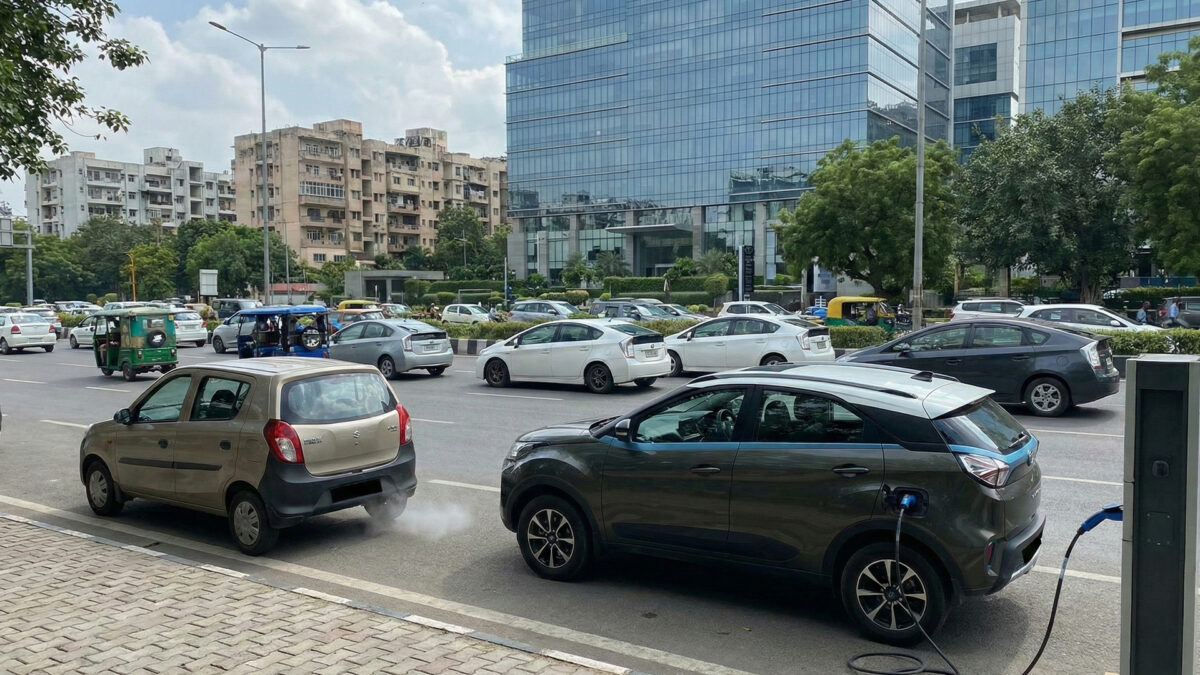
To support the shift towards cleaner mobility, the draft rules provide incentives for electric vehicles and plug-in hybrids through a credit-based system. Automakers that exceed targets can earn credits, while those falling short will need to buy credits or face penalties. Companies may also pool compliance performance with other manufacturers to meet the norms more efficiently.

Penalties for non-compliance could go up to around $550 per vehicle, making adherence financially critical for automakers.

Transport accounts for about 12% of India’s total energy consumption and is a major contributor to carbon emissions and fuel imports. Passenger vehicles form the bulk of these emissions.

Also Read: MRF Q3 profit jumps 119% to ₹692 cr


Categories
Corporate

MRF Q3 profit jumps 119% to ₹692 cr

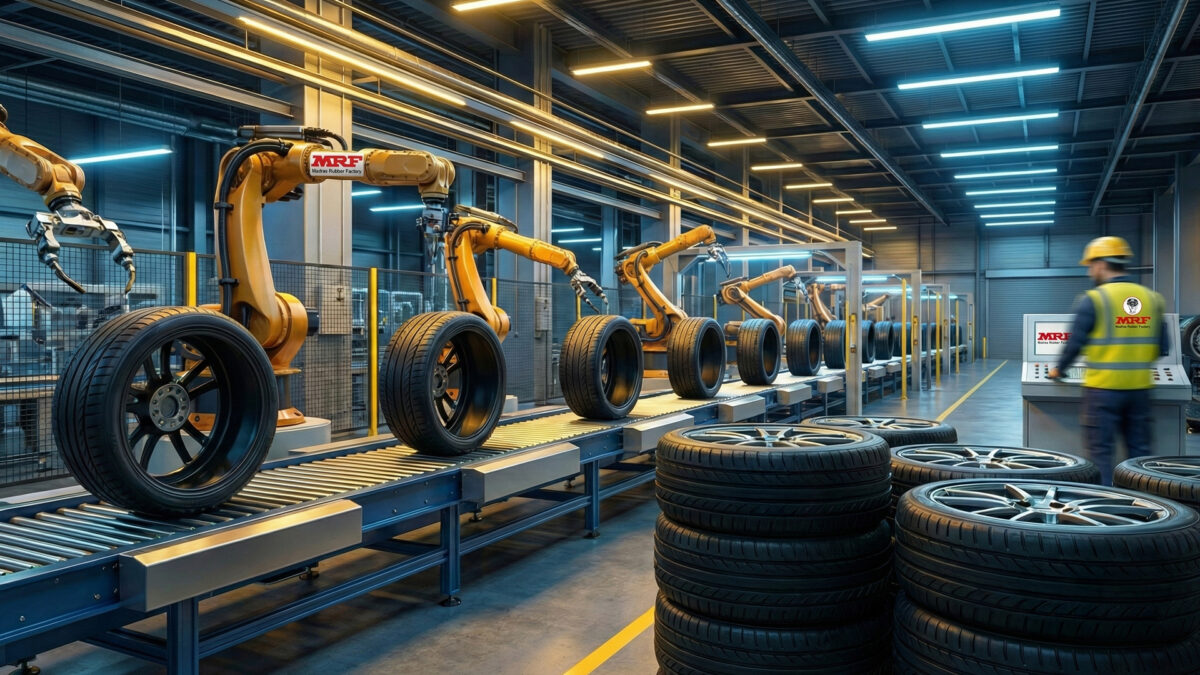
MRF Ltd posted a strong financial performance in the December quarter, with its consolidated net profit surging 119 per cent year-on-year to ₹692 crore, compared with ₹315 crore in the same quarter last year.

Revenue from operations grew by about 15 per cent to ₹8,050 crore, supported by steady demand across both original equipment manufacturers and the replacement tyre market. Better pricing and improved operating efficiencies helped the company deliver higher profitability during the quarter.

Operating earnings showed a sharp improvement, with EBITDA rising nearly 68 per cent to around ₹1,399 crore. This led to a significant expansion in operating margins to 17.4 per cent, up from 11.9 per cent a year ago, reflecting effective cost management and favourable input cost trends.

Total expenditure increased moderately to about ₹7,180 crore, in line with higher production volumes. The company also recorded an exceptional expense of ₹77.2 crore, arising from a one-time increase in gratuity and leave-related liabilities following changes in legislation.

In addition to the strong earnings, MRF’s board approved a second interim dividend of ₹3 per equity share for FY26. The company has fixed February 13, 2026, as the record date for determining eligible shareholders. The dividend will be paid on or after February 27, 2026.

MRF shares reacted positively to the announcements, climbing as much as 9 per cent in intraday trade, as investors welcomed the sharp profit growth and improved margin profile.

Also Read: RBI keeps repo rate at 5.25%, stance neutral

Categories
Beyond

RBI keeps repo rate at 5.25%, stance neutral

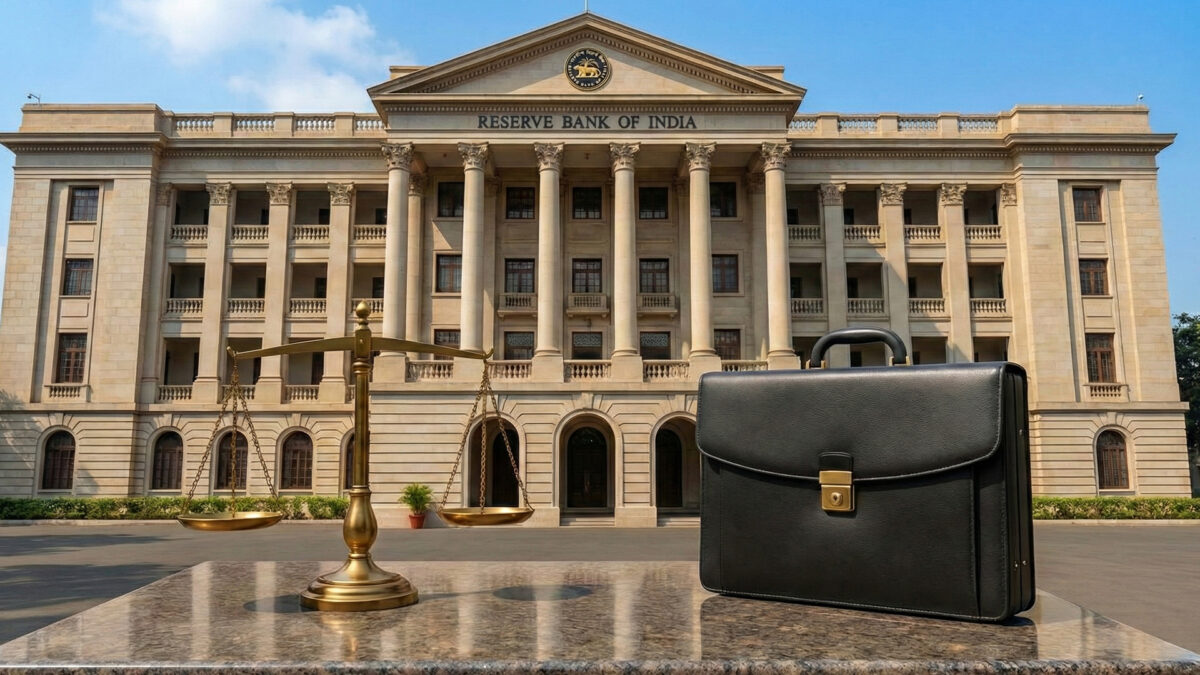
The Reserve Bank of India (RBI) on February 6, 2026, decided to keep the key policy repo rate unchanged at 5.25%, maintaining a cautious approach as inflation remains under control and economic growth stays steady. The decision was taken by the Monetary Policy Committee (MPC) at the end of its bi-monthly review meeting.

Along with the rate pause, the MPC also chose to retain its ‘neutral’ policy stance, signalling that future interest rate decisions will be guided by incoming economic data rather than a fixed bias towards tightening or easing. This means the RBI is keeping its options open amid both domestic stability and global uncertainties.

RBI Governor Sanjay Malhotra said inflation has eased significantly from earlier highs and is now comfortably within the central bank’s target range. Lower food prices, improved supply conditions, and softer global commodity prices have helped contain price pressures. However, the RBI cautioned that risks from unpredictable weather, global energy prices, and geopolitical tensions still remain.

On the growth front, the central bank expressed confidence in India’s economic momentum. It noted that domestic demand remains strong, supported by healthy consumption, rising investment activity, and robust performance in the services sector. Manufacturing activity has also shown signs of improvement, aided by government capital expenditure and stable financial conditions.

The RBI slightly upgraded its growth outlook, reflecting optimism about India’s medium-term prospects, even as global economic conditions remain uneven. At the same time, the MPC stressed the need for vigilance, especially as global financial markets continue to react to policy signals from major central banks.

Also Read: US drops 25% tariff on Indian goods

Categories
Beyond

US drops 25% tariff on Indian goods

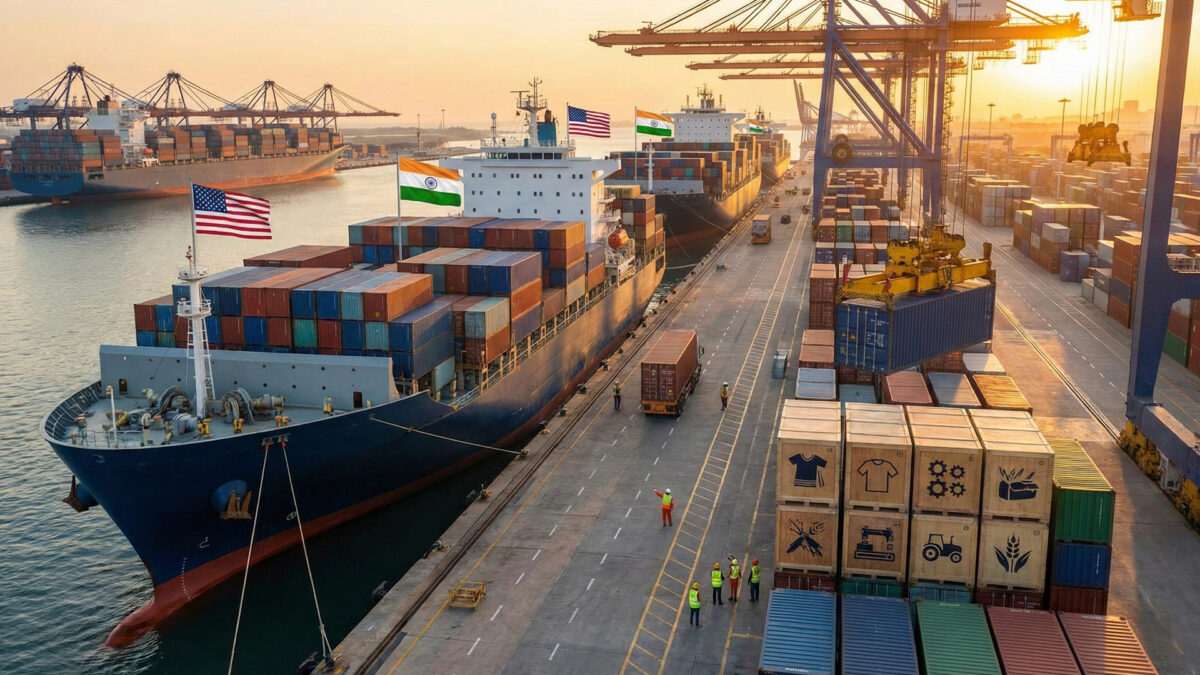
In a major relief for Indian exporters, the United States has lifted the extra 25% tariff on Indian goods that was imposed last year over India’s purchases of Russian oil. The tariff rollback, effective February 7, 2026, comes after India pledged to stop both direct and indirect imports of Russian crude, addressing a key US concern.

The decision is part of a new interim trade framework aimed at improving economic ties between the two countries. Under this agreement, the US will reduce general tariffs on Indian products to about 18%, while India will expand purchases of US goods, including energy, aircraft parts, and technology, worth up to $500 billion over the next five years.

Officials say the framework also sets the stage for closer cooperation in defence and supply chains, while easing barriers that had made it harder for Indian exports in sectors like textiles, pharmaceuticals, and machinery to compete in the US market.

This is seen as a boost for Indian businesses, as the removal of the extra levy will make exports more competitive and strengthen long-term trade relations. Both governments described the deal as a step toward a larger bilateral trade agreement, marking a new phase of economic and strategic partnership between the two nations.

Also Read: Reliance returns to Venezuelan oil, buys 2 mn barrels