Categories
Corporate

SEBI halts NCDEX, MSE from equity derivatives launch

The Securities and Exchange Board of India (SEBI) has paused plans by the National Commodity and Derivatives Exchange (NCDEX) and the Metropolitan Stock Exchange (MSE) to offer equity derivatives. The move is part of the regulator’s effort to ensure that new exchanges first develop strong and liquid cash equity markets before venturing into derivatives trading.

Both NCDEX and MSE had applied to enter the equity market last year, seeking approval to list shares and launch options and futures contracts. SEBI, however, has told them to focus on building a robust cash market first. Officials indicated that the regulator wants these exchanges to demonstrate sufficient liquidity, price discovery, and trading activity in cash equities before allowing more complex derivatives products.

Both exchanges have been preparing for this expansion. NCDEX raised around ₹770 crore from domestic and foreign investors, aiming to diversify beyond agricultural commodity contracts. MSE secured roughly ₹1,200 crore from private equity and brokerage backers to strengthen its technology platform and infrastructure. Despite these efforts, SEBI wants them to prove their readiness in cash equities first.

The regulator has also emphasized technology upgrades as a prerequisite for derivatives trading, underscoring the importance of market stability and investor protection. This move comes amid increasing caution around derivatives, following recent government steps such as raising Securities Transaction Tax (STT) on futures and options to curb excessive speculation.

Sources say SEBI prefers a gap of at least six months between starting cash trading and offering derivatives. The decision reflects broader concerns in the Indian market, where derivatives trading is already nearly double the size of the underlying cash equity market, a figure much higher than international standards.

SEBI’s directive signals that while new players are welcome, they must first ensure a solid foundation in the cash segment before entering the fast-moving derivatives market. For now, established exchanges like the National Stock Exchange (NSE) and the Bombay Stock Exchange (BSE) remain the primary platforms for equity and derivatives trading.

Also Read: Eternal shares soar 7% on heavy trading
Categories
1 Minute-Read

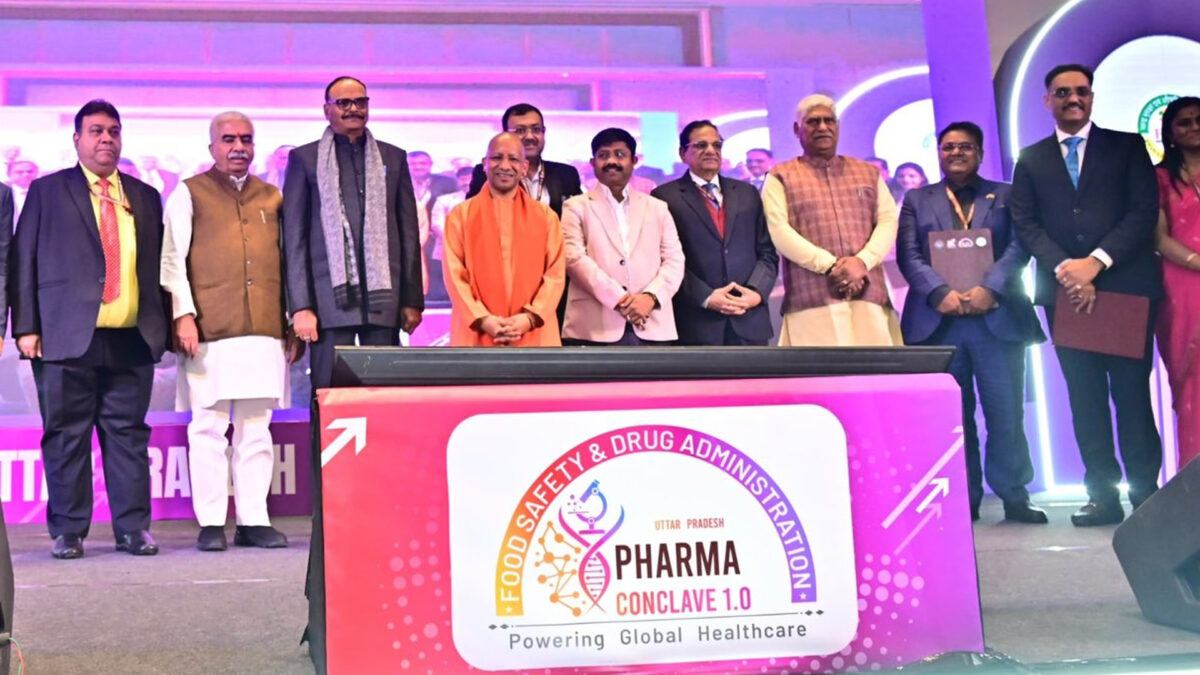
Uttar Pradesh eyes $1 trillion economy

Uttar Pradesh presented its first Economic Survey, targeting a $1 trillion economy. The GSDP grew from ₹13.3 lakh crore in 2016‑17 to ₹30.25 lakh crore in 2024‑25, projected at ₹36 lakh crore next year.

The 2025‑26 budget is ₹8.33 lakh crore, with a record ₹46,728 crore for health. Per capita income rose to ₹1.09 lakh, agriculture output grew 28.5 %, and universal child immunisation was achieved. Plans include 22 expressways, 24 airports, and ₹50 lakh crore in investments.

The survey promotes a “Triple S” strategy, Safety, Stability, Speed, to boost growth and investor confidence.

Categories
1 Minute-Read

China urges banks to cut US treasury holdings

China has instructed its major banks to reduce their exposure to US Treasury bonds, aiming to manage risk amid market volatility. Banks are advised to limit new purchases and gradually scale down existing holdings, though no strict targets or deadlines were given.

The guidance focuses on commercial bank portfolios and does not affect China’s sovereign reserves.

Analysts say the decision reflects a broader trend of diversifying away from dollar-denominated assets, as Chinese holdings of US government debt have declined to multi-year lows.

Categories
1 Minute-Read

90-year-old mis-sold ₹2 lakh insurance

A 90-year-old man in Nagpur, Maharashtra, was reportedly mis-sold a life insurance policy with an annual premium of ₹2 lakh by a Canara Bank branch manager.

The policy controversially has a maturity year of 2124, raising questions about its suitability for a senior citizen. The man’s account was debited ₹2 lakh in two consecutive years.

The case has sparked social media concern over ethical bancassurance practices. Canara Bank said it is reviewing the matter through an internal team but has not made a public statement on the mis-selling claim.

Categories
Corporate

WPP unites Ogilvy, VML, AKQA under one banner

British advertising giant WPP is consolidating its three major agencies, Ogilvy, VML, and AKQA, under a single umbrella called WPP Creative. The agencies will retain their distinct brands and client services but operate within a unified framework to simplify offerings and enhance collaboration.

This move, led by CEO Cindy Rose, aims to make WPP’s creative services more integrated and accessible to global clients. It follows earlier restructurings, including unifying WPP’s media and production arms, as the company adapts to rapid changes in advertising, including the growing role of AI technologies.

WPP Creative is expected to be officially announced later in February 2026. Executives believe this alignment will strengthen the company’s competitiveness, streamline operations, and make it easier for clients to leverage the full range of WPP’s creative capabilities.

The consolidation reflects WPP’s ongoing strategy to simplify its network, improve efficiency, and respond to evolving client demands, positioning the group for stronger performance in a fast-changing global market.

Also Read: Trump’s chip tariffs may spare big tech, pressure TSMC

Categories
Corporate

Trump’s chip tariffs may spare big tech, pressure TSMC

The US government under President Donald Trump is planning a new approach to semiconductor tariffs that could shield major American technology companies from higher costs, while putting greater pressure on global chipmakers, especially Taiwan Semiconductor Manufacturing Company (TSMC).

According to media reports, the proposed plan would exempt Big Tech firms such as Amazon, Google and Microsoft from fresh tariffs on imported chips used in artificial intelligence (AI) data centres. These companies are investing billions of dollars in AI infrastructure, and higher chip prices could slow the expansion of cloud computing and AI services in the US.

The idea behind the carve-out is to protect America’s AI ambitions while still using tariffs as a tool to strengthen domestic manufacturing. Advanced chips are essential for AI systems, and most of these are currently produced outside the US, mainly by TSMC in Taiwan.

At the same time, the tariff strategy is expected to increase pressure on TSMC to speed up its shift of manufacturing to the US. TSMC has already committed around $165 billion to build and expand chip factories in Arizona. Under the proposed framework, tariff relief for US tech firms would be linked to how much chip production TSMC moves to American soil.

In simple terms, the more chips TSMC makes in the US, the more flexibility it may have to help its US customers avoid tariffs. This approach allows Washington to push for local manufacturing without directly harming its own technology giants.

However, the plan is still under discussion and has not yet been formally approved by President Trump. Details on how exemptions would work, how long they would last, and whether smaller tech companies would benefit remain unclear.

Industry experts say the policy reflects a balancing act. The US wants to reduce its dependence on overseas chip supply chains and boost national security, but it also wants to ensure that American tech leaders remain globally competitive in AI.

Also Read: AI safety expert quits Anthropic, warns world at risk

Categories
Beyond

China’s BYD challenges Trump’s tariffs at US court

Chinese electric vehicle and clean-energy major BYD has taken a significant legal step in the United States, filing a lawsuit against the federal government to challenge tariffs imposed by President Donald Trump.

The case, filed in the US Court of International Trade in New York, seeks refunds for import duties paid since April and questions the legal basis used to impose the levies. BYD’s US subsidiaries argue that the tariffs were introduced under the International Emergency Economic Powers Act (IEEPA), a law meant for national security emergencies, not for imposing broad trade barriers.

The emergency law does not explicitly allow the government to levy import tariffs. BYD is asking the court to order the repayment of duties already paid and to safeguard its right to future refunds if the tariffs are ruled invalid.

While BYD does not sell passenger cars in the US, it has a growing footprint in the country through its electric buses, trucks, batteries, energy storage systems and solar products. Its manufacturing facility in Lancaster, California, employs around 750 workers, making the company an active contributor to local jobs and clean-energy infrastructure.

The legal move places BYD among a rising number of global companies challenging Trump’s trade policies. The dispute also comes as the US Supreme Court considers a separate case that could ultimately decide whether emergency powers can be used to justify such tariffs.

For Washington, the case revives a sensitive debate around trade protectionism and executive authority. For BYD, it is both a financial and strategic decision, aimed at recovering costs while seeking clarity on the rules governing global trade.

Also Read: Balaji Krishnamurthy named Uber CFO

Categories
Corporate

Radiance Renewables raises $100m from Danish, Dutch Funds

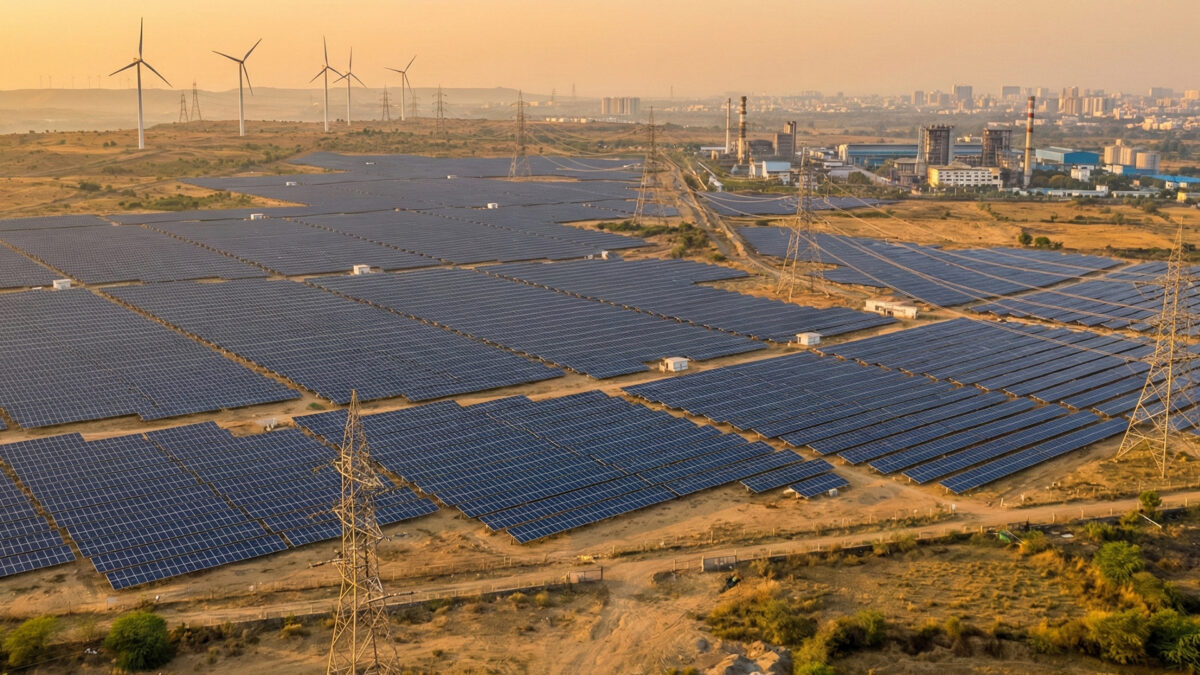
Radiance Renewables, an India-based clean energy company, has raised $100 million in fresh equity funding to accelerate its growth in the country’s renewable energy sector. The investment has come from two European development finance institutions, Impact Fund Denmark and FMO, the Dutch entrepreneurial development bank , with both investors contributing around $50 million each.

The funding will be used to expand Radiance Renewables’ portfolio of clean energy projects across India, especially for commercial and industrial (C&I) customers who are increasingly shifting to renewable power to cut costs and reduce carbon emissions. The company focuses on supplying green energy directly to businesses through long-term power purchase agreements.

Radiance Renewables currently operates more than 2 gigawatt-peak (GWp) of renewable energy assets and has a development pipeline of over 1 GWp. With the new capital, the company plans to invest in new solar power plants, hybrid wind-solar projects, and behind-the-meter solutions that allow factories and commercial units to generate power closer to where it is consumed.

A key part of the expansion strategy also includes battery energy storage systems, which help manage power supply during non-solar hours, and investments in inter-state transmission infrastructure to supply clean energy across multiple regions. These steps are aimed at offering reliable, round-the-clock renewable power to large energy consumers.

Company executives said the funding will strengthen Radiance’s financial position and support long-term growth as India moves towards its clean energy and decarbonisation targets. The investment is expected to help the firm scale operations over the next few years and support businesses looking to meet sustainability goals.

Investors highlighted India as a priority market for clean energy due to its strong policy support, rising power demand, and growing focus on sustainability. They also pointed to Radiance Renewables’ execution capabilities, governance standards and partnership with Eversource Capital as key reasons for backing the company.

Also Read: Gujarat signs letter of intent with Starlink for satellite internet

Categories
Beyond

Gujarat signs letter of intent with Starlink

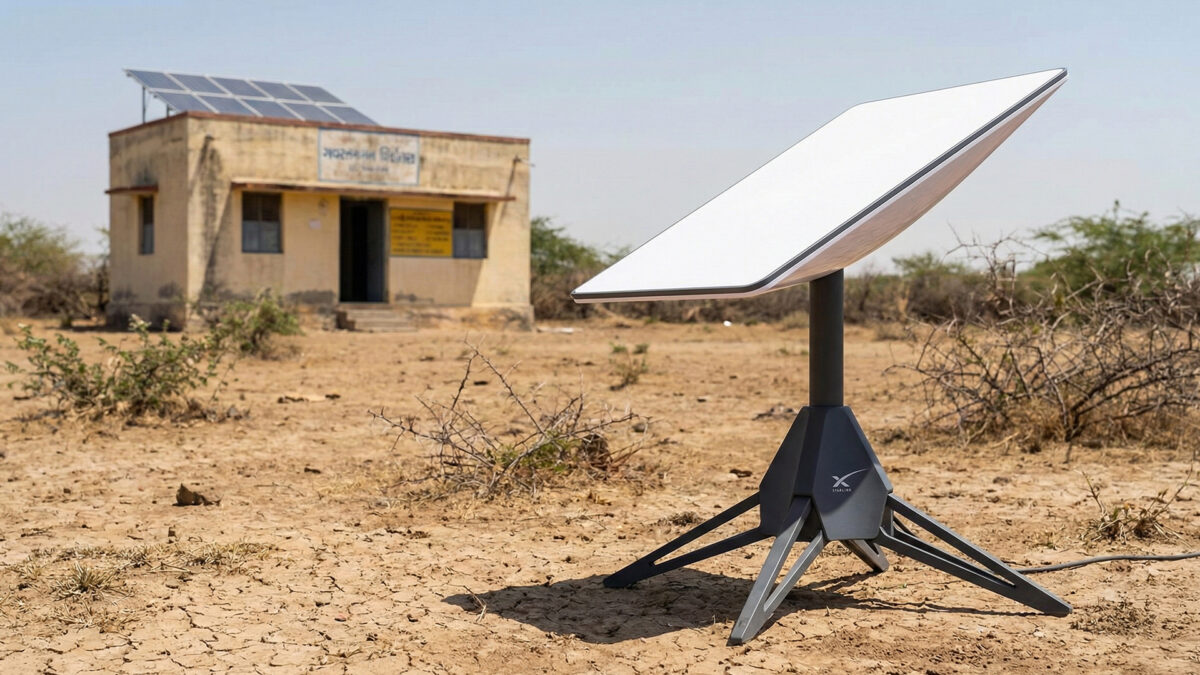
The Gujarat government has signed a Letter of Intent (LoI) with Starlink, the satellite internet company owned by Elon Musk’s SpaceX, to provide high-speed broadband connectivity in remote, tribal and underserved areas of the state. The move is aimed at bridging the digital divide in regions where traditional telecom infrastructure is weak or unavailable.

The LoI was signed in Gandhinagar in the presence of Chief Minister Bhupendra Patel and Deputy Chief Minister Harsh Sanghavi. Senior officials from the state government and representatives of Starlink formalised the agreement, marking Gujarat as one of the first Indian states to explore satellite-based internet solutions at scale.

Under the proposed partnership, Starlink’s low-Earth orbit satellite technology will be used to deliver fast and reliable internet without dependence on fibre cables or mobile towers. This makes it suitable for hilly terrain, forest regions, coastal belts, border areas and islands, where laying physical infrastructure is challenging and costly.

The initial focus will be on connecting government schools, primary health centres, Common Service Centres (CSCs), e-governance offices, disaster management control rooms and remote administrative units. Officials said the project will support online education, telemedicine, digital governance, emergency response systems and public service delivery.

Tribal and aspirational districts are expected to benefit significantly, with improved access to digital learning tools, specialist healthcare consultations and government welfare services. The state also plans to explore satellite connectivity for ports, coastal security, wildlife sanctuaries, highways and industrial estates, especially in areas with patchy network coverage.

Also Read: FPIs return, pump ₹8,100 cr into Indian stocks

Categories
Beyond

Gold trades at ₹1,57,920, Silver at ₹3,00,100

Gold and silver prices in the domestic market recorded marginal gains in early trade on Tuesday, tracking cautious global sentiment and steady investor demand. Twenty-four carat gold rose by ₹10 to trade at ₹1,57,920 per 10 grams, while silver gained ₹100 to settle at ₹3,00,100 per kilogram, according to latest commodity market data.

The slight uptick in prices comes at a time when global markets remain volatile, with investors closely monitoring upcoming economic data from the United States, including inflation and employment numbers. Movements in the US dollar and expectations around interest rate decisions have also influenced bullion prices.

Across major Indian cities, gold prices remained largely uniform. In Mumbai and Kolkata, 24-carat gold was priced at ₹1,57,920 per 10 grams, while Delhi saw prices slightly higher at around ₹1,58,070 per 10 grams. Chennai continued to quote gold at a premium, with prices touching ₹1,59,830 per 10 grams.

Prices of 22-carat gold, commonly used for jewellery, also moved up by ₹10. The yellow metal was trading at ₹1,44,760 per 10 grams in cities such as Mumbai, Kolkata, Bengaluru and Hyderabad. In Chennai, 22-carat gold was priced at ₹1,46,510 per 10 grams, while Delhi quoted the metal at ₹1,44,910.

Silver prices showed modest strength but remained range-bound. The white metal was trading at ₹3,00,100 per kg in key markets including Delhi, Mumbai, Kolkata and Chennai. Market participants noted that silver prices continue to witness volatility due to fluctuations in industrial demand and global commodity trends.

In the international market, precious metals were trading on a weaker note. Spot gold slipped to around $5,016 an ounce, easing from recent record highs, while spot silver also saw mild pressure.

Also Read: Sensex rises 485 Points, Nifty crosses 25,850