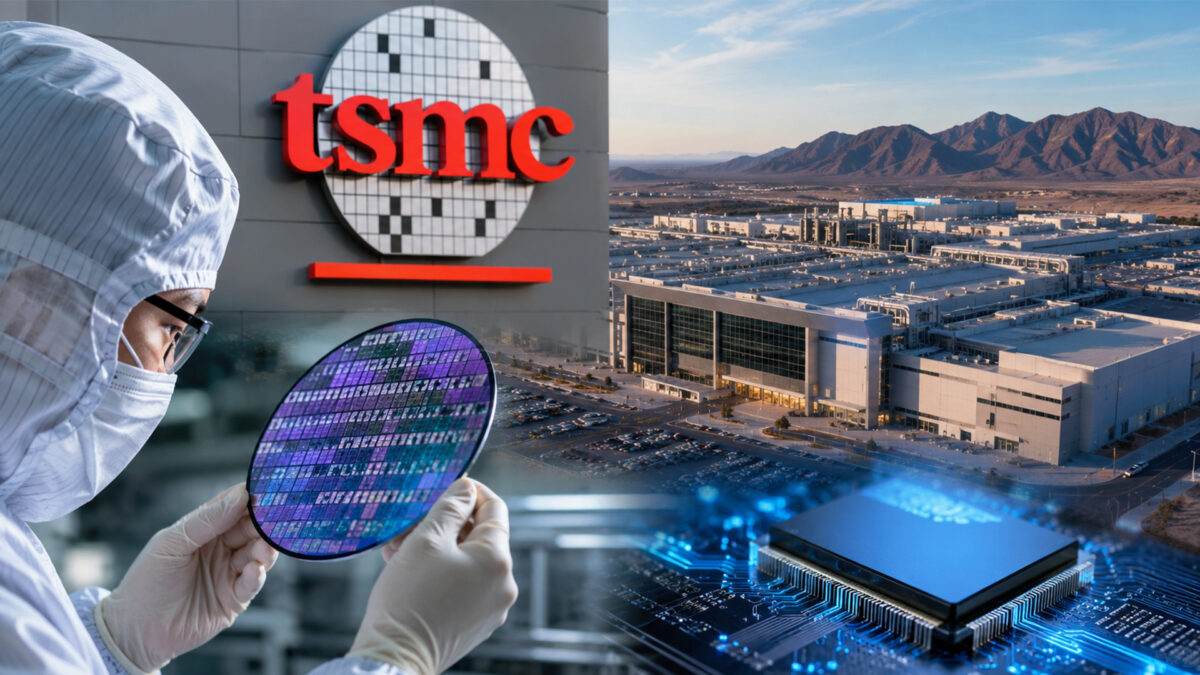
Taiwan Semiconductor Manufacturing Company (TSMC) is significantly expanding its manufacturing ambitions in the United States, announcing an additional US$100 billion investment in Arizona. The latest commitment raises the company’s total planned investment in the state to US$265 billion, reinforcing its position at the heart of the rapidly growing artificial intelligence (AI) ecosystem and strengthening the US semiconductor supply chain.
The investment marks a major milestone for both TSMC and the US government’s efforts to boost domestic semiconductor manufacturing. With AI adoption accelerating across industries, demand for advanced chips has surged, prompting chipmakers to rapidly expand production capacity closer to key customers.
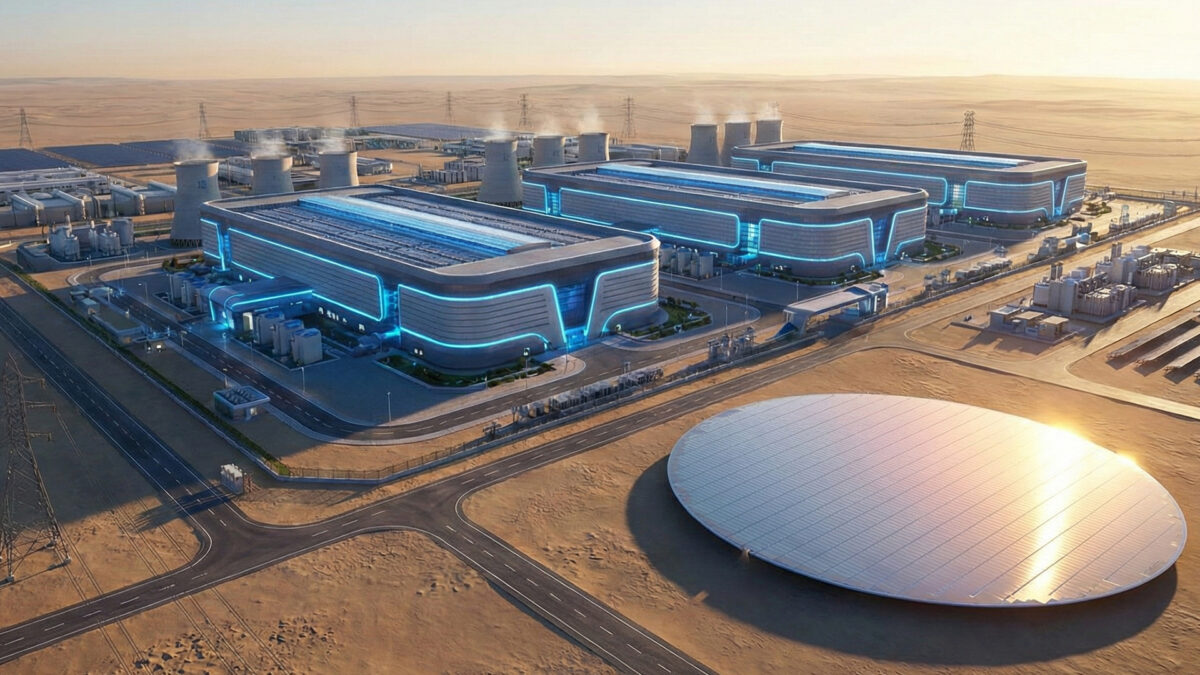
The newly announced funding will support the construction of four additional semiconductor fabrication plants (fabs), along with two advanced packaging facilities and a research and development (R&D) centre. Once completed, TSMC’s Arizona campus will include 10 fabrication plants, making it one of the world’s largest semiconductor manufacturing hubs outside Taiwan.
The new fabs will manufacture 2-nanometre and more advanced process technologies, which are expected to power the next generation of AI accelerators, high-performance computing systems, smartphones and other advanced electronic devices. The advanced packaging facilities will also play a crucial role in integrating increasingly complex AI chips, an area that has become as important as chip manufacturing itself.
The expansion reflects TSMC’s confidence in the sustained growth of AI. Over the past two years, explosive demand for generative AI applications has driven unprecedented orders for advanced processors used in data centres, cloud infrastructure and enterprise computing. As the world’s largest contract chipmaker, TSMC produces chips for several leading technology companies, including Nvidia, Apple, AMD, Qualcomm and Broadcom, placing it at the centre of the AI hardware supply chain.
The announcement follows another strong financial performance from the company. TSMC recently reported a 77% year-on-year increase in quarterly profit, driven largely by continued demand for AI processors. The company also raised its revenue growth forecast for 2026 to more than 40% and increased its annual capital expenditure guidance to US$60-64 billion, signalling continued aggressive investment in advanced manufacturing capacity.
Beyond supporting customer demand, the Arizona expansion aligns with broader US efforts to reduce dependence on overseas semiconductor production and build a more resilient supply chain. The COVID-19 pandemic and subsequent chip shortages highlighted the risks associated with concentrating advanced semiconductor manufacturing in a limited number of locations. Since then, the US government has introduced several initiatives to encourage domestic chip production, with Arizona emerging as one of the country’s key semiconductor manufacturing hubs.
State and local authorities have also welcomed TSMC’s growing presence, citing the economic benefits the project will generate. The expanded campus is expected to create thousands of high-skilled engineering, manufacturing and construction jobs while attracting suppliers, equipment manufacturers and technology partners to the region. The investment is also expected to strengthen Arizona’s position as a global semiconductor ecosystem, encouraging further innovation and industrial development.
For TSMC, the Arizona project is about more than geographic expansion. It represents a strategic move to diversify manufacturing, support customers seeking local production capabilities and secure long-term leadership in advanced semiconductor technologies. As AI workloads continue to become more demanding, customers are increasingly looking for reliable access to cutting-edge chips and advanced packaging technologies, making large-scale investments like this essential.
The company’s latest announcement highlights how AI is reshaping global manufacturing priorities. Rather than simply increasing production capacity, TSMC is building an integrated semiconductor ecosystem capable of designing, manufacturing and packaging the world’s most advanced chips within the United States.
With total investments in Arizona now reaching US$265 billion, TSMC is not only expanding its own manufacturing footprint but also helping reshape the future of global semiconductor production. As countries race to strengthen technological self-reliance and AI continues to drive demand for next-generation computing, the Arizona campus is expected to become a cornerstone of the global semiconductor industry for years to come.