Categories
Corporate

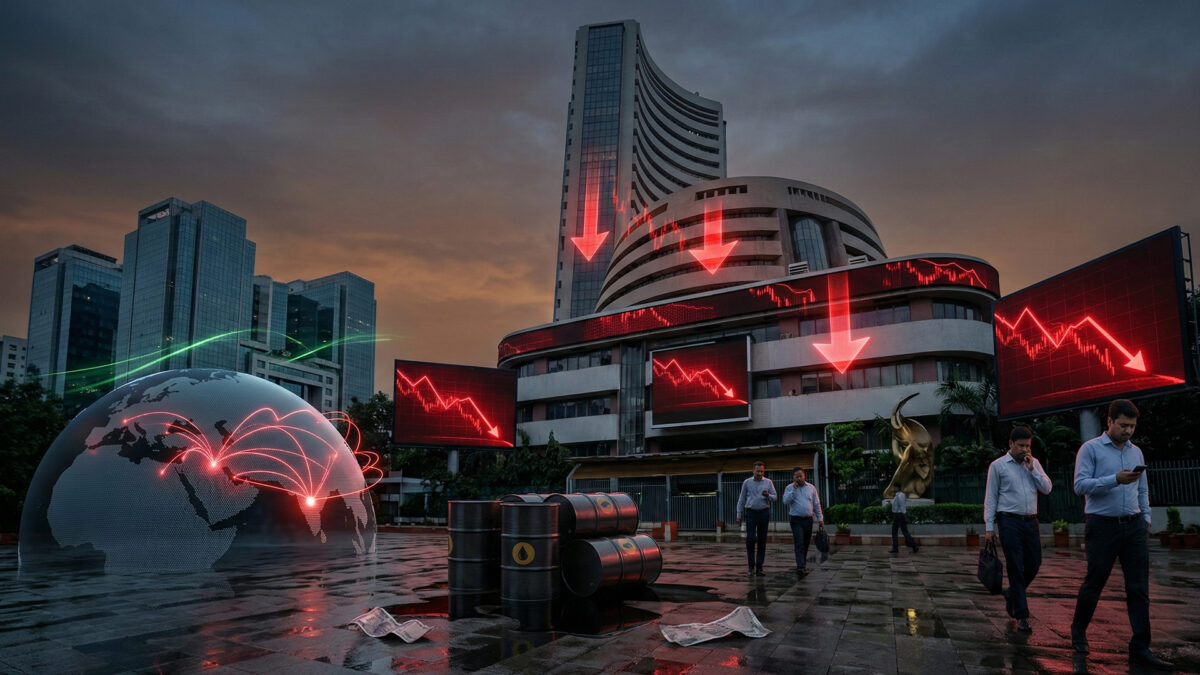
Sensex up 500+ points, Nifty above 24,650

Indian benchmark indices opened on a positive note on Thursday, supported by encouraging global cues and a strong indication from GIFT Nifty ahead of the session.

The BSE Sensex rose in early trade while the NSE Nifty50 also moved higher, signalling a recovery after recent losses triggered by geopolitical tensions and rising crude oil prices.

Market sentiment improved after GIFT Nifty traded higher in pre-market deals, suggesting a firm opening for domestic equities. Investors remained cautious, however, as global markets continue to react to developments in the Middle East and fluctuations in oil prices.

Several stocks remained in focus during the session. Shares of MRF, Shriram Finance and Glenmark Pharma attracted attention following recent corporate developments and investor interest.

Sector-wise, buying was seen in metal, realty and oil & gas stocks, while some pressure was visible in defensive sectors. Analysts noted that volatility could persist as investors closely monitor geopolitical developments and global commodity prices.

Also Read: Sensex rises 620 points, Nifty up at 19,845 as oil retreat
Categories
Corporate

Sensex rises 620 points, Nifty up at 19,845 as oil retreat

Equity markets recovered on Wednesday as investor sentiment improved following a pullback in crude oil prices and stabilising global markets. The BSE Sensex jumped 620 points to close near 65,980, while the NSE Nifty50 added 185 points, ending the day at 19,845.

After two days of sharp declines linked to heightened geopolitical tensions in the Middle East, markets opened in positive territory and maintained momentum throughout the session. Analysts said easing fears of supply disruption in the Gulf, combined with softer crude oil prices, helped boost risk appetite among both domestic and foreign investors.

Heavyweight energy stocks led the gains, with Reliance Industries Ltd climbing over 3% and ONGC rising nearly 2.5% as lower oil prices reduced cost pressures and improved profit expectations. Infrastructure stocks, including JSW Infrastructure and Larsen & Toubro, also saw strong buying on optimism about government spending and upcoming project awards.

Banking shares contributed to the rally, with HDFC Bank and ICICI Bank gaining as traders anticipated stable credit growth and robust asset quality. Mid‑cap and small‑cap indices outperformed the broader market, indicating broad-based participation in the rebound.

On the downside, IT heavyweights like HCL Technologies, Infosys, and TCS slipped 1–1.5% amid profit-taking after recent rallies, and defensive sectors saw muted buying. Investors rotated funds from defensive to cyclical sectors, reflecting improved risk sentiment.

Globally, U.S. and European markets showed early gains, and Asian indices traded higher after a volatile start, boosting investor confidence in India. Analysts said that while volatility may continue depending on geopolitical developments, domestic macroeconomic fundamentals and corporate earnings remain supportive for equities.

Trading volumes were healthy, with strong participation from both retail and institutional investors. Market participants advised caution, noting that while the rebound is encouraging, any sudden escalation in Middle East tensions could trigger renewed volatility.

Also Read: South Korean stocks fall 12% in historic sell‑off

Categories
Technology

‘X’ launches paid partnership label for creators

Social media platform X has introduced a built-in “Paid Partnership” label to help creators clearly disclose sponsored posts. The new feature allows users to tag branded content directly through a tool, instead of adding hashtags like #ad or #sponsored in captions.

The label will appear on posts that involve a commercial relationship between a creator and a brand. It can be added while publishing the post or even after it goes live. The move aims to improve transparency and help creators comply with advertising disclosure rules.

X said the feature will make it easier for followers to understand when content is promotional. The update also aligns the platform with industry standards and advertising guidelines that require influencers to clearly disclose paid collaborations.

Also Read: HDFC bank to charge for some UPI ATM cash withdrawals

Categories
1 Minute-Read

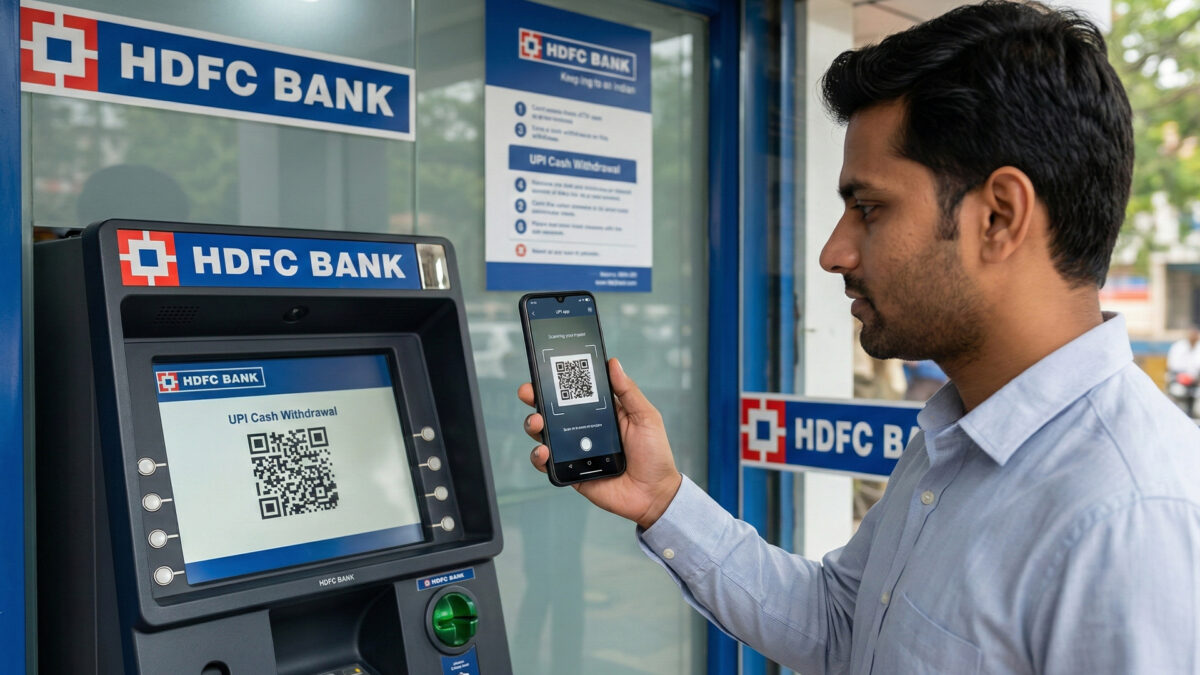
HDFC bank to charge for some UPI ATM cash withdrawals

HDFC Bank will start charging customers for certain cash withdrawals from ATMs using UPI from 1 April 2026.

Until now, UPI ATM withdrawals were generally free, but the bank said fees will apply in specific situations, especially for withdrawals beyond free limits set for savings accounts.

The move affects customers who frequently take out cash using UPI at ATMs. HDFC said this step aligns with industry practices as banks adjust services and costs. Customers are advised to check their account’s free withdrawal limits to avoid unexpected charges.


Categories
Leaders

Sam Altman revises Pentagon AI deal after backlash

OpenAI CEO Sam Altman has moved to calm growing concerns over the company’s deal with the US Department of Defense, saying the agreement will be revised to clearly prevent the misuse of its artificial intelligence tools.

The original partnership sparked criticism from privacy advocates and some users, who feared that OpenAI’s technology could be used for domestic surveillance or to track American citizens using personal data. The backlash intensified online, with critics questioning whether AI companies should be working so closely with military and intelligence agencies.

Responding to the concerns, Altman admitted that the initial announcement of the deal was not handled well. He said the communication around the agreement was “rushed” and lacked clarity, which led to confusion about how the technology could be used.

To address this, OpenAI is updating the contract to explicitly ban the use of its AI systems for domestic spying. The revised terms will make clear that the tools cannot be used to monitor US citizens or analyse commercially collected personal data for surveillance purposes. Additional safeguards are also being added to ensure intelligence agencies cannot access or use the models without proper approvals.

Altman stressed that OpenAI remains committed to protecting civil liberties while also supporting national security efforts. He said the company wants to strike a balance between helping governments with responsible AI solutions and ensuring strong privacy protections are in place.

The controversy highlights the growing debate around the role of artificial intelligence in defence and security. As AI becomes more powerful and widely used, tech companies are facing tougher questions about ethics, transparency and accountability.

While the amended deal is expected to reassure some critics, discussions around AI’s role in military operations are likely to continue.

Also Read: Oil tops $83, European gas jumps over 40%

Categories
Beyond

Oil tops $83, European gas jumps over 40%

Global energy prices have risen sharply after fresh tensions in the Middle East disrupted oil and gas supplies. Fighting involving Iran and its rivals has raised concerns about shipments from the Gulf region, which is one of the world’s most important energy hubs.

Oil prices climbed strongly, with Brent crude moving above $83 per barrel. Traders fear that if the conflict spreads or key shipping routes are blocked, supplies could fall further. A major concern is the Strait of Hormuz, a narrow sea route through which a large share of the world’s oil and liquefied natural gas (LNG) passes every day.

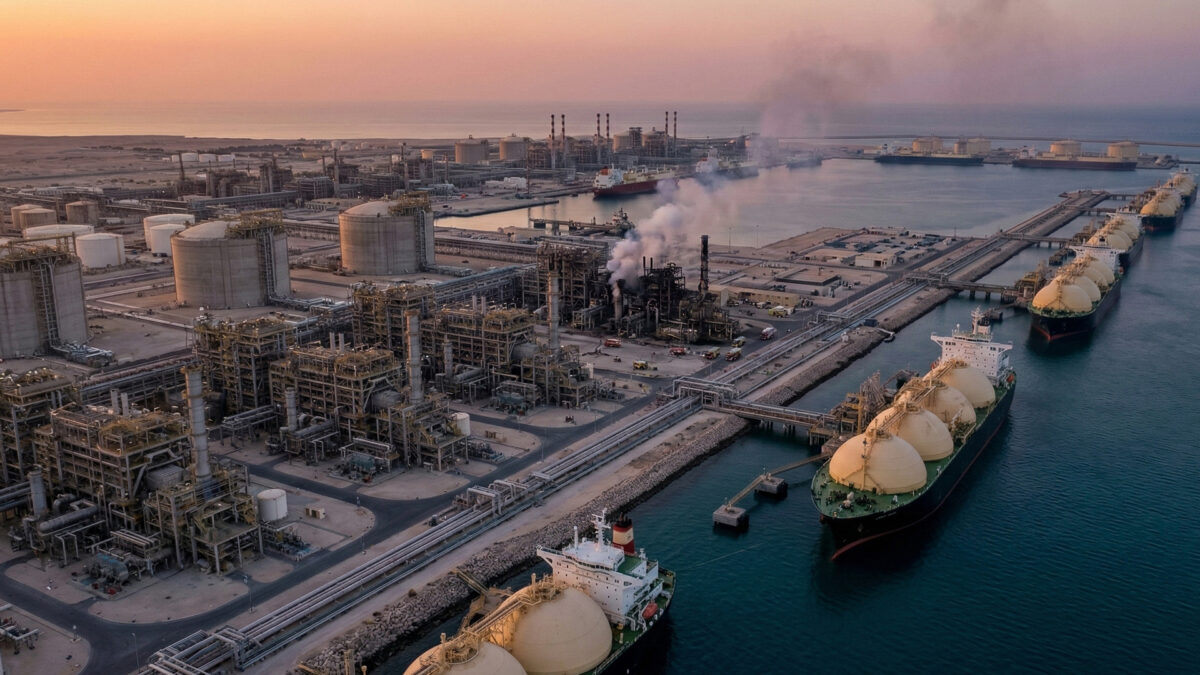
Natural gas prices have risen even more sharply, especially in Europe. Reports said gas prices surged by 30% to over 40% after Qatar temporarily halted LNG production at some facilities due to security concerns. Qatar is one of the world’s biggest LNG exporters, and any disruption there quickly affects global markets.

Europe depends heavily on LNG imports, particularly after cutting pipeline gas supplies from Russia in recent years. With storage levels not very high, even small supply shocks can cause big price swings.

The rise in energy prices is also affecting other sectors. Higher fuel costs increase shipping and transport expenses, which can push up prices of food, fertilisers and other goods. Economists warn that continued energy volatility could add to inflation pressures in many countries.

Governments and energy companies are closely watching the situation. Some countries may use strategic reserves or look for alternative suppliers if the disruption continues.

Also Read: CCPA fines baby food brand ₹8 lakh

Categories
Beyond

CCPA fines baby food brand ₹8 lakh

India’s consumer watchdog has imposed a ₹8 lakh fine on a baby food company for making misleading claims that infants can start crawling as early as three months old. The penalty was issued by the Central Consumer Protection Authority (CCPA) under rules aimed at stopping deceptive advertising that could mislead caregivers.

The CCPA found that promotional materials from the brand suggested that babies would begin crawling at three months if they consumed its product. This claim was judged to be unrealistic and not supported by scientific evidence. Experts agree that infants typically begin crawling between 6 and 10 months, and presenting an earlier age as a guaranteed outcome could mislead parents and set unhealthy expectations.

In its ruling, the CCPA noted that such claims not only misrepresent child development milestones but also exploit parental concerns about early growth and progress. The regulator said the advertisement content falls under unfair trade practices, which are prohibited under India’s consumer protection laws.

The fine of ₹8 lakh reflects the seriousness with which the regulator viewed the issue, both because it targeted a vulnerable group, infants, and because it could influence purchasing decisions of parents and caregivers. The CCPA has increasingly focused on advertisements that make unsubstantiated health and development claims about children’s products, emphasizing the need for accuracy and responsibility in marketing.

Officials from the CCPA said companies must ensure that all claims about health, growth, and development are backed by credible scientific studies and expert consensus before they are included in marketing. They warned that similar penalties could follow for other companies that make exaggerated or unverified claims in their advertising.

Consumer advocates welcomed the decision, saying it sends a strong message to firms to avoid sensational or exaggerated marketing tactics. They pointed out that parents rely heavily on product information when making decisions about infant nutrition and care, and misleading claims can lead to confusion or poor choices.

The CCPA’s action is part of a broader regulatory push to protect consumers, especially vulnerable groups like children, from deceptive advertising.

Also Read: Dynamatic Technologies joins Hutchinson to boost India’s aerospace manufacturing

Categories
Beyond

Rupee slumps to record low of ₹92.18 against dollar

Rupee fell sharply on Wednesday, 4 March 2026, hitting an all-time low of ₹92.18 against the US dollar in early trade. The currency dropped 69 paise from its previous close, breaching the ₹92 level for the first time.

The sharp fall comes because of the rising geopolitical tensions in the Middle East, which have pushed global crude oil prices higher. Brent crude crossed $82 per barrel, raising concerns over India’s import bill and inflation. As India imports more than 80% of its crude oil, higher prices directly impact the rupee.

The weakening currency also followed a sell-off in domestic equity markets, with foreign investors pulling out funds amid global uncertainty. A stronger US dollar and increased demand for safe-haven assets further added pressure on emerging market currencies, including the rupee.

Market experts said the combination of rising oil prices, global risk aversion, and foreign capital outflows is weighing heavily on the currency. They added that volatility may continue if crude prices remain elevated.

The Reserve Bank of India is closely monitoring the situation and may intervene to curb excessive fluctuations.

Also Read: Gold at ₹1.67 lakh, Silver near ₹2.95 lakh

Categories
Beyond

Gold at ₹1.67 lakh, Silver near ₹2.95 lakh

Gold and silver prices in India remains elevated on Wednesday, 4 March 2026, as investors sought safe-haven assets amid geopolitical uncertainty and ongoing volatility in global markets.

24‑carat gold was quoted around ₹1.67 Lakh per 10 grams, while 22‑carat gold stood at approximately ₹1.53 Lakh per 10 grams in major cities. City-level variations were observed due to local taxes and logistics, with Delhi seeing 24K gold at ₹1,67,770 per 10 grams and 22K at ₹1,53,790 per 10 grams. Similar rates were reported in Mumbai, Bangalore, Hyderabad, and Chennai.

On the international front, gold slightly eased from recent highs, trading near $5,118 per ounce, as profit‑taking and a firmer U.S. dollar moderated gains. However, persistent geopolitical tensions, particularly in the Middle East, continued to support bullion prices.

Silver also rebounded, trading near ₹2,94,900 per kilogram in Delhi, slightly below recent peaks around ₹3.15 Lakh per kg. Prices were influenced by global market sentiment, currency fluctuations, and short-term profit-booking by traders.

Analysts noted that bullion demand remained strong as investors continue to hedge against uncertainty. Yet, intermittent profit-booking and the stronger dollar have led to periodic corrections. Market watchers are closely monitoring geopolitical developments, crude oil movements, and currency trends, as they heavily influence domestic bullion prices.

In local physical markets, gold and silver demand was supported by cultural festivities, which kept retail activity active despite moderate intraday corrections. Traders advised buyers to keep an eye on both global and domestic factors before making purchase decisions.

Also Read: Sensex falls 1,650 and Nifty 470 points, Indian markets drop 2%

Categories
Beyond

India secures Russian oil than Hormuz supply

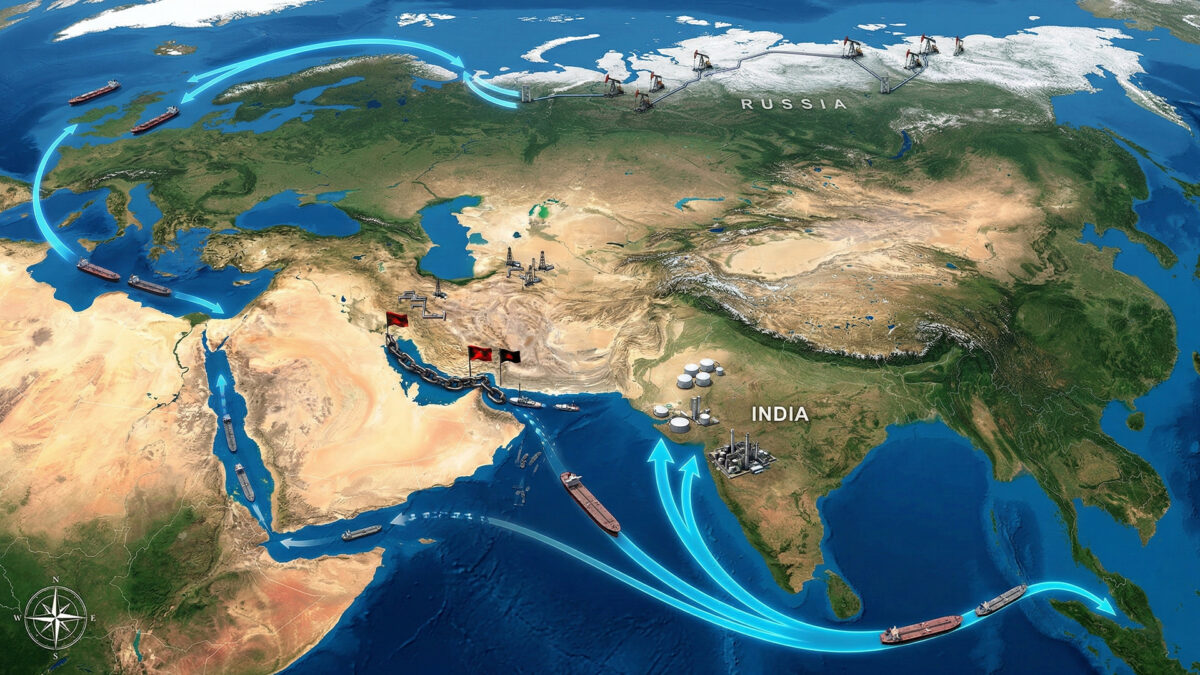
With the escalating conflict in the Middle East, India has increased crude imports from Russia to reduce reliance on shipments through the Strait of Hormuz, a key oil chokepoint threatened by tensions involving Iran, the US, and Israel.

Global oil prices have surged due to fears of disruptions, prompting India to seek safer alternative routes. Russian crude, transported via non-Hormuz paths, provides a more secure and predictable supply.

Officials say the shift also helps India manage potential economic impacts, such as higher import bills and inflation. Additional measures, including using strategic reserves and fuel conservation, are being considered.

While challenges like shipping logistics and sanctions exist, Indian refiners continue to diversify supplies to maintain fuel availability and safeguard the economy.

Also Read: Polymarket bets on Iran strike hit $529mn, raise insider fears