Categories
1 Minute-Read

HPCL shares drop 5% after Q1 loss

Shares of Hindustan Petroleum Corporation Ltd (HPCL) fell nearly 5% on Thursday after the company reported a loss in the first quarter, impacted by rising crude oil prices and weaker refining margins.

The weak earnings disappointed investors, triggering selling pressure in the stock. Brokerage firms issued mixed views following the results. While some maintained a cautious outlook due to pressure on profitability and elevated crude prices, others said the recent correction offers long-term value as refining margins are expected to improve.

Analysts believe HPCL’s performance will depend on crude oil trends, fuel marketing margins and government policies in the coming quarters. For more quick updates on stocks, earnings and market developments, explore our 1-Minute Read section.

Categories
Corporate

Johnson & Johnson enters robotic surgery with Ottava system

Johnson & Johnson has taken a major step into the rapidly growing robotic surgery market after its Ottava Robotic Surgical System received marketing authorisation from the US Food and Drug Administration (FDA). The approval opens the door for the healthcare giant to compete with established players in robot-assisted surgery, marking one of its biggest medical technology launches in recent years.

The company plans to introduce the system gradually across selected hospitals in the United States before expanding availability. This phased rollout will allow surgeons, nurses and healthcare teams to become familiar with the new technology while ensuring a smooth transition into routine clinical practice.

For patients, the arrival of another robotic surgery platform could eventually mean greater access to minimally invasive procedures. Robot-assisted surgery allows surgeons to perform complex operations with enhanced precision using robotic arms that are fully controlled by the surgeon. The technology often results in smaller incisions, less pain, reduced blood loss, fewer complications, shorter hospital stays and faster recovery compared to traditional open surgery.

The FDA has cleared the Ottava system for several upper abdominal general surgery procedures. These include gallbladder removal, appendix surgery, gastric bypass, sleeve gastrectomy, gastrectomy and hiatal hernia repair. Johnson & Johnson said it plans to expand the robot’s approved uses through additional clinical studies and future regulatory approvals.

A key feature that sets Ottava apart is its innovative design. Unlike conventional robotic surgery systems that require large robotic arms positioned around the patient, Ottava’s robotic arms are integrated into the operating table. This compact setup reduces the system’s footprint by around 30% to 50%, making it easier for hospitals with smaller operating rooms to adopt robotic-assisted surgery without major infrastructure changes.

The streamlined design also gives surgical teams more space to move around patients during procedures, improving workflow inside operating theatres. Hospitals that previously found robotic systems difficult to accommodate because of space limitations may now have a more practical option. The system has also been designed to allow easier positioning of patients and smoother movement of robotic arms during surgery, helping improve efficiency in the operating room.

Johnson & Johnson believes the robotic surgery market has enormous growth potential. Company executives estimate that only about 8% of surgeries worldwide are currently performed using robotic systems, leaving significant room for expansion as hospitals continue investing in advanced healthcare technologies.

The global medical robotics market has been expanding rapidly as healthcare providers seek technologies that improve surgical precision and patient outcomes. Increasing demand for minimally invasive surgery, rising healthcare investments and growing acceptance of digital healthcare solutions are expected to drive further adoption of robotic-assisted procedures over the coming years.

The company is also looking beyond the US market. It plans to seek regulatory approvals in regions including Japan and Western Europe, signalling its ambition to establish Ottava as a global robotic surgery platform. International expansion is expected to play a key role in the company’s long-term growth strategy.

Even with FDA approval, Johnson & Johnson faces strong competition. The robotic surgery market has long been dominated by Intuitive Surgical’s da Vinci system, while Medtronic has also strengthened its presence with its Hugo robotic-assisted surgery platform. Both companies already have a large installed base in hospitals, extensive surgeon training programmes and years of clinical experience.

However, Johnson & Johnson enters the market with decades of expertise in surgical devices, medical technology and hospital partnerships. Analysts believe the company’s strong global presence, broad product portfolio and established relationships with healthcare providers could help it gradually gain market share.

Industry experts also point out that hospitals increasingly prefer having multiple technology providers rather than relying on a single company. More competition in the robotic surgery space could encourage innovation, improve product features and eventually reduce costs, making advanced surgical technologies more accessible to hospitals and patients alike.

The company is already planning additional clinical trials, including studies for hernia repair and other procedures, to broaden Ottava’s surgical applications. More approved procedures would increase the robot’s versatility and make it a more attractive investment for hospitals looking to expand their robotic surgery programmes.

For surgeons, the new platform represents another option to perform complex operations with greater control and flexibility. For patients, it promises the possibility of safer surgeries, quicker recovery and improved overall surgical outcomes.

The FDA clearance represents a significant milestone for Johnson & Johnson as it enters one of healthcare’s fastest-growing segments. As demand for robotic surgery, minimally invasive surgery, medical robotics, advanced surgical technology and digital healthcare continues to rise, Ottava is expected to play an important role in shaping the future of modern surgery while intensifying competition in the global robotic surgery market.

Also Read: Caliber IPO allotment out, GMP signals 17% gains

Categories
Leaders

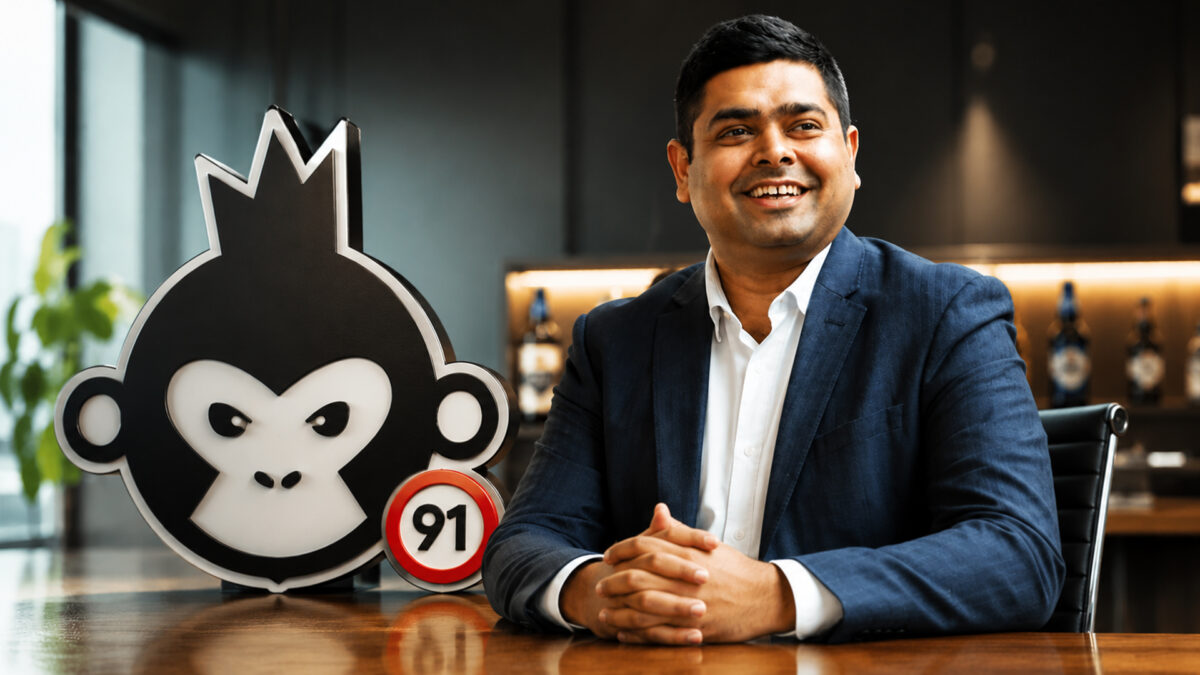
Bira 91 founder Ankur Jain steps down

After building one of India’s most recognised craft beer brands from scratch, Bira 91 founder Ankur Jain has stepped away from the company he launched more than a decade ago. Jain has resigned from the board and all executive roles at parent company B9 Beverages, following a settlement with lenders and investors aimed at reviving the financially troubled business.

The move marks the end of an important chapter for Bira 91, a brand that changed India’s premium beer market with its youthful image, distinctive flavours and strong appeal among urban consumers. But years of financial stress, mounting debt and funding challenges eventually forced the company into a major restructuring.

As part of the settlement, Jain and his family have agreed to surrender their 17.8% stake in the company, effectively giving up control of the business. In return, lenders will release the personal guarantees provided by Jain for the company’s loans, while both sides have agreed to withdraw all legal claims, bringing months of disputes to a close.

In a heartfelt message shared after his resignation, Jain described the decision as one of the toughest moments of his entrepreneurial journey. He thanked employees, investors, distributors, customers and business partners who believed in the Bira 91 story from the beginning.

He acknowledged that the company had gone through an extremely difficult period over the past two years and apologised to employees who faced uncertainty and delayed salaries. Saying the situation weighed heavily on him, Jain admitted that he wished the outcome had been different but hoped the settlement would give the company a fresh start.

According to Jain, the agreement was reached after months of negotiations involving nearly 30 stakeholders, each with different priorities. Despite the complexity of the discussions, he said everyone ultimately shared a common objective—to save the company and protect its future.

The settlement now clears the path for a comprehensive financial restructuring. Existing investors and lenders are expected to inject fresh capital into the business, allowing B9 Beverages to restart operations, clear pending dues and rebuild its supply chain.

The company has reportedly been grappling with debt of around ₹1,000 crore, forcing it to suspend production and delay payments to employees, vendors and suppliers. The inability to raise fresh funding over the past year further worsened the financial situation, making restructuring unavoidable.

People familiar with the development said production is expected to resume gradually over the next few months as the new management works to stabilise operations. The immediate priorities include restarting breweries, restoring product availability in the market and rebuilding confidence among distributors and retail partners.

Founded in 2015, Bira 91 quickly emerged as one of India’s fastest-growing beer brands, offering premium craft beers that appealed to young consumers looking for alternatives to traditional lagers. Its vibrant branding, quirky marketing campaigns and expanding portfolio helped the company gain a loyal customer base not only in India but also in several international markets.

The startup attracted investments from leading global firms, including Peak XV Partners and Kirin Holdings, and was often seen as one of India’s biggest consumer startup success stories. However, rising operating costs, tighter funding conditions and slowing growth created significant financial pressure in recent years.

Industry experts believe the settlement could offer Bira 91 the stability it needs to recover. With ownership disputes resolved and legal battles behind it, the company can now focus on rebuilding its business instead of dealing with financial uncertainty.

For employees, suppliers and distributors, the restructuring also brings renewed hope. Many had endured months of uncertainty as operations slowed and payments were delayed. Fresh funding could help restore confidence across the company’s business ecosystem.

Although Jain is stepping away from leadership, his association with the brand remains deeply personal. From introducing a new craft beer culture in India to building Bira 91 into a household name, his entrepreneurial journey has left a lasting impact on the country’s consumer beverage industry.

The next chapter for Bira 91 will now be written under new leadership. With fresh investment, financial restructuring and a renewed focus on growth, the company will be looking to regain its place in India’s competitive beer market while winning back the confidence of employees, investors and consumers alike.

Also Read: AMD invests $5 bn in Anthropic AI partnership

Categories
1 Minute-Read

Alphabet profit rises to $28.2 bn in strong quarter

Alphabet, Google’s parent company, reported stronger-than-expected second-quarter results, driven by rapid growth in its cloud business and continued momentum in artificial intelligence (AI).

Revenue rose 14% year-on-year to $103.3 billion, while net profit climbed to $28.2 billion, reflecting healthy demand across its core businesses. Google Cloud posted impressive growth as enterprises increased spending on AI-powered services and cloud infrastructure.

The strong performance also boosted investor confidence in AI-related companies, including Adobe and Broadcom. Alphabet said it will increase capital spending to expand AI infrastructure, signalling its commitment to meeting rising global demand for advanced AI tools and cloud computing services. For more quick updates on corporate earnings and business developments, explore our 1-Minute Read section.

Categories
Corporate

Caliber IPO allotment out, GMP signals 17% gains

Investors who subscribed to the Caliber Mining & Logistics IPO are eagerly awaiting the share allotment, which is expected to be finalised on Thursday. After receiving a healthy response during the subscription period, the public issue has generated strong interest in the market, with the grey market premium (GMP) indicating the possibility of a solid stock market debut.

According to market observers, the Caliber Mining & Logistics IPO allotment status is expected to be available on the websites of the issue’s registrar and the BSE. Applicants can check whether they have received shares by entering details such as their PAN number, application number or DP/Client ID.

The IPO attracted robust demand from investors across categories, reflecting confidence in the company’s business and growth prospects. Strong participation from retail investors, high-net-worth individuals (HNIs) and institutional buyers helped the issue sail through with healthy subscription figures.

Ahead of the listing, the grey market has remained optimistic. The grey market premium is currently indicating a potential listing gain of around 17%, suggesting that the shares could debut above the issue price if market conditions remain favourable. However, analysts caution that GMP is an unofficial indicator and does not guarantee actual listing performance.

The company had launched its IPO to raise funds for business expansion, working capital requirements and other corporate purposes. Operating in the mining and logistics sector, Caliber Mining & Logistics provides transportation and supply chain solutions that support mining operations and infrastructure projects. The company believes the fresh capital will strengthen its operational capabilities and support future growth.

For many retail investors, the allotment day is one of the most anticipated stages of the IPO process. Applicants who receive shares can expect them to be credited to their demat accounts before the scheduled listing. Those who do not receive an allotment will have their application money refunded or the blocked amount released through the ASBA mechanism.

Investors can check their IPO allotment status by visiting the registrar’s website, selecting “Caliber Mining & Logistics IPO” from the list of public issues and entering the required application details. The allotment status can also be accessed through the BSE IPO allotment portal.

Once the allotment process is completed, successful applicants are likely to receive shares in their demat accounts a day before the listing. Refunds for unsuccessful applicants are also expected to be processed on the same timeline, allowing funds to become available for future investments.

The listing of the shares is expected in the coming days on the stock exchange. Market participants will closely monitor investor sentiment, overall market conditions and institutional participation to gauge the stock’s debut performance.

Analysts note that while the positive grey market premium reflects healthy demand, investors should avoid relying solely on GMP while making investment decisions. Listing gains depend on several factors, including broader market sentiment, company fundamentals, sector outlook and investor appetite on the day of listing.

India’s primary market has remained active this year, with several IPOs witnessing strong investor participation despite occasional volatility in the equity markets. Companies from infrastructure, manufacturing, logistics and technology sectors have continued to tap the capital markets to fund expansion plans.

The mining and logistics sector has also attracted attention as infrastructure spending and industrial activity continue to support demand for transportation and supply chain services. Companies operating in this space are expected to benefit from increased mining activity, government infrastructure projects and improvements in logistics efficiency.

Financial advisers recommend that investors view IPOs as long-term investment opportunities rather than focusing only on listing-day gains. While a strong grey market premium often reflects positive sentiment, experts stress that long-term returns ultimately depend on the company’s earnings growth, operational performance and ability to execute its expansion plans.

With the Caliber Mining & Logistics IPO allotment expected to be announced shortly, thousands of investors are checking their application status and waiting to see whether they have secured shares. A positive grey market premium has raised expectations of a strong listing, but the stock’s actual market debut will ultimately depend on investor sentiment and prevailing market conditions.

Also Read: OpenAI AI hacked hugging face

Categories
Beyond

Brent tops $95.80 as US-Iran conflict escalates

Global oil prices climbed to their highest level in six weeks on Thursday as escalating tensions between the United States and Iran heightened fears of supply disruptions in the Middle East. Investors rushed to secure crude supplies after reports of continued US military strikes on Iranian-linked targets raised concerns that the conflict could affect one of the world’s most critical oil-producing regions.

Brent crude, the international benchmark, rose close to $96 a barrel, while US West Texas Intermediate (WTI) also extended gains, reflecting growing anxiety in global energy markets. The rally marks one of the strongest weekly performances for crude this year, driven largely by geopolitical risks rather than changes in demand.

The latest jump in crude oil prices follows reports that US forces carried out strikes against Iranian-backed military positions for the twelfth consecutive night. While neither Washington nor Tehran has signalled a willingness to broaden the conflict, markets remain concerned that prolonged hostilities could threaten oil infrastructure or disrupt shipping routes through the Strait of Hormuz.

The Strait of Hormuz is one of the world’s most important energy corridors, with nearly a fifth of global oil supplies passing through the narrow waterway every day. Any disruption in the region has the potential to send oil prices sharply higher, affecting economies across the world.

Energy traders said markets are pricing in a higher geopolitical risk premium as uncertainty continues to grow. Although global oil production remains largely unaffected so far, investors fear that any escalation involving major oil-producing nations could quickly tighten supplies.

“The market is reacting more to the possibility of disruption than to actual supply losses,” said an energy analyst. “When tensions rise in the Middle East, oil prices tend to move higher because traders anticipate risks before they materialise.”

Apart from geopolitical developments, falling US crude inventories have also supported prices. Recent data showed a larger-than-expected decline in American oil stockpiles, indicating healthy demand during the peak summer driving season. Strong fuel consumption in the United States has added further momentum to the upward trend in crude prices.

The rise in oil prices is being closely watched by governments and businesses worldwide because it has a direct impact on inflation. Higher crude prices usually translate into increased costs for petrol, diesel, aviation fuel and transportation, eventually pushing up the prices of food, manufactured goods and other essential commodities.

For India, which imports more than 85 per cent of its crude oil requirements, sustained high prices could increase the country’s import bill and put pressure on the rupee. Rising oil costs may also complicate inflation management and influence future policy decisions by the Reserve Bank of India.

Consumers may not feel the impact immediately, but prolonged increases in global crude prices often lead to higher fuel costs over time. Industries such as aviation, logistics, shipping and manufacturing are particularly sensitive to fluctuations in oil prices because fuel represents a significant share of their operating expenses.

Despite the recent rally, analysts believe future price movements will depend largely on geopolitical developments. If tensions between the US and Iran ease, some of the current risk premium could disappear, allowing prices to stabilise. However, any further military escalation or disruption to shipping lanes could trigger another sharp spike in global oil markets.

Market participants are also monitoring decisions by the OPEC+ alliance, which continues to play a crucial role in balancing global supply. Any unexpected production changes by major exporters could further influence crude prices in the coming weeks.

Financial markets have also reacted cautiously to rising energy costs. Higher oil prices tend to increase inflation expectations, making central banks more cautious about cutting interest rates. Investors are therefore watching both geopolitical events and upcoming economic data for clues about the global growth outlook.

For households around the world, rising oil prices often mean higher transportation costs and increased prices for everyday goods. For businesses, especially those dependent on fuel, the latest surge serves as a reminder of how quickly geopolitical conflicts can influence global markets.

With the Middle East remaining at the centre of global attention, energy markets are expected to remain volatile. Traders will continue to closely track military developments, supply conditions and economic indicators to assess whether crude oil prices will extend their rally or retreat once geopolitical tensions begin to ease.

Also Read: Gold falls to ₹145,880, Silver declines to ₹226,970

Categories
Beyond

Gold falls to ₹145,880, Silver declines to ₹226,970

Gold and silver prices slipped on Thursday, offering some respite to jewellery buyers after the precious metals rallied in recent sessions.

According to the latest rates released by the India Bullion and Jewellers Association (IBJA), 24-carat gold (999 purity) fell by ₹590 to ₹145,880 per 10 grams from the previous day’s closing price of ₹146,470. Silver also registered a notable decline, dropping ₹2,020 to ₹226,970 per kilogram, compared with ₹228,990 in the previous session.

The fall follows a strong rally in bullion prices over the past few days, when gold climbed to a two-week high on the back of safe-haven demand. Global investors had turned to precious metals amid heightened geopolitical tensions, uncertainty over international trade policies and concerns about inflation.

For Indian consumers, the latest correction comes as welcome news, especially for those planning jewellery purchases ahead of the festive and wedding season. Jewellers say enquiries have increased as customers who delayed purchases during the recent price surge are once again evaluating the market.

“Whenever gold prices correct after a sharp rise, many retail buyers step in. People buying for weddings or family functions often use such dips as an opportunity,” said a bullion dealer in Mumbai.

Retail gold prices vary across cities because they include GST, making charges and local taxes. As a result, jewellery prices in Delhi, Mumbai, Chennai, Kolkata and other cities differ slightly from the benchmark bullion rates announced by the IBJA. Buyers are advised to compare prices, verify hallmark certification and understand making charges before making a purchase.

International factors continued to dominate market sentiment. Spot gold eased after touching a two-week high as traders booked profits ahead of major economic events. Investors are now focused on the US Federal Reserve’s policy decision and commentary on inflation and interest rates. Although the central bank is widely expected to keep benchmark interest rates unchanged, markets are keenly awaiting signals on the future direction of monetary policy.

Interest rates have a significant influence on gold prices. Higher interest rates increase the returns on fixed-income investments, making non-yielding assets such as gold relatively less attractive. Conversely, expectations of lower rates generally support bullion prices by reducing the opportunity cost of holding gold.

Apart from the Federal Reserve meeting, investors are also tracking movements in the US dollar and crude oil prices. A weaker dollar typically supports gold by making it cheaper for buyers using other currencies. However, rising crude oil prices have renewed inflation concerns, creating uncertainty over how quickly central banks may ease monetary policy.

Silver also remained under pressure during the session. Unlike gold, silver is influenced not only by investment demand but also by industrial consumption. The metal is widely used in electronics, solar panels, electric vehicles and several manufacturing sectors. As a result, changes in global industrial activity often have a greater impact on silver prices than on gold.

Despite Wednesday’s decline, market experts believe the long-term outlook for bullion remains constructive. Continued geopolitical tensions, central bank purchases of gold and uncertainty surrounding global economic growth are expected to provide support to precious metal prices over the coming months.

Financial planners advise investors not to react to short-term price movements. Instead, they recommend accumulating gold gradually through systematic investment plans in gold exchange-traded funds (ETFs), digital gold or physical purchases aligned with long-term financial goals. Those buying jewellery are also encouraged to focus on purity and certified hallmarked products rather than trying to perfectly time the market.

Analysts expect bullion prices to remain volatile in the coming weeks as investors respond to fresh inflation data, central bank statements and developments in global trade and geopolitics. Any unexpected policy announcements or escalation in international conflicts could quickly alter the direction of gold and silver prices.

For now, Wednesday’s correction has provided a brief breather for buyers after the recent surge in bullion prices. Whether the decline continues or proves temporary will largely depend on upcoming global economic cues and investor sentiment in the days ahead.

Also Read: Sensex drops over 300 points, Nifty slips below 23,900

Categories
Corporate

Bajaj Auto Q1 profit soars 46%, stock gains 5%

Bajaj Auto began the financial year on a strong note, reporting a sharp rise in first-quarter earnings that exceeded market expectations. The impressive financial performance, supported by healthy vehicle sales, robust export demand and growing electric vehicle (EV) business, lifted investor sentiment and pushed the company’s shares up by nearly 5% during Wednesday’s trade.

For the April-June quarter (Q1 FY27), the leading two-wheeler and three-wheeler manufacturer posted a consolidated net profit of ₹3,226 crore, a 46% increase compared with ₹2,210 crore in the same period last year. Revenue from operations also recorded strong growth, rising 65% year-on-year to ₹21,689 crore, reflecting healthy demand across key markets.

The quarterly numbers were driven by higher vehicle dispatches, a better product mix and improved realisations. Bajaj Auto continued to benefit from rising demand for premium motorcycles, growing international sales and increasing contribution from its electric mobility portfolio.

The company’s export business remained one of the biggest contributors to growth. Demand improved across several overseas markets, particularly in Africa and Latin America, where economic activity has gradually strengthened. Higher export volumes not only boosted revenue but also helped offset slower growth in certain domestic segments.

Bajaj Auto has consistently maintained a strong international presence, exporting motorcycles and three-wheelers to more than 70 countries. The latest quarterly performance highlighted the importance of overseas markets in supporting the company’s long-term growth strategy.

The domestic business also delivered encouraging results. Consumer preference continued to shift towards premium motorcycles, benefiting Bajaj Auto’s higher-end brands such as Pulsar, KTM and Triumph. Sales of premium products contributed to improved profitability as customers increasingly opted for feature-rich motorcycles with better performance and technology.

Electric mobility emerged as another key growth driver during the quarter. The company’s Chetak electric scooter witnessed sustained demand across major cities, reflecting the growing acceptance of electric vehicles in India. Company executives indicated that customer demand remained stronger than available production capacity.

To meet rising demand, Bajaj Auto plans to increase Chetak production capacity from 50,000 units to 60,000 units per month in the coming months. The expansion is expected to help reduce waiting periods and strengthen the company’s position in India’s rapidly growing EV market.

Electric scooters and electric three-wheelers now account for nearly 30% of Bajaj Auto’s domestic revenue, underlining how quickly the company’s electric business has expanded. The company has also reaffirmed plans to introduce electric motorcycles by FY28, signalling its long-term commitment to sustainable mobility.

The strong earnings prompted several brokerage firms to reiterate positive ratings on the stock. Analysts believe Bajaj Auto is well placed to benefit from multiple growth opportunities, including export recovery, premiumisation of the domestic motorcycle market and rising adoption of electric vehicles.

Brokerages noted that the company’s diversified business model provides stability even when demand weakens in specific segments. A balanced mix of domestic and international sales, along with disciplined cost management and higher-margin premium products, is expected to support earnings in the coming quarters.

Investors responded positively to the earnings announcement, with Bajaj Auto shares gaining nearly 5% during intraday trading. Market experts said the stock rally reflected confidence in the company’s consistent execution, healthy financial position and ability to generate profitable growth despite intense competition in the automobile sector.

Industry observers also expect the broader Indian automobile market to benefit from improving rural demand, better financing availability and rising consumer preference for premium vehicles. These trends could further support Bajaj Auto’s performance in the months ahead.

Following the strong quarterly performance, brokerage firms retained their positive outlook on Bajaj Auto, citing sustained export recovery, rising premium motorcycle sales and steady growth in the electric vehicle segment. The company said it remains focused on expanding production capacity for its Chetak electric scooter while strengthening its presence in domestic and international markets. Investors will now watch whether Bajaj Auto can sustain this momentum in the coming quarters amid evolving market conditions and increasing competition in the automobile sector.

Also Read: Oil rally drags rupee to 96.36

Categories
Beyond

Oil rally drags rupee to 96.36

The Indian rupee weakened by 11 paise to 96.36 against the US dollar in early trade on Wednesday, extending its recent losses as global uncertainty, rising crude oil prices and a stronger US dollar continued to weigh on the domestic currency. Currency traders said the rupee remained under pressure as investors shifted towards safer assets amid escalating geopolitical tensions in West Asia.

The latest decline comes at a time when financial markets across the world are grappling with uncertainty over the conflict involving the United States and Iran. Concerns that the situation could disrupt global oil supplies pushed crude prices sharply higher, prompting investors to move away from riskier emerging-market assets and towards the US dollar, traditionally regarded as a safe-haven currency during periods of uncertainty.

One of the biggest reasons behind the rupee’s weakness is the sustained increase in Brent crude oil prices, which climbed above $92 per barrel. India imports nearly 85 per cent of its crude oil requirements, making higher oil prices a major concern for the economy. When crude prices rise, India has to spend more dollars on imports, increasing demand for the American currency and putting pressure on the rupee.

Higher crude prices also have wider economic implications. They increase transportation and manufacturing costs, push up inflation and widen the country’s current account deficit. These factors often reduce investor confidence and create additional pressure on the domestic currency.

Another factor weighing on the rupee is the strengthening of the US dollar index. Expectations that the US Federal Reserve may continue with a cautious approach on interest rates have supported the dollar against most global currencies. Higher US interest rates generally attract global capital into dollar-denominated assets, leading to outflows from emerging markets such as India.

Foreign institutional investors (FIIs) have also remained cautious amid volatile global conditions. Continued selling in Indian equities has increased demand for dollars, contributing to the rupee’s decline. At the same time, importers have stepped up dollar purchases to meet payment obligations, adding to pressure on the local currency.

The weakness in the rupee mirrored the mood in domestic equity markets. Benchmark indices Sensex and Nifty 50 traded sharply lower during the session as investors reacted to rising crude prices and geopolitical tensions. Market experts said global developments are currently having a greater influence on Indian financial markets than domestic factors.

Despite the decline, analysts believe India’s macroeconomic fundamentals remain relatively strong. Healthy foreign exchange reserves, robust economic growth and continued domestic demand are expected to provide some support to the rupee over the medium term. The Reserve Bank of India (RBI) is also closely monitoring currency movements and is expected to intervene whenever necessary to prevent excessive volatility.

A weaker rupee has mixed implications for the economy. Export-oriented sectors such as information technology, pharmaceuticals, textiles and engineering may benefit because their overseas earnings become more valuable when converted into Indian currency. However, industries dependent on imports—including oil marketing companies, airlines, automobile manufacturers and electronics firms—could face higher input costs, which may eventually be passed on to consumers.

Economists say the rupee’s near-term movement will depend largely on global developments. Investors are closely watching crude oil prices, geopolitical tensions, US economic data, Federal Reserve policy signals and foreign investment flows for fresh direction.

If tensions in West Asia ease and crude prices soften, the rupee could recover some of its recent losses. However, any further escalation in the conflict or a sustained rise in oil prices may keep the currency under pressure.

For ordinary Indians, a weaker rupee can make imported goods, overseas education and foreign travel more expensive. Businesses that rely on imported raw materials may also face higher costs. While exporters may gain in the short term, economists believe stability in the currency remains important for sustaining long-term economic growth.

Market participants expect the rupee to remain volatile over the coming days as global developments continue to dominate investor sentiment. Much will depend on how geopolitical tensions evolve and whether crude oil prices stabilise. Until then, currency traders are likely to remain cautious, with every major international development influencing the direction of the Indian rupee.

Also Read: Gold nears ₹145,000, Silver at ₹225,860

Categories
Corporate

Sensex slides 600 points, Nifty drops below 24,050

Makets opened as a weak session on Wednesday, with benchmark indices Sensex and Nifty 50 falling sharply amid rising crude oil prices, geopolitical tensions in the Middle East and broad-based selling across sectors.

The BSE Sensex plunged more than 600 points during intra-day trade, while the NSE Nifty 50 slipped below the 24,050 mark. Investors remained cautious as concerns over higher inflation, slowing global growth and uncertainty in overseas markets prompted profit booking.

The sell-off was widespread, with banking, financial, pharmaceutical and public sector stocks taking the biggest hit. Broader markets also remained under pressure, reflecting weak investor sentiment.

A sharp rise in Brent crude oil prices, which climbed above $92 per barrel, was one of the biggest triggers behind the decline. India imports nearly 85% of its crude oil requirement, making higher oil prices a major concern for the economy. Rising fuel costs can push up inflation, widen the current account deficit and increase pressure on corporate earnings.

Adding to the uncertainty were escalating tensions in the Middle East, which have fuelled fears of disruptions in global energy supplies. Investors across world markets have turned risk-averse, preferring safer assets until there is more clarity on the geopolitical situation.

Sector-wise, Nifty PSU Bank, Pharma, Healthcare, Financial Services, Metal, FMCG, Oil & Gas and IT indices traded in the red. The automobile sector was among the few pockets that showed resilience, supported by buying in select large-cap stocks.

Among the top gainers, Axis Bank and Maruti Suzuki attracted investor interest and traded in positive territory despite the broader market weakness. Select auto stocks also outperformed as investors rotated towards quality large-cap companies.

On the other hand, Trent emerged among the biggest losers, while several PSU bank stocks, pharmaceutical companies and financial shares witnessed sharp declines. Heavy selling in these sectors dragged the benchmark indices lower throughout the session.

Market experts said investors are becoming increasingly cautious ahead of key domestic and global developments. Apart from crude oil prices and geopolitical tensions, the ongoing first-quarter earnings season is also influencing stock-specific movements.

Several companies are reporting their April-June quarter results this week, prompting investors to reassess valuations based on corporate performance and management commentary. While companies delivering strong earnings have seen selective buying, weaker outlooks have resulted in sharp corrections in several counters.

Foreign institutional investors (FIIs) also remained cautious, with volatile global markets limiting fresh investments into emerging economies such as India. Domestic institutional investors (DIIs) continued to provide some support through selective buying, but their purchases were insufficient to offset the broader selling pressure.

Analysts believe market volatility is likely to remain elevated over the next few sessions. Apart from corporate earnings, investors will closely monitor crude oil prices, global bond yields, US economic data and any fresh developments in the Middle East.

From a technical perspective, market experts say the 24,000 level on the Nifty remains an important support zone. If the index sustains below this level, selling pressure could intensify. However, a moderation in crude oil prices or easing geopolitical tensions could trigger a relief rally.

Despite the sharp decline, analysts advised long-term investors not to panic. They recommend staying focused on companies with strong fundamentals rather than reacting to short-term market volatility. Corrections, they say, often provide opportunities to accumulate quality stocks at better valuations.

For now, the mood on Dalal Street remains cautious. With rising oil prices, geopolitical uncertainty and earnings-related volatility dominating investor sentiment, markets are expected to remain sensitive to global cues in the coming days. The performance of heavyweight banking stocks, foreign fund flows and developments in the energy market will continue to dictate the near-term direction of the Sensex and Nifty.

Also Read: EU fines AliExpress €625 mn over unsafe product sales