Categories
1 Minute-Read

UAE fuel prices surge sharply, diesel jumps over 70%

Fuel prices in the UAE have gone up sharply in April as tensions in the Middle East push global oil prices higher. Petrol prices have increased by around 30%, while diesel has risen by more than 70%, making transport more expensive.

This has created concern about possible price increases in daily goods. However, supermarket retailers say they will not raise prices immediately. They are working to manage the extra cost through better planning, efficient deliveries, and improved supply systems.

Experts say if fuel prices stay high for a long time, businesses may have no choice but to pass on the added costs to customers.

Categories
Beyond

UAE allows return for residents with expired visas

The United Arab Emirates has introduced a temporary measure allowing foreign residents whose visas expired while they were abroad to return to the country without paying overstay fines or applying for a new entry permit. The special provision will remain in effect until March 31.

The initiative was announced by the Federal Authority for Identity, Citizenship, Customs and Port Security (ICP), which said the move is intended to help expatriates who were unable to return to the UAE before their residency visas expired due to travel disruptions and regional instability.

Under the new rule, residents whose visas expired while they were outside the country can re-enter the UAE directly using their existing residency documents. Authorities have also waived any penalties normally imposed for overstaying in such situations during the grace period.

Officials said the temporary policy was introduced after many residents were stranded overseas because of flight disruptions and airspace restrictions in parts of the Middle East. Ongoing tensions involving Iran, the United States and Israel have affected travel routes and led to cancellations or delays for several international flights.

As a result, numerous expatriates working in the UAE were unable to return to the country before their visas expired. The government’s latest measure aims to ease their return and help them regularise their residency status once they arrive.

According to authorities, returning residents will be allowed to complete the necessary procedures to renew or update their residency permits after re-entering the country. Immigration service centres and airport authorities have also been instructed to facilitate the process and assist travellers during the temporary relief period.

The UAE hosts millions of expatriate workers from around the world, including a large number from South Asia. Flexible immigration measures such as this are often introduced during emergencies to support residents and minimise administrative complications caused by unexpected travel restrictions.

Also Read: Iran to allow safe passage for Indian ships

Categories
Corporate

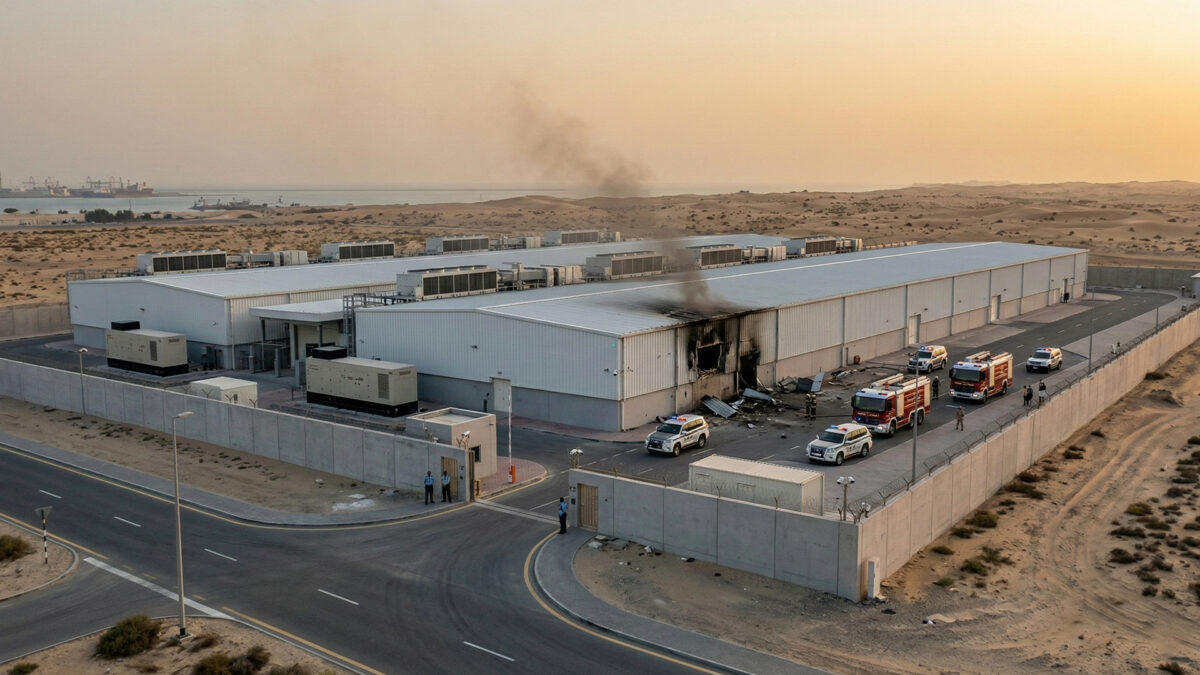
AWS cloud outage hits UAE and Bahrain after Iranian strikes

Cloud services across parts of the Gulf faced major disruption after facilities operated by Amazon Web Services (AWS) were damaged amid escalating regional tensions.

The company confirmed that two data centres in the United Arab Emirates and one in Bahrain were affected by power and connectivity issues. At one UAE site, objects struck infrastructure linked to power systems, triggering a fire. Emergency teams cut electricity, including backup generators, to contain the blaze, leading to an outage in the affected availability zone.

Following the incident, customers in the region reported error messages, delays and difficulty accessing key AWS services. Core functions such as virtual servers, storage systems and networking tools were impacted, particularly in the Middle East cloud region cluster. Some users experienced problems launching new computing instances, while others saw increased latency and incomplete processing.

AWS said recovery efforts were underway but warned that full restoration could take several hours or longer. The company advised customers to shift workloads to other AWS regions or activate backup systems to reduce disruption.

The incident comes amid heightened tensions involving Iran and its regional rivals, with drone and missile activity reported across parts of the Gulf. While AWS did not directly attribute the damage to a specific military strike, it acknowledged that regional instability could continue to affect operations.

The disruption highlights how geopolitical conflicts are increasingly impacting critical digital infrastructure. Data centres power banking systems, government platforms, retail services and communication networks. Any prolonged outage can have ripple effects across businesses and public services.

As restoration continues, companies relying on cloud infrastructure in the region are closely monitoring the situation, with contingency planning now a key focus amid ongoing uncertainty.

Also Read: India, Canada sign $2.6 billion uranium deal

Categories
Leaders

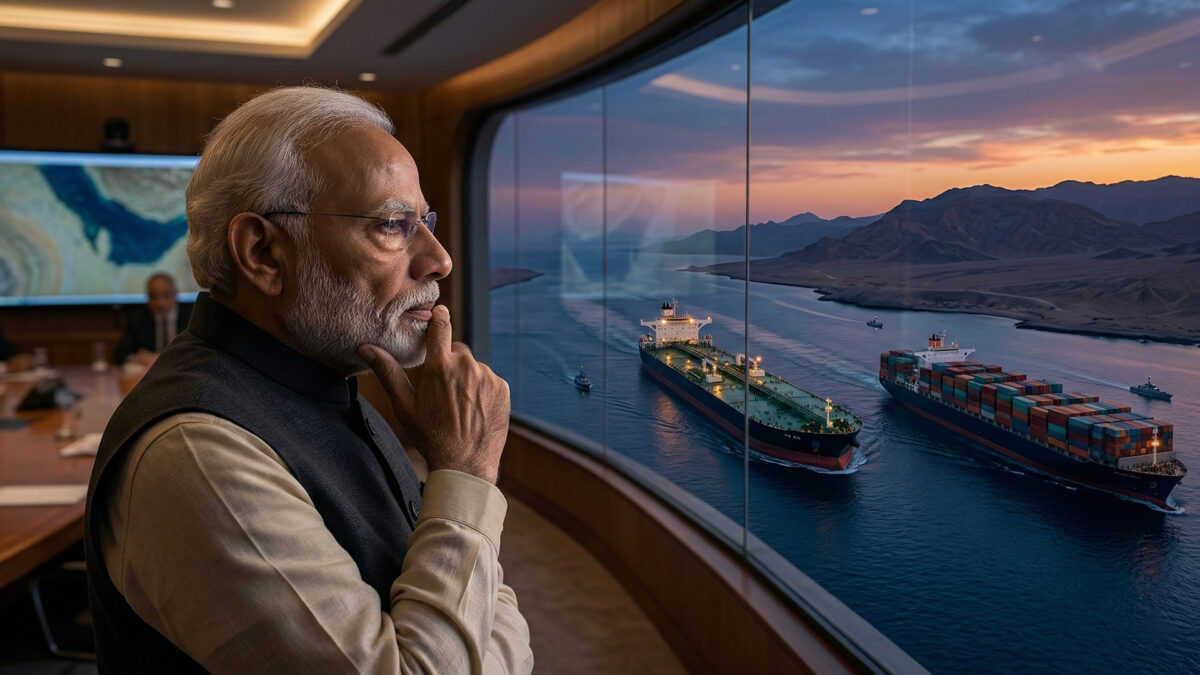
PM Modi urges peace, flags economic risks in Gulf

Prime Minister Narendra Modi held a telephone call with Benjamin Netanyahu on Monday, urging an “early cessation of hostilities” and emphasising that the safety of civilians must be a priority as tensions soar in West Asia following US–Israel strikes on Iran.

In his message on social media platform X, Modi said he had conveyed India’s concerns over the ongoing violence and called for de‑escalation to protect non‑combatants caught in the crossfire. He reiterated that India wants hostilities to end quickly and urged all sides to prioritise peace and civilian security.

The call comes amid growing concerns over trade and energy flows. India imports a significant portion of its crude oil and LPG from West Asia, and instability in the region, especially near strategic chokepoints like the Strait of Hormuz, could affect fuel costs, shipping schedules, and supply chains.

PM Modi also spoke with Sheikh Mohamed bin Zayed Al Nahyan, President of the United Arab Emirates, condemning recent attacks on the UAE and expressing India’s solidarity, while thanking UAE leadership for looking after the large Indian expatriate community.

Although direct trade with Iran has declined due to sanctions, India continues to export agricultural products, machinery, and pharmaceuticals, while importing dry fruits, chemicals, and glassware. Analysts warn that escalating conflict could disrupt these trade flows, affecting businesses and exporters dependent on Gulf markets.

India’s government is closely monitoring the economic fallout, including potential delays at ports, shipping disruptions, and volatility in energy prices. The PM’s outreach reflects India’s dual focus: advocating for peace to protect civilians and ensuring continuity of critical trade and energy interests.

PM Modi’s calls to regional leaders signal proactive diplomacy, combining humanitarian concerns with strategic economic foresight as businesses watch the Gulf situation for its impact on energy, logistics, and trade stability.

Also Read: GST collections rise to ₹1.83 lakh cr in February

Categories
Corporate

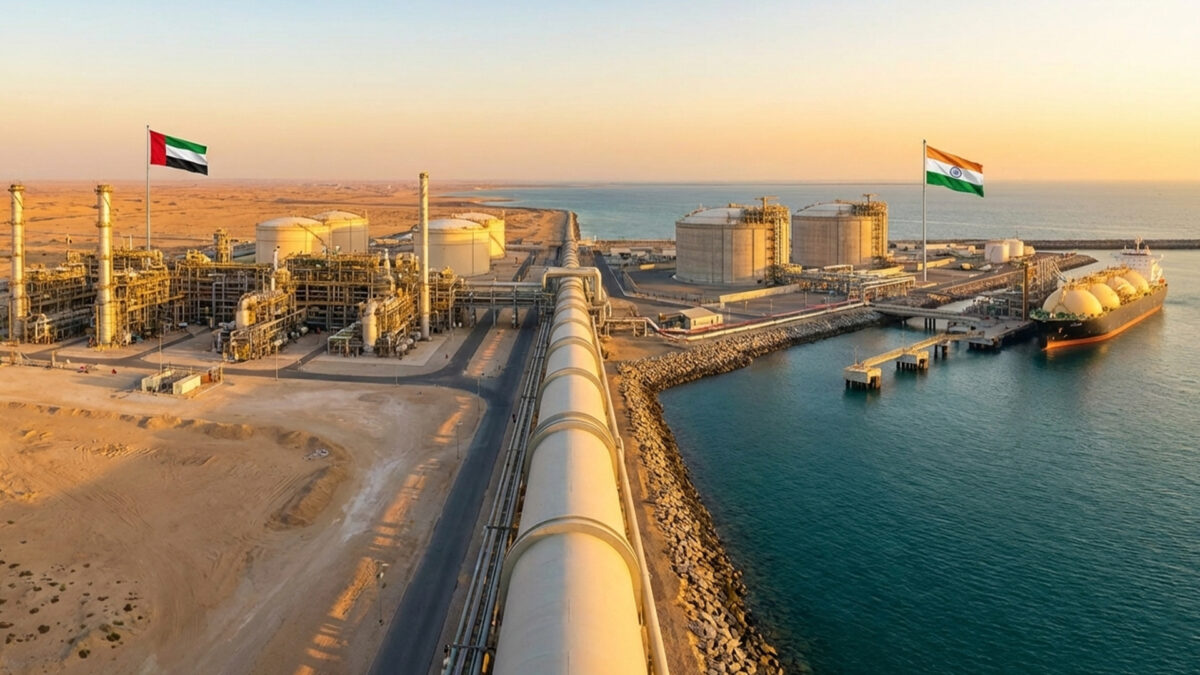
UAE signs $2.5bn LNG deal with HPCL

UAE and India have signed a landmark liquefied natural gas (LNG) supply agreement that will deepen energy cooperation between the two nations. The deal, inked between ADNOC Gas, the gas marketing division of Abu Dhabi National Oil Company, and Hindustan Petroleum Corporation Limited (HPCL), is valued at $2.5 billion and spans ten years.

Under the agreement, ADNOC Gas will supply about 500,000 tonnes of LNG annually to HPCL. The gas will be sourced from ADNOC’s Das Island facility, one of the world’s established LNG plants, known for its consistent production and export capacity.

This long-term supply is expected to enhance India’s energy security and support its growing demand for cleaner fuels. HPCL plans to use the imported LNG to fuel its refining operations, as well as expand city gas distribution networks for industrial, residential, and commercial use.

The contract formalizes prior commercial arrangements and converts a heads-of-agreement into a binding sale and purchase pact. Officials from both sides emphasized that this deal positions India as a key LNG customer for the UAE, with Indian companies projected to take a significant portion of ADNOC Gas’ exports in the coming years.

The signing coincided with the official visit of UAE President Sheikh Mohamed bin Zayed Al Nahyan to New Delhi. During the visit, both countries highlighted the broader significance of energy cooperation and reiterated commitments to strengthen trade, technology, and strategic partnerships.

Also Read: Global markets fall on US Greenland tariff threats

Categories
1 Minute-Read

UAE gives hope to SMA patients with gene therapy approval

The United Arab Emirates has approved Itvisma (onasemnogene abeparvovec), a pioneering gene therapy by Novartis, for children and adults aged two and above with spinal muscular atrophy (SMA).

The therapy replaces the faulty SMN1 gene, tackling the root cause of the disease rather than just symptoms. Administered as a single dose, Itvisma has shown improvements in muscle strength and motor function.

Dr. Fatima Al Kaabi, Director-General of the Emirates Drug Establishment, said the approval reflects the UAE’s commitment to rapid, safe access to advanced treatments. Novartis highlighted the therapy’s potential to transform the lives of SMA patients.