Categories
Beyond

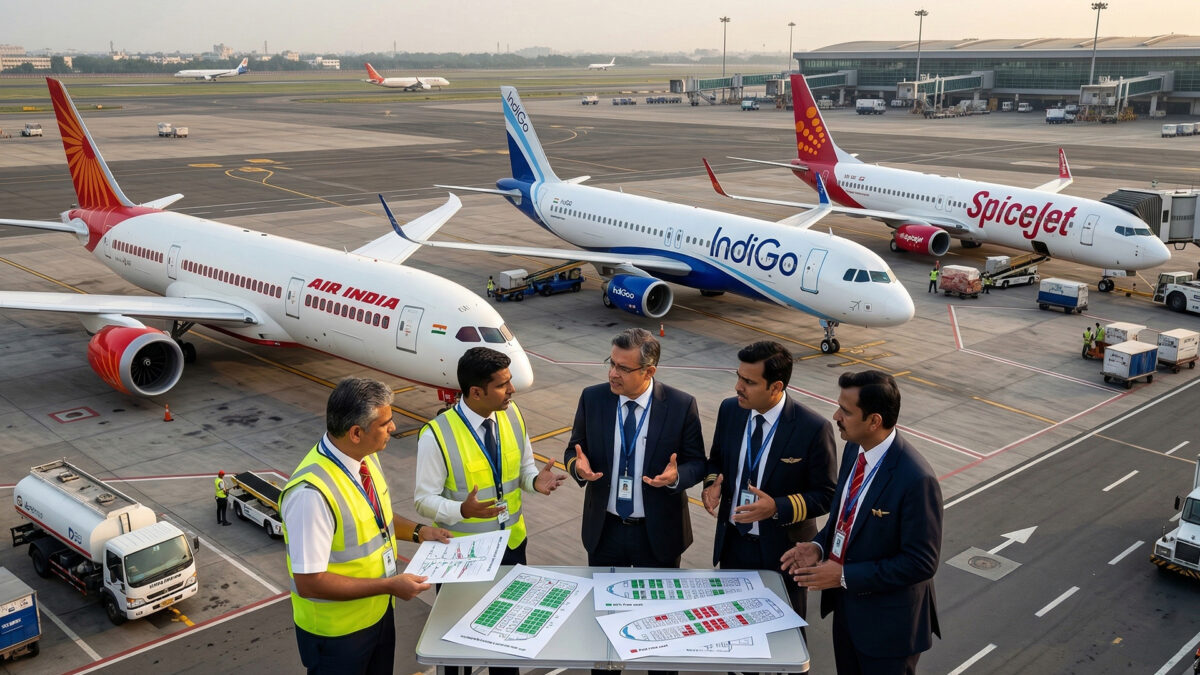
Air India, IndiGo, SpiceJet oppose free seat mandate

India’s leading airlines, Air India, IndiGo, and SpiceJet, have expressed strong opposition to a new government rule requiring them to make 60% of flight seats free for selection. Airlines warn that this could force higher base airfares to compensate for lost revenue.

The DGCA, under the Ministry of Civil Aviation, introduced the directive to protect passengers from hidden charges and make booking more transparent. While passengers would benefit from free seat selection on most seats, airlines claim the mandate limits their ability to earn from optional services like preferred window, aisle, and extra-legroom seats.

The Federation of Indian Airlines (FIA) said seat selection fees are a critical source of ancillary revenue. Losing this income, they argue, would hurt airlines financially, especially as operational costs rise and competition remains stiff. According to industry data, charges for preferred seats currently range from ₹200 to ₹2,100 per passenger.

Airlines also raised concerns about government overreach, saying commercial decisions such as pricing and seat allocation should remain under their control. They warned that enforcing the 60% free seat mandate could distort fare structures, potentially impacting ticket pricing and service tiers.

While the government intends to benefit passengers, experts warn that airlines may adjust base fares upwards to recoup lost income. This could mean that, despite free seat selection, the overall cost of travel might rise.

The debate highlights a broader tension in India’s aviation sector: balancing consumer-friendly policies with the financial realities of airlines. Passengers may gain in terms of transparency, but the industry insists on sustainable revenue streams to maintain services and profitability.

Also Read: Snowflake unveils AI tool to automate workflows

Categories
Corporate

SpiceJet adds 5 planes, daily flights rise to 176

SpiceJet has added five new planes to its fleet, including a Boeing 737 MAX, bringing the total number of aircraft to 35.

With these additions, the airline has increased its daily flights from 100 to 176, responding to the higher number of passengers during the festive and winter season.

The new planes are part of a larger expansion: SpiceJet added 15 aircraft in the past month, including leased planes and one reactivated from earlier grounding.

Despite the fleet growth, the airline posted a net loss of around ₹621 crore for the quarter ending September 2025, compared with a loss of ₹457.8 crore a year ago. Revenue also fell about 13% to ₹792 crore.

SpiceJet’s shares rose slightly after the news, as investors welcomed the airline’s plan to increase capacity and cover more routes.

Also Read: India’s inflation plunges to 0.3% in October

Categories
Leaders

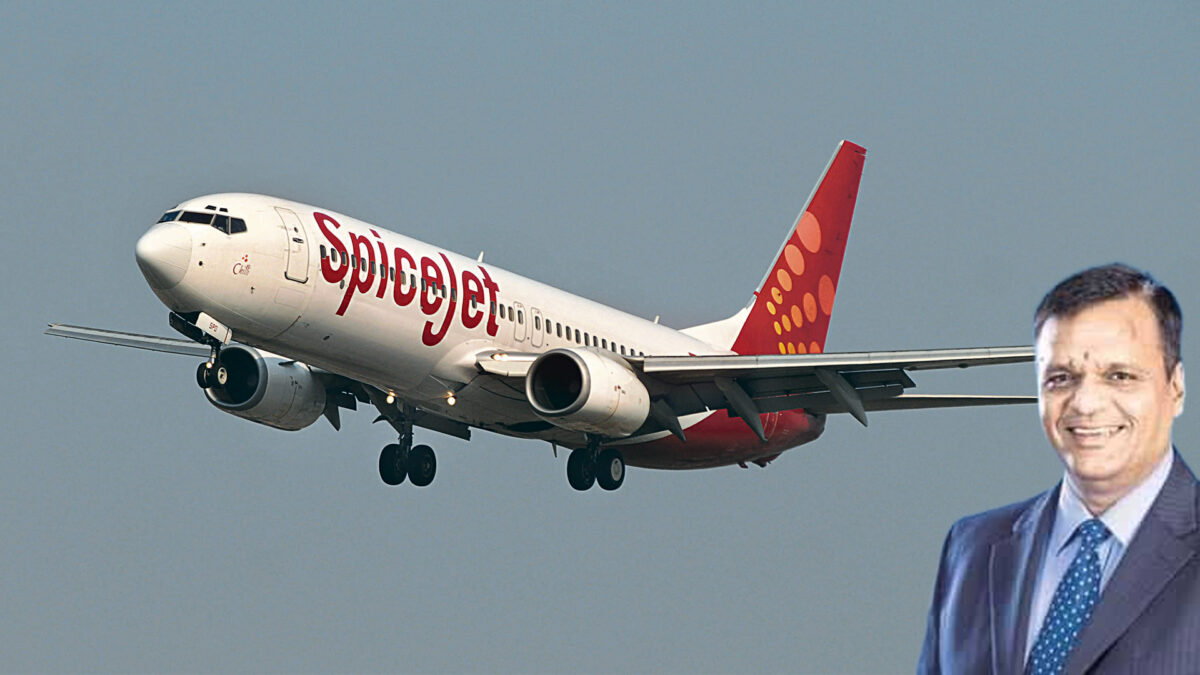
SpiceJet names ex-IndiGo Sanjay Kumar as Executive Director

SpiceJet has appointed former IndiGo executive Sanjay Kumar as Executive Director to be entrusted with leading growth initiatives and optimizing operations.

With over three decades of aviation experience, Kumar will report directly to Chairman Ajay Singh, effective November 3, 2025.

Kumar’s appointment comes after the airline posted a net loss in the first quarter of FY26 and tackles financial and operational hurdles, seeking a turnaround through fleet expansion and debt restructuring.

Kumar has earlier served in key positions, including Chief Commercial Officer and Chief Strategy & Revenue Officer at IndiGo, and held leadership roles as President & CEO at InterGlobe Technology Quotient and Chief Operating Officer at AirAsia India.

SpiceJet recently announced that it will run 250 flights daily in its Winter 2025 schedule, up from 125 daily flights last summer and 150 daily flights in the previous winter season.

Also Read: IT Withdraws ₹8,500 Cr Tax Claim on Vodafone