Categories
Technology

Anthropic delays new AI model over risks

US-based AI firm Anthropic has unveiled its most advanced artificial intelligence model yet, but decided not to release it publicly due to concerns over potential misuse.

The model, called Claude Mythos, marks a significant leap in AI capability. It is designed to detect software vulnerabilities with exceptional accuracy, outperforming human experts in several tests. In one notable case, the system identified a decades-old flaw that had gone unnoticed for years, showcasing its powerful analytical abilities.

However, these same strengths have raised serious concerns. Experts believe the technology could be misused to find and exploit weaknesses in digital systems, potentially enabling sophisticated cyberattacks. This has prompted the company to take a cautious approach.

Instead of a full public rollout, Anthropic is limiting access to a small group of trusted partners under a controlled programme. The aim is to study how the model behaves in real-world conditions while reducing the risk of misuse.

The company is also in discussions with the United States government to better understand the broader implications of such powerful AI systems. CEO Dario Amodei has stressed the importance of building safeguards as AI becomes more capable and widely used.

The development highlights a growing challenge in the tech industry, how to balance rapid innovation with safety. While advanced AI can strengthen cybersecurity by identifying threats early, it can also create new risks if it is not properly controlled.

Also Read: RBI keeps Repo rate at 5.25%
Categories
Technology

Anthropic partners Google, Broadcom for AI expansion

Anthropic has entered into a major long-term partnership with Google and Broadcom to strengthen its access to advanced AI chips and computing infrastructure.

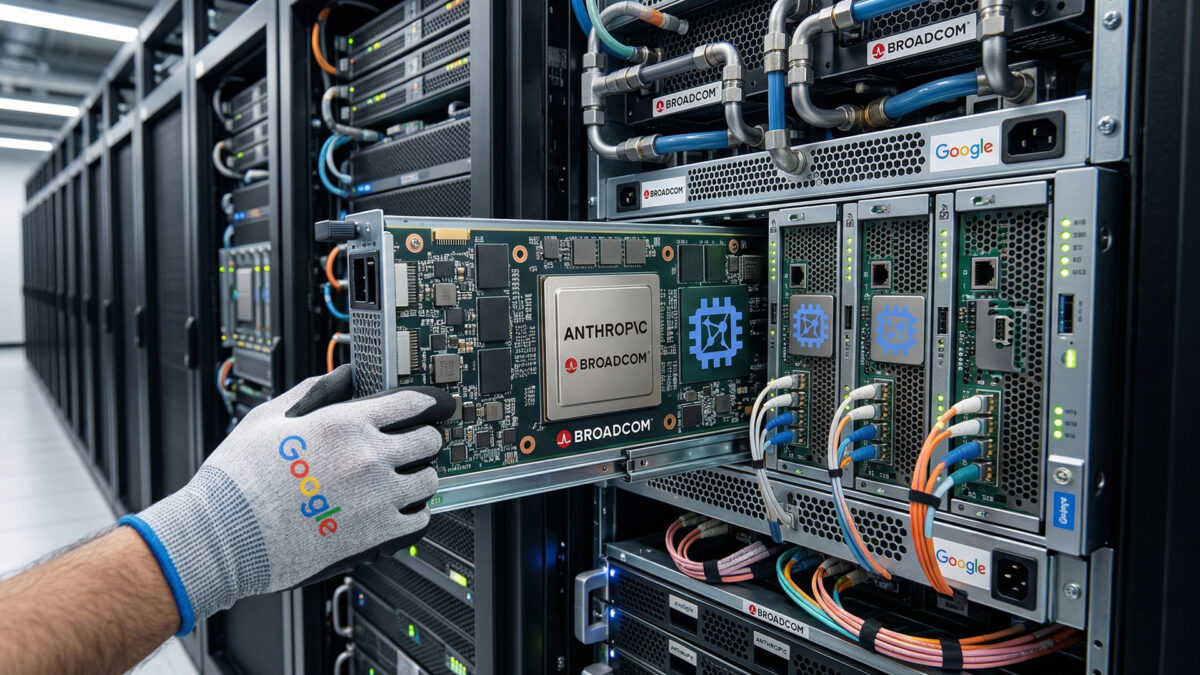
The agreement is aimed at meeting the growing demand for high-performance computing required to train and run advanced artificial intelligence models. As part of the deal, Anthropic will use Google’s custom-built Tensor Processing Units (TPUs), which are designed specifically for AI workloads.

The partnership is expected to significantly scale Anthropic’s computing capacity over the coming years. Reports suggest that the company could gain access to several gigawatts of compute power, reflecting the massive infrastructure needed for next-generation AI systems.

Broadcom will play a key role by helping design and supply custom chips that power Google’s AI infrastructure. The collaboration is part of a broader, multi-year arrangement that will support the development of future AI processors.

For Anthropic, the deal ensures a steady supply of critical resources needed to expand its AI offerings, including its Claude chatbot. The company has been rapidly growing and requires large-scale computing to keep up with increasing user demand and more complex AI models.

The partnership also highlights a wider trend in the tech industry, where companies are entering long-term agreements to secure access to chips and computing power. With AI systems becoming more resource-intensive, reliable infrastructure has become a key competitive factor.

For Google, the deal strengthens its cloud and AI ecosystem by promoting the use of its in-house chips. For Broadcom, it reinforces its role in the global semiconductor supply chain.

Also Read: Beacon Group names Dr Rajesh Patel as CEO


Categories
Technology

Anthropic leaks AI tool code again

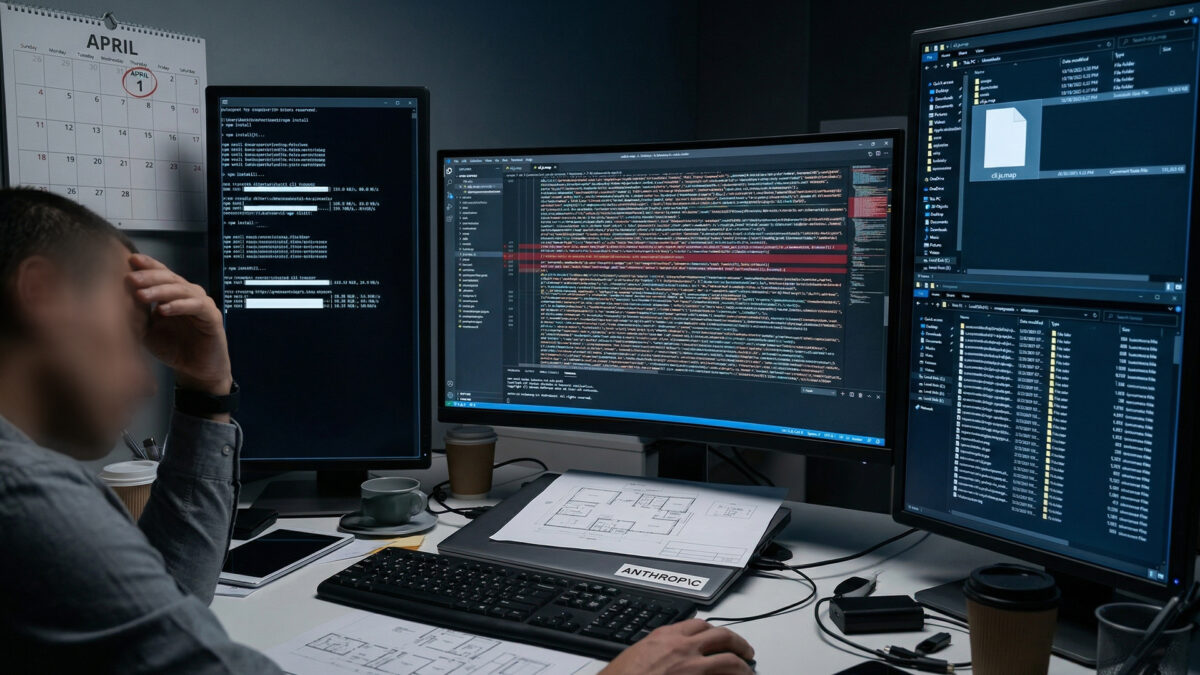
AI company Anthropic has once again accidentally leaked the source code of its coding tool, Claude Code, raising concerns about how securely it handles its systems.

The latest incident happened on March 31, when a large internal file with more than 500,000 lines of code was mistakenly made public during a software update. The company clarified that this was not a hack, but a human error during the release process.

The leaked code revealed how the AI tool is built and works, along with details about features that have not yet been officially released. Experts say this could give competitors useful insights into the company’s technology and future plans.

Anthropic confirmed that no user data or sensitive personal information was exposed. The leak was limited only to internal code and system design.

Even so, the incident has raised concerns because developers quickly accessed and shared the code online, making it hard to fully control once it was exposed.

This is the second such mistake by Anthropic in the past year, leading to questions about its internal processes and quality checks. The company has said it is taking steps to prevent similar errors in the future.

While the leak may not directly affect users, it highlights the growing challenges AI companies face in keeping their systems secure while rapidly developing new technologies.

Also Read: India limits Chinese CCTV sales 

Categories
Corporate

Anthropic plans $60 billion IPO amid AI boom

Anthropic, the artificial intelligence firm behind the Claude chatbot, is preparing for a potential initial public offering (IPO) that could value the company at over $60 billion. The listing is reportedly being targeted for October 2026, though plans are still in the early stages.

Founded in 2021 by former researchers from OpenAI, Anthropic has quickly positioned itself as a major player in the rapidly expanding AI industry. Its flagship product, Claude, is widely used for a range of applications, from enterprise solutions to everyday digital tasks, helping the company gain strong traction in a competitive market.

The proposed IPO reflects growing investor interest in artificial intelligence companies, as demand for advanced AI systems continues to surge globally. Industry experts believe that Anthropic’s listing could become one of the most significant tech IPOs in recent years, highlighting the increasing value placed on AI-driven innovation.

Reports suggest the company has begun preliminary discussions with leading investment banks to manage the offering. While details are yet to be finalised, the funds raised through the IPO are expected to support large-scale investments in computing infrastructure, including data centres and high-performance hardware. These investments are essential for training and deploying more advanced AI models.

Anthropic is often seen as a key competitor to OpenAI, with both companies racing to develop more powerful and efficient AI technologies. The rivalry underscores the broader competition within the tech industry, where companies are investing heavily to gain an edge in generative AI.

Despite the strong interest, the IPO timeline and valuation remain subject to change depending on market conditions and regulatory approvals. However, the move signals confidence in the long-term growth of the AI sector.

Also Read: India approves ₹2.38 lakh cr defence boost

Categories
Technology

Claude AI can now use computers like humans

AI company Anthropic has introduced a new feature for its chatbot Claude that allows it to use computers just like a human. This update is a big step forward in making AI more useful in everyday tasks.

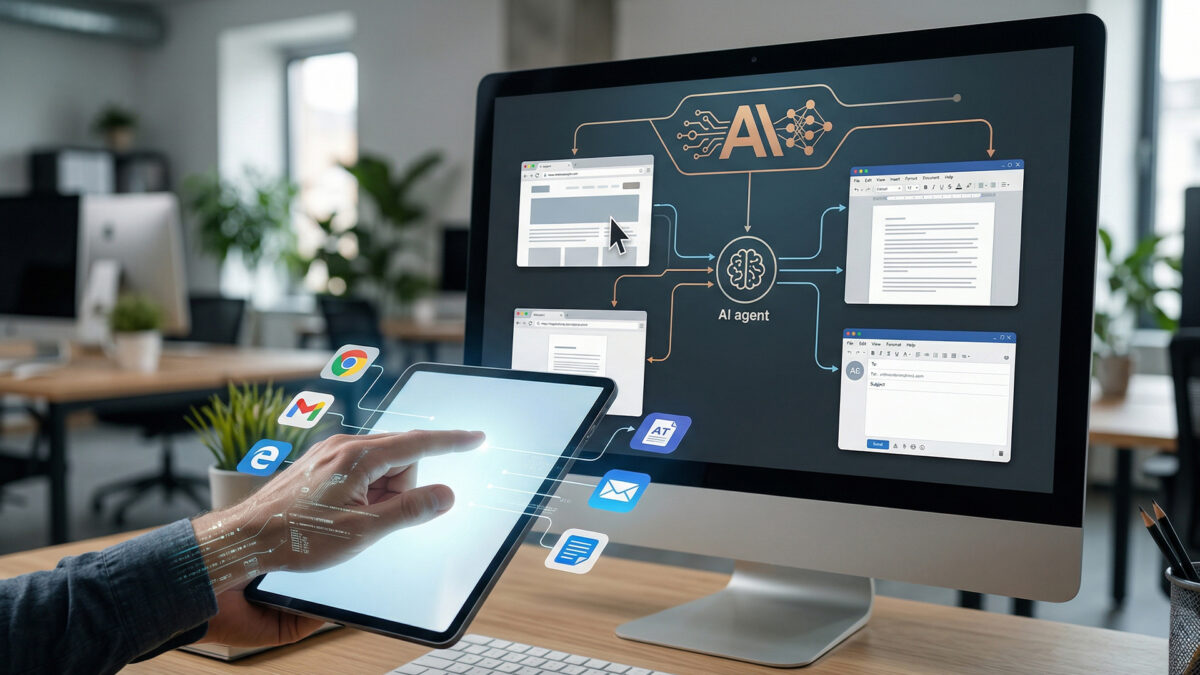
With this new ability, Claude can open apps, browse the internet, type, click, and complete tasks on a computer. Instead of only giving answers or suggestions, the AI can now actually perform actions for the user. For example, it can fill out forms, gather information, or help manage files.

What makes this feature different is that Claude interacts directly with the computer screen, using virtual mouse clicks and keyboard inputs. This means it does not need special integrations or tools to work with different software, it can simply use them like a person would.

Right now, this feature is being tested and is mainly available for users on Mac computers. It also requires user permission before accessing files or performing any actions, which is important for safety and privacy.

However, the technology is still in early stages. Sometimes it may be slower or need multiple attempts to complete complex tasks. Anthropic says it will improve the system over time based on user feedback.

This update also increases competition in the AI industry, as companies race to build smarter and more capable digital assistants.

Experts say this marks a shift from basic chatbots to “agentic AI,” where AI systems can act more independently. Instead of waiting for step-by-step instructions, these systems can handle multi-step tasks on their own. For instance, a user could ask Claude to complete a task, and it could finish it even if the user is not actively involved.

Also Read: Drone activity disrupts Amazon AWS in Bahrain

Categories
Corporate

Pentagon labels Anthropic ‘supply chain risk’

The US Department of Defense has labelled artificial intelligence company Anthropic as a “supply chain risk”, in a move that could affect how its technology is used by the American military and government contractors.

The Pentagon said it has formally informed the company that both Anthropic and its products are now considered a risk to the defence supply chain. The decision took effect immediately.

This designation is unusual because it is typically used for foreign companies that may pose a national security concern. Applying it to a US-based technology firm highlights growing tensions between the government and parts of the AI industry.

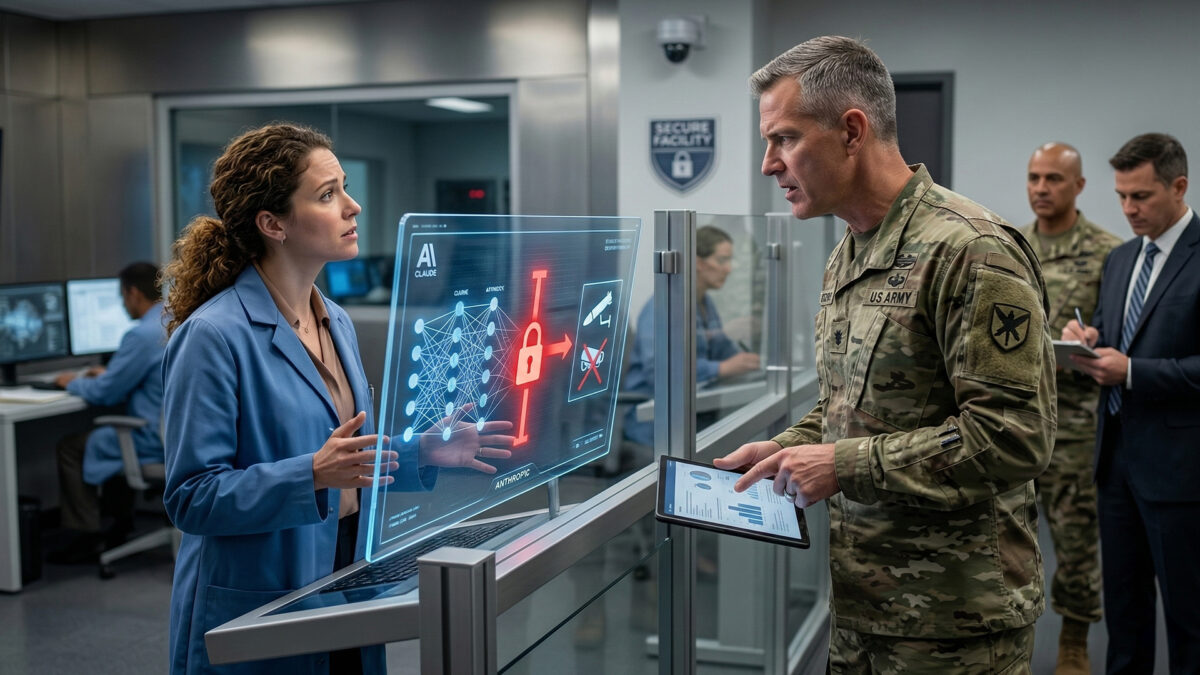
The move comes after a disagreement between the Pentagon and Anthropic over how the company’s artificial intelligence tools should be used by the military. US officials have been urging AI companies to allow their systems to be used for a wide range of defence and national security purposes.

However, Anthropic has placed limits on how its AI models can be used. The company has policies that restrict the use of its technology for activities such as mass surveillance or fully autonomous weapons that can attack targets without human control.

Because of these restrictions, discussions between the government and the company reportedly broke down. The Pentagon then decided to classify Anthropic as a supply chain risk.

The decision could create problems for companies that work with the US Department of Defense. Contractors may now need to stop using Anthropic’s AI tools if they want to continue doing business with the military.

Anthropic chief executive Dario Amodei has said the company will continue to maintain safeguards to prevent misuse of powerful AI systems.

Anthropic has criticised the move and said it plans to challenge the decision legally. The company argues that it is trying to ensure artificial intelligence is used responsibly and safely.

Also Read: Netflix buys Ben Affleck’s AI startup

Categories
Corporate

OpenAI wins Pentagon deal as Donald Trump clashes with Anthropic

OpenAI has taken a big step into government work by signing a deal with the US Department of Defense, bringing its artificial intelligence tools closer to national defence applications. The move comes just days after President Donald Trump publicly criticised Anthropic, a rival AI company founded by former OpenAI employees, highlighting the growing tensions in the AI industry.

The agreement with the Pentagon will allow OpenAI to provide advanced AI technology and expertise for various defence projects. While the exact financial terms are not public, sources say the deal is broad in scope and emphasizes safe, responsible use of AI in government operations. It’s one of OpenAI’s largest collaborations with the US government to date.

CEO Sam Altman has been meeting with defence officials over the past months, pushing for a model where AI development and government oversight go hand in hand. “We need collaboration to make sure AI is used safely and ethically,” Altman has said, reflecting his vision of responsible innovation. This partnership aims to put those principles into practice by embedding OpenAI’s technology in programmes with strict ethical and safety standards.

The announcement comes amid a public clash between Trump and Anthropic. Trump criticised Anthropic’s leadership and suggested it was slowing down AI progress, stirring debate about competition, safety, and the government’s role in shaping the industry. OpenAI’s Pentagon deal, by contrast, signals a move toward cooperation with authorities rather than confrontation.

Also Read: Block lays off 4,000 employees due to AI shift


Categories
Corporate

Anthropic lets employees sell up to $6 bn in shares

AI company Anthropic has launched a major share sale for its employees and former staff, allowing them to sell up to $5–6 billion worth of company stock. The move lets workers access some of the value they have helped create without waiting for an IPO or company sale.

The share sale is based on a valuation of around $350 billion, close to the level from Anthropic’s recent $30 billion funding round, which valued the company at roughly $380 billion. This reflects strong investor confidence in the company’s AI technology and growth.

Only employees who have worked at Anthropic for at least a year can participate. The shares will be sold to outside investors, not the company itself, and the total amount sold will depend on how many staff choose to take part.

This type of secondary stock sale is increasingly common among high-value tech startups. It allows employees to cash out some of their equity while keeping the company private. Similar plans have been used by companies like Stripe, SpaceX, and OpenAI to reward employees and retain talent in competitive AI and tech markets.

Anthropic has grown rapidly, attracting major investments and expanding its AI products and customer base. By letting employees sell shares now, the company gives them an early opportunity to benefit financially from their work, something usually only possible after a public listing or company acquisition.

Company officials have not publicly commented on the details of the share sale, and the final terms may change as the process continues.

Also Read: Amazon opens second-largest Asia office in Bengaluru

Categories
1 Minute-Read

Anthropic launches Bengaluru office, expands India partnerships

Anthropic has officially opened its Bengaluru office, marking its second Asia-Pacific hub after Tokyo. India is now Claude.ai’s second-largest market, with usage spanning software development, enterprise solutions, and education.

The company is partnering with organizations like Air India, Razorpay, Pratham, and Central Square Foundation to apply AI in sectors such as aviation, fintech, education, agriculture, and legal access. Efforts also focus on improving AI fluency in 10 major Indian languages and creating open-source tools for developers.

The new office will hire local talent to support partnerships and scale Claude-powered solutions nationwide.

Categories
1 Minute-Read

Infosys climbs 3% after AI deal with Anthropic

Shares of Infosys advanced nearly 3% after the company unveiled a strategic partnership with Anthropic to deliver next-generation artificial intelligence solutions for global clients.

The collaboration will combine Anthropic’s Claude models with Infosys’ Topaz platform and establish a specialised Centre of Excellence to build sector-focused AI applications, initially targeting telecom and later expanding into other industries.

Chief executive Salil Parekh said the move will help enterprises modernise systems, automate complex processes and adopt responsible AI at scale. The announcement strengthened investor confidence and pushed the stock among the day’s key gainers in the IT pack.