Categories
Technology

AI outperforms human hackers at Stanford

Stanford University researchers have developed an advanced artificial intelligence program named ARTEMIS, designed to test computer networks for security weaknesses. In a recent controlled experiment, ARTEMIS competed with nine professional penetration testers on the university’s computer science network, which includes thousands of devices, servers, computers, and smart systems.

Over a 16-hour testing period, ARTEMIS identified nine real vulnerabilities, outperforming nine out of ten human cybersecurity experts. Its success is largely due to its ability to run multiple automated tasks in parallel, allowing it to scan for weaknesses simultaneously, a process that human testers must perform sequentially. In one notable instance, the AI detected a flaw in an older server that human testers missed, using a command-line approach instead of a web browser.

Cost efficiency is another significant advantage of ARTEMIS. Running the basic AI system cost about $18 per hour, while a more advanced version ran at approximately $59 per hour. This compares favorably to the high salaries of professional penetration testers, which often exceed six figures annually. The findings demonstrate how AI can dramatically reduce both the time and cost of network security testing.

However, ARTEMIS has limitations. It struggles with tasks that require interacting with graphical interfaces and sometimes reports false positives, flagging vulnerabilities that are not real. Despite these challenges, the experiment underscores the growing capabilities of AI in cybersecurity.

The study also raises broader implications. While tools like ARTEMIS can help organizations identify vulnerabilities more efficiently, similar AI technologies could potentially be misused by malicious actors, creating new security challenges. Experts stress the importance of responsible deployment as AI continues to evolve and impact the field of cybersecurity.

Stanford’s experiment marks a significant milestone in demonstrating the potential of AI-driven cybersecurity. The study suggests a future where human and machine collaboration could redefine how quickly, accurately, and cost-effectively organizations detect and respond to digital threats.

Also Read: Indian Navy commissions 2nd MH‑60R squadron
Categories
Technology

OpenAI introduces GPT‑5.2 to stay ahead of AI rivals

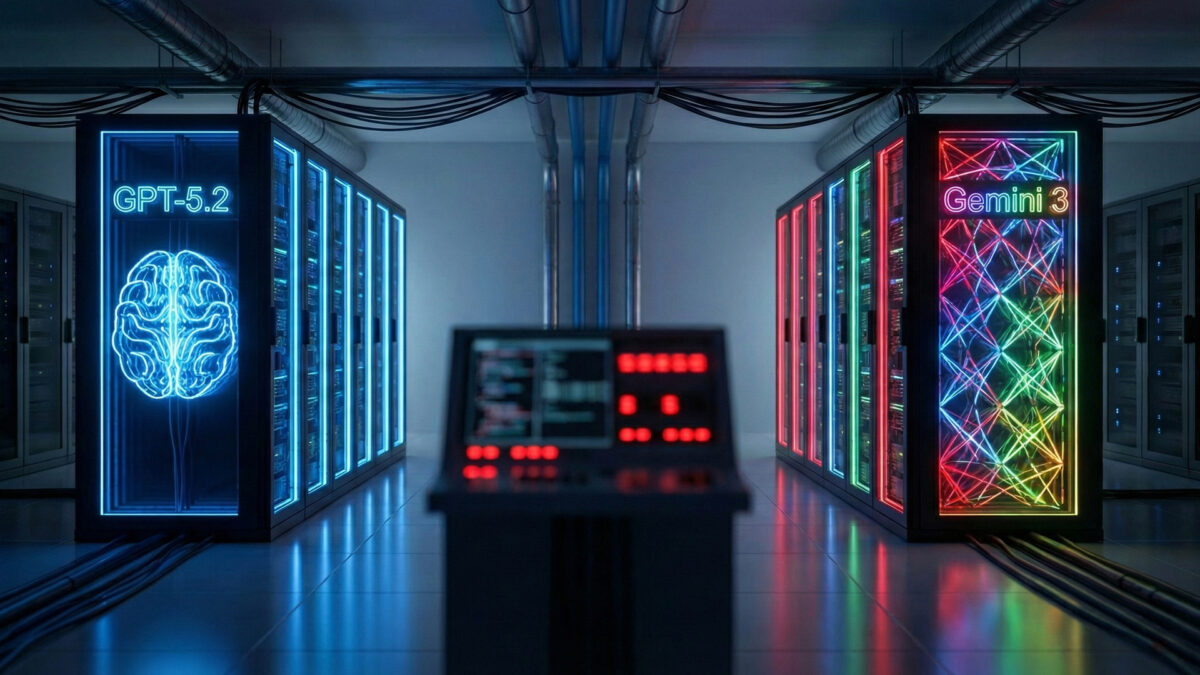
OpenAI has introduced its latest artificial intelligence model, GPT‑5.2, after CEO Sam Altman declared a “code red” to speed up development. The move comes as Google’s Gemini 3 poses strong competition in the AI space.

GPT‑5.2 comes in three versions, Instant, Thinking, and Pro, designed for tasks ranging from quick answers to complex reasoning and coding. OpenAI says the new model is faster, smarter, and more accurate than earlier versions. It can help with tasks like building spreadsheets, creating presentations, writing code, and managing multi-step projects.

The new model also performs better in tests that measure reasoning and problem-solving skills. It will be available first to paid ChatGPT users and developers via API, while older versions will remain accessible for some time.

OpenAI’s fast rollout follows Gemini 3 outperforming previous OpenAI models on some benchmarks, but the company noted that much of GPT‑5.2 had been in development for months.

In a related development, Disney is investing $1 billion in OpenAI and will allow its characters from Star Wars, Pixar, and Marvel to be used in new AI tools.

Also Read: 3 US lawmakers move to end 50% India tariffs

Categories
Technology

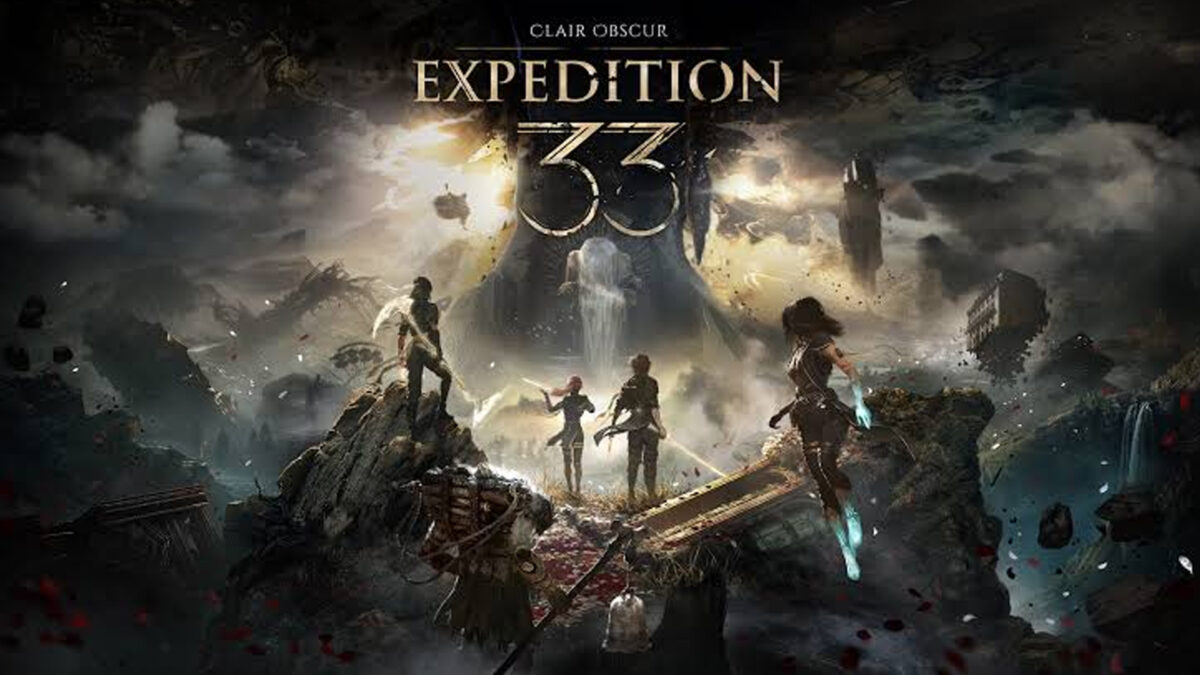
Clair Obscur wins 9 awards at Game Awards 2025

At the Game Awards 2025 in Los Angeles, the French indie role‑playing game Clair Obscur: Expedition 33 dominated the ceremony, taking home a record nine awards, including the prestigious Game of the Year. Developed by Sandfall Interactive and published with support from Kepler Interactive, the game led all nominees with 13 nods, converting most into wins across creative, technical, and performance categories.

The awards recognised Best Game Direction, Best Narrative, Best Art Direction, Best Score & Music, Best Independent Game, and Best Debut Indie Game, reflecting the title’s widespread acclaim. Actress Jennifer English won Best Performance for her work in the game, highlighting its strong storytelling and immersive character development.

The success of Clair Obscur underscores the growing influence of independent studios in the global gaming industry, where major franchises have traditionally dominated. Its combination of striking visuals, rich narrative, and a compelling musical score resonated strongly with the international jury of more than 150 media outlets and industry experts.

Other notable winners included Battlefield 6 for Best Audio Design, Doom: The Dark Ages for Innovation in Accessibility, and No Man’s Sky as Best Ongoing Game. South of Midnight earned the Games for Impact award, while Hades II and Hollow Knight: Silksong won in action and action/adventure categories. Family and sports games also featured prominently, with Donkey Kong Bananza named Best Family Game and Mario Kart World winning Best Sports/Racing Game.

The ceremony celebrated creativity, technical excellence, and cultural impact in gaming, blending awards with live performances and high-profile appearances. Once again, The Game Awards demonstrated its position as the premier showcase for the year’s most outstanding games, providing recognition for both blockbuster titles and independent gems alike.

With Clair Obscur: Expedition 33 setting a new benchmark for indie success, this year’s awards highlighted how innovation and storytelling can capture global attention and redefine industry standards.

Also Read: Elon Musk confirms SpaceX IPO in 2026

Categories
Technology

Elon Musk confirms SpaceX IPO in 2026

Elon Musk has confirmed that reports about SpaceX planning an initial public offering (IPO) in 2026 are accurate, signaling a major step for one of the world’s most valuable private companies. The billionaire entrepreneur’s statement has intensified investor interest, as SpaceX could become one of the largest IPOs in history.

Media reports suggest that SpaceX could be valued at $1 trillion or more, reflecting the rapid growth of its commercial and space ventures. The IPO is expected to raise tens of billions of dollars, which would provide capital for ambitious projects, including SpaceX’s ongoing Mars exploration plans and expansion of its Starlink satellite broadband network.

SpaceX has been at the forefront of commercial spaceflight for years, launching satellites, servicing the International Space Station, and pioneering reusable rockets. Its Starship program, designed for deep space missions, including potential trips to Mars, represents both an opportunity and a financial risk. Analysts note that while the company has strong revenue streams from satellite services and government contracts, space exploration remains a high-cost venture, and investors will need to weigh these risks before the IPO.

Industry experts say that a public listing could provide SpaceX with more financial flexibility to scale its operations while also offering early investors and employees a way to realize gains from their equity. However, some caution that the IPO could be affected by market conditions, government regulations, and the inherent uncertainties of large-scale space missions.

Musk’s confirmation has fueled speculation about the timing and structure of the IPO, with some reports suggesting that shares could be offered in phases, starting with SpaceX’s Starlink division, followed by the broader company. If successful, the IPO would not only be historic in size but also highlight the growing commercialization of space and investor appetite for high-growth technology ventures.

For now, the market is closely watching, as SpaceX prepares to take its next major step from a private aerospace pioneer to a publicly listed company with global attention.

Also Read: boAt financial gaps raise concerns before IPO

Categories
Technology

Instagram introduces “Your Algorithm”

Instagram has rolled out a new AI-powered feature, “Your Algorithm,” designed to give users greater control over the content they encounter in their Reels feed. The tool provides a clear view of the topics Instagram believes interest a user, allowing them to add new topics, remove ones they no longer follow, or adjust how prominently each appears.

The feature is accessible through the Reels tab, where users can tap the icon in the top-right corner to see a personalised summary of their interests. From there, they can update their preferences, ensuring that the Reels feed reflects their evolving tastes. Some users can even share their interest list via Instagram Stories, offering a glimpse into the topics shaping their feed.

Meta, Instagram’s parent company, says the move aligns with its broader goal of enhancing transparency and user empowerment in algorithm-driven platforms. By giving users insight into why they see certain content and the ability to influence it, Instagram aims to foster a more engaging and relevant experience.

Currently available in the United States, the company plans to roll out the feature globally in English in the coming months. Over time, similar controls will be introduced across other areas of the app, including the Explore tab, extending user influence beyond Reels.

Industry experts suggest that such initiatives are critical in building trust and satisfaction among social media users, as people increasingly seek to shape their digital experiences rather than passively consume algorithm-curated content. Instagram’s approach signals a shift toward a more user-centric model, where AI assists rather than dictates what appears on a feed.

“Your Algorithm” represents a thoughtful blend of artificial intelligence and user agency, giving individuals both insight and control. By humanising the algorithm and putting decision-making power into the hands of users, Instagram is taking a meaningful step toward more transparent, personalised, and enjoyable digital engagement.

Also Read: TCS to buy US firm Coastal Cloud for $700 million

Categories
Technology

Microsoft to invest $17.5 billion for India’s AI future

Microsoft has announced a massive $17.5 billion investment in India, aiming to make the country a global hub for artificial intelligence (AI) and cloud technology. Spread over 2026–2029, this is the company’s largest-ever investment in Asia and a clear signal of India’s growing importance in the global tech landscape.

This commitment comes on top of a $3 billion investment earlier this year, bringing Microsoft’s total funding in India to $20.5 billion. CEO Satya Nadella expressed gratitude to Prime Minister Narendra Modi, calling India a “land of immense AI opportunity.”

The investment will focus on several key areas. Microsoft plans to set up state-of-the-art hyperscale data-centres, including a new cloud region in Hyderabad, expected to go live by mid-2026. These will provide faster, reliable cloud access to businesses, startups, and government agencies across the country.

A significant part of the plan is the rollout of sovereign cloud services — secure, locally managed public and private clouds tailored to India’s compliance and security requirements.

Microsoft also aims to train 20 million Indians in AI and digital skills by 2030, partnering with governments and industry groups. AI will also be integrated into public platforms like e-Shram and the National Career Service, potentially benefiting over 310 million informal workers with job matching, skill forecasting, résumé-building, and multilingual support.

The investment has drawn praise from government officials. IT Minister Ashwini Vaishnaw said it reflects India’s growing stature as a trusted technology partner. Puneet Chandok, Microsoft President for India & South Asia, said the move will “build infrastructure, spark innovation, and empower a billion dreams.”

Experts say the funding could accelerate India’s digital transformation, create new jobs, and strengthen the country’s position as a hub for AI and cloud technology. By combining infrastructure, skills development, and public services, Microsoft’s plan could reshape India’s tech ecosystem and make AI accessible at a population scale.

Also Read: Swiggy raises ₹10,000 crore through fresh share sale

Categories
Technology

Starlink India pricing leak sparks debate

SpaceX-owned Starlink has briefly displayed pricing details for its residential satellite internet service in India, giving users their first official-looking glimpse of what the service could cost once launched. The prices appeared on Starlink’s website before being taken down, with the company later clarifying that these were not final and were shown due to a technical configuration issue.

According to the website listing, the residential plan was shown at a monthly subscription fee of around ₹8,600, along with a one-time hardware cost of about ₹34,000 for the Starlink kit, which includes the satellite dish, router and mounting equipment. The plan was shown as offering unlimited data and high-speed internet access, targeted especially at remote and rural areas where traditional broadband infrastructure is weak or unavailable .

The service promises low-latency, high-speed internet delivered via a network of low-earth orbit satellites, which can provide connectivity in difficult terrains such as hills, forests and isolated villages. The setup process is designed to be simple, with a “plug-and-play” installation that allows users to go online quickly after setting up the device at home.

However, Starlink clarified that the pricing shown on the website was not an official announcement. The company said the numbers appeared due to a configuration glitch and that the service is yet to receive full regulatory approvals in India. This means customers in India cannot yet place orders or subscribe to the service, and the final pricing could change when the commercial launch actually takes place .

Industry experts say that if these prices are close to the final rates, Starlink may primarily attract users in remote and underserved regions, government projects, emergency connectivity services, and businesses operating in difficult-to-reach locations. For urban users, the service may remain a premium alternative to fibre broadband and 5G.

For now, the pricing leak has sparked wide interest and debate about the future of satellite broadband in India, but customers will have to wait for official government clearances and a formal launch announcement before the service becomes available.

Also Read: IndiGo shares fall 7%, government reallocates slots

Categories
Technology

Chinese phone makers lure iPhone users with AI

Chinese smartphone makers are increasingly targeting iPhone users, seeking to convert those frustrated by Apple’s delayed AI rollout in China. With the tech giant’s new AI features still slow to arrive, rivals such as Honor, Oppo, Vivo, Xiaomi, and Huawei see an opportunity to lure customers with innovative tools and services.

One key strategy is making the switch from iPhone to their devices as seamless as possible. Honor, for instance, offers a “Device Clone” app that transfers contacts, photos, messages, and other data simply by scanning a QR code. Oppo provides a similar feature, allowing users to manage their calls, messages, and notifications from their new phones almost immediately after migration. Vivo and Xiaomi are also expanding tools that reduce the friction for iPhone users considering a move to their ecosystems.

Beyond migration apps, Chinese brands are rolling out advanced AI features to differentiate themselves. Oppo’s new AI assistant can analyze screenshots to track expenses, offer real-time workout guidance via the camera, and help users navigate daily routines more efficiently. Honor has launched AI tools that compare coupons across platforms, assist with ride-hailing, and even create short-form videos — features that could appeal to iPhone users looking for smarter, more interactive devices.

The timing of these initiatives comes at a moment when Apple is facing a slight slowdown in China. In the third quarter of 2025, iPhone shipments fell about 2% year-on-year, while local brands gained momentum. Vivo, for example, overtook Apple to lead the market with roughly 18.5% share, highlighting the competitive threat to the U.S. tech giant in its key premium market.

Analysts say these moves may entice some iPhone users to switch, especially those eager for AI enhancements that Apple has yet to deliver. However, Apple still maintains a strong hold on the premium segment globally, with brand loyalty and ecosystem advantages keeping many users invested.

For now, Chinese smartphone makers are betting that easy-switch tools combined with AI-powered features could be enough to tempt a wave of iPhone users toward their devices, potentially reshaping the premium smartphone landscape in China.

Also Read: ICICI Securities sees 21% upside in ITC Hotels shares

Categories
Technology

Ex-Apple engineer unveils XR chip

A former Apple engineer has launched a new XR processor. It could shake up the global mixed-reality market. Wang Chaohao, who worked on Apple’s Vision Pro, now heads the Chinese startup GravityXR. His company has developed the Jizhi G-X100, a 5-nanometre chip for AR, VR, and mixed-reality headsets.

The G-X100 is the first Chinese XR chip built on a 5 nm process. It promises higher performance and better power efficiency. One key feature is its photon-to-photon latency of just 9 milliseconds. This measures the time between user movement and updated visuals. Most premium headsets have 10–12 ms. Lower latency means smoother visuals and less motion discomfort.

The chip supports both lightweight AI glasses and high-performance XR headsets. It is built for spatial computing, which lets devices understand real-world environments and blend them with digital content. The chip includes a graphics engine, AI accelerators, and sensor-fusion modules for real-time mapping, gestures, and mixed-reality rendering.

The launch also reflects China’s push to build domestic XR technology. GravityXR has attracted top investors, a major wearable manufacturer, and a gaming studio. With this support, the startup is emerging as a serious global XR competitor.

If the G-X100 performs as claimed, it could power headsets that are thinner, lighter, and faster than existing models. This could rival or even surpass established global devices. The company hopes to drive wider adoption of advanced XR by offering a high-performance, cost-effective chip.

With spatial computing set to transform gaming, education, healthcare, and work, the race to build the most capable XR chip is heating up. GravityXR is now a key player in that race.

Also Read: Trump receives FIFA Peace Prize for global leadership

Categories
Technology

Samsung unveils CES 2026 Vision at ‘First Look’

Samsung has announced that it will hold a special event called ‘The First Look’ on January 4, 2026, just before the CES 2026 technology expo begins in Las Vegas. The event will highlight the company’s upcoming plans for the year and introduce fresh innovations across its product lines.

The programme will focus on Samsung’s Device eXperience (DX) division, which covers TVs, home appliances, and mobile devices. Senior leaders, including TM Roh and other top executives, are expected to share the company’s roadmap for 2026. A key theme of the event will be AI-driven features designed to create smarter and more personalised user experiences across Samsung products.

While Samsung has not revealed specific launches in the teaser, industry watchers believe the company may finally showcase the Galaxy Z TriFold, a foldable phone recently introduced in South Korea. The global rollout details, pricing and availability might be announced at this event. The company may also preview next-generation TVs and home appliances with enhanced AI integration.

By hosting The First Look ahead of CES, Samsung aims to set the tone for its technology direction in 2026 and offer an early glimpse into the major devices and AI features consumers can expect in the coming year.

Also Read: BAT trims ITC Hotels stake in major block deal