Categories
Corporate

Sensex down 1,100 points, Nifty falls to 24,876

Indian equity benchmarks opened sharply lower on Monday. The BSE Sensex plunged 1,100 points to open at 72,418, while the NSE Nifty50 dropped 332 points to 24,876, slipping below the key 25,000 mark in early trade.

This is because of the escalating military tensions between Iran and Israel, with reported involvement of the United States, that has triggered a global sell-off and pushed crude oil prices higher.

The sharp fall followed fears that widening conflict in the Middle East could disrupt oil supplies, fuel inflation and slow global growth.

Heavyweight IT and banking stocks led the decline. Infosys, HDFC Bank and Reliance Industries were among the biggest drags on the benchmarks. Shares of private lenders and frontline technology firms saw broad-based selling as investors reduced exposure to risk assets.

Oil marketing companies also traded weak on concerns that persistently high crude prices could squeeze marketing margins. Broader markets mirrored the weakness, with mid-cap and small-cap stocks declining in early deals.

However, defence stocks bucked the trend. Bharat Electronics Limited and Hindustan Aeronautics Limited emerged as top gainers on expectations of increased defence spending amid rising geopolitical tensions. Select upstream energy companies also saw buying interest as higher crude prices improved earnings prospects.

Asian markets traded mostly in the red, reflecting a broader flight to safety. Investors shifted funds into gold and government bonds, while emerging market equities faced outflows.

Analysts expect volatility to remain elevated in the near term, with crude oil prices and geopolitical developments likely to dictate market direction.

Categories
Corporate

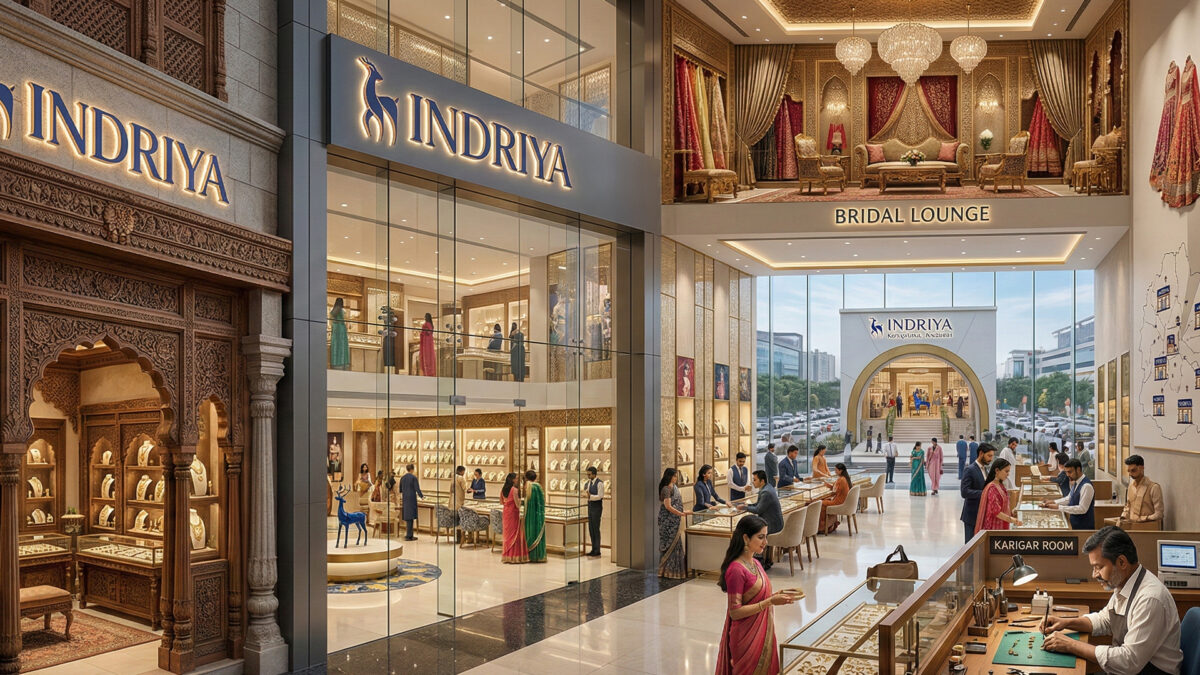
Aditya Birla’s jewellery brand “Indriya” celebrates 50 stores

In less than two years since its launch, Indriya, the premium jewellery brand from the Aditya Birla Group, has reached a major milestone: 50 stores across India. From bustling metros to smaller towns, the brand is quickly becoming a household name in the jewellery market, combining traditional craftsmanship with contemporary design and shopping experiences.

Indriya’s growth is powered by a design-led, customer-first approach. Its in-house design team creates collections that reflect local tastes, making jewellery that resonates with the culture and lifestyle of each city. This strategy has struck a chord with modern Indian consumers, helping the brand carve out a niche in a market long dominated by legacy players like Tanishq.

The brand is now gearing up for an ambitious expansion, aiming to double its footprint to around 100 stores in the coming year. While metros remain a focus, Indriya is also bringing its curated collections to Tier-2 and Tier-3 cities. Markets such as Haldwani in Uttarakhand and Gaya in Bihar are now part of the brand’s growth story, showing that premium jewellery is no longer limited to big cities.

In Bengaluru, Indriya recently opened its third city store and plans to more than double its presence in the city by the end of the year. These stores are designed as immersive spaces where shoppers can explore jewellery collections, seek personalized advice, and experience the craftsmanship behind every piece.

The milestone of 50 stores represents the brand’s vision, execution, and the trust it has earned from customers. Leaders at Indriya say the rapid expansion is a testament to the growing appetite for organized, experience-driven jewellery retail in India.

For Indriya, the journey has just begun, and the next chapter promises more cities, more designs, and more customers discovering their perfect piece.

Also Read: Deepinder Goyal raises $54mn for brain‑monitoring wearable

Categories
Corporate

Paramount and Warner Bros. agree on historic $110bn merger

Paramount has agreed to acquire Warner Bros. Discovery in a massive $110 billion deal, a move that could reshape Hollywood. The agreement was announced during a company townhall and follows months of talks.

Under the deal, Paramount will pay $31 in cash per share to Warner Bros. Discovery shareholders. The merger is expected to be completed in the third quarter of 2026, pending approvals from regulators and shareholders. If delays occur, Warner shareholders will receive a small “ticking fee” for the wait.

The deal comes after Netflix chose not to pursue its earlier plan to merge with Warner’s studio and streaming assets, clearing the path for Paramount.

The combined company will bring together Warner’s movies, TV shows and streaming platforms like HBO Max with Paramount’s own content and Paramount+. The new entity will have one of the largest libraries of films and series in the world, strengthening its position against competitors in the streaming space.

Industry analysts say the merger could make the company more competitive in an era dominated by Netflix, Disney and Amazon. However, some critics worry that combining two major studios could reduce competition and affect jobs, prompting careful review by U.S. and state regulators.

If finalized, the merger will be one of the biggest in Hollywood history, changing how movies, TV shows, and streaming content are made and delivered worldwide.

Also Read: PM Modi inaugurates Micron chip plant in Gujarat

Categories
Corporate

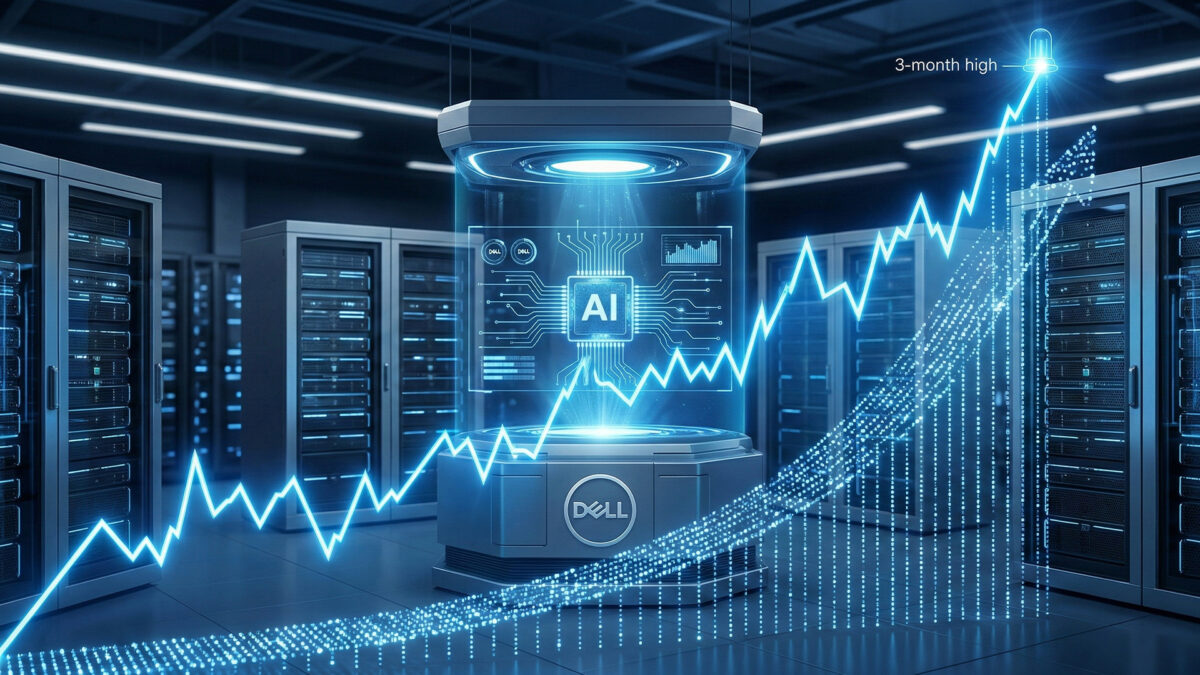
Dell shares jump 17% on AI server growth forecast

Shares of Dell Technologies climbed sharply in US markets this week as investors reacted to bullish forecasts tied to artificial intelligence demand and expanding data-centre business. The stock reached roughly a three-month high, with gains supported by optimism around AI-related server sales and improving enterprise spending trends.

Dell’s latest quarterly earnings underscored resilience in key segments of its business, particularly infrastructure solutions and data-centre products. While the personal computer market has remained subdued, the company’s pivot toward higher-margin enterprise hardware is gaining traction. Industry analysts pointed to the AI server market, where Dell competes to supply systems that power generative AI and large-scale machine-learning workloads, as a critical growth driver.

Management forecasts released in the earnings update suggested that AI server revenue could roughly double over the coming year, a projection that far outpaced earlier expectations. This outlook contrasts with broader tech hardware headwinds, including a global slowdown in memory chip availability that has weighed on some of Dell’s competitors. Despite that constraint, Dell’s diversified supply chain and longstanding enterprise relationships have helped it secure orders in what remains a competitive field.

Investor confidence was also buoyed by commentary from the company’s leadership, who highlighted improving demand from corporate customers looking to upgrade data-centre infrastructure to support new AI initiatives. The increasing importance of on-premise and hybrid cloud deployments has encouraged many large organisations to refresh legacy systems with more capable servers, a trend from which Dell appears to be benefiting.

 While some parts of the technology sector remain sensitive to macroeconomic uncertainty, companies with credible paths to capitalise on generative AI, particularly at the infrastructure layer, have drawn renewed investor interest.

Also Read: Gaudium IVF lists at 5% premium on IPO debut

Categories
Corporate

Gaudium IVF lists at 5% premium on IPO debut

Shares of Gaudium IVF and Women Health made a steady debut on the stock exchanges, listing at ₹83, which is about 5% higher than the issue price of ₹79 per share. The modest premium came as a positive signal for investors, particularly given cautious sentiment in segments of the broader market.

The company’s initial public offering (IPO), valued at approximately ₹165 crore, had drawn strong interest during the subscription window. Retail investors and high-net-worth individuals led the demand, resulting in the issue being subscribed multiple times over. The listing performance exceeded muted expectations in the grey market, where informal indications had suggested a flatter start.

Gaudium IVF operates in the assisted reproductive technology space, offering fertility treatments including in-vitro fertilisation (IVF). The company follows a hub-and-spoke operating model, with main centres supported by satellite clinics to widen patient reach. It currently runs centres across key urban markets and plans to deepen its footprint.

According to its stated plans, proceeds from the IPO will primarily be used to fund expansion, including the launch of new IVF centres in different parts of the country. A portion of the funds will also go toward debt reduction and general corporate purposes, strengthening the balance sheet as it scales operations.

The fertility services market in India has been expanding, driven by rising awareness, lifestyle changes, and improving access to specialised healthcare. Industry analysts believe organised players with established brands and clinical track records are well positioned to benefit from this structural growth trend.

Also Read: US halts use of Anthropic AI

Categories
Corporate

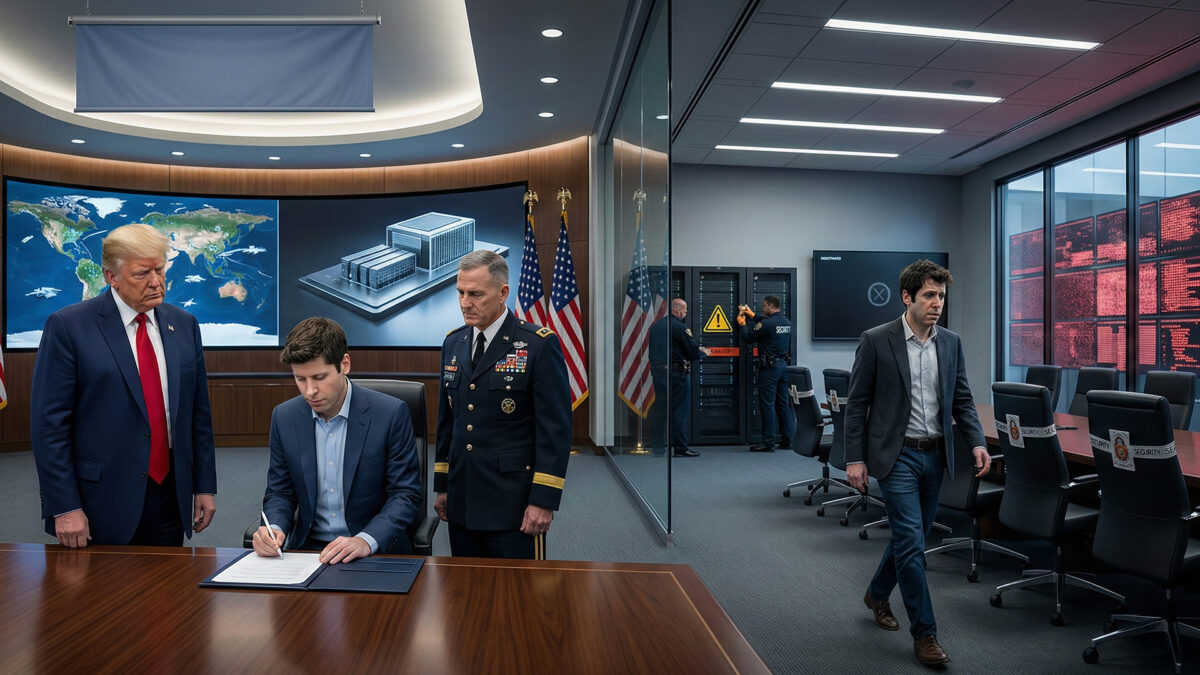
OpenAI wins Pentagon deal as Donald Trump clashes with Anthropic

OpenAI has taken a big step into government work by signing a deal with the US Department of Defense, bringing its artificial intelligence tools closer to national defence applications. The move comes just days after President Donald Trump publicly criticised Anthropic, a rival AI company founded by former OpenAI employees, highlighting the growing tensions in the AI industry.

The agreement with the Pentagon will allow OpenAI to provide advanced AI technology and expertise for various defence projects. While the exact financial terms are not public, sources say the deal is broad in scope and emphasizes safe, responsible use of AI in government operations. It’s one of OpenAI’s largest collaborations with the US government to date.

CEO Sam Altman has been meeting with defence officials over the past months, pushing for a model where AI development and government oversight go hand in hand. “We need collaboration to make sure AI is used safely and ethically,” Altman has said, reflecting his vision of responsible innovation. This partnership aims to put those principles into practice by embedding OpenAI’s technology in programmes with strict ethical and safety standards.

The announcement comes amid a public clash between Trump and Anthropic. Trump criticised Anthropic’s leadership and suggested it was slowing down AI progress, stirring debate about competition, safety, and the government’s role in shaping the industry. OpenAI’s Pentagon deal, by contrast, signals a move toward cooperation with authorities rather than confrontation.

Also Read: Block lays off 4,000 employees due to AI shift


Categories
Corporate

Uber Air taxis to start in select cities

Uber is set to begin its air taxi service, called Uber Air, in a few major cities in 2026. The service will let people book short flights directly from the Uber app, providing a new way to travel over crowded roads.

Riders can choose the Uber Air option like they do for regular cabs. They will go to special vertiports, take-off and landing hubs, where electric vertical take-off and landing (eVTOL) aircraft will pick them up. These aircraft are quieter and more eco-friendly than helicopters.

The service is designed for short city trips that usually face heavy traffic, offering a faster alternative. Uber hasn’t revealed all the launch cities yet but said it will start in congested metropolitan areas where demand for faster transport is high.

Booking is simple: passengers update their Uber app, select “Uber Air,” and see travel time and fare estimates before confirming. The app also guides them to the nearest vertiport.

Safety is a top priority. The eVTOL aircraft have multiple backup systems and must pass strict aviation approvals. Uber is working closely with regulators to meet all safety and operational standards.

Analysts say Uber Air could change urban travel by cutting commute times, although initial fares will likely be higher than regular rides. Prices may drop as more people use the service and the technology scales up.

With Uber’s existing ride-hailing network, Uber Air aims to make flying in cities a part of daily life, helping commuters avoid traffic and reach their destinations faster. The service will start in a few cities first, with plans to expand later.

Also Read: DGCA allows 48‑hour free flight cancellations

Categories
Corporate

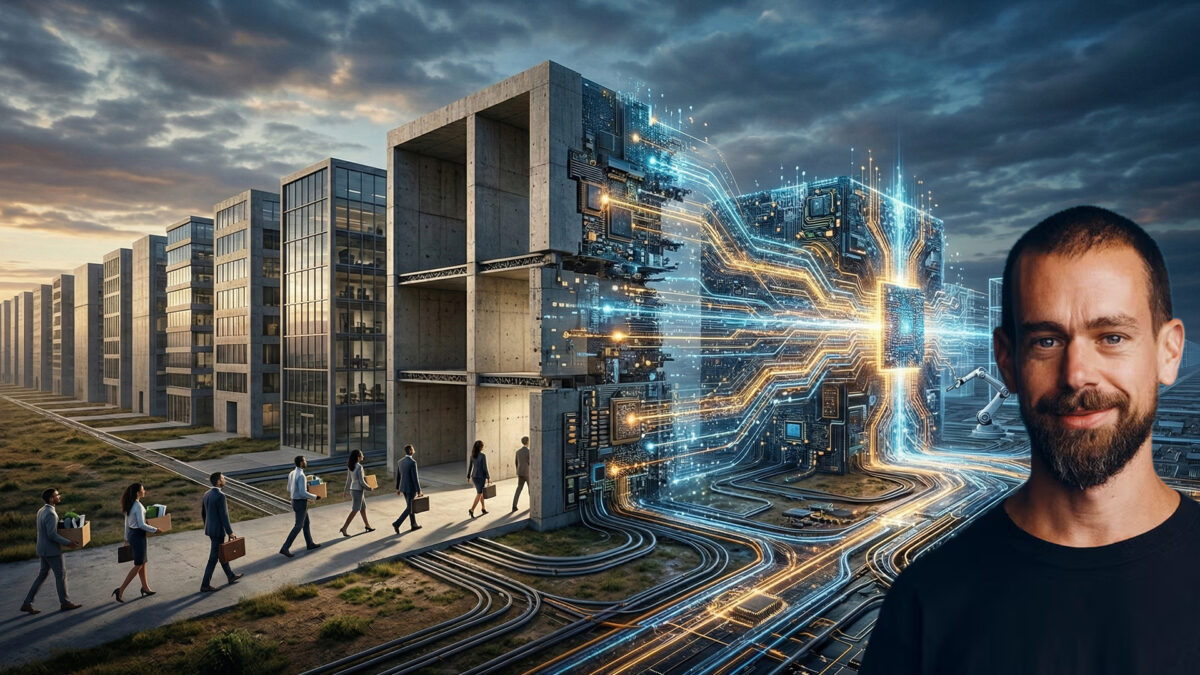
Block lays off 4,000 employees due to AI shift

Fintech company Block Inc., led by co‑founder and CEO Jack Dorsey, announced on February 26, 2026, that it will lay off about 4,000 employees, nearly 40 % of its workforce, as part of a major restructuring driven by the growing role of artificial intelligence (AI) in its operations.

Dorsey emphasized that the move was not due to financial weakness, but a response to technological change. AI tools now allow smaller, more agile teams to handle tasks that previously required larger staff numbers. Block’s headcount will drop from over 10,000 to under 6,000, reshaping how the company operates.

“This was one of the hardest decisions in our company’s history,” Dorsey wrote in a letter to employees and investors. He assured workers that Block’s business remains strong, with growing profits and a large customer base, but said the company must adapt to new technology to stay competitive.

The layoffs coincide with Block’s strong fourth-quarter earnings, which showed rising revenue and profitability. Following the announcement, the company’s shares jumped about 24 % in after-hours trading, reflecting investor approval of the AI-driven strategy.

Affected employees will receive severance packages, including several months’ pay, six months of continued healthcare, equity vesting into May, and a transition stipend.

Dorsey noted that other companies may face similar decisions as AI reshapes work across industries. While the move positions Block for long-term efficiency and growth, it also highlights broader concerns about the impact of AI on jobs in the tech sector and beyond.

Also Read: Chinese smartphone sales in India fall for first time

Categories
Corporate

Sensex drops 960 points, Nifty below 25,200

Indian equity markets ended Friday on a cautious note, with both benchmark indices posting sharp declines amid weak global sentiment and persistent selling pressure. The BSE Sensex dropped nearly 961 points to close at 81,287, while the NSE Nifty 50 fell over 317 points to 25,178, testing key support levels.

The market sell-off was broad-based. Banking, metals, automobile and FMCG stocks were the biggest losers. Top decliners included Kotak Mahindra Bank, Tata Steel, Maruti Suzuki, HDFC Bank and Larsen & Toubro, which saw notable losses. In contrast, a few IT and media stocks recorded modest gains, with Infosys, Wipro and Tata Consultancy Services (TCS) among the top performers.

Traders pointed to weak international markets and subdued global technology shares as primary triggers for the drop. Continued foreign institutional investor (FII) selling also weighed on domestic equities, contributing to capital outflows.

Geopolitical concerns, including ongoing US-Iran diplomatic tensions, added to investor caution. Despite some stability in energy stocks such as NTPC and Reliance Industries, overall sentiment remained risk-averse.

Analysts noted that this decline capped a week of sideways-to-negative trading, with investors remaining cautious due to global uncertainties and a lack of domestic triggers to spur fresh buying.

Looking ahead, participants will closely watch global developments and upcoming domestic economic data to gauge whether markets can stabilize or face further pressure in the coming sessions.

Also Read: Sensex falls 500 points to 81,950, Nifty slips below 25,350

Categories
Corporate

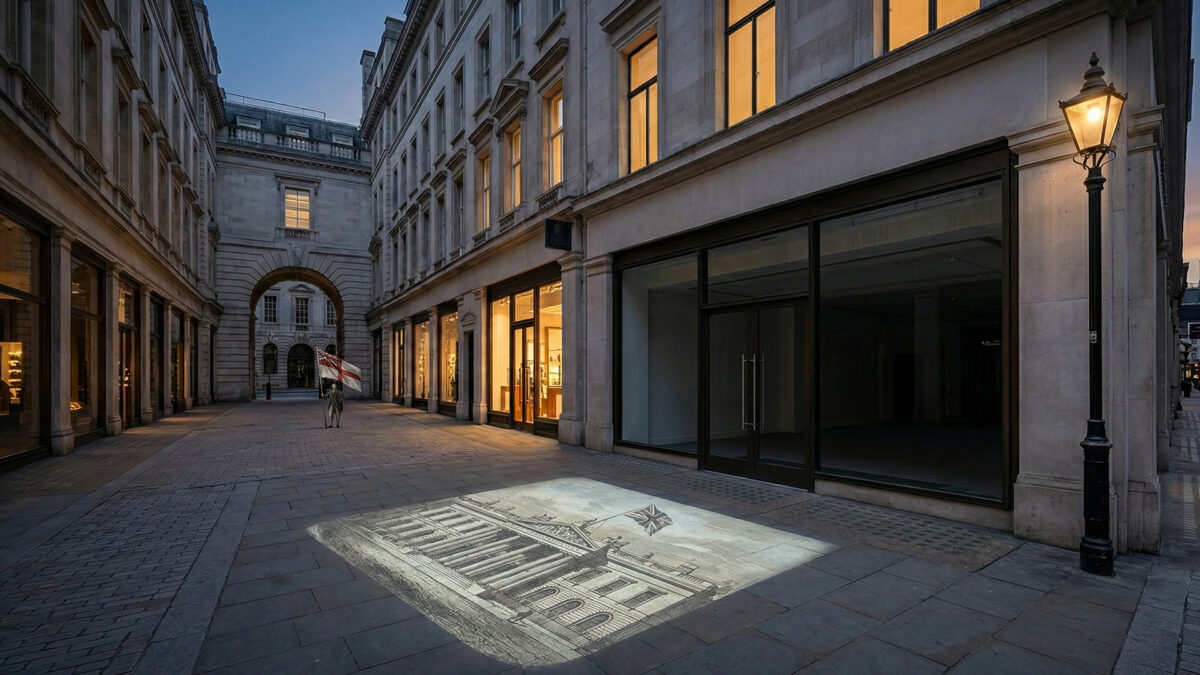
Historic East India brand in London shuts again

The East India Company has closed once more, not as a colonial trading empire this time, but as a modern luxury brand that tried to revive one of history’s most powerful names.

The original East India Company was once at the centre of Britain’s global trade network, shaping the course of history in India and beyond before it was dissolved in the 19th century. Decades later, entrepreneur Sanjiv Mehta revived the name as a high-end lifestyle brand based in London.

The modern company sold premium teas, fine chocolates, rare spirits and luxury gifts. Its stores were designed to reflect heritage and exclusivity, appealing to customers drawn to the brand’s historical legacy. For a time, the revival generated curiosity and attention.

But running a luxury retail business proved far more difficult than reviving a famous name. The company reportedly struggled with mounting losses, rising operating costs and changing consumer behaviour. Luxury shoppers increasingly moved online or chose established global brands, making competition intense.

Over time, stores quietly shut down. Now, the company has ceased operations completely. Employees have lost jobs, and the brand’s physical presence has disappeared from London’s retail streets.

The closure feels symbolic to many observers. A name once linked to vast trade networks and political power has now faded for a second time.

For the East India Company, the second chapter has come to an end, as it is said that the legacy alone cannot sustain a brand.

Also Read: Japan plans missile deployment near Taiwan