Categories
Beyond

India–China trade gap to hit $106 billion

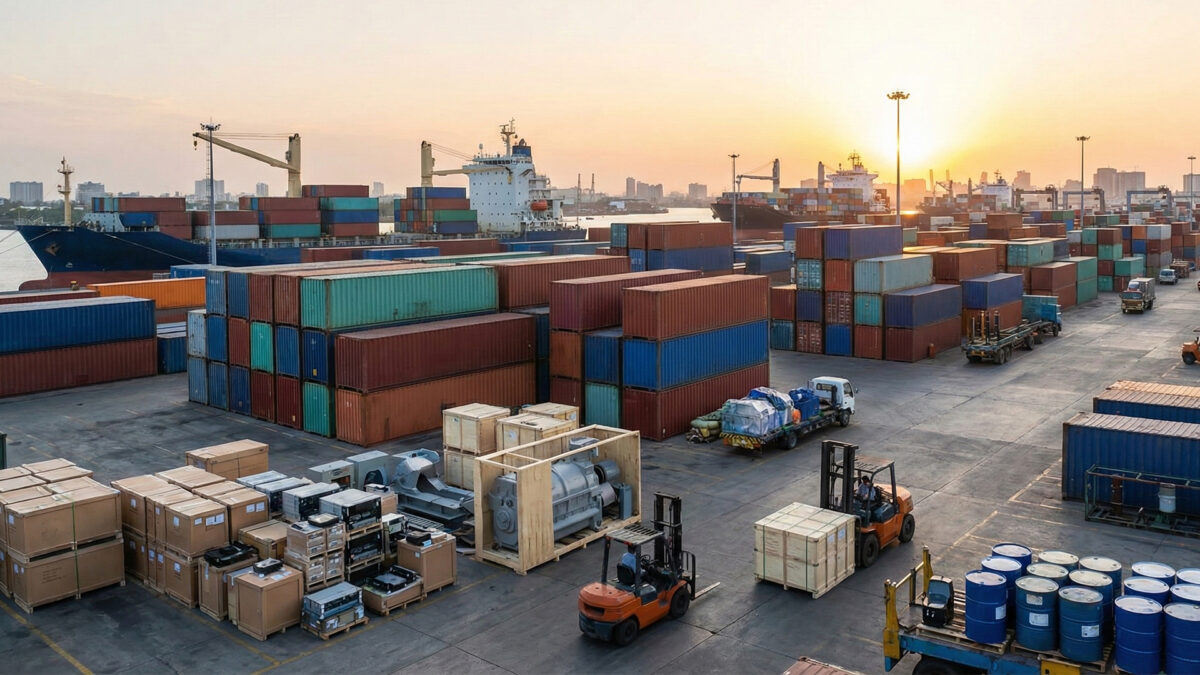
India’s trade gap with China is expected to grow further and may reach $106 billion in 2025, according to the Global Trade Research Initiative (GTRI). The estimate shows that India remains heavily dependent on Chinese imports, even though exports to China are slowly improving.

GTRI says India’s exports to China could rise to about $17.5 billion in 2025. This is better than the low point of $14.5 billion in 2023, after exports fell steadily from 2021. However, export levels are still much lower than earlier years and are not enough to reduce the overall trade gap.

Imports from China, on the other hand, are growing much faster. India’s imports are projected to reach nearly $123.5 billion in 2025, mainly due to strong demand for industrial and high-technology products. Because imports are rising much more than exports, the trade deficit has widened sharply from about $64.7 billion in 2021 to the projected level.

The report notes that India buys a narrow range of goods from China. Nearly 80 per cent of imports come from sectors such as electronics, machinery, chemicals, plastics, and engineering products. These include important items like mobile phone parts, semiconductors, laptops, solar panels, lithium-ion batteries, and other components needed for manufacturing and renewable energy.

While these imports help Indian industries run smoothly, they also show weaknesses in India’s supply chains. GTRI says India lacks enough domestic capacity in advanced manufacturing, forcing companies to depend on Chinese suppliers. Replacing these imports in the short term is difficult.

The government has recognised the concern. The Commerce and Industry Ministry has said the deficit is mainly due to imports of raw materials, intermediate goods, and capital equipment used by Indian industries. An inter-ministerial group is studying trade trends and ways to increase exports and reduce reliance on one country.

Although exports to China sometimes rise sharply in certain months due to products like naphtha and electronics, experts warn these gains are limited and short-lived.

GTRI concludes that without stronger manufacturing at home and more diversified exports, India’s trade imbalance with China will remain high in the coming years.

Also Read: SAT grants interim relief to Avadhut Sathe Trading Academy
Categories
Beyond

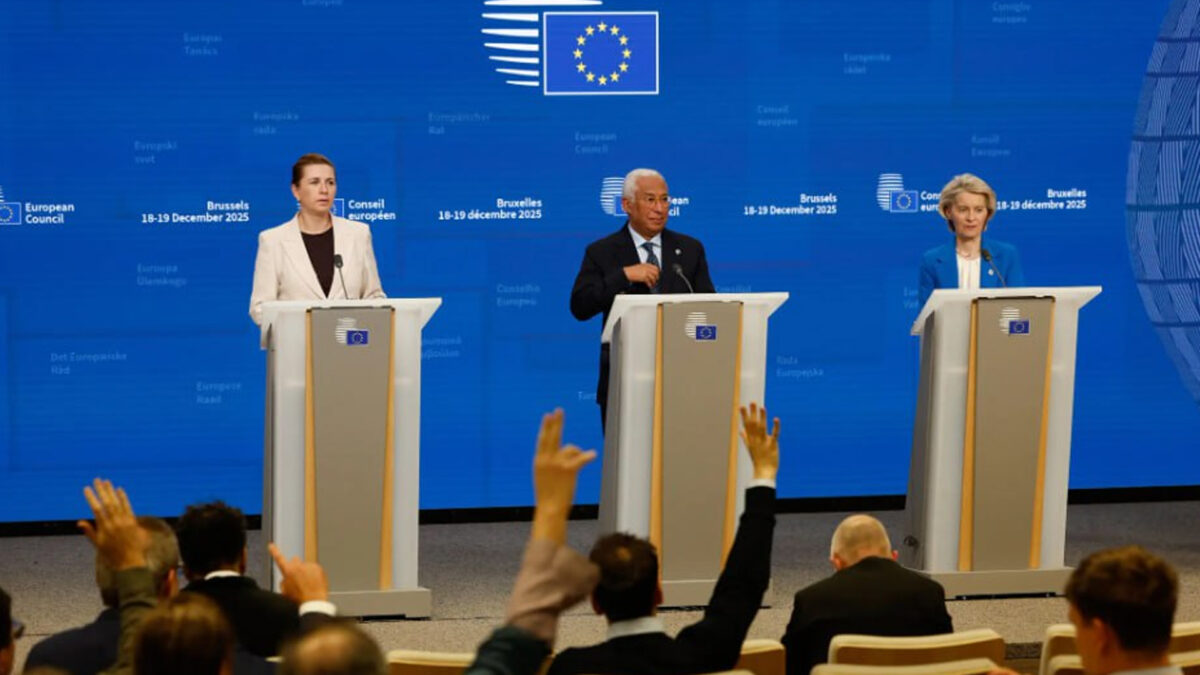
Ukraine to get €90B EU loan, Russia excluded

The European Union has agreed to provide Ukraine with a €90 billion financial support package, marking one of the largest commitments to Kyiv since the Russian invasion began. The decision, reached after intense negotiations among EU leaders, is aimed at helping Ukraine sustain its defence operations and government spending into 2026.

The package, structured as loans rather than grants, was agreed without tapping into frozen Russian state assets. Some EU member states had pushed to use the seized funds, arguing it was a practical source of financing. However, others raised concerns over legal hurdles and potential diplomatic fallout, leading to a compromise that excludes Russian assets.

European leaders described the deal as a critical signal of unity and continued support for Ukraine, but stressed that the implementation and transparency of fund disbursement will be essential. The agreement also reflects differing views among EU countries on fiscal responsibility, risk-sharing, and long-term aid strategies.

Ukrainian President Volodymyr Zelenskyy welcomed the EU decision but stressed that speed is crucial. “This support is vital, but timing is everything. Ukraine needs predictable and immediate aid to continue defending its people and economy,” he said. Ukrainian officials have repeatedly highlighted that delays in funding could affect both military operations and essential government services.

The EU loan is expected to provide short-term financial stability while negotiations continue over additional aid and post-war reconstruction. The formal approval by EU institutions and the coordination among member states will determine the pace of disbursement. EU officials emphasized that the funds must be delivered efficiently to have the intended impact, both for Kyiv’s defence needs and economic stability.

Also Read: The Bank of Japan raises rates to 30-year high

Categories
Beyond

Gold at ₹13,485/g, Silver at ₹2.11 lakh/kg

Gold and silver prices in India showed little change on Friday, December 19, offering relief to buyers after recent volatility in the bullion market. Rates remained largely stable across major cities, reflecting a cautious global outlook and steady demand in the domestic market.

As per the latest data, 24-carat gold was priced at around ₹13,485 per gram, while 22-carat gold stood at approximately ₹12,361 per gram. For jewellery buyers, 18-carat gold was available at nearly ₹10,114 per gram. These prices were broadly unchanged compared to the previous trading session, indicating a pause in sharp price movements seen earlier this month.

City-wise trends showed only marginal differences. In Chennai, gold prices were slightly higher, with 24-carat gold trading near ₹13,572 per gram and 22-carat gold at about ₹12,441 per gram. In cities such as Delhi, Mumbai, Kolkata, Bengaluru, Hyderabad and across Kerala, rates remained close to the national average, reflecting uniform pricing in most urban markets.

Silver prices also held firm on Friday. The precious metal was trading at around ₹211.10 per gram, or approximately ₹2,11,100 per kilogram, in major Indian cities. In Hyderabad and Chennai, silver was quoted slightly higher due to local premiums, while Delhi and Mumbai reported prices close to the national benchmark.

Market experts say gold prices are currently supported by global uncertainty, expectations around interest rate movements, and central bank buying. At the same time, a stable rupee has helped limit sharp increases in domestic prices. Silver prices, meanwhile, continue to be influenced by industrial demand and global market trends, in addition to currency fluctuations.

Traders note that even small movements in international bullion prices or changes in the dollar-rupee exchange rate can impact local prices, as India relies heavily on imports to meet gold and silver demand.

Also Read: Sensex up 460 Points, Nifty near 26,000 as markets open firm

Categories
Beyond

India and Oman ink historic CEPA trade deal

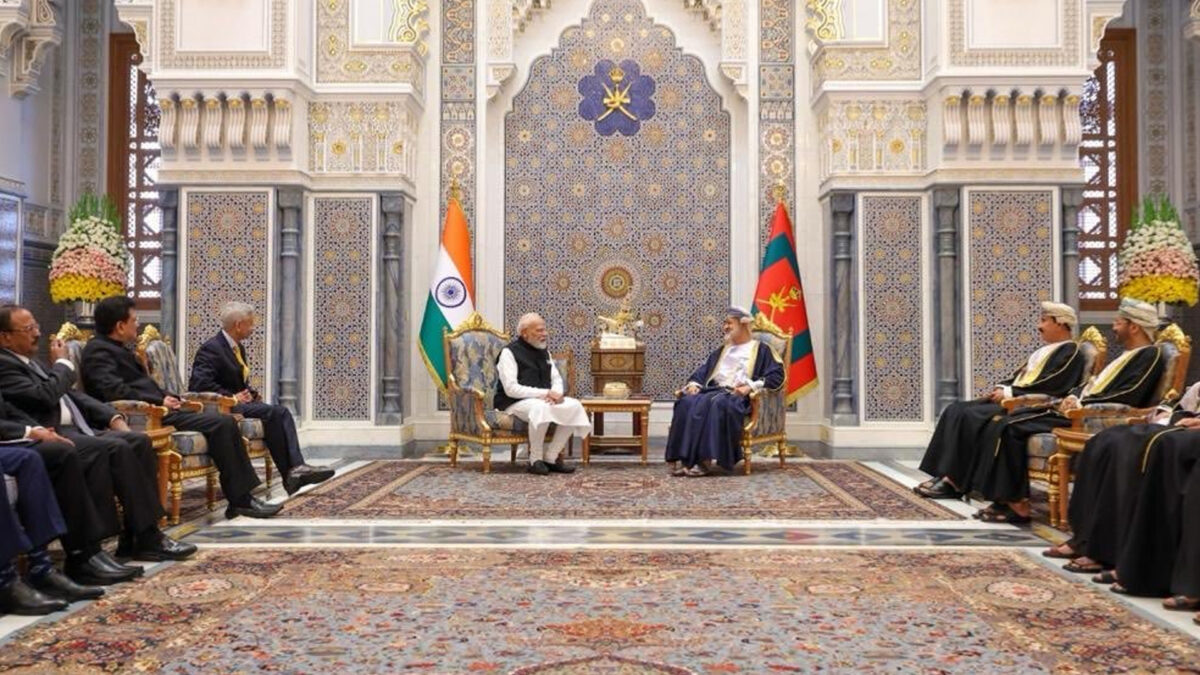
India and Oman have officially strengthened their economic partnership with the signing of a Comprehensive Economic Partnership Agreement (CEPA) on December 18, 2025, in Muscat, coinciding with Prime Minister Narendra Modi’s visit. This is Oman’s first major free trade deal in nearly two decades and represents a significant milestone in bilateral relations.

The agreement aims to make trade easier and more cost-effective for companies across both nations. By reducing or eliminating customs duties on a wide range of goods, including textiles, automobiles, food products, and jewellery, CEPA is expected to unlock new business opportunities and lower operational costs. This move benefits not only large corporations but also small and medium enterprises looking to expand into each other’s markets.

Beyond trade in goods, the pact also promotes investment, collaboration in services, and cooperation in emerging sectors like renewable energy, logistics, and professional services. Experts believe this will encourage long-term projects and partnerships, strengthening the overall business ecosystem between the two countries.

Bilateral trade between India and Oman currently stands at around USD 10–11 billion annually. With the new agreement in place, trade volumes are expected to rise further, creating opportunities for businesses to innovate and grow.

Officials from both countries described CEPA as a historic step in deepening economic ties. A senior Indian trade official said that beyond tariffs, this pact is about building a stronger, more integrated economic relationship that benefits businesses and consumers alike.

The CEPA signals a new era of economic cooperation, providing companies with a framework to explore joint ventures, investments, and new markets. Analysts view it as a strategic move that strengthens India-Oman relations while offering a model for future international trade partnerships.

Also Read: Israel approves record gas export deal with Egypt

Categories
Beyond

Israel approves record gas export deal with Egypt

Israel has approved its largest-ever natural gas export agreement, signing a $35 billion deal with Egypt that is set to run over the next 15 years. The contract will see gas from Israel’s Leviathan offshore field delivered to Egypt, with exports expected to begin in early 2026.

Prime Minister Benjamin Netanyahu called the deal a historic milestone, emphasizing that it will generate significant revenue for the country. About half of the funds from the agreement are expected to flow into Israel’s state treasury, supporting education, healthcare, infrastructure, and national security. “This agreement strengthens Israel’s economy and positions us as a key energy supplier in the region,” Netanyahu said.

The deal is being carried out by Israeli energy partners in collaboration with US firm Chevron, ensuring the supply chain is secure and efficient. Officials have also confirmed that domestic gas prices will remain stable, safeguarding households and businesses while exports increase.

For Egypt, which has faced energy shortages in recent years, the agreement provides a reliable source of gas to help meet growing demand. While the Egyptian government has not yet issued a formal statement, analysts say the deal could improve energy security and foster stronger bilateral cooperation between the two nations.

Energy experts view the pact as a strategic win for both countries. Israel benefits from a major revenue stream and enhanced regional influence, while Egypt gains access to a consistent energy supply. The deal also reflects Israel’s broader strategy to leverage offshore gas reserves for long-term economic growth and regional stability.

The $35 billion gas agreement underscores the growing importance of energy diplomacy in the Eastern Mediterranean. By exporting natural gas to Egypt, Israel not only strengthens its economic position but also builds regional partnerships that could have wider political and strategic implications.

As the project moves toward implementation, it is expected to create economic opportunities and strengthen energy ties in the region, marking a significant step in Israel’s emergence as a major energy supplier.

Also Read: Meesho tops India’s 2025 IPO charts with 95% rally

Categories
Beyond

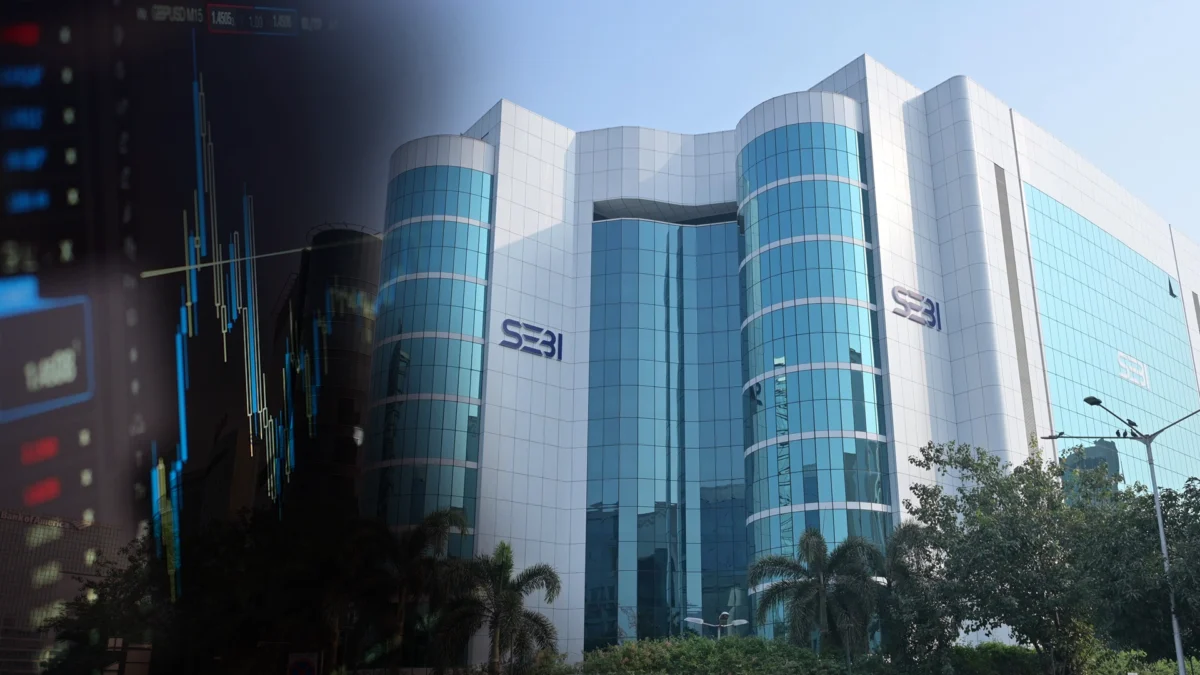
SEBI makes mutual funds cheaper for investors

The Securities and Exchange Board of India (SEBI) has announced new rules to make mutual funds cheaper and more transparent for investors. These rules will start from 1 April 2026.

One major change is that SEBI has cut the maximum fees mutual funds can pay for buying and selling shares. For regular stock trades, fees will drop from 0.12% to 0.06%, and for derivatives trades, from 0.05% to 0.02%. This will reduce the trading costs that affect investors’ returns.

SEBI is also changing how mutual fund costs are shown. Funds will now display a Base Expense Ratio, which includes main costs like fund management and running the fund. Other charges like taxes and stamp duties will be listed separately. This makes it easier for investors to see what they are paying for.

Another important change is that SEBI has removed the extra 0.05% fee that some funds charged when investors sold their units early. This will further lower hidden costs.

SEBI says these changes are meant to protect investors and make fees clearer, not just reduce them. Experts say the effect on costs will differ between funds, but overall, many investors are likely to benefit.

Also Read: B. Sairam appointed chairman of Coal India Limited

Categories
Beyond

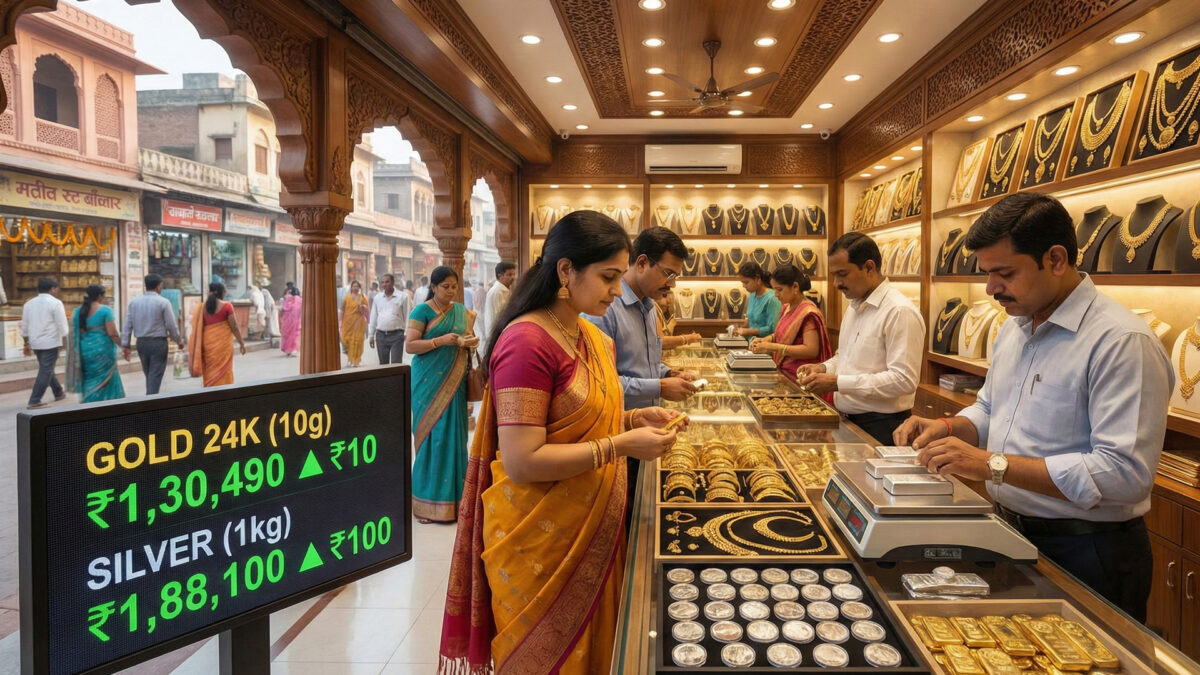
Gold at ₹1,34,520, silver climbs to ₹2,08,100

Gold and silver prices in India moved slightly higher in early trade on Thursday, December 18. The rise reflects steady demand and supportive global trends in the bullion market.

The price of 24-carat gold increased by ₹10, taking the rate to ₹1,34,520 per 10 grams in major cities such as Mumbai and Kolkata. In Delhi, 24-carat gold was quoted slightly higher at ₹1,34,670 per 10 grams. 22-carat gold also saw a marginal increase of ₹10 and was trading at around ₹1,23,310 per 10 grams in key markets.

Silver prices showed a stronger move compared to gold. The price of silver rose by ₹100, with one kilogram trading at ₹2,08,100 in Delhi, Mumbai and Kolkata. In Chennai, silver continued to trade at a premium compared to other cities.

Market participants said precious metal prices remain supported by global cues, including expectations around interest rates and ongoing geopolitical uncertainties. However, the day’s movement was limited, indicating cautious sentiment among investors.

As such, gold and silver continue to hold firm, with prices hovering near record levels despite small day-to-day fluctuations.

Also Read: India gains edge as exports beat US tariffs

Categories
Beyond

Rupee slips to ₹91 per dollar, stabilises after RBI action

The Indian rupee faced another bout of volatility on Wednesday, opening at a record low of ₹91.07 per US dollar before bouncing back later in the session. Early trading pressure pushed the currency to around ₹91.08, reflecting continued foreign fund outflows and repatriation of overseas corporate earnings.

Market watchers say the rupee’s weakness is part of a broader trend affecting emerging market currencies. Investors have been cautious amid global economic uncertainties and lingering concerns over trade negotiations with the United States.

The Reserve Bank of India (RBI) stepped in decisively to curb the slide. State-run banks, acting on the central bank’s guidance, sold dollars in the spot and forward markets, helping the rupee recover some ground. The currency strengthened to around ₹90.25 intraday and eventually settled near ₹90.28.

“The RBI’s timely action reassures the market that extreme volatility won’t persist,” said a currency strategist.Analysts noted that such intervention is part of the RBI’s strategy to prevent a one-sided depreciation, which could increase costs for importers and strain corporate treasuries.

Despite the rebound, traders remain cautious, noting that the rupee is likely to remain sensitive to foreign investment flows, global market moves, and domestic economic developments. With inflation and interest rate expectations in play, analysts expect short-term volatility to continue.

The rupee’s swings underline the delicate balancing act for the central bank: supporting the currency without disrupting economic growth. For businesses and investors, the message is clear, while short-term fluctuations are inevitable, RBI intervention can provide a stabilising influence when markets turn jittery.

Also Read: Gold steady at ₹13,385/gm, Silver nears ₹1.99 lakh/kg

Categories
Beyond

Gold steady at ₹13,385/gm, Silver nears ₹1.99 lakh/kg

Gold and silver prices in India remained mostly stable on Wednesday, with only minor changes seen across major cities.

24-carat gold was priced at around ₹13,385 per gram in Mumbai, slipping by about ₹1 from the previous day. 22-carat gold stood at ₹12,269 per gram, while 18-carat gold was available at around ₹10,038 per gram. For bulk buyers, 10 grams of 24-carat gold cost approximately ₹1,33,850, and 100 grams was priced near ₹13,38,500.

Gold prices were largely similar in cities such as Mumbai, Kolkata, Bengaluru, Hyderabad and Pune. Chennai reported slightly higher rates, while Delhi prices were marginally above those in some other metros.

Silver prices also saw a small decline. Silver was priced at about ₹199 per gram, down nearly 10 paise from the previous session. The price of one kilogram of silver stood at around ₹1,99,000, a fall of roughly ₹100. In cities like Chennai and parts of Kerala, silver traded at slightly higher levels, close to ₹2,109 per 10 grams.

Market experts say gold and silver prices in India continue to be influenced by global bullion trends, movements in the rupee against the US dollar, and international economic cues. Small day-to-day fluctuations are common.

Buyers are advised to note that final jewellery prices may vary due to GST, making charges and local jeweller margins.

Also Read: Sensex slips 100 points, Nifty below 25,850

Categories
Beyond

SEBI to review key mutual fund, broker and IPO rules

The Securities and Exchange Board of India (SEBI) is set to take up a wide range of regulatory proposals at its upcoming board meeting, with a focus on mutual funds, stock brokers, IPO regulations and credit rating agencies. The discussions are expected to influence how key segments of India’s capital markets operate in the coming months.

One of the major areas under review is the mutual fund industry. SEBI is examining changes to existing norms to improve transparency in costs charged to investors. This includes a closer look at commissions and brokerage fees paid by mutual fund houses to distributors, as well as possible refinements to the total expense ratio framework. The regulator’s aim is to ensure that investors have a clearer understanding of charges and that costs remain reasonable across schemes.

The board will also deliberate on proposals related to stock brokers. These are expected to focus on rationalising compliance requirements and reducing regulatory burden, particularly for smaller intermediaries, while maintaining adequate safeguards for investors. Simplified norms could help improve operational efficiency without diluting market integrity.

Another key item on the agenda is a review of IPO lock-in rules. SEBI may consider the use of technology to streamline lock-in monitoring, especially in cases where shares are pledged. Any changes in this area could make the public issue process smoother for companies while ensuring that lock-in conditions are enforced more efficiently.

The role and mandate of credit rating agencies (CRAs) will also come under discussion. SEBI is looking at ways to strengthen the credit rating ecosystem by clarifying responsibilities and improving oversight, with the objective of enhancing the quality and reliability of ratings in the debt market.

In addition, the board may review measures related to dematerialisation of older share certificates, updates to conflict-of-interest norms for SEBI officials, and possible incentives for public debt issuances. Collectively, these proposals reflect SEBI’s ongoing effort to balance ease of doing business with robust investor protection and market transparency.

Also Read: SBI bets big on new YONO app