Categories
Beyond

US changes H‑1B rules, prioritises top-paid talent

The US government is overhauling the H‑1B visa programme, replacing the decades-old lottery with a wage- and skill-based selection system. The change, effective February 27, 2026, is aimed at prioritising highly skilled and higher-paid foreign workers while reducing reliance on lower-wage hiring.

Under the new model, the annual 65,000 visa cap, and 20,000 for holders of US advanced degrees, remains, but applications will no longer be randomly selected. Employers offering higher salaries and advanced skills will have better odds, while lower-paid positions will face reduced chances of approval.

Officials say the move is designed to protect domestic wages and prevent misuse of the lottery system, which some companies exploited to fill entry-level roles cheaply. The reform comes alongside higher H‑1B filing fees and stricter enforcement in other visa categories.

Business groups have voiced concerns that the changes could limit access to critical foreign talent, particularly in tech, healthcare, and engineering sectors. Advocates, however, argue that prioritising high-skill, high-pay workers aligns with the programme’s original intent and strengthens the US workforce.

The reform represents one of the most significant H‑1B policy shifts in decades, signalling a tighter focus on economic value and workforce protection.

Also Read: OYO Parent Prism clears ₹6,650 cr IPO plan

Categories
Beyond

Copper hits record $12,000 per ton

Copper prices have soared to an all-time high, surpassing $12,000 per metric ton due to supply disruptions and concerns over potential US import tariffs. Benchmark three-month copper futures on the London Metal Exchange (LME) touched $12,159.50 before settling near $12,065, reflecting a sharp rally in industrial metals.

Year-to-date, copper has gained over 35%, marking its strongest annual increase since 2009. Analysts attribute the surge to tight global supply as major mines face production challenges. This has reduced available stock in the market, pushing prices higher.

Adding to the pressure are fears of US import tariffs on copper. Traders and buyers have been stockpiling in anticipation of higher costs, increasing demand in the United States while leaving less copper available elsewhere. This has intensified the upward price movement.

Global demand is also playing a role. Copper is widely used in electric vehicles, renewable energy projects, and data centers, all of which are expanding rapidly. These structural demand factors are adding stress to supply chains that are slow to expand.

Economic factors are supporting the rally as well. Expectations that the US Federal Reserve may cut interest rates could weaken the dollar, which typically boosts commodity prices. Traders are closely watching for changes in monetary policy that could further influence copper markets.

Market experts warn that if production issues continue and demand keeps rising, copper could remain in deficit. While gold and silver have also risen this year, copper’s industrial importance makes its price movement a key indicator for the global economy, particularly for technology, construction, and energy sectors.

Also Read: ISRO launches heaviest commercial satellite on LVM3

Categories
Beyond

ISRO launches heaviest commercial satellite on LVM3

ISRO added another major success to its record on December 24 with the launch of BlueBird Block-2, the heaviest commercial satellite ever carried by India’s LVM3 rocket. The mission, executed from Sriharikota, signals India’s steady rise as a trusted player in the global space market.

Weighing about 6,100 kg, the satellite was placed into low earth orbit using the LVM3-M6 launch vehicle. This was the rocket’s sixth operational flight and one of its most demanding missions so far, underlining ISRO’s growing capability to handle large and complex commercial payloads.

BlueBird Block-2 is designed to deliver direct-to-mobile broadband connectivity, allowing standard mobile phones to receive signals from space without special equipment. The technology is expected to help improve digital access, especially in remote and underserved regions, making the mission both commercially important and socially relevant.

The launch was carried out through NewSpace India Ltd, ISRO’s commercial arm, reflecting India’s increasing focus on monetising its space expertise. With global demand rising for low-earth-orbit satellites and cost-effective launch services, India is positioning itself as a reliable and competitive option.

Prime Minister Narendra Modi described the mission as a proud milestone, praising ISRO’s scientists and engineers for pushing India higher in advanced technology and innovation. His remarks echoed the wider national sentiment around India’s expanding footprint in space.

Beyond the technical achievement, the mission reinforces confidence in India’s space economy. Each successful commercial launch strengthens India’s reputation, attracts international partnerships, and opens new business opportunities across satellite services, manufacturing, and downstream applications.

The BlueBird Block-2 launch is another reminder that India’s space story adds so much to think beyond exploration by tapping on possibilities that create impact, trust, and global relevance.

Also Read: Nikhil Kamath, Kishore Biyani launch The Foundery for startups

Categories
Beyond

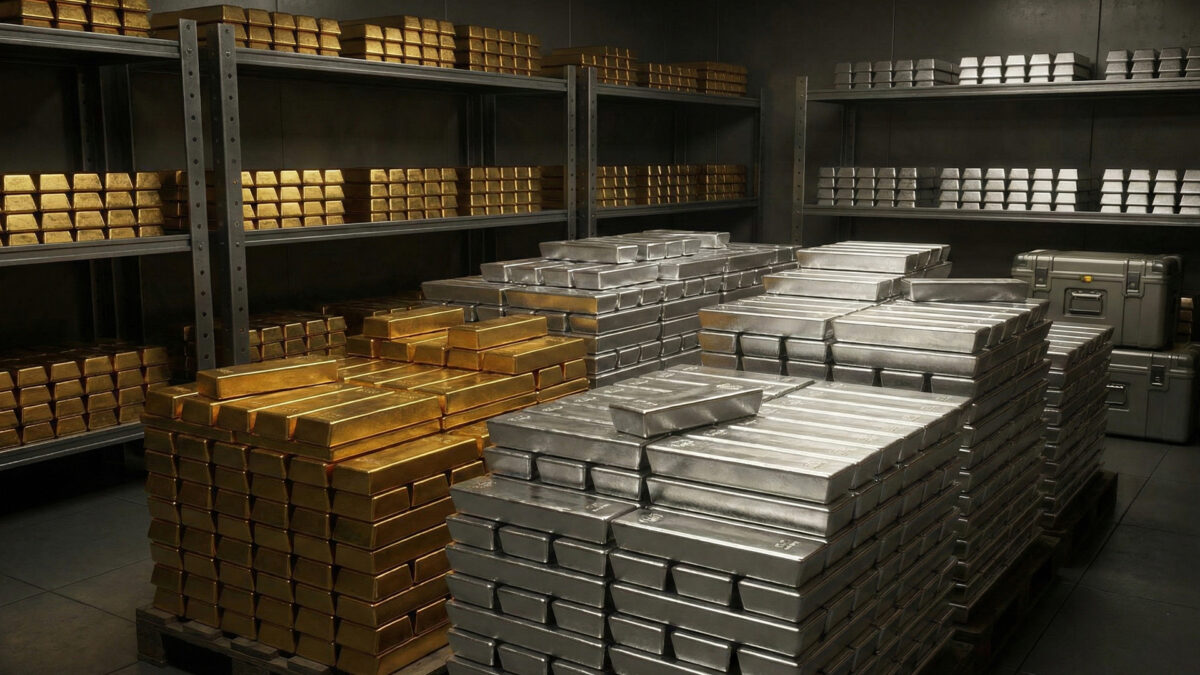
Gold at ₹1.36 lakh, Silver tops ₹2.23 lakh

Gold and silver prices surged to record highs on Wednesday, extending a strong rally driven by global uncertainty, expectations of interest rate cuts and tight supply conditions. Both metals have delivered exceptional gains this year, attracting strong investor interest.

In Indian markets, gold prices climbed above ₹1.36 lakh per 10 grams, with rates touching ₹1.40 lakh per 10 grams in some cities, marking the highest level ever recorded. The sharp rise reflects a strong global uptrend and a weaker dollar, which has made bullion more attractive as a safe investment.

Silver prices also hit historic levels. In spot markets, silver crossed ₹2.23 lakh per kilogram, setting a new all-time high. On commodity exchanges, silver futures saw sharp gains as buying intensified across industrial and investment segments. Silver has significantly outperformed gold this year, supported by strong demand from sectors such as renewable energy, electronics and electric vehicles.

Globally, precious metals are rallying on expectations that major central banks, including the US Federal Reserve, may cut interest rates in the coming months. Lower interest rates reduce the opportunity cost of holding non-yielding assets like gold and silver. Ongoing geopolitical tensions and concerns over global economic growth have also pushed investors towards safe-haven assets.

Market participants say supply constraints, particularly in silver, have added to the price surge. Limited mine output and steady industrial consumption have tightened availability, keeping prices elevated. Gold, meanwhile, continues to benefit from central bank buying and steady investor demand.

The sharp rise in bullion prices has also boosted shares of metal-linked companies, with stocks related to silver production gaining attention in the equity markets.

However, high prices have dampened jewellery demand, especially in the retail segment. Many buyers are postponing purchases or opting for lighter jewellery due to elevated costs. Traders also expect some volatility in the near term, as profit-taking may emerge after the steep rally.

Also Read: Sensex advances 150 points, Nifty holds above 26,200

Categories
Beyond

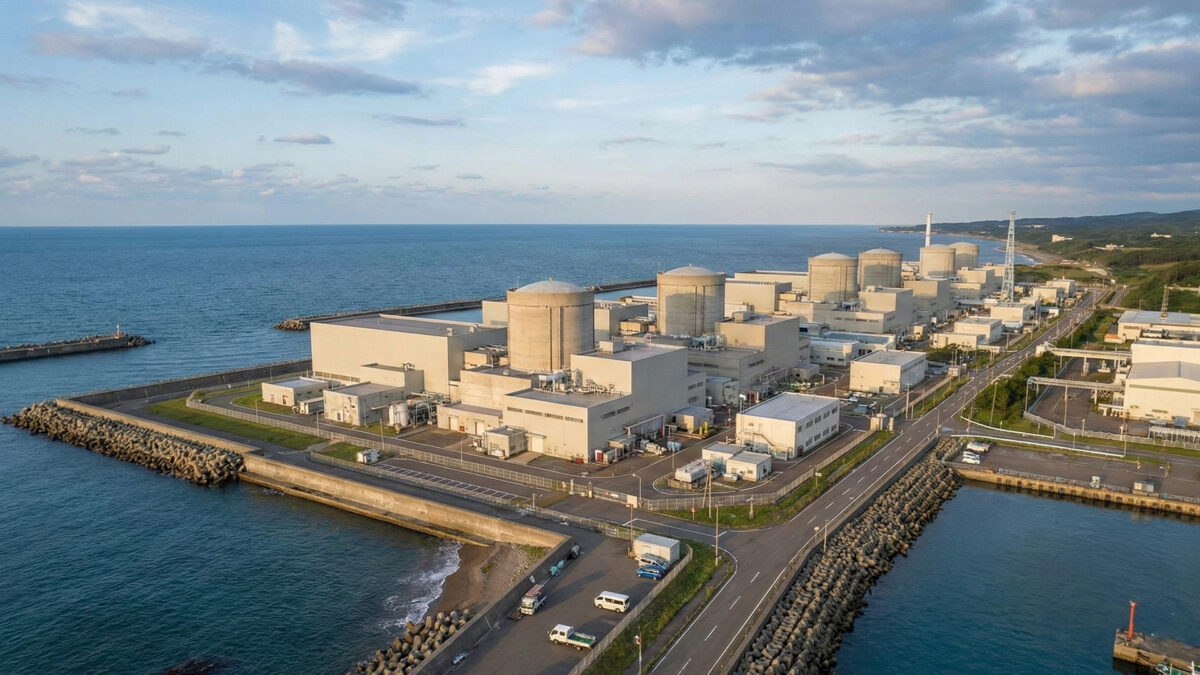
Japan restarts world’s largest nuclear plant

Japan has officially taken a major step toward restarting the Kashiwazaki-Kariwa nuclear power plant, the world’s largest in terms of electricity-generating capacity. The plant, located in Niigata Prefecture about 220 km northwest of Tokyo, has been idle since the 2011 Fukushima disaster, which led to the suspension of nearly all nuclear reactors in Japan.

On 22 December 2025, the Niigata Prefectural Assembly approved Governor Hideyo Hanazumi’s decision to allow the plant’s restart, effectively clearing the final local requirement needed for operations to resume. The decision enables Tokyo Electric Power Company (TEPCO), the plant’s operator, to move forward with safety inspections, operational checks, and preparation for restarting the reactors.

The facility has a total generating capacity of nearly 8,000 megawatts, making it a crucial source of electricity for Japan. TEPCO expects to bring at least one reactor online by early 2026, pending final regulatory and safety approvals. Restarting the plant could help the country reduce its reliance on imported fossil fuels and stabilize electricity costs, a pressing concern given Japan’s energy demands and global energy price volatility.

The restart comes amid Japan’s broader energy strategy, which aims to increase nuclear power’s share of electricity production to enhance energy security and meet climate goals. Since 2011, Japan has gradually restarted 14 of its 33 operable reactors under stringent safety protocols, but Kashiwazaki-Kariwa is the first major TEPCO plant to return to service.

Public opinion remains divided. Some residents and safety advocates continue to express concerns about nuclear risks, recalling the Fukushima accident’s devastating effects. Others, however, support the restart due to the potential economic and energy benefits, highlighting the importance of a reliable domestic power supply for households and industries.

In summary, the restart of Kashiwazaki-Kariwa represents both a milestone in Japan’s post-Fukushima nuclear journey and a critical step in its efforts to secure stable, sustainable energy. With local backing and careful planning, the plant is poised to play a central role in meeting the country’s future electricity needs while balancing public safety concerns.

Also Read: KSH International IPO lists 4% below issue price

Categories
Beyond

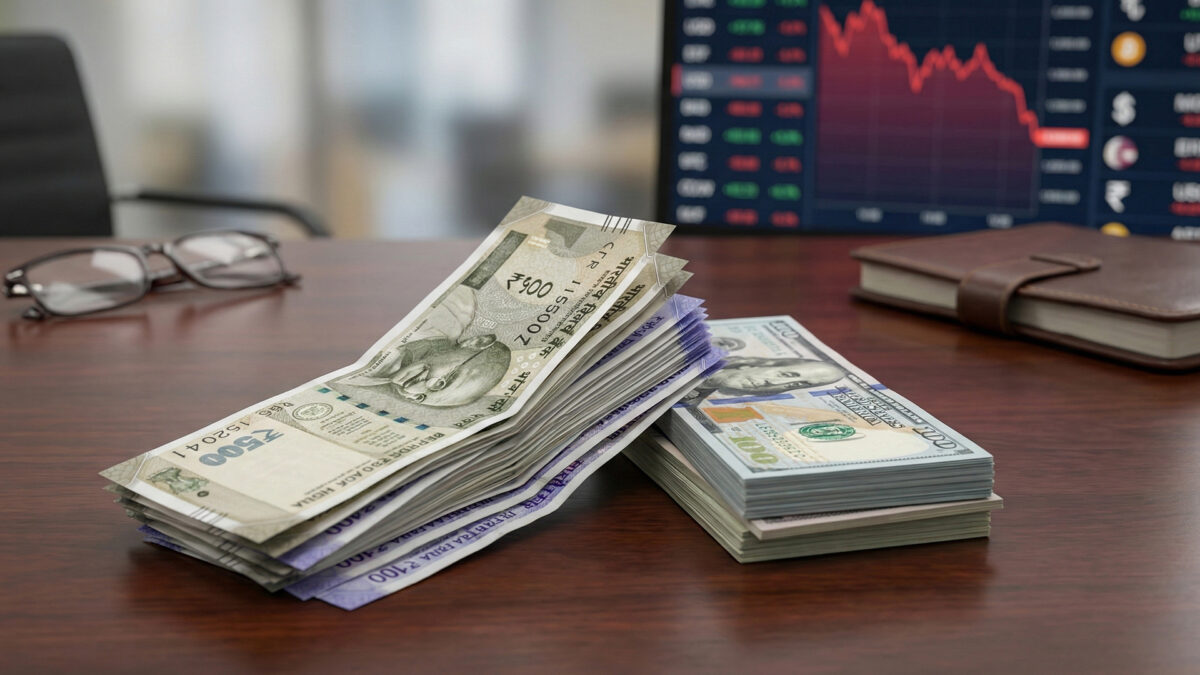
Rupee slips 3 paise to 89.65 in early trade

The Indian rupee inched higher on Tuesday, closing at 89.65 against the US dollar, marking a modest gain of 3 paise from the previous session. Market analysts attributed the slight rise to a weaker US dollar, which generally supports emerging market currencies like the rupee.

The rupee had opened slightly stronger at around 89.67 at the interbank foreign exchange market but quickly gave up those gains as buying interest in the dollar picked up. Dealers said the early optimism faded as traders reacted to ongoing selling by foreign institutional investors, which has been a key factor weighing on the currency.

Foreign investors have been pulling money out of Indian markets in recent sessions. This has increased demand for the US dollar, putting downward pressure on the rupee. Adding to this, Indian companies were seen buying dollars to pay for imports and to hedge future foreign currency needs.

Market participants said the overall mood remains cautious. Although the Reserve Bank of India has stepped in at times to limit sharp movements in the currency, the rupee has struggled to hold on to gains. The central bank’s efforts are mainly aimed at reducing volatility rather than defending any specific level.

The rupee has also been affected by a firm US dollar globally. As the greenback remains strong in international markets, most emerging market currencies, including the rupee, have faced selling pressure.

Traders noted that importers continue to actively buy dollars, while exporters are selling cautiously, waiting for more favourable exchange rates. This imbalance in demand and supply has kept the rupee under stress.

Also Read: Oil prices edge up after US intercepts Venezuelan tanker

Categories
Beyond

Gold near ₹1.37 lakh, Silver above ₹2.12 lakh

Gold and silver prices edged higher across major Indian cities on Tuesday, staying close to record levels as strong global cues continued to support precious metals. The rise comes amid expectations of easier monetary policy in the US, a softer dollar and ongoing geopolitical uncertainties, all of which have boosted safe-haven demand.

In Mumbai, 24-carat gold was priced at around ₹1,36,820 per 10 grams, while 22-carat gold traded near ₹1,25,418 per 10 grams. In the national capital Delhi, 24-carat gold stood at approximately ₹1,36,590 per 10 grams, with 22-carat gold at ₹1,25,208.

Other major cities also reported elevated rates. In Chennai, 24-carat gold was quoted at about ₹1,37,220 per 10 grams, while Bengaluru saw prices near ₹1,36,930. Hyderabad and Kolkata recorded similar levels, reflecting firm demand and regional price variations linked to local taxes and logistics.

Silver prices showed a stronger momentum compared to gold, supported by both industrial demand and investment buying. In Mumbai, silver was priced at around ₹2,12,110 per kilogram. Prices in Chennai hovered near ₹2,13,100 per kg, while Hyderabad and Bengaluru saw silver trading between ₹2,12,600 and ₹2,12,800 per kg.

Market experts say the current rally in bullion is driven by expectations of interest rate cuts by the US Federal Reserve, which makes non-interest-bearing assets like gold and silver more attractive. Continued central bank purchases and supply constraints, especially in silver, have also added support.

While prices remain elevated, analysts advise investors to be cautious at current levels and consider staggered buying rather than lump-sum investments, as short-term volatility cannot be ruled out.

Also Read: Sensex trades sideways, Nifty slips below 26,200

Categories
Beyond

US chases third Venezuelan oil tanker

The US Coast Guard is actively pursuing an oil tanker in international waters near Venezuela, marking the third such interception attempt in less than two weeks, officials said. The vessel,  identified by maritime trackers as the Bella 1,  is part of what Washington calls Venezuela’s “dark fleet” of ships accused of helping the South American nation evade sanctions. The tanker is reportedly flying a false flag and is under a US judicial seizure order, though it had not been boarded at the time of reporting.

The pursuit follows recent seizures of other tankers believed to be involved in transporting Venezuelan crude in defiance of sanctions. On December 10, the Coast Guard seized the large tanker Skipper, sanctioned for its alleged involvement in sanctions‑evasion networks. A second vessel, the Centuries, was intercepted and boarded by US forces just days ago.

These operations form part of a blockade ordered by the US president on all sanctioned oil tankers entering or leaving Venezuelan waters. The administration has positioned the crackdown as an effort to enforce sanctions on the Venezuelan government and cut off revenue it claims supports illicit activities, including narcotics trafficking and terrorism.

Officials argue that targeting these tankers is necessary to prevent sanctions evasion and deny revenue to Venezuelan President Nicolás Maduro’s government. They also assert that the actions are unlikely to significantly affect domestic oil prices, though global crude benchmarks rose modestly in early Asian trading amid the tensions.

The intensified maritime operations are occurring alongside a broader military presence in the Caribbean, including air and naval assets deployed under what officials describe as efforts against drug trafficking and sanctions runners. Critics,  including some lawmakers and international commentators, warn that the blockade and interceptions could increase geopolitical risks and strain diplomatic relations.

Venezuela’s government has condemned these actions as illegal and tantamount to piracy, promising to challenge the moves through international bodies such as the United Nations. Maduro has reiterated that Venezuela will continue its oil trade in the face of pressure.

Also Read: AI’s next leap will be memory, not reasoning, says Sam Altman

Categories
Beyond

SEBI to strengthen non‑farm commodity derivatives

The Securities and Exchange Board of India (SEBI) is taking steps to strengthen the country’s non‑agricultural commodity derivatives market. Chairman Tuhin Kanta Pandey said SEBI will soon set up a working group to review how these markets function and suggest improvements. The move is aimed at increasing market depth, participation, and efficiency, while keeping investor protection intact.

The panel will examine key aspects such as margin rules, position limits, settlement processes, and delivery mechanisms. Its goal is to identify ways to make trading smoother and more transparent, helping both businesses and investors manage risk better. Recommendations from the working group will guide SEBI’s future policy changes.

India already has expert committees studying agricultural commodity derivatives, which have been successful in suggesting measures to deepen participation and improve risk management. SEBI plans to apply similar insights to non-farm commodities, where trading has been growing but liquidity remains a challenge.

SEBI is also in talks with the Reserve Bank of India (RBI) and the Insurance Regulatory and Development Authority (IRDAI) to allow banks and insurance companies to trade in these markets. Greater institutional participation is expected to improve liquidity, enhance price discovery, and make hedging more efficient.

Another key focus is addressing GST-related hurdles that currently complicate delivery and settlement of commodities on exchanges. SEBI is working with the central government to resolve these issues, aiming to better connect derivative markets with physical trading.

The regulator’s move comes at a time of rapid growth in India’s commodity derivatives space. SEBI now oversees over 100 notified commodities, with active trading in many contracts. As the market expands, the working group’s recommendations are expected to make trading easier, safer, and more attractive for investors and businesses alike.

Also Read: Elon Musk net worth nears $750 billion

Categories
Beyond

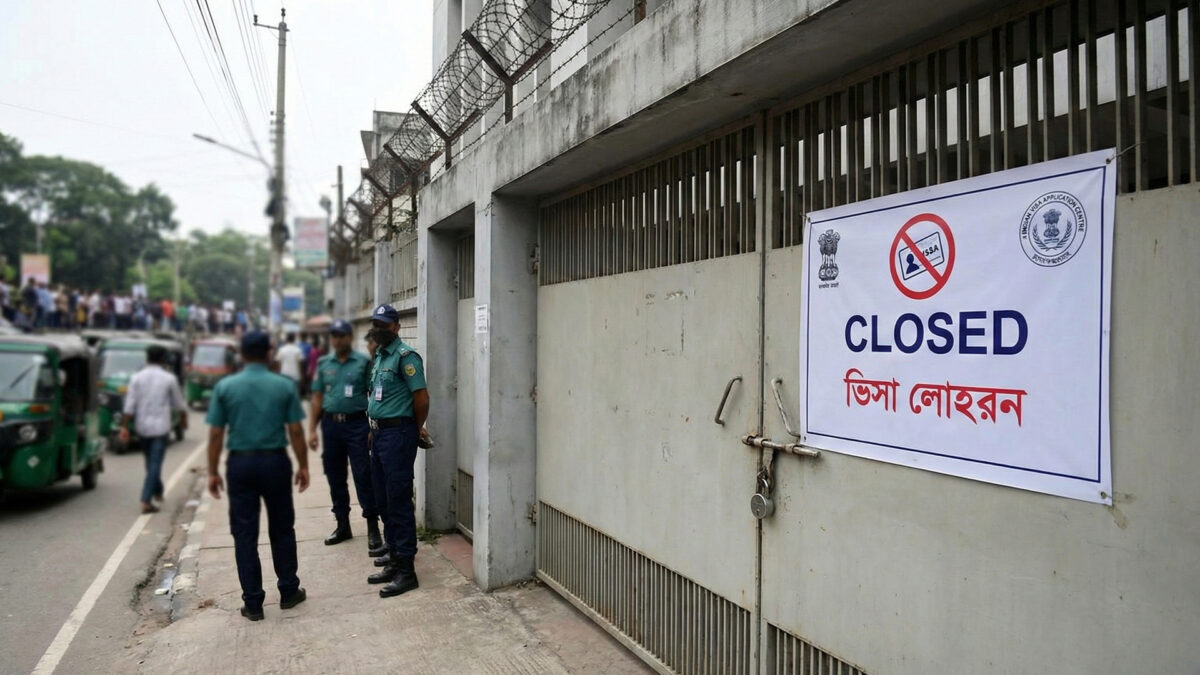
India suspends visa services in Chittagong

India has indefinitely suspended operations at its Indian Visa Application Centre (IVAC) in Chittagong (Chattogram), Bangladesh, citing security concerns following recent civil unrest. The suspension took effect on December 21, 2025. The centre will remain closed until further notice, and all visa applications from Chittagong are currently on hold. Applicants are advised to use other operational centres or await official updates.

The decision comes in the context of heightened political instability in Bangladesh after the death of youth leader Sharif Osman Hadi, who was fatally shot during a political rally in Dhaka on December 12. His death triggered demonstrations and localized unrest, including incidents targeting Indian diplomatic premises in Chittagong.

Reports from the region indicate vandalism and stone-pelting near the Indian Assistant High Commission’s residence, prompting authorities to implement enhanced security protocols. While the Chittagong centre remains closed indefinitely, other Indian visa centres in Bangladesh, including Dhaka, Khulna, Rajshahi, and Sylhet, continue operations under heightened security measures.

The Indian Ministry of External Affairs has reaffirmed its commitment to ensuring the safety of diplomatic missions and personnel. Visa services in Chittagong will resume only after a thorough assessment of local security conditions. Applicants are advised to monitor official communications from the IVAC for updates before planning travel.

Bangladeshi authorities are coordinating with Indian officials to maintain robust security measures around diplomatic facilities. The situation continues to be closely monitored, and additional precautionary measures may be implemented as required.

This strategic decision reflects India’s adherence to international diplomatic protocols and underscores the priority placed on staff safety and operational integrity. By temporarily halting services in Chittagong, the government ensures that visa processes are conducted under secure conditions, safeguarding both personnel and applicants.

Also Read: PM Modi inaugurates Adani-operated new terminal at Guwahati Airport