Categories
Beyond

India moves up to 4th spot in global economy rankings

India has climbed to fourth place among the world’s largest economies, overtaking Japan in terms of nominal Gross Domestic Product (GDP), according to the government’s latest assessment. With its economy now valued at around USD 4.18 trillion, India stands behind only the United States, China, and Germany, marking a key moment in the country’s growth story.

The government attributed this rise to strong and steady economic expansion despite global challenges such as slowing trade, high inflation in advanced economies, and geopolitical uncertainties. India continues to be the fastest-growing major economy, supported mainly by robust domestic demand, higher consumer spending, and sustained public investment.

Recent economic data shows a sharp improvement in growth during the second quarter of the current financial year. Strong performance in manufacturing, services, and infrastructure activity has helped accelerate overall output. Policy reforms, digital transformation, and efforts to improve the ease of doing business have also played an important role in strengthening economic activity.

International agencies have responded positively to India’s progress. Institutions such as the International Monetary Fund and the World Bank have projected that India’s economy will grow at over 6 per cent annually in the coming years, well ahead of most large economies. These forecasts underline India’s growing role as a major contributor to global growth.

Looking ahead, the government said India is expected to surpass Germany and move into third place within the next two to three years if current growth trends continue. By the end of the decade, India’s economy is projected to expand significantly, driven by a young population, a rising middle class, and increased investment in manufacturing, technology, and infrastructure.

Economists, however, note that challenges remain. While the economy’s overall size has increased rapidly, per capita income levels remain relatively low, pointing to the need for inclusive growth, job creation, and stronger outcomes in health, education, and skills.

Still, India’s rise in the global economic rankings highlights its growing influence and long-term potential on the world stage.

Also Read: Gold at ₹1,36,190 per 10g, Silver slips to ₹2,39,900/kg
Categories
Beyond

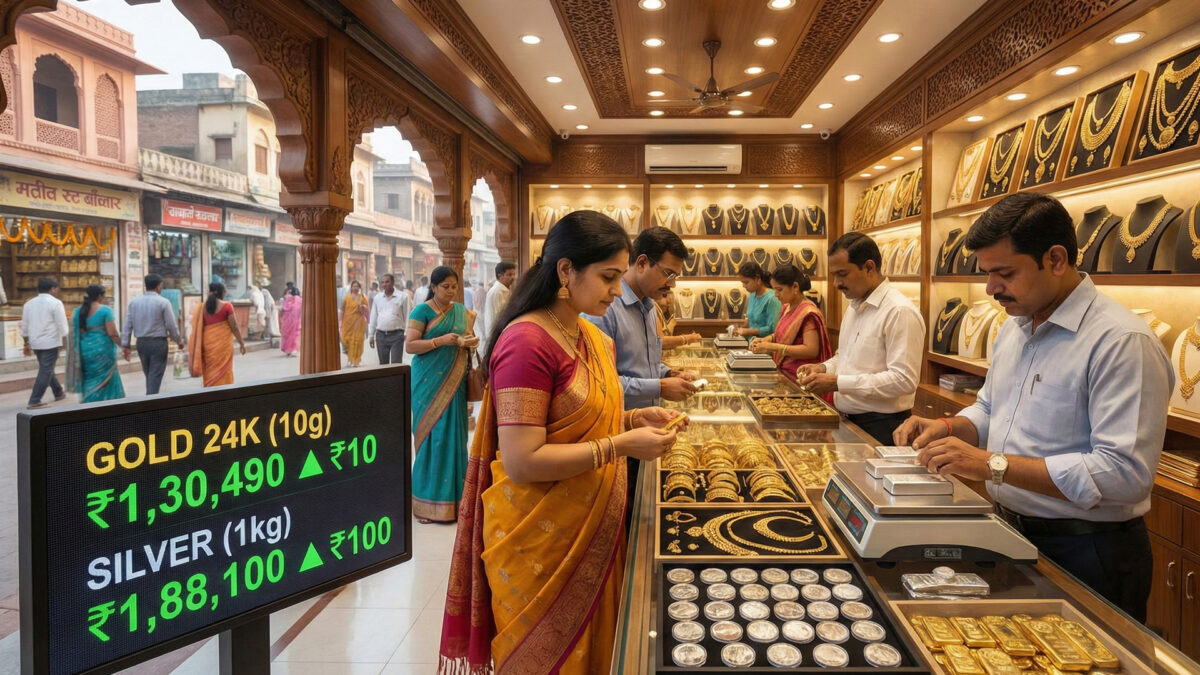
Gold at ₹1,36,190 per 10g, Silver slips to ₹2,39,900/kg

Gold and silver prices in India saw a mild decline on Wednesday, the final trading day of the year. According to market data, the price of 24-carat gold fell by ₹10, settling at ₹1,36,190 per 10 grams. 22-carat gold also eased by the same margin and was priced at ₹1,24,840 per 10 grams.

Silver prices declined more sharply, dropping by ₹100 to trade at ₹2,39,900 per kilogram.

Prices across major cities reflected similar trends. In Mumbai and Kolkata, 24-carat gold was quoted at ₹1,36,190 per 10 grams, while Delhi rates were slightly higher. Chennai continued to see marginally elevated prices compared to other metros.

The modest fall in gold and silver prices comes as global markets remain cautious, with investors adjusting positions ahead of the year-end. Experts say the small dip is largely technical and does not indicate any major shift in demand.

For buyers, the softer rates may offer a short-term opportunity, especially as precious metals continue to remain firm overall due to ongoing global uncertainties.

Also Read: Sensex gains 250 points, Nifty ends above 26000

Categories
Beyond

HAL flies Dhruv NG for first time

India’s civil aviation sector received a boost as Hindustan Aeronautics Limited (HAL) conducted the maiden flight of its Advanced Light Helicopter Dhruv New Generation (NG) in Bengaluru. The successful flight marks a major step forward in the development of indigenous rotary-wing platforms for civilian use.

The inaugural flight was flagged off by Union Civil Aviation Minister Ram Mohan Naidu, underlining the government’s support for domestically designed and manufactured aircraft. The event was witnessed by senior HAL officials and engineers involved in the helicopter’s development.

The Dhruv NG is a multi-role, twin-engine helicopter designed to meet the requirements of India’s civil and utility aviation sectors. Weighing 5.5 tonnes, it has been developed to handle diverse missions while offering modern technology, enhanced safety and improved passenger comfort.

One of the key upgrades in the Dhruv NG is the use of twin Shakti 1H1C engines, which deliver better performance and allow easier maintenance within the country. The helicopter features a fully civil-certified glass cockpit with a modern avionics suite, improving operational efficiency and reducing pilot fatigue. Additional safety systems include crashworthy seating and self-sealing fuel tanks.

The helicopter’s performance capabilities include a top speed of around 285 kmph, an operational range of approximately 630 km, and an endurance of nearly four hours. It can operate at altitudes of up to 6,000 metres and carry an internal payload of around 1,000 kg, making it suitable for demanding environments.

The Dhruv NG’s cabin can be configured for various roles. It can carry up to 14 passengers, while VIP and VVIP layouts offer spacious seating for four to six occupants. In the air ambulance configuration, it can carry four stretchers along with doctors and medical equipment.

HAL said the Dhruv NG is intended for emergency medical services, offshore logistics, disaster management, law enforcement and executive transport. The successful maiden flight highlights India’s growing capabilities in civil helicopter design and manufacturing, and strengthens HAL’s presence in the global civilian rotorcraft market.

Also Read: OpenAI offers Rs 5 crore AI safety job

Categories
Beyond

DAC clears Rs 79,000 cr defence upgrade

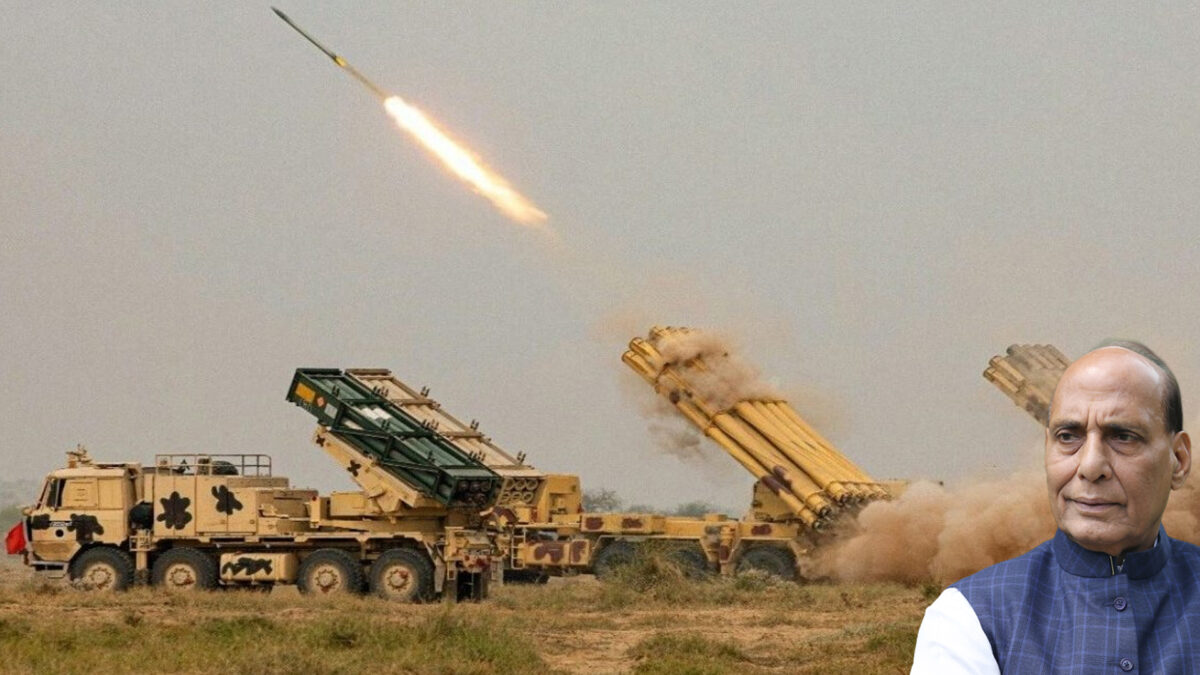
The Defence Acquisition Council (DAC), headed by Defence Minister Rajnath Singh, has cleared proposals worth Rs 79,000 crore for modernising India’s military forces. The approvals, given on December 29, 2025, cover a wide range of advanced equipment for the Army, Navy, and Air Force, boosting precision strike, surveillance, air defence, and counter‑drone capabilities.

For the Indian Army, key procurements include loiter munition systems to conduct targeted strikes, low‑level lightweight radars to detect small drones, long-range guided rockets for the Pinaka missile system, and the Integrated Drone Detection & Interdiction System Mk‑II to secure strategic areas.

The Indian Air Force will receive Astra Mk‑II beyond‑visual-range air-to-air missiles with extended reach, SPICE‑1000 precision guidance kits, as well as full mission simulators and automatic take-off and landing recording systems to enhance pilot training and safety.

The Indian Navy will benefit from bollard pull tugs for port operations, high-frequency software-defined manpack radios for secure communication, and lease extensions for high-altitude long-endurance drones to maintain maritime surveillance.

While the DAC’s Acceptance of Necessity (AoN) approval marks the first step in procurement, final contracts will follow detailed negotiations. These acquisitions are part of India’s broader defence modernisation drive, aimed at strengthening operational readiness and technological edge amid evolving regional security challenges.

Defence analysts say the move demonstrates India’s intent to equip its forces with state-of-the-art technology, reduce dependence on imports over time, and enhance both offensive and defensive capabilities across land, air, and sea domains.

The Rs 79,000 crore package reflects the government’s push for a balanced mix of indigenous and imported systems, ensuring quicker deployment and strategic flexibility. This marks one of the largest single approvals for defence hardware in recent years, underlining the country’s commitment to modernising its armed forces and addressing emerging threats efficiently.

Also Read: Geoffrey Hinton warns 2026 could trigger major AI job shock

Categories
Beyond

India’s rare earth reserves high, production still low

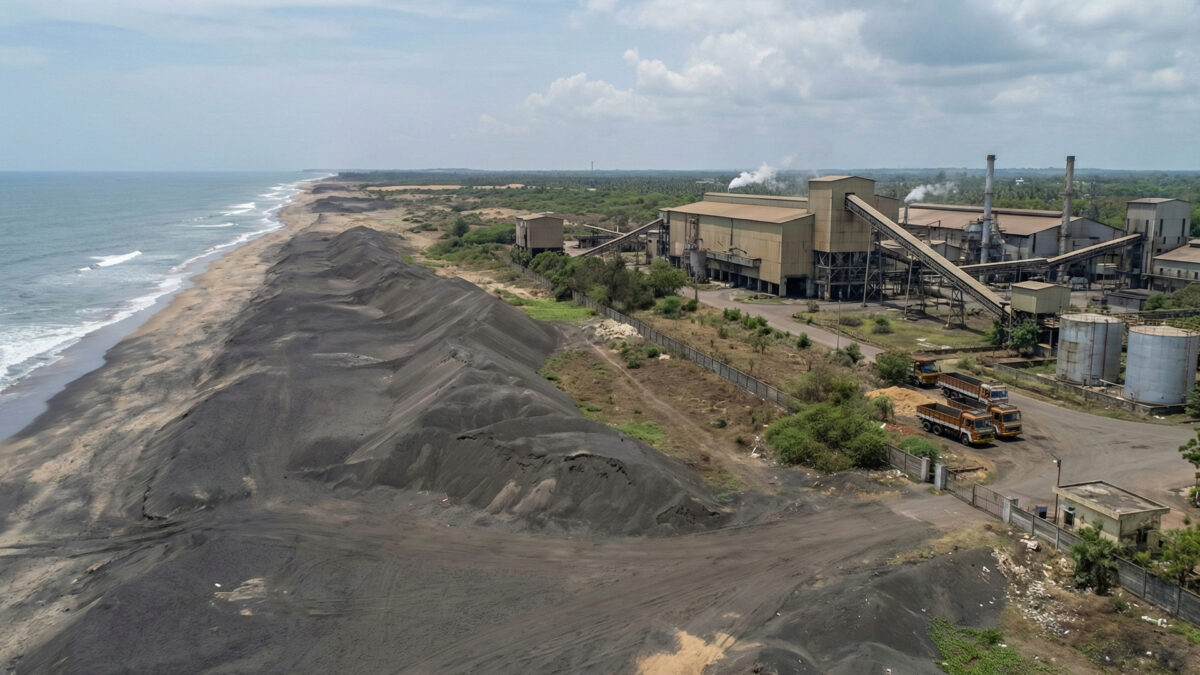
India ranks third globally in rare earth reserves, with approximately 6.9 million tonnes of rare earth oxides (REO), trailing only China and Brazil. Despite this, the country’s actual production is extremely low, highlighting a wide gap between its resource potential and output.

In 2024, India produced just 2,900 tonnes of rare earth elements (REEs), placing it seventh in global production rankings, far behind China, which produced about 270,000 tonnes, and the United States at roughly 45,000 tonnes. Other moderate producers include Myanmar, Australia, Thailand, and Nigeria, each producing around 13,000 tonnes. India’s global share in rare earth production is below 1%, despite accounting for 6–7% of global reserves.

The report identifies several factors behind this underperformance. Most of India’s reserves are in monazite-rich coastal sands, which contain thorium, a radioactive element. This has led to strict regulatory controls, slowing exploration and extraction. Historically, rare earth mining was largely conducted by Indian Rare Earths Limited (IREL), where rare earths were treated as by-products rather than strategic resources, limiting focused development.

Another major constraint is processing capacity. Global rare earth refining is dominated by China, which controls around 90% of processing capacity, particularly for heavy rare earths used in advanced technologies. India lacks sufficient processing infrastructure, meaning most extracted material cannot be refined domestically. This dependence on imports limits value addition and prevents India from establishing a complete REE value chain.

Some steps are being taken to improve the situation. For instance, a Japan-linked joint venture in Visakhapatnam aims to develop rare earth processing capabilities. However, industry experts note that progress remains slow.

Analysts emphasize that without regulatory reform, investment in refining, and a comprehensive domestic value chain, India will continue to underutilize its large reserves. Unlocking the potential of rare earths is seen as crucial for India’s technological self-reliance and competitiveness in global high-tech industries, including electric vehicles, renewable energy, and electronics.

Also Read: BEL bags Rs. 569 cr defence orders

Categories
Beyond

2026 shows Gold near ₹1.5 lakh, Silver at $70

Gold and silver, which witnessed an unprecedented rally in 2025, are expected to remain firm in 2026, supported by strong global demand and favourable macroeconomic trends. Market experts believe that while prices may not rise at the same pace as this year, the broader outlook for precious metals continues to be positive.

In 2025, gold prices surged over 70 per cent globally, while silver recorded an even sharper rise of nearly 170 per cent, hitting multiple record highs. Domestic prices in India also moved sharply higher, driven by global cues, currency movements and strong investment demand. The rally was fuelled by geopolitical uncertainty, rising global debt, heavy central bank buying, and increased interest in safe-haven assets.

Looking ahead to 2026, analysts expect gold prices in India to move towards ₹1.5 lakh per 10 grams over the medium term. Globally, gold may trade at elevated levels as central banks continue to diversify reserves and investors seek protection against economic and geopolitical risks. Expectations of interest rate cuts by major central banks could further support prices.

Silver is also expected to stay strong, backed by both investment and industrial demand. The metal’s use in solar power, electric vehicles and electronics is rising steadily, which could keep demand robust. Price forecasts suggest silver could trade in the range of $48 to $70 per ounce, with chances of sharper moves if industrial activity improves.

However, experts caution that volatility is likely after such a steep rally. Factors such as a stronger US dollar, higher real interest rates, or improving risk appetite in equity markets could lead to short-term corrections. Analysts advise investors to view any price dips as opportunities for long-term accumulation rather than signs of a trend reversal.

Also Read: Sensex drops 346 points, Nifty 25,942

Categories
Beyond

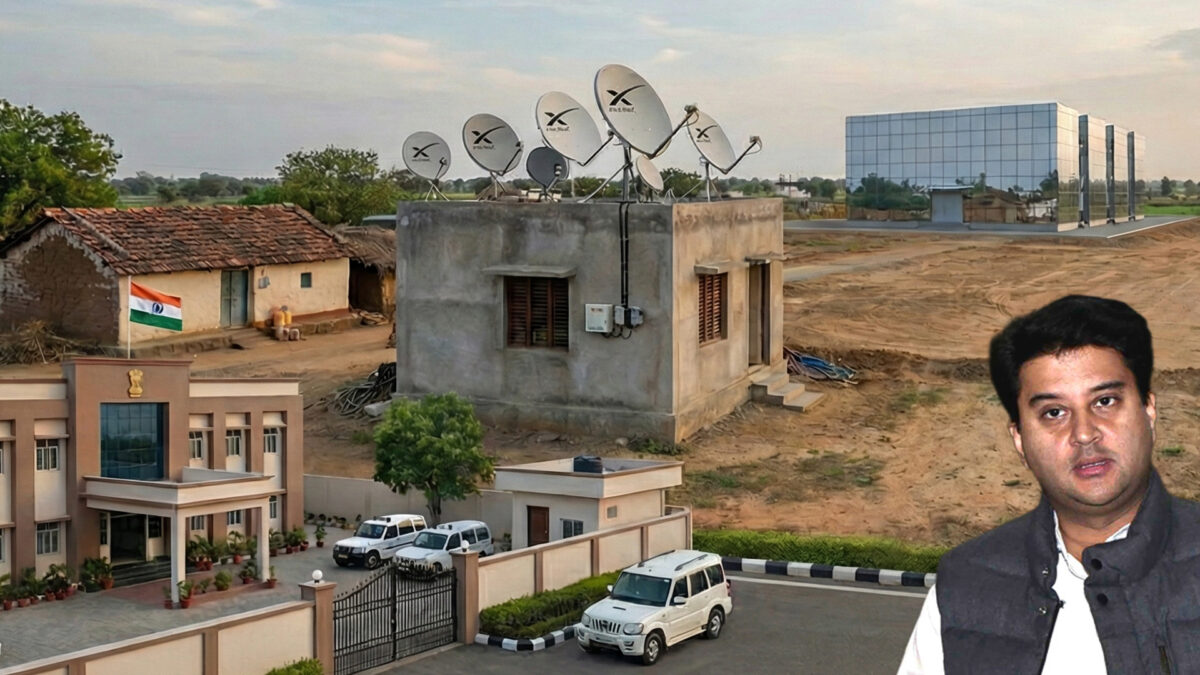
Scindia flags security, pricing delays in satellite internet rollout

Satellite internet services in India have not yet begun commercial operations due to pending security approvals and unresolved spectrum pricing, Union Telecom Minister Jyotiraditya Scindia has said.

Companies such as Starlink, OneWeb and Jio Satellite Global Services have already received licences to operate in the country. However, Scindia clarified that services can start only after all regulatory and security conditions are fully met.

The minister said satellite communication companies must demonstrate compliance with national security norms. These include setting up lawful interception systems for security agencies, ensuring secure handling of Indian user data, and establishing approved international gateways. Security agencies must be satisfied with these arrangements before giving the final clearance.

To support this process, the government has allotted provisional spectrum to the companies so they can test their systems and prove compliance. Final spectrum allocation will be granted only after security requirements are fulfilled.

Another key factor delaying the launch is spectrum pricing. The Department of Telecommunications and the Telecom Regulatory Authority of India are still discussing the pricing framework for satellite internet services. Issues such as the method of charging spectrum fees and the overall cost structure are yet to be finalised.

Differences between the regulator and the department on certain pricing elements have slowed the decision-making process. The final pricing policy is expected to be cleared by senior government bodies, including the Digital Communication Commission and, if required, the Cabinet.

Scindia said the government is keen to promote satellite internet services, especially for improving connectivity in remote and underserved regions. However, he stressed that security and regulatory safeguards remain a priority.

Once security clearances are completed and spectrum pricing is approved, satellite internet services are expected to be rolled out in a phased manner across India.

Also Read: Zepto IPO to test quick‑commerce profitability

Categories
Beyond

Rupee slides to 89.95 against US Dollar

The Indian rupee weakened 5 paise in early trade on Monday, slipping to 89.95 against the US dollar. The decline continues the recent soft trend, largely driven by foreign portfolio investor (FPI) outflows.

At the interbank foreign exchange, the rupee opened at 89.95 per dollar, slightly lower than Friday’s close of 89.90. Traders noted that continued selling of Indian equities by foreign investors has put downward pressure on the currency, even as domestic stock markets opened modestly higher.

Analysts say foreign investor sentiment will be a key factor for the rupee in the near term. A return of foreign capital into Indian equities could help stabilize the currency, which remains weaker among emerging market currencies.

Global factors are also influencing the rupee. The dollar index was marginally lower, while rising Brent crude prices added pressure. On the domestic front, the Reserve Bank of India (RBI) continues to monitor the market and use liquidity tools to prevent sharp currency swings.

Overall, the rupee’s performance reflects cautious sentiment ahead of year-end, with thin trading volumes, continued fund outflows, and mixed global cues contributing to the early decline.

Also Read: Gold ₹1,41,210, Silver ₹2,50,900 in early trade

Categories
Beyond

Gold ₹1,41,210, Silver ₹2,50,900 in early trade

Gold prices edged slightly lower in early trade on Monday. The price of 24-carat gold fell by ₹10 to ₹1,41,210 per 10 grams, while 22-carat gold also dipped by ₹10 to trade around ₹1,29,440 per 10 grams in major Indian cities.

Silver prices also softened, declining by ₹100 to ₹2,50,900 per kilogram in key markets including Delhi, Mumbai, and Kolkata. In Chennai, however, silver continued to trade at higher levels at ₹2,73,900 per kilogram.

The mild decline in domestic prices is attributed to profit-booking after recent highs, even as international markets remain supportive. Globally, gold prices eased slightly after touching record levels, while silver prices stayed firm on strong industrial demand and expectations of interest-rate cuts by the US Federal Reserve.

Market participants said precious metals may continue to witness short-term fluctuations, but overall sentiment remains positive due to global economic uncertainties and sustained investor interest.

Also Read: Sensex falls over 100 points, Nifty below 26,050 at open

Categories
Beyond

DGCA submits probe report on IndiGo disruptions

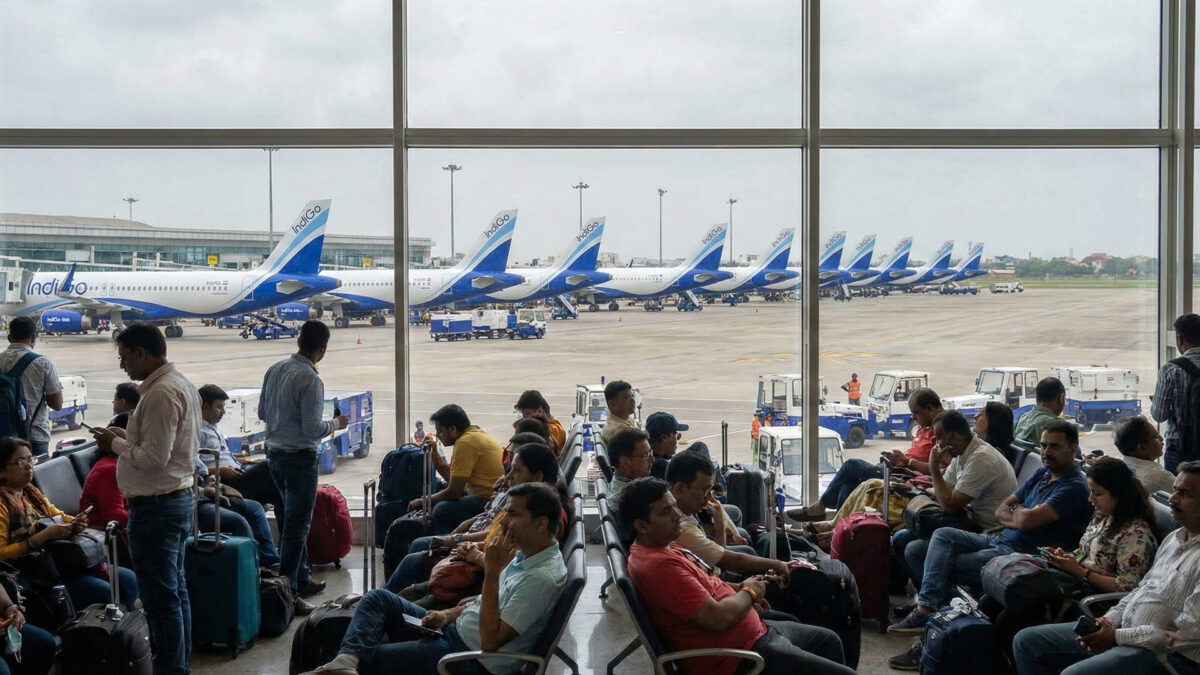
The Directorate General of Civil Aviation (DGCA) has submitted its investigation report into the recent large-scale flight disruptions at IndiGo to the Ministry of Civil Aviation. The report follows weeks of scrutiny after thousands of passengers were affected by widespread cancellations and delays across the airline’s domestic network earlier this month.

A four-member committee was set up by the aviation regulator on December 5 to examine what led to the operational breakdown. The panel reviewed IndiGo’s crew planning systems, roster management, compliance with revised Flight Duty Time Limitation (FDTL) norms, and overall preparedness for schedule changes during the busy travel season. The findings of the report have been kept confidential while the government studies the recommendations.

IndiGo, India’s largest airline by market share, faced severe disruption when a large number of flights were cancelled within a short period, followed by prolonged delays over several days. The airline informed the regulator that challenges in forecasting pilot and cabin crew availability, along with training and rostering gaps, contributed to the crisis. These issues reportedly escalated after new duty time rules came into force.

In response to the situation, the DGCA had earlier ordered a temporary reduction in IndiGo’s winter schedule and issued show-cause notices to senior executives, including top management, seeking explanations for the failures. The regulator also stressed that airlines must ensure full operational readiness before implementing schedule expansions.

With the probe report now submitted, officials have indicated that strict action could follow. Possible measures include financial penalties, tighter regulatory oversight, and directions to strengthen internal systems to prevent recurrence. The government has signalled that accountability will be enforced to protect passenger interests and ensure operational discipline.

Also Read: Gujarat Kidney IPO subscribed 5×, allotment due