Categories
Corporate

L&T wins ₹5,000 crore Odisha coal project

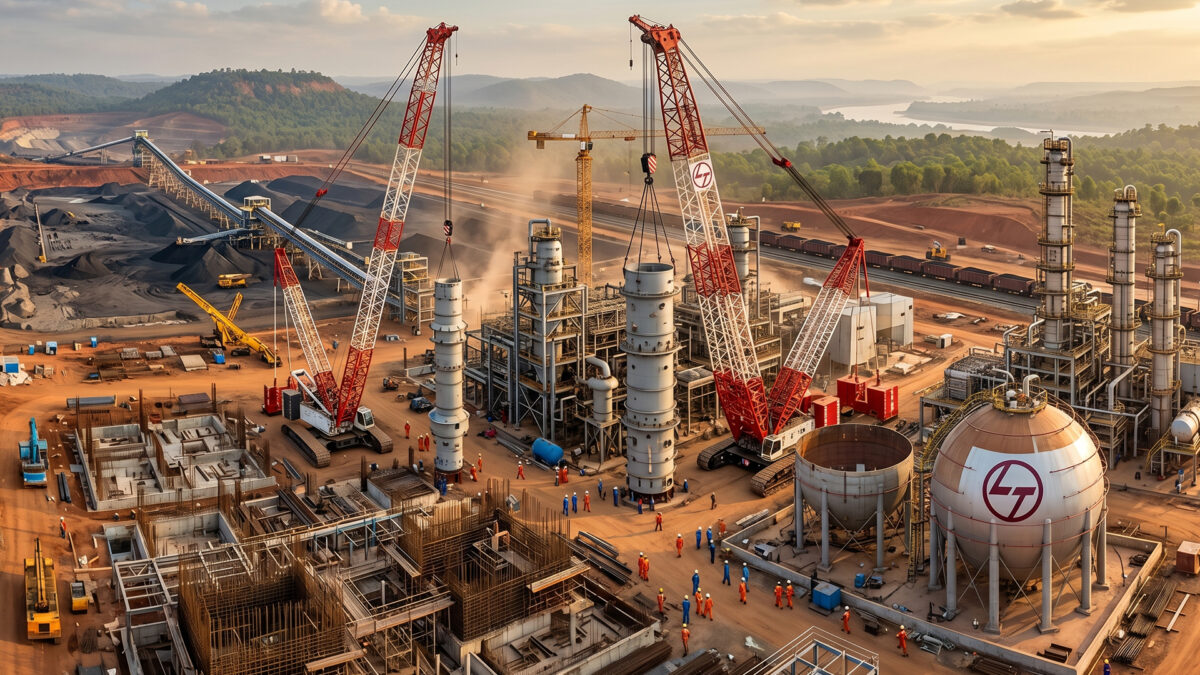
Larsen & Toubro (L&T) has secured a major engineering, procurement and construction (EPC) contract worth up to ₹5,000 crore to develop a coal-to-ammonium nitrate facility in Odisha.

The contract has been awarded by Bharat Coal Gasification and Chemicals Ltd (BCGCL), a joint venture between Coal India Ltd and Bharat Heavy Electricals Ltd (BHEL). The project involves setting up an integrated plant with a production capacity of around 2,000 tonnes per day of ammonium nitrate.

The facility will convert coal into ammonium nitrate, a key industrial chemical used in mining and infrastructure sectors. L&T will execute the project on a lump-sum turnkey basis, covering design, engineering, procurement, construction, commissioning, and performance testing.

The scope of work also includes allied facilities such as nitric acid production units, forming a part of the integrated chemical complex.

Officials said the project supports India’s broader coal gasification programme, aimed at reducing dependence on imported chemicals while utilising domestic coal resources more efficiently. The initiative is part of the government’s push to promote coal-to-chemicals conversion for industrial use.

Coal gasification projects are seen as strategic for India’s energy and industrial sectors, as they help produce value-added products like fertilisers and industrial inputs from domestic coal.

L&T said the order strengthens its position in large-scale industrial and energy infrastructure projects and highlights its capabilities in executing complex chemical plant developments.

Also Read: Reliance Jamnagar refinery units shut for upkeep

Categories
Leaders

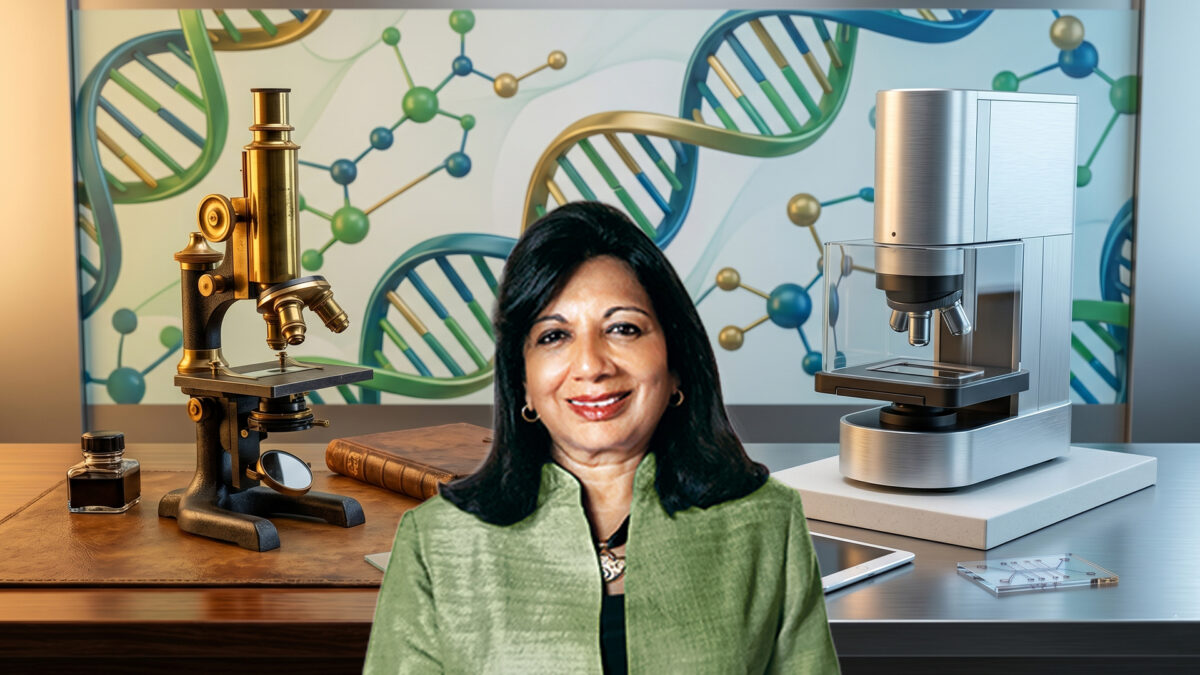
Kiran Mazumdar-Shaw names niece successor at Biocon

Biocon founder and chairperson Kiran Mazumdar-Shaw has announced a structured succession plan for the biotechnology major, naming her niece Claire Mazumdar as her eventual successor. The transition marks a significant leadership shift at one of India’s leading biopharmaceutical companies, while also ensuring continuity in its long-term vision.

According to reports, Mazumdar-Shaw has outlined a phased leadership transfer over the next five years. Under the plan, Claire Mazumdar will gradually move through key leadership positions—starting from a board-level role, progressing to vice-chair, and eventually taking over as chairperson of Biocon.

Mazumdar-Shaw clarified that she is not stepping down immediately and will continue to remain actively involved in the company’s operations during the transition period. She emphasized that the succession is designed to be gradual and structured to maintain stability within the organisation.

Claire Mazumdar currently serves as the founder and chief executive officer of Bicara Therapeutics, a cancer-focused biotechnology company that was incubated with early support from Biocon. The firm is also listed in the United States. She is expected to bring her global biotech and oncology expertise into Biocon’s next phase of growth.

Claire’s academic and professional background has also been highlighted in reports. She holds advanced degrees in cancer biology and has experience working in biotech venture creation and strategic leadership roles. Her appointment is being seen as a continuation of Biocon’s science-driven leadership approach.

Biocon, founded by Kiran Mazumdar-Shaw in 1978, has grown into a global biosimilars leader with a strong presence in international markets. The company operates in complex biologics and biosimilars used in treatments for diseases such as cancer, diabetes, and autoimmune disorders.

The succession plan reflects Mazumdar-Shaw’s intent to preserve the company’s legacy while preparing for future growth in biotechnology and life sciences. It also signals a carefully managed generational transition within one of India’s most prominent biotech firms.

Also Read: Coinbase to cut 14% jobs as AI reshapes operations

Categories
1 Minute-Read

NSE posts 8% rise in Q4 profit to ₹2,871 cr

The National Stock Exchange (NSE) reported an 8% year-on-year rise in consolidated net profit to ₹2,871 crore for the March quarter, compared to ₹2,650 crore a year earlier. Revenue from operations jumped 32% to ₹4,968 crore, driven by higher trading volumes in equity and derivatives segments.

Transaction charges remained the biggest revenue source, supported by strong market activity. The board has recommended a dividend of ₹35 per share for FY26, subject to approval.

The results highlight steady growth in profitability and trading activity, reflecting continued investor participation in India’s capital markets.

Categories
Corporate

Coinbase to cut 14% jobs as AI reshapes operations

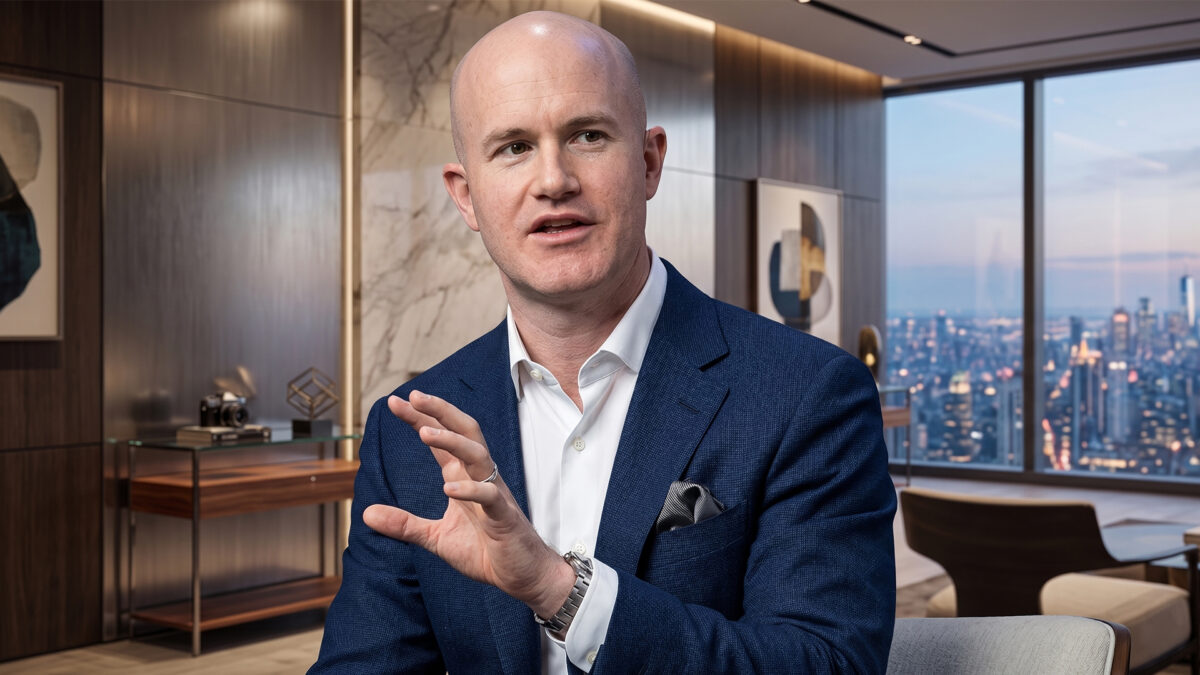
Coinbase, one of the world’s largest cryptocurrency exchanges, has announced it will reduce its global workforce by around 14%, affecting approximately 700 employees. The decision comes as the company restructures its operations to adapt to both ongoing crypto market volatility and the rapid rise of artificial intelligence (AI) in software development.

According to company statements and regulatory filings, Coinbase is aiming to make its operations leaner and more efficient while positioning itself for what it calls an “AI-native” future. The layoffs are expected to cost the company between $50 million and $60 million in severance and related expenses.

CEO Brian Armstrong said the company is responding to two major forces: a prolonged downturn in crypto markets and significant productivity gains driven by AI tools. He noted that engineers and other teams are now able to complete tasks in days that previously required weeks, as AI increasingly automates coding, design, and operational workflows.

As part of the restructuring, Coinbase plans to simplify its organisational structure by reducing management layers and increasing the responsibilities of remaining leaders. The company is also exploring smaller, highly efficient teams where AI tools assist employees in handling multiple roles, such as engineering, product design, and management functions.

Armstrong has described this shift as a move toward “AI-native teams,” where human workers are supported by automation to improve speed and output. The company believes this approach will help it stay competitive in a rapidly changing industry while controlling costs.

Despite the layoffs, Coinbase’s stock rose after the announcement, reflecting investor confidence in its restructuring strategy. The company stated that the changes are part of a long-term effort to improve efficiency rather than a short-term cost-cutting exercise alone.

Also Read: NSE launches electronic gold receipts system

Categories
Beyond

NSE launches electronic gold receipts system

The National Stock Exchange (NSE) has introduced Electronic Gold Receipts (EGRs) to modernise India’s gold market and bring more transparency to trading.

Under the system, physical gold stored in SEBI-approved vaults is converted into electronic receipts. Each EGR represents ownership of a fixed quantity of gold and is fully backed by real, stored metal. These receipts can be bought and sold on the exchange, similar to shares.

NSE says the aim is to shift gold trading from a largely physical and unorganised system to a regulated digital platform. This will improve price discovery, reduce dependence on physical handling, and make transactions more efficient.

Investors will also be able to convert EGRs back into physical gold when needed. This flexibility is expected to attract both retail and institutional participants, including jewellers and traders.

The exchange demonstrated the system by converting a 1 kg gold bar into an electronic receipt. Officials said the move will help standardise gold trading, improve liquidity, and ensure better transparency in pricing and purity.

India has a large gold market, but most trading has traditionally been physical and outside formal financial systems. With EGRs, regulators aim to bring more of this trade into a structured exchange-based framework.

Also Read: Freshworks cuts 11% jobs as AI handles more coding

Categories
Beyond

Freshworks cuts 11% jobs as AI handles more coding

Freshworks has announced layoffs affecting about 11% of its global workforce, or roughly 500 employees, as the company shifts more of its operations toward artificial intelligence.

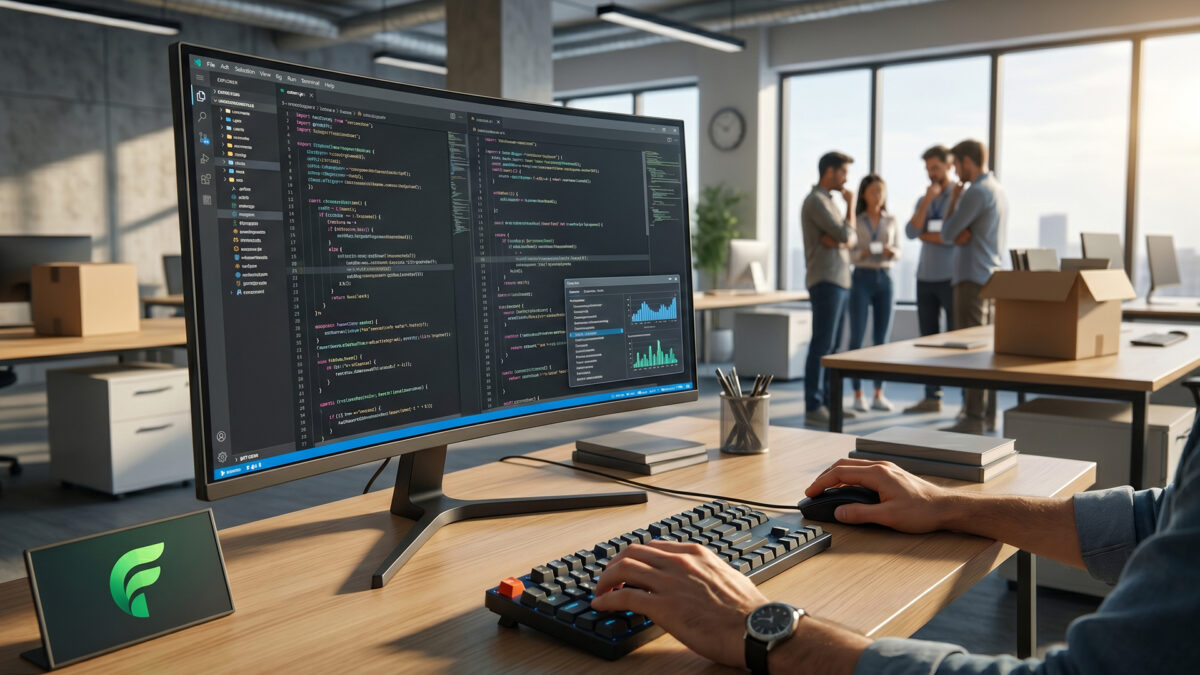
The SaaS company said the restructuring is part of its effort to adapt to rapid AI-driven changes in software development. Freshworks CEO Dennis Woodside noted that AI tools are now responsible for writing more than half of the company’s code, reducing the need for some engineering and support roles.

The job cuts will impact teams across multiple regions, including India and the United States. The company expects the restructuring to simplify operations and reduce costs, with savings being redirected toward growth areas such as its enterprise IT service management products.

Freshworks also reported steady revenue growth of around 16% in its latest quarter, though earnings slightly missed expectations. It has projected continued revenue growth in the coming quarter, signalling confidence in demand for its software solutions despite the restructuring.

The company estimates restructuring costs of around $8 million related to the layoffs.

Also Read: Zee sues Nykaa over alleged Instagram music copyright misuse

Categories
Beyond

Zee sues Nykaa over alleged Instagram music copyright misuse

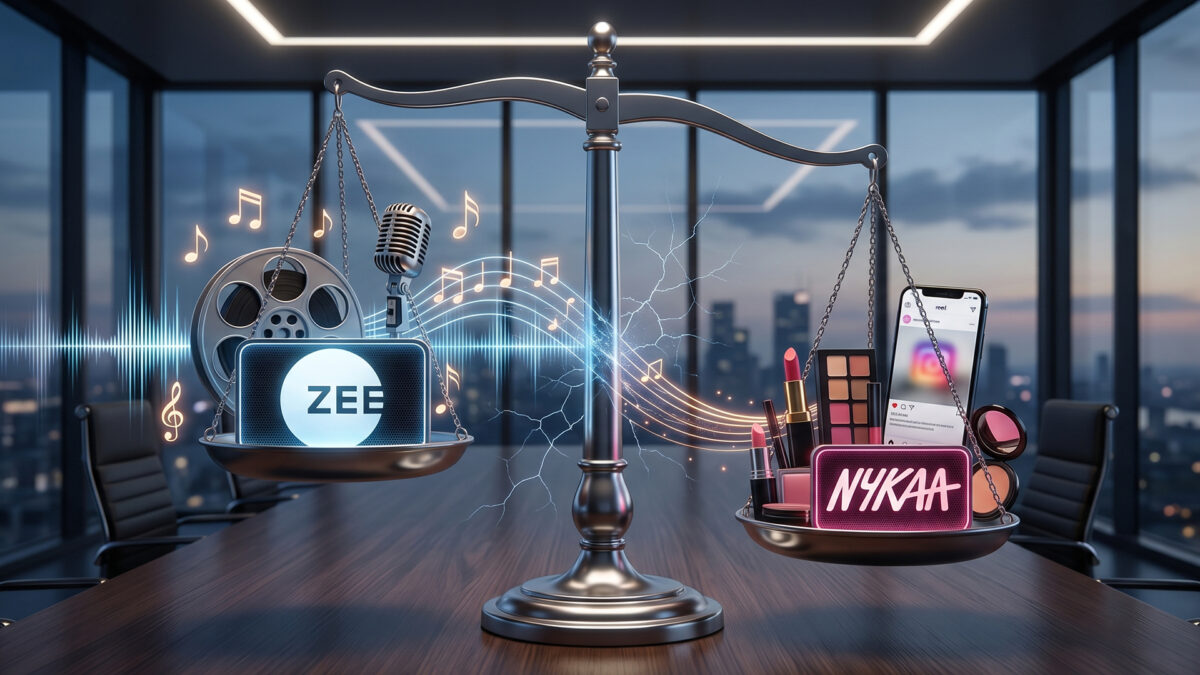
Zee Entertainment has filed a copyright infringement case against Nykaa, accusing the beauty and fashion retailer of using its copyrighted songs without permission in Instagram promotional reels.

According to Zee’s petition in the Delhi High Court, several Nykaa marketing videos used Zee-owned music tracks to promote products on social media. Zee argues that while Instagram users can access its music through platform licensing with Meta, commercial brands must obtain separate permissions for advertising use.

The complaint identifies around a dozen reels where the songs were allegedly used without authorization. Zee is seeking damages of about $210,000 (approximately ₹2 crore) and has also requested broader court protection to prevent future misuse of its music in advertising content.

Nykaa informed the court that it has already removed the disputed reels after receiving notice of the claim. However, Zee maintains that removal alone is not enough and is pushing for stronger safeguards against repeated violations.

The dispute highlights increasing legal tension around the use of copyrighted music in short-form digital advertising, especially on platforms like Instagram where music is easily integrated into promotional content.

The case is ongoing in the Delhi High Court.

Also Read: Tata Trust rift deepens as two trustees exit

Categories
Leaders

Tata Trust rift deepens as two trustees exit

A disagreement within Tata Trusts has led to two senior trustees, Venu Srinivasan and Vijay Singh, stepping down from the Tata Education and Development Trust (TEDT). Their exit follows a vote against their reappointment by fellow trustee Mehli Mistry, which prevented their continuation.

Both Srinivasan, who is chairman emeritus of TVS Motor, and Singh, a former bureaucrat, were due for reappointment. However, under trust rules, all trustees must agree unanimously for such decisions. With one vote against them, their renewal did not go through, leading to their exit from May 11.

TEDT is part of the broader Tata Trusts structure, which oversees major philanthropic and educational initiatives and also plays an important role in the governance of Tata Sons. The development highlights internal differences within the group’s top decision-making circle.

The vote by Mehli Mistry proved to be the deciding factor. While the reasons for disagreement have not been made public, the outcome reflects differing views among trustees on appointments and governance matters.

The timing of the exits is also important, coming just ahead of a scheduled Tata Trusts board meeting. The meeting is expected to focus on governance issues and board structure, and the recent developments are likely to be part of those discussions.

Venu Srinivasan has been a long-standing figure in the Tata ecosystem and also serves as vice-chairman of Tata Trusts. His departure from TEDT raises questions about whether there will be any impact on his other roles within the group.

The situation points to growing differences within the Trusts, which have traditionally operated with a strong sense of unity. In recent months, however, internal discussions around decision-making and appointments have become more visible.

Also Read: Apple settles $250mn case over Siri AI delays

Categories
Beyond

Apple settles $250mn case over Siri AI delays

Apple has agreed to pay $250 million to settle a lawsuit over delays in rolling out its much-talked-about Siri artificial intelligence features. The case came after the company promoted its “Apple Intelligence” tools as part of new iPhone launches but failed to deliver some key features on time.

The issue goes back to 2024, when Apple introduced its next-generation AI plans, promising a smarter, more personalised Siri experience. These features were expected to be available with newer iPhones, including the iPhone 16 and some iPhone 15 models. However, when the devices reached users, many of the advanced capabilities were either missing or only partly available.

This led to complaints that Apple had created expectations it could not meet at launch. The lawsuit claimed that customers were misled into believing the features were ready, influencing their decision to buy the devices.

Apple has agreed to settle the case but has not admitted any wrongdoing. The company said it chose to resolve the matter to avoid a long legal process and to focus on improving its products. The settlement still needs approval from a US court before it becomes final.

The payout will cover millions of devices sold in the United States during the period when the features were advertised but not fully available. Eligible users may receive compensation, though the exact amount will depend on how many claims are filed.

The case has also drawn attention to how tech companies present new AI features. Regulators have raised concerns about marketing language that may suggest products are ready before they are fully rolled out.

Also Read: Vi names Kumar Mangalam Birla as non-executive Chairman

Categories
Corporate

Sensex surges 900 points, Nifty climbs past 24,300

The stock market bounced back strongly on May 6, with both Sensex and Nifty posting sharp gains after a weak session a day earlier. The Sensex jumped nearly 900 points, while the Nifty moved above the 24,300 mark, reflecting improved investor confidence.

The recovery comes after markets had ended lower in the previous session, weighed down by global concerns. On Wednesday, sentiment turned positive as global cues improved and crude oil prices eased, reducing worries about inflation and rising costs.

Falling oil prices played a big role in lifting the mood on Dalal Street. Hopes of easing tensions in the Middle East helped bring prices down, which is good news for India as it imports a large share of its oil. Lower oil prices generally support the economy and help markets move higher.

From the opening bell, markets showed strength and continued to gain through the day. Banking, auto, and pharma stocks were among the main drivers of the rally, with broad-based buying seen across sectors.

Among the top performers, Dr Reddy’s Laboratories and Trent saw strong gains. Other stocks like Tata Motors and InterGlobe Aviation also moved higher. On the flip side, Larsen & Toubro and ONGC were among the few stocks that slipped during the session.

Global markets also supported the rally, adding to the positive mood. A stable rupee and steady corporate earnings further helped markets maintain their upward momentum.

Experts say the rebound shows that investors are still willing to buy on dips, especially when global conditions improve. However, they also caution that markets may remain volatile in the near term due to ongoing geopolitical uncertainties and changes in oil prices.

Also Read: IMF warns Iran conflict could hurt global economy