Categories
Corporate

Sensex rises 650 points, Nifty tops 25,680

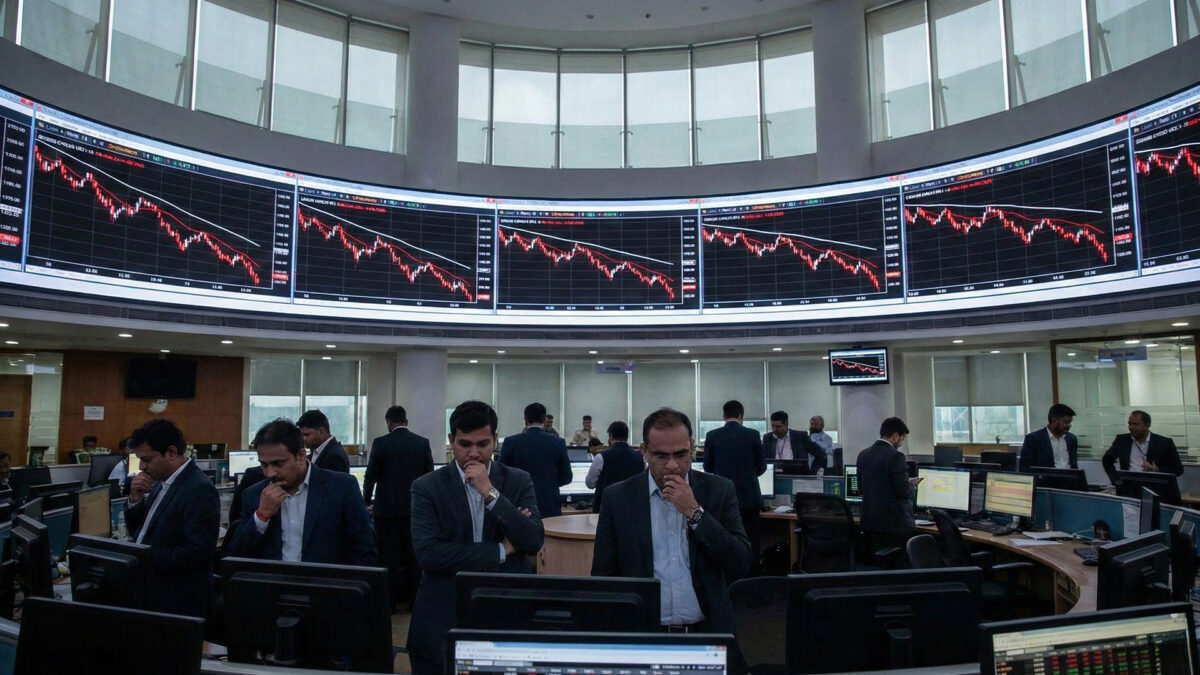
Markets rebounded sharply on Monday, the BSE Sensex surged 650.39 points to close at 83,277, while the NSE Nifty50 gained 211.65 points to settle at 25,683, marking a strong recovery in key benchmark indices.

The rally was largely led by banking, energy, and realty stocks, which drew significant buying interest. Private and public sector banks, including HDFC Bank and SBI, emerged as the top gainers, along with Reliance Industries and NTPC in the energy segment. In contrast, some sectors, including automobiles and media, recorded muted gains or small losses, with Maruti, Tata Motors, and Zee among the top laggards.

Analysts attributed Monday’s rebound to a combination of value buying after recent declines, positive sectoral movements, and improved investor sentiment.

Sectoral performance was broad-based, with FMCG, healthcare, and select industrial stocks also contributing to the market upswing. Power and realty stocks saw meaningful gains, reflecting renewed confidence among investors following a two-day slump.

The strong close added roughly ₹3 lakh crore to overall market capitalization, signaling a recovery in investor confidence. Broader markets mirrored this trend, with mid-cap and small-cap indices also ending the day in positive territory.

Global cues were mixed during the session, but domestic buying interest dominated trading sentiment, helping the markets snap their recent downward trend.

Also Read: Sensex falls over 100 points, Nifty slips below 25,450
Categories
Corporate

Fractal Analytics IPO opens softly, lists 3% below price

Fractal Analytics, one of India’s leading AI and advanced analytics companies, saw its shares enter the market on a subdued note on Monday, February 16, 2026. The stock opened at ₹876 on the NSE, around 3% below its ₹900 IPO price, while the BSE listing remained nearly flat.

The company raised ₹2,834 crore through its IPO, combining a fresh issue of ₹1,023 crore and an offer for sale of ₹1,810 crore from existing shareholders. Though the IPO was 2.66 times subscribed, most interest came from institutional investors, with retail participation being modest.

Market experts say the soft listing reflects caution over high valuations for AI-focused firms. While short-term gains may be limited, analysts see long-term potential for investors betting on the global growth of AI and analytics.

Founded in 2000, Fractal Analytics serves global clients across consumer goods, retail, healthcare, technology, and finance. In FY25, it reported revenue of ₹2,765 crore and a net profit of ₹220.6 crore, bouncing back from previous losses.

Proceeds from the IPO will fund U.S. expansion, R&D, debt repayment, and strategic growth initiatives, supporting the company’s ambition to strengthen its global footprint.

Also Read: OpenClaw creator Peter Steinberger joins OpenAI


Categories
Leaders

OpenClaw creator Peter Steinberger joins OpenAI

In a move that reflects the fast-evolving priorities of the global artificial intelligence industry, OpenClaw creator Peter Steinberger has joined OpenAI to help build the next generation of personal AI agents — systems designed to independently manage digital tasks for users and enterprises.

Announcing the development, OpenAI CEO Sam Altman described the hiring as part of the organisation’s long-term vision to move AI from conversational support to real-world execution. These emerging “agentic” systems are expected to handle workflows such as scheduling, customer interactions, software operations and service coordination, areas that business leaders see as the next major productivity leap.

Steinberger’s open-source project OpenClaw has, in a short time, become one of the most talked-about innovations in the developer ecosystem, drawing massive global engagement and crossing the 100,000-star mark on GitHub. Its rapid adoption signals a clear market appetite for AI that does more than generate content, AI that can act.

As part of the transition, OpenClaw will move into an independent foundation model with continued support from OpenAI. This structure is seen as a strategic balance between community-driven innovation and enterprise-scale deployment , a model increasingly favoured in deep-tech ecosystems.

For Steinberger, the decision was mission-led. While the platform had the potential to evolve into a high-value standalone company, he chose to align with a larger AI vision to accelerate real-world impact. The move also brings his product-building experience , from his earlier success with PSPDFKit, into one of the world’s most influential AI organisations.

For business and technology leaders, the significance lies in what comes next. Multi-agent AI frameworks, where specialised systems collaborate to complete complex tasks, are now moving from research to application. This has implications for enterprise automation, digital workforce transformation and new operating models.

Also Read: Bengaluru gets Nothing’s first India flagship outlet

Categories
Beyond

Press Note 3 review to speed up minor FDI deals

The Centre is considering a major policy tweak to Press Note 3 that could make it easier for small foreign investments from neighbouring countries to enter India. The move is aimed at reducing delays in funding, especially for startups and emerging businesses, without diluting national security safeguards.

Introduced in 2020, Press Note 3 made prior government approval mandatory for all foreign direct investments from countries sharing land borders with India. The rule was designed to prevent opportunistic takeovers during the pandemic. However, industry has since raised concerns that the blanket approval requirement has slowed even small and non-strategic investments.

Officials said the government is now examining a de-minimis threshold of a minimum investment value below which proposals may qualify for the automatic route. This would mean that low-value transactions and minority stake purchases would no longer need to go through lengthy approval processes.

The absence of such a distinction at present means that both large and small investments are subject to the same scrutiny, often leading to longer deal timelines and compliance hurdles. Startups in particular have felt the impact, as funding rounds involving investors with beneficial ownership links to neighbouring nations require multiple clearances.

The proposed change is part of a wider effort to improve India’s investment climate and make capital inflows faster and more predictable. Government sources indicated that strategic sectors and investments involving significant ownership or control will continue to be examined closely.

The policy review is currently being discussed across ministries, and detailed guidelines,  including the investment threshold and eligible sectors, are yet to be finalised.

Also Read: India AI Impact Summit greets skills, tech, leaders

Categories
Technology

India AI Impact Summit greets skills, tech, leaders

The India AI Impact Summit 2026 commenced in New Delhi today, 16th February, at Bharat Mandapam, positioning the country as a key convening ground for global artificial intelligence strategy, cross-border investment and enterprise technology collaboration.

The five-day event brings together government leaders, multinational technology firms, venture capital stakeholders, research institutions and high-growth startups to accelerate scalable and responsible AI deployment.

Prime Minister Narendra Modi will inaugurate the India AI Impact Expo, a large-format showcase featuring more than 600 startups and multiple international pavilions. The expo highlights production-ready AI use cases across healthcare, financial services, manufacturing, agriculture, mobility and public digital platforms, with a focus on real-world enterprise integration rather than experimental innovation.

Confirmed participation by global leaders including Ursula von der Leyen, Emmanuel Macron and Justin Trudeau underscores the growing alignment between AI policy, trade frameworks and supply-chain partnerships. Ministerial engagements and bilateral meetings are expected to prioritise semiconductor collaboration, trusted compute capacity, data governance standards and talent mobility.

For industry, the summit’s CEO roundtables and sector-focused tracks are centred on three strategic themes — workforce transformation, sustainable AI infrastructure and inclusive digital growth. Discussions are expected to translate into announcements around strategic alliances, R&D investments, innovation corridors and public–private partnerships.

The event also reflects India’s push to leverage its digital public infrastructure, deep developer base and expanding startup ecosystem to become a global AI development and deployment hub. With strong representation from venture funds and global system integrators, the platform is being viewed as a catalyst for capital deployment into India’s AI value chain.

Enhanced security protocols and traffic management measures have been implemented across central Delhi to ensure seamless movement of international delegations and business leaders.

From a corporate perspective, the summit signals a shift from policy intent to execution, with a clear emphasis on enterprise-scale adoption, future-ready skilling and long-term technology partnerships that can anchor India’s position in the global AI economy.

Also Read: Apple’s 6th India store to open in Borivali on Feb 26

Categories
Corporate

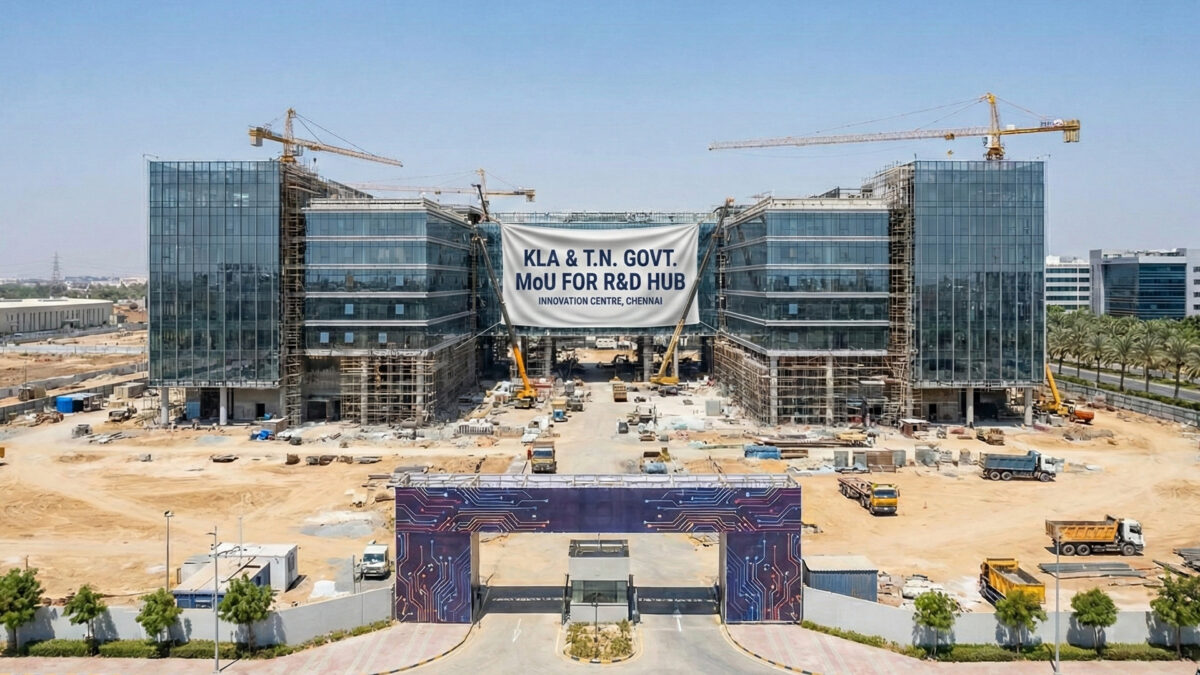
Tamil Nadu, KLA sign ₹3,600 cr R&D MoU in Chennai

The Tamil Nadu government has signed a Memorandum of Understanding (MoU) with US-based semiconductor equipment company KLA Corporation to set up a large research and development (R&D) and innovation campus in Chennai.

Under the agreement, KLA will invest up to $400 million (around ₹3,600 crore) over the next decade. The proposed campus will come up on about 12 acres and is planned to expand in phases, with the built-up area expected to eventually reach nearly 1.5 million square feet.

The MoU was signed in the presence of Chief Minister M. K. Stalin and Industries Minister T. R. B. Rajaa, along with senior government officials and representatives from KLA.

The upcoming facility is expected to generate up to 4,000 high-skilled jobs over the next 10 years. These roles will largely focus on advanced semiconductor research, software development, artificial intelligence (AI), high-performance computing, and engineering solutions that support chip manufacturing and process control.

Officials said the investment strengthens Tamil Nadu’s position in the global semiconductor value chain and reflects growing international confidence in the state’s industrial policies, infrastructure, and skilled talent pool. The government has been actively working to attract high-technology investments as part of its broader strategy to develop a strong electronics and semiconductor ecosystem.

KLA already has operations in Chennai, and the new campus will significantly expand its footprint in India. Company representatives said the proposed R&D and innovation centre will serve as a major hub for global engineering and AI-led semiconductor solutions, helping India play a larger role in advanced chip technologies.

The project is seen as a major step in boosting research-driven growth, high-value employment, and long-term technology development in the state.

Also Read: Reliance gets US permit to import Venezuelan oil

Categories
Corporate

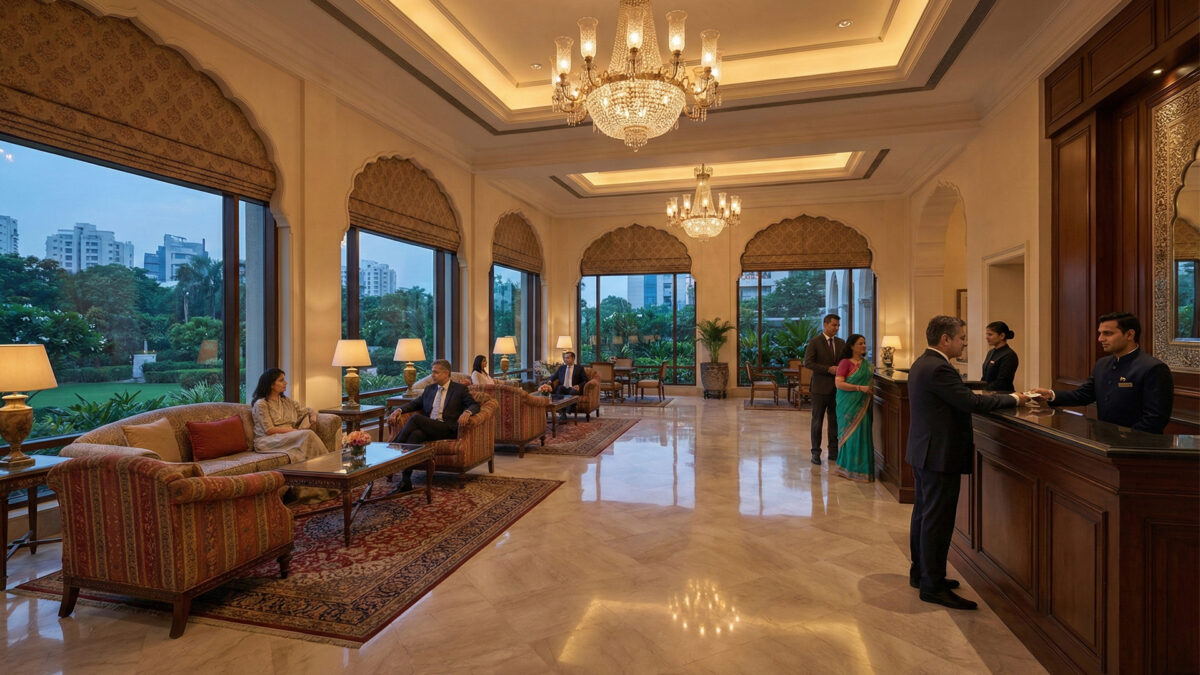
Indian Hotels reports ₹954 cr Q3 profit, ₹2,842 cr revenue

Shares of Indian Hotels Company Limited (IHCL) fell slightly on Friday, despite the company reporting robust financial performance for the third quarter (Q3FY26). The stock touched an intraday low of ₹683 on the National Stock Exchange, while the benchmark NSE Nifty50 index was down 0.91%. IHCL shares were trading around ₹703.55, with the company’s market capitalization exceeding ₹1 lakh crore.

IHCL posted a net profit of ₹954.2 crore in Q3FY26, up 50% from ₹635.2 crore in the same period last year. Revenue from operations grew 12.2% year-on-year, reaching ₹2,842 crore, supported by steady demand across hotel operations, airline and institutional catering, and emerging business segments. EBITDA rose 11.9% to ₹1,076 crore, with margins holding steady at 37.9%.

The hotel segment recorded its best quarterly EBITDA at ₹1,050 crore, while ongoing expansion initiatives, including acquisitions and partnerships, contributed to overall growth. IHCL continues to strengthen its presence in the hospitality sector, adding new properties and enhancing service offerings.

Analysts remain positive on the company’s outlook. Axis Securities noted that strong demand, ongoing expansion, and new business lines are expected to drive growth in the coming quarters. IHCL plans disciplined capital expenditure of around ₹1,000 crore, largely funded by internal accruals. The company aims to expand its portfolio to over 700 hotels by 2030, with emphasis on wellness, mid-market, and luxury segments.

Also Read: DGCA fines Air India ₹1 crore over safety

Categories
Beyond

DGCA fines Air India ₹1 crore over safety

The Directorate General of Civil Aviation (DGCA) has imposed a ₹1 crore fine on Air India after finding that one of the airline’s Airbus A320 aircraft operated eight passenger flights in November 2025 without a valid airworthiness permit. This permit is a mandatory certification that confirms an aircraft is safe and fit to fly. Operating flights without it is a serious breach of aviation safety rules.

The DGCA noted that such lapses erode public confidence in air travel safety, and emphasized that accountability rests with airline management. The regulator specifically held Air India CEO Campbell Wilson and other senior officials responsible for the oversight. The fine is required to be paid within 30 days, and the airline has been instructed to ensure strict compliance with all regulatory norms moving forward.

Air India has said that the issue was self-reported voluntarily and that corrective steps have already been implemented to prevent recurrence. The airline also stated that no safety incidents occurred during the eight flights in question.

This fine comes amid heightened scrutiny of Air India’s operations following a tragic Boeing crash last year that resulted in multiple fatalities. Aviation experts say the DGCA’s action underscores the importance of maintaining strict safety standards, especially as airlines expand their fleets and increase flight operations.

The DGCA’s investigation revealed that the lapse was primarily due to administrative oversight. While the aircraft itself remained mechanically sound, the absence of the formal airworthiness certificate constitutes a regulatory violation. Aviation authorities highlight that even minor paperwork lapses can undermine public trust and have legal consequences, which is why regulators are taking a firm stance.

The incident has sparked discussion in the industry about the need for stronger internal checks and robust monitoring systems within airlines. Experts suggest that airlines must reinforce both technical compliance and operational oversight to ensure that safety procedures are not compromised.

Air India’s management has assured passengers that safety remains its top priority and that measures have been strengthened to comply fully with DGCA guidelines. The fine, though significant, is seen by regulators as a corrective step rather than a punitive measure, aimed at reinforcing accountability and protecting passenger trust.

Also Read: Indian GCCs cut 6,000 jobs in 2025 amid global pressures

Categories
1 Minute-Read

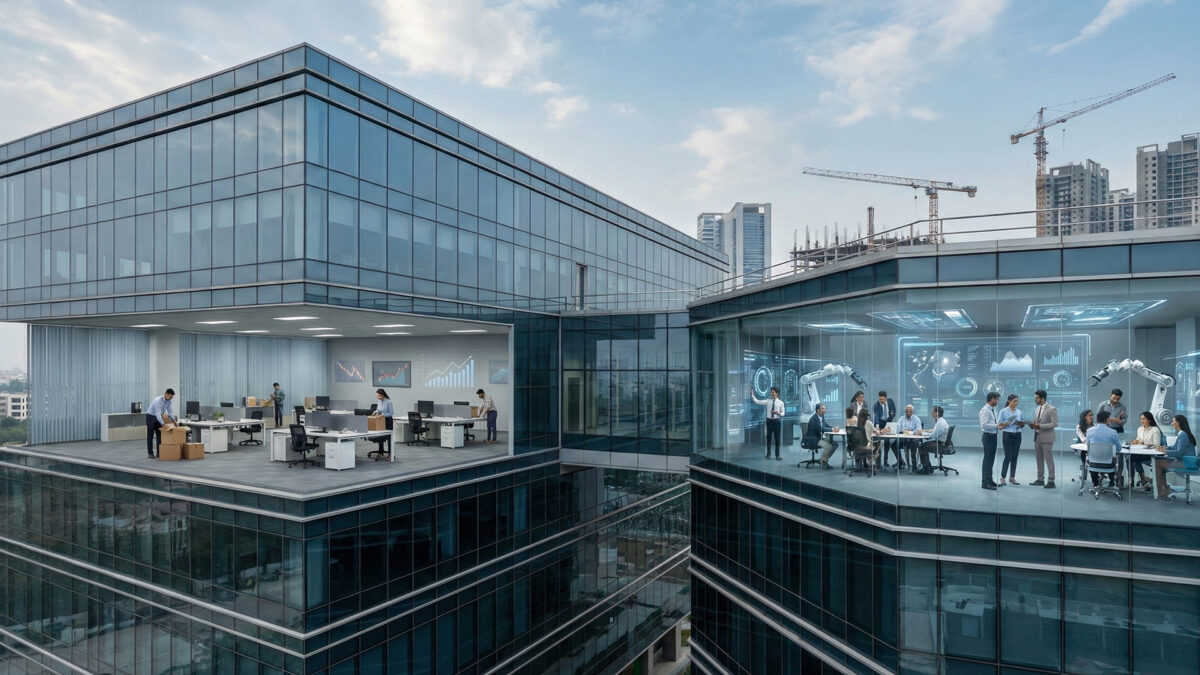
Indian GCCs cut 6,000 jobs in 2025 amid global pressures

In 2025, India’s Global Capability Centres (GCCs) reduced around 6,000 jobs due to global economic pressures, restructuring, and efficiency drives.

Major cuts came from Technicolor (~3,000 jobs) and others including Ford’s AUMOVIO and Fidelity. Despite this, the sector continued to grow, with 101 new GCCs launched and net employment rising by 135,000–150,000, reflecting strong demand for tech, AI, and cloud talent.

Experts say the layoffs indicate a shift toward high-value roles rather than a sector slowdown, highlighting transformation within India’s GCC ecosystem.

Categories
Technology

NVIDIA brings GeForce NOW to Amazon Fire TV

NVIDIA has launched GeForce NOW on Amazon Fire TV Stick, letting users play PC games on their TVs without a console or gaming PC. The service streams games from NVIDIA’s cloud servers, so all processing happens remotely, while the gameplay is sent over the internet.

Supported Fire TV devices include Fire TV Stick 4K Plus (2nd Gen) and Fire TV Stick 4K Max (1st & 2nd Gen). Players need a compatible controller and a stable internet connection to enjoy smooth gameplay. The games stream at 1080p resolution and 60 frames per second, giving TV viewers clear and responsive performance.

Gamers can access titles from popular PC stores like Steam, Epic Games Store, and Battle.net. NVIDIA also added eight new games to the service, including Kingdom Come: Deliverance, Mega Man 11, and the Street Fighter 30th Anniversary Collection.

This launch brings cloud gaming into living rooms, letting people enjoy console-like experiences without extra hardware. Currently, Fire TV streaming is limited to 1080p and does not support HDR or 4K, but it offers an entry-level way to experience PC gaming on a TV.

By expanding to Fire TV, NVIDIA can compete with other cloud gaming platforms like Amazon Luna and Xbox Cloud Gaming, which also focus on TV streaming. The service is rolling out globally, but it is not yet available in India, with plans to expand regionally in the future.

Also Read: Citigroup CEO Jane Fraser’s $42 mn pay sparks debate