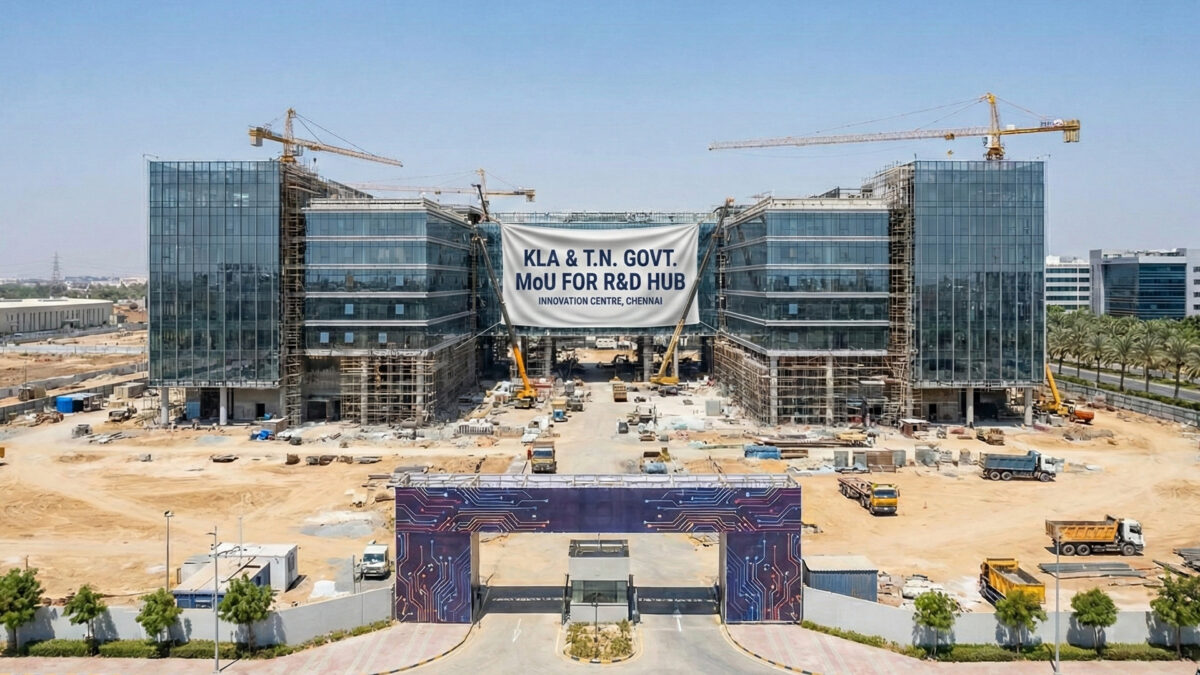
Tamil Nadu Chief Minister C Joseph Vijay on Thursday inaugurated the state government’s first major investment conclave, Vetri Tamil Nadu Investors’ Conclave 2026, in Chennai, with the event quickly turning into a significant showcase of the state’s industrial ambitions.
The conclave, held at the ITC Grand Chola, brought together domestic and international investors, industry leaders and business representatives. The government used the event to highlight Tamil Nadu as a preferred destination for manufacturing, technology, renewable energy, electric mobility and other emerging industries.
The event produced substantial investment commitments. According to the latest figures, Tamil Nadu signed 97 memoranda of understanding (MoUs) involving investments of Rs 67,542 crore, with the projects expected to create more than one lakh employment opportunities across the state.
The commitments cover a wide range of industries, underlining the state’s effort to diversify beyond its traditional manufacturing base. Automotive, renewable energy, electric mobility, electronics, data centres, aerospace and advanced technology feature among the sectors attracting fresh investment.
The investment announcements also included significant commitments from overseas companies. Reuters reported that 16 projects involving foreign investors accounted for about Rs 15,050 crore of the overall commitments. Among the companies involved are Saint-Gobain, Super Micro Computer and Daimler India Commercial Vehicles.
Saint-Gobain has committed Rs 2,000 crore towards a new plant and expansion of its existing facility in Kanchipuram. Daimler India Commercial Vehicles is set to invest Rs 4,000 crore in a factory expansion in Chennai, while US-based server manufacturer Super Micro Computer is among the other foreign investors participating in the new projects.
Several major Indian companies have also announced plans. Titan is committing Rs 1,000 crore, while the Hinduja Group has pledged Rs 2,500 crore towards projects involving renewable energy and electric mobility. Agnikul Cosmos and electric two-wheeler maker Ultraviolette are among the other companies linked to the investment push.
For the Vijay-led government, the conclave carries significance beyond the investment numbers. It is the administration’s first major effort to engage directly with industry after taking office, and the government is presenting the event as a statement of its economic priorities.
The administration has sought to position Tamil Nadu investment as a key pillar of its development strategy, with a focus on creating jobs, expanding industrial infrastructure and attracting new-age businesses. The state is already one of India’s major manufacturing centres, with strong clusters in automobiles, electronics, engineering and information technology.
Chennai, often described as the “Detroit of India”, is home to major automobile and manufacturing operations. Companies including Hyundai, Renault, TVS Motor and suppliers serving global electronics brands have established significant operations in and around the city.
The new investment announcements are expected to strengthen these existing industrial ecosystems while opening opportunities in emerging sectors. The emphasis on renewable energy and electric mobility also reflects the wider shift towards cleaner technologies and new manufacturing supply chains.
The government is particularly keen to turn investment commitments into actual projects and employment. MoUs represent commitments rather than completed investments, and their eventual economic impact will depend on how quickly projects receive approvals, acquire land, secure financing and begin operations.
This distinction is important because investment summits often generate large headline numbers, but the real measure of success comes later, when projects move from agreements to construction, production and job creation.
The latest announcements nevertheless give Tamil Nadu a strong start to its investment outreach under the new administration. With 97 MoUs and Rs 67,542 crore in commitments, the government has created a substantial pipeline of proposed projects.
The investment push is also being viewed in the context of the state government’s first 100 days. With the latest commitments, Tamil Nadu has announced more than Rs 1 lakh crore in investment commitments during the administration’s first 100 days, according to government-linked reports.
The focus now shifts from attracting investors to implementing the projects. For Tamil Nadu, successful execution could mean new factories, expanded technology infrastructure, stronger export capacity and a large number of direct and indirect jobs.
For investors, the state offers an established industrial ecosystem, skilled workforce, ports, transport infrastructure and a large network of suppliers. These advantages have helped Tamil Nadu remain one of India’s leading manufacturing destinations.
The Vetri Tamil Nadu Investors’ Conclave therefore comes at an important moment for the state’s economy. The government has used the platform to signal that investment, industrial growth and employment will remain central to its economic agenda.