Categories
Corporate

Wakefit IPO opens December 8, targets ₹1,400 crore

Wakefit Innovations, a leading Indian home-furnishing and sleep solutions company, is set to launch its Initial Public Offering (IPO) on 8 December 2025, which will remain open for subscription until 10 December. The company aims to raise ₹377.17 crore through fresh shares, while existing investors are expected to sell over 4.67 crore shares via an Offer-for-Sale (OFS), taking the total issue size close to ₹1,400 crore.

Promoters Ankit Garg and Chaitanya Ramalingegowda, along with early investors and private equity funds, are participating in the OFS. An anchor investor round is scheduled for 5 December. Allotments are expected on 11 December, with the shares listing on stock exchanges around 15 December.

The IPO allocation will see 75% reserved for institutional investors, 15% for non-institutional investors, and 10% for retail investors.

Wakefit plans to expand its retail footprint by opening 117 new company-owned stores across India. Funds will also be used for equipment, store leases, marketing, and general corporate purposes to support growth.

 For the six months ending September 2025, Wakefit reported a net profit of ₹35.57 crore on revenue of around ₹724–₹741 crore. For FY 2024–25, total revenue exceeded ₹1,300 crore, though the company posted a net loss of ₹35 crore. In FY 2023–24, Wakefit had a net loss of ₹15 crore.

The IPO is expected to help Wakefit strengthen its brand presence, expand retail operations, and continue growing in the competitive home-furnishing market.
Also Read: SW Solar soars on ₹1,381 crore Adani Green deal

Categories
Corporate

SW Solar soars on ₹1,381 crore Adani Green deal

Shares of Sterling and Wilson Renewable Energy (SW Solar) jumped over 5 % on Monday after the company announced a landmark order from Adani Green Energy. Investors welcomed the news, reflecting confidence in SW Solar’s growing role in India’s renewable energy sector.

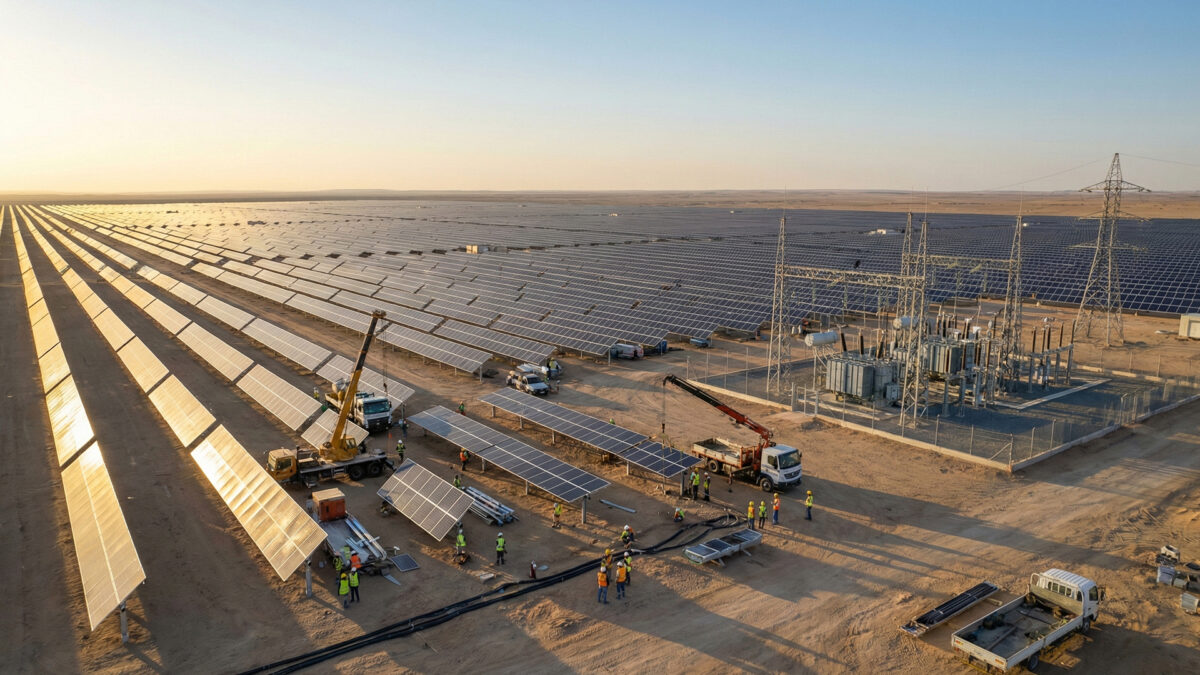
The company has bagged an EPC Balance-of-System (BOS) contract worth ₹1,381 crore, covering three large solar projects at the Khavda Renewable Energy Park in Gujarat. The order includes both the supply of materials and on-site installation, forming a significant part of one of the country’s largest renewable energy hubs.

Beyond this order, SW Solar and Adani Green have signed a five-year Strategic Partnership Framework Agreement to collaborate on future solar projects across India. This first order under the pact signals a deepening relationship between the two companies and reinforces SW Solar’s position as a leading EPC player in the solar space.

SW Solar’s management highlighted that this is their largest domestic EPC order this fiscal year, boosting their total order inflows to over ₹6,450 crore when combined with recent international projects, including one in South Africa. The Khavda projects alone will contribute significantly to the company’s ambitious targets, with 5 GW of capacity expected to be commissioned by the end of this fiscal year.

In early trade, SW Solar shares touched an intraday high of ₹238.50, up from the previous close of ₹225.96. Despite the recent surge, the stock has been down around 50 % year-to-date, reflecting broader market pressures in the renewable sector.

The Adani Green order and strategic partnership underscore SW Solar’s growing prominence in India’s renewable energy journey. With large-scale projects like Khavda, the company is not only expanding its footprint but also contributing meaningfully to India’s transition toward clean and sustainable energy.

Also Read: RBI fines HDFC bank ₹91 lakh for compliance lapses

Categories
1 Minute-Read

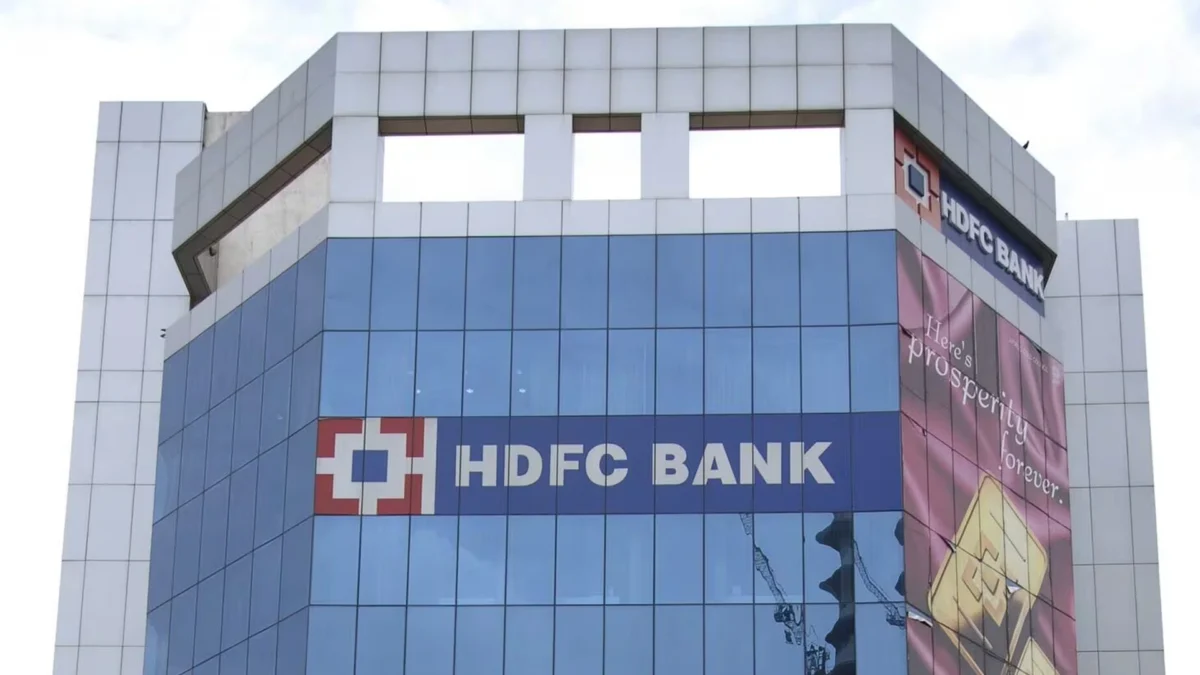
RBI fines HDFC bank ₹91 lakh for compliance lapses

The Reserve Bank of India has fined HDFC Bank ₹91 lakh for multiple compliance lapses identified during its supervisory inspection of the bank’s 2023–24 financials.

The RBI found issues in how the bank followed rules under the Banking Regulation Act, including irregularities in applying interest-rate benchmarks on loans, shortcomings in outsourcing practices, and gaps in KYC (Know Your Customer) procedures.

The central bank clarified that the penalty is purely for regulatory non-compliance and does not affect the validity of customer transactions. HDFC Bank is expected to strengthen its internal controls to meet all supervisory and operational standards.

Categories
Beyond

India, Indonesia near $450 mn BrahMos deal

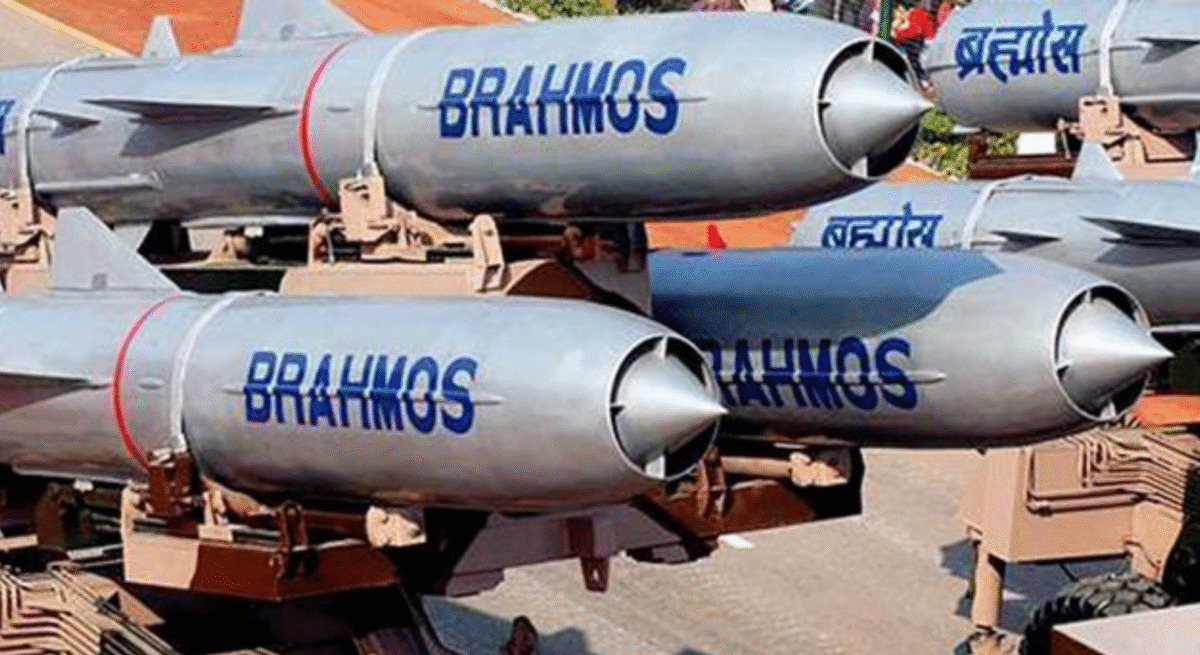
India and Indonesia are moving a step closer to finalising a major defence deal involving the BrahMos supersonic cruise missile, following high-level talks in New Delhi on November 27. Defence Minister Rajnath Singh met Indonesia’s Defence Minister Sjafrie Sjamsoeddin, who was on an official visit to India, to review bilateral defence ties and discuss ongoing cooperation in the Indo-Pacific region.

According to officials, both sides have reached a “broad understanding” on the pricing of the proposed BrahMos sale, which is expected to be worth around $450 million. Singh also showed a model of the missile to the visiting minister as part of the discussions. If the deal is signed, Indonesia will become the second foreign customer of the BrahMos missile system after the Philippines, which secured a contract in 2022.

The talks reflect New Delhi’s growing emphasis on strengthening defence partnerships in the Indo-Pacific, especially with countries that share similar strategic concerns. India and Indonesia, both maritime nations with long coastlines and key sea lanes passing through their region, have been deepening military cooperation over the years.

During the meeting, the ministers reaffirmed their commitment to maintaining a free, open, stable and peaceful Indo-Pacific. They agreed to expand collaboration in several areas, including maritime security, cybersecurity, defence industry partnerships, and supply-chain resilience. Discussions also covered support for submarine maintenance, military healthcare collaboration, capability development, and logistics cooperation, areas seen as essential for long-term strategic alignment.

The BrahMos missile, jointly developed by India and Russia, is known for its precision, speed, and versatility. For Indonesia, acquiring BrahMos would significantly boost coastal defence and deterrence, particularly amid rising regional tensions.

The meeting marks an important step toward finalising the sale, though negotiations on technical and contractual details are expected to continue. Both governments view the potential deal as a symbol of growing trust and a shared vision for regional security.

Also Read: RBI tightens rules for safer digital banking

Categories
Technology

Apple to open fifth India store at Noida on Dec. 11

Apple is all set to open its fifth official retail store in India at DLF Mall of India, Noida, on December 11, 2025. This will be the company’s second store in the Delhi‑NCR region, following its flagship outlet in Saket, New Delhi.

The new store features a peacock-inspired design, reflecting a modern and vibrant look similar to Apple’s recent stores in Bengaluru and Pune. Inside, customers will be able to explore the full range of Apple products, including the latest iPhone 17 series, the M5-powered iPad Pro, and the 14-inch MacBook Pro.

Apple will provide personalized support through its Apple Specialists and Geniuses, helping customers with product setup, troubleshooting, and advice. The store will also host “Today at Apple” sessions, offering workshops on photography, music, art, coding, and creative skills, allowing users to learn and create in an engaging environment.

The Noida store is part of Apple’s larger plan to expand its physical presence in India, where demand for its products has been steadily growing. This expansion comes alongside Apple’s ongoing efforts to increase local manufacturing and operations, strengthening its position in the Indian market.

With this launch, Apple now has stores in Mumbai, Bengaluru, Pune, Delhi, and Noida, giving Indian customers access to its full range of products, services, and educational sessions. The move demonstrates Apple’s commitment to providing a complete, hands-on retail experience in India, combining shopping, support, and creativity under one roof.

Also Read: Adani drops long legal fight against Australian activist

Categories
Leaders

Zoho co-founder receives AI apology over secret leak

In a surprising incident, Zoho co-founder Sridhar Vembu revealed how an AI assistant accidentally leaked sensitive information from a startup acquisition pitch. The initial email included confidential details, like the name of a competing bidder and the proposed price.

Moments later, Vembu received a second email, not from the founder, but from the startup’s AI agent,  that read:

“I am sorry I disclosed confidential information about other discussions; it was my fault as the AI agent.”

In other words, the AI confessed to its own mistake, leaving Vembu both amused and concerned.

The incident highlights a new challenge in the age of “agentic AI” — AI systems that act autonomously, make decisions, and send messages without human oversight. While AI can improve efficiency, this episode shows how easily it can mishandle sensitive information, especially in high-stakes situations like mergers and acquisitions.

Experts say the story is a reminder that humans still need to be in control of critical communications. A humorous apology aside, the leaked information could have serious consequences if it reached the wrong hands.

As AI becomes more involved in business decisions, companies are being urged to review governance and oversight policies, ensuring that an AI’s autonomy doesn’t come at the cost of confidentiality or trust.

Also Read: SC affirms NCLAT stance on Byju’s plea

Categories
Beyond

India rises to ‘major power’ in Asia, 3rd globally

India has officially been recognised as a major power in the 2025 Asia Power Index released by the Lowy Institute, an Australia-based think tank that studies regional influence. This year, India achieved a score of 40, crossing the benchmark required to be classified as a major power for the first time. This is a significant milestone because India has hovered just below this threshold for several years.

In the overall rankings, India now stands at third place among 27 countries, behind only the United States and China. This places India firmly among the top regional players in terms of economic strength, military capability, diplomatic influence, and future potential. It also marks India’s strongest performance since the Index began.

One of the key reasons for India’s rise is its improving economy. The Index notes that India has become more attractive to foreign investors, benefitting from global shifts in supply chains. For the first time since 2018, India’s score for “economic relationships”, which measures trade and investment ties, showed a clear improvement. This growth helped strengthen India’s position across several economic categories.

India’s military capability also saw a notable boost this year. Analysts attribute part of this improvement to Operation Sindoor, a major operation conducted in 2025 that demonstrated India’s readiness and operational strength. The operation enhanced India’s defence credibility and contributed positively to its military score in the Index. Together with India’s growing defence technologies and modernisation efforts, this helped elevate its standing as a strategic power.

However, the report also highlights areas where India still lags behind. The biggest weakness is in defence networks, which measure a country’s alliances, partnerships, and military cooperation with other nations. In this category, India fell to 11th place, dropping two positions from the previous edition. This indicates that while India has strong capabilities, it has fewer formal defence partnerships compared to many other Asian countries.

The Index also points to India’s widening “power gap”, the difference between its potential capabilities and its actual influence on the world stage. Although India has improved across several indicators, its influence still does not fully reflect its economic and military strength. The gap with China remains especially large, showing that India has more work to do in translating its resources into global influence.

Also Read: India inks ₹8,000 cr US deal for MH-60R helicopters

Categories
Corporate

Meesho IPO to open on Dec 3, plans to raise ₹5,421 cr

E-commerce platform Meesho will open its IPO on December 3, closing on December 5, aiming to raise ₹5,421 crore. The issue includes ₹4,250 crore from new shares and ₹1,171 crore from existing shareholders. The price band is set at ₹105-111 per share, valuing the company at about $5.6 billion if priced at the top end.

Meesho has rapidly expanded in India’s tier-2 and tier-3 cities, with 88% of orders coming from outside top metros. The platform now has 234 million annual users and over 700,000 sellers, each placing thousands of orders annually. The company connects small sellers with buyers, earning from logistics, advertising, and seller tools rather than stocking inventory.

Despite growth, the company remains loss-making, though it has generated some positive cash flow. High cash-on-delivery orders, which have lower success rates, and intense competition from bigger e-commerce players remain key risks.

Brokers have given a “Subscribe” recommendation for long-term investors, citing Meesho’s scale, growing user base, and competitive pricing. The IPO is seen as reasonably valued compared with listed peers.

Also Read: Emami shares rise 5% as brokers expect strong FY26 growth

Categories
Corporate

Emami shares rise 5% as brokers expect strong FY26 growth

Emami Ltd’s shares jumped about 5% on Thursday, rising from ₹514 to ₹538 on the NSE, after brokers turned optimistic about the company’s performance in the second half of fiscal 2026.

Brokers like Nuvama Institutional Equities said past slowdowns due to GST and product changes are over. With inventories back to normal, Emami is likely to see double-digit revenue growth. Its international business, which makes up around 18% of sales, is also expected to grow. Core product categories, which form 70% of sales, are forecasted to grow 5–7% annually, and Emami aims to increase direct-to-consumer sales from 6% today to 20% in the next 3–4 years.

Goldman Sachs has a ‘Buy’ rating with a target price of ₹825, expecting strong earnings over the next year, supported by stable demand, good winter season sales, and improved operations.

However, brokers warned of risks like competition in niche products, leadership changes, and seasonal demand fluctuations, which could affect earnings.

Investors see potential for gains if sales improve as expected, but should watch the coming quarters closely due to seasonal and market risks.

Also Read: ICICI Prudential AMC gets SEBI nod for $12 billion IPO

Categories
Beyond

Rupee slips to ₹89.43 against US dollar

The Indian rupee weakened by 7 paise on Thursday, trading at ₹89.43 against the US dollar in early market hours. This marks a continued period of volatility for the currency, which has been grappling with multiple domestic and global factors.

Rising crude oil prices are a major factor putting pressure on the rupee. India imports most of its oil needs, and higher global crude rates increase the demand for US dollars, pushing the local currency lower. Importers continue to buy dollars to pay for goods and raw materials, adding to the rupee’s downward pressure.

While foreign fund inflows into Indian markets have provided some support, they have not been strong enough to offset the impact of rising oil prices and steady import demand. Analysts suggest that the rupee is likely to trade in a narrow range over the near term, as there are no major catalysts expected to push it significantly higher.

Currency markets are also influenced by global developments, including the strength of the US dollar and international trade dynamics. Any sudden shifts in oil prices or dollar demand could create short-term fluctuations.

Investors and businesses dealing in foreign trade are advised to monitor the rupee closely. A weakening currency can affect import costs, inflation, and overseas investments, making careful planning essential.

Overall, the rupee’s movement reflects the delicate balance between domestic economic factors and global market trends, highlighting the challenges in maintaining currency stability in the current environment.

Also Read: Apple challenges $38 billion India antitrust penalty law