Categories
Beyond

DGCA gives IndiGo final 24‑hour response deadline

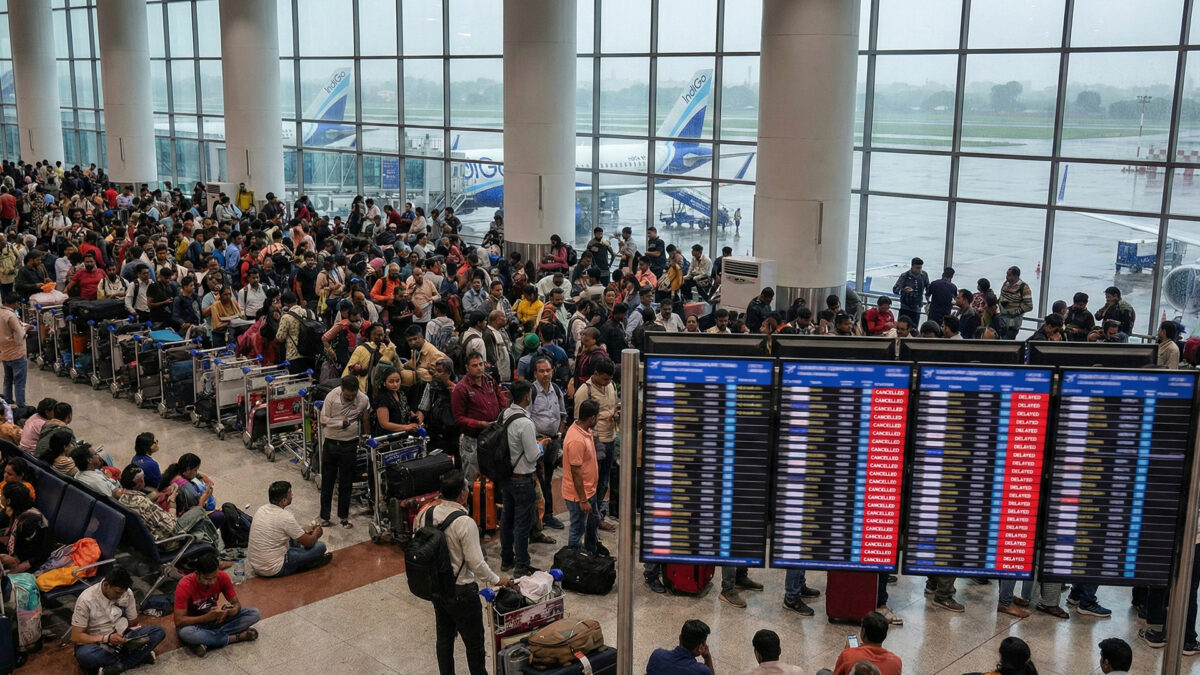
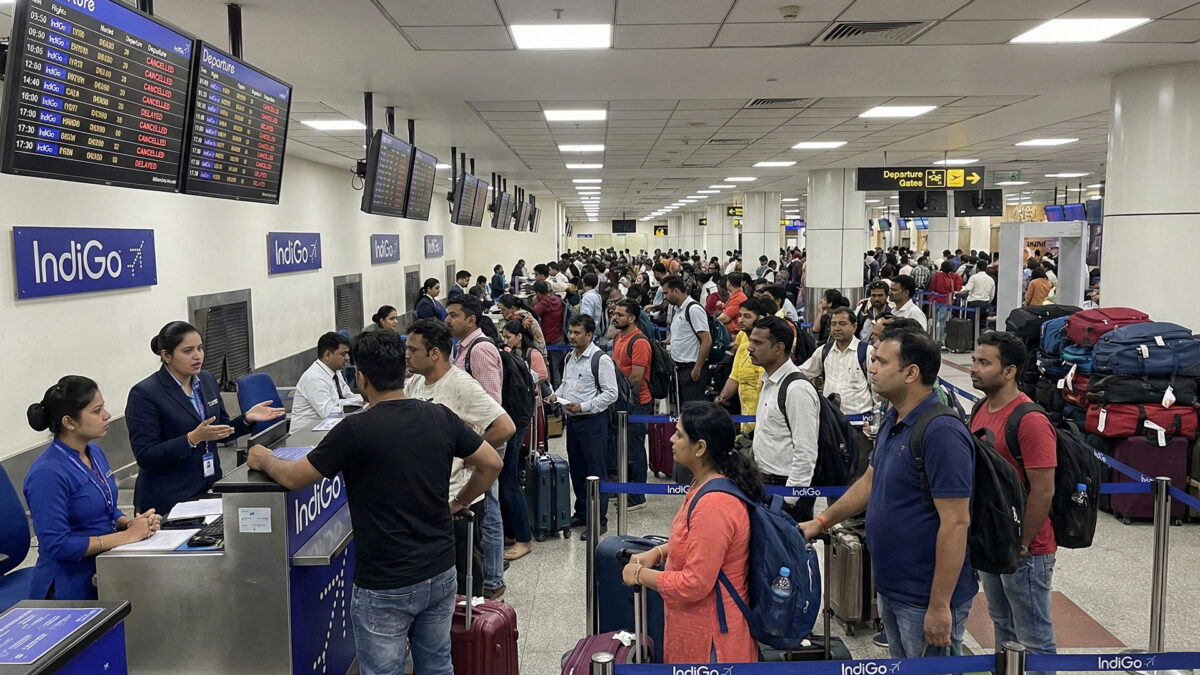
The Directorate General of Civil Aviation (DGCA) has given IndiGo a final 24‑hour extension to respond to a show-cause notice issued on 6 December, amid widespread flight cancellations and operational disruptions across the country. The airline is now required to submit its detailed response by 6 pm on Monday, failing which the regulator may proceed ex parte, relying solely on the available records to take further action.

The notice follows scrutiny over IndiGo’s handling of its flight operations after the implementation of the revised Flight Duty Time Limitations (FDTL) norms. The DGCA highlighted significant lapses in planning, oversight, and resource management, which contributed to widespread cancellations and delays. In addition, the regulator flagged shortcomings in passenger support, including delays in providing refunds, assistance with rebooking, and updates regarding affected flights, citing violations of passenger-rights regulations.

IndiGo has taken several measures to mitigate the impact on passengers. The airline has automatically refunded cancelled flights and waived rescheduling and cancellation charges for journeys between 5 and 15 December. By Saturday, IndiGo had processed around ₹610 crore in refunds and returned approximately 3,000 lost baggage items, according to company sources. The airline also indicated that its operations are gradually stabilizing, with plans to restore most services, targeting about 1,650 flights per day by 10 December under revised rosters.

The DGCA’s show-cause notice underscores the regulator’s focus on compliance with operational and safety norms, particularly regarding pilot duty hours and adequate resource planning. Industry experts note that this marks a critical moment for IndiGo, which remains India’s largest carrier by market share, to demonstrate robust corrective action and rebuild passenger confidence.

The airline’s management has expressed commitment to fully cooperating with the DGCA and ensuring uninterrupted services. The next 24 hours are expected to be decisive, as the regulator evaluates whether IndiGo’s response addresses operational shortcomings and safeguards passenger interests.

Also Read: Ex-Apple engineer unveils XR chip

Categories
Beyond

Gold at ₹1,30,140; Silver drops to ₹1,89,900

Gold and silver prices edged lower in the Indian market on Monday, reflecting muted global trends and cautious investor sentiment.

The price of 24-carat gold slipped by ₹10 per 10 grams, settling at ₹1,30,140 in major cities such as Mumbai and Kolkata. Meanwhile, 22-carat gold also saw a minor reduction, trading at around ₹1,19,290 per 10 grams. The slight dip in gold prices comes after recent sessions of mixed movement, as the market continues to react to global economic developments.

Silver witnessed a comparatively steeper fall. The price of silver dropped by ₹100 per kilogram, with the metal trading at ₹1,89,900 per kg. Traders noted that silver tends to be more volatile than gold due to its dual role as both an investment asset and an industrial metal, making its prices more sensitive to global demand and manufacturing trends.

Market experts said the decline in precious metal prices is largely influenced by expectations around interest rate policies in the United States. When interest rates are expected to remain high or rise further, non-yielding assets like gold and silver usually see reduced demand. Additionally, movements in the US dollar and global bond yields continue to impact bullion prices worldwide.

Despite the small correction, analysts believe the long-term outlook for gold remains positive due to ongoing geopolitical tensions and economic uncertainty in several parts of the world. Many investors still view gold as a safe-haven asset during periods of instability.

In the coming days, prices of gold and silver are expected to remain volatile as markets react to upcoming global economic data, central bank signals, and fluctuations in currency and crude oil prices.

Also Read: Sensex falls 300+ points, Nifty slips below 26,100

Categories
Corporate

Ministry of Defence awards ₹120 cr order to Zen Technologies

Zen Technologies Ltd, a leading Indian defence training solutions provider, saw its shares rise over 2% following the announcement of a major contract win. The company has secured a ₹120‑crore order from the Ministry of Defence (MoD) for supplying a “Comprehensive Training Node” (CTN), which comprises a set of advanced simulators and related equipment designed to enhance training for defence personnel.

The company stated that the order is scheduled for delivery within a year and clarified that this is not a related-party transaction. The CTN package will bolster the Indian armed forces’ training infrastructure, providing realistic simulation-based training for various operational scenarios. This aligns with the government’s push for modernisation and self-reliance in defence technology.

Zen Technologies is known for its specialised defence simulators, anti-drone systems, and other defence-related products. The company has steadily built a reputation for providing technologically advanced and reliable solutions for training armed forces, paramilitary personnel, and police units across India and overseas.

The latest contract adds to Zen’s existing order book and enhances the company’s revenue visibility for the upcoming fiscal periods. Analysts noted that defence orders of this scale signal strong demand for indigenous training solutions and could position Zen Technologies as a key partner in India’s defence modernisation plans.

Financially, Zen reported a consolidated net profit of ₹59.4 crore in Q2 FY26, reflecting a slight decline compared to the same period last year, but showing sequential growth over the previous quarter. Revenue from operations also demonstrated resilience, supported by ongoing defence and training contracts.

Market observers believe that with rising focus on defence self-reliance and increased allocation in defence budgets, companies like Zen Technologies are likely to witness steady order inflows. The CTN order, combined with Zen’s ongoing projects, is expected to contribute positively to both revenue and profit margins in the medium term.

Investors reacted positively to the news, with Zen’s shares trading higher in early deals, reflecting market confidence in the company’s growth trajectory and its expanding role in India’s defence sector.

Also Read:

Categories
Technology

Ex-Apple engineer unveils XR chip
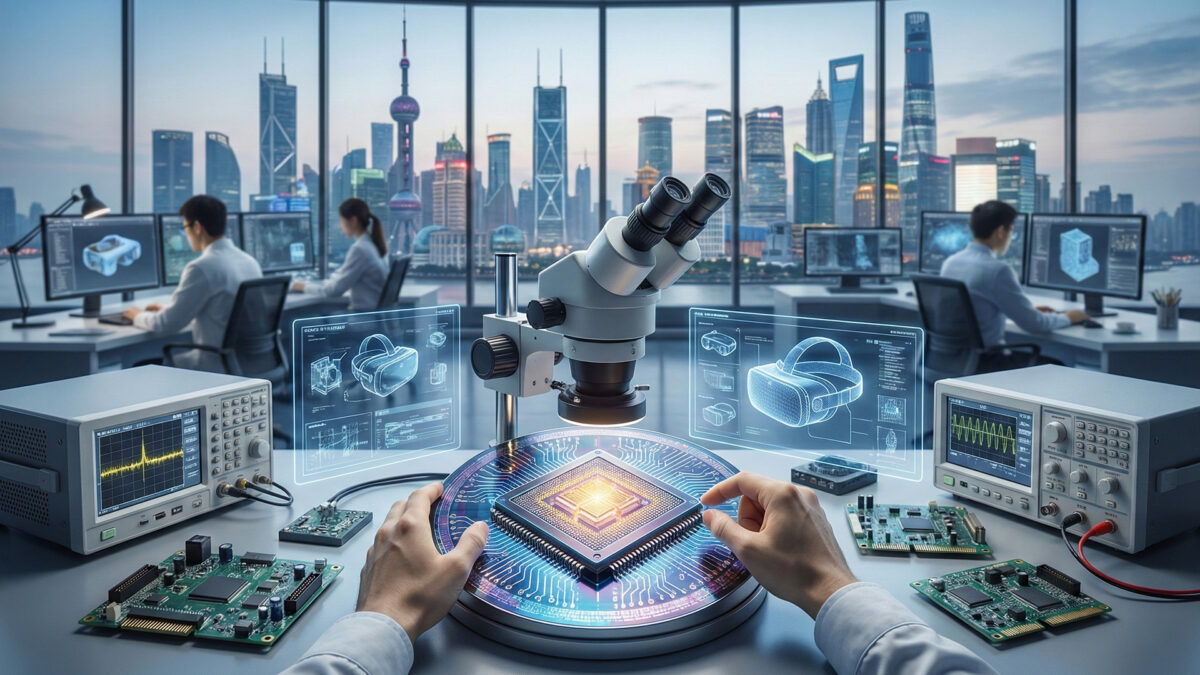
A former Apple engineer has launched a new XR processor. It could shake up the global mixed-reality market. Wang Chaohao, who worked on Apple’s Vision Pro, now heads the Chinese startup GravityXR. His company has developed the Jizhi G-X100, a 5-nanometre chip for AR, VR, and mixed-reality headsets.

The G-X100 is the first Chinese XR chip built on a 5 nm process. It promises higher performance and better power efficiency. One key feature is its photon-to-photon latency of just 9 milliseconds. This measures the time between user movement and updated visuals. Most premium headsets have 10–12 ms. Lower latency means smoother visuals and less motion discomfort.

The chip supports both lightweight AI glasses and high-performance XR headsets. It is built for spatial computing, which lets devices understand real-world environments and blend them with digital content. The chip includes a graphics engine, AI accelerators, and sensor-fusion modules for real-time mapping, gestures, and mixed-reality rendering.

The launch also reflects China’s push to build domestic XR technology. GravityXR has attracted top investors, a major wearable manufacturer, and a gaming studio. With this support, the startup is emerging as a serious global XR competitor.

If the G-X100 performs as claimed, it could power headsets that are thinner, lighter, and faster than existing models. This could rival or even surpass established global devices. The company hopes to drive wider adoption of advanced XR by offering a high-performance, cost-effective chip.

With spatial computing set to transform gaming, education, healthcare, and work, the race to build the most capable XR chip is heating up. GravityXR is now a key player in that race.

Also Read: Trump receives FIFA Peace Prize for global leadership

Categories
Beyond

SC to review Trump birthright citizenship order

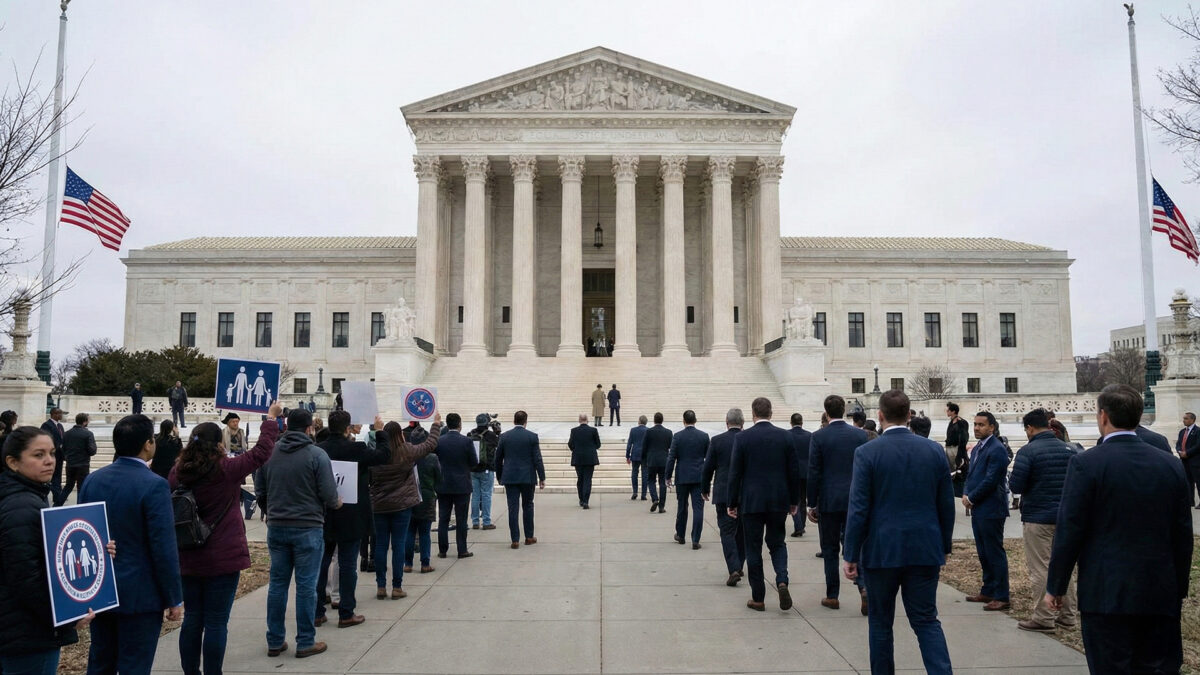
The US Supreme Court has agreed to hear a major case that could determine the future of birthright citizenship in the country. The decision comes after a series of legal battles over an executive order issued by President Donald Trump in January 2025, which seeks to deny automatic US citizenship to children born in the United States if their parents are undocumented or living in the country on temporary visas.

For more than 125 years, the United States has followed the principle that almost anyone born on American soil becomes a US citizen at birth. This practice is rooted in the 14th Amendment, which states that all persons born in the country and “subject to the jurisdiction” of the United States are citizens. Trump’s order challenges this interpretation, arguing that children of non-citizen parents do not fall under this jurisdiction.

Multiple lawsuits were filed soon after the order was announced, leading to nationwide injunctions from lower courts. Judges consistently ruled that the executive order likely contradicts the Constitution and longstanding legal precedent. One of the key cases, which began as a class-action suit on behalf of families who would be directly affected, eventually made its way to the Supreme Court after the administration appealed these lower-court decisions.

By accepting the case, the Supreme Court will now decide whether the executive branch has the authority to limit birthright citizenship without a constitutional amendment or congressional action. The hearing is expected to take place in the spring of 2026, with a final ruling anticipated by early summer.

The stakes are extremely high. If the Supreme Court upholds the order, hundreds of thousands of children born each year could lose the automatic right to citizenship, marking a dramatic shift in US immigration and nationality law. It would also redefine how the 14th Amendment is applied in modern America. On the other hand, if the Court strikes down the order, the traditional interpretation of birthright citizenship will remain firmly intact.

Until the ruling is delivered, the executive order remains blocked and unenforceable across the United States. The upcoming decision is expected to become one of the most consequential immigration rulings in decades, with long-term implications for families, legal status, and national identity.

Also Read: Zepto becomes public company, plans IPO by June 2026

Categories
Corporate

Tamil Nadu CM inaugurates ₹1,003 cr Gorilla Glass plant near Chennai

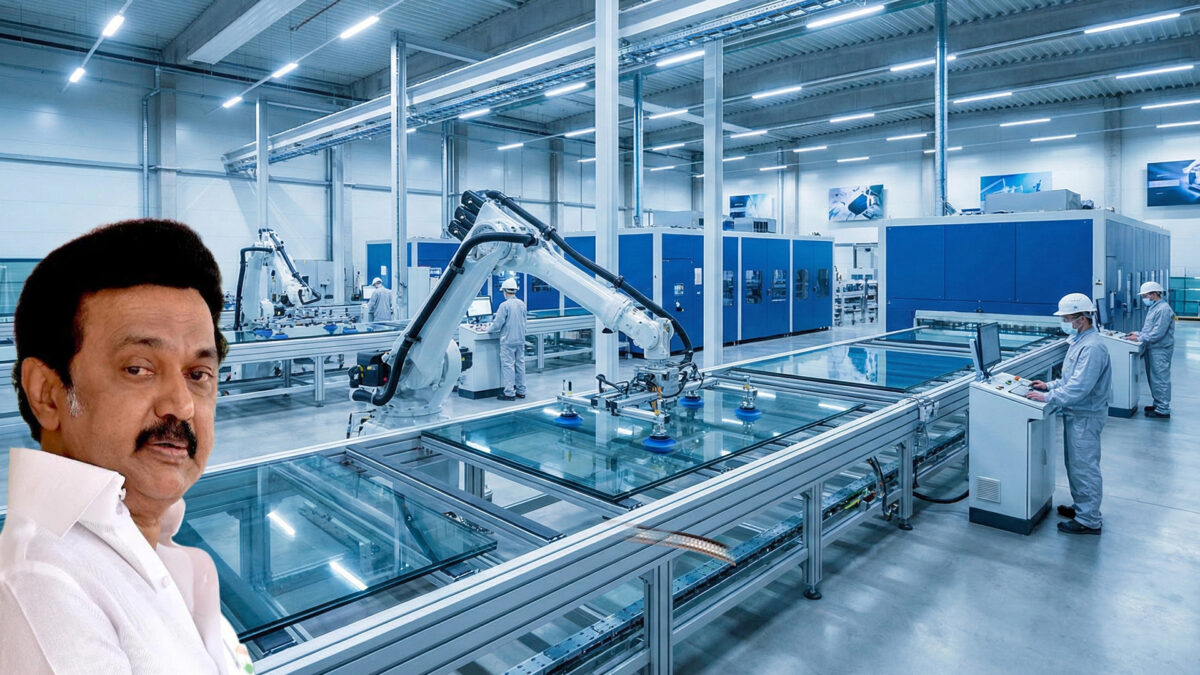
Tamil Nadu Chief Minister M. K. Stalin inaugurated a new state-of-the-art Gorilla Glass manufacturing facility near Chennai on Friday, marking a major milestone for India’s electronics industry. The plant, located at the SIPCOT industrial park in Pillaipakkam, Kancheepuram district, has been built with an investment of ₹1,003 crore and is expected to significantly strengthen the country’s high-tech manufacturing capabilities.

The facility is a joint venture between the US-based Corning Incorporated, globally known for its “Gorilla Glass,” and Indian firm Optiemus Infracom Ltd. It is the first plant in India to employ precision glass-processing technology to manufacture front cover glass for smartphones and other portable devices. The technology, widely used in premium mobile devices worldwide, will now be produced domestically, reducing reliance on imports and strengthening India’s electronics supply chain.

In its first phase, the plant is expected to produce approximately 30 million pieces of cover glass annually. The project will also generate around 840 direct jobs, providing employment opportunities and contributing to skill development in advanced manufacturing technologies. Officials noted that the initiative aligns with the central government’s “Make-in-India” strategy by promoting domestic production of high-value electronics components.

Stalin highlighted the significance of the facility in attracting further investment to Tamil Nadu’s electronics and manufacturing sectors. He pointed out that the state has been proactive in implementing industrial policies and MoUs, ensuring smooth project execution and creating an investor-friendly environment.

The plant is part of a broader trend of high-tech investments in the region, reinforcing Tamil Nadu’s position as a hub for electronics manufacturing in India. Industry experts say that domestic production of Gorilla Glass could open avenues for collaboration with global smartphone manufacturers and strengthen the country’s export potential in premium mobile components.

With the inauguration of this facility, India moves closer to self-reliance in critical smartphone technologies, while the state benefits from economic growth, employment generation, and enhanced technological capabilities. The plant is expected to play a key role in the country’s electronics ecosystem, attracting additional investments and supporting the growth of ancillary industries in the coming years.

Also Read: Netflix to buy Warner Bros Discovery for $72 billion

Categories
Corporate

HUL’s record date for demerger Dec 5, shares drop 7%

Hindustan Unilever Ltd (HUL) has set 5 December 2025 as the record date for the demerger of its ice‑cream business into a separate entity, Kwality Wall’s (India) Limited (KWIL). The move is part of HUL’s strategic plan to unlock value by separating its ice‑cream operations from its broader FMCG portfolio.

Under the approved demerger scheme, which came into effect on 1 December 2025, existing HUL shareholders as of the record date will receive one KWIL share for every HUL share held. This will give shareholders direct access to HUL’s ice‑cream business, which includes well-known brands like Cornetto, Magnum, Feast, and Creamy Delight. The newly formed KWIL is expected to be listed by February 2026, allowing investors to participate in the growth of the ice‑cream segment independently.

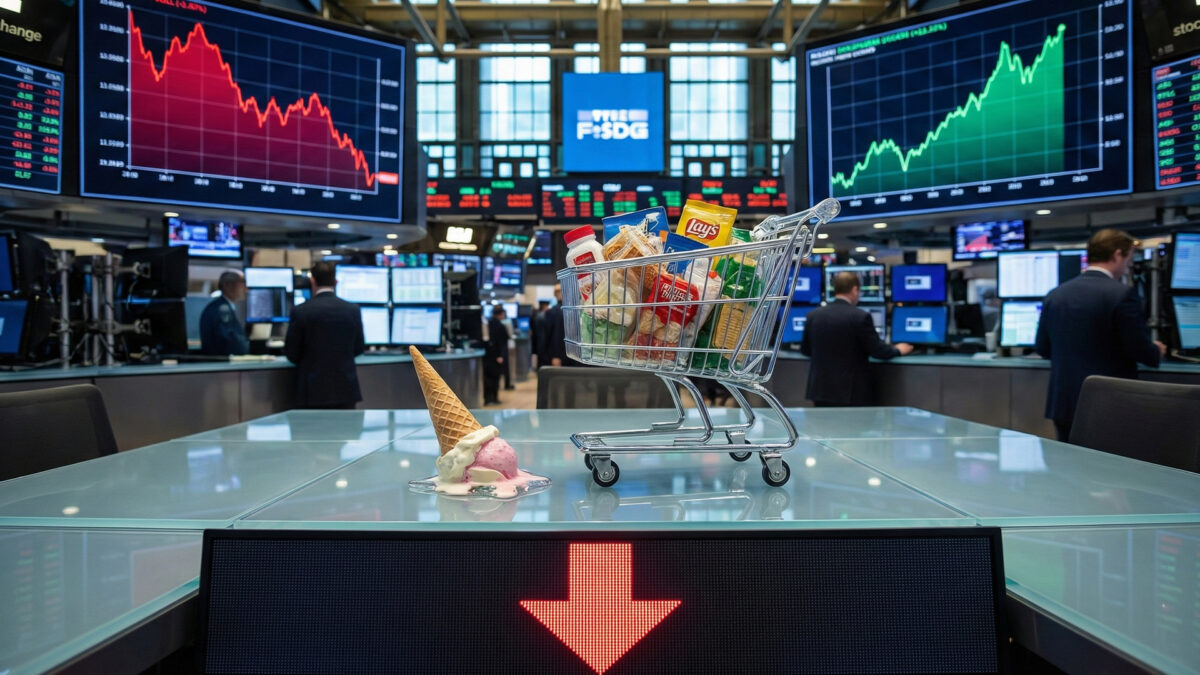
The announcement and record date triggered volatility in HUL shares. On the Bombay Stock Exchange (BSE), HUL’s stock fell sharply to an intraday low of ₹2,289, a drop of around 7%, before recovering to close the day down roughly 3.5%. Analysts attribute the initial decline to market adjustments as investors await the spin-off and recalibrate valuations for both HUL and the new ice-cream entity.

HUL’s management has emphasized that the demerger is intended to enhance operational focus and unlock shareholder value. By creating a pure-play ice‑cream company, the company aims to provide better visibility into the performance of its high-growth frozen dessert segment, separate from HUL’s core FMCG operations, which include personal care and household products.

The demerger follows a broader trend among large FMCG companies to unlock value through strategic spin-offs of high-potential business units. Analysts expect the move to strengthen both HUL and KWIL, with KWIL benefiting from dedicated management focus and increased investor interest, while HUL can concentrate on its core product categories.

For investors, the key takeaway is the opportunity to hold shares in both HUL and the newly listed KWIL, enabling participation in the growth trajectory of HUL’s ice‑cream business while retaining exposure to its established FMCG portfolio.

Also Read: Tamil Nadu CM inaugurates ₹1,003 cr Gorilla Glass plant near Chennai

Categories
Corporate

Netflix to buy Warner Bros Discovery for $72 billion

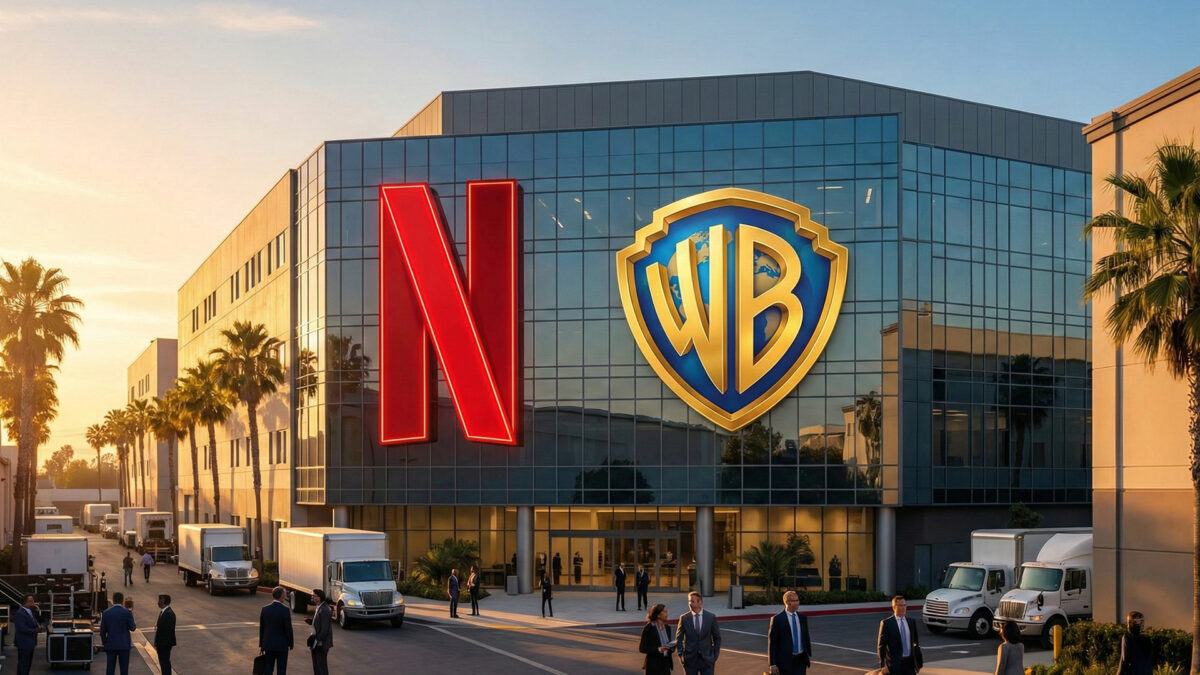
Netflix has agreed to buy Warner Bros Discovery’s film and TV studios, along with its streaming business, including HBO Max. The deal values the company at $72 billion in equity, or roughly $82.7 billion including debt, making it one of the largest acquisitions in the entertainment industry.

Under the agreement, Warner Bros Discovery shareholders will receive $23.25 in cash and $4.50 in Netflix stock per share, totaling $27.75 per share. The acquisition will finalize only after Warner Bros spins off its traditional cable and TV channels, expected by mid-2026, and after receiving regulatory and shareholder approvals.

The deal gives Netflix access to one of Hollywood’s richest content libraries, including blockbuster franchises such as Harry Potter, DC Comics, and Game of Thrones, along with Warner Bros’ film and TV studio infrastructure. This move positions Netflix not just as a streaming service, but also as a full-scale content creator, expanding its influence in the global entertainment market.

Industry experts say the merger could reshape how audiences watch movies and TV shows worldwide, though it may attract regulatory scrutiny due to potential market concentration. Questions remain over whether Netflix will merge HBO Max into its platform or keep it separate, and how the consolidation may affect competition and content diversity in the industry.

Also Read: Global outage hits internet as Cloudflare goes down

Categories
Corporate

IndiGo’s operational crisis enters Day 5, over 1000 flights affected

IndiGo, India’s largest airline by market share, is navigating one of its most prolonged operational disruptions in recent years, as widespread flight delays and cancellations entered their fifth consecutive day afftecting more than 1000 fights across India. What began as a roster and crew-duty alignment issue early in the week has now evolved into a sustained operational challenge affecting its nationwide network and prompting close regulatory scrutiny.

According to industry sources, the disruptions stem from a combination of crew shortages, last-minute duty realignments, and the airline’s ongoing transition to new Flight Duty Time Limitations (FDTL) norms. The Directorate General of Civil Aviation (DGCA) has sought detailed explanations from the carrier, asking IndiGo to map out corrective plans that ensure network stability, adequate crew availability, and compliance with staffing benchmarks during high-traffic periods.

Operational metrics have been under pressure, with dozens of cancellations and significant delays across major metros including Delhi, Mumbai, Bengaluru, Hyderabad, and Kolkata. The extended strain has forced IndiGo to reassign aircraft, redesign flight rotations, and stagger departures in an effort to restore punctuality. However, the cascading effect of earlier delays has continued to disrupt the airline’s tight turnaround model, leading to network-wide congestion.

From a corporate standpoint, the situation has raised questions around workforce planning, seasonal capacity management, and the airline’s preparedness for regulatory transitions. Analysts note that IndiGo’s scale—operating over 2,000 daily flights—makes it particularly vulnerable to systemic shocks, where localized crew shortages can ripple across the network.

The airline has issued multiple public statements acknowledging the disruption, saying it is “working around the clock” to stabilise operations. It has deployed additional staff for passenger handling, strengthened customer communication, and activated contingency rostering teams. IndiGo is also believed to be evaluating medium-term structural adjustments to prevent a repeat of this week’s events.

Despite the corrective measures underway, IndiGo’s recovery curve remains gradual, with residual delays expected to persist until crew schedules are fully realigned. The carrier has enhanced operational oversight, activated crisis-management protocols, and is coordinating closely with airport operators to streamline passenger handling. Analysts note that while IndiGo has historically demonstrated strong operational resilience, this episode highlights the growing importance of agile workforce planning and scenario-based scheduling models—especially as regulatory frameworks evolve.

As operations gradually stabilise, IndiGo’s management is expected to conduct an internal review to assess staffing buffers, duty roster flexibility, and long-term preparedness for similar disruptions. The outcome, coupled with DGCA guidance, will likely shape the airline’s operational strategy in the coming months, marking this week’s disruptions as a pivotal moment for its network management capabilities and service reliability.

Also Read: Purple Wave Infocom ₹31.45 cr IPO opens modestly

Categories
Technology

Samsung unveils CES 2026 Vision at ‘First Look’

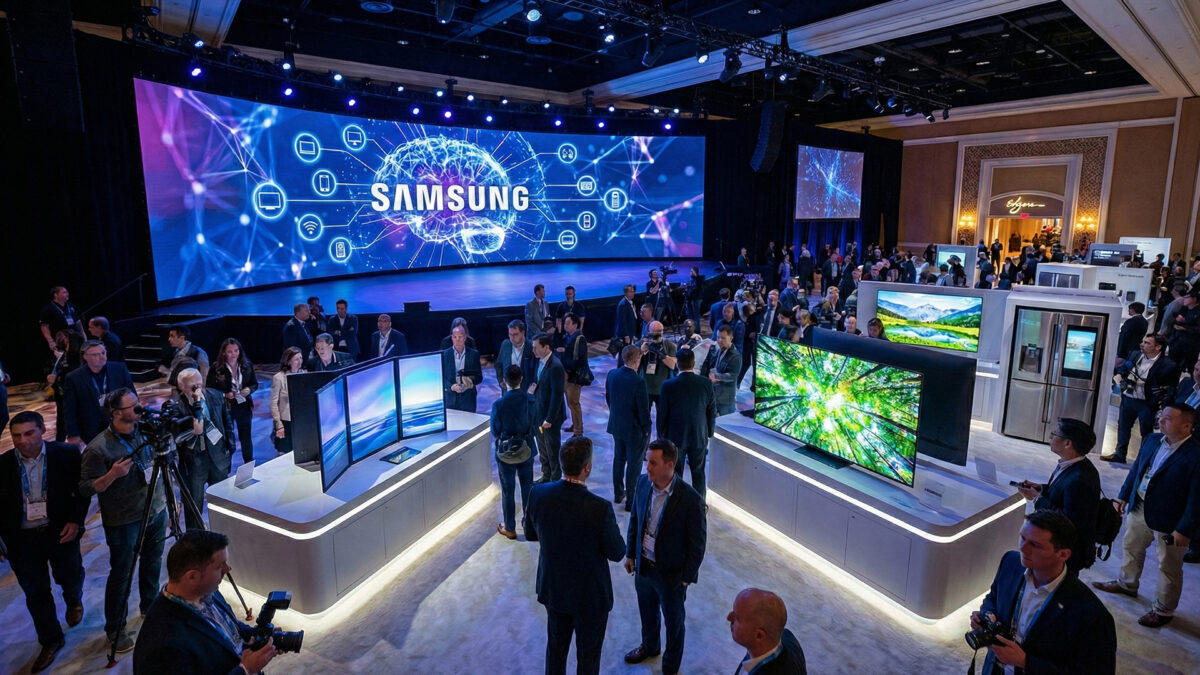
Samsung has announced that it will hold a special event called ‘The First Look’ on January 4, 2026, just before the CES 2026 technology expo begins in Las Vegas. The event will highlight the company’s upcoming plans for the year and introduce fresh innovations across its product lines.

The programme will focus on Samsung’s Device eXperience (DX) division, which covers TVs, home appliances, and mobile devices. Senior leaders, including TM Roh and other top executives, are expected to share the company’s roadmap for 2026. A key theme of the event will be AI-driven features designed to create smarter and more personalised user experiences across Samsung products.

While Samsung has not revealed specific launches in the teaser, industry watchers believe the company may finally showcase the Galaxy Z TriFold, a foldable phone recently introduced in South Korea. The global rollout details, pricing and availability might be announced at this event. The company may also preview next-generation TVs and home appliances with enhanced AI integration.

By hosting The First Look ahead of CES, Samsung aims to set the tone for its technology direction in 2026 and offer an early glimpse into the major devices and AI features consumers can expect in the coming year.

Also Read: BAT trims ITC Hotels stake in major block deal