Categories
1 Minute-Read

IndiGo’s domestic market share drops to 63.6% in November

IndiGo’s share of India’s domestic aviation market fell to 63.6% in November, down from 65.6% in October, following widespread operational disruptions, delays, and aircraft shortages.

Aviation regulator data shows the airline was asked to trim its winter schedule by 10% to stabilise operations. Despite retaining a clear market lead, the decline allowed competitors to gain ground.

The Air India Group increased its share to 26.7%, while SpiceJet rose to 3.7%. Passenger traffic continued to grow overall, but service challenges and higher complaints impacted IndiGo’s dominance, highlighting intensifying competition in the domestic airline sector.

Categories
Leaders

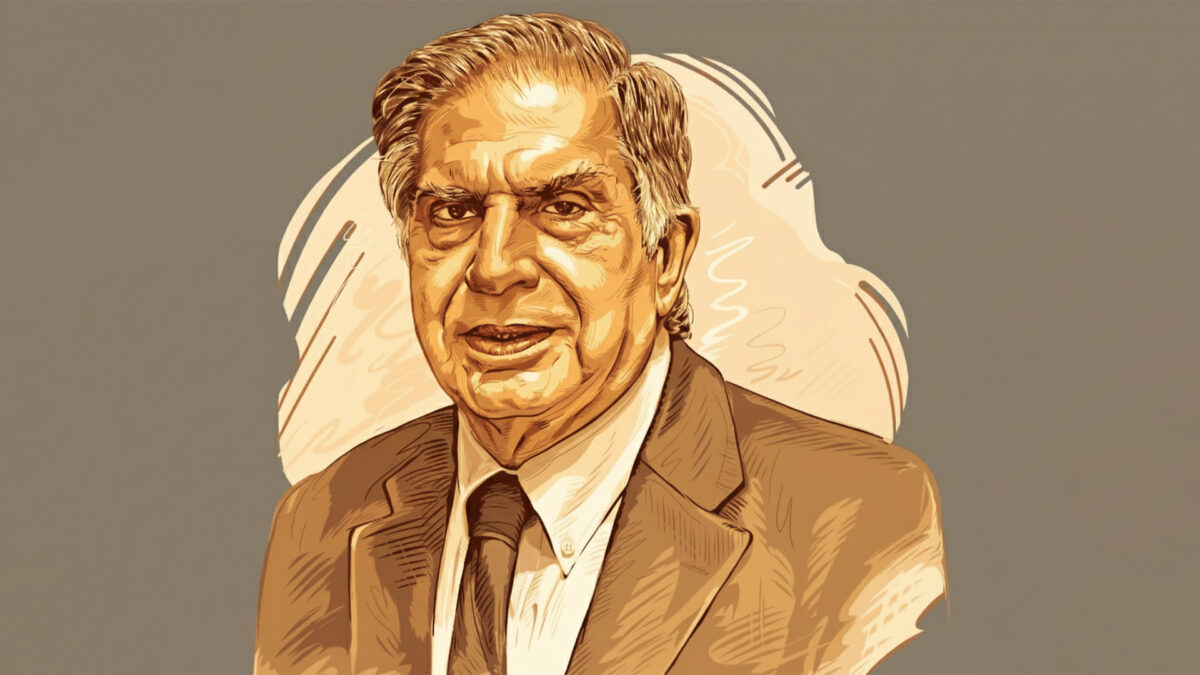
Ratan Tata remembered on 88th birth anniversary

India paid rich tributes to legendary industrialist Ratan Naval Tata on his 88th birth anniversary, remembering him as a visionary leader whose values reshaped Indian business and inspired generations. Political leaders, industry captains and citizens across the country recalled his lifelong commitment to ethical leadership, nation-building and social responsibility.

A symbolic tribute came from the Tata Group’s aviation arm, Air India Express, which honoured Ratan Tata by assigning a unique call sign to its latest Boeing 737-8 MAX aircraft. The aircraft has been registered as VT-RNT, reflecting the initials of Ratan Naval Tata, and has been named “The Visionary Aircraft.” Approved by aviation regulators, the gesture recognises Tata’s pivotal role in reviving and transforming India’s aviation sector under Tata Group ownership.

The aircraft, delivered from Boeing’s facility in Seattle, also marks a milestone as the first Boeing 737-8 MAX to be manufactured with airline-specific customisation during production for Air India Express. It is scheduled to arrive in India shortly, adding to the airline’s expanding fleet and symbolising the Tata Group’s renewed global aviation ambitions.

On the occasion, leaders cutting across party lines described Ratan Tata as a rare combination of humility, courage and foresight. Many referred to him as a “jewel of India,” crediting him with elevating Indian industry on the global stage while remaining deeply rooted in national values. Industrialists and business leaders highlighted how his emphasis on ethics and long-term vision set new benchmarks for corporate India.

Born on December 28, 1937, Ratan Tata led the Tata Group through a transformative phase, overseeing major global acquisitions and expanding the group’s footprint across sectors. Beyond business success, he was widely admired for his quiet philanthropy, supporting initiatives in education, healthcare, rural development and innovation.

Tributes on his birth anniversary reaffirmed that Ratan Tata’s legacy goes far beyond balance sheets and boardrooms. He is remembered as a leader who believed businesses must serve society, and whose life continues to guide India’s corporate and social conscience.

Also Read: Ex‑Google founders pivot to AI, launch $100mn startup

Categories
Corporate

Zepto IPO to test quick‑commerce profitability

Bengaluru-based Zepto, a leading quick‑commerce platform promising 10‑minute grocery deliveries, has filed for a confidential IPO with SEBI, targeting a public listing in 2026. The company plans to raise around Rs 11,000 crore to strengthen operations and expand its network of over 900 “dark stores” across major cities.

Founded in 2021, Zepto has seen rapid revenue growth, but profitability remains a challenge. Analysts say the IPO will put the spotlight on cost structures, unit economics, and sustainability, as investors closely examine how Zepto competes with rivals such as Swiggy’s Instamart and Zomato’s Blinkit.

With more than $2 billion raised in private funding so far, including a $450 million round in October 2025 at a $7 billion valuation, Zepto is among India’s fastest-growing internet startups. Its entry into public markets is expected to influence investor perception of the quick‑commerce sector, highlighting both the potential and risks of ultra‑fast delivery models.

The IPO is likely to set benchmarks for pricing, profitability, and expansion strategies in the growing rapid‑delivery industry, which continues to attract significant consumer and investor attention.

Also Read: Ex‑Google founders pivot to AI, launch $100mn startup

Categories
Technology

Ex‑Google founders pivot to AI, launch $100mn startup

Two former Google employees, Dhruv Amin and Marcus Lowe, have turned the rise of AI tools like ChatGPT into a business opportunity. The duo initially ran Create, a platform connecting startups with freelance developers, which generated over $2 million annually. However, the launch of ChatGPT in late 2022 prompted them to rethink the future of coding and software development.

Seeing the potential for AI to automate much of the work their developers did, Amin and Lowe decided to close their existing marketplace in October 2023. They laid off half their small team and ended relationships with freelancers. “Within two weeks, we were back to an empty office,” Amin recalled.

From this reset, they rebuilt their company around AI-driven solutions. Their first products helped generate basic app components like forms and calendars. By April 2025, their rebranded startup, Anything, launched a more advanced platform capable of building complete online businesses, including backend systems and payment integrations, without users needing to write code.

The platform quickly gained traction. Within two weeks of the broader launch, Anything achieved an annualized revenue run rate of $2 million. Investor interest followed, resulting in $11 million in funding and a valuation of around $100 million.

Non-technical users have already built real applications on the platform, such as a salon booking app and a dental health tracker. While AI coding remains an emerging sector, Amin believes embracing the technology early positioned their company for growth and relevance in a rapidly evolving market.

Looking back, he described the decision to shut down their profitable business as difficult but strategic. Their story illustrates how AI tools like ChatGPT are reshaping entrepreneurship, enabling rapid innovation and entirely new business models.

Also Read: Giga CEO confronts $3mn crypto extortion

Categories
Corporate

Gautam Adani inaugurates Sharad Pawar AI Centre in Baramati, Pune

Industrialist Gautam Adani on Sunday inaugurated the Sharadchandra Pawar Centre of Excellence in Artificial Intelligence in Baramati, Pune, marking a significant step toward strengthening India’s AI ecosystem.

The centre, established under Vidya Pratishthan, is designed as a research and training hub to build advanced AI capabilities and create industry-ready talent. Senior leaders, including Sharad Pawar, Supriya Sule, Ajit Pawar, and Sunetra Pawar, were present at the inauguration.

Addressing the gathering, Adani described Sharad Pawar as a mentor of over three decades and credited his leadership for transforming Baramati through education, cooperatives, and rural development. He said the region reflects what focused vision and sustained institution-building can achieve.

Emphasising the growing importance of artificial intelligence, Adani said India’s future growth will depend on its ability to develop indigenous AI models, data systems, and digital infrastructure, cautioning against excessive dependence on foreign technologies. He urged young Indians to take the lead in shaping the “age of intelligence.”

The new centre is expected to support advanced research, skill development, and practical AI applications, with a focus on linking innovation to real-world needs across sectors, including rural and emerging industries. The initiative positions Baramati as an emerging destination for technology-driven education and industry–academia collaboration.

Also Read: Andhra Pradesh clears Vedanta’s 20 onshore wells

Categories
Corporate

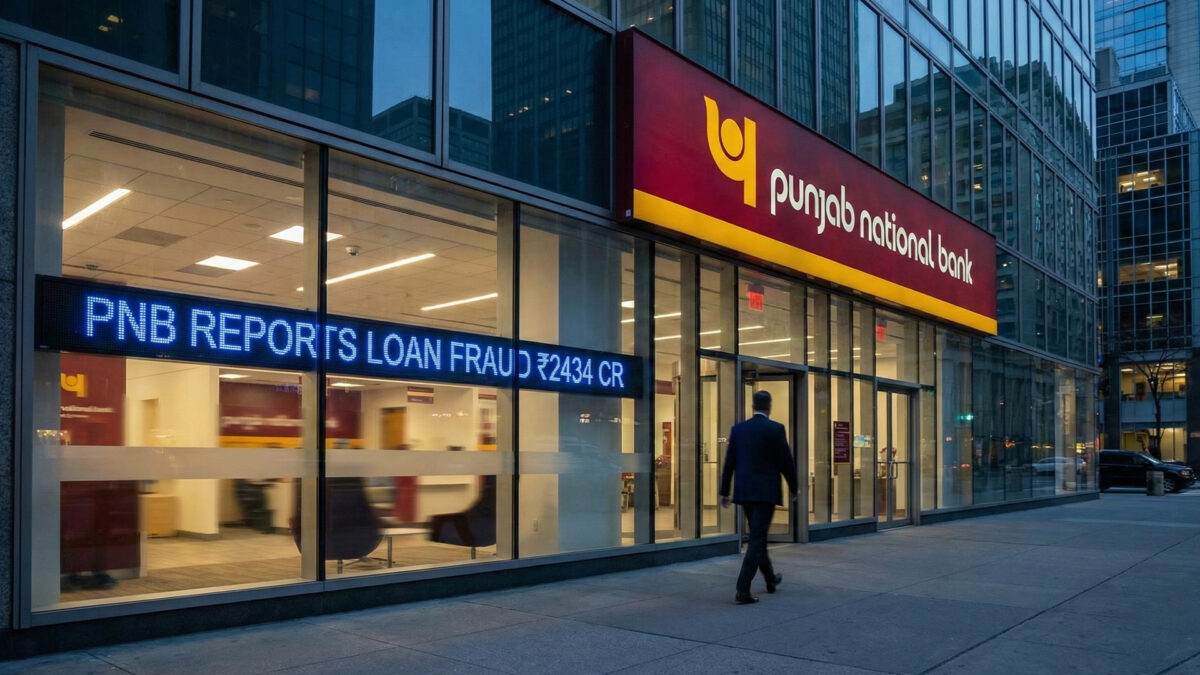
PNB flags ₹2,434 crore irregularities in SREI accounts

Punjab National Bank (PNB) has uncovered a massive loan fraud worth ₹2,434 crore linked to the former promoters of SREI Equipment Finance and SREI Infrastructure Finance. The bank reported the irregularities to the Reserve Bank of India (RBI), emphasizing the seriousness of the issue.

The fraud involves two major accounts: ₹1,241 crore in SREI Equipment Finance and ₹1,193 crore in SREI Infrastructure Finance. PNB has already made a 100% provision for the full amount, ensuring the bank’s books reflect the risk while protecting depositors.

These issues have been brewing for years. In 2021, the RBI had already stepped in, citing governance concerns and defaults, and took control of the boards of both SREI companies. Back then, both firms were facing insolvency proceedings under the Insolvency and Bankruptcy Code due to unpaid debts totaling ₹32,700 crore. In 2023, the National Asset Reconstruction Company Ltd (NARCL) took over the companies as part of the resolution process.

PNB’s disclosure may trigger investigations by law enforcement agencies, including the Central Bureau of Investigation (CBI) and the Enforcement Directorate (ED), to determine how such a large-scale misuse of funds happened. Analysts believe other banks that had exposure to the SREI group may also come under scrutiny.

Interestingly, the bank made this announcement alongside its quarterly financial results, which showed a 14% rise in net profit to ₹4,904 crore for July-September 2025. While the profit and improved asset quality are positive signs, the loan fraud highlights ongoing challenges in monitoring and managing credit risks in India’s banking sector.

The case serves as a reminder of the importance of strong governance, careful oversight, and regular monitoring of large loans. For PNB, the incident is both a challenge and an opportunity to strengthen its risk management practices while reassuring customers and investors about the safety of their deposits.

Also Read: E to E Transportation IPO opens with ₹164‑₹174 price band

Categories
Corporate

Sensex drops 367 points, Nifty slips below 26,050

Markets closed lower on December 26, the BSE Sensex fell by 367 points, or about 0.4 per cent, to close at around 85,041. The NSE Nifty 50 also declined nearly 0.4 per cent, ending the day below the key 26,050 mark at around 26,042. Despite the fall, both indices managed to post small gains for the week.

Investors chose to book profits in the final trading week of the year. With holiday season keeping volumes thin and no major triggers to guide sentiment, benchmark indices slipped after a muted session.

Among the major losers on the Sensex and Nifty were Bajaj Finance, Asian Paints, Tech Mahindra and Sun Pharma, which fell around 1 per cent each. IT and financial stocks faced selling pressure, reflecting concerns over valuations and subdued near-term outlook.

On the positive side, some FMCG and metal stocks helped limit the overall fall. A few mid-cap and small-cap stocks also saw selective buying based on company-specific news, though broader market sentiment remained weak.

In other markets, the Indian rupee traded slightly lower against the US dollar, adding to the cautious mood. Meanwhile, global markets offered mixed cues, with Asian stocks trading higher in parts, while investors globally remained focused on interest rate outlooks and economic data.

Also Read: Sensex down 200 points, Nifty slips under 26,100

Categories
Corporate

Gujarat Kidney IPO subscribed 5×, allotment due

The Gujarat Kidney and Super Speciality Hospital IPO has moved into the allotment phase after closing with a healthy overall response from investors. The public issue, worth about ₹251 crore, was subscribed over five times, driven largely by strong participation from retail investors. Subscription from institutional investors was comparatively moderate, reflecting a more cautious approach from larger funds.

The IPO was priced in a band of ₹108–₹114 per share, with the final issue price fixed at the upper end of ₹114. Investors who applied for the issue are now waiting for the basis of allotment, which is expected to be finalised shortly. Once completed, applicants can check their allotment status on the registrar’s website or through the BSE portal using their PAN or application number.

Shares allotted to successful applicants are expected to be credited to demat accounts before listing, while refunds to unsuccessful bidders will be processed during the same period. The company’s shares are scheduled to list on the BSE and NSE, marking its entry into the public markets.

Ahead of listing, the grey market premium (GMP) for the stock has remained flat or marginal. This indicates that market participants are expecting a muted or near-issue-price listing, rather than sharp gains on debut. A flat GMP often reflects balanced expectations, where investors are focusing more on long-term fundamentals than short-term listing profits.

Gujarat Kidney and Super Speciality Hospital operates a network of multi-speciality hospitals with a strong focus on renal care, along with associated pharmacies. The company has reported improving revenues and profitability, supported by expanded capacity and better operational efficiency in recent years.

The proceeds from the IPO will be used for business expansion and strategic initiatives. These include acquiring existing hospitals, setting up new facilities, investing in advanced medical technology, increasing stakes in subsidiaries, and reducing certain borrowings. The company aims to strengthen its presence in Gujarat and improve specialised healthcare delivery.

Overall, while the IPO has attracted solid retail interest, the absence of a strong grey market premium suggests a steady listing with limited upside in the short term. Investors and analysts will closely watch the stock’s performance after listing to assess how the market values the company’s growth plans and healthcare focus.

Also Read: Japan approves $785 bn budget, pledges fiscal discipline

Categories
Technology

Gmail users may soon change email IDs

Google is preparing to roll out a much-requested feature that will allow users to change their Gmail email address without creating a new account. For years, Gmail users who disliked their old or unprofessional usernames had no option but to open a fresh account and manually shift emails, files, and contacts. That may soon change.

According to reports, Google is testing a feature that lets users edit the username part of their Gmail address, the text before “@gmail.com”, while keeping the same Google account. This means users can modernise or professionalise their email ID without losing access to Gmail, Google Drive, Photos, YouTube, or other linked services.

Once the feature is enabled, users will be able to select a new Gmail ID through their account settings, subject to availability. Importantly, all existing emails, files, subscriptions, and settings will remain unchanged. The account itself stays the same,  only the visible email address is updated.

Google plans to retain the old Gmail address as an alias. Emails sent to the old address will still be delivered to the inbox, ensuring users do not miss messages from contacts who are unaware of the change. Users will also be able to sign in using either the old or new email address.

However, the feature will come with clear limits. Users are expected to be allowed to change their Gmail ID once every 12 months, with a maximum of three changes per account. The old username will not be released for use by others, helping prevent misuse or impersonation.

The update is especially useful for people who created Gmail accounts many years ago using casual, nickname-based, or outdated IDs and now want a more professional digital identity. It is also helpful for users who have undergone name changes or want consistency across platforms.

Google has not yet announced an exact global rollout date. The feature is expected to appear gradually and may first reach select regions and users. Gmail users are advised to check their account settings periodically for the new option as testing expands.

Also Read: Infosys hikes fresher pay up to Rs 21 lakh

Categories
Beyond

Japan approves $785 bn budget, pledges fiscal discipline

Japan’s cabinet, under Prime Minister Sanae Takaichi, has approved a record ¥122.3 trillion (approximately US$785 billion) budget for the fiscal year beginning April 2026, the largest in the country’s history. The decision reflects the government’s strategy to stimulate economic growth while maintaining fiscal responsibility amid ongoing domestic and global economic pressures.

The budget includes planned government bond issuance of ¥29.6 trillion, keeping it below the ¥30 trillion threshold and marking a debt dependence ratio of 24.2%, the lowest since 1998. This careful management of new debt aims to reassure markets while allowing room for strategic spending.

Tax revenues are projected to climb 7.6% to a record ¥83.7 trillion, driven by a robust economy and higher income and corporate taxes. Despite this, debt servicing costs, covering interest payments and redemption, are expected to rise 10.8% to ¥31.3 trillion, reflecting higher long-term interest rates, currently around 3.0%, the highest in nearly three decades.

Key allocations include social welfare programs to support an aging population and defense expenditures responding to regional security concerns. The budget also integrates measures to ease the impact of inflation and support households, complementing Japan’s broader economic strategy.

Officials stressed that the government is shifting from rigid annual balance targets to multi-year fiscal planning, providing flexibility while maintaining long-term consolidation goals. This approach is designed to strengthen investor confidence and stabilize markets amid rising yields and a weakening yen.

Analysts note that Japan’s debt remains among the highest in the developed world, exceeding twice its GDP, making careful fiscal planning critical. By combining historic spending with disciplined debt issuance, the government aims to balance economic support with fiscal sustainability, while signaling commitment to both growth and market stability.

The cabinet’s approval comes amid broader economic adjustments, including the Bank of Japan’s gradual exit from ultra-loose monetary policy and recent stimulus packages aimed at cushioning households from rising costs. This record budget underscores Japan’s dual focus on strategic investment and fiscal prudence, setting the tone for economic policy in 2026.

Also Read: North Korea reveals first nuclear submarine