Categories
1 Minute-Read

eClerx Q3 profit up 51%, 1:1 bonus approved

eClerx Services Ltd posted strong results for the quarter ended December 31, 2025. Standalone net sales rose 20.9% year-on-year to ₹736.10 crore, while standalone net profit surged 51.4% YoY.

Consolidated revenue also grew robustly, crossing ₹1,070 crore, with net profit up significantly compared to last year. The company’s board approved a 1:1 bonus equity share issue, giving shareholders one extra share for every share held, subject to regulatory approval.

Shares of eClerx jumped following the earnings report and the shareholder-friendly bonus announcement, reflecting investor optimism on the company’s performance and growth outlook.

Categories
Corporate

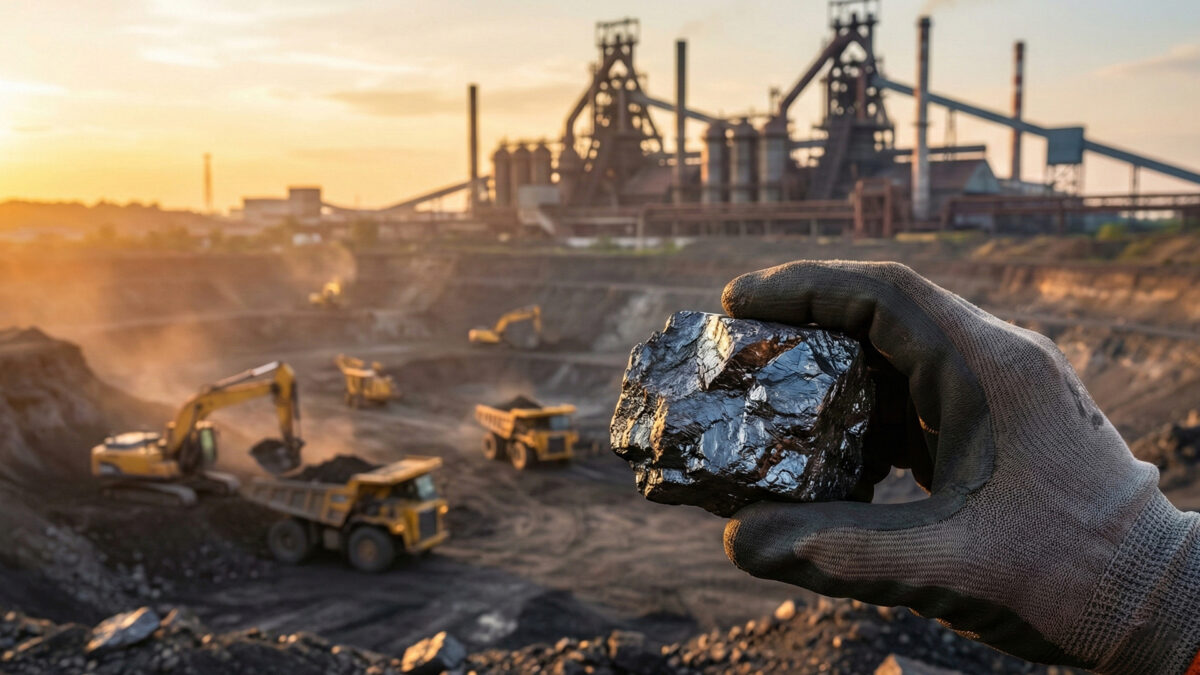
Coking Coal made Critical Mineral, shares jump 5%

The government has classified coking coal as a critical mineral under the Mines and Minerals (Development and Regulation) Act, highlighting its strategic importance for the steel industry.

The move is expected to simplify approvals for mining and exploration, encourage domestic production, and reduce the country’s heavy reliance on imports, which currently meet about 95% of demand.

Following the announcement, Bharat Coking Coal (BCCL) shares rose nearly 5%, while Coal India gained around 3%, reflecting investor optimism about the policy’s impact on the steel supply chain.

Categories
Corporate

Apple earnings soar as iPhone sales jump in China

Apple has reported one of its strongest quarterly results ever, thanks to a huge increase in iPhone sales, especially in China, and steady growth in its services business.

For the first quarter of fiscal 2026, Apple earned $143.8 billion in revenue, up 16% from last year, and a profit of $42.1 billion, exceeding analyst expectations. iPhone sales were the main driver, generating $85.3 billion, a 23% rise compared with the previous year.

China played a big role in this growth. iPhone sales in the country jumped about 38%, reaching $25.5 billion. Apple is seeing more customers switch from Android phones, helping it regain market share.

CEO Tim Cook said demand for the iPhone 17 was “staggering,” with strong sales across all major regions. Upgraded features, better performance, and customer upgrades from older models helped boost sales.

Apple’s services, including digital content, subscriptions, and software, also grew 14% to $30 billion, supported by a global active device base of 2.5 billion.

Not everything was perfect. Wearables and home accessories grew slowly, and rising chip costs and supply issues could affect future profits. Apple is also investing in artificial intelligence, including partnering with Google to use the Gemini AI model and buying AI startup Q.ai.

Looking ahead, Apple expects revenue growth of 13–16% for the next quarter, showing confidence in its iPhones and services despite ongoing supply challenges.

Apple’s strong results highlight the continued popularity of its devices and the resilience of its business, with China emerging as a key market once again.

Also Read: ITC Q3 FY26 profit ₹4,931 cr, revenue rises

Categories
1 Minute-Read

ITC Q3 FY26 profit ₹4,931 cr, revenue rises

ITC Ltd reported a nearly flat consolidated net profit of ₹4,931 crore for the third quarter of FY26, almost unchanged from the year‑ago period, as higher costs and one‑time charges offset gains.

Revenue from operations rose about 7 % to ₹21,577 crore, supported by growth in cigarettes and FMCG segments. The board declared an interim dividend of ₹6.50 per share with a February record date.

ITC also warned that a new excise duty on cigarettes could fuel illicit trade and harm small businesses and farmers. Shares traded modestly lower around the results.

Categories
Corporate

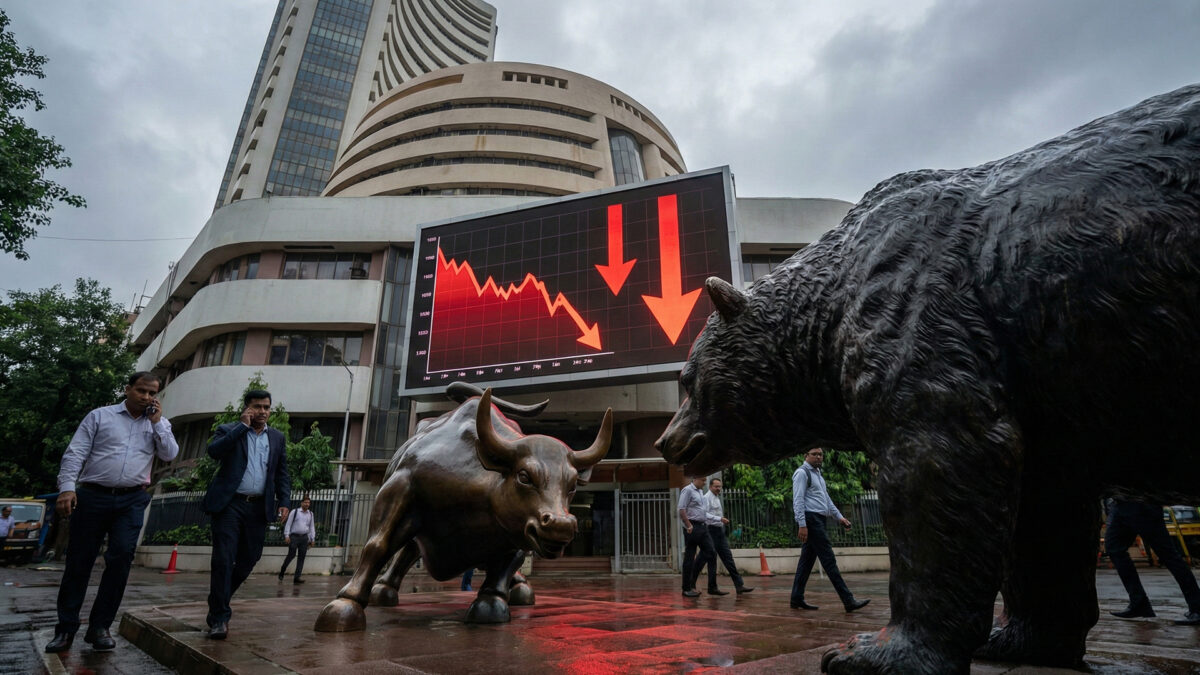
Sensex slides 350 points, Nifty slips below 25,300

equity benchmarks ended lower on January 30, 2026, as investors turned cautious ahead of the Union Budget and booked profits after recent gains. The BSE Sensex declined by more than 350 points, while the NSE Nifty 50 slipped below the key 25,300 level, reflecting weak global cues and stock-specific selling pressure.

Market sentiment remained subdued through the session, with losses seen across auto, metal and select FMCG stocks. Tata Motors emerged as a major laggard, with its shares falling sharply after the company reported a steep drop in net profit for the December quarter, despite steady revenue growth. Weak margins and higher costs weighed on investor confidence.

Voltas shares slid around 5% after the company posted disappointing quarterly earnings, missing market expectations. Metal stocks, including Tata Steel, also traded lower amid concerns over global demand and soft commodity prices, adding to the pressure on frontline indices.

On the positive side, Dabur India gained around 2%, supported by a modest rise in December-quarter profit and stable demand across its key product categories. Some defensive stocks and select FMCG names also saw mild buying as investors shifted to relatively safer segments amid market uncertainty.

Broader markets mirrored the weak trend, with midcap and smallcap stocks trading under pressure for most of the day. Sectorally, metal, auto and capital goods indices were among the top losers, while FMCG and healthcare stocks showed relative resilience.

Investors remained on the sidelines ahead of the Union Budget, looking for clarity on government spending, fiscal consolidation and measures to support growth. Global factors, including mixed Asian market performance and concerns around interest rate outlooks, also influenced domestic sentiment.

Also Read: Sensex climbs 222 points, Nifty regains 25,400 mark

Categories
Corporate

SpaceX eyes June 2026 IPO at trillion-dollar valuation

Elon Musk’s aerospace venture SpaceX is reportedly planning to go public in June 2026, with a potential valuation of $1.5 trillion. The company could raise up to $50 billion, making it one of the largest initial public offerings in history. If realized, the listing would surpass nearly all previous market debuts, including Saudi Aramco’s $29 billion IPO in 2019.

The proposed timeline coincides with Musk’s 55th birthday on June 28 and a rare alignment of planets, adding a symbolic touch to the potential market debut. While SpaceX has traditionally stayed private, recent growth in its Starlink satellite broadband network and other space-based technologies has fueled investor interest. Secondary market transactions have valued the company at roughly $800 billion, reflecting robust demand from private investors.

Industry observers note that the IPO could highlight the financial potential of the commercial space sector. SpaceX’s Starlink service has rapidly expanded, providing internet connectivity across remote regions, while broader commercial and government interest in satellite and space services continues to grow.

To support the IPO, reports suggest that four major Wall Street banks, Bank of America, JPMorgan Chase, Goldman Sachs, and Morgan Stanley, may be engaged as lead underwriters. Preparations appear to be well underway, although the final timing will depend on market conditions and regulatory approvals.

A successful listing would not only be a landmark event for SpaceX but also for the global financial markets, demonstrating strong investor appetite for the rapidly expanding space industry. Although the company has not officially confirmed the IPO, speculation alone has stirred excitement among analysts, investors, and media, highlighting the growing intersection of space exploration and investment opportunities.

With Starlink subscribers climbing and commercial interest rising, SpaceX’s public offering could set a new precedent for tech-driven space ventures, while solidifying Musk’s vision of turning space innovation into a mainstream economic force.

Also Read: Google launches AI Tools for JEE prep in India

Categories
Corporate

Sensex climbs 222 points, Nifty regains 25,400 mark

Markets closed higher on Thursday, where the BSE Sensex gained over 220 points, while the Nifty 50 moved back above the 25,400 level by the end of the session.

Markets opened on a cautious note amid mixed global cues and uncertainty ahead of key economic developments. Sentiment improved later in the day on the back of gains in heavyweight stocks.

Tata Steel surged around 4%, emerging as the top gainer on the Nifty, while Larsen & Toubro climbed nearly 3% on sustained investor interest. Other metal and PSU stocks such as Vedanta and Coal India also traded higher.

On the losing side, FMCG and auto stocks faced selling pressure. ITC, Maruti Suzuki and Titan Company were among the notable laggards, limiting broader market gains.

Sector-wise, metal, PSU and capital goods stocks outperformed, while FMCG, IT and auto indices ended lower. Investors stayed cautious ahead of upcoming economic cues and the Union Budget.

Also Read: Sensex down 400 points, Nifty under 25,250

Categories
1 Minute-Read

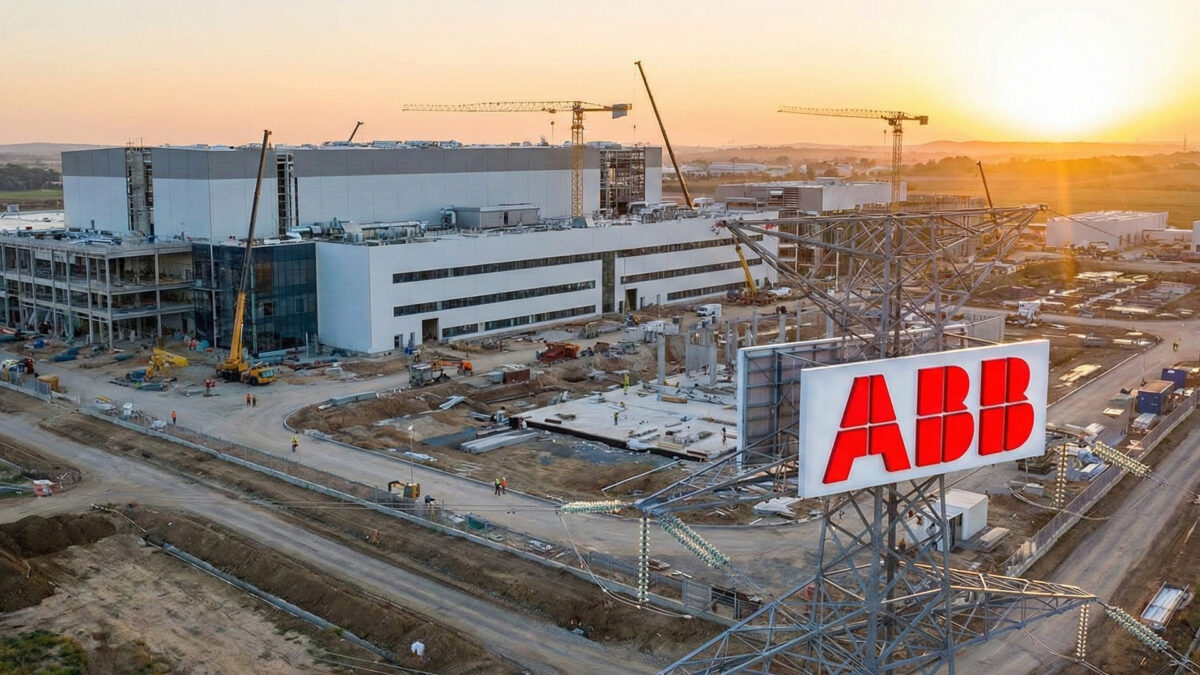
ABB India stock jumps nearly 10% in third straight rally

ABB India Ltd’s shares surged 9.67% to ₹5,531 on January 29, marking the third consecutive session of gains on the NSE. The stock outperformed benchmarks, with the NIFTY down 0.16% and Sensex largely flat, highlighting stock-specific momentum.

In the past month, ABB India has risen around 7.6%, supported by higher-than-average trading volumes. Despite the recent rally, the stock remains about 3.3% lower over the past year.

Futures for February also showed strong buying activity, reflecting continued investor interest in the stock.

Categories
Technology

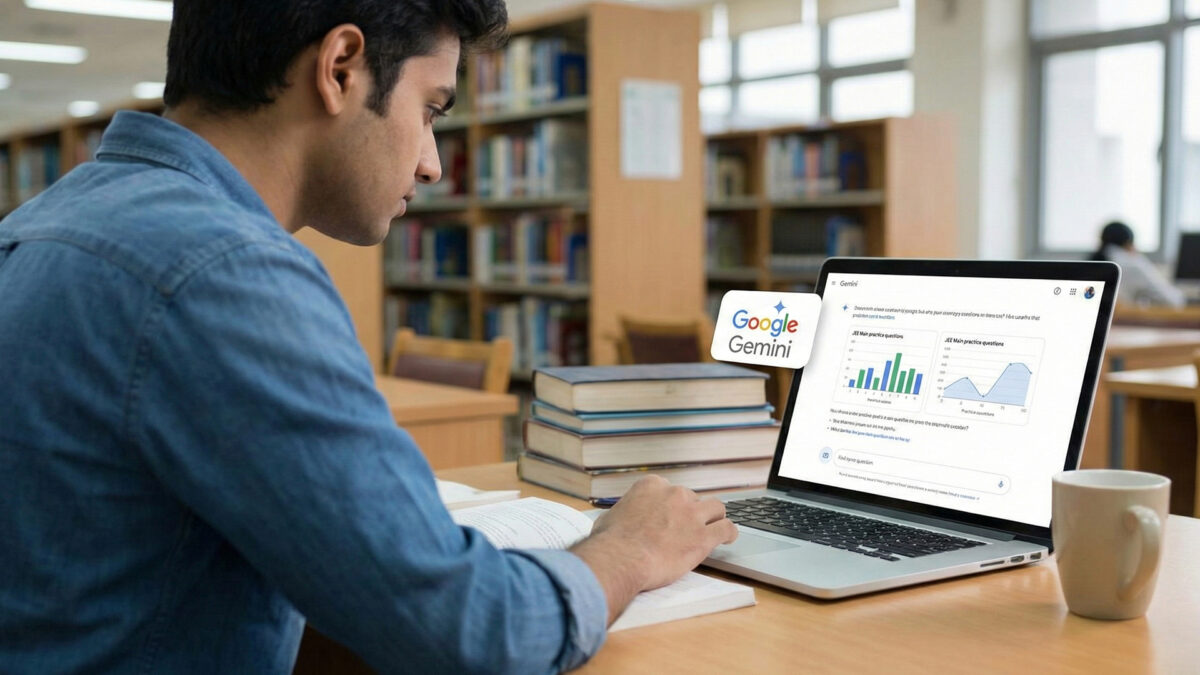
Google launches AI Tools for JEE prep in India

Google is stepping into Indian classrooms with tools that aim to make learning more personalised and accessible. From free JEE Main practice tests to an AI-enabled university pilot, the tech giant is trying to blend technology with everyday learning.

Students preparing for the highly competitive JEE Main can now use Google’s AI platform Gemini to take full-length mock tests anytime, anywhere. Just ask Gemini, and it provides exam-style questions from trusted partners like PhysicsWallah and Careers360, along with instant feedback and explanations. This helps students see where they excel and where they need a bit more practice, turning AI into a virtual study companion.

Beyond exam prep, Google is also investing in the future of classroom learning. Its philanthropic arm, Google.org, has pledged ₹85 crore to Wadhwani AI to bring AI-driven educational tools to public schools and colleges. The funding aims to reach 75 million students and nearly 2 million teachers by 2027, offering tools like voice-based lessons in local languages and smarter digital classrooms that adapt to students’ needs.

On a larger scale, Google Cloud has partnered with the Ministry of Skill Development and Entrepreneurship (MSDE) and Chaudhary Charan Singh University (CCSU), Meerut, to launch India’s first AI-enabled university pilot. The project will integrate AI in teaching, learning, and administration,  from AI tutors to multilingual support, making education more inclusive, interactive, and efficient.

Also Read: Tesla ends Model S, Model X production confirms Musk

Categories
Leaders

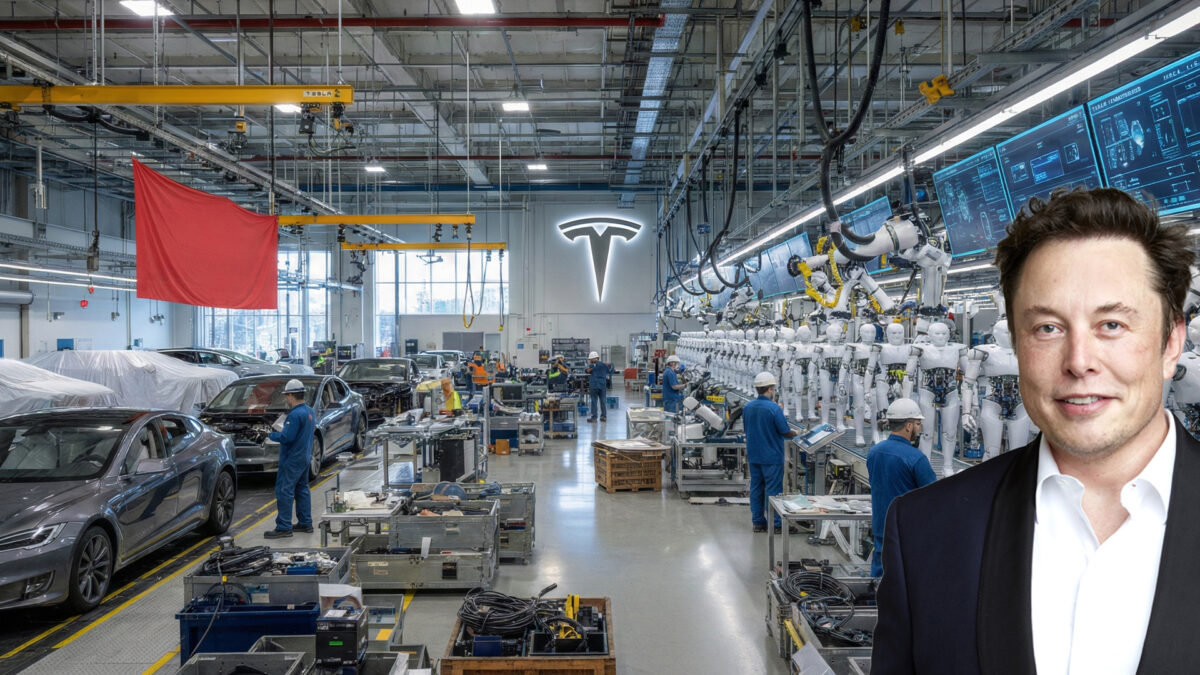
Tesla ends Model S, Model X production confirms Musk

Tesla has announced it will stop producing its premium Model S sedan and Model X SUV by mid-2026. These two cars have long been the company’s flagship models, but sales have been falling steadily. CEO Elon Musk revealed the decision during Tesla’s fourth-quarter earnings call on 28 January 2026, describing it as an “honorable discharge” for the vehicles that helped define Tesla’s luxury lineup.

Musk explained that the move is part of a larger plan to focus on robotics, AI, and autonomous driving technology. He encouraged anyone interested in the Model S or X to place orders before production ends, noting that current inventory will be the final units.

Tesla’s Fremont factory in California will be reconfigured to manufacture the company’s Optimus humanoid robots, with a goal of eventually producing up to one million units annually. This shift underscores Musk’s vision of transforming Tesla from a traditional carmaker into a technology-driven company with a focus on automation and AI.

The Model S and X have seen declining sales over the past few years, contributing only a small portion of Tesla’s total vehicle deliveries. In contrast, the Model 3 and Model Y remain the company’s top-selling vehicles, driving most of Tesla’s revenue.

Tesla also reported its first annual revenue decline, with 2025 sales dropping about 3% to $94.8 billion, marking a rare slowdown after years of consistent growth. Despite this, Musk emphasized Tesla’s commitment to developing self-driving technology, AI-powered hardware, and robotics, including the Optimus project.

While new Model S and X cars will no longer be produced, the company will continue to support existing owners with service and maintenance. This decision reflects Tesla’s strategic realignment, focusing on high-volume models like the Model 3, Model Y, and the upcoming Cybertruck, while expanding into emerging tech sectors.

Also Read: L&T bags ₹5,000–10,000 cr Riyadh metro extension order