Categories
Beyond

Supreme Court blocks Trump’s global tariffs

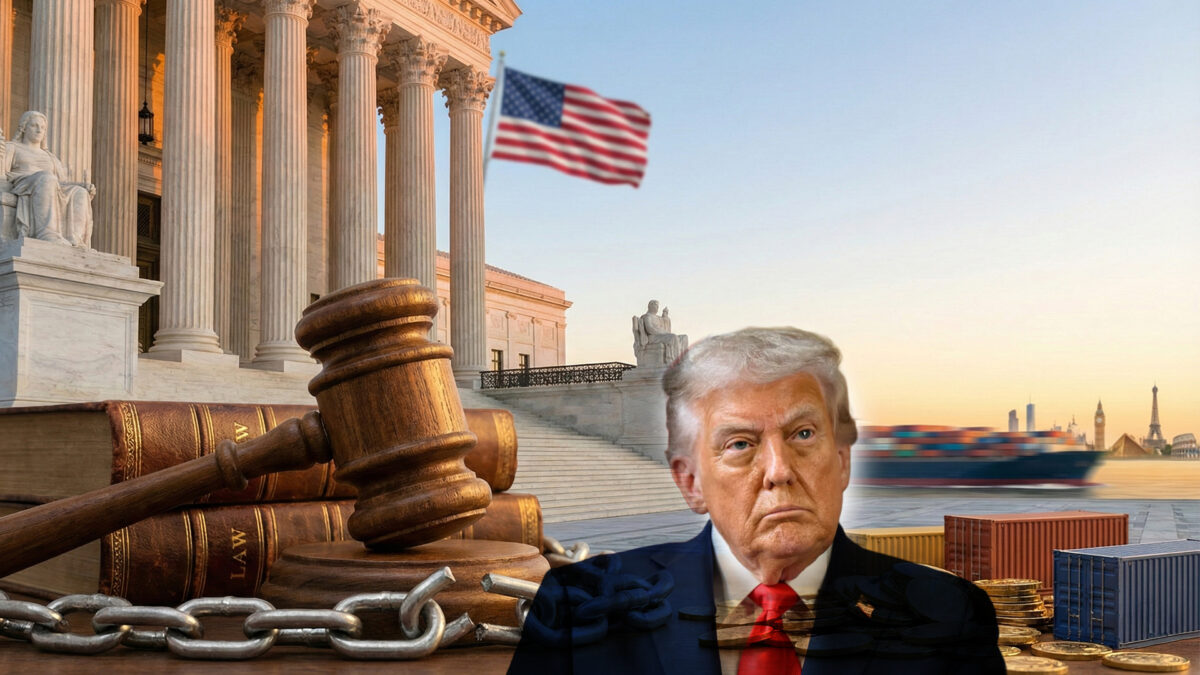
The U.S. Supreme Court has struck down the bulk of former President Donald Trump’s global tariffs, ruling that he overstepped his authority by imposing wide-ranging import taxes without Congress’s consent. The 6–3 decision, announced on February 20, 2026, marks a significant setback for Trump-era trade policies that affected goods from countries across the globe.

The dispute centered on the International Emergency Economic Powers Act (IEEPA), a law meant to give the president authority in national emergencies. The court found that using it to levy broad tariffs on imports from multiple countries went beyond the law’s intent, since the US Constitution grants Congress the power to impose taxes and tariffs.

Trump’s “reciprocal tariffs” had targeted goods from major trading partners, including China, Mexico, Canada, and India, aiming to protect U.S. industries and reduce trade deficits. While the administration viewed them as essential tools for negotiating fair trade, critics challenged them as unconstitutional and disruptive to businesses and global markets.

Chief Justice John Roberts, writing for the majority, emphasized that significant economic decisions require clear congressional authorization. The court’s ruling leaves sector-specific tariffs under other trade laws, such as duties on steel and aluminum for national security, intact. Justices Thomas, Alito, and Kavanaugh dissented, believing the tariffs were within presidential authority.

The decision has major financial implications. Billions of dollars collected under the invalidated tariffs could be eligible for refunds, though the Supreme Court left details to lower courts. Businesses and exporters now face a clearer legal framework for US trade, while the White House may explore other statutory avenues to enforce parts of its trade agenda.

Also Read: OpenAI–Tata partner for 100mw AI data centre in India

Categories
Beyond

US drops 25% tariff on Indian goods

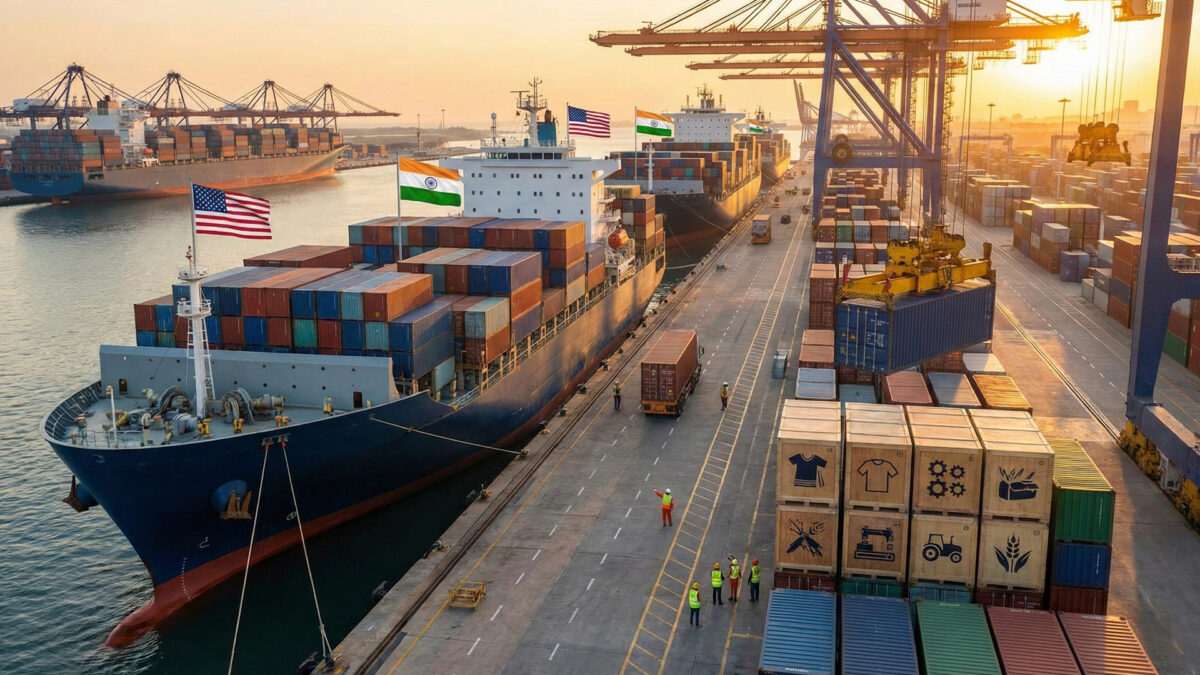
In a major relief for Indian exporters, the United States has lifted the extra 25% tariff on Indian goods that was imposed last year over India’s purchases of Russian oil. The tariff rollback, effective February 7, 2026, comes after India pledged to stop both direct and indirect imports of Russian crude, addressing a key US concern.

The decision is part of a new interim trade framework aimed at improving economic ties between the two countries. Under this agreement, the US will reduce general tariffs on Indian products to about 18%, while India will expand purchases of US goods, including energy, aircraft parts, and technology, worth up to $500 billion over the next five years.

Officials say the framework also sets the stage for closer cooperation in defence and supply chains, while easing barriers that had made it harder for Indian exports in sectors like textiles, pharmaceuticals, and machinery to compete in the US market.

This is seen as a boost for Indian businesses, as the removal of the extra levy will make exports more competitive and strengthen long-term trade relations. Both governments described the deal as a step toward a larger bilateral trade agreement, marking a new phase of economic and strategic partnership between the two nations.

Also Read: Reliance returns to Venezuelan oil, buys 2 mn barrels

Categories
1 Minute-Read

India gains edge as exports beat US tariffs

India’s exports to the United States rose over 22% in November, defying steep US tariffs imposed by the Trump administration.

Total exports reached their highest November level in a decade, easing fears of a tariff-driven slump. The rise gives India leverage in ongoing trade talks, reducing pressure to make immediate concessions.

Analysts say the resilient performance signals India’s economy can withstand trade tensions, potentially supporting calls to lower reciprocal duties.

This export growth strengthens New Delhi’s negotiating position with Washington amid stalled discussions on tariffs and trade barriers.

Categories
Beyond

3 US lawmakers move to end 50% India tariffs

Three members of the US House of Representatives have introduced a resolution seeking to end steep tariffs of up to 50 percent on Indian imports, imposed during former President Donald Trump’s administration. The lawmakers, Deborah Ross, Marc Veasey, and Raja Krishnamoorthi, called the tariffs “illegal” and harmful to both American consumers and workers.

The tariffs were initially imposed under a national emergency declaration, with Trump citing concerns over India’s trade policies and purchases of Russian oil. These duties affected a wide range of Indian-made goods, raising their cost significantly in the US market. In August 2025, a secondary 25 percent duty was added, increasing the total tariff burden on imports from India to as high as 50 percent.

The resolution introduced by the three lawmakers aims to repeal these tariffs and cancel the national emergency powers used to justify them. It highlights the economic and strategic importance of the US-India relationship, including trade, investment, and supply chain links that benefit American industries and consumers.

Representative Deborah Ross noted that states such as North Carolina gain from trade and investment with India, which supports jobs and economic growth. She said the tariffs undermine these benefits, adding unnecessary costs for American families. Congressman Marc Veasey called India a key partner in culture, economics, and security, warning that the tariffs act as an extra tax on ordinary Americans already facing rising prices. Congressman Raja Krishnamoorthi emphasized that ending the duties would strengthen bilateral economic and security cooperation.

The lawmakers’ resolution also reflects a broader push by Congressional Democrats to challenge Trump-era use of emergency powers in trade matters. By restoring Congress’s authority over trade decisions, they hope to ensure that future trade policies are transparent, fair, and legally grounded.

If passed, the resolution would not only lift tariffs on Indian goods but also send a signal that the US is committed to maintaining strong trade and strategic ties with India, while protecting the interests of American workers and consumers.

Also Read: November inflation at 0.71%, still under RBI band

Categories
Beyond

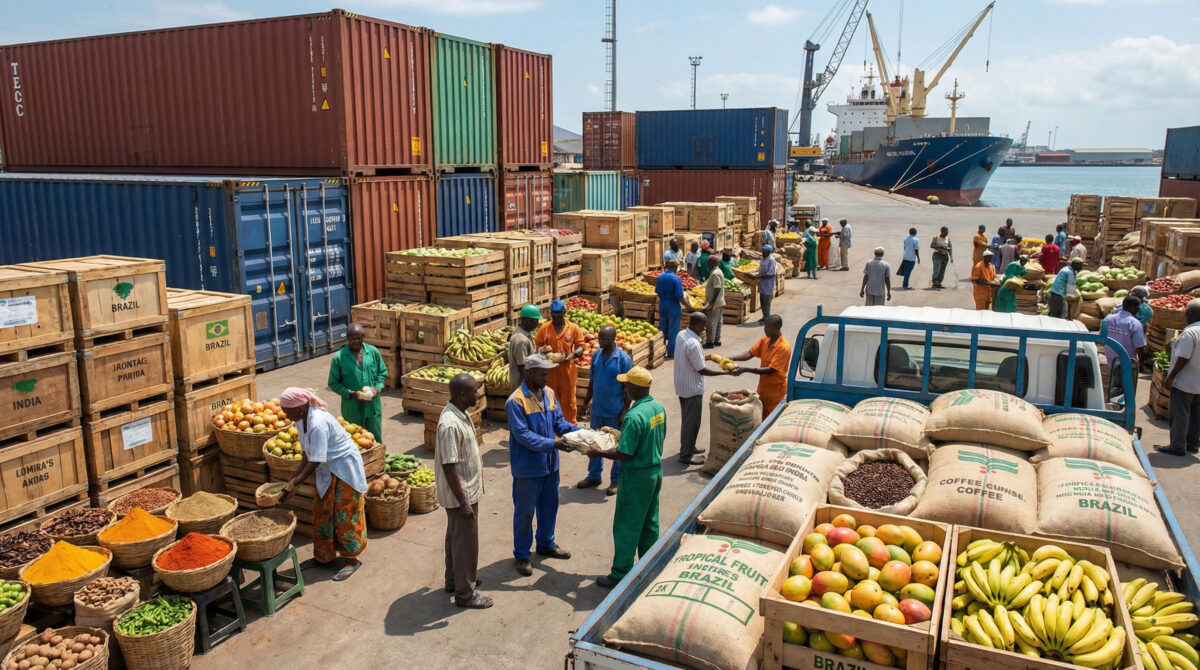
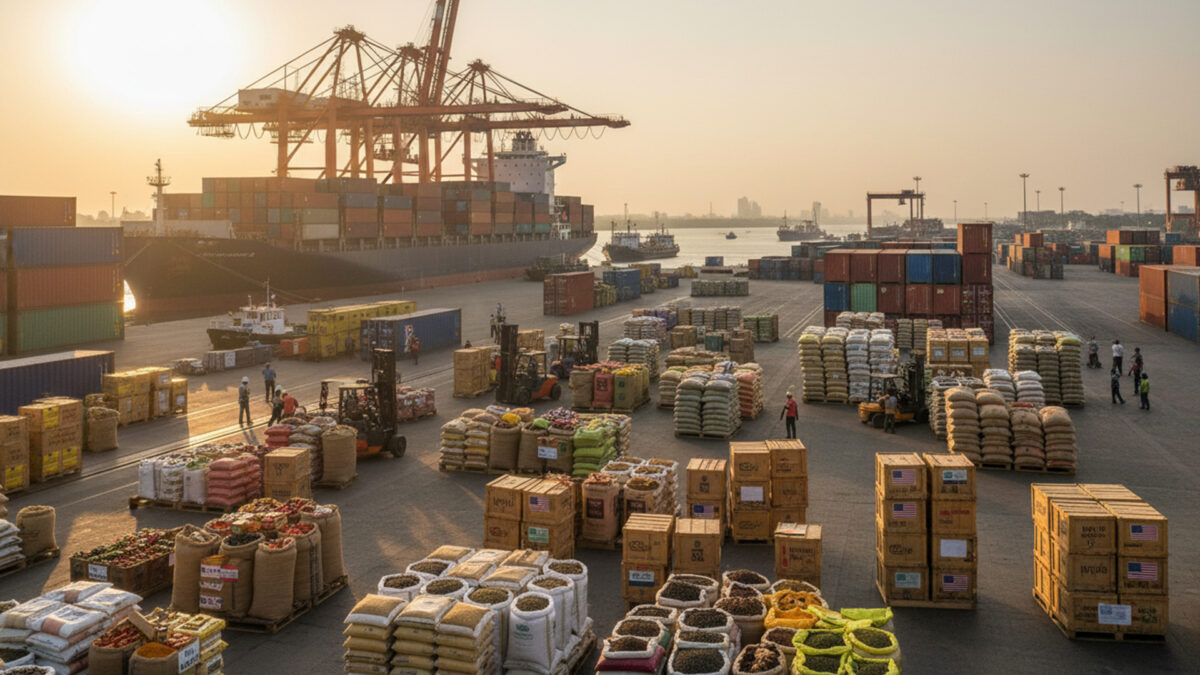
US removes 200+ food tariffs, India, Brazil gain big

The US has lifted tariffs on more than 200 food and farm products in a major policy shift aimed at lowering grocery prices and improving food supply. The decision, approved by President Donald Trump and effective from November 13, removes duties on items such as tea, coffee, spices, nuts, fruits, vegetables, and processed foods.

For India, the move is a significant boost. Exporters of tea, coffee, spices, cashews, ready-to-eat foods, and certain fruits and roots are expected to gain the most. Industry estimates suggest that India could see additional export earnings of USD 2.5–3 billion as products that earlier faced higher tariffs now become more competitive in the country’s. market. Officials say the decision restores a fair trade environment after Indian goods were subjected to steep duties in recent years.

However, experts caution that India may not benefit equally across all categories. For example, items such as bananas, tomatoes, and juices, also covered under the tariff rollback, are sectors where India has limited export share. Exporters also point out that gains will depend on logistics, pricing, and the ability to meet strict US. food safety standards.

The tariff changes also offer relief to Brazil. Earlier this year, the US imposed heavy duties, up to 40 percent, on Brazilian beef, coffee, cocoa and tropical fruits. Those penalties have now been partially reversed. The rollback, which is retroactive, may even qualify Brazilian exporters for refunds on earlier shipments. While some tariffs remain on a few items, Brazilian officials have welcomed the decision as a positive step toward stabilizing trade ties with Washington.

For American consumers, the tariff removal is expected to help bring down food inflation, one of the key economic concerns in the US. The administration believes that cheaper imports will reduce pressure on household budgets in the coming months.

Also Read: Reliance halts Russian oil for Jamnagar export refinery

Categories
Beyond

Trump’s tariff move boosts Indian tea, spices

US President Donald Trump announced a reduction in import duties on nearly 200 agricultural and food products, including Indian spices, tea, and processed foods.

Indian exporters of tea, coffee, spices and cashew nuts faced steeper losses after the Trump administration raised duties on several Indian products to as much as 50%, alongside a separate 25% penalty that took effect in late August on India’s purchases of Russian oil.

While, India’s European and Vietnamese competitors faced tariffs in the 15–20% range.

The updated tariff list covers several products in which India is a major global supplier, including black pepper, cloves, cumin, cardamom, turmeric, ginger, premium teas, mango-based products and selected nuts such as cashew.

In 2024, India sent over half a billion dollars’ worth of spices to the US, while coffee exports to the American market approached $83 million.

However, some of India’s farm-related exports such as shrimp and basmati rice, have not been granted relief. High duties also remain in place on Indian jewellery, garments and gems while broader trade disagreements continue.

Officials involved in trade and agricultural policy described the tariff cuts as a constructive signal for ongoing US–India negotiations. They also hope the move will help offset the pressure faced by exporters since this year’s tariff hikes, which contributed to a nearly 12% year-on-year drop in India’s September shipments to the US, down to $5.43 billion.

Farm goods that are valued at about $5.7 billion out of India’s $87 billion in total exports to the US in 2024 were among the most affected.

Also Read: India signs first LPG deal with US

Categories
Beyond

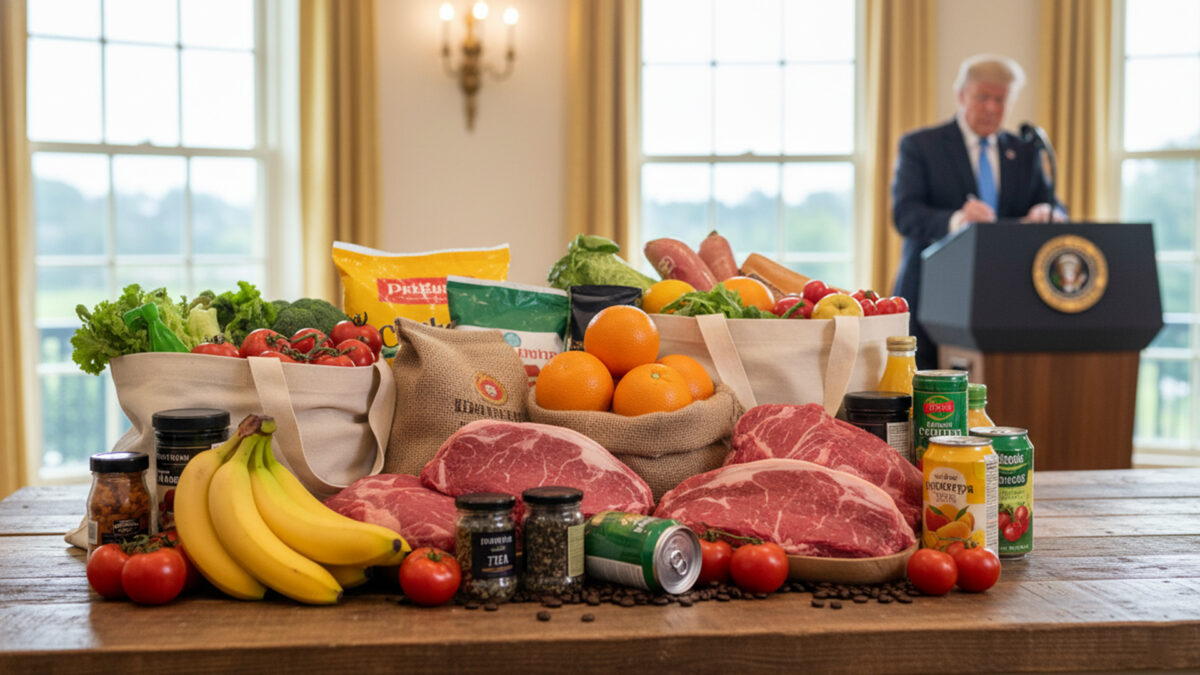
Trump drops tariffs to ease food prices

President Donald Trump has decided to remove tariffs on a range of imported goods, including beef, coffee, bananas, oranges, tomatoes, cocoa, tea, fruit juices and certain fertilisers. The goal is to help cut food prices for families who have been hit hard by rising grocery costs.

Many of these items are not produced widely in the United States, especially tropical fruits and coffee. Earlier, they carried tariffs of 10% to 50%, which increased their market prices. With the removal of these duties, officials expect imported foods to become cheaper.

Some tariffs will remain in place. For instance, tomatoes imported from Mexico will still face a 17% duty. But overall, the government believes the new policy will ease the financial burden on shoppers.

The move comes at a time when Americans have been voicing strong concerns about inflation and the high cost of daily essentials. Recent voting patterns also showed that economic worries remain a top priority for many households.

By cutting these tariffs, the administration hopes to reduce pressure on consumers, improve public confidence, and show that it is taking action to address rising living expenses.

Also Read: Trump adds 50,000 federal workers