Categories
Beyond

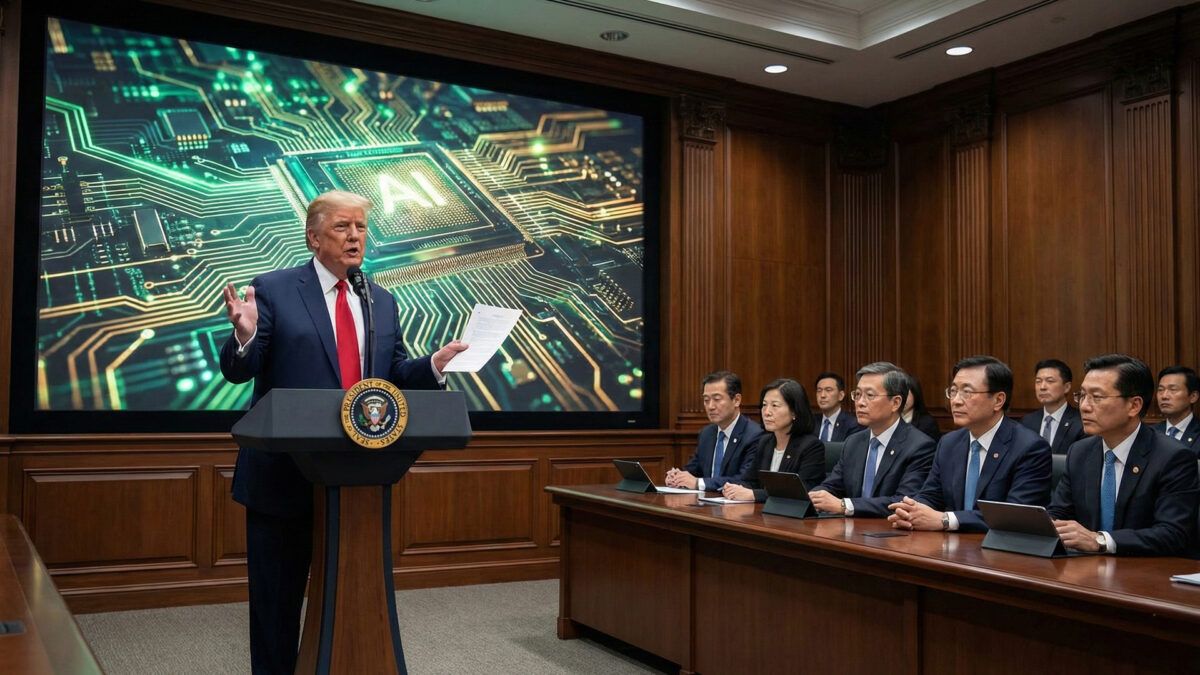
Trump blocks Chinese‑linked chip deal

US President Donald Trump has blocked a Chinese‑linked semiconductor deal, saying it could threaten national security. An executive order issued on January 2 requires HieFo Corporation to sell certain Emcore Corp. assets within 180 days. The move reflects growing concern over foreign access to sensitive US technology.

The deal, completed in 2024, involved HieFo, a Delaware‑registered company, buying Emcore’s computer chip business and wafer fabrication operations for $2.9 million. Emcore, based in New Jersey, was a public aerospace and defense technology company before the sale.

Trump’s order said there is “credible evidence” that HieFo is controlled by a Chinese national and that the deal could harm US security. The order did not give full details but shows the government’s worry about foreign control of important technology.

The Committee on Foreign Investment in the United States (CFIUS) reviewed the transaction and identified risks. HieFo now has six months to divest all rights and assets globally unless CFIUS allows more time.

The assets include technology and facilities used for chip design and wafer production, which are important for both commercial and defense purposes. The move highlights the US effort to stop Chinese-linked companies from accessing advanced semiconductor technology amid global tech competition.

Neither HieFo nor Emcore has commented publicly yet.
Also Read: BYD surpasses Tesla as global EV leader in 2025

Categories
Corporate

Trump strikes drug price deal with 9 pharma giants

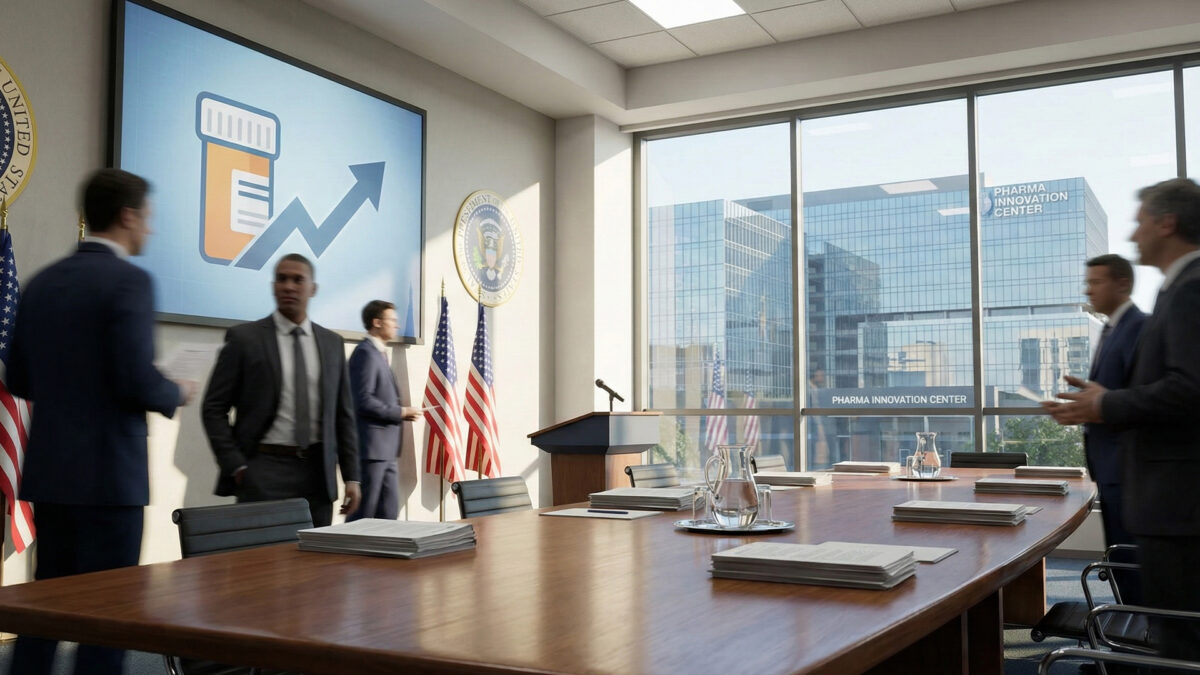
On December 19, 2025, US President Donald Trump announced landmark agreements with nine leading pharmaceutical companies to reduce the cost of prescription medicines in the United States. The companies involved include Amgen, Boehringer Ingelheim, Bristol Myers Squibb, Genentech (Roche), Gilead Sciences, GSK, Merck, Novartis, and Sanofi.

Under these deals, participating companies have agreed to lower prices for drugs purchased under Medicaid and for patients paying out of pocket, bringing US prices closer to those in other wealthy nations. The agreements also introduce “most‑favoured‑nation” pricing, ensuring new medicines sold in the US will not be priced higher than in comparable countries.

As part of the initiative, the administration plans to launch TrumpRx.gov in January 2026, an online platform that will allow patients to access discounted drugs directly from manufacturers. The platform targets individuals without insurance or those facing high out-of-pocket costs, offering a more affordable route to essential medications.

Some companies have also pledged additional support. For instance, Bristol Myers Squibb will provide its widely used blood thinner, Eliquis, for free to Medicaid recipients. Others will donate raw materials and emergency medical supplies to a national reserve.

In exchange for these concessions, the pharmaceutical firms receive a three-year exemption from potential new tariffs that had previously been under consideration. The Trump administration describes these agreements as a major step toward tackling the high cost of medicines in the US, which historically remains higher than in most other developed nations.

However, experts have cautioned that while these deals may lower costs for some patients, especially the uninsured or low-income, the majority of Americans with standard health insurance may see limited immediate savings.

This move follows earlier agreements earlier in 2025 with Pfizer, AstraZeneca, Eli Lilly, and Novo Nordisk, reflecting a broader strategy by the administration to negotiate drug prices directly with manufacturers rather than imposing strict price controls.

With TrumpRx.gov and these pricing deals, the administration aims to make prescription drugs more affordable and accessible, signaling a major policy push on one of the US’s most pressing healthcare issues.

Also Read: Indian Pharma stocks up 5% after US Biosecure Act

Categories
Beyond

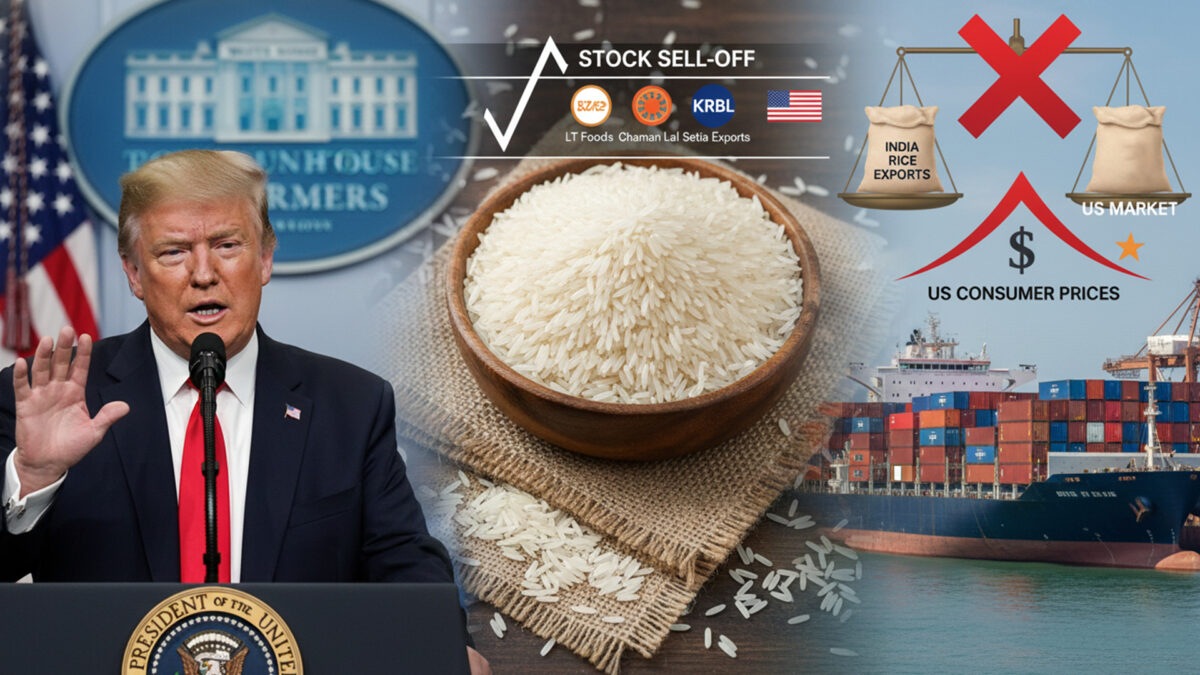
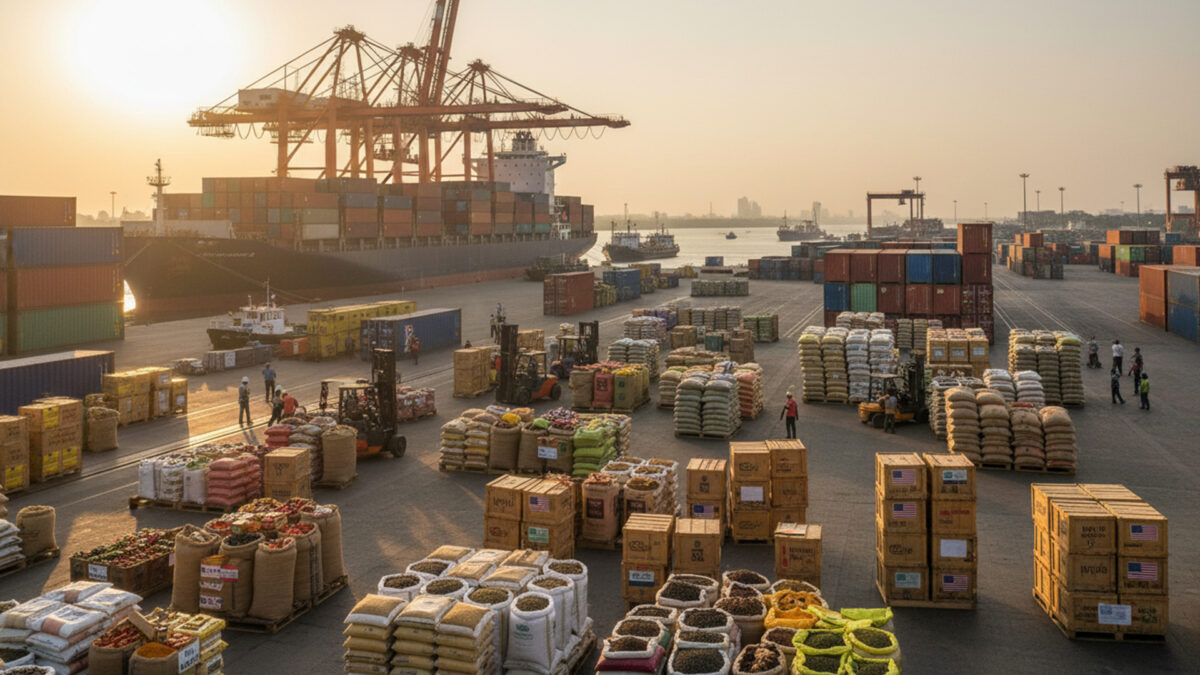
Trump signals potential tariffs on Indian rice

US President Donald Trump has suggested that the United States may impose additional tariffs on rice imports from India, citing concerns that Indian rice is being “dumped” at low prices. Speaking at a White House roundtable with US agricultural representatives, he questioned why India is allowed to export rice to the US and indicated that new duties could address the issue.

India already faces some of the highest tariffs globally on rice exports. Despite this, Indian rice—especially premium basmati—remains strong in the US market. According to the Indian Rice Exporters Federation (IREF), India exported around 274,213 metric tonnes of basmati rice, valued at US $337 million, and 61,341 metric tonnes of non-basmati rice, worth US $54.6 million, to the US in 2024–25.

IREF notes that Indian rice appeals to ethnic communities in the US, who prefer its aroma, texture, and cooking quality—qualities that US-grown rice often cannot match. Analysts say any new tariffs would likely have minimal impact on Indian exporters but could increase prices for US consumers. Many experts view Trump’s remarks as politically motivated, aimed at domestic farm interests ahead of upcoming elections rather than as a major shift in trade policy.

Market observers highlight that Indian rice exporters have diversified global markets, ensuring resilience against potential US trade restrictions. While US producers may gain politically from tariff discussions, the economic burden is expected to fall more on consumers than on Indian exporters.

This development underscores the complexity of global trade, where political moves, domestic industry pressures, and international demand intersect. Despite the uncertainty, Indian rice exporters remain confident in sustaining growth, supported by strong overseas demand, premium positioning, and established supply chains.

Also Read: CCI likely to probe IndiGo after flight chaos

Categories
1 Minute-Read

Trump approves Nvidia H200 AI chip sales to China

The US government, under former President Donald Trump, has cleared Nvidia to sell its powerful H200 AI chips to selected customers in China. These chips, designed for artificial intelligence and large-scale computing, were previously restricted from export due to security concerns.

As part of the approval, the US will receive 25% of the sales revenue. Nvidia welcomed the decision, saying it supports American manufacturing and jobs while maintaining safeguards. Investors responded positively, and experts note the move could accelerate Chinese AI development while benefiting the US economically.

Categories
Beyond

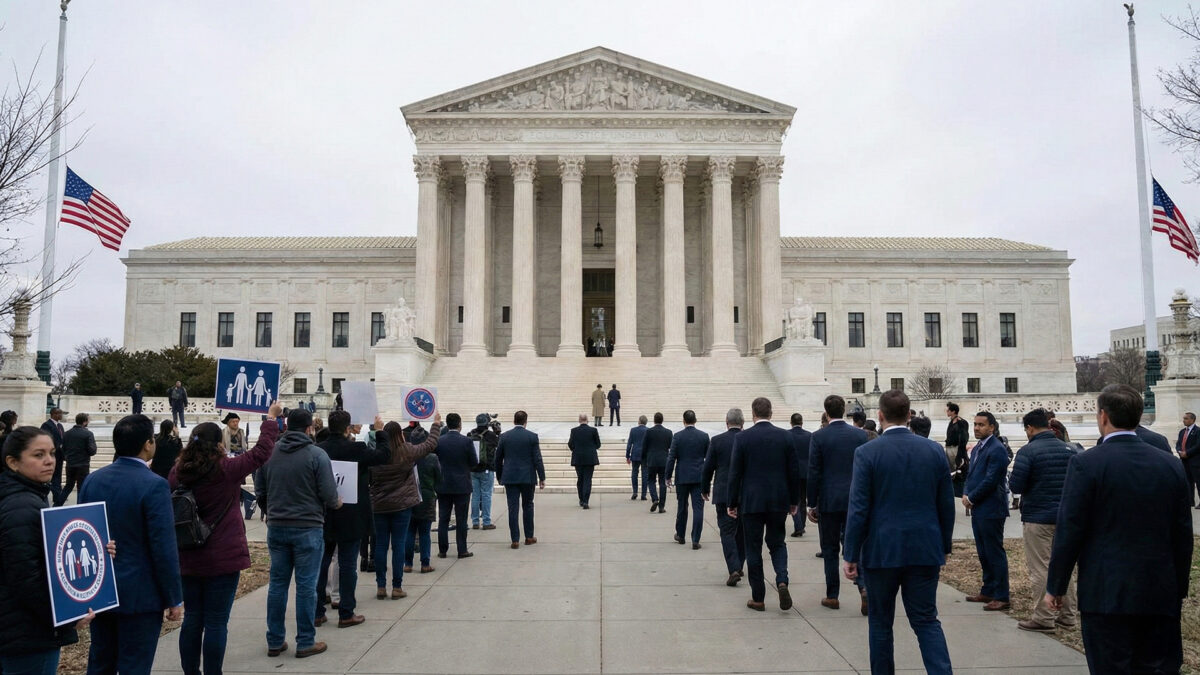
SC to review Trump birthright citizenship order

The US Supreme Court has agreed to hear a major case that could determine the future of birthright citizenship in the country. The decision comes after a series of legal battles over an executive order issued by President Donald Trump in January 2025, which seeks to deny automatic US citizenship to children born in the United States if their parents are undocumented or living in the country on temporary visas.

For more than 125 years, the United States has followed the principle that almost anyone born on American soil becomes a US citizen at birth. This practice is rooted in the 14th Amendment, which states that all persons born in the country and “subject to the jurisdiction” of the United States are citizens. Trump’s order challenges this interpretation, arguing that children of non-citizen parents do not fall under this jurisdiction.

Multiple lawsuits were filed soon after the order was announced, leading to nationwide injunctions from lower courts. Judges consistently ruled that the executive order likely contradicts the Constitution and longstanding legal precedent. One of the key cases, which began as a class-action suit on behalf of families who would be directly affected, eventually made its way to the Supreme Court after the administration appealed these lower-court decisions.

By accepting the case, the Supreme Court will now decide whether the executive branch has the authority to limit birthright citizenship without a constitutional amendment or congressional action. The hearing is expected to take place in the spring of 2026, with a final ruling anticipated by early summer.

The stakes are extremely high. If the Supreme Court upholds the order, hundreds of thousands of children born each year could lose the automatic right to citizenship, marking a dramatic shift in US immigration and nationality law. It would also redefine how the 14th Amendment is applied in modern America. On the other hand, if the Court strikes down the order, the traditional interpretation of birthright citizenship will remain firmly intact.

Until the ruling is delivered, the executive order remains blocked and unenforceable across the United States. The upcoming decision is expected to become one of the most consequential immigration rulings in decades, with long-term implications for families, legal status, and national identity.

Also Read: Zepto becomes public company, plans IPO by June 2026

Categories
Leaders

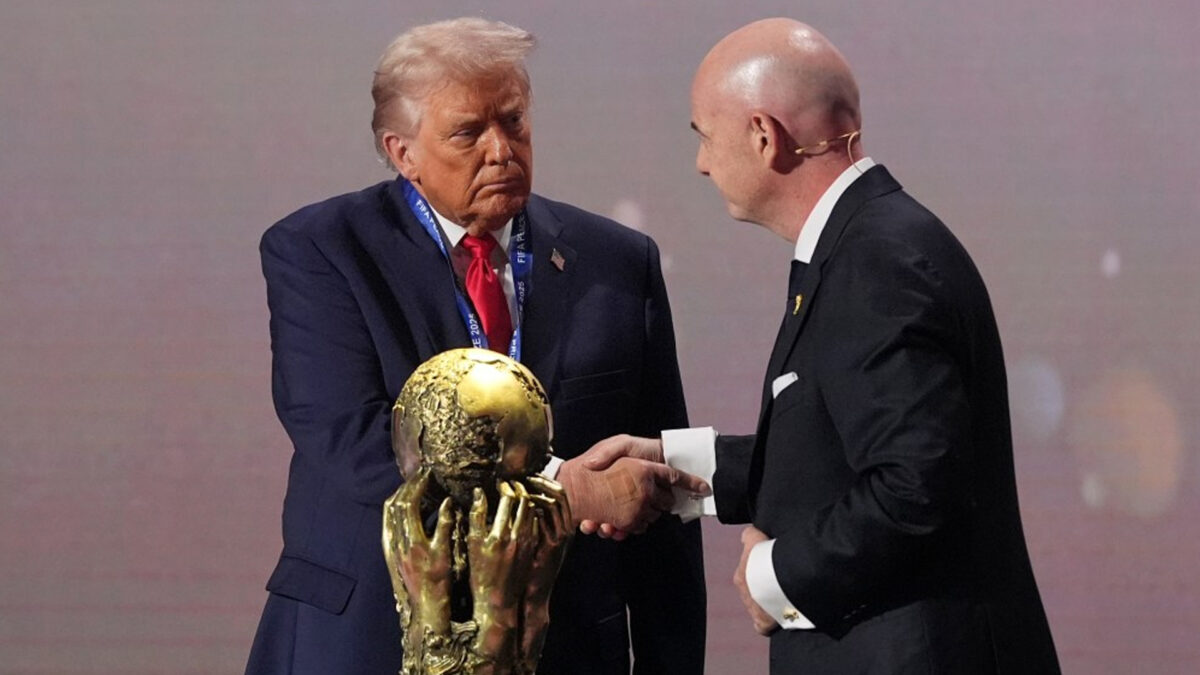
Trump receives FIFA Peace Prize for global leadership

FIFA made a decisive and attention-grabbing statement at the 2026 World Cup draw by awarding its first-ever Peace Prize to US President Donald Trump. The ceremony, held in Washington, D.C., underscored FIFA’s ambition to extend its influence into conversations about leadership, diplomacy and global cooperation.

Gianni Infantino, FIFA President, announced that the award was designed to honour leaders who have demonstrated “extraordinary actions for peace.” By choosing Trump for its inaugural recognition, FIFA showcased its willingness to engage with global governance, a notable departure from its traditionally sport-centric mandate.

Trump accepted the prize with conviction, asserting that leadership in uncertain times requires courage, clarity and an unwavering commitment to stability. He linked the award to the collaborative spirit behind the 2026 World Cup, co-hosted by the US., Canada and Mexico, calling the tournament an example of how strategic partnerships can bridge divides and build trust across borders.

However, the honour has sparked a wide spectrum of responses. Critics have questioned the transparency of the process, while rights groups noted that several conflicts Trump referenced as achievements remain unresolved. Yet supporters interpret FIFA’s decision as a recognition of influence, the ability to shape global narratives, encourage dialogue and use one’s platform to shift conversations toward peace.

The award reflects a strategic repositioning of FIFA as a global institution capable of addressing more than sport. By elevating leadership that transcends national boundaries, FIFA signals its belief that sport can be leveraged as a diplomatic tool, one that reaches millions and fosters unity.

In choosing Trump, FIFA has amplified its message: leadership today requires engagement with complex global realities, and international platforms must recognise those who attempt to navigate them. The Peace Prize serves as both a symbol and a call for leaders worldwide to use their influence for stability and collaboration.

Also Read: Netflix to buy Warner Bros Discovery for $72 billion

Categories
Beyond

Trump orders green card check for 19 countries

The US government has ordered a nationwide review of all green cards held by immigrants from 19 countries after a shooting near the White House left one National Guard member dead and another critically injured.

The accused shooter, Afghan national Rahmanullah Lakanwal, came to the US under the 2021 evacuation program. Former President Donald Trump directed a “full-scale, rigorous re-examination” of permanent residency permits for immigrants from Afghanistan, Burma (Myanmar), Burundi, Chad, Republic of the Congo, Cuba, Equatorial Guinea, Eritrea, Haiti, Iran, Laos, Libya, Sierra Leone, Somalia, Sudan, Togo, Turkmenistan, Venezuela, and Yemen.

US Citizenship and Immigration Services (USCIS) will oversee the review, which will cover current green card holders, as well as pending and new applications from these countries, effective November 27, 2025. Officials said the applicant’s country of origin will now be a key factor in eligibility, citing national security concerns.

Supporters say the move is necessary to protect US citizens, while critics argue it unfairly targets immigrants based solely on nationality.

The review reflects a stricter, security-focused approach to immigration, shifting away from broad humanitarian resettlement programs. Thousands of residents from the 19 countries may face renewed scrutiny, and applicants seeking residency or asylum could encounter stricter requirements and longer processing times.

Authorities maintain the review aims to balance safety with fairness, but the decision has sparked debates over civil liberties and the treatment of immigrants from the targeted nations.

Also Read: Adani buys India’s top pilot-training company for ₹820 cr

Categories
Beyond

Trump’s tariff move boosts Indian tea, spices

US President Donald Trump announced a reduction in import duties on nearly 200 agricultural and food products, including Indian spices, tea, and processed foods.

Indian exporters of tea, coffee, spices and cashew nuts faced steeper losses after the Trump administration raised duties on several Indian products to as much as 50%, alongside a separate 25% penalty that took effect in late August on India’s purchases of Russian oil.

While, India’s European and Vietnamese competitors faced tariffs in the 15–20% range.

The updated tariff list covers several products in which India is a major global supplier, including black pepper, cloves, cumin, cardamom, turmeric, ginger, premium teas, mango-based products and selected nuts such as cashew.

In 2024, India sent over half a billion dollars’ worth of spices to the US, while coffee exports to the American market approached $83 million.

However, some of India’s farm-related exports such as shrimp and basmati rice, have not been granted relief. High duties also remain in place on Indian jewellery, garments and gems while broader trade disagreements continue.

Officials involved in trade and agricultural policy described the tariff cuts as a constructive signal for ongoing US–India negotiations. They also hope the move will help offset the pressure faced by exporters since this year’s tariff hikes, which contributed to a nearly 12% year-on-year drop in India’s September shipments to the US, down to $5.43 billion.

Farm goods that are valued at about $5.7 billion out of India’s $87 billion in total exports to the US in 2024 were among the most affected.

Also Read: India signs first LPG deal with US