
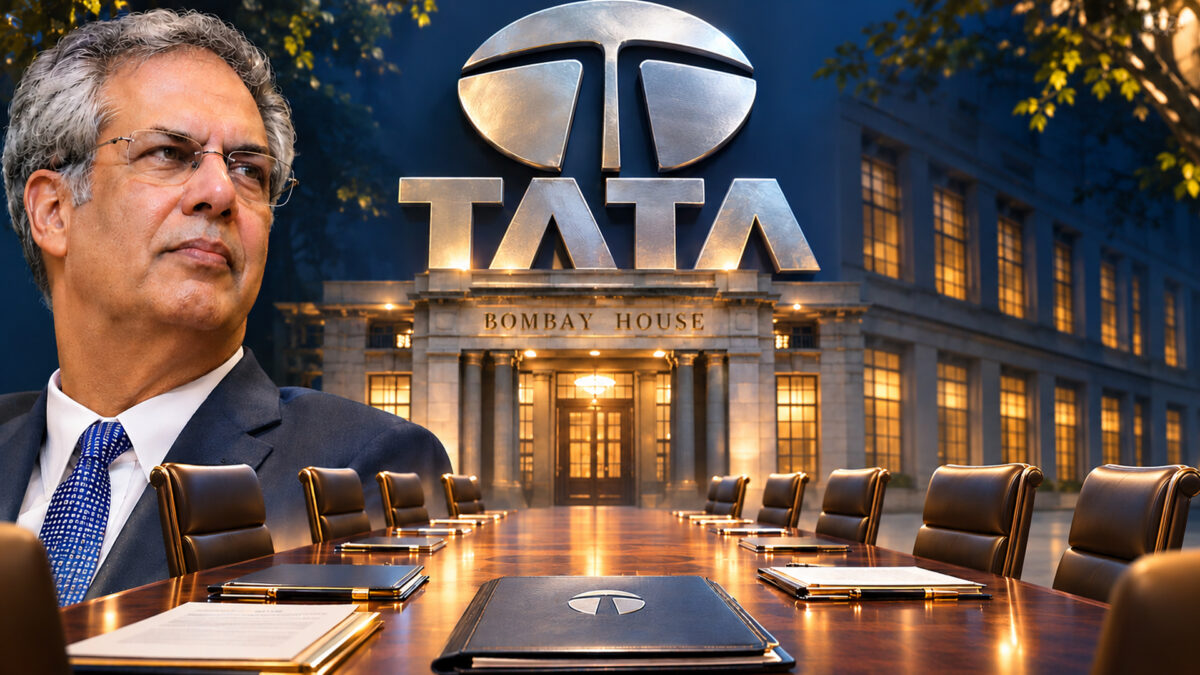
The Tata Trusts have approved philanthropic grants worth nearly ₹350 crore, keeping their focus on charitable activities even as differences over the future of Tata Sons continue to intensify. The approvals came ahead of a crucial November 26 board meeting of Tata Sons, where the proposed stock market listing of the holding company is expected to remain a key issue.
The Sir Dorabji Tata Trust (SDTT) and the Tata Education and Development Trust (TEDT) held their meetings on November 20 at the Tata Trusts office in Mumbai. Both meetings were chaired by Noel Tata, chairman of Tata Trusts, who attended in person. The discussions centred on funding proposals covering healthcare, education, poverty alleviation and social development.
The meetings were largely routine, with the proposed Tata Sons listing and the differences surrounding the holding company’s future reportedly not featuring on the agenda. However, their timing has drawn attention as the Tata Group prepares for another important boardroom discussion on its ownership structure and regulatory obligations.
The Sir Dorabji Tata Trust approved several grants, including a significant allocation of ₹50 crore to the Cowasji Jehangir Trust, which operates Jehangir Hospital in Pune. The hospital is planning an expansion involving an investment of more than ₹300 crore to strengthen its healthcare infrastructure and increase its capacity.
The proposed expansion includes an additional building for the existing 350-bed multispeciality hospital. Around a quarter of its beds are currently reserved for subsidised treatment, making the expansion important for improving access to healthcare.
The hospital’s management presented its plans to the trustees before the grant was approved. The decision also attracted attention because Jehangir HC Jehangir, who heads the hospital, is a trustee of the Sir Ratan Tata Trust. However, sources associated with the trusts maintained that there was no conflict of interest in approving the grant.
The Sir Dorabji Tata Trust also cleared four other grants, each estimated at ₹25 crore to ₹30 crore. These projects cover areas such as sports development, poverty alleviation and support for girl children, particularly in underserved communities.
The Tata Education and Development Trust, meanwhile, considered several philanthropic proposals, including funding for an advanced cancer treatment machine at the Tata Memorial Centre in Kolkata. The proposed facility is expected to be the first of its kind in eastern India and could improve access to specialised cancer treatment in the region.
While the trusts continued with their charitable commitments, the larger differences over Tata Sons remain unresolved. Tata Trusts collectively hold around 66% of Tata Sons, making them the most influential shareholders in the group. Noel Tata has maintained that the holding company should remain privately owned, arguing that its existing structure allows the group to preserve its long-term business priorities and philanthropic commitments.
The disagreement has become more pronounced following developments at the September 17 Tata Sons board meeting, where directors approved another five-year term for chairman N Chandrasekaran. The resolution was passed by a 4:1 majority, with Noel Tata voting against the proposal.
Differences have also emerged within the trusts over governance and board appointments. Vice-chairmen Venu Srinivasan and Vijay Singh have reportedly raised concerns over changes to the composition and functioning of the Sir Dorabji Tata Trust. These disagreements have added another layer of complexity to the ongoing discussions over the group’s future.
The proposed listing has become particularly sensitive following the Reserve Bank of India’s (RBI) position on Tata Sons. The central bank has maintained that the company must comply with the regulatory requirements applicable to upper-layer non-banking financial companies, including the mandatory listing of its shares.
Tata Sons had sought to surrender its registration as a core investment company, but the RBI rejected the application in September. The regulatory position has strengthened the case for a stock market listing, putting pressure on the company to find a way forward.
Noel Tata is understood to favour an alternative restructuring proposal that could help Tata Sons retain its unlisted status. The proposal reportedly involves merging two group companies, Tata Electronics Systems Solutions and Tata Consulting Engineers, with Tata Sons. The restructuring could change the holding company’s business profile and potentially affect its regulatory classification. However, it would require the necessary corporate and regulatory approvals.
Another issue likely to figure in the discussions is the financial position of the Shapoorji Pallonji Group, which owns an 18.4% stake in Tata Sons. The group has reportedly sought a share buyback of around ₹25,000 crore over two years to meet its funding requirements and reduce debt. The issue had also come up at the September board meeting.
With the November 26 meeting approaching, Tata Sons faces important decisions on regulatory compliance, ownership and governance. The outcome could have significant implications for the future of the country’s largest business conglomerate.