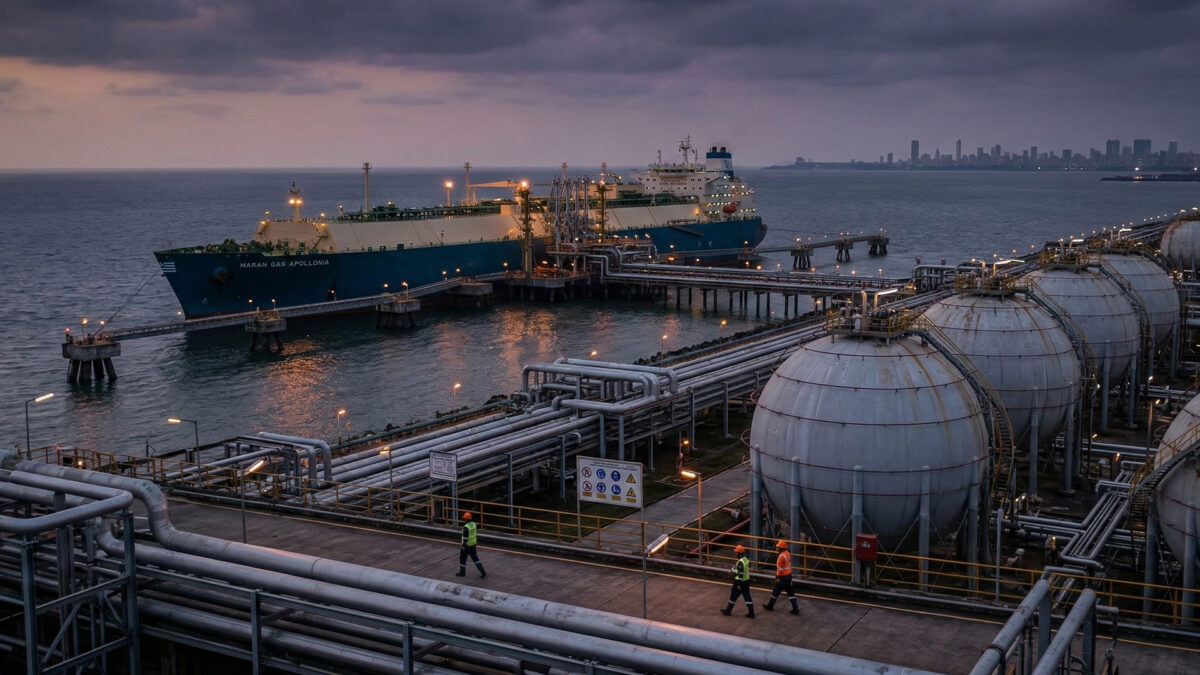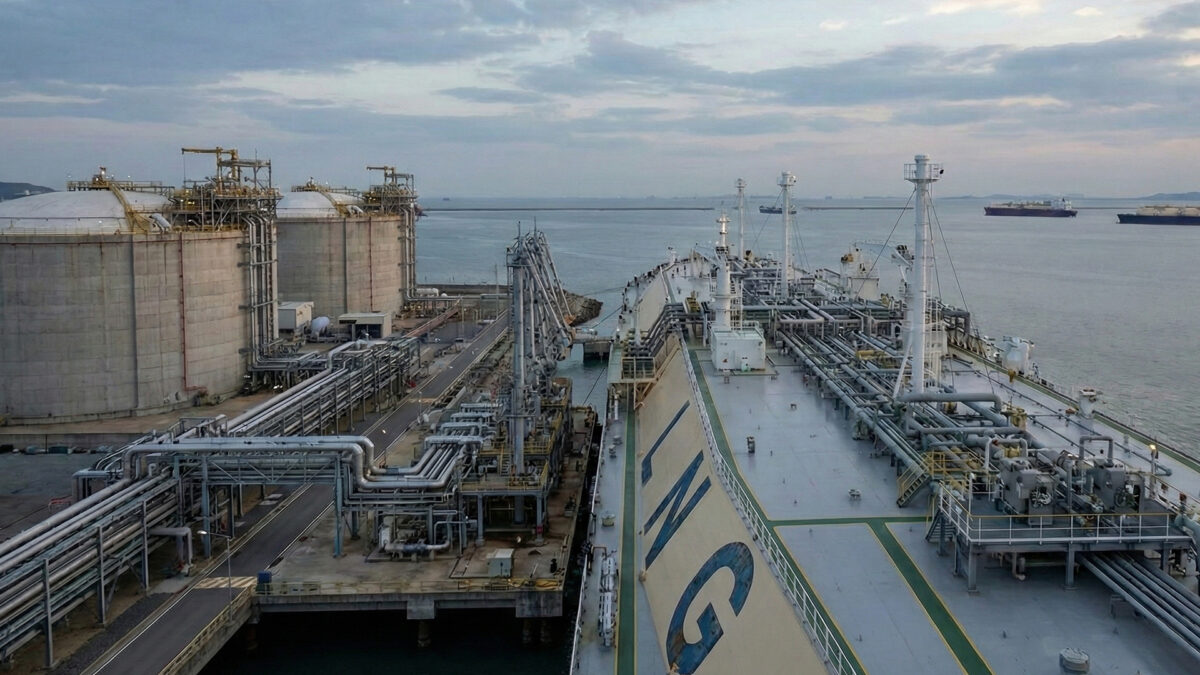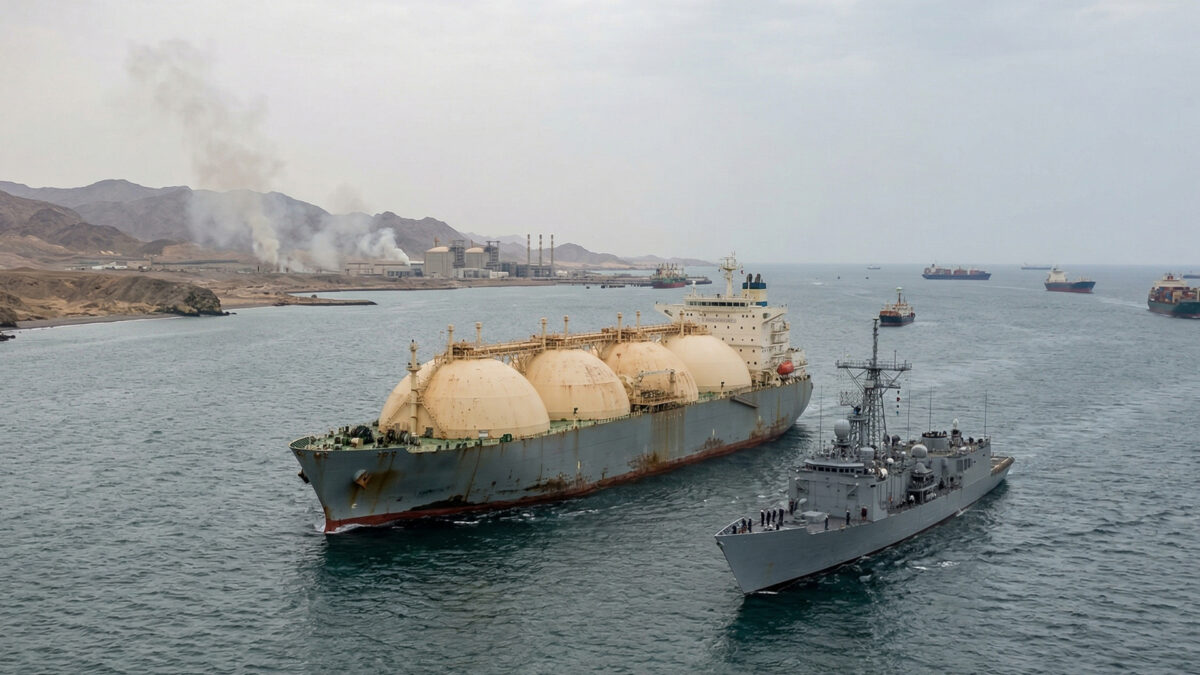
Global liquefied natural gas (LNG) exports have fallen to their lowest level in six months as rising tensions involving Iran disrupt supply chains and key shipping routes. The decline underscores how geopolitical instability in West Asia is beginning to weigh heavily on global energy flows.
Recent data shows LNG shipments have dropped sharply, with average export volumes falling significantly compared to previous weeks. The slowdown is largely linked to disruptions in and around the Strait of Hormuz, a critical route for global energy trade. A substantial share of the world’s LNG passes through this narrow corridor, making it highly sensitive to conflict.
Ongoing security concerns have forced ships to delay or reroute journeys, leading to slower deliveries and reduced export volumes. In some cases, energy companies are taking extra precautions, adding to transit time and costs.
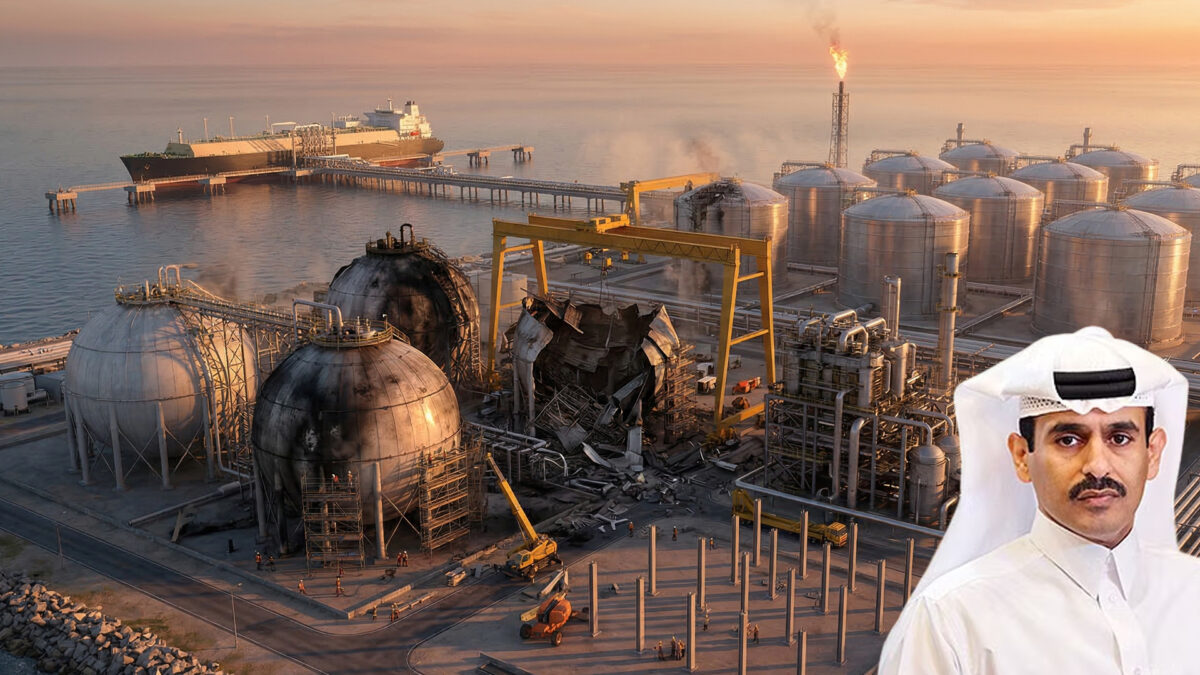
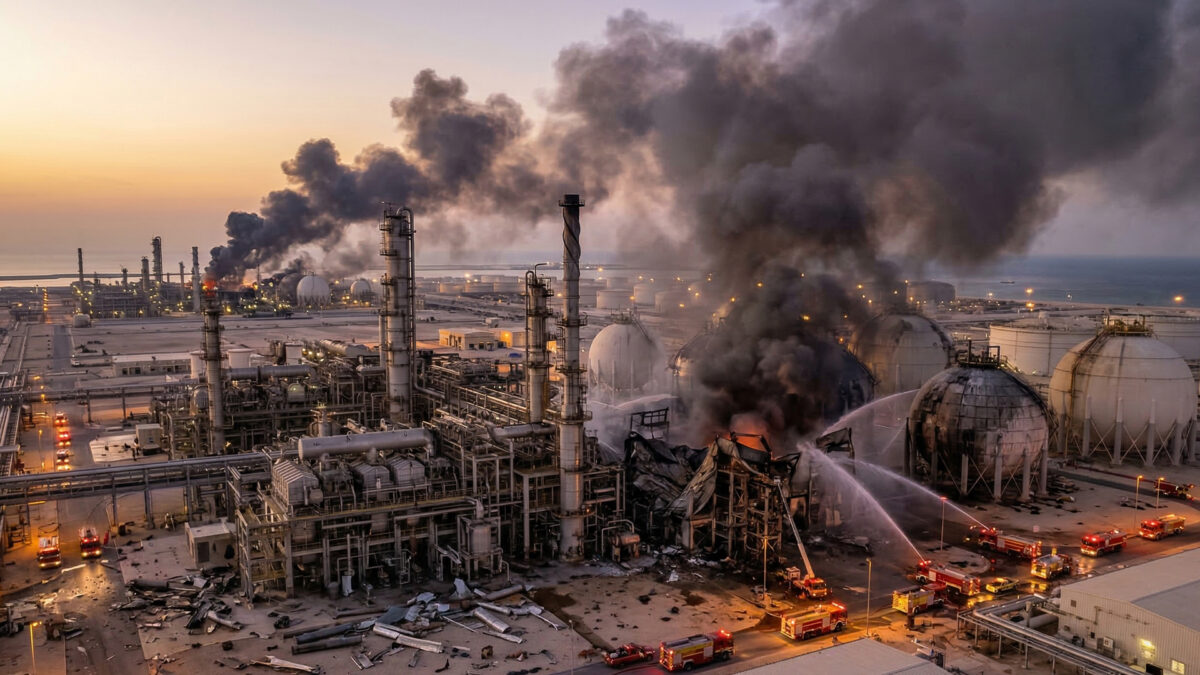
The situation has been further complicated by damage to energy infrastructure in the region. Qatar, one of the world’s largest LNG exporters, has seen part of its production capacity affected due to regional instability. This has tightened global supply at a time when demand remains strong, especially in Asia and Europe.
As a result, global gas prices have shown an upward trend, with buyers competing for limited cargoes. Countries that rely heavily on LNG imports are facing increased costs and potential supply shortages. The impact is particularly significant for energy-dependent economies that depend on steady imports to meet domestic demand.
Unlike crude oil, LNG is not easily redirected in the short term because it depends on specialised infrastructure such as liquefaction plants and receiving terminals. This makes the market more vulnerable to sudden disruptions and slower to recover.
The current situation has also raised broader concerns about global energy security and the risks of overdependence on a few critical routes and suppliers.
Also Read: $580mn oil bet before Trump post raises questions