Categories
Leaders

PM Modi urges peace, flags economic risks in Gulf

Prime Minister Narendra Modi held a telephone call with Benjamin Netanyahu on Monday, urging an “early cessation of hostilities” and emphasising that the safety of civilians must be a priority as tensions soar in West Asia following US–Israel strikes on Iran.

In his message on social media platform X, Modi said he had conveyed India’s concerns over the ongoing violence and called for de‑escalation to protect non‑combatants caught in the crossfire. He reiterated that India wants hostilities to end quickly and urged all sides to prioritise peace and civilian security.

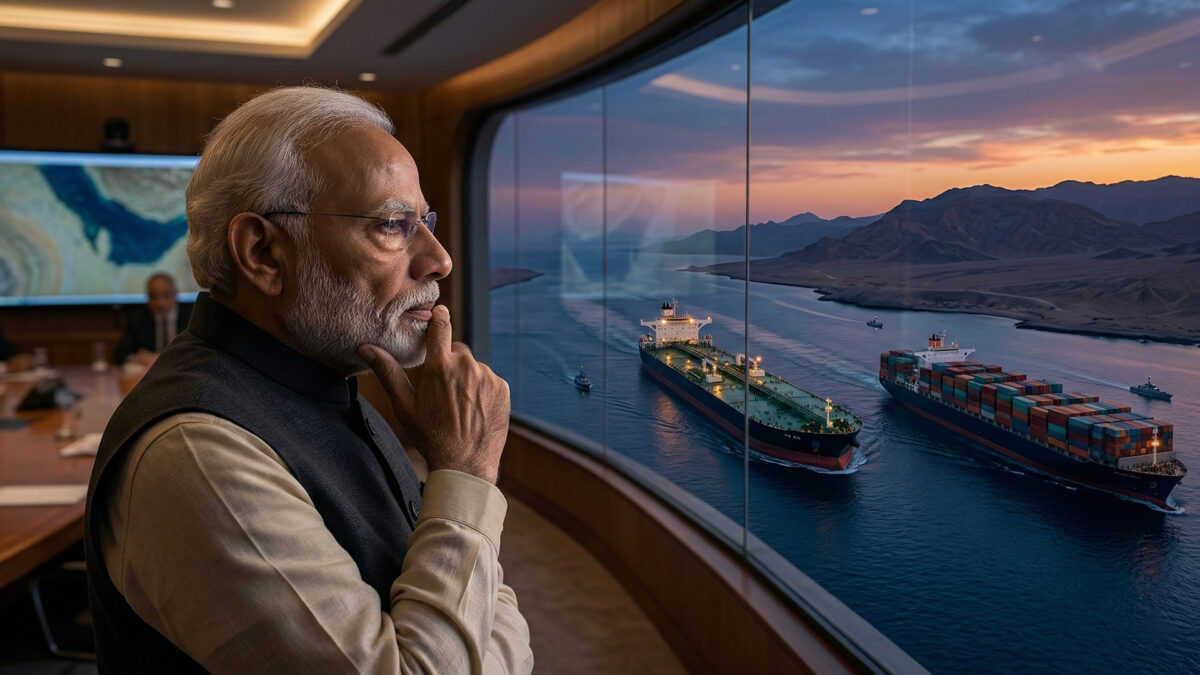
The call comes amid growing concerns over trade and energy flows. India imports a significant portion of its crude oil and LPG from West Asia, and instability in the region, especially near strategic chokepoints like the Strait of Hormuz, could affect fuel costs, shipping schedules, and supply chains.

PM Modi also spoke with Sheikh Mohamed bin Zayed Al Nahyan, President of the United Arab Emirates, condemning recent attacks on the UAE and expressing India’s solidarity, while thanking UAE leadership for looking after the large Indian expatriate community.

Although direct trade with Iran has declined due to sanctions, India continues to export agricultural products, machinery, and pharmaceuticals, while importing dry fruits, chemicals, and glassware. Analysts warn that escalating conflict could disrupt these trade flows, affecting businesses and exporters dependent on Gulf markets.

India’s government is closely monitoring the economic fallout, including potential delays at ports, shipping disruptions, and volatility in energy prices. The PM’s outreach reflects India’s dual focus: advocating for peace to protect civilians and ensuring continuity of critical trade and energy interests.

PM Modi’s calls to regional leaders signal proactive diplomacy, combining humanitarian concerns with strategic economic foresight as businesses watch the Gulf situation for its impact on energy, logistics, and trade stability.

Also Read: GST collections rise to ₹1.83 lakh cr in February
Categories
Beyond

Israel approves record gas export deal with Egypt

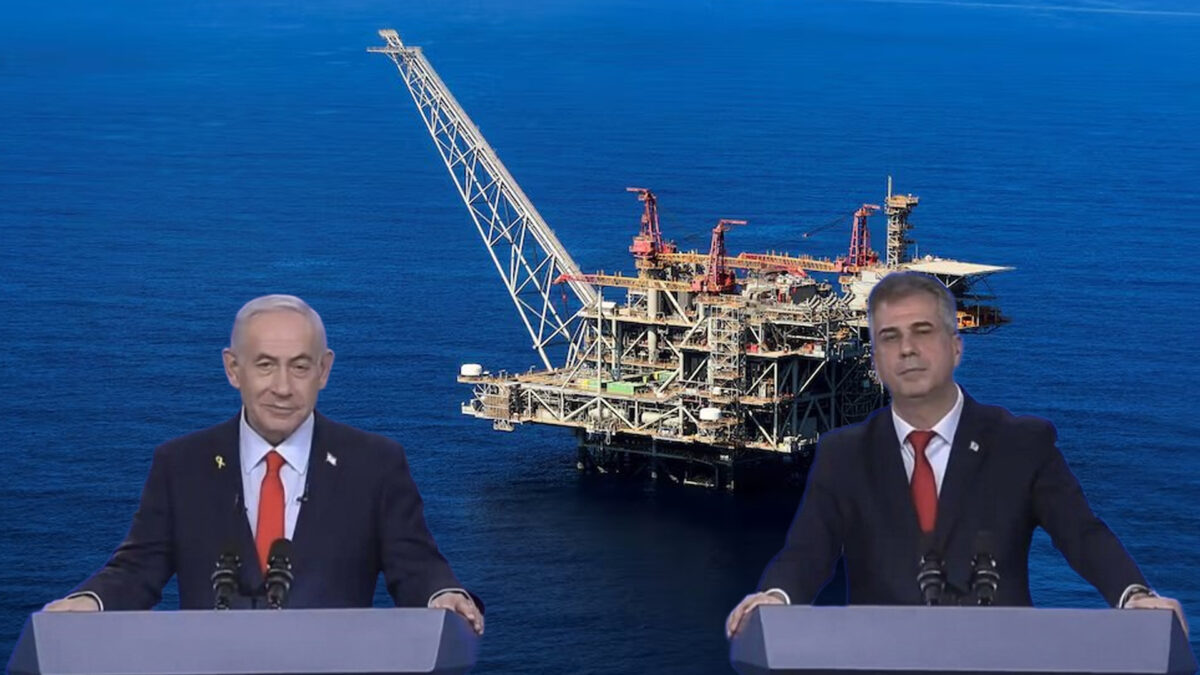
Israel has approved its largest-ever natural gas export agreement, signing a $35 billion deal with Egypt that is set to run over the next 15 years. The contract will see gas from Israel’s Leviathan offshore field delivered to Egypt, with exports expected to begin in early 2026.

Prime Minister Benjamin Netanyahu called the deal a historic milestone, emphasizing that it will generate significant revenue for the country. About half of the funds from the agreement are expected to flow into Israel’s state treasury, supporting education, healthcare, infrastructure, and national security. “This agreement strengthens Israel’s economy and positions us as a key energy supplier in the region,” Netanyahu said.

The deal is being carried out by Israeli energy partners in collaboration with US firm Chevron, ensuring the supply chain is secure and efficient. Officials have also confirmed that domestic gas prices will remain stable, safeguarding households and businesses while exports increase.

For Egypt, which has faced energy shortages in recent years, the agreement provides a reliable source of gas to help meet growing demand. While the Egyptian government has not yet issued a formal statement, analysts say the deal could improve energy security and foster stronger bilateral cooperation between the two nations.

Energy experts view the pact as a strategic win for both countries. Israel benefits from a major revenue stream and enhanced regional influence, while Egypt gains access to a consistent energy supply. The deal also reflects Israel’s broader strategy to leverage offshore gas reserves for long-term economic growth and regional stability.

The $35 billion gas agreement underscores the growing importance of energy diplomacy in the Eastern Mediterranean. By exporting natural gas to Egypt, Israel not only strengthens its economic position but also builds regional partnerships that could have wider political and strategic implications.

As the project moves toward implementation, it is expected to create economic opportunities and strengthen energy ties in the region, marking a significant step in Israel’s emergence as a major energy supplier.

Also Read: Meesho tops India’s 2025 IPO charts with 95% rally