
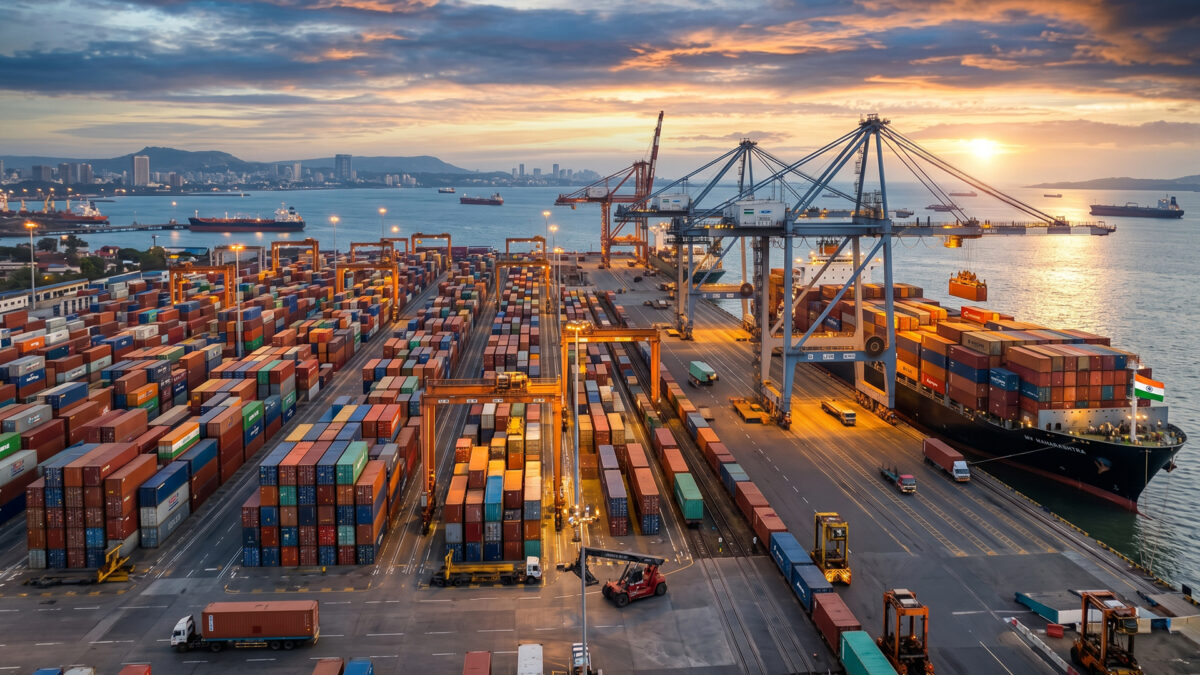
India’s trade deficit widened in May even as exports recorded their strongest performance in six months, reflecting the growing impact of higher imports on the country’s external trade balance.
Merchandise exports increased 18% from a year earlier to about $43.4 billion, supported by healthy demand for engineering products, electronics, chemicals and pharmaceuticals. The rise marked the highest monthly export figure in six months and signalled improved momentum in overseas shipments.
Despite the strong export performance, imports rose even more sharply to nearly $70 billion. Increased purchases of crude oil, gold, electronic goods and industrial raw materials pushed import bills higher and expanded the trade deficit to approximately $26.4 billion.
For policymakers, the figures present a mixed picture. On one hand, stronger exports point to resilience among Indian manufacturers and exporters. On the other, the widening trade gap highlights India’s dependence on imported commodities and consumer goods.
The export sector has benefited from improved global demand and efforts to diversify markets. Exporters have also expanded shipments in sectors where India enjoys a competitive advantage, helping offset uncertainties in parts of the global economy.
Economists noted that a higher trade deficit does not necessarily signal weakness if it is accompanied by strong economic growth. However, sustained increases in imports could influence the country’s current account position and currency dynamics.