Categories
Leaders

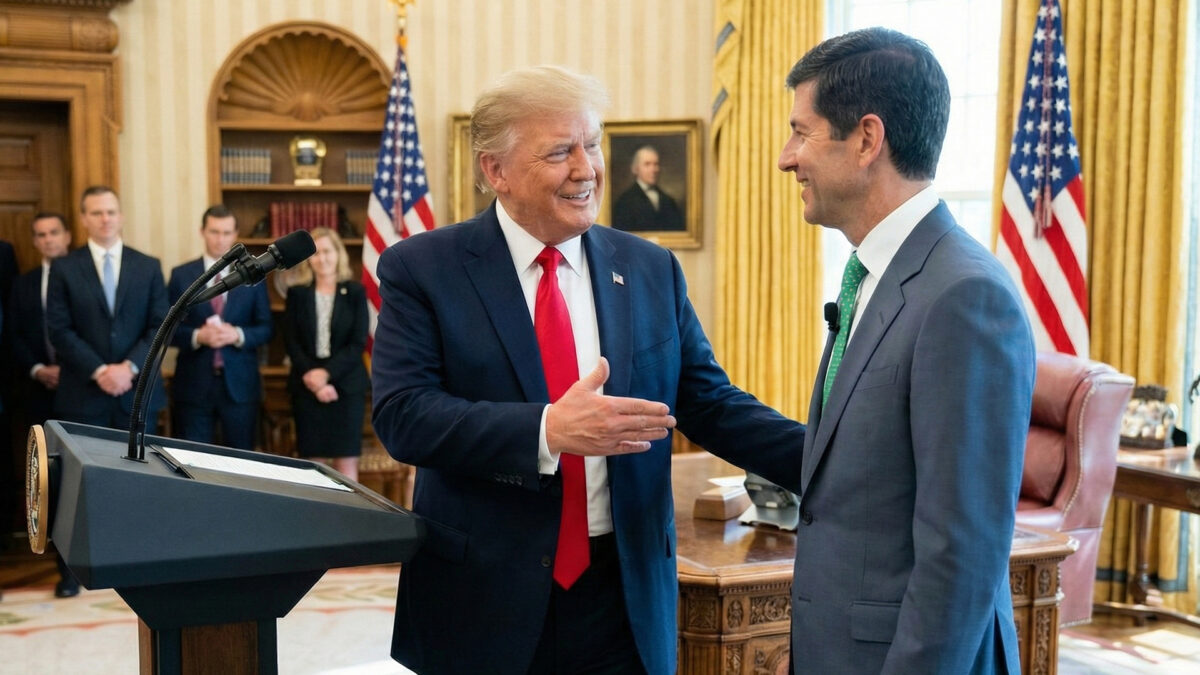
Trump to nominate Kevin Warsh as Federal chair

US President Donald Trump is expected to name Kevin Warsh as the next chair of the Federal Reserve, a move that could shape the future direction of America’s central bank. While the White House has not yet made a formal announcement, reports suggest the decision is imminent.

Kevin Warsh is not a new face in Washington or on Wall Street. He served as a Federal Reserve governor in the past and has long been seen as a serious contender for the top job. Known for his deep understanding of financial markets and monetary policy, Warsh has been close to the centre of economic decision-making during periods of crisis and recovery.

Trump has repeatedly expressed dissatisfaction with the current Fed chair, Jerome Powell, mainly over interest rate policy. The president has argued that rates should be cut faster to support economic growth. Powell’s term is set to end later this year, opening the door for new leadership at the central bank.

If confirmed, Warsh would step into the role at a sensitive time for the US economy. Inflation concerns have eased compared to previous years, but questions remain over growth, borrowing costs and global uncertainty. Investors and economists are closely watching how the next Fed chair might balance inflation control with the need to support jobs and expansion.

Financial markets reacted cautiously to reports of Warsh’s likely nomination. The US dollar strengthened slightly and bond yields moved higher, reflecting expectations that Warsh may take a more traditional and disciplined approach to monetary policy compared to some other potential candidates.

Supporters believe Warsh’s experience could bring stability and predictability to the Federal Reserve. They see him as someone who understands both government policymaking and market realities, which could help restore confidence during uncertain times.

However, the expected nomination has also revived concerns about political pressure on the central bank. Critics worry that Trump’s open criticism of the Fed could threaten its independence, a principle seen as crucial for maintaining long-term economic stability.

Warsh will need approval from the US Senate before taking charge. His confirmation hearings are likely to be closely followed, as lawmakers question him on interest rates, inflation, and the Fed’s independence.

Also Read: Tata Motors Q3 profit ₹705 cr, down 48%

Categories
Beyond

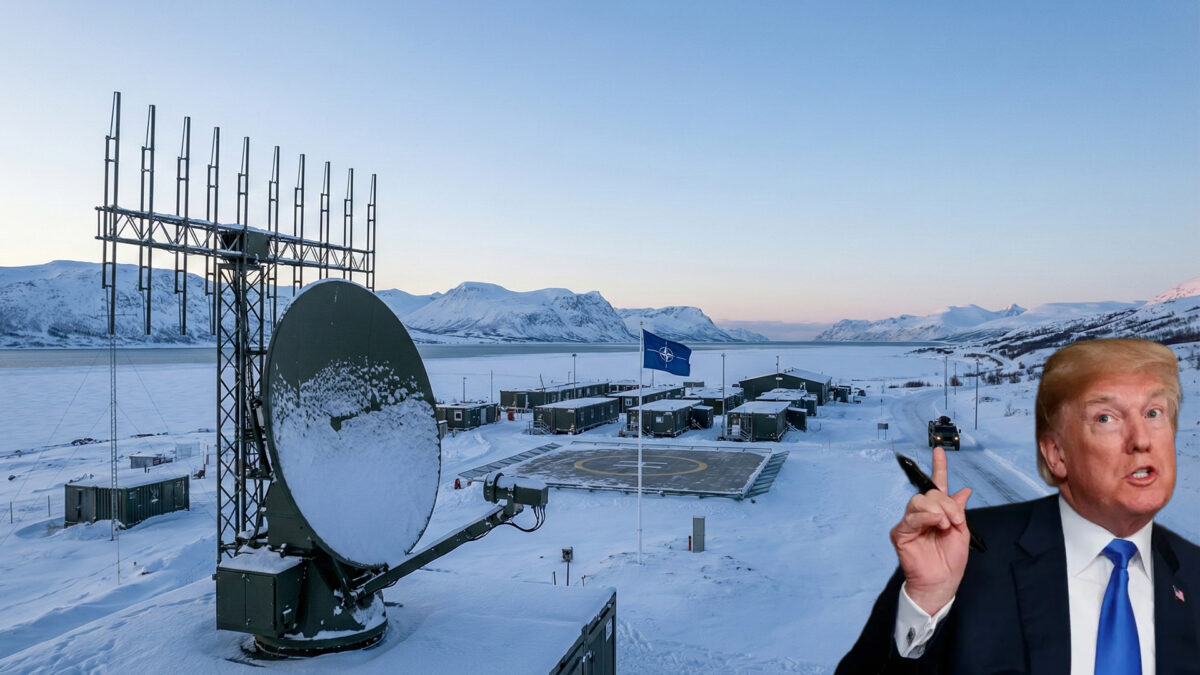
Trump ends Europe tariff threat after Arctic deal

President Donald Trump announced on Wednesday that he is dropping planned tariffs on several European countries, following what he described as reaching a “framework of a future deal” with NATO on Greenland and Arctic security. Trump made the announcement at the World Economic Forum in Davos, Switzerland, where he has been attending discussions with world leaders.

Trump said the framework, agreed with NATO Secretary-General Mark Rutte, establishes a plan for cooperation on Arctic security and makes the previously threatened tariffs unnecessary. He framed the agreement as a major achievement for the US, describing it as a “very productive meeting” that could benefit both the US and its NATO allies.

Earlier, Trump had threatened tariffs on eight European countries to pressure them into accepting US influence over Greenland, a semi-autonomous territory of Denmark. While his earlier comments included unusual suggestions about acquiring Greenland, he emphasized in Davos that the US would not use military force and that the framework is focused on security cooperation, not sovereignty.

The announcement had a positive effect on global markets, with US stock indices rising after news of the tariff cancellation. Analysts said it eased fears of a trade confrontation between the US and European nations.

However, Denmark’s leadership rejected Trump’s interpretation of the agreement. Danish Prime Minister Mette Frederiksen stated that Greenland’s sovereignty is not negotiable and that any cooperation with the US would strictly focus on security in the Arctic. Greenland’s government also reinforced that the island is not for sale, reflecting long-standing European concerns over Trump’s earlier remarks.

Also Read: Coursera cofounder urges India to boost AI skills

Categories
Beyond

Trump pulls US out of 66 international organisations

US President Donald Trump has ordered to withdraw from more than 60 international organisations, including several UN agencies and the India–France-led International Solar Alliance (ISA), calling the memberships “redundant” and contrary to American priorities.

On Wednesday, Trump signed an executive order instructing US departments to immediately cease participation in and funding for 31 United Nations bodies and 35 non-UN organizations, according to a White House statement.

The affected entities cover areas including climate change, conservation, counterterrorism, and human rights, among others.

The Trump administration cited that these bodies operate in ways that conflict with US national interests, security, economic growth, or sovereignty. Participation in or funding for these entities will be halted to the extent allowed by law.

Among the bodies on the list is the International Solar Alliance, a global initiative led by India and France focused on climate action. Over 100 countries are signatories, with more than 90 having ratified full membership.

Speaking on X, US Ambassador to the UN Mike Waltz said the withdrawal ensures the United States will no longer “fund or participate in international organisations that do not serve, or actively work against, American interests.”

Secretary of State Marco Rubio added that the 66 organisations were found to be “redundant, mismanaged, poorly run, or pursuing agendas that conflict with the US mission, sovereignty, and prosperity.”

The United Nations confirmed it has received the list of organisations affected and said it will issue an official response on Thursday.

Trump’s move represents one of the most significant rollbacks of US involvement in multilateral institutions in recent years, and it is expected to have far-reaching implications for international cooperation on issues ranging from climate change to security and development.


Categories
Beyond

Trump eyes F-35 jets sale to Saudi Arabia

US President Trump plans to sell Saudi Arabia advanced F-35 fighter jets, days before Crown Prince Mohammed bin Salman’s White House visit.

Trump described Saudi Arabia as a “great ally” and said the sale is in line with strengthening US-Saudi ties. If completed, Saudi Arabia would become the first Arab country to acquire F-35 jets.

The deal raises concerns about maintaining Israel’s long-standing military edge in the Middle East. Israeli officials have warned that selling such advanced jets could trigger a regional arms race and weaken their aerial superiority.

The F-35, built by Lockheed Martin, is considered one of the most sophisticated fighter jets in the world, featuring stealth technology and advanced systems. Previous US administrations have ensured that arms sales to Arab nations do not compromise Israel’s qualitative military advantage.

The potential sale comes amid Trump’s broader Middle East strategy, which includes encouraging stronger relations between Arab nations and Israel under the Abraham Accords. Congress retains the power to block the sale, and the deal’s progress will be closely watched internationally.

Also Read: Trump’s tariff move boosts Indian tea, spices

Categories
Beyond

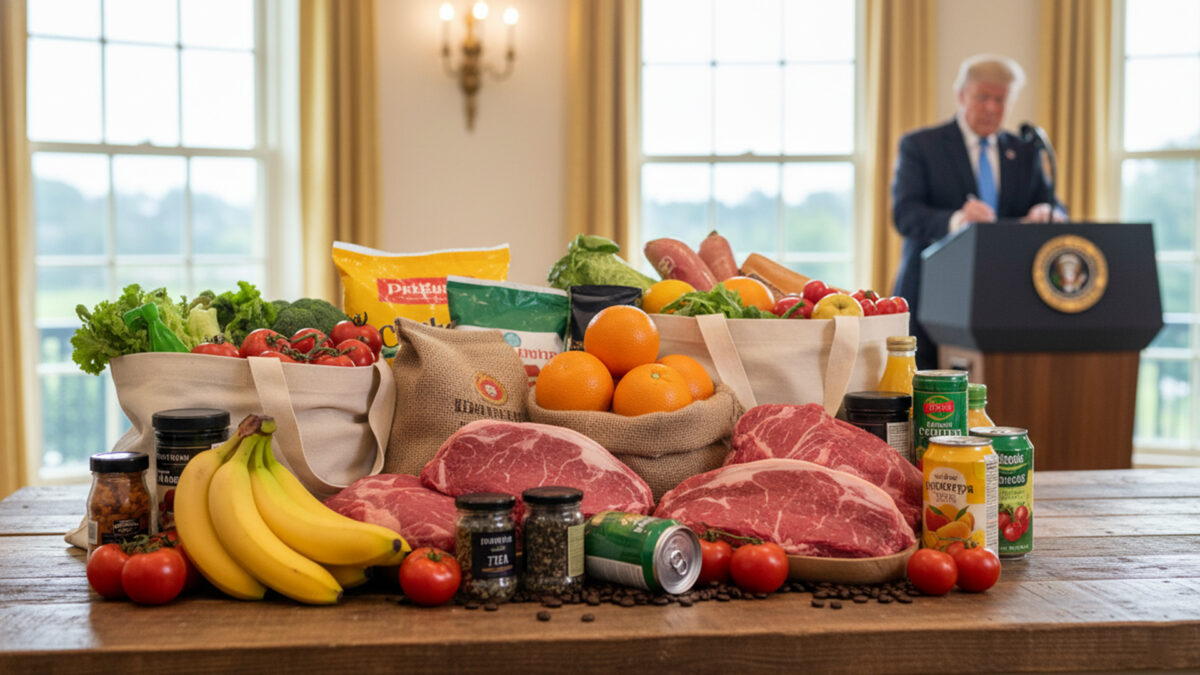
Trump drops tariffs to ease food prices

President Donald Trump has decided to remove tariffs on a range of imported goods, including beef, coffee, bananas, oranges, tomatoes, cocoa, tea, fruit juices and certain fertilisers. The goal is to help cut food prices for families who have been hit hard by rising grocery costs.

Many of these items are not produced widely in the United States, especially tropical fruits and coffee. Earlier, they carried tariffs of 10% to 50%, which increased their market prices. With the removal of these duties, officials expect imported foods to become cheaper.

Some tariffs will remain in place. For instance, tomatoes imported from Mexico will still face a 17% duty. But overall, the government believes the new policy will ease the financial burden on shoppers.

The move comes at a time when Americans have been voicing strong concerns about inflation and the high cost of daily essentials. Recent voting patterns also showed that economic worries remain a top priority for many households.

By cutting these tariffs, the administration hopes to reduce pressure on consumers, improve public confidence, and show that it is taking action to address rising living expenses.

Also Read: Trump adds 50,000 federal workers

Categories
Beyond

Trump adds 50,000 federal workers

The Trump administration has added 50,000 new federal employees, with the bulk of positions going to immigration and national security roles. Immigration and Customs Enforcement (ICE) received the largest share of these new hires.

Meanwhile, other federal agencies, including the IRS and the Department of Health and Human Services, are seeing hiring freezes and layoffs. Overall, the administration plans to cut about 300,000 civilian federal jobs, part of a broader effort to shift priorities toward enforcement and border security.

This hiring push reflects the administration’s focus on strengthening immigration enforcement while reducing workforce size in other domestic areas, signaling a significant realignment of federal staffing priorities.

Also Read: Prem Watsa announces next-gen leadership at Fairfax

Categories
Leaders

Trump signs bill to end 43-day US shutdown

The US government reopened on Wednesday after being shut down for 43 days, the longest closure in American history. President Donald Trump signed a funding bill approved by both the Senate and House of Representatives, ending weeks of political gridlock.

The House passed the bill 222–209, with a few Democrats supporting it and two Republicans opposing it. The shutdown had left hundreds of thousands of federal employees without pay and disrupted airport operations, public offices, and social services.

President Trump said the deal “sends a clear message that we will never give in to extortion” and added that it was “an honour to get our country working again.”

The budget deadlock began over a dispute about health insurance tax credits under the Affordable Care Act (ACA). Democrats wanted to extend these credits, saying their expiry would raise insurance costs and affect millions of Americans.

Economists estimate the shutdown cost the US economy around $11 billion, some of which may never be recovered.

With the new bill in place, federal workers will soon receive back pay, and all government departments are returning to normal operations. However, debates over healthcare funding and budget priorities are expected to continue in Congress.

Also Read: India urges rich nations on climate finance at COP30