Categories
Technology

Tecno showcases AI vision with modular phone

Tecno used the global stage at MWC 2026 to present its vision for the future, combining artificial intelligence, modular hardware and next-generation smartphones.

The biggest talking point was a concept device described as the world’s thinnest modular smartphone. Designed with a sleek and lightweight body, the phone supports magnetic accessories that can be attached instantly. These modules can add extra camera power, boost battery life or bring new features, allowing users to customise the phone for different situations.

The company said this approach could reduce the need for multiple gadgets and give users more flexibility with a single device.

Tecno also introduced its expanded AI ecosystem, where different products work together seamlessly. The demonstration showed smartphones, AI glasses, laptops and other smart devices sharing data and responding intelligently to user behaviour. This system is meant to improve multitasking, content creation and daily communication.

Another key launch was the Camon 50 series, which will focus strongly on AI-driven imaging. Tecno claims the phones will deliver better portrait shots, clearer night photography and smarter video recording with the help of real-time AI processing.

In addition, the company showcased several experimental technologies and design ideas, underlining its push toward premium innovation and global recognition.

Although the modular smartphone is only a concept for now, it reflects Tecno’s long-term strategy, creating thinner devices, building a strong AI ecosystem and offering more personalised user experiences.

The MWC presentation makes it clear that Tecno is no longer just targeting the budget segment but is aiming to compete through design, AI and advanced camera technology.

Also Read: ₹3,700-cr Anil Ambani home seized in money-laundering case

Categories
Technology

Apple shifts Mac Mini production to the US

Apple will start making its Mac Mini desktop computers in the United States later this year, in a major change to its global production strategy. The devices will be assembled at the company’s expanded manufacturing facility in Houston, which is already being used to produce advanced artificial intelligence servers.

The move is part of Apple’s broader plan to invest about $600 billion in the US. The investment is aimed at strengthening local manufacturing, building a stronger supply chain and creating jobs. The Houston expansion is expected to generate thousands of new roles and will also house a training centre to help workers learn advanced manufacturing skills.

Chief executive Tim Cook said the company remains strongly committed to the future of American manufacturing. He noted that production of AI servers at the same facility has already started earlier than planned. Apple has also been increasing the number of components it sources from US suppliers, including chips made at multiple plants across the country.

The decision comes as Washington continues to push for more domestic production. Tariff threats during the tenure of Donald Trump had encouraged several global technology firms to consider shifting some manufacturing to the US to reduce dependence on imports.

However, most of Apple’s products will still be made in Asia. The US plant will initially focus mainly on meeting domestic demand. The Mac Mini is a smaller and less complex product compared with devices like the iPhone, making it easier to assemble locally.

The new project will double Apple’s manufacturing space in Houston and support its long-term goal of building a stronger ecosystem for high-end technology production in the US. The company has already made progress under its American manufacturing programme by sourcing billions of dollars’ worth of US-made chips and launching training initiatives for smaller manufacturers.

Also Read: Canva buys two startups to boost AI, animation

Categories
Technology

Nvidia plans AI laptop chips launch in 2026

Nvidia is preparing to launch a new range of artificial-intelligence-focused laptop chips in the first half of 2026, marking a major expansion beyond its traditional graphics processor business.

The upcoming processors are expected to be built on Arm architecture and will combine CPU and GPU functions into a single chip. This integrated design aims to deliver high performance while using less power, making it suitable for thin and lightweight laptops.

The new platform is being developed to run advanced AI features directly on the device. This means tasks such as real-time translation, content creation, smart assistants and image processing can work faster without depending heavily on cloud computing. Running AI locally also improves data privacy and reduces latency.

With this move, Nvidia will enter the laptop CPU market and compete more directly with long-time PC chip leaders Intel and AMD. The launch is expected to be part of a broader industry shift toward so-called AI PCs, computers designed to handle artificial intelligence workloads on the device itself.

The chips are also likely to benefit from Nvidia’s strong AI software ecosystem, which is widely used by developers and enterprises. This could make it easier for laptop manufacturers to introduce AI features in their products.

For the PC industry, the entry of Nvidia into the CPU space could reshape competition by adding a powerful new player with deep expertise in AI computing. For Nvidia, it represents a strategic step toward becoming a full-platform computing company rather than just a GPU supplier.

While the company has not announced an exact launch date, industry reports suggest that laptops powered by these processors could begin appearing in the market sometime in 2026.

Also Read: US hits Indian solar imports with 126% duty

Categories
Technology

Amazon opens second-largest Asia office in Bengaluru

US e-commerce giant Amazon has opened its second-largest office in Asia in Bengaluru, highlighting the city’s importance as a tech and business hub. The new 12-storey campus spreads over 1.1 million square feet on a five-acre site near Yelahanka, about 15 km from Kempegowda International Airport. It will accommodate more than 7,000 employees working in technology, operations, e-commerce, payments, and seller services.

The office is designed to encourage collaboration and employee well-being, with modern workspaces, meeting rooms, breakout zones, landscaped lawns, sports courts, and cafeterias. The campus combines productivity with comfort, reflecting Amazon’s focus on employee experience.

The opening was attended by Karnataka Industries Minister Dr. M.B. Patil, who said the investment shows India’s growing role in global technology and innovation. Samir Kumar, Amazon India Country Manager, said Bengaluru has been central to the company’s growth in India and continues to be a key location for expansion in Asia.

This new office adds to Amazon’s existing operations in Karnataka, where the company runs multiple corporate offices, fulfillment and delivery centers. Amazon has invested over $40 billion in India so far and plans an additional $35 billion by 2030 to expand its business, support local sellers, create jobs, and develop technology.

The Bengaluru campus demonstrates Amazon’s long-term confidence in India’s growth and reinforces the city’s position as a hub for global operations, innovation, and talent.

Also Read: Prestige Group secures ₹115 cr co‑branding deal for Bellandur Metro

Categories
Technology

Google stops Antigravity access for OpenClaw tied accounts

Google has temporarily cut access to its Antigravity model for several users after detecting what it described as a spike in “malicious usage” tied to third‑party agent tools such as OpenClaw. The action affected both paid and premium subscribers who had linked their Google AI accounts to these external tools.

Many users began seeing 403 PERMISSION_DENIED errors and messages saying Antigravity access was disabled for violating Google’s Terms of Service. Reports of sudden lockouts appeared on Reddit and Google support forums in mid‑February, with affected customers saying they received little or no prior warning.

Google said the suspension was necessary to stop abusive activity that was degrading service for legitimate users. The company indicated it was targeting accounts that used Antigravity in ways it did not intend and suggested some users might regain access after review.

Developers of third‑party tools reacted quickly. The creator of OpenClaw called Google’s enforcement strict and said he would remove Antigravity support to protect users. Other developers advised switching from OAuth account linking to API keys or moving to alternative model providers to avoid similar disruptions.

Community troubleshooting threads urged users who see the “disabled for violation” notice to check whether they had exposed Antigravity OAuth tokens through agent frameworks and to stop using those integrations. Users who believe they were blocked in error are advised to contact Google support with details of their setup.

Also Read: ₹5.16 cr toll refund for Mumbai–Pune Expressway motorists

Categories
Technology

Reddit tests AI for smarter product searches

Reddit is testing a new AI-powered search feature designed to make it easier for users to discover products discussed in its community threads. For a limited group of users in the U.S., searching for items like “best headphones” or gift ideas may now show interactive product carousels directly in the search results.

These carousels highlight product images, prices, and links to buy, based on recommendations and discussions from Reddit posts and comments. The feature aims to help users explore products mentioned by the community without leaving the platform.

The company says the AI tool offers quick insights on popular products, surfacing items that are frequently recommended in relevant threads. Reddit will monitor user interactions closely and refine the feature before considering a wider rollout.

This initiative aligns with Reddit’s broader push into e-commerce, building on efforts like its Dynamic Product Ads, which provide personalized product suggestions based on user interests.

Reddit’s CEO, Steve Huffman, has noted that search activity on the platform has grown significantly, highlighting the potential for search-based features to engage users while also creating new revenue opportunities.

By combining its community-driven content with shopping tools, Reddit is exploring a subtle shift toward commerce while maintaining the platform’s discussion-focused identity. The test reflects a wider trend where social platforms are experimenting with AI-powered tools to enhance user discovery and engagement.

This AI search feature represents a measured approach to integrating commerce on Reddit, keeping the emphasis on community recommendations while offering users a more convenient way to find products that matter to them.

Also Read: OpenAI–Tata partner for 100mw AI data centre in India

Categories
Technology

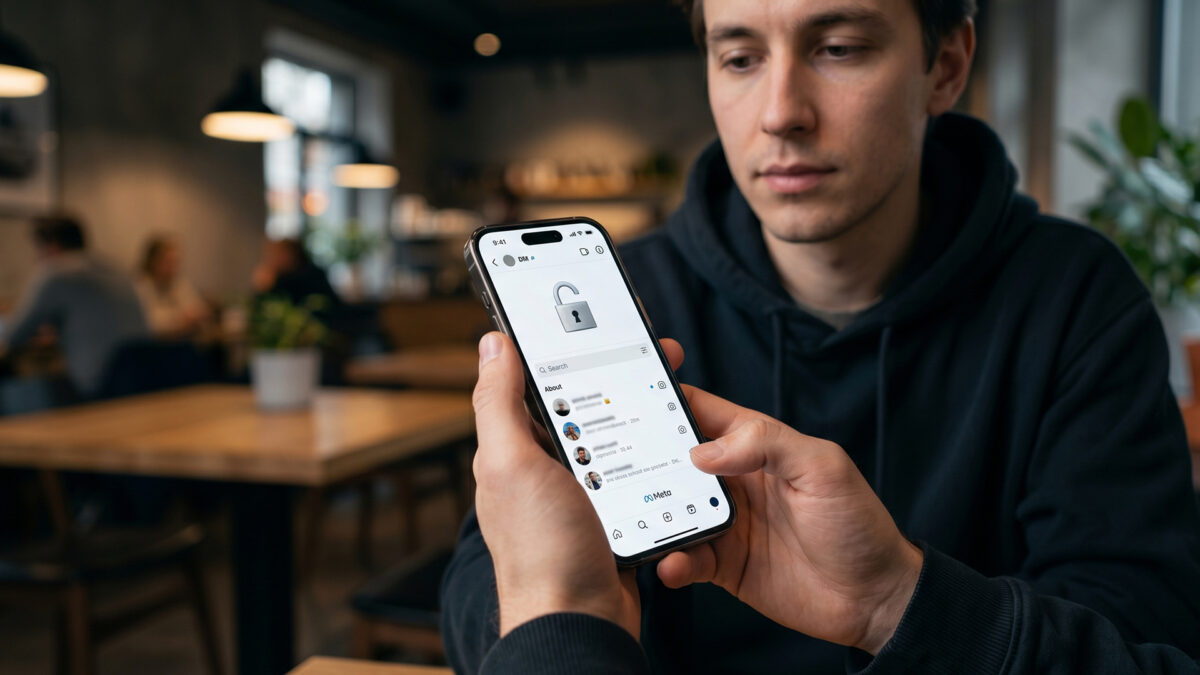
Mark Zuckerberg grilled in social media addiction trial

Meta CEO Mark Zuckerberg testified on February 18 in a Los Angeles courtroom in a landmark case alleging that social media platforms, including Instagram, are designed to be addictive and can harm children’s mental health. The lawsuit, filed by a California woman, claims that her early use of social media contributed to worsening depression and suicidal thoughts. The case has drawn attention nationwide, raising questions about the responsibility of tech companies for the mental health of young users.

During his testimony, Zuckerberg strongly denied that Meta intentionally designs its platforms to be addictive. He said the company prioritizes user safety and has introduced multiple measures, including age restrictions, parental controls, and safety tools to protect younger users. “We do not intentionally make platforms addictive,” he told the court, adding that engagement metrics are not designed to harm users.

Plaintiffs’ lawyers highlighted internal Meta documents discussing user engagement goals and features that encourage users to spend more time on the platform. They argue these features show a deliberate focus on keeping users hooked, despite known risks to mental health. Zuckerberg acknowledged that enforcing age restrictions can be challenging because users can provide false birth dates when signing up, but maintained that Meta actively works to reduce underage use.

The case also examines whether social media companies have a duty to warn users and parents about potential mental health risks. Experts note that the trial could have significant implications for the tech industry, potentially influencing how platforms manage safety features, transparency, and engagement practices in the future.

It is observed that the trial as a test case for social media regulation, as it could set a precedent for other lawsuits across the United States targeting tech giants over addiction and harm to minors. Zuckerberg’s testimony is seen as a key moment in the proceedings, with both sides presenting evidence about the effects of social media use on children and adolescents.

Also Read: Dixon Technologies down 38% with rising memory costs

Categories
Technology

Sarvam Kaze, India’s multilingual answer to Meta ray-ban

Bengaluru-based Sarvam AI has unveiled Kaze, its first AI-powered smart glasses, marking India’s formal entry into the global AI wearables segment. The device was showcased at the India AI Impact Summit, where Prime Minister Narendra Modi tested the glasses, signalling strong policy-level visibility for indigenous AI hardware.

Kaze is designed as a voice-driven, hands-free computing interface powered by Sarvam’s in-house foundational models, with a core focus on Indian language support and localised AI use cases. Through integrated cameras, microphones and open-ear audio, the glasses can process real-time visual context, respond to spoken queries and deliver contextual assistance without requiring users to access a smartphone.

The product targets enterprise and public-sector deployments in areas such as field services, education, accessibility, navigation and document workflows, alongside future consumer applications. Sarvam’s on-device and edge-optimised AI approach is expected to reduce latency and improve privacy for real-time interactions.

The launch places Kaze in direct comparison with Meta Ray-Ban smart glasses, which currently leads the category with camera, audio and voice assistant features. However, Sarvam is betting on multilingual AI, India-specific workflows and domestic design-to-manufacture capabilities as key differentiators.

Also Read: Tata Sons moves to renew N. Chandrasekaran’s term

Categories
Technology

YouTube faces global outage, millions affected

On 17–18 February 2026, the video platform YouTube went down for users around the world, leaving many unable to watch videos or use the app properly. The outage affected countries including the US, India, the UK, Australia, and Mexico.

In the United States alone, over 3 lakh users reported problems on tracking site Downdetector. Users faced issues like blank homepages, error messages, videos not loading, and problems accessing related services such as YouTube Music, YouTube Kids, and YouTube TV.

Many users took to social media, including X (formerly Twitter) and Reddit, to share their frustration. While some videos could still be accessed through direct links, the home page and recommended videos were often missing or not working.

YouTube confirmed the outage and said its engineering teams were working to fix the problem. The company explained that a glitch in its recommendation system, the feature that suggests videos and populates users’ home pages, was the main cause.

By Wednesday morning, YouTube announced that services across all platforms had been fully restored. Users could again access videos, playlists, recommendations, and related services without issues. The company thanked users for their patience during the disruption.

Also Read: NPCI rolls out UPI wallet for Global AI Summit visitors

Categories
Technology

Apple sets March 4 global launch event

Apple has announced a global event on March 4 called the “Special Apple Experience.” The event will have in‑person gatherings in New York, London, and Shanghai, starting at 9 am ET. Unlike the usual big keynote, this event is expected to be more interactive, letting the media get hands-on with new products.

While Apple hasn’t confirmed the lineup, industry reports point to several updates. The highlight could be the iPhone 17e, a budget-friendly addition to Apple’s latest smartphone series. Mac fans may see refreshed MacBook Air and MacBook Pro models powered by the new M5 chips, alongside a possible low-cost MacBook aimed at first-time users.

iPads could also get upgrades. The base iPad may feature a faster A18 chip, while the iPad Air is expected to get the M4 processor, boosting performance and AI features.

Apple has not yet confirmed if the event will be streamed online, but with multiple product launches likely, March 4 is shaping up to be one of the company’s key launch events this year.

Also Read: Elon Musk’s $850 bn fortune nears trillion mark