Google has launched the Fitbit Air in India, adding a new screen-free option to the country’s growing wearable technology market. Priced at ₹13,999, the fitness tracker is designed to monitor health, activity and sleep continuously without putting a display or notifications on the user’s wrist.
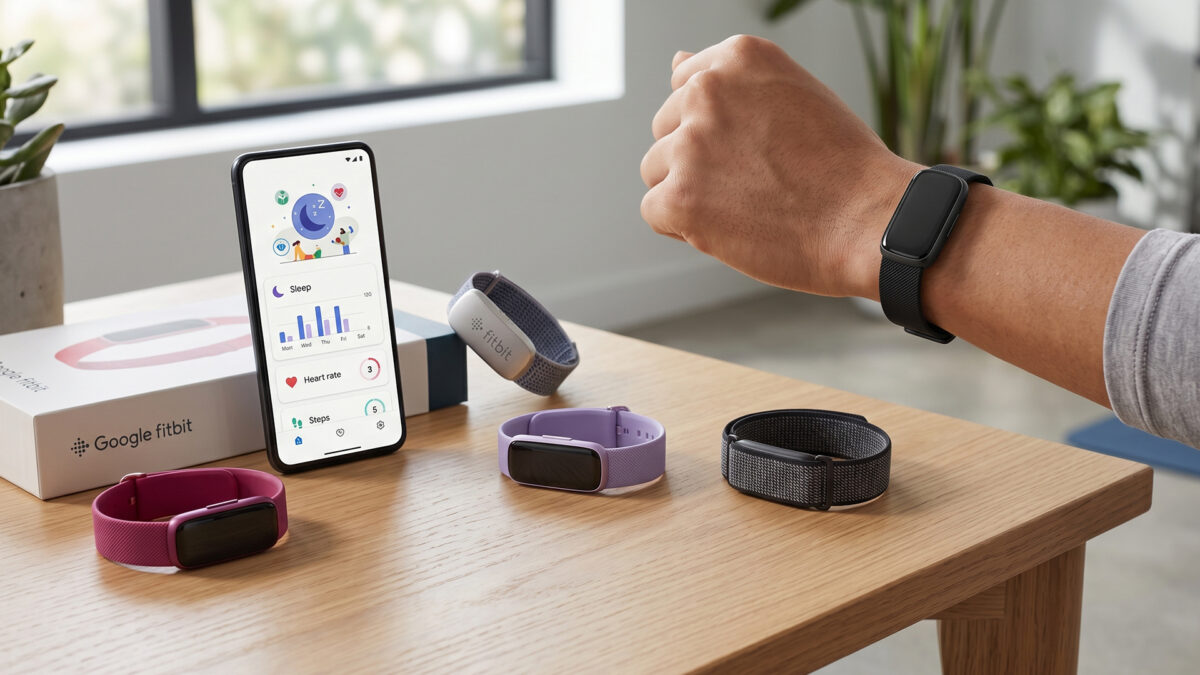
The Fitbit Air will be available in India from October 2 through the Google Store and selected retail partners. It comes in four colours — Obsidian, Berry, Lavender and Fog.
Unlike a smartwatch or conventional fitness band, the Fitbit Air has no screen. It is built around a small, lightweight tracker that sits inside a wearable band. Users can check their health and fitness information through the companion Google Health app on a smartphone.
The screenless design is central to Fitbit Air’s pitch. Instead of encouraging users to check notifications, messages or statistics throughout the day, the device quietly collects health data in the background. The approach is aimed at people who want continuous fitness tracking without another screen competing for their attention.
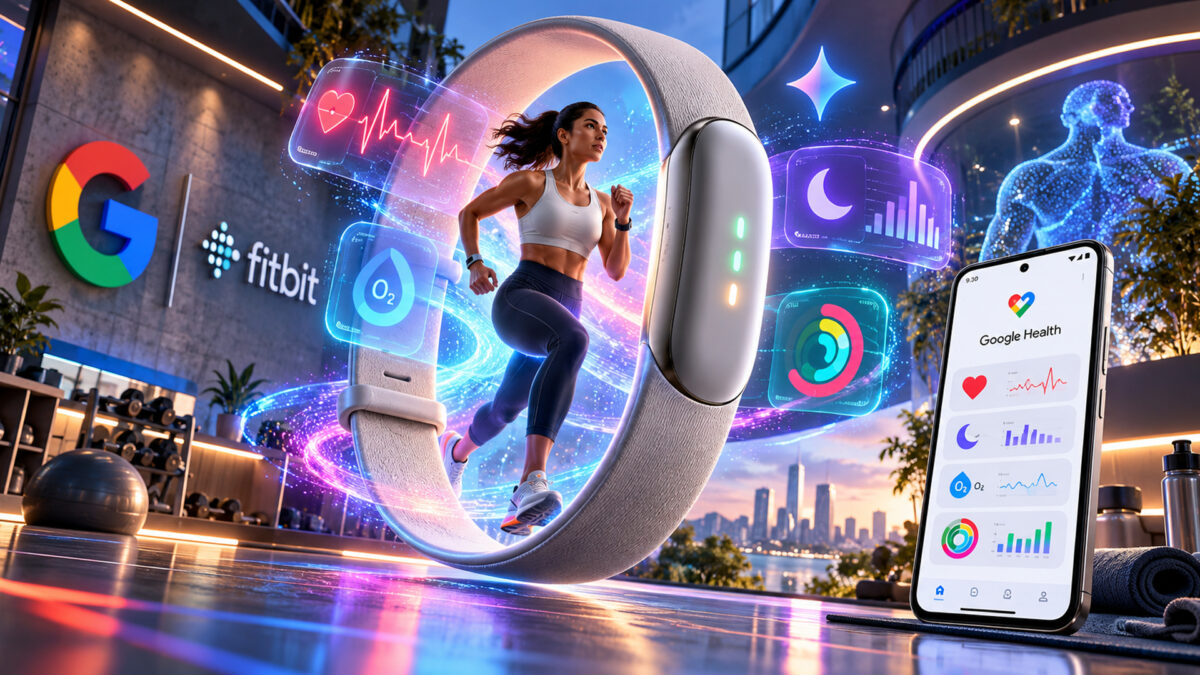
The tracker monitors several health and fitness indicators. These include continuous heart rate, resting heart rate and heart rate variability. It also supports blood oxygen saturation, or SpO2, monitoring and irregular heart rhythm notifications associated with atrial fibrillation.
Sleep tracking is another major feature. Fitbit Air can monitor sleep duration and different sleep stages, including light, deep and REM sleep. The lightweight design also makes it suitable for overnight use, allowing users to collect sleep data without wearing a larger smartwatch.
Google is also using the Fitbit Air to expand its personalised health and fitness services. The device works with the company’s Health Coach, which analyses information collected through Fitbit and provides personalised guidance based on activity, sleep, recovery and other wellness data.
The Health Coach is designed to turn raw fitness data into more practical recommendations. Instead of simply showing how many steps a person has taken, the service aims to help users understand broader patterns and make changes to their exercise and recovery routines.
Workout tracking is another part of the experience. Fitbit Air can automatically identify and record certain activities. Google is also introducing features that use a smartphone camera to help users capture information about workouts and exercise equipment.
Battery life is one of the device’s key selling points. Google claims that Fitbit Air can last for up to seven days on a single charge. A quick five-minute charge can provide up to a day of use, making the tracker less dependent on frequent charging than many smartwatches.
The wearable uses interchangeable bands, giving users options for different activities and occasions. The Performance Loop comes with the tracker, while additional band choices include an Active Band designed for workouts and an Elevated Modern Band for everyday wear.
Indian buyers will also receive a three-month trial of Google Health Premium with the device. The premium service provides access to the complete Health Coach experience and additional personalised wellness features. Users will need to subscribe after the trial period to continue accessing those premium features.
At ₹13,999, however, Fitbit Air sits at a relatively high price point for a device that does not have a display. Its pricing could become an important consideration for Indian consumers, particularly those comparing it with conventional fitness bands, smartwatches and other screen-free health trackers.
The product enters a category that has gained attention globally through devices such as Whoop, which have popularised screen-free health and fitness tracking. Fitbit Air follows a similar concept but combines it with Google’s Fitbit ecosystem and Health Coach platform.
The difference between a smartwatch and the new Fitbit is therefore quite clear. A smartwatch puts notifications, apps, calls and health information directly on the wrist. Fitbit Air removes those functions and concentrates primarily on collecting health and fitness data.
The device can also complement a smartwatch rather than necessarily replace one. Users could wear a smartwatch during the day and switch to Fitbit Air for sleep or recovery tracking. Its smaller form factor could make continuous wear more convenient for some users.
Fitbit Air is compatible with both Android and iOS devices, giving it a wider potential audience beyond Google’s own smartphone users.
The launch comes as India’s wearable market continues to evolve. Consumers are increasingly looking for more detailed information about sleep, recovery, heart health, workouts and daily activity. At the same time, some users are becoming more conscious of the number of screens and notifications they interact with every day.
Fitbit Air attempts to address both trends with a single device. It collects detailed health information while deliberately leaving the display behind.
For Google, the launch strengthens Fitbit’s presence in India’s competitive wearable market and expands its portfolio beyond conventional smartwatches and fitness bands. For consumers, the product offers a different approach to wearable technology, focused on continuous health tracking rather than constant interaction.
The success of Fitbit Air in India will ultimately depend on how consumers weigh its screen-free design, health monitoring features, AI-powered coaching and seven-day battery life against its ₹13,999 price and subscription-based premium services.