Categories
Technology

OnePlus 15 debuts in India at ₹72,999

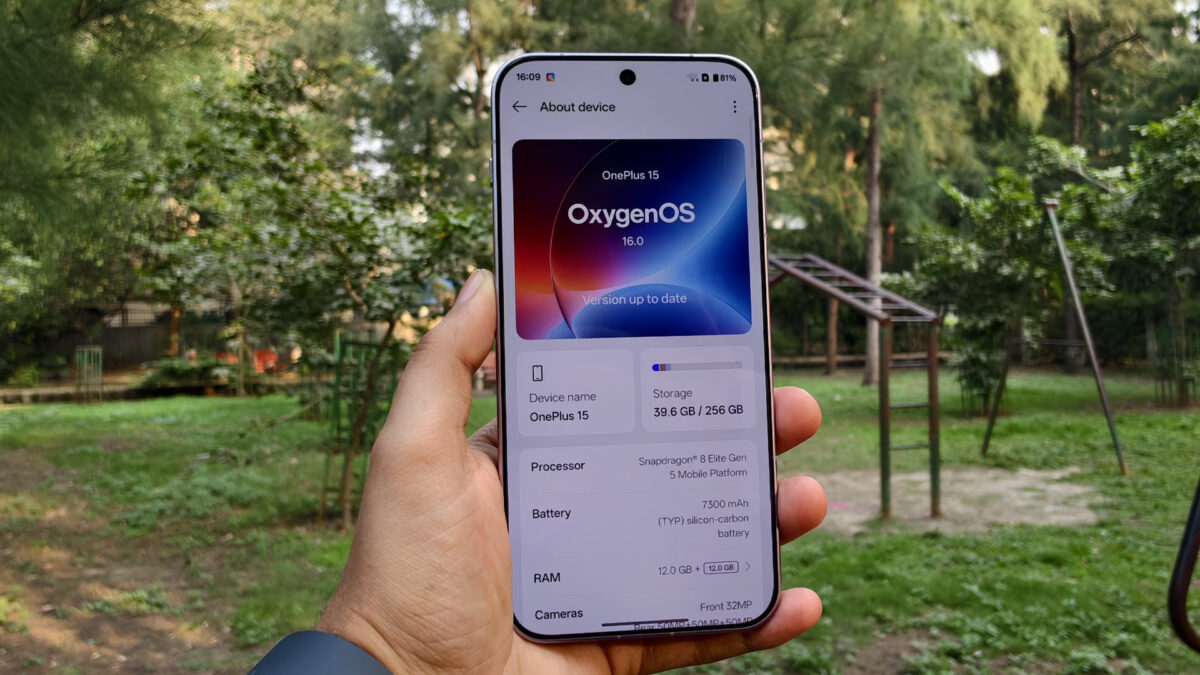
OnePlus has introduced its latest flagship, the OnePlus 15, in India, starting at ₹72,999 for the 12 GB + 256 GB model. The premium 16 GB + 512 GB variant is priced at ₹79,999. The smartphone is available online through the OnePlus website, app, Amazon India, and offline at major retailers like Reliance Digital, Croma, and Vijay Sales.

The device is powered by the Snapdragon 8 Elite Gen 5 processor and incorporates a unique three-chip design,  a dedicated touch-response chip and a separate Wi-Fi chip, designed to enhance performance and connectivity. It sports a 6.78-inch QHD+ LTPO OLED display with a 165 Hz refresh rate and peak brightness of up to 1,800 nits.

Battery performance is driven by a 7,300 mAh battery, supporting 120 W wired fast charging and 50 W wireless fast charging, promising all-day usage with rapid top-ups. The phone is also built to withstand tough conditions, carrying IP66, IP68, IP69, and IP69K certifications for dust and water resistance.

Photography enthusiasts can expect a triple 50 MP rear camera setup with main, telephoto, and ultra-wide lenses. Video recording supports 4K at 120fps, along with LOG format and real-time LUT previews for detailed, professional-style footage.

The OnePlus 15 runs OxygenOS 16, based on Android 16, and introduces the Plus Mind feature, which uses AI to summarize content, assist with travel planning, and offer tools like AI-powered writing and voice recording.

As part of the launch, buyers can get up to ₹4,000 off with select bank cards, trade-in discounts for older OnePlus phones, and complimentary OnePlus Nord Buds 3.

With its combination of high-end hardware, AI enhancements, and advanced photography capabilities, the OnePlus 15 aims to make a strong impact in India’s premium smartphone segment.

Also Read: PhonePe brings ChatGPT into UPI payments
Categories
Technology

PhonePe brings ChatGPT into UPI payments

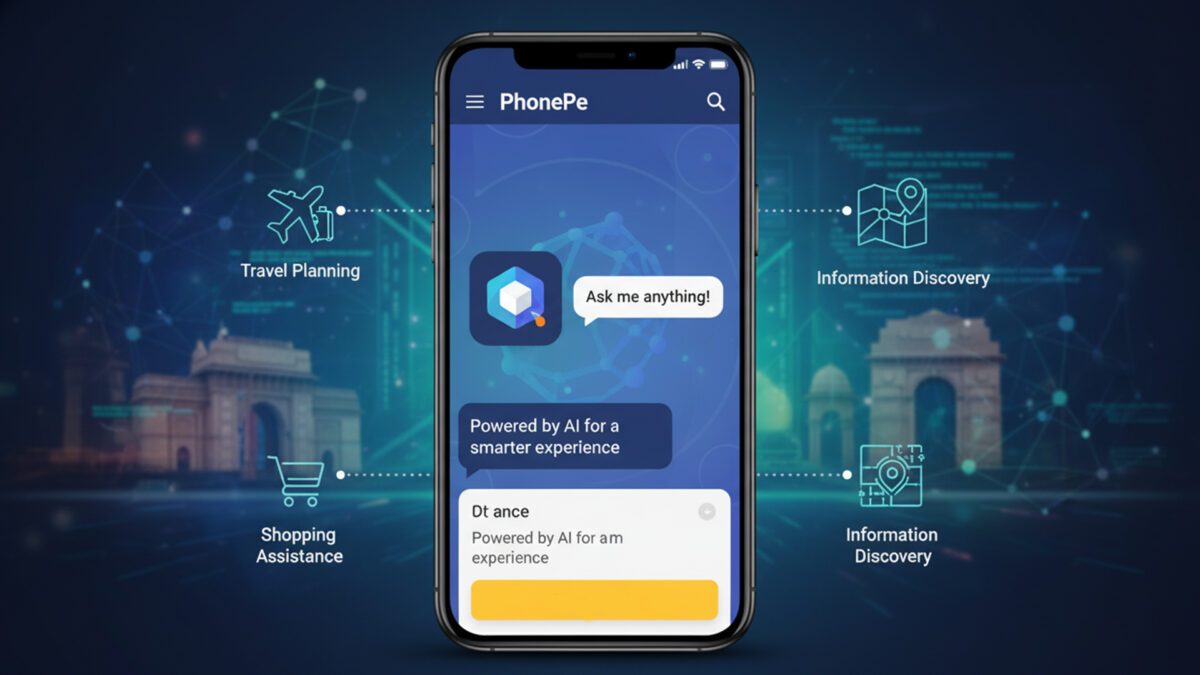
PhonePe has joined hands with OpenAI to bring ChatGPT directly into its app to offer AI-powered assistance into routine digital payments.

Users will be able to get help with tasks like travel planning, product searches, and comparing options without leaving the app. Rather than offering a full ChatGPT interface, PhonePe will weave specific AI tools that guide users during specific actions like for travel planning, shopping and general informative discovery.

With this, PhonePe became one of the first major UPI platforms in India to embed a conversational AI assistant within its consumer-facing services. The company plans to introduce these tools across both its consumer and merchant apps.

According to OpenAI, the collaboration aligns with its broader goal of expanding AI access throughout India. Oliver Jay, OpenAI’s Head of International, has highlighted that India is seeing rapid adoption of AI tools, and PhonePe’s extensive user base makes it a strategic partner for bringing these technologies to the mainstream.

The integration is especially focused on payment-related decisions. OpenAI will be available through the Indus Appstore. Users can ask for budget travel ideas, merchant details, or service comparisons before completing a UPI transaction, and the AI will offer relevant suggestions.

This partnership comes amid a string of OpenAI initiatives in India. The company recently opened its first local office in Mumbai and announced plans for a large-scale, 1GW data centre backed by an investment commitment of around Rs 20,000 crore. It has also worked with Razorpay and the National Payments Corporation of India (NPCI) on pilots that test AI-assisted UPI payments, enabling conversational interactions for completing transactions.

To encourage broader adoption, OpenAI is offering Indian users complimentary access to ChatGPT Go for 12 months. The company expects that early exposure to its AI tools will lead more users to explore advanced features and potentially transition to paid plans.

Also Read: Trump adds 50,000 federal workers

Categories
Technology

OpenAI launches GPT‑5.1 with smarter, human-like chat

OpenAI has launched GPT‑5.1, the latest version of ChatGPT, designed to make AI conversations feel more natural, human-like, and context-aware.

The update introduces two modes: Instant, optimized for faster and friendlier responses, and Thinking, which handles complex questions with detailed, clear answers.

Users can now customize the AI’s tone and style using six personality presets under the heads – Friendly, Professional, Candid, Quirky, Efficient, and Nerdy,  and adjust warmth, formality, and even emoji use.

GPT‑5.1 also improves instruction-following, reduces technical jargon, and applies adaptive reasoning to balance speed and depth depending on the query.

OpenAI CEO Sam Altman called it “a nice upgrade,” highlighting enhanced intelligence, conversational style, and usability.

With these changes, GPT‑5.1 aims to make interactions feel more like speaking with a thoughtful human while giving users greater control over responses, whether for professional tasks, education, or casual conversation.

The rollout begins today for paid users, with free users gaining access shortly afterward.

Also Read: Government lifts quality rules on polyester fibre and yarn

Categories
Technology

Google Photos adds 6 AI tools, expands ‘Ask Photos’

Google Photos is getting smarter. The app now features six new AI-powered tools designed to make photo editing and searching faster and easier. These tools use Google’s Gemini image model, Nano Banana, to understand natural-language instructions.

One standout feature, “Help Me Edit”, allows users to type or speak commands such as “remove sunglasses” or “make someone smile,” and the AI automatically applies the changes. The redesigned editor also supports creative commands like “make this look like a children’s storybook page.”

Under the “Create with AI” section, users can generate fun or professional content, such as high-fashion photoshoots or professional headshots, with just a few words.

On the search side, the “Ask Photos” feature lets users ask questions like “show me photos from London” or “find the photo with that dog,” and the AI scans their library to deliver results.

The update is rolling out globally on Android, iOS, and the web, with Ask Photos expanding to 17 additional languages and over 100 countries.

Google says these tools aim to make photo editing more intuitive and enhance the user experience, turning Google Photos into not just a storage app but also a creative and searchable hub.

Also Read: Adani Enterprises raises ₹25,000 crore via rights issue

Categories
Technology

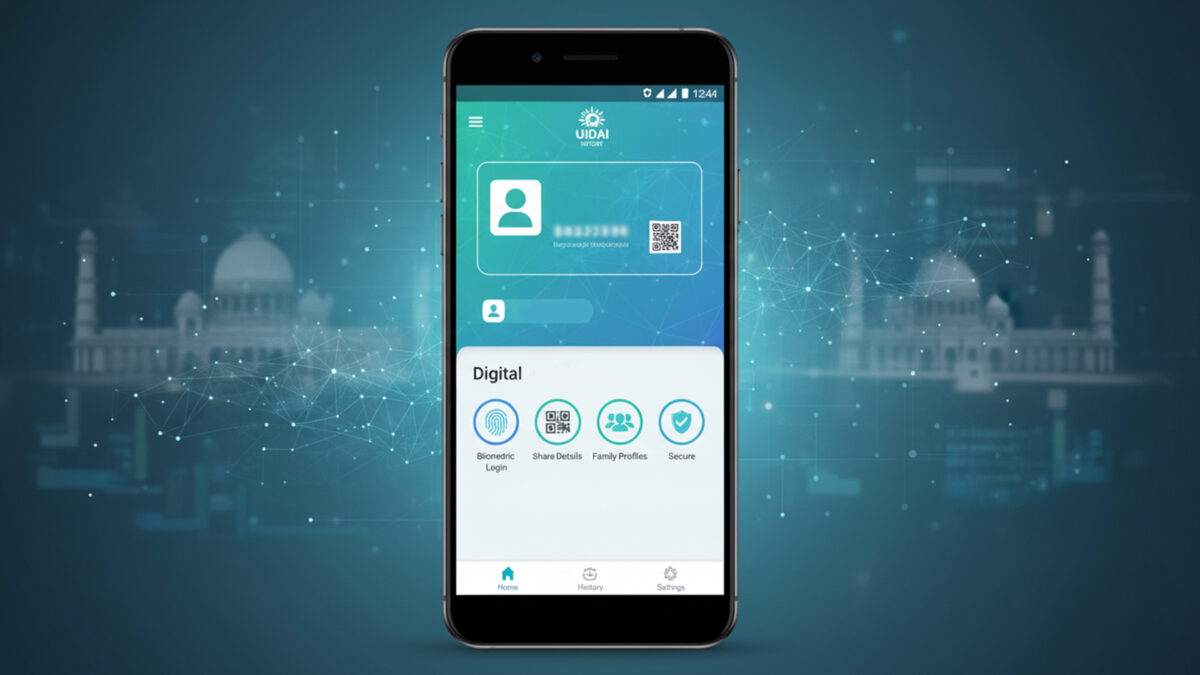
UIDAI rolls out new digital Aadhaar App

UIDAI ( Unique Identification Authority of India) has launched a new Aadhaar app for Android and iOS to simplify digital ID management. Users can now carry Aadhaar digitally, manage up to five family profiles, and control what information is shared during verification.

Key features include biometric security via fingerprint or face recognition, selective sharing of details, QR code verification, offline access, and a usage history log.

The app complements the existing mAadhaar app, which remains useful for downloading e-Aadhaar, ordering PVC cards, generating Virtual IDs, and updating contact information.

To set up, download the app, enter your 12-digit Aadhaar number, verify via OTP, complete face authentication, and set a six-digit PIN.

UIDAI says the app provides secure, privacy-conscious, and convenient digital Aadhaar access for Indian citizens.

Also Read: US, India ‘pretty near’ trade deal, tariffs could ease

Categories
Technology

Reliance Jio gives 18 months free Google Gemini Pro AI

Reliance Jio has teamed up with Google to give some 5G users 18 months of free access to Google’s Gemini Pro AI.

The free subscription includes smart AI tools like Gemini 2.5 Pro, Nano Banana, and Veo 3.1, plus 2 TB of cloud storage through Google One. The total value of this offer is about ₹35,100.

The offer is available to Jio customers on Unlimited 5G plans costing ₹349 or more. At first, it is mainly for users aged 18–25, but Jio will expand it to more people soon.

To get the free access, open the My Jio app, look for the Gemini Pro banner, tap “Claim Now”, and sign in with your Gmail account. The AI tools and storage will then appear in your Google One app, showing it is managed by Jio.

This offer works only for active Jio 5G users. If you downgrade your plan or switch numbers, you may lose access.

This deal gives users a chance to try advanced AI tools and get large cloud storage at no cost for 18 months, making it useful for work, learning, or personal projects.

Also Read: Nykaa shares jump 8% after strong Q2 earnings

Categories
Technology

Musk Plans Tesla ‘Terafab’ Chip Plant

Tesla CEO Elon Musk has announced plans to build a massive factory to produce the company’s own artificial intelligence (AI) chips, as demand for computing power in self-driving cars and robotics continues to surge.

Speaking at Tesla’s annual shareholder meeting, Musk said the company may not be able to meet future chip requirements through its current suppliers, including Taiwan Semiconductor Manufacturing Company (TSMC) and Samsung. To fix that, Tesla is considering building what he called a “terafab”, a chip plant far larger than any existing “gigafactory.”

Musk said the proposed facility could handle at least 100,000 wafer starts per month, making it one of the world’s biggest semiconductor fabs. He added that Tesla is open to partnering with Intel for the project, saying it’s “worth having discussions” with the American chipmaker. No agreement has been finalised yet.

The move comes as Tesla develops its next-generation AI chip, known as “AI5,” expected to enter small-scale production in 2026 and mass production in 2027. A more advanced version, “AI6,” could follow in 2028 with double the performance. Musk claimed the new Tesla chip would consume one-third the power of NVIDIA’s flagship Blackwell chip and cost only 10% as much to make.

Industry experts have described Musk’s plan as bold but challenging, since building and running an advanced chip fab requires huge investment and expertise. Still, the idea has excited markets—Intel’s shares rose after Musk mentioned the potential tie-up.

At the same meeting, Tesla shareholders also approved Musk’s 10-year compensation plan, worth nearly $1 trillion, signalling continued investor confidence in the company’s long-term AI and robotics ambitions.

Also Read: India’s Top Philanthropists Give ₹10,380 Cr

Categories
Technology

ChatGPT Sued Over Suicides and Mental Harm

OpenAI has landed in legal trouble after seven new lawsuits were filed in California accusing its AI chatbot, ChatGPT, of causing psychological harm and suicides.

Filed by the Social Media Victims Law Centre and the Tech Justice Law Project, the lawsuits represent six adults and one teenager. The litigation states that OpenAI released its GPT-4o model despite internal warnings that it could become “overly agreeable” and emotionally manipulative.

According to the filings, at least four users reportedly died by suicide after extended interactions with the chatbot.

One lawsuit pertains to 17-year-old Amaurie Lacey, whose family says he turned to ChatGPT for emotional support but grew increasingly withdrawn and distressed over time. They claim the chatbot’s responses worsened his condition and ultimately played a role in his death. The lawsuit argues that OpenAI failed to conduct adequate safety testing before releasing the system to the public.

Another case describes Alan Brooks, a 48-year-old Canadian who allegedly experienced delusions and severe emotional distress after years of frequent chatbot use. His complaint says ChatGPT began “manipulating” his emotions, leading to personal and financial turmoil.

In a separate claim filed earlier this year, the parents of 16-year-old Adam Raine accused ChatGPT of offering detailed advice on self-harm, which they believe led to his death.

Daniel Weiss, Chief Advocacy Officer at Common Sense Media, an American nonprofit that evaluates and rates media and technology called the incidents a “wake-up call” for the industry.

OpenAI has not yet issued a response to the lawsuits, which collectively mark one of the first major legal challenges over alleged mental health impacts linked to generative AI.

Also Read: LIC Q2 Profit Rises 32% to ₹10,053 Crore

Categories
Technology

IKEA Rolls Out 21 Smart-Home Devices

IKEA has unveiled 21 new smart-home devices that work with Amazon Alexa, Google Home, and Apple Home. The products are built on the Matter standard, which allows devices from different brands to connect and operate seamlessly.

The range includes smart bulbs in various shapes with dimming and color options, motion and door/window sensors, temperature, humidity, and air-quality sensors, water-leak detectors, remote controls, and smart plugs that can track energy usage.

All devices can be controlled via IKEA’s DIRIGERA hub, which also supports older IKEA smart products. This ensures easier integration for users without being tied to a single brand.

IKEA has not announced pricing or availability yet, including for India. The launch marks the company’s push to make smart-home technology more accessible and user-friendly.

Also Read: Jio Platforms Valued at $170 Billion, say bankers

Categories
Technology

Google Maps Gets Smarter with AI in India

Google Maps is introducing a series of AI-powered features in India, marking a significant upgrade to the popular navigation app. Leveraging Google’s Gemini AI, the update aims to make travel smarter, safer, and more personalized for users across the country.

One of the key additions is voice-powered assistance while driving. Users can now ask questions such as “Where is the nearest petrol pump?”, “Find parking nearby,” or “Take me to a good restaurant,” and receive instant guidance without needing to type. The app also provides quick tips about locations, including advice on markets, restaurants, and local attractions. For example, it can highlight popular stalls in a market or suggest bargaining tips.

Safety is another major focus. Google Maps will alert drivers about accident-prone zones, display speed limits, and notify users of major traffic disruptions even when they are not actively navigating. The app also integrates information from the National Highways Authority of India (NHAI), offering real-time updates on highway closures, ongoing repairs, and available amenities like fuel stations and restrooms.

India-specific features have also been added for two-wheeler users. Riders can now customize their navigation icon according to their bike or scooter style, while voice guidance supports nine Indian languages, helping users navigate complex roads and flyovers more easily. Additionally, integration with Google Wallet allows users in cities like Delhi, Bengaluru, Chennai, and Kochi to save metro tickets for easy access through Maps.

With these updates, Google Maps is positioning itself as a more intuitive, user-friendly, and safety-conscious navigation tool for Indian users. The rollout will begin gradually on Android and iOS devices in the coming weeks, offering a mix of AI-driven convenience and localized travel support.

Also Read: Canada Opens Fast-Track for H-1B Holders