Categories
Technology

Dream11 reinvents app as interactive sports platform

Dream11, India’s popular fantasy sports platform, has officially exited real-money gaming and relaunched itself as a sports entertainment platform. The move comes after new legislation banned online cash-based fantasy contests, which previously generated almost all of Dream11’s revenue and profits.

The revamped app is now positioned as a “second-screen” experience for sports fans. Users can follow live matches, join creators for watch-alongs, react in real time, and interact with fellow fans. Dream11 aims to make sports viewing social and engaging, rather than just a solo activity.

An initial group of around 25 creators will host livestreams, providing match commentary, analysis, and fan interactions. These creators will break down key moments, share insights, and encourage conversations among viewers. Over time, the platform plans to expand this creator network.

A new “Moments” feature highlights key events from games, fan comments, and match stats, giving users quick access to the most exciting parts of a match. Additionally, the platform introduces “DreamBucks,” a virtual rewards system. Fans can earn DreamBucks by participating in streams and using app features, which can then be redeemed for perks like shoutouts or pinned messages.

While Dream11 has stopped paid fantasy contests, it continues to offer free-to-play fantasy games. Revenue will now come from advertisements, sponsorships, and fan engagement rather than cash contests.

The shift reflects a broader trend in sports-tech, moving from pure gaming to social, creator-driven entertainment. For users, it means a richer experience: watching matches, engaging with creators, and interacting with other fans in real time. For Dream11, the transformation provides a way to retain its massive user base of over 250 million while complying with new regulations.

Dream11’s pivot shows how online sports platforms in India are adapting to changing laws and user expectations. By combining live match coverage, creator-led content, and social features, the platform aims to become a community hub for sports enthusiasts, offering more than just fantasy gaming, it’s now a space for fans to connect, discuss, and enjoy sports together.

Also Read: SEBI bans Avadhut Sathe, seizes ₹546 crore illegally
Categories
Technology

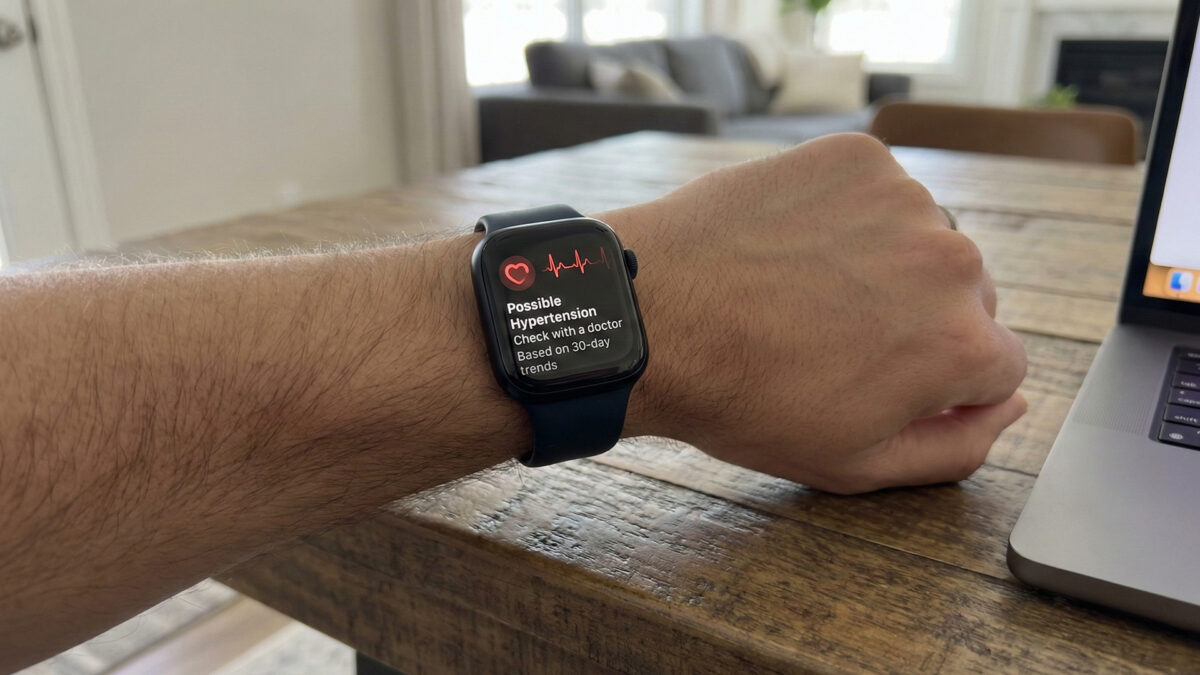
Apple Watch in India with hypertension alert

Apple has introduced its new Hypertension Notifications feature for Apple Watch users in India, adding a major health upgrade to the device’s existing tracking capabilities. The feature, now approved for use in the country, analyses long-term cardiovascular patterns to detect signs of possible high blood pressure.

According to Apple, the smartwatch does not measure blood pressure directly like a traditional cuff. Instead, it studies how blood vessels respond to heartbeats and uses 30 days of background data to identify patterns linked to hypertension. If the watch detects consistent signs of elevated blood pressure over this period, it sends a notification advising the user to get a proper medical check-up.

Apple says the feature aims to help users catch early warning signs of hypertension, a condition that often has no symptoms and affects millions of people in India. The notification is not a diagnosis but a prompt to verify readings using a certified blood-pressure monitor and consult a doctor if needed.

The feature is available on supported Apple Watch models running the latest software. Apple also says the feature is designed for users 22 years and older, who are not pregnant and not already diagnosed with hypertension.

The rollout adds to Apple’s broader push into preventive health technology, following earlier features such as ECG, irregular heart rhythm alerts, and blood-oxygen monitoring. By introducing hypertension alerts in India, Apple aims to increase awareness and support early intervention for one of the country’s most common lifestyle diseases.

Also Read: Apple launches film celebrating students with disabilities

Categories
Technology

Apple launches film celebrating students with disabilities

Apple has unveiled a new short film, I’m Not Remarkable. It highlights how built-in accessibility features help students with disabilities take part fully in campus life. The film does not portray students as extraordinary or inspirational just because of their disabilities. Instead, it focuses on their everyday experiences. Students attend lectures, join group activities, socialize with friends, and enjoy college events. The film shows how technology can remove barriers and support independence.

The film is directed by Kim Gehrig, acclaimed for her Emmy-winning 2022 accessibility short, The Greatest. Gehrig transforms ordinary campus moments into a vibrant musical, featuring Deaf and disabled students performing a celebratory number, composed by Tim Minchin. This approach reframes accessibility not as a special accommodation, but as an integral part of inclusive design.

Apple highlights its range of accessibility tools, including VoiceOver, Magnifier, Braille Access, AssistiveTouch for iPad and Apple Watch, Live Captions, Sound & Name Recognition, and the Accessibility Reader. Each feature is designed to empower students with varying abilities, enabling them to learn, connect, and participate independently in daily campus life.

Through I’m Not Remarkable, Apple reinforces the importance of accessibility in technology and education. The company’s message is that inclusive design is not optional or auxiliary but it is essential for creating equal opportunities. By presenting students with disabilities as everyday college-goers rather than subjects of pity or inspiration, Apple demonstrates the real-world impact of accessible technology, emphasizing empowerment, independence, and confidence.

The film also reflects Apple’s ongoing commitment to diversity and inclusion, showcasing how accessibility features can enhance experiences not only for students with disabilities but for broader society as well. I’m Not Remarkable is available across Apple’s platforms, offering an inspiring perspective on how thoughtful design and technology can make education and social life fully accessible to all.

Also Read: NTT to spend ₹2,400 crore in Bengaluru data‑centre campus

Categories
Technology

OpenAI goes ‘Code Red’ as Gemini gains edge

OpenAI CEO Sam Altman has declared a “code red,” redirecting the company’s focus entirely to strengthening ChatGPT. The decision comes as Google’s Gemini 3 gains rapid traction, outperforming ChatGPT in speed, reliability, and user engagement.

To respond, OpenAI is putting several projects on hold, including ad-driven features, AI shopping assistants, and its personal assistant “Pulse.” All resources are now being focused on improving ChatGPT’s performance, personalization, and overall user experience. The decision highlights the high-stakes competition in the AI space, where even leading companies must act fast to maintain their edge.

This is a role reversal from late 2022, when ChatGPT’s launch had triggered a “code red” at Google. At that time, Google scrambled to adjust its AI strategy in response to OpenAI’s breakthrough. Now, OpenAI faces similar pressure as a competitor pulls ahead.

Industry experts say such “code red” moves reflect the intensity of the generative AI race, where rapid innovation can quickly shift user preference and market position. Altman’s strategy shows OpenAI’s commitment to staying at the forefront of AI, ensuring ChatGPT continues to lead in performance and adoption.

With Gemini 3 raising the bar, OpenAI’s urgent pivot underlines the company’s focus on innovation, speed, and user satisfaction. By prioritizing ChatGPT over other initiatives, OpenAI aims to secure its place as a global leader in AI development while responding decisively to emerging competition.

Also Read: YouTube launches ‘2025 Recap’ featuring top trends

Categories
Technology

YouTube launches ‘2025 Recap’ featuring top trends

YouTube has launched its first-ever 2025 Recap, offering users a personalized look back at their year on the platform. Unlike previous year-end summaries limited to music, this Recap covers a wide range of content, including top channels, video genres, and overall viewing patterns. The feature provides a detailed overview of users’ engagement and highlights their evolving preferences over the year.

The Recap experience is built around interactive cards, with up to 12 per user. These cards showcase top channels, favorite genres, and trends in video consumption. Users also receive a “personality type” label based on their viewing habits, such as “Wonder Seeker,” “Creative Spirit,” or “Sunshiner.” For YouTube Music listeners, Recap highlights top artists and songs, alongside popular genres and listening patterns. However, users who have paused or auto-deleted their watch history may see limited insights.

The feature is accessible globally through the “You” tab on desktop and mobile, or directly via youtube.com/Recap. Initially rolled out in North America, it is now expanding worldwide. YouTube designed Recap to be interactive, allowing users to reflect on their 2025 digital footprint and share highlights with friends on social media.

Alongside personal summaries, YouTube also revealed global 2025 trends. Top creators, trending videos, viral challenges, songs, and podcasts are featured, giving users a snapshot of the content that defined the year. MrBeast topped the global creator list, while trending videos included a mix of gaming, popular series, and viral shorts, reflecting diverse audience interests.

YouTube Recap aims to enhance user engagement by offering a fun, reflective, and shareable experience, similar to Spotify Wrapped but for video content. By summarizing personal and global trends, the feature helps users explore how their interests align with broader cultural trends on the platform.

Whether you spent the year watching educational content, music videos, or viral shorts, YouTube Recap provides an accessible way to review and celebrate your digital activity from 2025.

Also Read: PMO’s new address named “Seva Teerth”

Categories
Technology

Retro bluetooth landline becomes viral hit

A modern twist on an old-school device has taken the internet by storm, as a Bluetooth-enabled “landline-style” phone created by content creator and tech tinkerer Cat Goetze, popularly known as CatGPT, becomes one of the year’s most unexpected viral gadgets. What began as a personal experiment to curb screen dependency has quickly evolved into a thriving niche tech brand, attracting thousands of buyers and generating more than $280,000 in sales.

Goetze, like many young professionals overwhelmed by constant smartphone use, longed for a simpler way to handle calls without getting sucked into apps and notifications. Instead of installing a traditional landline, she refurbished an old-fashioned clamshell desk phone and fitted it with Bluetooth technology so it could work with her iPhone and apps. For nearly two years, this retro handset became her go-to device for calls, video-call audio, and even everyday home communication.

In mid-2025, she casually posted a video demonstrating her setup,  and demand exploded overnight. Within 72 hours, her newly formed company, Physical Phones, recorded over $120,000 in sales. Buyers resonated with the idea of taking calls without staring at a screen, and the aesthetic appeal of vintage-style hardware made it even more shareable online. By October, the company had sold more than 3,000 units and crossed $280,000 in revenue.

Physical Phones now offers five handset styles, priced between $90 and $110. Each device pairs with iOS and Android smartphones and supports audio for regular calls as well as apps like FaceTime, WhatsApp, Instagram, and Snapchat. Users can dial directly from the handset, and a shortcut key even activates Siri or Google Assistant, making the device functional without feeling outdated.

The growing traction highlights a broader sentiment in tech culture: many users are seeking minimalism, tactile interaction, and boundaries from the relentless digital noise of everyday life. Goetze’s product taps into this shift by offering connection without the pressure of constant screen engagement.

What started as one creator’s personal solution has now become a cultural marker, a blend of nostalgia, utility, and digital wellness,  proving that sometimes, the future of tech can come from the past.

Also Read: Vidya Wires opens ₹300 cr IPO on December 3

Categories
Technology

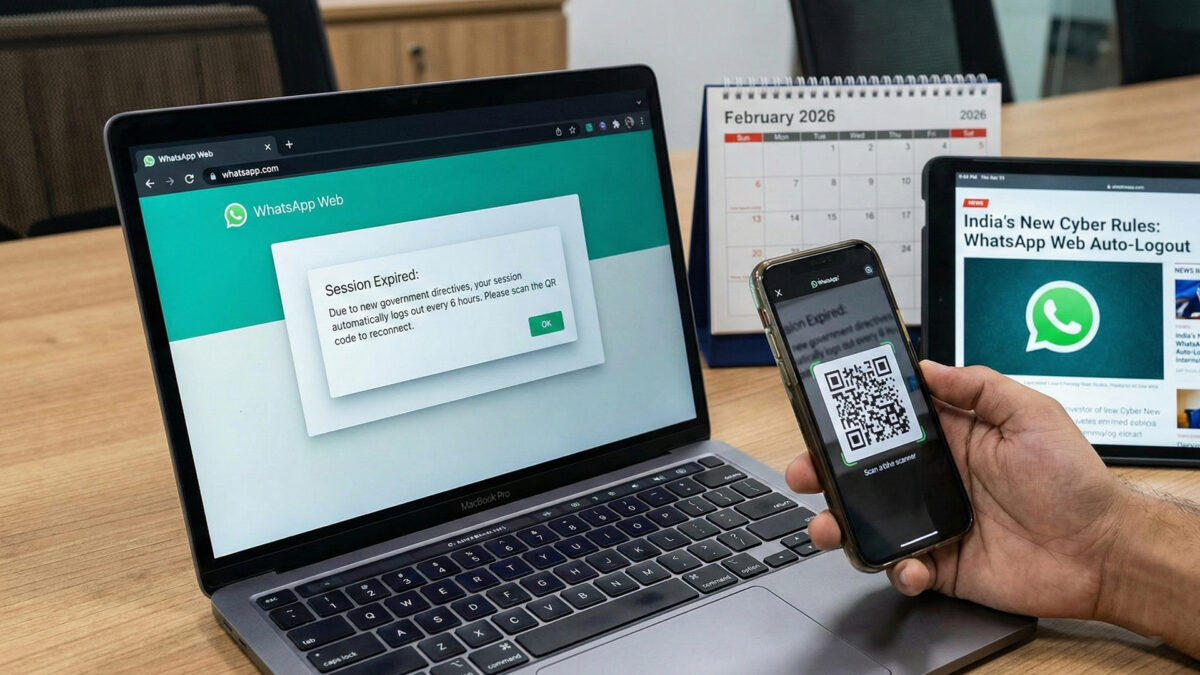
WhatsApp Web to log out every 6 hours in India

WhatsApp Web users in India will soon face automatic logouts every six hours, following new regulations from the Department of Telecommunications (DoT). The rule, part of the Telecommunication Cybersecurity Amendment Rules, 2025, requires all messaging accounts to be tied to the SIM card used during registration. This means web and desktop sessions can no longer remain active all day, and users will need to log in again, typically by scanning the QR code.

Other popular messaging apps, including Telegram and Signal, are also expected to comply. Platforms have been given 90 days to implement the changes, after which the six-hour logout policy will be enforced.

The step is aimed at improving cybersecurity and reducing digital fraud. Regulators have highlighted that some scammers exploit messaging apps without active SIM links, sometimes operating from outside India. By enforcing SIM binding, authorities hope to make it easier to trace accounts back to the actual subscriber and prevent misuse.

For users, this change will have practical implications. People who rely on WhatsApp Web for work or personal use will face frequent session interruptions. Those using secondary devices, tablets, or phones without the registered SIM may lose access altogether. Travelers or users who frequently switch SIMs could also experience login difficulties, making continuous access more challenging.

Tech experts say the rule is a step toward safer digital communication, but it may require adaptation from millions of users accustomed to persistent web sessions. Messaging platforms are expected to update their systems soon to meet the government’s security requirements, ensuring compliance within the mandated 90-day period.

As the six-hour auto-logout becomes standard, users will need to remain aware of session limits and plan accordingly to avoid interruptions in both personal and professional communications.

Also Read: Ahmedabad’s GIFT City expands as $100 billion financial hub

Categories
Technology

Apple to open fifth India store at Noida on Dec. 11

Apple is all set to open its fifth official retail store in India at DLF Mall of India, Noida, on December 11, 2025. This will be the company’s second store in the Delhi‑NCR region, following its flagship outlet in Saket, New Delhi.

The new store features a peacock-inspired design, reflecting a modern and vibrant look similar to Apple’s recent stores in Bengaluru and Pune. Inside, customers will be able to explore the full range of Apple products, including the latest iPhone 17 series, the M5-powered iPad Pro, and the 14-inch MacBook Pro.

Apple will provide personalized support through its Apple Specialists and Geniuses, helping customers with product setup, troubleshooting, and advice. The store will also host “Today at Apple” sessions, offering workshops on photography, music, art, coding, and creative skills, allowing users to learn and create in an engaging environment.

The Noida store is part of Apple’s larger plan to expand its physical presence in India, where demand for its products has been steadily growing. This expansion comes alongside Apple’s ongoing efforts to increase local manufacturing and operations, strengthening its position in the Indian market.

With this launch, Apple now has stores in Mumbai, Bengaluru, Pune, Delhi, and Noida, giving Indian customers access to its full range of products, services, and educational sessions. The move demonstrates Apple’s commitment to providing a complete, hands-on retail experience in India, combining shopping, support, and creativity under one roof.

Also Read: Adani drops long legal fight against Australian activist

Categories
Technology

Sennheiser launches premium HDB 630 in India

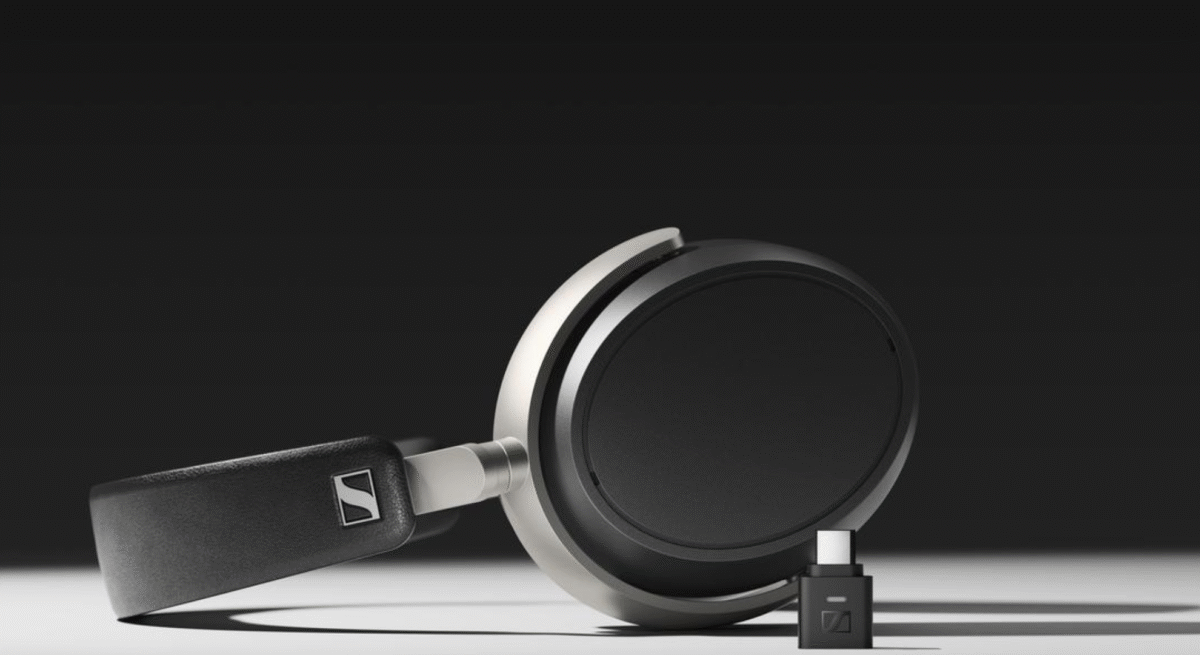
Sennheiser has introduced its new premium wireless headphones, the HDB 630, in the Indian market. Aimed at music lovers who want top-quality sound without wires, the HDB 630 combines audiophile-grade clarity with modern convenience.

The headphones support high-resolution audio up to 24-bit/96 kHz, whether connected through Bluetooth or USB-C. Sennheiser has included a special USB-C transmitter to ensure consistent high-quality wireless playback, even on devices that don’t support advanced codecs.

The HDB 630 features Sennheiser’s latest acoustic design, offering a clean, natural sound signature with detailed highs, smooth mids and controlled bass. Listeners can further personalise their audio using the Smart Control app, which adds a parametric equaliser and Crossfeed mode to create a more natural, speaker-like experience.

Comfort and endurance are major highlights. The over-ear design uses soft cushions and lightweight materials to reduce fatigue during long listening sessions. The headphones also deliver an impressive 60 hours of battery life, with a 10-minute quick charge providing up to 7 hours of playback.

Priced at ₹44,990, the Sennheiser HDB 630 will be available across major retail and online platforms. Early buyers may also receive a complimentary pair of Accentum Open earbuds worth ₹12,990.

With this launch, Sennheiser aims to offer a high-fidelity listening experience in a fully wireless form, combining premium sound, comfort and long battery life for everyday use.

Also Read: Meesho IPO to open on Dec 3, plans to raise ₹5,421 cr

Categories
Technology

OpenAI API user data exposed in Mixpanel hack

OpenAI has confirmed that a security breach at Mixpanel, one of its third-party analytics partners, exposed personal details of some users who rely on the company’s paid API services. The incident took place on 9 November 2025, when hackers gained access to Mixpanel’s systems. Mixpanel later informed OpenAI about the intrusion and shared the compromised dataset for investigation.

According to OpenAI, the leaked information is limited but still sensitive. It includes names linked to API accounts, email addresses, user or organisation IDs, approximate location data based on browser information, and technical details such as the browser, operating system and referring website. This data was collected to track user analytics on OpenAI’s API platform.

Importantly, no confidential user content, passwords, API keys, payment information, billing details, or chat logs were exposed. OpenAI emphasised that the breach does not affect regular consumers using ChatGPT, as this dataset only involved analytics connected to the platform.openai.com API service. All OpenAI models and systems continue to operate normally.

Following the incident, OpenAI immediately removed Mixpanel from all its production environments and ended its use of the company’s analytics services. The company is now contacting all affected users directly through email. OpenAI has also launched a broader review of its security and vendor-management processes to reduce the risk of similar breaches in the future.

Security experts warn that the exposed information could still be used for phishing attempts. With names and email addresses now potentially outside OpenAI’s secure ecosystem, attackers may try to send convincing scam emails pretending to be from OpenAI or related platforms. Users are advised to be cautious about unexpected messages, avoid clicking suspicious links and ensure that multi-factor authentication (MFA) is enabled on all critical accounts.

The incident highlights the vulnerabilities that can arise from third-party service providers, even when a company’s own systems remain secure. As more businesses depend on cloud and AI services, the security of every partner in the chain becomes crucial. OpenAI has reassured customers that it is strengthening auditing practices and increasing oversight of external vendors to prevent similar issues.

Also Read: JP Morgan predicts Nifty50 could hit 30,000 by 2026