Categories
Corporate

Adani Power’s Vidarbha takeover gets final nod

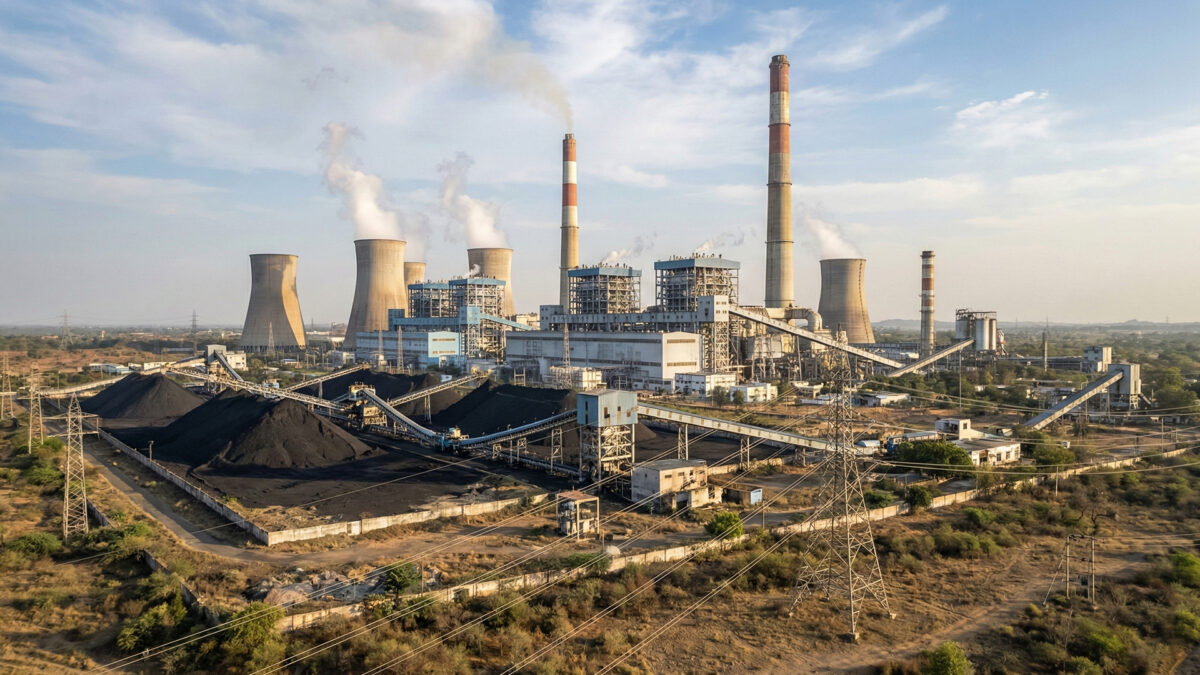
Adani Power has overcome a significant legal challenge in its bid to acquire Vidarbha Industries Power Ltd (VIPL) for ₹4,000 crore. The National Company Law Appellate Tribunal (NCLAT) has upheld the company’s resolution plan under the Insolvency and Bankruptcy Code (IBC), dismissing appeals from Western Coalfields Ltd., a key coal supplier and a group of employees. This decision affirms the earlier approval by the National Company Law Tribunal (NCLT), providing final clarity to the long-pending takeover of the 600 MW Vidarbha power project.

The disputes centered on creditor treatment and procedural compliance. Western Coalfields, an operational creditor claiming around ₹500 crore, argued that Adani Power’s plan violated IBC timelines for debt resolution. Meanwhile, employees raised concerns over inadequate payouts, receiving only ₹1 crore collectively against claims exceeding ₹550 crore. They contended that the plan unfairly prioritized secured creditors, leaving operational dues undervalued.

NCLAT rejected these claims, ruling that the Committee of Creditors (CoC) had approved the plan well within legal deadlines. The tribunal noted that Adani Power’s subsequent modifications to operational debt handling were permissible, as they neither reduced creditor recoveries nor prejudiced any party. On employee dues, NCLAT clarified that asset values could not fully cover all claims post-secured creditor payments, a common outcome in insolvency cases. Crucially, statutory obligations like provident fund and gratuity contributions remain fully protected and must be disbursed in full, safeguarding worker interests.

This ruling marks a pivotal moment for Adani Power’s expansion strategy in the power sector. The acquisition bolsters its capacity amid India’s growing energy demands, aligning with the group’s aggressive growth in renewables and thermal assets. Market analysts view the verdict as a strong endorsement of the IBC framework, which has resolved over stressed assets since 2016. By balancing swift corporate rescues with creditor rights and employee protections, it signals judicial confidence in India’s bankruptcy regime.

For the broader economy, the decision underscores the maturing insolvency ecosystem. It demonstrates how tribunals can navigate complex stakeholder conflicts, encouraging more strategic investments in turnaround opportunities. Adani Power shares rose marginally post-ruling, reflecting investor optimism. As the company integrates VIPL, focus shifts to operational synergies and long-term value creation in a competitive power landscape.

Also Read: S4Capital chief praises India at WEF 2026, Davos

Categories
Corporate

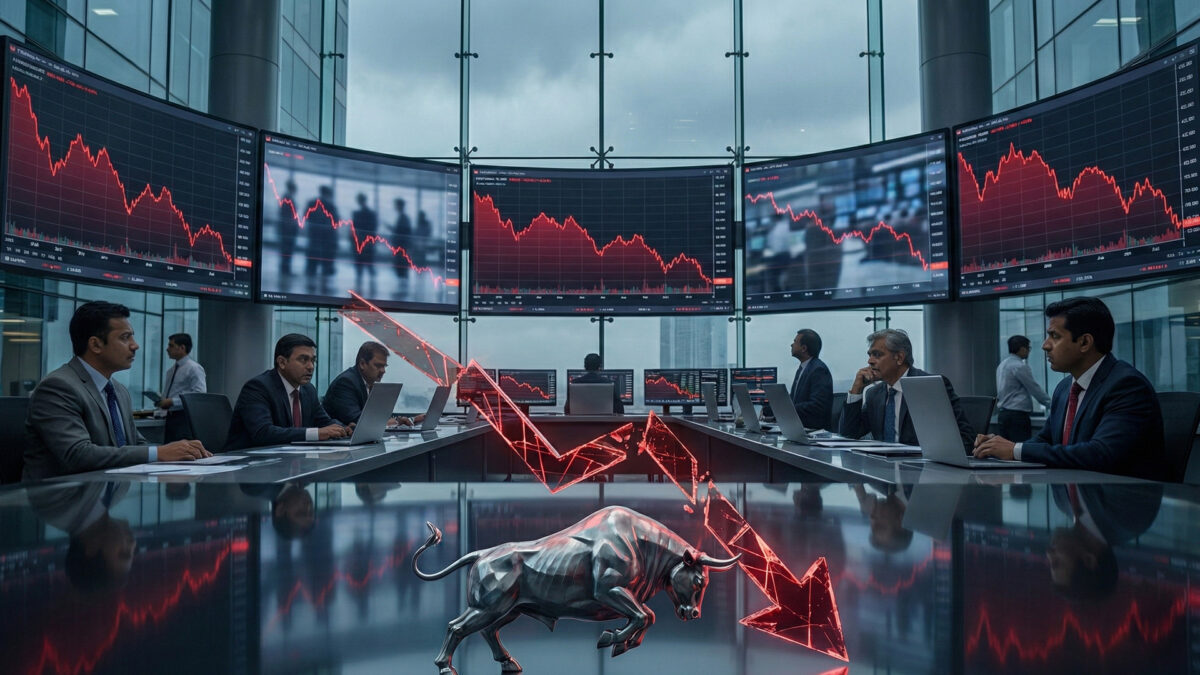
Sensex tumbles 1,065 points, Nifty slips under 25,250

Indian stock markets fell sharply on Tuesday, 20 January 2026, with major indices hitting their lowest levels in over two months. The BSE Sensex dropped 1,065.7 points to 82,180.47, while the Nifty 50 slipped 353 points to 25,232.50, reflecting broad-based selling across sectors.

While defensive and some large-cap stocks like ITC and Tata Capital managed gains, several heavyweights suffered steep losses. Sun Pharma and Eternal shares fell around 3–4%, dragging the indices lower. Mid-cap and small-cap stocks also saw widespread declines, and only a few counters provided support.

Foreign investors continued to withdraw funds, adding to the pressure. The Indian rupee weakened against the dollar, raising concerns about currency risk. Technical levels for Nifty were breached, signaling market vulnerability and prompting investors to reduce exposure.

Global cues also weighed on sentiment. European markets retreated, and U.S. futures, including the S&P 500 and Nasdaq, were down, reflecting risk-averse investor behavior worldwide.

Analysts note that the combination of foreign outflows, weak corporate results, and global volatility drove Tuesday’s market slide. Investors are now closely watching upcoming earnings and macroeconomic data for signals on market direction.

Also Read: S4Capital chief praises India at WEF 2026, Davos

Categories
Corporate

Sun Pharma linked to possible $10 bn Organon buyout

Sun Pharmaceutical Industries, India’s largest drugmaker, is reportedly exploring a possible $10 billion acquisition of US-based pharmaceutical company Organon & Co, according to media reports. If the deal goes through, it would be one of the biggest overseas acquisitions ever made by an Indian pharmaceutical company and could significantly boost Sun Pharma’s presence in the United States.

Organon is a global pharmaceutical firm that focuses mainly on women’s health medicines, including treatments for fertility, contraception, and menopause. It also has a growing business in biosimilars, which are lower-cost versions of complex biological drugs. The company was created in 2021 after being separated from Merck (MSD) and carries a large debt of around $9.5 billion.

Reports suggest Sun Pharma has appointed a European financial advisor to study the deal and assess its feasibility. The estimated value of $10 billion includes Organon’s existing debt. Industry observers say Organon’s product portfolio and strong presence in the US market could fit well with Sun Pharma’s long-term growth plans, especially in specialty medicines and biosimilars.

If completed, the acquisition would be larger than Sun Pharma’s 2014 purchase of Ranbaxy Laboratories and could help the company expand faster in the highly competitive US pharmaceutical market. Analysts believe the deal could give Sun Pharma access to new therapies, a wider customer base, and a stronger global footprint.

However, Sun Pharma has clarified that the reports are “speculative in nature.” In a statement to stock exchanges, the company said there is no material information to disclose at this stage and that it follows strict regulatory guidelines. It added that any confirmed development will be shared with investors as required by law.

Organon has not made any public comment on the reported talks.

Also Read: Ola Electric CFO quits, Deepak Rastogi takes over

Categories
Corporate

UAE signs $2.5bn LNG deal with HPCL

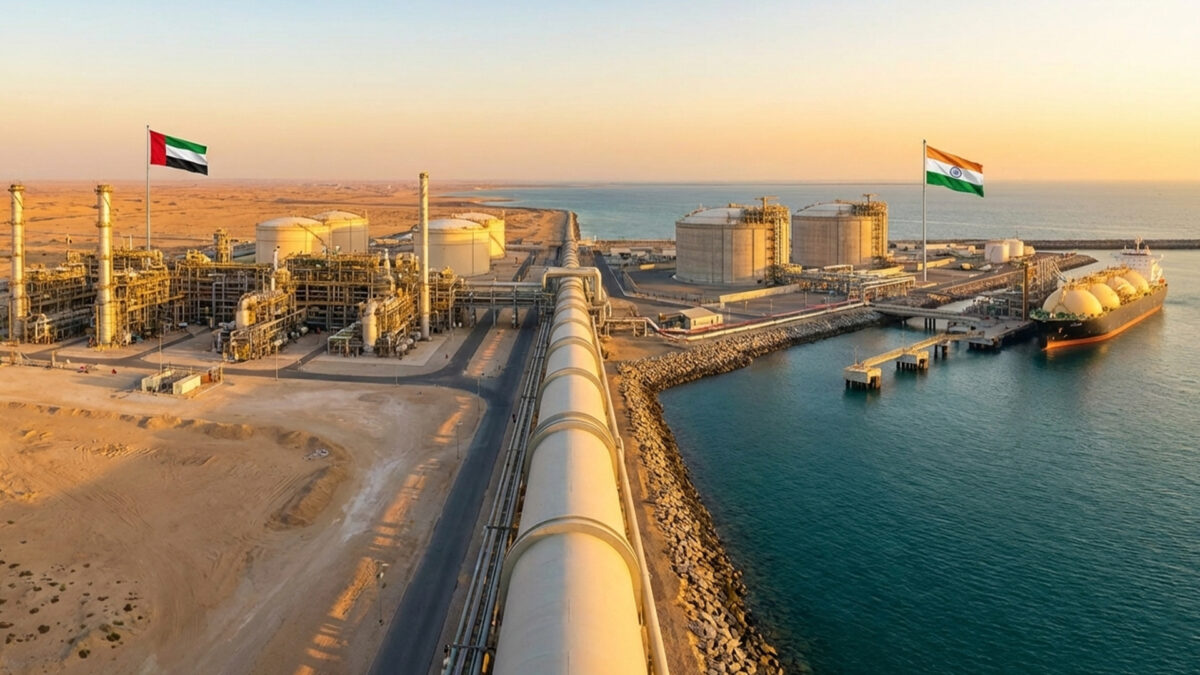
UAE and India have signed a landmark liquefied natural gas (LNG) supply agreement that will deepen energy cooperation between the two nations. The deal, inked between ADNOC Gas, the gas marketing division of Abu Dhabi National Oil Company, and Hindustan Petroleum Corporation Limited (HPCL), is valued at $2.5 billion and spans ten years.

Under the agreement, ADNOC Gas will supply about 500,000 tonnes of LNG annually to HPCL. The gas will be sourced from ADNOC’s Das Island facility, one of the world’s established LNG plants, known for its consistent production and export capacity.

This long-term supply is expected to enhance India’s energy security and support its growing demand for cleaner fuels. HPCL plans to use the imported LNG to fuel its refining operations, as well as expand city gas distribution networks for industrial, residential, and commercial use.

The contract formalizes prior commercial arrangements and converts a heads-of-agreement into a binding sale and purchase pact. Officials from both sides emphasized that this deal positions India as a key LNG customer for the UAE, with Indian companies projected to take a significant portion of ADNOC Gas’ exports in the coming years.

The signing coincided with the official visit of UAE President Sheikh Mohamed bin Zayed Al Nahyan to New Delhi. During the visit, both countries highlighted the broader significance of energy cooperation and reiterated commitments to strengthen trade, technology, and strategic partnerships.

Also Read: Global markets fall on US Greenland tariff threats

Categories
Corporate

Sensex falls 350 points, Nifty slips below 25,500

Indian equities extended losses for a second session on Tuesday, January 20, with the BSE Sensex shedding over 350 points and the Nifty 50 breaching the 25,500 level. Weak global cues, including US tariff tensions reigniting trade-war fears, combined with mixed Q3 earnings and a depreciating rupee, fueled investor caution and sustained foreign selling pressure.

Markets opened flat despite ambivalent GIFT Nifty signals but quickly faced broad-based selling, led by heavyweights in financials and IT sectors. Sideline positioning dominated as participants navigated earnings volatility and fragile international sentiment.

Bright spots emerged in renewables and select industrials. Tata Capital rallied on robust quarterly profit growth before profit-taking curbed gains. ACME Solar climbed after commissioning a Gujarat wind project, underscoring momentum in India’s green energy push. Bajaj Electricals also drew buyers on positive wires and cables updates.

Countering these, LTIMindtree plunged on an 11% net profit drop for the December quarter, blamed on one-off costs. Asian Paints and Bajaj Finance lagged sharply, capping any rebound and amplifying benchmark declines.

Broader markets stayed muted, with buying confined to news-driven names. Safe-haven gold and silver hit record highs amid risk-off flows globally. Eyes remain on crude oil, forex swings, and geopolitics for near-term direction.

Also Read: Steel prices rise on safeguard duty and exports

Categories
Corporate

Sensex drops 324 Points, Nifty slides below 25,600

Markets ended sharply lower on Monday as the BSE Sensex fell 324.17 points to settle at 83,246.18, while the NSE Nifty 50 dropped 108.85 points to close at 25,585.50.

Key sectors, including banking, IT, and energy, saw the most significant losses. Reliance Industries, HDFC Bank, and Infosys were among the major drags on the indices, pulling the overall market lower. Traders noted that profit-booking in heavyweight stocks and cautious positioning ahead of upcoming corporate results contributed to the selling pressure. Defensive sectors, including FMCG and healthcare, showed relative resilience amid the broader decline.

Global market sentiment also weighed on investor confidence. Asian markets closed mixed, while European and US markets remain under pressure due to concerns over global trade tensions, rising interest rates, and slowing economic growth. These factors collectively added to the risk-off mood in domestic markets.

Trading activity remained moderate, with investors keeping an eye on both global developments and domestic corporate earnings for guidance. Analysts suggested that the current market movement reflects a phase of consolidation, as investors digest recent gains and adjust portfolios ahead of further cues from the corporate earnings season.

Despite the decline, some mid-cap and small-cap stocks managed to hold their ground, offering selective buying opportunities. Analysts advise investors to remain cautious, diversify portfolios, and focus on fundamentally strong stocks in sectors likely to benefit from domestic economic growth.

Also Read: ChatGPT adds ads, Google’s Gemini stays clean

Categories
Corporate

EIL wins $350 million Dangote refinery deal

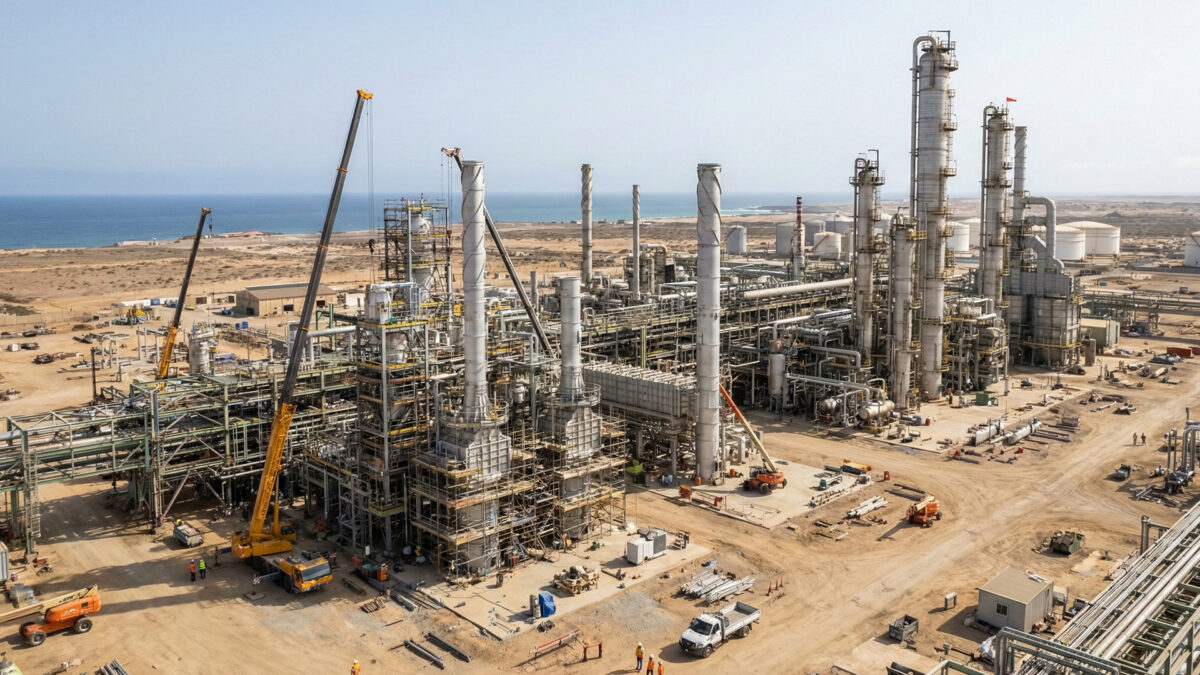
Engineers India Limited (EIL), a government-owned engineering and consultancy company, has won a major overseas contract worth more than $350 million from Nigeria’s Dangote Group. The contract is for the expansion of the Dangote Refinery and Petrochemical Complex, which is already the largest oil refinery in Africa.

Under this deal, EIL will work as a Project Management Consultant (PMC) and Engineering, Procurement and Construction Management (EPCM) consultant. This means the Indian firm will help plan, design, manage and supervise the expansion work to ensure it is completed on time and meets qualityերից.

The Dangote refinery is currently operating at a capacity of 650,000 barrels of crude oil per day. With the new expansion, the capacity will be increased to 1.4 million barrels per day, making it the largest single-location refinery in the world. The expansion will also allow the refinery to produce cleaner, Euro VI-grade fuels, which meet stricter global environmental standards.

Apart from fuel, the project will significantly boost petrochemical production, especially polypropylene, which is widely used in plastics and packaging. Annual polypropylene output will rise from 830,000 tonnes to 2.4 million tonnes. This increase will be achieved by upgrading existing units and adding new large-scale facilities, including a new propylene production unit.

EIL had earlier played a key role in building the first phase of the Dangote refinery, which was commissioned in 2024 at the Lekki Free Zone in Nigeria. The successful completion of that phase helped establish trust between the two companies, leading to this new and larger contract.

The expanded refinery is expected to reduce Africa’s heavy dependence on imported refined fuels, improve energy security, and support industrial growth across the region. For Nigeria, the project is a major step towards becoming a key supplier of refined petroleum products and petrochemicals.

Also Read: CG Power wins ₹900 cr US Data Centre order

Categories
Corporate

CG Power wins ₹900 cr US Data Centre order

CG Power and Industrial Solutions Ltd has won a major overseas contract worth around ₹900 crore from US-based Tallgrass Integrated Logistics Solutions LLC. This is the biggest single order in the company’s history and marks its formal entry into the global data centre infrastructure segment.

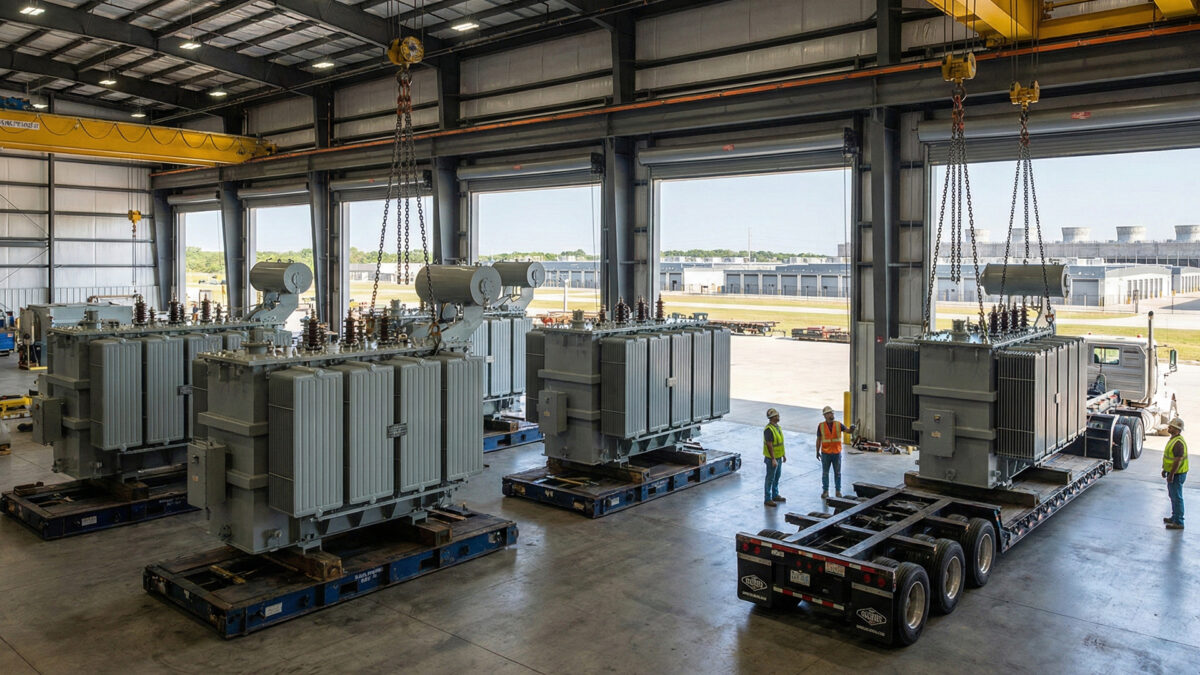
As part of the agreement, CG Power will supply high-capacity power transformers for a large data centre project in the United States. These transformers play a crucial role in ensuring uninterrupted power supply, which is essential for data centres that support digital services such as cloud computing, artificial intelligence and large-scale data storage.

The transformers will be designed, manufactured and tested at CG Power’s facilities in India. The company said deliveries will take place over a period of 12 to 20 months, with shipments made from Mumbai under standard international trade terms. The contract is a direct export order, underlining CG Power’s increasing focus on international markets.

Company management described the order as a strategic breakthrough, stating that it provides a strong platform to enter the fast-growing global data centre sector. With rising digitalisation, demand for data centres is increasing worldwide, leading to higher need for reliable and advanced power infrastructure.

CG Power said the order demonstrates its engineering strength and ability to meet strict global quality and performance standards. It also highlights the company’s capability to deliver mission-critical equipment for projects where power reliability is vital.

The announcement was positively received by the market, with CG Power’s shares seeing an uptick following the news. Entry into the global data centre space is expected to open new growth opportunities and strengthen the company’s export pipeline in the coming years.

Industry experts believe this move could help CG Power diversify its business beyond its traditional domestic and industrial segments.

Also Read: Bharat Coking Coal stock drops 7% after strong market debut

Categories
Corporate

EU and Mercosur seal major trade deal

The European Union (EU) and the Mercosur bloc of South American countries have signed a historic free trade agreement, ending more than 25 years of negotiations. The deal, signed on January 17, 2026, in Paraguay, is expected to create one of the world’s largest trade zones, connecting over 700 million people and boosting economic ties between the two regions.

Mercosur includes Argentina, Brazil, Paraguay, and Uruguay. Bolivia is not part of the deal yet, and Venezuela remains suspended from the bloc. The agreement aims to gradually remove most tariffs on goods traded between the EU and Mercosur, including cars, machinery, and chemicals. This is expected to save businesses billions in customs fees and make products cheaper for consumers.

European Commission President Ursula von der Leyen called the deal a choice for “fair trade over tariffs,” highlighting its importance for Europe’s global trade strategy. Argentina’s President Javier Milei also welcomed the pact, viewing it as a boost for free trade and economic growth.

The agreement still needs approval from the European Parliament and the national parliaments of Mercosur countries before it comes into effect. Some European farmers and environmental groups have expressed concerns, fearing that cheaper imports could hurt local agriculture and worsen environmental issues, like deforestation. To address this, the deal includes quotas and safeguards, and the EU has promised support for its farming sector.

Supporters say the pact is not just about trade—it also strengthens political and economic ties between Europe and South America. Analysts note it could serve as a model for other large trade agreements in a time of rising global protectionism and supply chain challenges.

Once fully implemented, the EU-Mercosur deal is expected to increase exports, lower costs for consumers, and encourage investment in industries across both regions.

Also Read: Tata Motors pushes for budget relief for entry-level EVs

Categories
Corporate

Tata Motors pushes for budget relief for entry-level EVs

Tata Motors has appealed to the Indian government to provide financial incentives for entry‑level electric vehicles (EVs) in the upcoming Union Budget 2026, citing rising costs that are making affordable EVs less competitive compared to petrol cars. The company’s Managing Director and CEO, Shailesh Chandra, highlighted that while recent reforms such as GST changes and lower interest rates have revived passenger car sales, entry‑level EVs continue to face cost pressures that could slow adoption.

Chandra explained that the recent reduction in GST for petrol cars has narrowed the price gap between conventional vehicles and electric models, putting entry‑level EVs at a disadvantage. He urged the government to consider targeted incentives to make these cars more affordable for the mass market.

In addition to entry‑level vehicles, Tata Motors is also seeking support for fleet EVs under the PM E‑DRIVE scheme. Currently, fleet electric cars—which make up around 7% of passenger vehicle sales but contribute one-third of total passenger kilometres travelled, are not covered under the scheme. Tata Motors argues that including fleet EVs would not only encourage adoption but also have a larger environmental impact, reducing emissions and dependence on imported fuel.

The company also flagged the impact of rising commodity prices and foreign exchange fluctuations, which have squeezed profit margins by an estimated 2%, largely absorbed by the company so far. Chandra indicated that Tata Motors may need to adjust vehicle prices in the coming months to manage costs, a trend reflected in recent price hikes by other automakers.

By seeking these measures, Tata Motors aims to ensure that electric vehicles remain competitive with petrol cars, particularly for price-sensitive buyers and fleet operators.

Also Read: Gold at ₹1,43,770, Silver slips below ₹2.95 lakh