Categories
Beyond

Sensex Nears 82,700 as Trade Optimism and Fed Rate Cut Bets Lift Markets

As of 10:55 AM IST on September 17, 2025, India’s benchmark indices extended their gains, with positive momentum driven by global trade developments and expectations of monetary easing. The BSE Sensex rose by around 300 points, or 0.4%, trading near the 82,700 level, while the Nifty 50 index climbed over 80 points, or more than 0.34%, hovering close to 25,325. The index crossed the 25,300 threshold for the first time since July, reflecting broad-based buying.

Auto stocks led the rally, with the Nifty Auto index advancing more than 0.6%, supported by strong performances from companies such as Tata Motors and Maruti Suzuki. Stocks in the IT, realty, and media sectors also gained ground, while FMCG, metals, and pharmaceuticals remained under pressure, trading lower during the morning session.

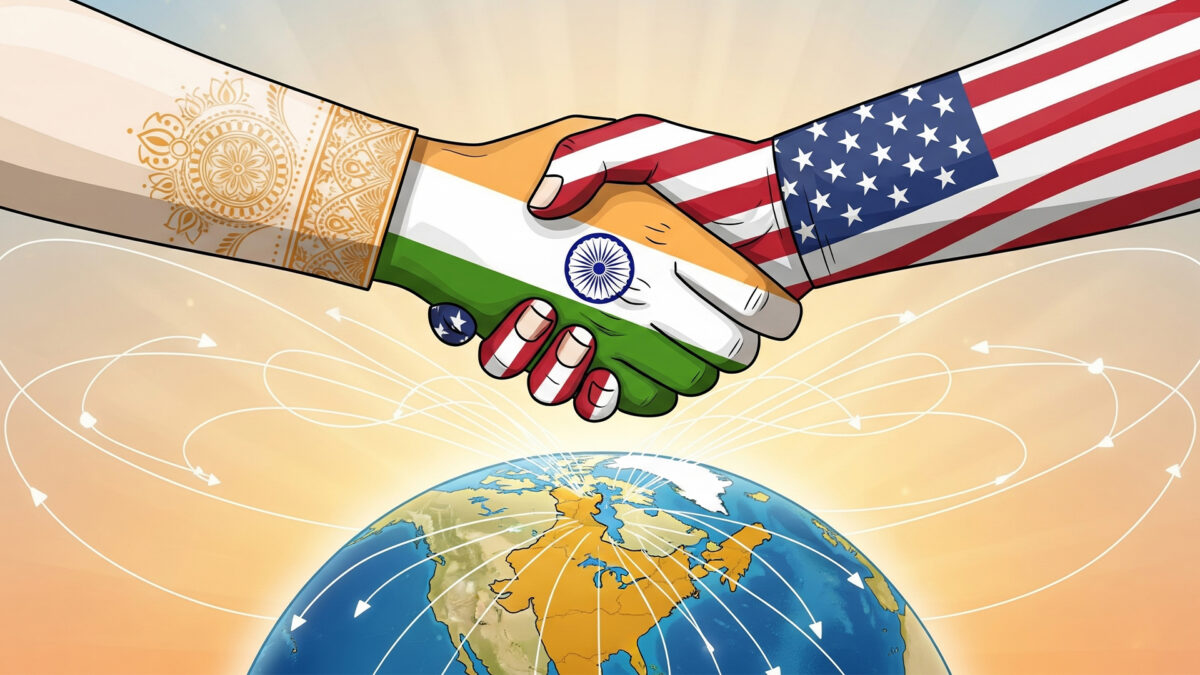
Investors were encouraged by the easing of trade tensions between India and the United States. Recent discussions between Prime Minister Narendra Modi and U.S. President Donald Trump created optimism that the two countries are working toward resolving long-standing trade disputes. Trump expressed confidence about the progress in trade talks and referred to Modi as a close friend, while Modi described India and the U.S. as natural partners. These developments allayed earlier concerns about Trump’s proposed 50% tariffs on Indian goods and boosted market sentiment.

Expectations of a possible rate cut by the U.S. Federal Reserve further strengthened investor confidence. The Fed’s policy meeting, which concludes on September 17, is expected to result in a 25 basis point reduction in interest rates amid soft job data and pressure from the administration. A cut in rates is seen as beneficial for sectors such as IT, which derive significant revenue from the U.S. market. Investors are also hopeful that any easing by the Fed could prompt India’s central bank to reduce rates at its upcoming monetary policy review later this month.

The Indian rupee opened at 87.82 against the U.S. dollar, its best start in three weeks, improving from the previous session’s close of 88.05. The rupee’s recovery was supported by a weakening U.S. dollar, with the dollar index falling to a three-and-a-half-year low below the 96 mark. This trend further contributed to market optimism.

Experts noted that a combination of improved geopolitical relations, expectations of monetary easing, and favorable currency movements were driving the rally. Analysts pointed out that sectors such as automobiles have already factored in the anticipated demand surge, while other areas like banks and NBFCs could see increased investor interest once rate decisions are finalized.

The markets are expected to remain sensitive to further developments in U.S.-India trade negotiations and the outcome of the Fed’s policy meeting. Investors will also be watching the Reserve Bank of India’s upcoming review for clues on future monetary policy, which could have far-reaching implications for India’s economic growth and investment sentiment.

Also Read: Wipro and CrowdStrike Launch AI-Driven CyberShield MDR to Boost Enterprise Security

Categories
Beyond

SEBI Clears IPOs of Pine Labs, Hero Motors, and Four Others

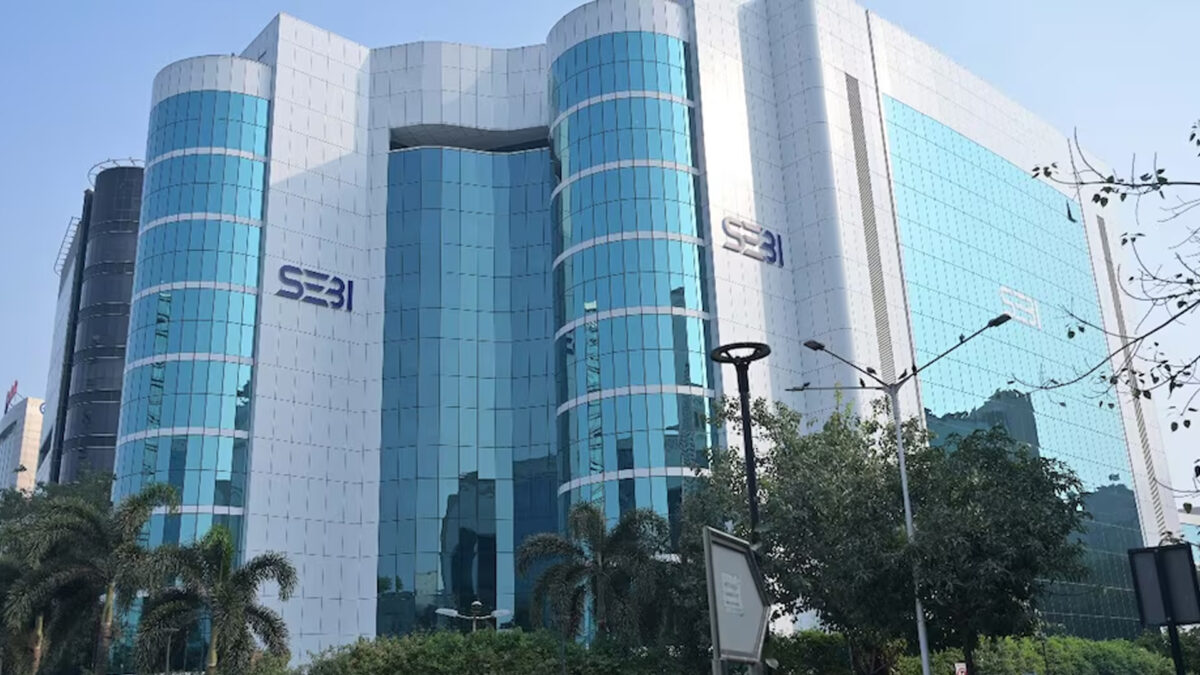
The Securities and Exchange Board of India (SEBI) has approved the initial public offerings (IPOs) of six companies, including fintech major Pine Labs, auto parts maker Hero Motors, and mutual fund house Canara Robeco Asset Management. Together, these firms are expected to raise around ₹9,000 crore from the public markets.

Pine Labs plans to raise approximately ₹2,600 crore through a mix of fresh issue and offer for sale (OFS). The funds will be used for debt repayment, strengthening its tech infrastructure, and expanding its digital checkout platform. This marks a significant move for the fintech firm as it aims to broaden its merchant network and enhance customer engagement.

Hero Motors is targeting a ₹1,200 crore IPO, comprising ₹800 crore as a fresh issue and ₹400 crore through OFS. The company will use the proceeds to reduce debt, modernize operations, and expand production capacity, especially at its Gautam Buddha Nagar facility.

Canara Robeco AMC, a joint venture between Canara Bank and ORIX Corporation Europe, will launch a pure OFS of 4.98 crore shares. The company itself will not receive fresh funds, as existing promoters are offloading part of their stake.

In the renewable energy sector, Emmvee Photovoltaic Power is set to raise about ₹3,000 crore. The solar panel manufacturer plans to use the proceeds for capacity expansion, working capital needs, and debt reduction.

Manipal Technologies’ Payment & Identity Solutions unit also received approval, with its IPO expected to raise around ₹1,200 crore. The company provides secure digital identity and payment solutions to banks and government institutions.

Finally, Orkla India, parent of packaged food brands MTR and Eastern, will launch a pure OFS, allowing promoters to partially exit without issuing new shares.

This wave of IPO approvals reflects growing market confidence and a diversified pipeline of companies looking to list. Market experts expect these offerings to hit the bourses around Diwali or early 2026, depending on market conditions and investor sentiment.

Also Read: AHPI Urges Star Health to Restore Cashless Services at Hospitals Nationwide

Categories
Beyond

Textile Stocks Rally on September 16 Amid Renewed Hopes for India-US Trade Talks

Textile stocks surged on September 16, buoyed by renewed optimism surrounding trade discussions between India and the United States. The uptick comes as trade negotiator Brendan Lynch from the Office of the US Trade Representative (USTR) arrived in India to discuss ongoing trade issues between the two nations.

While Special Secretary Rajesh Agarwal clarified that Lynch’s one-day visit is not the sixth round of formal trade negotiations, but rather a consultation to “discuss trade issues,” investors are hopeful that these talks could pave the way for easing trade tensions that have weighed on bilateral commerce in recent months.

India and the US began negotiations for a Bilateral Trade Agreement (BTA) in March this year and have conducted five rounds of discussions, with the latest held in July in Washington, DC. However, relations soured after President Donald Trump announced a hike in tariffs on Indian goods, doubling them to 50 percent. As a result, the next round of trade talks, initially scheduled for late August in New Delhi, was postponed.

In recent days, relations appear to have improved. Both leaders signaled intent to revive trade discussions, with Trump referring to Prime Minister Narendra Modi as a “dear friend” and expressing optimism about the prospects of enhanced trade cooperation. Modi, in turn, reaffirmed the strong partnership between India and the US and expressed confidence that ongoing talks could unlock new opportunities for both economies.

Finance Minister Nirmala Sitharaman confirmed that India’s diplomatic team remains actively engaged in negotiations. Trump also posted on his social media platform Truth Social, stating, “I am pleased to announce that India, and the United States of America, are continuing negotiations to address the Trade Barriers between our two Nations.”

The positive signals from both sides have reignited investor confidence, particularly in the export-driven textile sector, which stands to benefit from a resolution to trade disputes. Indo Count Industries led the gains with a nearly 10 percent jump, closing at Rs 307.79 per share. KPR Mill shares surged 7 percent to Rs 1,121.80, while Pearl Global Industries rose by nearly 6 percent. Raymond Lifestyle shares gained close to 4 percent, and Arvind shares climbed approximately 2 percent.

With easing tensions potentially restoring trade flows and boosting exports, textile companies are well placed to benefit from renewed diplomatic efforts. Investors will be closely watching developments as further discussions unfold between the two economic powerhouses.

Also Read: Wipro and CrowdStrike Launch AI-Driven CyberShield MDR to Boost Enterprise Security

Categories
Beyond

AHPI Urges Star Health to Restore Cashless Services at Hospitals Nationwide

The Association of Healthcare Providers of India (AHPI) has called on Star Health and Allied Insurance to immediately restore cashless treatment facilities at several hospitals across the country, following a sudden suspension that has left patients bearing out-of-pocket medical expenses.

In a strongly worded appeal, AHPI raised concerns about the insurer’s move to disrupt cashless services at prominent hospitals, including Manipal (Delhi and Gurugram), Max (across North India), Medanta (Lucknow), Care Hospitals (Visakhapatnam), Rajiv Gandhi Cancer Institute (Delhi), Sarvodaya (Faridabad), Metro (Faridabad), and Yatharth Hospitals.

“Patients with valid insurance policies are being forced to pay upfront for treatment, placing immense financial strain on families during medical emergencies,” said Dr. Girdhar Gyani, Director General of AHPI. “This is not just a breach of service but also a violation of trust.”

The association also alleged that Star Health has either delayed or denied empanelment to several hospitals, including Fortis Manesar, Medanta Noida, Max Dwarka, and Care Hospitals in Hyderabad and Vizag. These hospitals are awaiting approval to be part of Star Health’s cashless network, which would allow policyholders to access treatment without upfront payments.

AHPI has urged the insurer to expedite the empanelment process and reinstate cashless services immediately, warning that continued disruptions could lead to significant distress for patients and reputational damage for the insurer.

Star Health has yet to issue a formal response on the matter.

Also Read: SMPK and JSW Infra Sign ₹740 Cr Port Deal


Categories
Beyond

India and U.S. Resume Trade Talks in New Delhi Amid Tariff Tensions

India and the United States have resumed in-person trade negotiations in New Delhi today, marking a significant step toward resolving recent trade tensions. The discussions come after a hiatus following the imposition of steep tariffs by the U.S. on Indian goods.

The U.S. delegation, led by Assistant U.S. Trade Representative for South and Central Asia, Brendan Lynch, arrived in New Delhi late Monday evening. The one-day talks are scheduled to address the proposed Bilateral Trade Agreement (BTA) between the two nations. This marks the first in-person meeting since the U.S. imposed a 50% tariff on Indian exports, including a 25% penalty for India’s continued purchase of Russian oil. These tariffs were introduced in August and have been a point of contention between the two countries.

India has strongly criticized the U.S. tariffs, labeling them as “unfair, unjustified, and unreasonable.” In response, India has called for a reassessment of its commitments under the World Trade Organization’s Information Technology Agreement (ITA), suggesting a potential withdrawal or renegotiation to better protect its domestic IT hardware manufacturing sector.

The resumption of talks is seen as a positive development, with both sides expressing optimism about finding common ground. Prime Minister Narendra Modi and U.S. President Donald Trump have both indicated a willingness to move forward with trade negotiations. Commerce Secretary Sunil Barthwal described the two sides as being in a “positive frame of mind” regarding trade matters.

The outcome of today’s discussions could pave the way for a comprehensive trade agreement, aiming to enhance bilateral trade and address existing trade barriers. Both nations are keen on strengthening their economic ties, with the BTA serving as a potential framework for future cooperation.

As the talks progress, stakeholders from various sectors will be closely monitoring the developments, hopeful that a mutually beneficial agreement will emerge from the renewed dialogue.

Also Read: Adani Enterprises Secures ₹4,081 Crore Kedarnath Ropeway Project

Categories
Beyond

Government Extends ITR Filing Deadline to September 16 Amid Portal Glitches

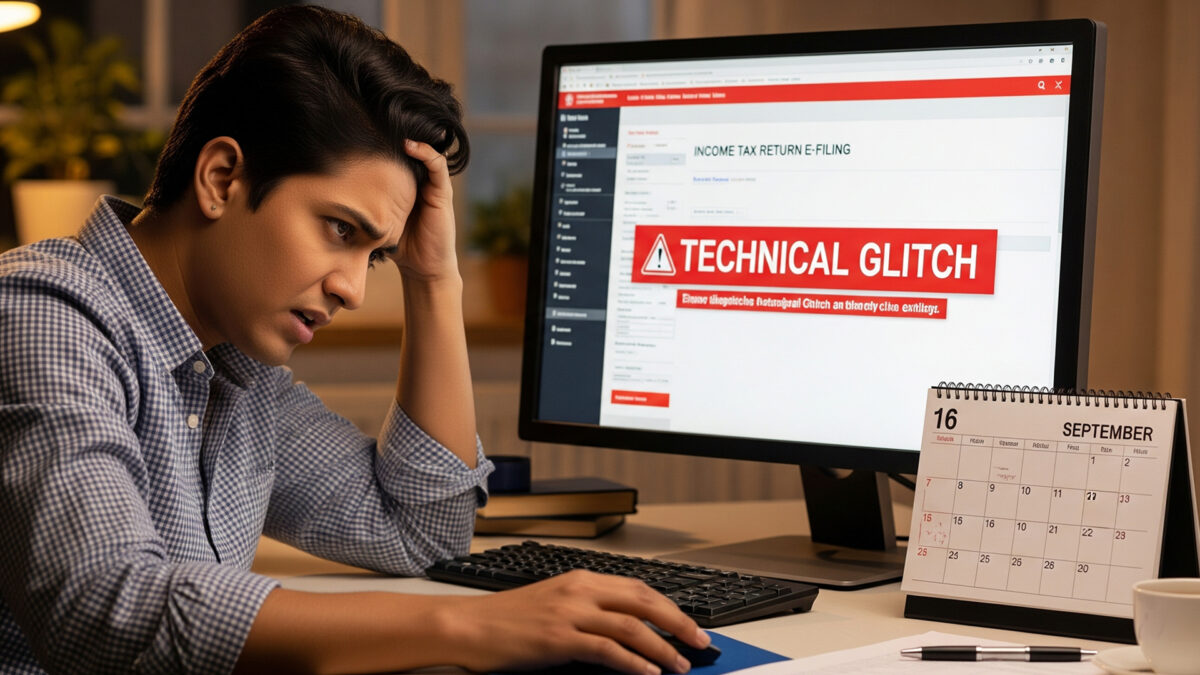
The Indian government has extended the deadline for filing Income Tax Returns (ITR) for Assessment Year 2025-26 by one day, moving it from September 15 to September 16, 2025. This decision comes in response to widespread technical issues reported on the Income Tax Department’s e-filing portal, which hindered taxpayers from completing their filings on time.

On the final day of the original deadline, users across the country experienced slow page loading, errors in uploading forms, and repeated system failures while submitting their returns. These issues were particularly pronounced during peak hours, leading to significant frustration among taxpayers and tax professionals. In light of these challenges, the Central Board of Direct Taxes (CBDT) announced the extension late on Monday night, providing an additional day for taxpayers to file their returns without incurring penalties.

The extension reflects the government’s responsiveness to user concerns and aims to facilitate smoother compliance with tax filing obligations. Taxpayers are encouraged to complete their filings promptly to avoid any further complications.

For those still in the process of filing, the Income Tax Department has provided troubleshooting steps to address access issues, including trying different browsers or clearing cache. Additionally, the portal will remain in maintenance mode from 12:00 AM to 2:30 AM on September 16 to facilitate necessary updates.

As of the latest reports, over 7.3 crore ITRs have been filed, surpassing last year’s record of 7.28 crore. The brief extension is intended to assist those who have yet to complete their filings.

Taxpayers are advised to utilize this additional time to ensure their returns are accurately filed and e-verified to avoid any potential issues.

Also Read: Sensex and Nifty Trade Flat Amid Profit-Taking Ahead of Fed Meet

Categories
Beyond

Sensex and Nifty Trade Flat Amid Profit-Taking Ahead of Fed Meet

The benchmark equity indices Sensex and Nifty opened Monday, September 15, 2025, with modest gains but soon turned volatile and flat as investors engaged in profit-taking following last week’s rally. The markets are now waiting for cues from the U.S. Federal Reserve’s policy meeting later this week, which is expected to influence global sentiment.

At 10:25 AM IST, the 30-share BSE Sensex was trading at 81,904.31, down 10.06 points from the previous close, while the 50-share NSE Nifty stood at 25,099.90, slipping 12.65 points. In early trade, the Sensex had climbed 20.81 points to 81,925.51 and the Nifty had gained 4.9 points to 25,118.90. Among Sensex constituents, Bajaj Finance, Eternal, Tata Motors, Adani Ports, Power Grid and State Bank of India were trading higher, whereas Infosys, Sun Pharma, Tata Consultancy Services and Tech Mahindra were under pressure.

Global cues added to the cautious market mood. In Asia, South Korea’s Kospi, Shanghai’s SSE Composite Index and Hong Kong’s Hang Seng moved higher. U.S. markets ended mixed on Friday, contributing to the subdued risk appetite. Brent crude oil prices rose by 0.60% to $67.39 a barrel, while foreign institutional investors were net buyers of Indian equities, purchasing stocks worth ₹129.58 crore on Friday.

Awaiting Fed, Inflation Data and Domestic Signals

Last week, Indian indices extended their uptrend, with the Sensex climbing 1,193.94 points or 1.47% and the Nifty gaining 373 points or 1.50%. Over eight sessions, the Nifty surged 534.4 points or 2.17%. Investors had welcomed the rally on expectations that the Reserve Bank of India’s recent inflation data—which showed retail inflation rising to 2.07% in August but still within its comfort zone—would pave the way for future rate cuts to support economic growth.

However, with global uncertainties and domestic challenges persisting, markets are treading carefully. The Fed’s policy decision could have significant repercussions, particularly if it signals a shift in monetary tightening. Meanwhile, sectors like IT and pharmaceuticals are facing profit-booking, while financials and infrastructure-related stocks are showing resilience. With these developments, markets appear to be balancing optimism from last week’s gains with caution over near-term risks.

Also Read: Fitch Upgrades India’s FY26 Growth Forecast to 6.9%, Citing Strong Demand Amid Global Risks

Categories
Beyond

SEBI Unveils SWAGAT-FI Framework to Boost FPI Access and Ease of Doing Business

In a significant move to strengthen India’s appeal as an investment destination, the Securities and Exchange Board of India (SEBI) on Friday proposed a series of reforms aimed at simplifying processes for foreign portfolio investors (FPIs). The regulator announced the introduction of the Single Window Automatic & Generalised Access for Trusted Foreign Investors (SWAGAT-FI) framework, which will provide a unified registration process and streamline investment access for eligible foreign investors.

SEBI Chairman Tuhin Kanta Pandey highlighted that the new framework will facilitate easier access for FPIs and Foreign Venture Capital Investors (FVCIs) by reducing regulatory complexities and ensuring compliance remains straightforward. “The SWAGAT-FI framework aims to unify, standardise, and enhance access for select categories of foreign investors who meet prescribed eligibility criteria,” Pandey stated. Eligible investors include government and government-related entities, along with regulated Public Retail Funds such as mutual funds, insurance companies, and pension funds.

Existing FPIs meeting the eligibility norms may also transition into the SWAGAT-FI category, and the framework is expected to be implemented within six months. The regulator’s move comes amid sustained foreign investor outflows, with FPIs offloading ₹63,516 crore worth of shares since July 2025.

In addition to facilitating foreign investment, SEBI proposed relaxed norms for initial public offerings (IPOs), particularly for large issuers with market capitalisation between ₹1 lakh crore and ₹5 lakh crore. The regulator recommended lowering the minimum public shareholding requirement to 2.75%, with the final decision pending government approval.

SEBI also expanded anchor investor reservations in IPOs from one-third to 40%, allocating one-third to domestic mutual funds and the rest to life insurance companies and pension funds. Furthermore, scale-based thresholds have been introduced to define material related party transactions, providing clarity for listed entities.

The regulator’s governance reforms include appointing two independent executive directors to lead market infrastructure institutions, strengthening succession planning and operational excellence. Additionally, SEBI announced regulatory adjustments, including the creation of a separate category of AIF schemes exclusively for accredited investors and reducing the maximum permissible exit load in mutual funds from 5% to 3%.

The reforms also aim to deepen market participation by incentivising distributors to channel investments from B-30 cities, further promoting financial inclusion.

Together, these measures reflect SEBI’s commitment to creating a robust, investor-friendly ecosystem, attracting global capital while enhancing transparency and governance in India’s capital markets.

Also Read: Fitch Upgrades India’s FY26 Growth Forecast to 6.9%, Citing Strong Demand Amid Global Risks

Categories
Beyond

Gadkari Calls for Vehicle Scrappage Drive to Boost Industry, Jobs and Clean Energy

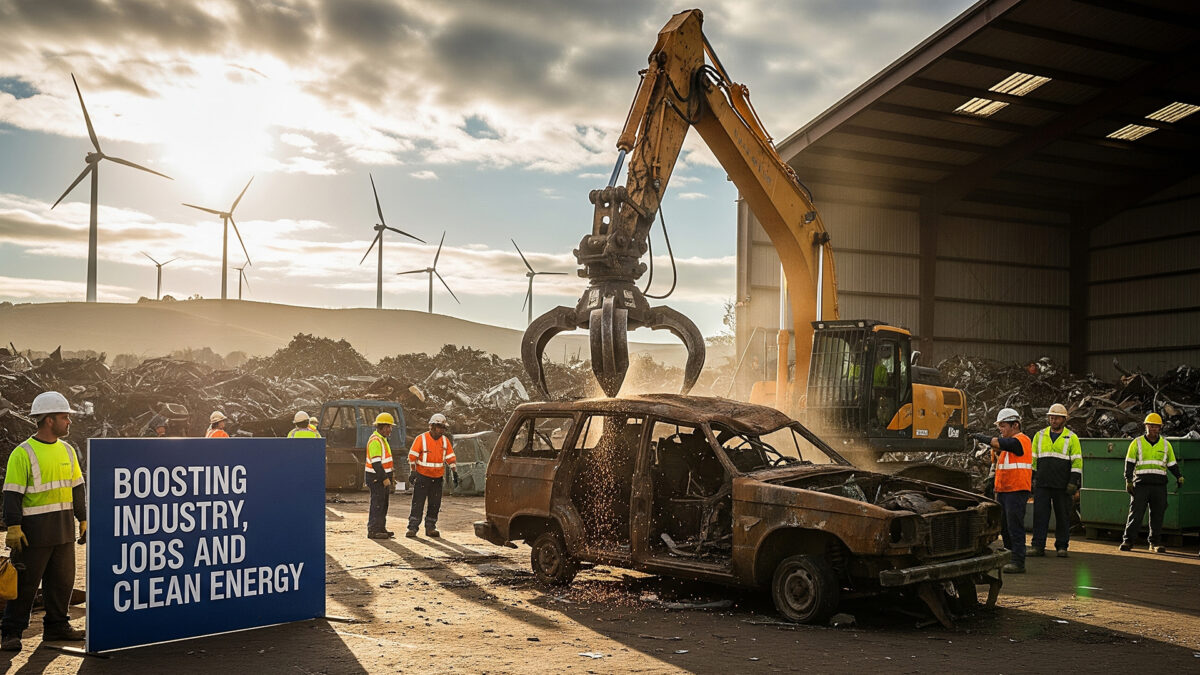
Union Minister Nitin Gadkari on Friday made a strong appeal to the automobile sector, saying that India could unlock Rs 40,000 crore in Goods and Services Tax (GST) if the country’s 97 lakh unfit and polluting vehicles were scrapped. Speaking at the ACMA Annual Session 2025, Gadkari highlighted that the clean-up initiative would not only enhance government revenue but also create 70 lakh jobs and accelerate India’s ambition to become the world’s leading automobile industry within the next five years.

Gadkari’s pitch comes at a time when progress under the Vehicle Scrapping Policy, also known as the Voluntary Vehicle Fleet Modernization Program, has been modest. Up to August 2025, only 3 lakh vehicles, including 1.41 lakh government-owned ones, have been scrapped. On average, 16,830 vehicles are being phased out monthly, while the private sector has invested Rs 2,700 crore in building the scrappage ecosystem.

Urging automobile manufacturers to support the policy, Gadkari proposed offering at least a 5 percent discount to customers who present a scrappage certificate when purchasing new vehicles. “It is not charity, because it is going to increase the demand,” he said, emphasizing that the cycle of scrapping and replacement would strengthen the industry’s growth prospects.

Gadkari also pointed out that effective implementation of the policy could reduce the cost of automobile components by 25 percent, as recycled materials like steel and aluminium would be reintroduced into the supply chain. At the same time, removing unfit vehicles would significantly cut emissions, reduce fuel consumption, and improve road safety.

Underlining India’s long-term vision, he expressed confidence that the country’s automobile industry, currently worth Rs 22 lakh crore, could overtake China’s Rs 47 lakh crore and the US’s Rs 78 lakh crore sectors within five years. He further linked this ambition to energy security, noting that India’s Rs 22 lakh crore annual fossil fuel import bill was unsustainable. Gadkari advocated for scaling up ethanol production and blending it more heavily with petrol, citing Brazil’s 27 percent ethanol-blended fuel as a successful example.

The minister also addressed road safety concerns, highlighting the alarming statistics of 5 lakh accidents and 1.8 lakh deaths in 2023, with a majority involving young adults aged 18–34. He described fuel policy, vehicle scrappage, and safety as integral to national security amidst global instability.

Looking ahead, he said that the Automotive Research Association of India (ARAI) is testing E27 fuel compatibility, and once cleared, the proposal will proceed to the petroleum ministry and then to the Cabinet. Gadkari’s vision ties environmental action, economic growth, and energy independence into a unified strategy for India’s future.

Also Read: Reliance Consumer to Invest ₹1,500 Crore in Nagpur Food Processing Plant by 2026

Categories
Beyond

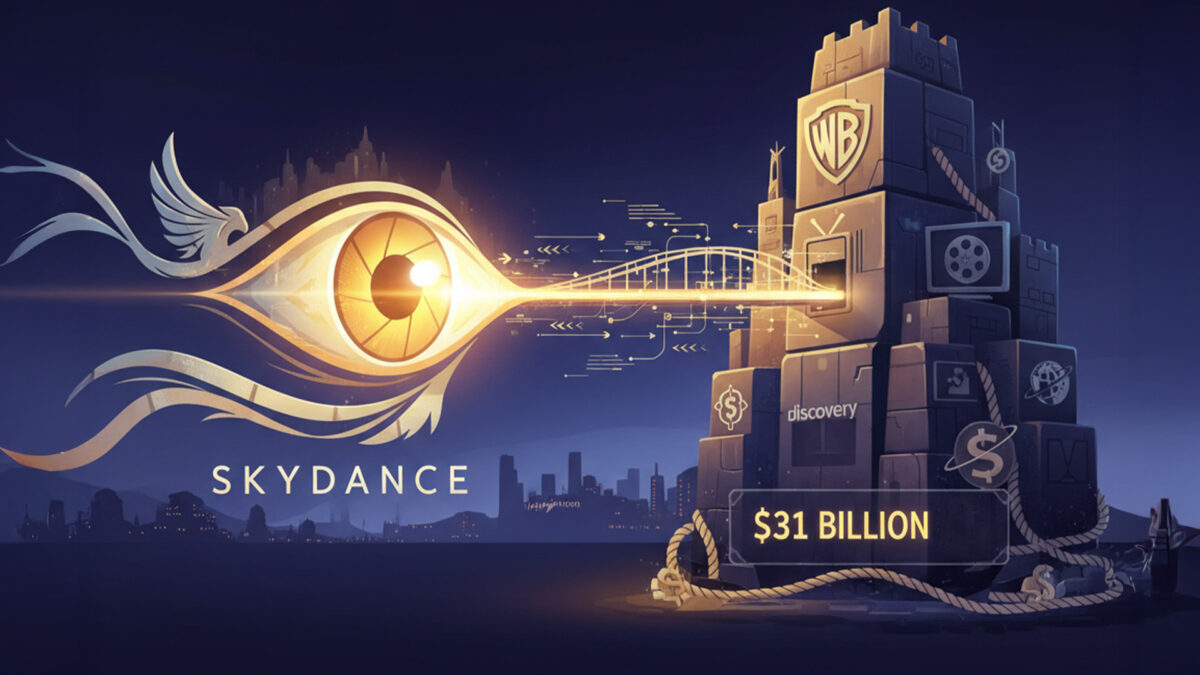
Paramount Skydance Eyes Major Acquisition of Warner Bros. Discovery

Paramount Skydance is reportedly preparing a significant acquisition bid for Warner Bros. Discovery (WBD), a move that could dramatically reshape the entertainment industry. The Ellison family—including Oracle co-founder Larry Ellison and his son David Ellison, CEO of Skydance—are backing the effort.

The bid is expected to be a majority cash offer covering WBD’s film studios, streaming platforms, and cable networks.

If successful, the merger would unite Paramount’s assets such as CBS, Showtime, and Nickelodeon with WBD’s holdings, including HBO, CNN, and Warner Bros. Studios. This consolidation would create one of the most powerful media conglomerates, positioning it as a formidable competitor against streaming giants like Netflix and Disney. 

However, experts suggest the deal could face antitrust scrutiny due to the combined entity’s market influence.

WBD currently holds a market capitalization of around $31 billion, along with significant debt obligations. Paramount Skydance, formed through Skydance Media’s $8.4 billion acquisition of Paramount Global, is valued at approximately $16 billion. Financing such a deal would likely require substantial private equity and debt arrangements, raising questions about the long-term structure and stability of the merged company.

Following reports of the potential acquisition, WBD’s stock price surged nearly 30%, reflecting investor optimism about the prospects of the deal. Paramount Skydance’s shares also rose, signaling market approval of the merger’s potential. Analysts believe that this surge reflects anticipation of increased market share and growth opportunities.

From a regulatory perspective, the deal may not require Federal Communications Commission approval since WBD does not hold broadcast licenses. However, it could attract scrutiny from the Department of Justice, given concerns about market competition and potential monopolistic practices.

Though no official bid has been submitted yet, the Ellison family’s active pursuit signals their ambition to consolidate major media assets and strengthen their position in the entertainment landscape. Should the deal go through, it would mark one of the largest and most consequential mergers in Hollywood’s history.

As negotiations continue, industry watchers are closely monitoring developments, recognizing that such a merger could redefine entertainment consumption, content production, and distribution strategies for years to come. 

Paramount Skydance’s bold approach reflects a growing trend among media companies to scale operations in response to changing consumer behavior and increasing competition from digital platforms. The outcome of this acquisition could have lasting implications for shareholders, regulators, and viewers alike.