Categories
Beyond

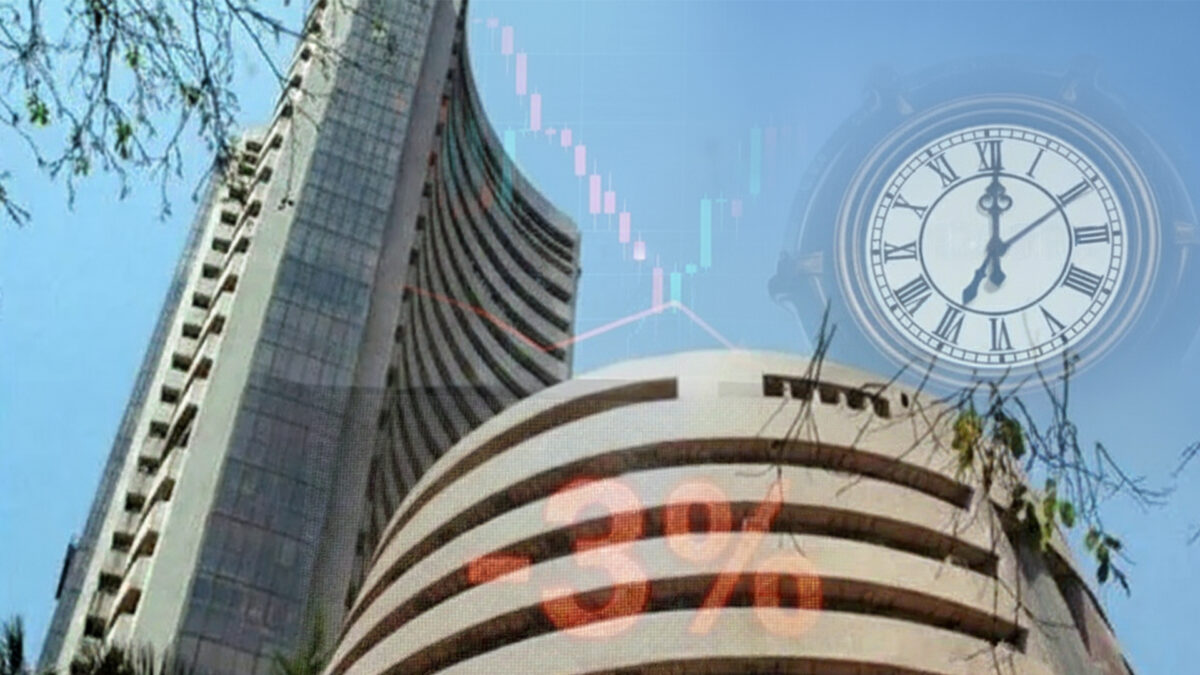
BSE Shares Dip Amid SEBI’s Proposal to Extend F&O Contract Tenures

BSE Shares Dip Amid SEBI's Proposal to Extend F&O Contract Tenures

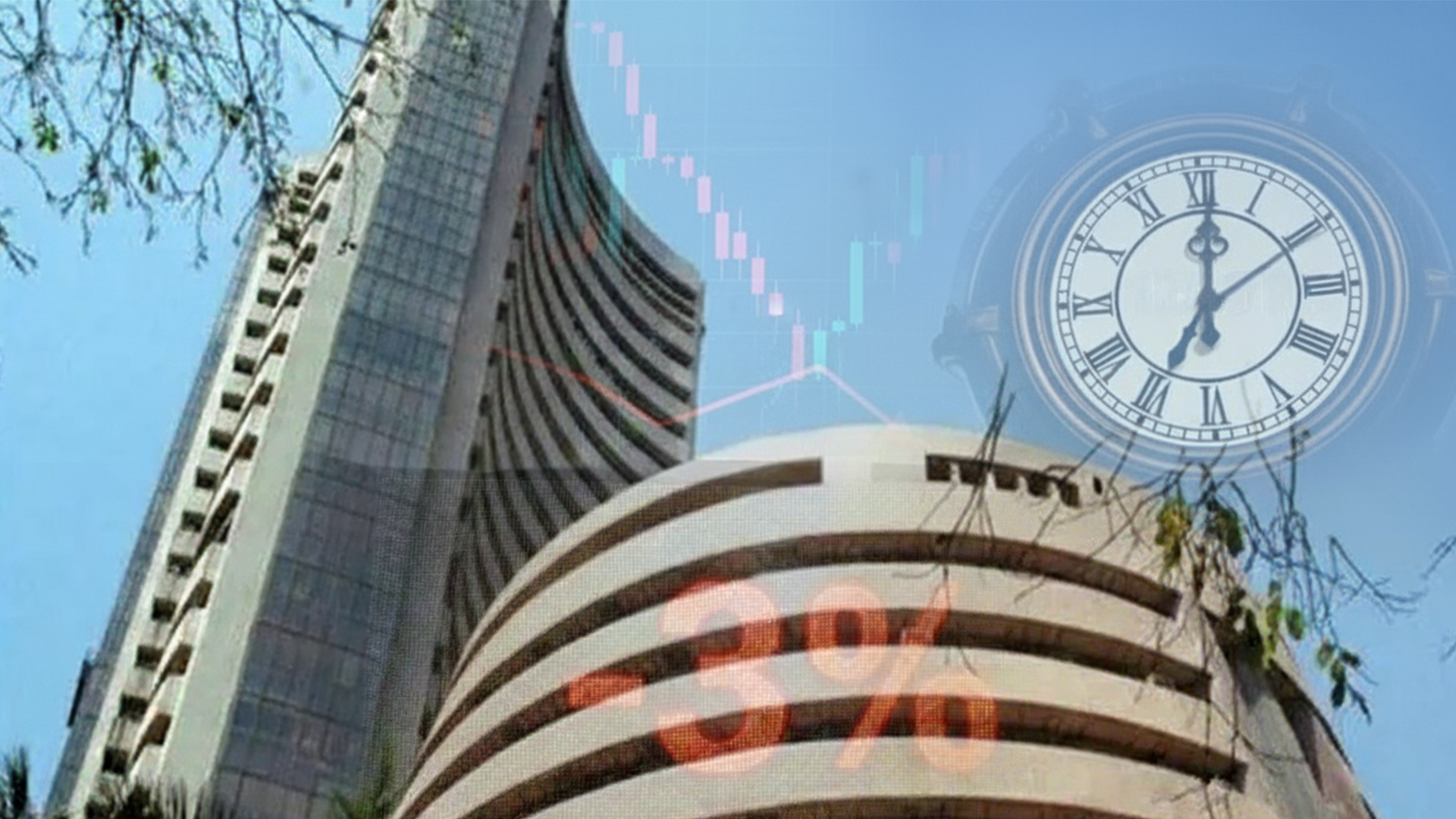
At 12:30 PM IST, BSE shares were trading at ₹2,201, marking a 3% drop from the previous close

Staff Writer

11 September 2025

Shares of BSE Ltd experienced a notable decline on Thursday, September 11, 2025, following reports that the Securities and Exchange Board of India (SEBI) is considering a shift from weekly to monthly expiry cycles for equity derivatives contracts. 

At 12:30 PM IST, BSE shares were trading at ₹2,201, marking a 3% drop from the previous close.

The proposed change, which may be formalized through a consultation paper expected within the next month, aims to transition from short-term weekly expiries to longer-term monthly contracts. This move is part of SEBI’s broader strategy to enhance market stability and reduce the prevalence of speculative trading, particularly among retail investors. The regulator is also contemplating a uniform expiry day across exchanges, potentially aligning all derivatives expiries to the same weekday.

SEBI’s board is scheduled to discuss these proposals in its upcoming meeting on September 12, with consultations involving exchanges set to commence shortly thereafter. This development follows earlier discussions by SEBI Chairman Tuhin Kanta Pandey, who highlighted the need to increase the tenure of equity derivatives to better serve hedging and long-term investment purposes.

The potential shift has raised concerns among market participants, particularly those whose business models are heavily reliant on the high trading volumes associated with short-term contracts. For instance, BSE derives a significant portion of its revenue from derivatives trading, and a reduction in trading frequency could impact its financial performance.

In addition to the proposed changes in contract tenures, SEBI has already implemented measures to standardize expiry days across exchanges. As of September 1, 2025, the National Stock Exchange (NSE) moved its weekly derivatives expiry to Tuesdays, while BSE shifted its expiry to Thursdays. These adjustments aim to optimize market operations and reduce overlapping trading volumes, thereby enhancing market efficiency.

Market analysts are closely monitoring these developments, as the proposed changes could have far-reaching implications for the structure of India’s equity derivatives market. While the move is intended to promote long-term investment strategies, it may also alter the dynamics of trading volumes and liquidity in the short term.

As SEBI continues to evaluate the impact of these potential changes, market participants are advised to stay informed and consider the possible effects on their trading strategies and investment portfolios.
Categories
Beyond

Sensex, Nifty Rise on Trade Optimism, Fed Rate Cut Expectations

Sensex, Nifty Rise on Trade Optimism, Fed Rate Cut Expectations

Markets were buoyed by a rally across Asian indices, with South Korea’s Kospi, Japan’s Nikkei 225, and Shanghai’s SSE Composite trading higher.

Staff Writer

11 September 2025

Indian equity markets extended their gains in early trade on Thursday, September 11, 2025, as investors responded to positive developments in global markets and renewed hopes of a breakthrough in India-U.S. trade negotiations. By 11:20 AM IST, the BSE Sensex was up 153.82 points at 81,578.97, while the NSE Nifty advanced 34.15 points to 25,007.25.

Markets were buoyed by a rally across Asian indices, with South Korea’s Kospi, Japan’s Nikkei 225, and Shanghai’s SSE Composite trading higher. Investors are closely watching signals that the U.S. Federal Reserve may implement a rate cut at its upcoming meeting, a move that could ease global liquidity conditions and support risk assets. However, Hong Kong’s Hang Seng index traded lower amid regional volatility.

Renewed optimism about the India-U.S. trade discussions further supported investor sentiment. Following recent social media exchanges between Prime Minister Narendra Modi and U.S. President Donald Trump, both sides have signaled their intent to resolve differences over tariffs and trade barriers. Experts believe that the longstanding relationship between the two countries, coupled with ongoing dialogue, is likely to yield positive outcomes for markets and economic growth.

Among Sensex constituents, Eternal, Adani Ports, NTPC, Bajaj Finance, State Bank of India, and Bajaj Finserv saw the strongest gains, while Infosys, Tech Mahindra, UltraTech Cement, and Kotak Mahindra Bank struggled to keep pace with the broader rally. Traders pointed to India’s resilient macroeconomic fundamentals and the sweeping reforms introduced this year, particularly the GST framework, as factors that have positioned the economy for accelerated expansion.

Market watchers also highlighted that foreign institutional investors (FIIs) offloaded equities worth ₹115.69 crore on Wednesday after a brief period of net buying, while domestic institutional investors (DIIs) added stocks valued at ₹5,004.29 crore. This divergence underscores the cautious optimism prevailing among global investors, even as domestic sentiment remains constructive.

Experts believe that hopes for a trade deal and the recent record highs in U.S. indices, including the S&P 500 and Nasdaq, are reinforcing bullish trends. The softening of the U.S. Producer Price Index has further fueled expectations of monetary easing, which could provide additional support to equities.

Meanwhile, Brent crude futures dipped slightly, down 0.07% to $67.44 a barrel, reflecting subdued energy demand concerns. In domestic markets, the Sensex has already recorded its third straight day of gains, rising 323.83 points on Wednesday to close at 81,425.15, while the Nifty surged 104.50 points to 24,973.10.

As negotiations between India and the U.S. proceed, market participants are expected to remain focused on both macroeconomic data releases and diplomatic developments. Analysts believe that while near-term volatility may persist, sustained reforms and improving trade ties could pave the way for long-term growth, drawing more investors into Indian equities.

Categories
Beyond

Rupee Edges Lower to 88.16 Amid India-U.S. Trade Talks; Markets Watch CPI, Fed Rate Outlook

Rupee Edges Lower to 88.16 Amid India-U.S. Trade Talks; Markets Watch CPI, Fed Rate Outlook

At the interbank foreign exchange market, the rupee opened at ₹88.11 before slipping to ₹88.16, marking a modest fall from its previous close.

Staff Writer

11 September 2025

The Indian rupee weakened by 5 paise to ₹88.16 against the U.S. dollar in early trade on Thursday, September 11, 2025, as investors closely monitor developments in the ongoing trade negotiations between India and the United States. Despite the slight decline, forex traders noted that the rupee held firm, buoyed by optimism around a possible trade deal.

At the interbank foreign exchange market, the rupee opened at ₹88.11 before slipping to ₹88.16, marking a modest fall from its previous close. On Wednesday, September 10, the rupee had rebounded by 4 paise from record lows to settle at ₹88.11.

Market analysts expect the rupee to remain confined within a narrow range in the near term, trading between ₹87.50 and ₹88.40. “For today, we expect the range to be between ₹87.80 and ₹88.30,” Finrex Treasury Advisors LLP noted in a research update, citing sentiment driven by trade talks, the upcoming Consumer Price Index (CPI) release, and expectations of a larger Federal Reserve rate cut.

The rupee has struggled to breach ₹88.20 on the higher side and ₹87.95 on the lower end over the past few sessions. The Reserve Bank of India is reportedly intervening by selling dollars quietly around the ₹88.20 mark to stabilize fluctuations.

Meanwhile, the U.S. dollar index—which measures the greenback’s strength against a basket of six major currencies—edged up by 0.05% to 97.82. Global oil prices also softened, with Brent crude futures down 0.10% to $67.42 per barrel.

Domestic equities mirrored cautious optimism, with the BSE Sensex climbing 153.82 points to 81,578.97, and the Nifty rising 34.15 points to 25,007.25 in early trading. However, foreign institutional investors (FIIs) remained net sellers, offloading equities worth ₹115.69 crore on Wednesday.

On the diplomatic front, Prime Minister Narendra Modi reaffirmed India’s commitment to resolving trade issues with the U.S., describing the two nations as “natural partners.” His remarks came in response to U.S. President Donald Trump’s comments about addressing “trade barriers,” amid recent tensions following Trump’s decision to double tariffs on Indian imports.

The exchanges between the two leaders, particularly on social media, are viewed as attempts to reset strained ties and expedite a bilateral agreement. With CPI data and global monetary policy shifts on the horizon, market participants are bracing for increased volatility while watching closely for developments that could shape the direction of the rupee and broader financial markets.

Categories
Beyond

Markets Rally as Trump Signals Breakthrough in India-US Trade Talks

Markets Rally as Trump Signals Breakthrough in India-US Trade Talks

Investor confidence surges with easing tensions and renewed negotiations, as IT stocks lead the charge and global markets respond positively.

Staff Writer

10 September 2025

Indian equity benchmarks Sensex and Nifty surged in early trading on Wednesday, buoyed by renewed optimism over India-US trade relations and a rally in IT stocks.

The 30-share BSE Sensex opened at 81,543.91, up 442.59 points, while the 50-share NSE Nifty rose to 24,992.80, gaining 124.2 points.

As of 11:40 AM IST, the Sensex stood at 81,543.91, up 442.59 points, while the Nifty was at 24,992.80, gaining 124.2 points.

The rally was led by major IT stocks, with HCL Technologies, Tata Consultancy Services (TCS), Tech Mahindra, Larsen & Toubro, Infosys, and Kotak Mahindra Bank among the top gainers.

Conversely, Mahindra & Mahindra, Maruti Suzuki, Tata Motors, and Sun Pharma were among the laggards.

The market’s positive momentum was fueled by U.S. President Donald Trump’s announcement that he is “certain” there will be “no difficulty” in reaching a “successful conclusion” to ongoing trade talks with India.

In a post on Truth Social, Trump expressed confidence in resolving trade barriers between the two nations and looked forward to speaking with Prime Minister Narendra Modi in the coming weeks.

Prime Minister Modi responded positively, describing the U.S. and India as “close friends” and expressing confidence that the negotiations will unlock the “limitless potential” of the partnership.

The announcement marks a significant shift in bilateral relations, which had been strained following the U.S. imposition of a 50% tariff on Indian goods earlier this year.

The tariffs, which included a 25% penalty on purchases of Russian oil, had led to heightened tensions between the two countries.

In response to the positive developments, Foreign Institutional Investors (FIIs) turned net buyers on Tuesday, purchasing stocks worth ₹2,050.46 crore, according to exchange data.

Asian markets also traded in positive territory, with South Korea’s Kospi, Japan’s Nikkei 225, Shanghai’s SSE Composite Index, and Hong Kong’s Hang Seng all showing gains.

Global oil benchmark Brent crude climbed 0.87% to $66.95 a barrel, further supporting investor sentiment.

The positive momentum is expected to continue, driven by improved investor confidence and renewed optimism in India-US trade relations.

Categories
Beyond

SBI Says GST Rate Cuts to Have Minimal Revenue Impact, Boost Growth

SBI Says GST Rate Cuts to Have Minimal Revenue Impact, Boost Growth

The report also highlighted that GST rationalisation has significantly lowered the effective weighted average tax rate — from 14.4% at its inception in 2017 to an expected 9.5% now.

Staff Writer

The State Bank of India (SBI), in its latest research report, has said that reforms in the Goods & Services Tax (GST) through rate reductions will lead to only a minimal revenue loss of ₹3,700 crore, against the government’s own estimate of a ₹48,000 crore annualised impact.

According to SBI, the growth and consumption boost from rationalisation will offset most of the loss, leaving the fiscal deficit unaffected.

The comments come after the 56th meeting of the GST Council, where the current four-tier tax structure was replaced by a two-tier one. Under the new system, GST will be levied at a standard rate of 18% and a reduced rate of five per cent, with a de-merit rate of 40% applied on select goods and services.

SBI said the move would particularly benefit the banking sector, creating meaningful cost efficiencies.

The report also highlighted that GST rationalisation has significantly lowered the effective weighted average tax rate — from 14.4% at its inception in 2017 to an expected 9.5% now. When first introduced, GST rates were divided into four slabs: five per cent, 12%, 18% and 28%.

Essential goods have been among the biggest beneficiaries. Around 295 items have seen their rates reduced from 12% to five per cent or even zero. As a result, CPI inflation in this category is projected to ease by 25 to 30 basis points in the current financial year.

Overall, SBI estimates that the moderation in inflation from GST changes could range between 65 and 75 basis points over 2026-27.

The healthcare industry has already welcomed the Council’s move to cut GST on drugs and medical devices, calling it a much-needed relief for patients.

Meanwhile, so-called “sin goods” such as tobacco and alcohol remain taxed at the highest slab, now at 40%, to discourage consumption while ensuring higher revenues for the exchequer.

Categories
Beyond

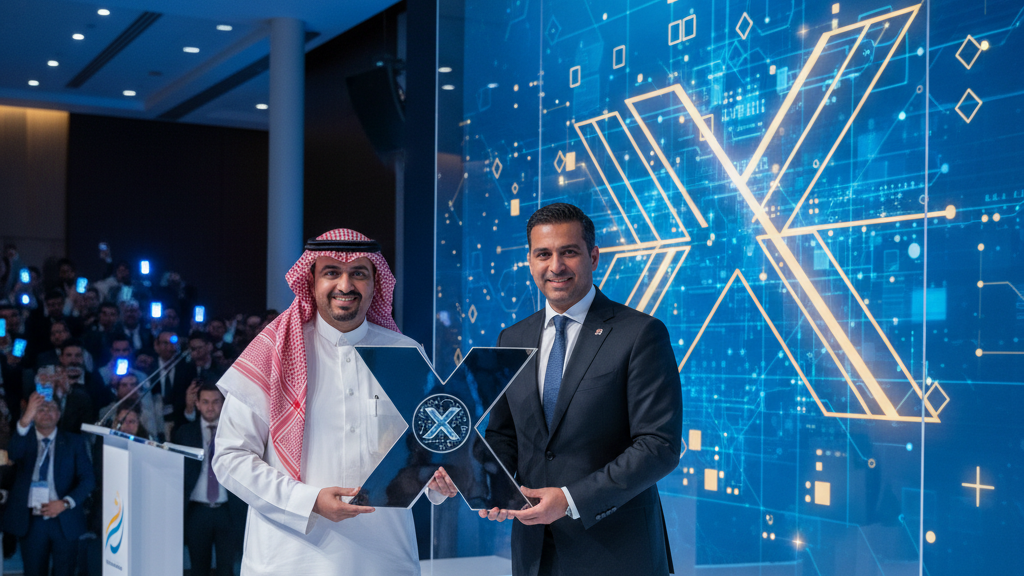
Saudi Finance and Nucleus Software Win Digital Transformation Award

Saudi Finance and Nucleus Software Win Digital Transformation Award

A Decade of Innovation in Shariah-Compliant Consumer Financing

Sreelatha M

Saudi Finance Company (SFC), a leading financial services provider in the Kingdom, and Nucleus Software, a global provider of lending and transaction banking solutions, have jointly received the "Excellence in Digital Consumer Transformation" award at the 30th Edition of Finnovex Saudi Arabia 2025.

This recognition marks a significant milestone in a strategic partnership that began in 2014. Powered by FinnOne™, Nucleus Software’s advanced digital lending platform, SFC has successfully transformed its consumer financing services across Auto, Personal, and SME segments,  delivering faster, more inclusive, and fully Shariah-compliant solutions.

Bander Al-Samman, CEO of SFC, said, “This award reflects our commitment to digital innovation and customer-centric finance in the Kingdom.”

Parag Bhise, CEO of Nucleus Software, added, “We’re proud to support SFC in delivering faster, inclusive, and compliant financial services.”

The key achievements include the full digitalization of the loan lifecycle, delivering Shariah-compliant financing in line with SAMA regulations, speeding up fund disbursals through automation and ZATCA API integration, expanding access with tailored financial products, and offering flexible short-term financing with customized repayment options.

The recognition highlights how technology and long-term collaboration can transform financial services and create a more inclusive, digitally empowered ecosystem.


Categories
Beyond

Tech Meets Travel: TBO Tek Buys Luxury Specialist Classic Vacations

Tech Meets Travel: TBO Tek Buys Luxury Specialist Classic Vacations

A 50-year-old US brand to collaborate with India’s tech-led travel platform

Staff Writer

Indian travel technology company TBO Tek Ltd. is making a significant entry into the North American luxury travel market with the acquisition of Classic Vacations, a US-based luxury travel brand, in a deal valued at up to $125 million.

The announcement was met with strong investor enthusiasm, pushing TBO Tek’s shares up as much as 15% and reaching a six-month high on Indian exchanges. On the NSE, shares rose over 11% to close at ₹1,541.30, while on the BSE, the stock touched an intra-day high of ₹1,591.55, reflecting a 15% gain. Market experts described the acquisition as “transformative,” highlighting its potential to reshape TBO Tek’s growth trajectory.

Classic Vacations, a company with more than 50 years of experience in the luxury travel segment, recorded revenues of $111 million and an operating EBITDA of $11.2 million for the year ending December 2024. Known for its strong relationships with travel advisors and a loyal customer base, Classic Vacations will continue to operate independently, retaining its brand identity while benefiting from TBO Tek’s advanced technology platform and extensive global distribution network. This collaboration is expected to accelerate growth and expand Classic’s global footprint.

The deal is expected to close by early October 2025, following customary regulatory approvals. To finance the acquisition, TBO Tek has arranged a mix of internal and external funding, including an inter-corporate loan of up to ₹350 crore (~$40 million) and a corporate guarantee of $70 million extended to Standard Chartered Bank to support credit facilities for the transaction.

This acquisition aligns with TBO Tek’s strategy to strengthen its presence in the premium outbound travel market, particularly in the US. The company plans to preserve Classic Vacations’ existing awan. customer and supplier relationships while leveraging its own scalable, technology-driven model to boost operational efficiency and market reach.

“TBO’s entry into the premium outbound travel market complements Classic Vacation’s exclusive B2B brand and elite advisor network, built over nearly five decades of success and brand recognition,” said TBO co-founders Gaurav Bhatnagar and Ankush Nijh.

Already established across Asia, the Middle East, Africa, and Latin America, TBO Tek’s move into North America through this acquisition marks a major milestone in its ambition to become a global leader in travel technology.


Categories
Beyond

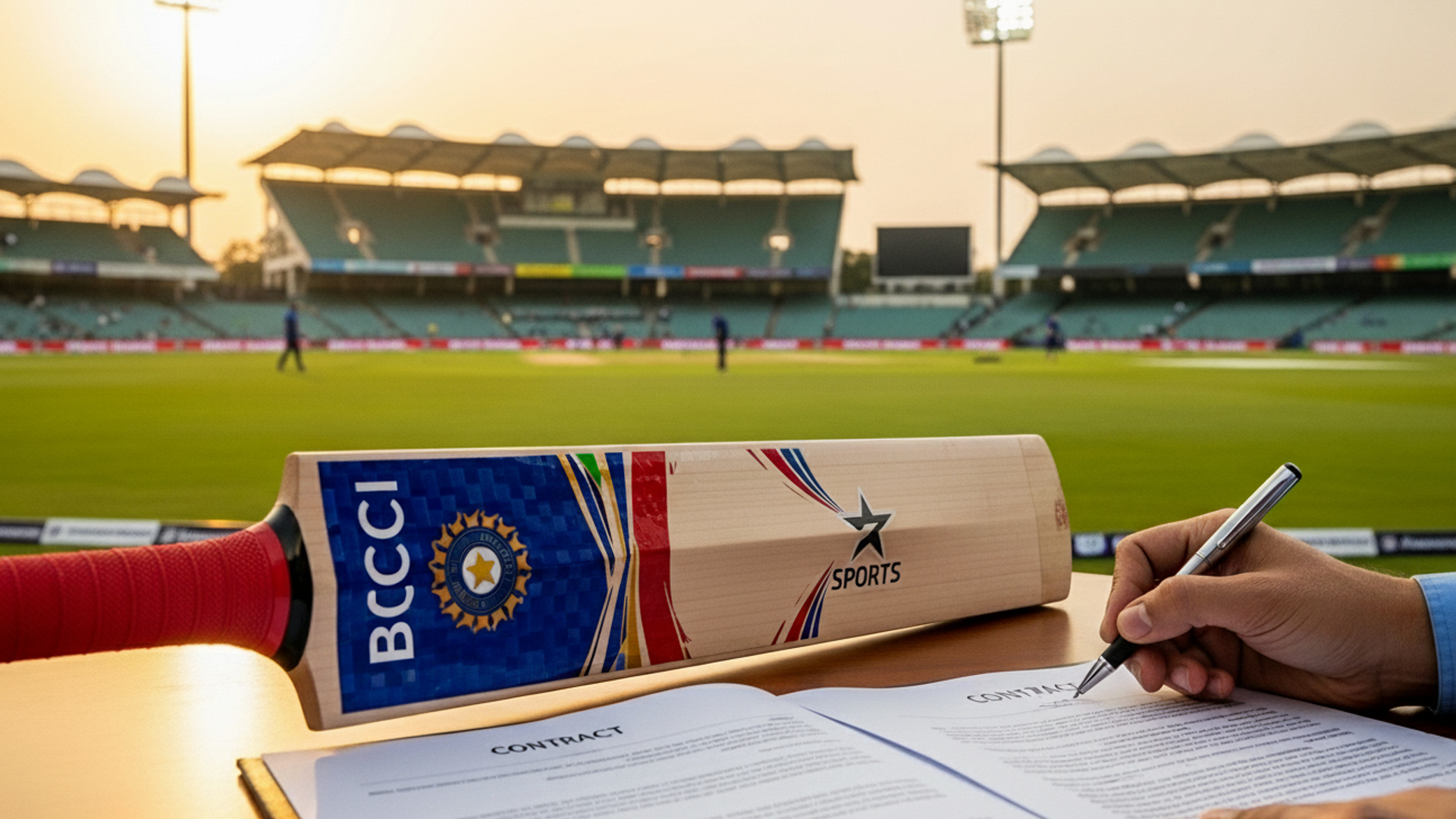
BCCI Opens Bids for Indian Cricket Team Title Sponsorship After Dream11 Exit, Bars Gaming and Crypto Firms

BCCI Opens Bids for Indian Cricket Team Title Sponsorship After Dream11 Exit, Bars Gaming and Crypto Firms

Dream11, alongside My11Circle, had contributed around ₹1,000 crore to the BCCI through team and IPL sponsorship deals.

Amit Kumar

The Board of Control for Cricket in India (BCCI) has invited bids for the Indian cricket team’s title sponsorship rights following fantasy sports platform Dream11’s withdrawal. The move comes in the wake of India’s new Promotion and Regulation of Online Gaming Act, 2025, which has effectively banned real-money gaming, forcing companies like Dream11 to shut down operations in this segment.

Dream11, alongside My11Circle, had contributed around ₹1,000 crore to the BCCI through team and IPL sponsorship deals. The company had secured the national team’s title sponsorship for $44 million (₹358 crore) for the 2023–2026 cycle but is exiting a year early without facing penalties. The BCCI has acknowledged that the regulatory changes are beyond the company’s control, describing the withdrawal as a necessary compliance move rather than a breach of contract.

The BCCI’s Invitation to Express Interest (IEOI) lays out strict eligibility criteria for prospective bidders. Companies and their group entities must not be involved in online money gaming, betting, gambling, or any similar services, either in India or globally. They are also prohibited from holding investments or ownership stakes in entities offering such services. In addition, companies operating in sectors prohibited under the new gaming law or those considered contrary to “public morals,” such as alcohol, tobacco, or pornography, are barred from participation.

The Board has further ruled out bids from certain brand categories where it already has sponsorship arrangements in place. These include athleisure and sportswear, currently represented by Adidas; banking and financial services, with IDFC First Bank as a key partner; non-alcoholic beverages, featuring Campa Cola; and insurance, represented by SBI Life. Consumer appliances like fans, mixers, and safety locks are also off-limits. The BCCI has also issued a warning against “surrogate branding,” making clear that companies cannot attempt to bypass restrictions by applying through proxy entities or alternate brand names.

Financial requirements have been set to ensure only companies with robust balance sheets can participate in the bidding. To qualify, bidders must demonstrate either a minimum average turnover of ₹300 crore over the past three financial years or an average net worth of at least ₹300 crore during the same period. The last date to purchase the IEOI is September 12, and all bid submissions must be completed by September 16. The BCCI has also reserved the right to amend or cancel the bidding process at any stage without providing a reason.

The exit of Dream11 highlights the financial implications of India’s tightening online gaming regulations. The Promotion and Regulation of Online Gaming Act, 2025 explicitly prohibits companies from offering, promoting, or advertising real-money gaming, dealing a significant blow to fantasy sports platforms that have been key sponsors of Indian cricket in recent years. With this change, the BCCI will now need to court sponsorships from sectors that meet its stricter compliance requirements, potentially reshaping the sponsorship landscape of the sport.

A senior BCCI official, speaking to PTI on condition of anonymity, emphasized that Dream11’s exit would not lead to penalties. “This is a government rule and full compliance is required. In the current scenario, their business is impacted, and we fully understand their plight,” the official said.

The sponsorship shift signals a pivotal moment for Indian cricket’s commercial partnerships. As the regulatory environment tightens, brands across industries will likely assess opportunities in cricket sponsorship with greater caution, while the BCCI adapts its approach to attract partners from sectors unaffected by these restrictions.

Categories
Beyond

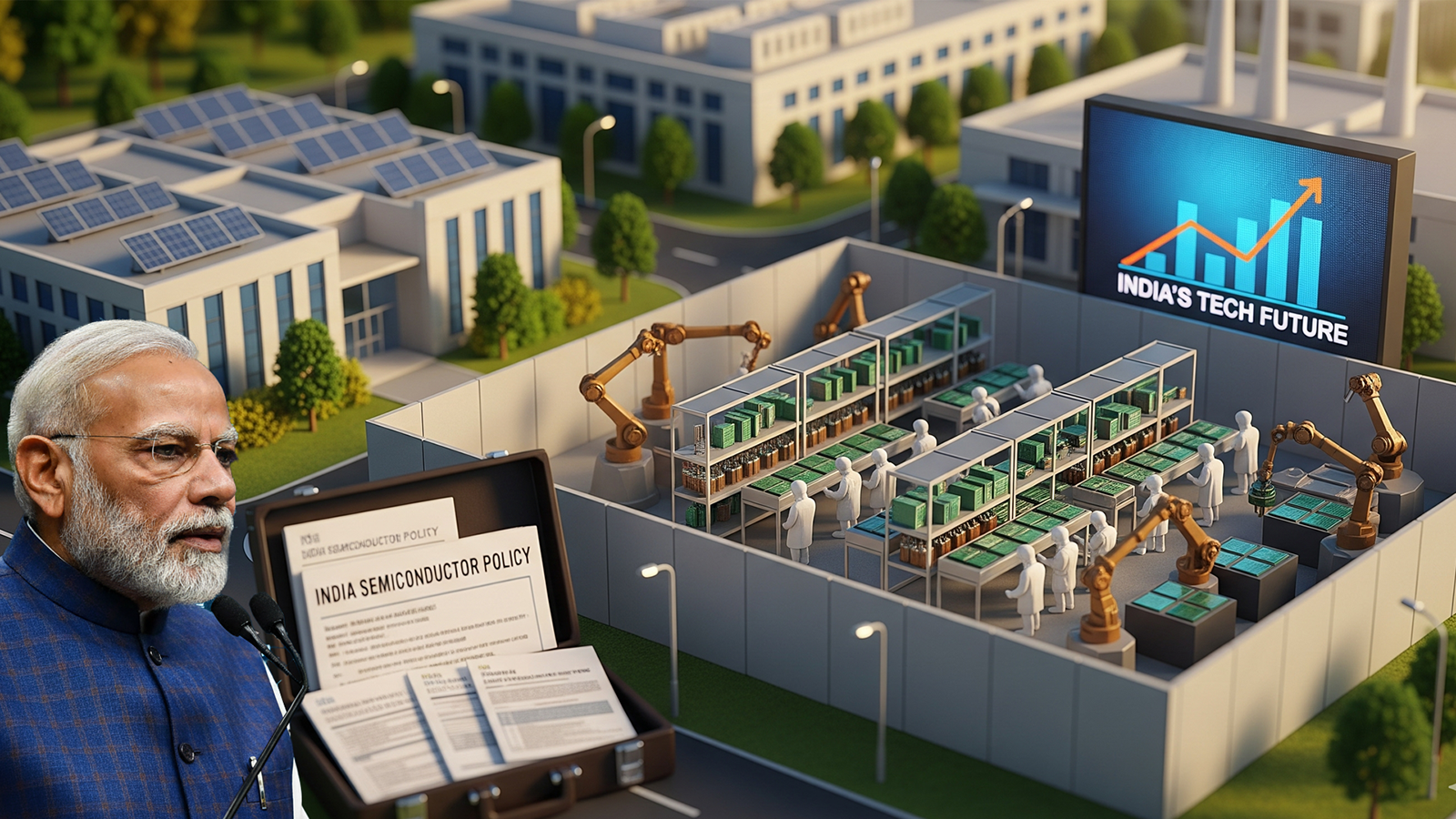
Semicon India 2025: PM Modi Signals India’s Rise as Global Semiconductor Investment Hub

Semicon India 2025: PM Modi Signals India’s Rise as Global Semiconductor Investment Hub

Addressing global industry leaders and domestic entrepreneurs, PM Modi emphasized that semiconductors are the “digital diamonds” of the 21st century.

Staff Writer

Prime Minister Narendra Modi inaugurated Semicon India 2025 at Yashobhoomi, underscoring India’s ambitions to become a key player in the global semiconductor industry. The three-day conference, bringing together over 20,750 participants, including 2,500 delegates from 48 countries, is expected to accelerate investments, innovation, and domestic manufacturing in a sector projected to surpass $1 trillion globally in the coming years.

Addressing global industry leaders and domestic entrepreneurs, PM Modi emphasized that semiconductors are the “digital diamonds” of the 21st century. “The world trusts India, believes in India, and is ready to build the semiconductor future with India,” he said, highlighting the growing confidence of investors in the Indian market.

India’s semiconductor journey has moved rapidly since the launch of the Semicon India program in 2021. By 2025, ten semiconductor projects have been approved, representing more than $18 billion (₹1.5 lakh crore) in investment. Pilot plants, including those of CG Power and Kaynes, have begun operations or are about to start, with test chips from Micron and Tata already in production. Commercial chip manufacturing is expected to commence later this year, signaling a swift translation of policy into operational reality.

For investors, India is now offering a full-stack semiconductor ecosystem, spanning design, manufacturing, packaging, and high-tech devices. The government has simplified regulatory processes through the National Single Window System, reducing paperwork and accelerating project approvals. Plug-and-play semiconductor parks, offering ready access to land, power, transport, and skilled workforce, are further enhancing India’s attractiveness for domestic and global firms.

The sector also benefits from targeted incentives. Production Linked Incentives (PLI), Design Linked Grants, and programs like Chips-to-Startup and the revamped Design Linked Incentive (DLI) Scheme are designed to strengthen domestic capabilities, boost intellectual property development, and support start-ups and MSMEs. India contributes 20 percent of global semiconductor design talent, providing companies access to a large pool of engineers and innovators.

PM Modi also highlighted India’s efforts in critical minerals through the National Critical Mineral Mission, ensuring the domestic supply of key inputs that underpin semiconductor manufacturing. Advanced chip design centers in Noida and Bengaluru are already working on chips capable of storing billions of transistors, ready to power next-generation technologies, including AI, IoT, and immersive digital applications.

States are being encouraged to develop dedicated semiconductor ecosystems, offering investors the opportunity to partner with regional authorities to establish integrated operations. This competitive environment, combined with central policy support, is expected to attract further global investments, create high-value manufacturing jobs, and strengthen India’s position in the global semiconductor supply chain.

Semicon India 2025 runs from September 2–4 and features 150 speakers, 350 exhibitors, country pavilions, and sessions on smart manufacturing, R&D, AI innovation, and workforce development. For India’s semiconductor sector, the event signals both growing investor confidence and a roadmap for achieving self-reliance and global competitiveness.

Categories
Beyond

Sensex Rises 200+ Points as GST Council Poised for Major Tax Overhaul

Sensex Rises 200+ Points as GST Council Poised for Major Tax Overhaul

Tax Cuts Expected for Garments, Tyres; Insurance GST Relief on the Table

Staff Writer

The Indian stock market started the week on a positive note, with the Sensex rising over 200 points and the Nifty holding above 24,600. Investor optimism is driven by the upcoming 56th Goods and Services Tax (GST) Council meeting on September 3–4, where major tax reforms are expected.
 

The Council is considering simplifying the existing four-tier GST slab into two rates: 5% for essential and merit goods, and 18% for standard goods. This aims to make many products, including electronics, appliances, hybrid cars, and personal care items, more affordable for consumers.
 

Certain sectors also anticipate specific changes. Garments and tyres may see lower GST rates, boosting these industries and consumer demand. Conversely, tax hikes are being considered for pan masala, gutkha, and cigarettes to increase revenue and discourage consumption.
 

Gold and silver prices have hit record highs, reflecting rising demand and potentially influencing taxation decisions on precious metals. In a related update, the Group of Ministers (GoM) on health and life insurance has agreed in principle to reduce GST on individual life and health insurance policies. The GoM supports exempting these policies from GST but stresses that insurers must pass the tax savings directly to policyholders. States like Karnataka, West Bengal, Kerala, Punjab, and Tamil Nadu emphasize that the exemption should benefit consumers, not insurers.
 

While the reforms aim to boost consumption and improve tax compliance, some states are concerned about potential revenue losses. Kerala has proposed revising the revenue-sharing formula to a 60:40 split, favoring states, instead of the current 50:50. Opposition-ruled states support the slab cuts but seek protections for their finances.
 

Market analysts point to these reforms and India’s stronger-than-expected GDP growth as key drivers of market gains. Strong performances in the automobile and IT sectors, helped by a weakening rupee, add to positive sentiment.
 

As the GST Council meets, investors and consumers alike will closely monitor the outcomes, which could have a significant impact on the Indian economy and markets in the coming months.